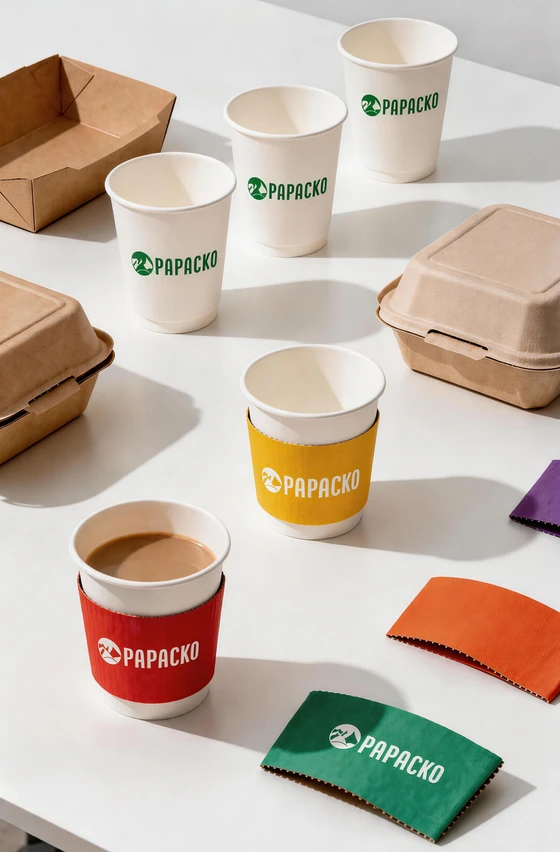
Prêt à créer vos propres gobelets ou emballages en papier ?
Faites-nous part de vos exigences - taille, revêtement, impression et destination - et notre équipe établira un devis détaillé dans les 24 heures.

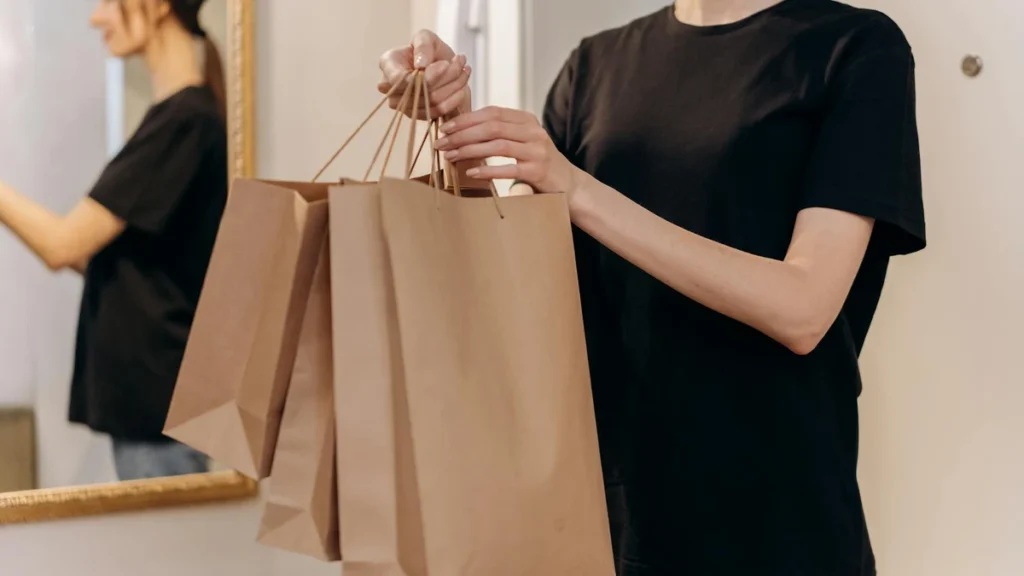
Les commerces de détail distribuent plus de 180 milliards de sacs en papier chaque année, les sacs en papier kraft représentant 68 % de ce marché grâce à leur résistance, leurs qualités écologiques et leur aspect naturel. Pourtant, 40 à 55 % des détaillants...
Les commerces de détail distribuent plus de 180 milliards de sacs en papier chaque année, les sacs en papier kraft représentant 68 % de ce marché grâce à leur résistance, leurs qualités écologiques et leur esthétique naturelle. Pourtant, 40 à 55 % des détaillants choisissent des spécifications de sacs inadaptées : des poignées qui cèdent sous le poids des produits, des dimensions qui entraînent un gaspillage de matériaux ou des méthodes d’impression qui ne résistent pas aux tests de durabilité pendant le transport.
Ce guide de sélection complet couvre tous les aspects dont les commerces de détail et les établissements de restauration à emporter ont besoin pour choisir correctement leurs sacs en papier kraft : comparaison des types de poignées (torsadées, plates ou en corde), calculs de la capacité de charge adaptés aux types de produits, formules d'optimisation des dimensions permettant de réduire le gaspillage de matière de 20 à 35 %, tests de durabilité des techniques d'impression, analyse du coût par sac en fonction des volumes de commande, et erreurs courantes de spécification pouvant entraîner des réclamations clients et nuire à l'image de marque.
💡 À retenir: Pour choisir efficacement un sac en kraft, il faut adapter la résistance à la traction des anses au poids du produit (anses torsadées : 3 à 5 kg, anses plates : 5 à 8 kg, anses en corde : 8 à 12 kg), choisir des dimensions de sac supérieures de 15 à 20 % au volume du produit, sélectionner un grammage de papier de 80 à 120 g/m² en fonction du contenu, et commander des quantités de 1 000 à 5 000 unités pour une personnalisation viable à un prix de 0,15 à 0,45 € par sac.
Points clés à prendre en considération :
Les exigences réglementaires et la demande des consommateurs favorisent l'adoption des sacs en papier :
-Interdiction des sacs en plastique: 127 pays et 8 États américains ont mis en place des restrictions (2023-2026)
-Préférences des consommateurs: 731 % des consommateurs considèrent que les marques qui utilisent des sacs en papier sont plus respectueuses de l'environnement
-Perception de la durabilité: Les sacs en papier kraft de qualité se positionnent comme des produits haut de gamme par rapport aux alternatives en plastique fin
-Facteur de réutilisabilité: 62% de clients réutilisent les sacs en papier kraft à l'effigie de la marque pour le rangement, les cadeaux ou d'autres achats, ce qui prolonge la visibilité de la marque
Données du marché: Une analyse du secteur de la vente au détail montre que les entreprises qui passent des sacs en plastique aux sacs en papier kraft enregistrent une augmentation de 15 à 22 % de leurs notes de satisfaction client, la durabilité étant citée comme principal facteur. Le marché mondial des sacs en papier kraft a connu une croissance annuelle de 18 % entre 2023 et 2026, pour atteindre 4,8 milliards de dollars.🎯 Aperçu de l'industrie: Les détaillants haut de gamme indiquent que le passage des sacs en plastique standard aux sacs en papier kraft personnalisés augmente la valeur perçue du produit de 12 à 18 %, ce qui justifie une majoration de prix de 8 à 15 % sans susciter de résistance de la part des clients.
Points clés à prendre en considération :
Structure: Deux ou trois bandes de papier torsadées ensemble, collées aux points de fixation-Coût par sac le plus bas (40-60% moins cher que les poignées en corde)
-Fabrication rapide (aucun composant supplémentaire requis)
-Suffisant pour 70% d'applications grand public
Limites:-Capacité de charge limitée (ne convient pas aux livres, bouteilles ou conserves)
-Moins confortable lors d'un transport prolongé (son profil fin fait mal aux mains)
-Considérées comme de moindre qualité par rapport aux poignées plates ou en corde
Idéal pour: Boutiques de mode, boutiques de cadeaux, boulangeries, produits d'épicerie, magasins de cosmétiquesPour bien comprendre les sacs en papier kraft, il faut tenir compte des facteurs suivants :
Structure: Larges bandes de papier (25 à 35 mm) pliées et renforcées, collées ou cousues-Une surface plus large réduit la pression exercée par la main (plus confortable)
-Plus résistantes que les poignées torsadées (résistance à la traction supérieure de 60 à 80 % par rapport au modèle 60-80%)
-Une meilleure mise en valeur de la marque (plus d'espace pour les logos imprimés)
Limites:-Le modèle 30-50% est plus cher que les poignées torsadées
-Durée de fabrication légèrement plus longue (étape de renforcement)
-Cela reste insuffisant pour les objets lourds (bouteilles de vin, conserves)
Idéal pour: Librairies, magasins de chaussures, plats à emporter, commerces de détail proposant des produits de poids modéré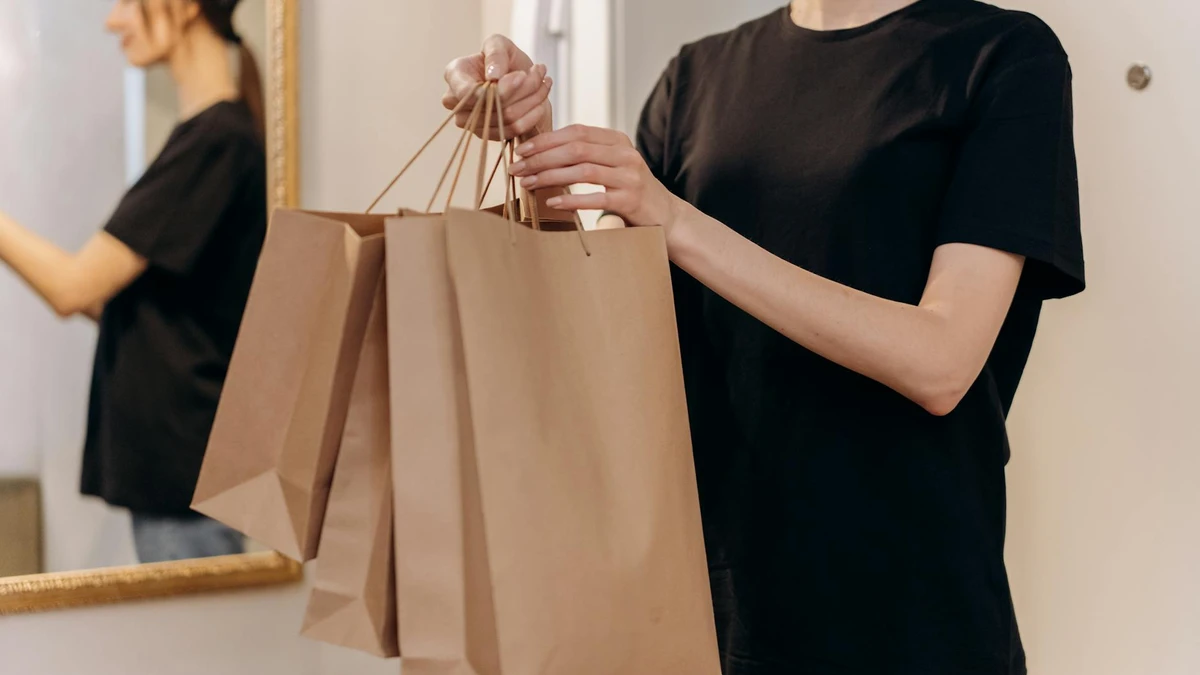
Pour bien comprendre les sacs en papier kraft, il faut tenir compte des facteurs suivants :
Structure: Corde en coton, en jute ou en papier enfilée dans des trous percés, nouée à l'intérieur-Capacité de charge maximale (convient pour les bouteilles, les livres et les produits lourds)
-Un confort de portage optimal (corde souple, répartition homogène du poids)
-Perception haut de gamme (associée aux marques de luxe)
-Conçus pour durer et être réutilisés (nos clients les réutilisent pendant des années)
Limites:-L'option la plus chère (2 à 4 fois plus chère que les poignées torsadées)
-Durée de production plus longue (enfilage manuel des cordes dans certaines étapes)
-Cela peut sembler un peu trop sophistiqué pour des produits légers
Idéal pour: Cavistes, épiceries fines, mode de luxe, emballages cadeaux, bijouterie, cosmétiques haut de gammePour bien comprendre les sacs en papier kraft, il faut tenir compte des facteurs suivants :
Comprendre le grammage du papier:-Poids du produit < 2 kg → 100-110 g/m²
-Poids du produit : 2 à 5 kg → 120 à 130 g/m²
-Poids du produit : 5 à 8 kg → 140 à 160 g/m²
-Poids du produit > 8 kg → 170 g/m² et plus, avec poignées renforcées
Le choix des sacs en papier kraft dépend des éléments suivants :
-FSC (Forest Stewardship Council): Vérifie le respect des pratiques forestières durables
-Pourcentage de matériaux recyclés: déchets post-consommation 30%, 50%, 80% ou 100%
-Biodégradabilité: Le papier kraft vierge et le papier kraft recyclé sont tous deux compostables (60 à 90 jours dans des installations industrielles)
Lorsque vous évaluez les sacs en papier kraft, tenez compte des éléments suivants :
-W = Largeur (ouverture du sac)
-D = Profondeur (gousset, extension latérale)
-G = Hauteur (du bas vers le haut)
1.Mesurer les dimensions du produit (longueur × largeur × hauteur)
2.Ajouter un jeu de 15-20% pour faciliter le rangement et laisser de la place pour les poignées
3.Arrondir à la taille standard la plus proche (les dimensions sur mesure entraînent un supplément de 25 à 401 TP3T)
Exemple de calcul (boîte à chaussures) :-Boîte à chaussures : 30 cm × 20 cm × 12 cm
-Dimensions hors tout (20%) : 36 cm × 24 cm × 14,4 cm
-Sac recommandé: Grand format (32 × 15 × 42 cm) — la largeur est légèrement inférieure, mais la hauteur compense
Erreurs courantes:-❌ Surdimensionnement: L'utilisation de grands sacs pour de petits produits entraîne un gaspillage de 30 à 40 % du coût des matériaux
-❌ Sous-dimensionnement: Le fait de tasser les produits dans des sacs trop étroits provoque des déchirures et nuit à l'expérience client
-✅ Rationalisation des effectifs: Le produit occupe 60 à 75 % du volume du sac (présentation professionnelle, rapport qualité-prix avantageux)
-Couleurs très contrastées: Noir, bleu foncé, vert foncé, blanc (s'impriment bien)
-Contraste moyen: Rouge, orange, violet (nécessite un réglage de la densité d'encre)
-Contraste insuffisant: Jaune, tons pastel clairs, beige (presque invisible sur du papier kraft brun)
Bonnes pratiques en matière de conception:1.Taille du logo: Largeur minimale de 60 mm pour une bonne visibilité à une distance de 2 à 3 mètres
2.Épaisseur de la police: Caractères moyens à gras (les caractères fins disparaissent sur le papier kraft texturé)
3. Couverture d'encre: Les aplats donnent un meilleur résultat que les dégradés (le papier kraft n'absorbe pas l'encre de manière uniforme)
4. Sous-vêtement blanc: Pour les motifs en couleur, imprimez d'abord une sous-couche blanche (cela renforce l'éclat de 40 à 60 %)
-1 000 petits sacs (à plat) = 0,4 mètre cube
-1 000 sacs de taille moyenne = 0,6 mètre cube
-1 000 grands sacs = 0,9 mètre cube
Optimisation de la fréquence des commandes:-En commandant 5 000 unités au lieu de 1 000, vous économisez entre 35 et 451 TP3T par sac
-Pour une consommation mensuelle de 300 sacs, économies annuelles : ((1,28 – 1,18) × 3 600 sacs = $360 enregistré)
-Coût de stockage pour 5 000 sacs : environ 1 450 à 1 000 euros par mois pour un espace d'entrepôt de 3 m³
-Économies nettes: $260-310 par an en commandant de plus grandes quantités
-Identité visuelle de base (1 couleur) : +$960/an (+$80/mois)
-Image de marque haut de gamme (quadrichromie) : 2 640 TP4T par an (220 TP4T par mois)
Valeur marketing:-Chaque sac de marque est vu par 15 à 25 personnes (porté en public, réutilisé à la maison)
-12 000 sacs par an × 20 impressions = 240 000 impressions de marque
-Coût par impression : 1 420,88 ÷ 240 000 = $0.012 CPM (1 TP4T12 pour 1 000 impressions)
-Comparaison : CPM des publicités Facebook = 1 480-1 500, Réseau Display de Google = 1 430-1 000
Facteurs de retour sur investissement:1.Notoriété de la marque: Les clients de la tranche d'âge 28-35 ans sont plus susceptibles de se souvenir des emballages de marque
2. Fidélisation de la clientèle: 12-18% augmentation des visites répétées lorsque l'emballage met en valeur la marque
3. Preuve sociale: Des clients qui se promènent en public avec des sacs de marque = de la publicité gratuite
4.Perception de la qualité supérieure: La qualité des sacs justifie un prix de vente plus élevé
-✅ “ Fabriqué à partir de papier kraft recyclé 80% ”
-✅ “ Foresterie durable certifiée FSC ”
-✅ “ Entièrement biodégradable et compostable ”
-❌ “ Écologique ” (trop vague, manque de crédibilité)
-❌ “ 100% natural ” (n'a aucun sens hors contexte)
❌ Erreur #1: Opter pour des poignées torsadées pour les produits pesant plus de 5 kg (bouteilles, livres, lots d'articles) ✅ Approche correcte: Choisissez le type de poignée en fonction du poids : torsadée pour moins de 3 kg, plate pour 3 à 7 kg, en corde pour plus de 7 kg. Testez les sacs avec les produits réels avant de commander plus de 5 000 unités. Une poignée qui cède entraîne la frustration des clients et nuit à l'image de marque.
❌ Erreur #2: Commander des dimensions sur mesure en pensant que cela permet de faire des économies pour les produits de forme irrégulière ✅ Approche correcte: Les dimensions sur mesure coûtent entre 25 et 401 TP3T de plus que les dimensions standard. Utilisez un sac standard de la taille supérieure, en le rembourrant avec du papier de soie. Ne demandez des dimensions sur mesure que pour les très gros volumes (plus de 50 000 unités), lorsque les économies réalisées compensent les coûts d'outillage.
❌ Erreur #3: Choix d'un papier kraft de 70 à 80 g/m² pour réduire les coûts, puis apparition de défaillances au niveau des sacs ✅ Approche correcte: Ne lésinez pas sur le grammage du papier. Un grammage de 100 à 120 g/m² est la norme dans le secteur de la vente au détail. Les économies de 1 à 4 centimes par sac finissent par coûter cher si les sacs se déchirent et que les clients se plaignent. Optez dès le départ pour des sacs aux spécifications adéquates.
❌ Erreur #4: Impression de couleurs claires (jaune, tons pastel) sur du papier kraft naturel pour une bonne visibilité ✅ Approche correcte: Optez pour des couleurs très contrastées (noir, bleu marine, vert foncé) ou imprimez d'abord une couche de fond blanche (+$0,04-0,06/sac). Testez des échantillons d'impression sous l'éclairage du magasin avant de vous engager pour plus de 3 000 unités. Des logos invisibles réduisent à néant tout l'investissement consacré à l'image de marque.
❌ Erreur #5: Commander 10 000 unités pour bénéficier du prix le plus bas sans tester la conception ni calculer les besoins en stockage ✅ Approche correcte: Commencez par produire 1 000 à 2 000 unités pour valider la conception, tester la durabilité avec des produits réels et évaluer la réaction des clients. Passez ensuite à une production de 5 000 à 10 000 unités une fois que la qualité est confirmée. Les coûts de stockage pour 10 000 sacs peuvent annuler les économies réalisées par unité.
Pour choisir les sacs en papier kraft adaptés à la vente à emporter, il faut veiller à ce que cinq critères essentiels correspondent aux besoins de votre entreprise : le type de poignées et la résistance à la traction doivent être adaptés au poids des produits ; le grammage du papier doit être adapté au contenu ; les dimensions standardisées doivent trouver le juste équilibre entre l'ajustement des produits et la rentabilité ; les méthodes d'impression doivent être adaptées à la complexité du design et au volume des commandes ; enfin, les certifications en matière de développement durable doivent trouver un écho auprès de votre clientèle cible.
Principaux enseignements :1. Adapter les poignées au poids—torsadé pour < 3 kg ($0,12-0,22/sac), plat pour 3-7 kg ($0,18-0,32/sac), en corde pour plus de 7 kg ($0,28-0,48/sac)
2. Ne sous-estimez pas le grammage du papier—Le grammage de 100 à 120 g/m² correspond à la norme pour la vente au détail, tandis que celui de 130 à 150 g/m² est destiné aux produits plus lourds ; économiser 0,02 à 0,04 € par sac ne vaut pas la peine si cela entraîne des défaillances des sacs
3. Utilisez des dimensions standard—Les dimensions sur mesure entraînent un supplément de 25 à 401 TP3T ; optez plutôt pour la taille standard supérieure et ajoutez du rembourrage
4. Commencez modestement avec l'impression—Tester 1 000 à 2 000 unités avant de passer commande de plus de 10 000 sacs en flexographie ; les sacs personnalisés génèrent 1 000 impressions de marque par 4 000 à 12 000 impressions publicitaires
5. Les certifications font grimper les primes—La certification FSC et la présence de matériaux recyclés justifient des hausses de prix de 5 à 15 % ; 68 % des consommateurs accordent de l'importance aux emballages durables
-“ >Accessoires d'emballage
-“ >Services d'impression personnalisés »
-“ Solutions d'emballage durables »
Papacko fournit aux commerces de détail des sacs en papier kraft sur mesure, disponibles avec différents types de poignées (torsadées, plates, en corde), dans des formats standard ou personnalisés, et avec des options d'impression allant de la flexographie monochrome à l'impression numérique en quadrichromie. Nos spécialistes en emballage proposent des échantillons gratuits, des tests de résistance au poids et l'optimisation de la conception, afin de garantir que vos sacs s'adaptent parfaitement à vos produits tout en maximisant le retour sur investissement de votre image de marque.
Prenez contact avec nous :