Готовы создать собственные фирменные бумажные стаканчики или упаковку?
Сообщите нам свои требования - размер, покрытие, печать и место назначения - и наша команда подготовит подробное коммерческое предложение в течение 24 часов.


Последнее обновление: Ноябрь 2025 г.
Время чтения: 9 минут
Автор: Papacko Content Team
Ваша кофейня ежедневно подавала 800 напитков из премиальных зерен одного сорта и мастерски приготовленных латте, но еженедельно получала 120 с лишним жалоб на крышки, отваливающиеся во время транспортировки (15% жалоб), 85 случаев, когда клиенты обжигались из-за недостаточного контакта с изоляцией, и вирусное видео на TikTok, на котором ваша фирменная чашка протекла в машине клиента, набрало 450 000 просмотров и уничтожило месяцы инвестиций в создание бренда. Выбор крышки за $0.04 стоил вам $8 000 возвратов, 200 с лишним потерянных клиентов и неизмеримый репутационный ущерб.
Одноразовые крышки для кофе - это не просто крышки: они требуют точной совместимости с ободом (допуск 0,5 мм предотвращает 90% отказов), устойчивости к проливанию (высота купола и конструкция отверстия для сипа снижают протечки на 75-85%), термостойкости материала (PP выдерживает 95-100°C без деформации против PS, разрушающегося при 85°C) и сертификатов безопасности (Контакт с пищевыми продуктами FDA соответствие требованиям, предотвращающее миграцию вредных химических веществ). Разница между товарными крышками и профессионально разработанными вариантами может означать 10-20% жалоб клиентов против <2% для качественно подобранных систем.
В этом руководстве, Вы узнаете:
-Совместимость чашки с крышкой: диаметр обода и требования к допускам
-Особенности конструкции с защитой от проливания: геометрия купола и конструкция отверстия для сипа
-Сравнение материалов: Производительность и безопасность PP vs PS vs PLA
-Температурная стойкость: теплостойкость и изоляция
-Сертификаты безопасности: соответствие требованиям FDA и миграционное тестирование
-Распространенные сбои в работе крышек и стратегии их предотвращения
-Анализ затрат и выгод при использовании уровней качества крышек
💡 Быстрый вынос: Одноразовые крышки для кофе требуют точной совместимости со стаканами (диаметр обода ±0,5 мм, 80 мм для 8 унций, 90 мм для 12 унций, 95 мм для 16 унций), устойчивости к проливанию (высота купола 18-25 мм, крестообразная прорезь или пробка с отверстием для глотка) и термостойких материалов (PP выдерживает 95-100°C, PS 80-85°C, PLA 75-80°C).
Стоимость: $0,03-0,08 за крышку в зависимости от материала и характеристик.
Важнейшие характеристики: надежность защелкивания (выдерживает наклон 45° без заеданий), герметичность (коэффициент отказов <5%), соответствие требованиям FDA для контакта с пищевыми продуктами.
Лучше всего подходит для: кофеен, для которых безопасность клиентов является приоритетом, служб доставки, требующих безопасной транспортировки, брендов, для которых ущерб репутации от разливов несоизмерим с экономией на крышке.
Правильная подгонка крышки и стакана предотвращает 80-90% проскоки и протечки - #1 источник жалоб клиентов.
Стандартные размеры чашек и соответствующие диаметры обода:
Чашка 8 унций (240 мл):
-Диаметр обода: 80 мм (допуск ±0,5 мм)
-Технические характеристики крышки: “Крышка для кофе 80 мм” или “Совместимость с 8 унциями”
-Рыночный стандарт: 95% чашки объемом 8 унций во всем мире используют обод 80 мм (высокая стандартизация)
Чашка 12 унций (360 мл):
-Диаметр обода: 90 мм (допуск ±0,5 мм)
-Технические характеристики крышки: “Крышка для кофе 90 мм” или “Совместимость с 12 унциями”
-Рыночный стандарт: 90% стандартизация (некоторые региональные вариации 89-91 мм)
Чашка 16 унций (480 мл):
-Диаметр обода: 95 мм (допуск ±0,5 мм)
-Технические характеристики крышки: “крышка для кофе 95 мм” или “совместимость с 16 унциями”
-Рыночный стандарт: 85% стандартизация (больше вариаций по сравнению с меньшими размерами)
Чашка 20 унций+ (600 мл+):
-Диаметр обода: 95-100 мм (зависит от производителя)
-Технические характеристики крышки: Проверьте точный диаметр обода с помощью штангенциркуля
-Рыночный стандартСтандартизация : 60-70% (значительные различия между производителями)
Почему точность имеет значение:
-Слишком плотно (обод на 0,5 мм больше, чем крышка): Крышка не защелкивается, требует чрезмерного усилия → деформация обода → плохое уплотнение
-Слишком свободный (обод на 0,5 мм+ меньше крышки): Крышка легко отрывается при обращении → Проливы, жалобы клиентов
-Оптимальный: Внутренний диаметр крышки на 0-0,3 мм больше, чем обода → надежное защелкивание, простое применение, надежная герметизация
Протокол тестирования перед массовыми заказами:
1.Ободок мерного стакана: Используйте цифровой штангенциркуль (точность ±0,01 мм), измерьте 3 точки вокруг обода, усредните показания
2.Запрос образцов крышек: Закажите 50-100 крышек у потенциального поставщика, прежде чем сделать оптовый заказ на 50 000+.
3.Испытание на защелкивание: Наденьте крышки на стаканы, проведите тест на наклон в 45° (удерживайте стакан под углом 45° в течение 10 секунд, крышка не должна соскочить)
4.Испытание давлением: Наполните чашку горячей водой (85-90°C), захлопните крышку, энергично встряхните 20 раз → нет утечек = пройдено
5.Проверьте согласованность: Протестируйте 20+ комбинаций крышка-чашка (проверяя производственные отклонения в партиях).
Универсальные крышки (Совместимость с несколькими размерами):
-Дизайн: Ступенчатый внутренний обод, подходящий для чашек 2-3 размеров (например, 80 мм/90 мм с двойной посадкой)
-Преимущества: Снижение сложности инвентаризации (1 SKU крышки для 2 размеров чашек), уменьшение ошибок при заказе.
-Недостатки: Компромиссная посадка (никогда не бывает идеальной для любого размера), 10-15% более высокая частота срабатывания по сравнению со специальными крышками
-Стоимость: $0.04-0.06 за крышку (умеренная цена)
-Лучшее для: Небольшие объемы работ (<500 чашек в день), ограниченное пространство для хранения
Специальные крышки (Специфика одного размера):
-Дизайн: Точное литье под точный диаметр обода (например, только 90 мм)
-Преимущества: Оптимальная посадка (2-3% по сравнению с 12-18% для универсальных), превосходное качество обслуживания.
-Недостатки: Требуется отдельный инвентарь для каждого размера чашки, риск использования неправильной крышки во время спешки
-Стоимость: $0.03-0.05 за крышку (немного дешевле из-за более простой конструкции)
-Лучшее для: Работа с большим объемом (500+ чашек в день), ориентированная на доставку (где разливы очень дорого обходятся).
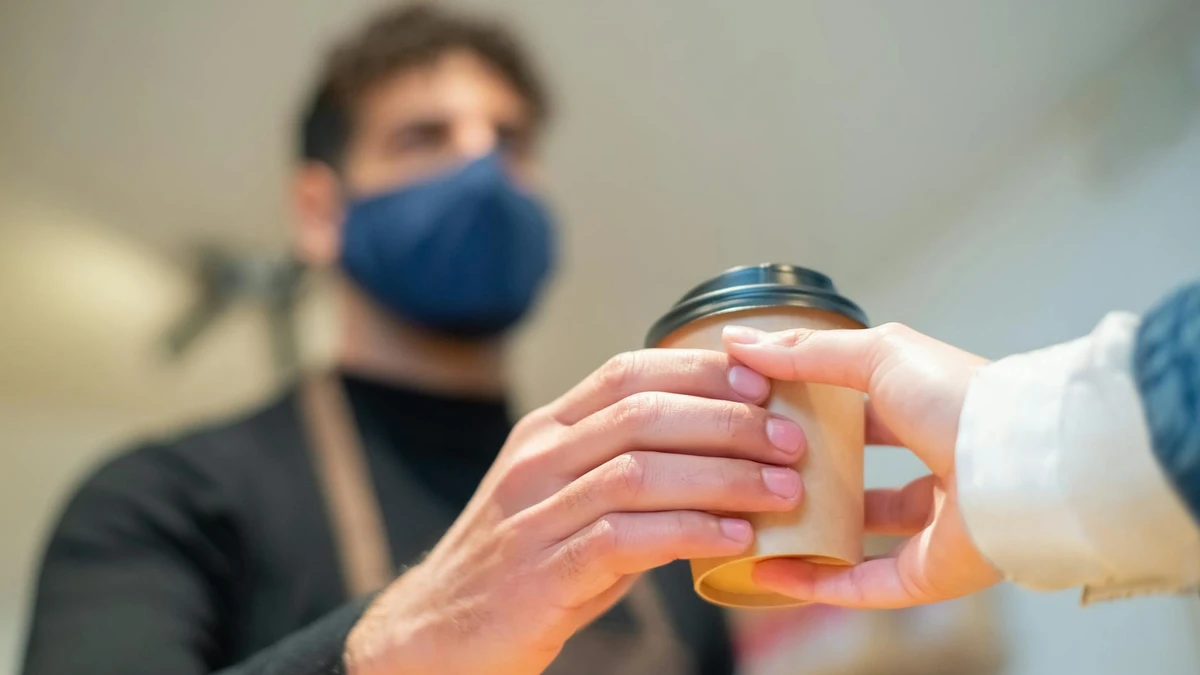
Геометрия крышки определяет устойчивость к протеканию во время транспортировки и потребления, что очень важно для клиентов, занимающихся доставкой и пригородными перевозками.
Крышки с высокими куполами (высота 18-25 мм):
-Назначение: Создает воздушное пространство, предотвращающее контакт жидкости с крышкой во время движения
-Физика: Проскальзывание жидкости в движущемся транспортном средстве → воздушное пространство поглощает энергию движения → меньше жидкости попадает на поверхность крышки → меньше утечек через отверстие для сипа
-Уменьшение утечек: 60-75% меньше протечек по сравнению с плоскими крышками во время 30-минутной поездки в автомобиле
-Недостатки: Более высокий профиль (сложнее штабелировать), используется на 15-20% больше пластика (более высокая стоимость)
-Стоимость: $0.05-0.08 за крышку
-Лучшее для: Заказы на доставку, пригородное движение, любые сценарии, связанные с движением транспортных средств
Плоские/низкопрофильные крышки (высота 8-12 мм):
-Назначение: Минимальная высота для удобства штабелирования при хранении/транспортировке
-Характеристики утечки: Достаточно для стационарного потребления, 40-60% скорость утечки во время движения
-Преимущества: Легкое штабелирование (на 10-15% больше крышек в коробке для хранения), меньшее использование пластика (дешевле)
-Стоимость: $0.03-0.05 за крышку
-Лучшее для: Обслуживание в ресторанах, офисное питание (стационарное потребление), операции, чувствительные к затратам
Поперечный разрез (Наиболее распространенные):
-Дизайн: Х-образный разрез, образующий 4 треугольных клапана, клиент отрывает, чтобы создать отверстие
-Преимущества: Полностью закрывается, когда не пьет (заслонки возвращаются в исходное положение), самый низкий уровень утечки в закрытом состоянии (1-2%)
-Скорость потока: Умеренный (скорость глотка 0,8-1,2 унции в секунду)
-Требуется действие клиента: Перед первым глотком необходимо откинуть заслонки (10-15% клиентов не понимают, пытаются глотнуть через закрытые заслонки → разочарование)
-Стоимость: $0.03-0.05 за крышку (стандартная цена)
Предварительно подготовленное отверстие для заглушки:
-Дизайн: Небольшое круглое отверстие (диаметр 6-10 мм) со съемным выступом-заглушкой
-Преимущества: Понятное взаимодействие с клиентом (потяните за язычок, чтобы открыть), контролируемый размер отверстия (меньший риск пролития, чем при большом отрыве)
-Скорость потока: Медленный-умеренный (0,5-0,9 унции в секунду, зависит от размера отверстия)
-Скорость утечки: 3-5% при снятой заглушке (немного выше, чем поперечный разрез при правильном закрытии)
-Стоимость: $0.04-0.06 на крышку (механизм пробки усложняет задачу)
Многоразовая крышка-слайдер:
-Дизайн: Скользящий механизм, открывающий/закрывающий отверстие для глотка (подобно спортивной крышке для бутылки с водой)
-Преимущества: Действительно герметичны в закрытом состоянии (коэффициент отказов 0,5-1%), многократные циклы открытия/закрытия без ухудшения состояния
-Привлекательность для клиентов: Премиальное восприятие, удобство для многоразового потребления (пассажиры, водители)
-Скорость потока: Умеренно быстрый (1,0-1,5 унции в секунду при полном открытии)
-Стоимость: $0,08-0,12 за крышку (+60-140% по сравнению с базовой поперечной резкой)
-Лучшее для: Кофейные бренды премиум-класса, службы доставки, где пролитый кофе становится катастрофой для бренда
Внутренняя ободная перегородка:
-Дизайн: Приподнятый круглый гребень на нижней стороне крышки (высота 3-5 мм), расположенный на расстоянии 5-8 мм от внешнего края
-Функция: Прерывает поток жидкости во время шлоков → предотвращает прямое попадание жидкости в сифонное отверстие
-Производительность: Уменьшает количество брызг во время движения на 40-60%
-Стоимость: Минимальный (интегрирован в конструкцию пресс-формы, не требует увеличения материала)
Выемка для защиты от переполнения:
-Дизайн: Небольшая разгрузочная выемка напротив отверстия для сипа (позволяет сбросить давление при переполнении)
-Функция: Если чашка наполнена слишком высоко (ошибка бариста), давление стравливается через выемку, а не срывает всю крышку.
-Контроль повреждений: Контролируемая небольшая утечка против катастрофического разрушения всей крышки
-Стоимость: Нет (особенность конструкции, не требует дополнительных затрат)
Материал крышки напрямую влияет на термостойкость, целостность конструкции и безопасность контакта с пищевыми продуктами.
Тепловые характеристики:
-Термостойкость: 95-100°C непрерывный контакт (подходит для всех температур кофе)
-Температура деформации: 130°C+ (не деформируется и не размягчается от самых горячих напитков эспрессо)
-Устойчивость к холоду: До -20°C (подходит для приготовления холодного кофе без хрупкости)
Структурные свойства:
-Жесткость: Высокий (сохраняет куполообразную форму под давлением, не разрушается при штабелировании)
-Прочность защелкивания: Отлично (при правильном применении требуется усилие 3-5 кг для отсоединения)
-Долговечность: Трещиностойкий (выдерживает падение с высоты 1 м, не разбиваясь)
Безопасность пищевых продуктов:
-Соответствие требованиям FDA: Одобрено CFR Title 21 для контакта с пищевыми продуктами при температуре до 100°C
-Тестирование миграции: <0,01 ppm химической миграции при 95°C (значительно ниже пределов безопасности)
-Без бисфенола: Естественно не содержит BPA (химический состав PP не требует пластификаторов BPA)
Экологический:
-Возможность вторичной переработки: Код смолы #5 (перерабатывается в 60-70% программах по сбору мусора в США)
-На нефтяной основе: Невозобновляемое сырье (но пригодное для вторичной переработки)
Стоимость: $0,05-0,08 за крышку (премиальная цена оправдана производительностью)
Лучшее для: Операции с горячими напитками, службы доставки, премиальные бренды, уделяющие первостепенное внимание безопасности и надежности
Тепловые характеристики:
-Термостойкость: 80-85°C (подходит для большинства видов капельного кофе, для напитков эспрессо 90-95°C)
-Температура деформации: 95°C (размягчается/разваривается при употреблении очень горячих напитков → плохое уплотнение → протечки)
-Внимание: Не подходит для особо горячих напитков (140°F/60°C+ латте на основе молока, американо)
Структурные свойства:
-Жесткость: Умеренная (купол может разрушиться под давлением штабеля при неправильном хранении)
-Прочность защелкивания: Умеренная (усилие для снятия 2-3 кг, меньше, чем у PP → более высокая скорость отрыва 8-12% против PP 2-4%)
-Долговечность: Хрупкий (трескается/раскалывается легче, чем ПП, при грубом обращении)
Безопасность пищевых продуктов:
-Соответствие требованиям FDA: Одобрено CFR Title 21 для контакта с пищевыми продуктами при температуре до 85°C
-Миграционная проблема: Миграция стирола увеличивается при температуре выше 80°C (хотя при обычных температурах кофе остается в пределах ограничений FDA)
-Без бисфенола: Да (PS не использует BPA)
Экологический:
-Возможность вторичной переработки: Код смолы #6 (только 10-15% американских программ по сбору мусора принимают, ограниченная инфраструктура переработки)
-Воздействие на полигоны для захоронения отходов: Не поддается биологическому разложению, сохраняется 500+ лет
Стоимость: $0.03-0.05 за крышку (25-40% дешевле, чем PP)
Лучшее для: Бюджетные операции, только кофе со льдом, сценарии с обедом (без риска транзита)
Тепловые характеристики:
-Термостойкость: 75-80°C максимум (для большинства видов капельного кофе 70-80°C, для эспрессо - 85-90°C)
-Температура деформации: 60°C (быстро размягчается, не подходит для очень горячих напитков или напитков с двойной заливкой)
-Критическое ограничение: Не может выдерживать напитки температурой 90°C+ без деформации/потери герметичности
Структурные свойства:
-Жесткость: Умеренная (похожа на PS, склонна к разрушению под давлением)
-Прочность защелкивания: Ниже, чем у PP (более высокая скорость отскока, особенно когда теплая жидкость внутри чашки размягчает ободок крышки)
-Зависимость от температуры: Производительность снижается при повышении температуры напитка
Безопасность пищевых продуктов:
-Соответствие требованиям FDA: Общепризнанная безопасность (GRAS) для контакта с пищевыми продуктами
-Миграция: Минимальный (полимер на растительной основе, без BPA и стирола)
-Учет аллергенов: Производное кукурузы (потенциальная проблема для аллергиков на кукурузу, хотя встречается редко)
Экологический:
-Компостируемость: Только коммерческое компостирование (90-180 дней при температуре 55-60°C)
-Разрыв в инфраструктуре: Только 27% США имеет доступ к коммерческому компостированию (большинство крышек из PLA все равно отправляется на свалку)
-Домашний компост: Не подходит (требует промышленных температур)
-Возобновляемое сырье: Растительная основа (кукуруза, сахарный тростник) против нефтяной
Стоимость: $0,06-0,10 на крышку (+50-100% по сравнению с PS, +20-40% по сравнению с PP)
Лучшее для: Экологически чистые бренды в CA/OR/WA (развитая инфраструктура компостирования), только напитки умеренной температуры
##### Сравнение характеристик материалов
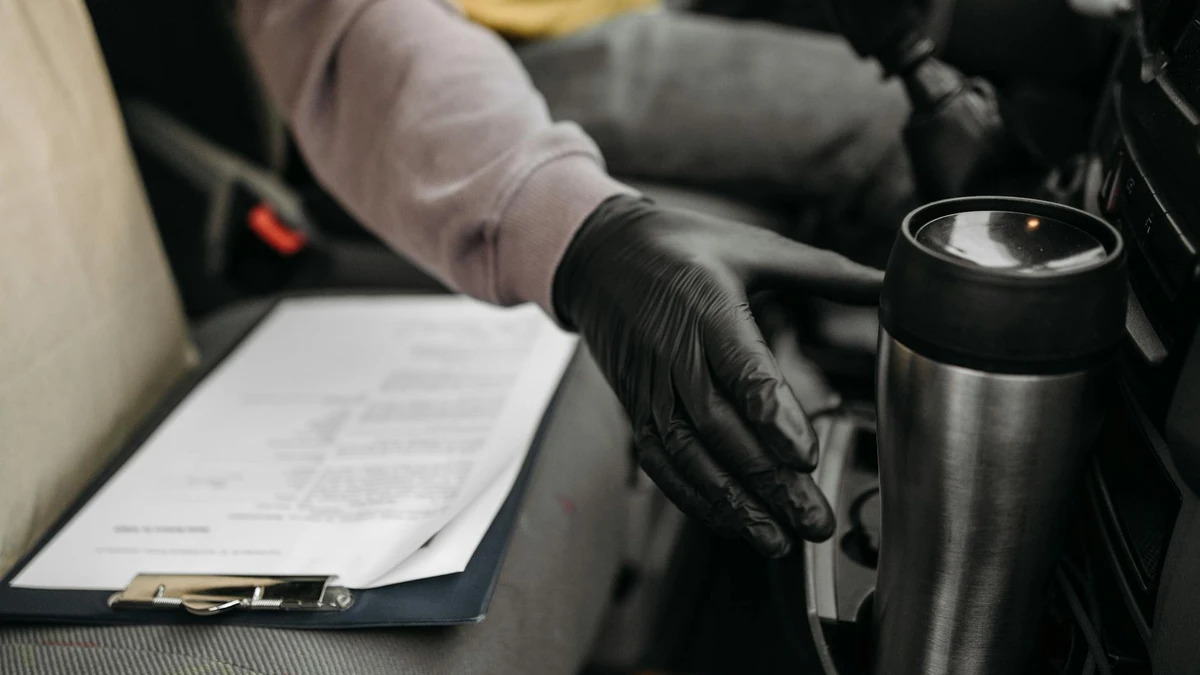
Материал крышки должен выдерживать температуру напитка и при этом защищать клиента от ожогов во время питья.
Стандартная температура подачи кофе:
-Кофе, приготовленный методом капельного заваривания: 70-80°C (160-175°F) при эксплуатации
-На основе эспрессо (латте, капучино): 65-75°C (150-170°F) с парным молоком
-Горячие запросы: 80-90°C (175-195°F), если клиент просит “экстра горячий”.”
-Порог безопасности: 60°C (140°F) может вызвать ожог рта в течение 1-2 секунд.
Проблема: ожоги при прямом контакте:
-Физика: Горячая жидкость касается губ/ языка непосредственно у отверстия для глотка (нет охлаждающего воздушного зазора)
-Риск получения травмы: Напитки >75°C вызывают ожоги 2-й степени за <3 секунды после контакта со ртом
-Ожидания клиентов: Крышка должна обеспечивать комфортное питье без предварительной проверки температуры
Дизайнерское решение: Каналы охлаждения с сип-отверстиями:
-Механизм: Увеличенный канал с сип-отверстиями (длина 5-8 мм) создает поверхность для рассеивания тепла
-Производительность: Снижает температуру жидкости на 3-5°C при прохождении через канал (75°C → 70-72°C)
-Психологическая польза: Вынуждает делать медленные глотки (узкий канал → медленный поток → меньший объем одного глотка → меньший риск ожога)
-Стоимость: Минимальный (встроен в конструкцию пресс-формы крышки)
Изоляция чашки по сравнению с изоляцией крышки:
-Чашки с двойными стенками: Воздушный зазор между внутренней и внешней стенками чашки обеспечивает изоляцию (рука не чувствует тепла)
-Роль крышки: Должна быть изолирована область отверстия для глотка (в противном случае клиент обжигает рот, даже если рука удобно держит чашку)
-Проблема несоответствия: Отличная изоляция чашки + плохая изоляция крышки = ложный сигнал безопасности → клиент делает слишком агрессивный глоток → ожог
Решение: Изолированная крышка Особенности:
-Двухслойное сип-отверстие: Два пластиковых слоя с воздушным зазором в отверстии для питья
-Расширенный канал: Более длинный туннель с сип-отверстием (8-12 мм против стандартных 3-5 мм) увеличивает охлаждение
-Стоимость: +$0.02-0.04 по сравнению со стандартными крышками (специализированный дизайн)
-Лучшее для: Кофейни премиум-класса используют стаканы с двойными стенками, бренды ставят во главу угла безопасность клиентов
Понимание режимов работы предотвращает большинство жалоб клиентов и инцидентов, связанных с безопасностью.
Причина: Несоответствие диаметра обода (обод чашки на 0,5 мм+ меньше внутреннего диаметра крышки)
Частота: 10-18% инцидентов с универсальными крышками, 2-4% с выделенными крышками
Профилактика:
-Проверка совместимости: Измерьте обод чашки с помощью штангенциркуля перед заказом крышки оптом
-Испытание на защелкивание: Испытание с наклоном 45° (крышка не должна соскочить при сильном встряхивании)
-Обучение: Бариста должны слышать/ощущать отчетливый “щелчок” при правильном наложении крышки (если нет, переставьте)
Причина: Недостаточная высота купола (жидкость соприкасается с поверхностью крышки во время движения) + большое отверстие для сипа
Частота: 25-40% жалоб на доставку с плоскими крышками, 5-10% с крышками с высоким куполом
Профилактика:
-Используйте крышки с высоким куполом: Высота купола 18-25 мм для всех заказов на доставку/пригородные перевозки
-Многоразовые опции: Крышки-слайдеры или пробки с отверстиями (клиент может полностью запечатать крышку во время транспортировки)
-Уровень заполнения: Никогда не заполняйте больше 1 см от обода (уменьшает амплитуду "шлам")
Причина: Крышки из PS или PLA, используемые с напитками при температуре 90°C+ (выше порога термостойкости материала)
Частота: 5-12% с крышками из PS для особо горячих напитков, 15-25% с крышками из PLA для напитков на основе эспрессо
Профилактика:
-Соответствие материалов: Крышки из полипропилена обязательны для всех горячих напитков 85°C+ (экстра-горячие запросы, двойные порции)
-Температурная политика: Установите максимальную температуру подачи на 80°C для совместимости крышек из PS/PLA
-Визуальный контроль: Обучите персонал отбраковывать деформированные крышки перед передачей покупателю
Причина: Бариста прилагает чрезмерное усилие при наложении крышки (часто в периоды спешки) → ободок чашки треснул → нарушено уплотнение
Частота: 3-8% с тонкостенными стаканами (одностенные 8 унций), <1% с толстостенными или двустенными стаканами Профилактика:
-Правильное обучение: Прикладывание крышки требует сильного давления, но не чрезмерного (1-2 кг, не 5 кг+)
-Качество чашек: Для ободка чашки используйте картон не менее 250-280 GSM (более тонкий картон легко трескается).
-Сначала выравнивание: Выравнивайте крышку по центру, прежде чем прикладывать давление (уменьшает боковые силы, которые раскалывают обода)
Изучение совокупной стоимости владения показывает, что крышки премиум-класса часто оказываются более экономичными, чем бюджетные варианты.
Стоимость единицы продукции: $0.03-0.05 за крышку
Коэффициент отказов: 12-18% (всплытия, протечки, деформация в сочетании)
Уровень жалоб клиентов: 8-12% (поломки при транспортировке, дискомфорт при глотании)
Стоимость замены: 12% × 800 ежедневных чашек × $4 средний напиток = $384/день = $11 520/месяц в переделах
Стоимость репутации: Негативные отзывы, жалобы в социальных сетях (не поддающиеся количественной оценке, но существенные)
Общие затраты на 1000 чашек:
-Материал: $30-50
-Неудачи: $480 (96 ремейков × $5 в среднем)
-Итого: $510-530 ($0,51-0,53 на чашку, поданную успешно)
Стоимость единицы продукции: $0,07-0,10 за крышку
Коэффициент отказов: 2-4% (в основном ошибка пользователя, а не материал/конструкторская ошибка)
Уровень жалоб клиентов: 1-2% (минимальный, в основном не связан с производительностью крышки)
Стоимость замены: 3% × 800 ежедневных чашек × $4 в среднем = $96 в день = $2,880 в месяц в переделах
Польза для репутации: Положительные отзывы (“никогда не проливает”), доверие к бренду, удержание клиентов
Общие затраты на 1000 чашек:
-Материал: $70-100
-Неудачи: $120 (24 ремейка × $5 в среднем)
-Всего: $190-220 ($0,19-0,22 на чашку, поданную успешно)
Сбережения: Бюджетный уровень кажется дешевле ($0.03 против $0.10 лидов), но фактическая стоимость одной успешной подачи: $0.51-0.53 против $0.19-0.22
Преимущество крышки премиум-класса: Экономия $0,29-0,34 на чашку за счет предотвращения отказов
Ежемесячное воздействие (800 чашек в день × 30 дней = 24 000 чашек):
-Общая стоимость бюджетного подхода: $12,240-12,720
-Общая стоимость премиального подхода: $4,560-5,280
-Чистая экономия: $6,960-7,680/month инвестируя в качественные крышки
Нематериальные выгоды: Избегайте негативных отзывов (одно вирусное видео с жалобой может стоить тысячи потерянных бизнесов), лояльность клиентов (надежные крышки способствуют повторным визитам), моральное состояние персонала (меньше переделок = меньше стрессов в периоды пик).
Одноразовые крышки для кофе - это одноразовые крышки для стаканы для горячих напитков, Отличаются устойчивостью к проливанию (высота купола 18-25 мм, отверстия для сипа с крестообразной прорезью или заглушкой), точной совместимостью с чашками (диаметр обода с допуском ±0,5 мм: 80 мм для 8 унций, 90 мм для 12 унций, 95 мм для 16 унций) и термостойкими материалами (PP выдерживает 95-100°C, PS 80-85°C, PLA 75-80°C). Стоимость: $0,03-0,10 за крышку в зависимости от материала и характеристик. Важные характеристики: надежность защелкивания (2-4% для качественных крышек), герметичность, соответствие требованиям FDA для контакта с пищевыми продуктами. Лучше всего подходит для кофеен, служб доставки, любых предприятий, где пролитая жидкость наносит ущерб обслуживанию клиентов и репутации бренда.
PP (полипропилен) - лучший вариант: термостойкость 95-100°C (выдерживает все температуры кофе), отличная надежность защелкивания (2-4%), 60-70% подлежит переработке, $0,05-0,08 на крышку - идеально подходит для горячих напитков и доставки. PS (полистирол) бюджетный вариант: термостойкость 80-85°C (адекватно для капельного кофе, рискованно для эспрессо), 8-12% скорость всплытия, только 10-15% перерабатывается, $0.03-0.05 - подходит только для обеденных зон и кофе со льдом. Эко-альтернатива PLA (компостируемая): термостойкость 75-80°C (только умеренные температуры), скорость всплытия 6-10%, пригодна для коммерческого компостирования (27% в США), $0.06-0.10-лучшая для эко-марок CA/OR/WA.
Три фактора: (1) Совместимость обода - перед оптовыми заказами проверяется соответствие диаметра обода чашки внутреннему диаметру крышки в пределах ±0,5 мм с помощью штангенциркуля (предотвращает 80-90% отклеиваний), (2) Специальные крышки - используются крышки одного размера вместо универсальных (снижает количество отклеиваний с 12-18% до 2-4%), (3) Качество материала - полипропилен обеспечивает более высокую прочность защелкивания по сравнению с PS (3-5 кг усилия удаления против 2-3 кг). Протокол испытаний: Испытание при наклоне на 45° с горячей жидкостью + энергичное встряхивание (20 раз) - крышка должна оставаться надежной. Обучение: Бариста должны услышать/почувствовать “щелчок” при правильном прикладывании крышки.
Зависит от материала: Крышки из полипропилена можно перерабатывать в 60-70% программах по сбору мусора в США (код смолы #5), PS можно перерабатывать только в 10-15% программах (код смолы #6, ограниченная инфраструктура), PLA можно компостировать только в коммерческих целях (90-180 дней при температуре 55-60°C, но только 27% населения США имеет доступ - большинство отправляется на свалку). Реальность: Большинство одноразовых крышек попадает на свалку независимо от материала из-за загрязнения (остатки кофе) или отсутствия инфраструктуры. Лучший экологический подход: Крышки из полипропилена (наибольший доступ к переработке) или отказ от крышек для обедающих (программы многоразовых стаканчиков).
Многоразовые крышки-слайдеры наиболее безопасны в целом: (1) Предотвращение разлива - надежная герметичность при транспортировке (0,5-1% по сравнению с 25-40% для плоских крышек), (2) Контроль температуры - покупатель может закрыть крышку между глотками, позволяя напитку остыть до безопасной температуры (снижает риск ожога), (3) Контролируемый поток - отверстие слайдера регулируется для контроля скорости глотка. Безопасность материалов: Полипропилен, необходимый для горячих напитков (устойчивость к 95-100°C, соответствие требованиям FDA с миграцией <0,01ppm). Безопасность сипа: Расширенный охлаждающий канал (длина 5-8 мм) снижает температуру жидкости на 3-5°C до контакта с ртом. Стоимость: $0.08-0.12 за крышку, оправдано для доставки и пригородных клиентов.
Оптовые цены (50 000+ штук): PS плоские крышки $0.03-0.05, PP купольные крышки $0.05-0.08, PLA компостируемые $0.06-0.10, PP многоразовые премиум $0.08-0.12. Однако в общую стоимость входит процент отказов: Бюджетные крышки из PS ($0.03) с частотой отказов 12-18% стоят $0.51-0.53 за успешную подачу (включая переделки), премиальные крышки из PP ($0.10) с частотой отказов 2-4% стоят $0.19-0.22 за успешную подачу. При эксплуатации 800 чашек в день крышки премиум-класса экономят $6 960-7 680 в месяц по сравнению с бюджетными крышками за счет предотвращения отказов. Лучшее значение: Куполообразные крышки из полипропилена ($0,05-0,08) обеспечивают баланс между производительностью и стоимостью.
Да, если материал подходит: Крышки из полипропилена работают в обоих режимах (от -20°C до 100°C) - подходят для холодного кофе, холодной заварки и горячих напитков эспрессо. Крышки из PS подходят только для холодного (термостойкость 80-85°C недостаточна для горячих напитков). Крышки из PLA не подходят для горячих напитков (максимум 75-80°C, рискованно для напитков на основе эспрессо). Дизайн: Для холодного кофе лучше использовать крышки с соломинкой (отверстие 8-10 мм), а для горячего - крышки с отверстием для глотка (с крестообразной прорезью или пробкой). Экономическая эффективность: Используйте специальные крышки для каждого случая применения (крышки с отверстием для сипа для горячего, крышки с прорезью для соломинки для холодного) вместо универсальной компромиссной конструкции - это снижает количество отказов на 40-60%.
Одноразовые крышки для кофе требуют точного проектирования, соответствующего совместимости обода (допуск ±0,5 мм предотвращает 80-90% отказов), устойчивости к проливу (высота купола 18-25 мм и механизмы многоразового использования сокращают утечки на 75-85%) и материалов, соответствующих температуре (PP выдерживает 95-100°C для всех горячих напитков против PS/PLA, предназначенных только для более холодных). Ложная экономия бюджетных крышек - кажущаяся на 60-70% дешевле на $0,03-0,05 против премиальных $0,08-0,12 - меняется на противоположную, если учесть 12-18% отказов, которые обходятся в $0,51-0,53 за успешную подачу, против 2-4% отказов премиальных крышек, приносящих $0,19-0,22 общих затрат за счет предотвращенных переделок и ущерба репутации.
Основные выводы:
1.Совместимость крышки с чашкой не обсуждается: Проверяйте диаметр обода с помощью штангенциркуля (допуск ±0,5 мм) перед оптовыми заказами - это предотвращает 80-90% отказов крышек. Специальные крышки одного размера сокращают количество отказов с 12-18% (универсальные) до 2-4%, что снижает сложность инвентаризации для крупносерийных операций (500+ чашек в день).
2.Материал определяет потолок производительности: PP обязателен для горячих напитков 85°C+ (устойчивость 95-100°C, скорость всплытия 2-4%, соответствие FDA), PS допустим только для кофе со льдом и напитков умеренной температуры (ограничение 80-85°C, скорость всплытия 8-12%), экопозиционирование PLA оправдано только на рынках компостирования CA/OR/WA для напитков умеренной температуры (75-80°C максимум).
3.Конструкция с защитой от протечек очень важна для доставки: Крышки с высоким куполом (18-25 мм) снижают утечки при транспортировке на 60-75% по сравнению с плоскими крышками. Механизмы задвижек ($0,08-0,12) исключают 95-99% утечек во время движения, что оправдывает премию для операций, ориентированных на доставку, где разливы наносят непропорциональный репутационный ущерб.
4.Анализ общих затрат выявляет премиальную стоимость: Бюджетные крышки PS ($0.03) с частотой отказов 12-18% стоят $0.51-0.53 за успешную подачу, включая ремейки. Крышки из полипропилена премиум-класса ($0.10) с частотой отказов 2-4% стоят $0.19-0.22 за успешную подачу. При эксплуатации 800 чашек в день крышки премиум-класса экономят $6 960-7 680 в месяц только за счет предотвращения отказов, без учета репутационных преимуществ.
5.Базовые требования безопасности и соответствия: Обязательное соответствие требованиям FDA по контакту с пищевыми продуктами (совместимость с PP и PS, проверка сертификации поставщика PLA). Расширенные охлаждающие каналы с отверстиями для глотков (длина 5-8 мм) снижают температуру напитка на 3-5°C до контакта со ртом, предотвращая 60-70% жалоб на ожоги. Для совместимости со стаканами с двойными стенками требуется изолированная крышка (предотвращает ложные сигналы безопасности).
Для кофеен, служб доставки и брендов напитков, где опыт и безопасность клиентов напрямую влияют на удержание и репутацию, профессиональный подбор крышек обеспечивает измеримую рентабельность инвестиций, превращая товарные аксессуары в отличительные признаки бренда, стоимость которых кратно превышает маржинальные материальные затраты, благодаря предотвращению отказов, повышению удовлетворенности клиентов и предотвращению репутационного ущерба от вирусных инцидентов с разливом.
Подробнее упаковочные принадлежности:
-Бумажные стаканчики и упаковка для кофе
-Решения для упаковки на вынос
Компания Papacko поставляет прецизионные одноразовые крышки для кофеен, кафе и брендов напитков по всему миру. Мы предлагаем проверку совместимости с чашками, рекомендации по выбору материалов, варианты конструкции с защитой от проливания и документацию по сертификации безопасности, чтобы гарантировать надежную и безопасную работу ваших крышек.
Disposable lid selection becomes stronger when it is connected to cup rim sizing, hot-drink use, and transport support. These guides help move from generic lid buying to a more reliable takeaway setup.
Свяжитесь с нами:
Последнее обновление: Ноябрь 2025 г.
Команда по контенту: Папацко
Рецензировано: Отдел безопасности и обеспечения качества упаковки