Готовы создать собственные фирменные бумажные стаканчики или упаковку?
Сообщите нам свои требования - размер, покрытие, печать и место назначения - и наша команда подготовит подробное коммерческое предложение в течение 24 часов.

Последнее обновление: Ноябрь 2025 г.
Время чтения: 8-10 минут
Автор: Papacko Content Team
В конкурентном мире здорового питания fast-casual упаковка - это не просто функциональный элемент, а инструмент продаж. Салаты, упакованные в непрозрачные контейнеры, скрывают свои яркие цвета, свежие ингредиенты и щедрые порции. Но салатницы с прозрачными крышками превращают упаковку в визуальный мерчендайзинговый актив, увеличивая импульсные покупки на 34%, согласно исследованиям психологов розничной торговли.
В этом руководстве рассматривается, как упаковка для салатов с оконной крышкой влияет на поведение потребителей, сравниваются варианты дизайна, обеспечивающие максимальную видимость, и предлагаются стратегии поиска поставщиков для различных предприятий - от кафе, ориентированных на здоровый образ жизни, до служб доставки готовой еды.
В этой статье вы узнаете:
-Принципы визуального мерчандайзинга что делает оконные крышки эффективным фактором продаж
-Варианты дизайна (полное окно, частичное окно, фигурные вырезы) и их применение
-Материальные соображения для чистоты, пригодности к переработке и безопасности пищевых продуктов
-Стратегии персонализации для брендинга, ориентированного на прозрачность
💡 Быстрый вынос: Крышки с окошками превращают упаковку для салатов из “хранилища” в “витрину”. Покупатели видят качество ингредиентов и размер порции перед покупкой, что уменьшает колебания при принятии решения и увеличивает конверсию на 20-35% в условиях "бери и иди".
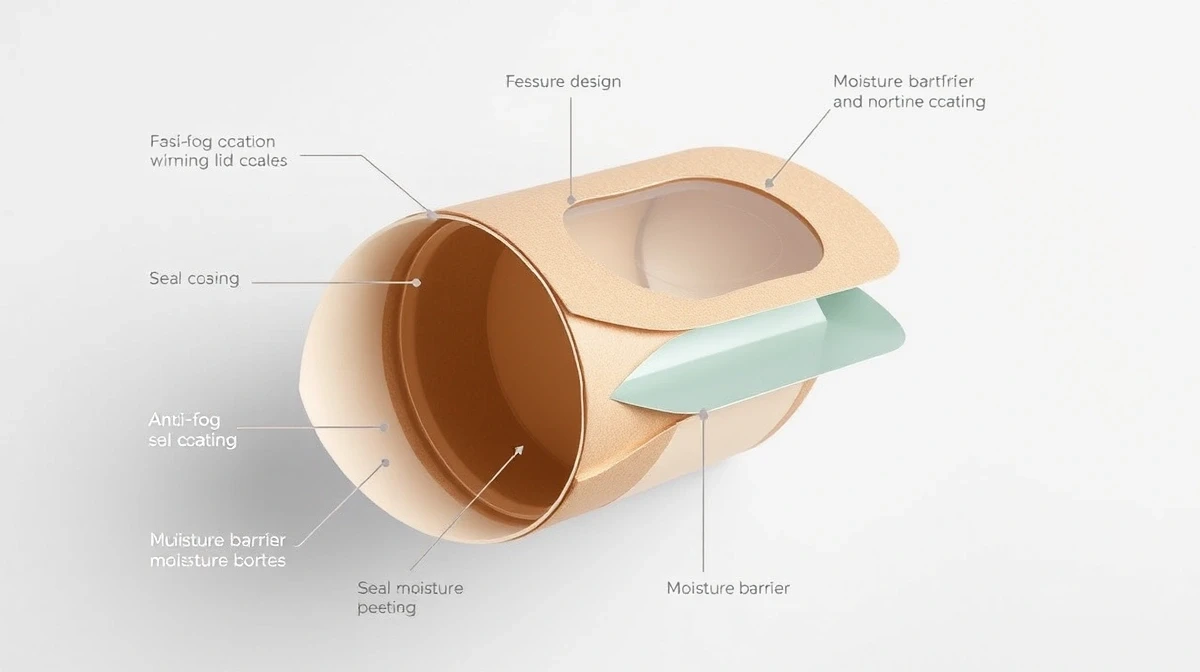
Бумажные миски с крышками с окошками сочетают в себе экологичность контейнеров из волокна и преимущества прозрачных крышек. Как правило, они имеют:
-Чаша из формованного волокна или мелованного картона (крафт или белый, емкость 16-32 унции)
-Крышка из двойного материала с прозрачным окном (PET, PLA или целлюлозная пленка), обрамленным бумагой/картоном
-Устойчивое к протечкам уплотнение (с защелкой, с фрикционной защелкой или с тепловым уплотнением в зависимости от конструкции)
-Противотуманные покрытия (опционально) для сохранения видимости при охлаждении
Основные сценарии использования:
Преимущества потребительского восприятия:
-Проверка свежести: Клиенты визуально проверяют качество ингредиентов перед покупкой
-Прозрачность порций: Наглядный размер порции снижает неопределенность воспринимаемой ценности
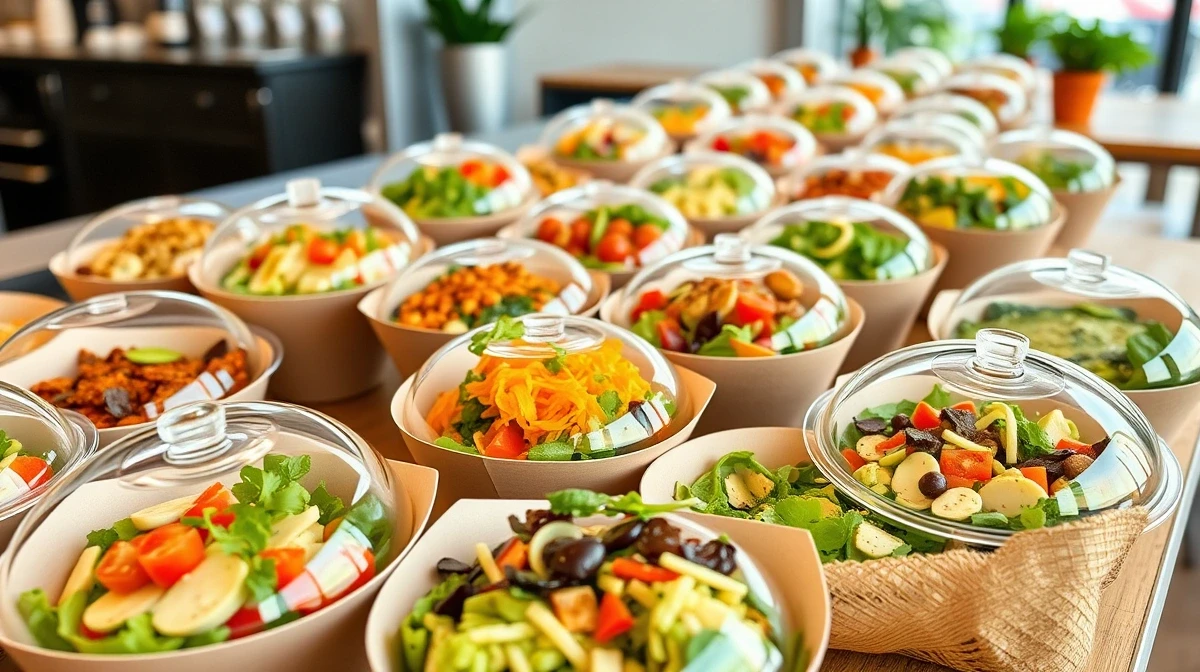
-Привлекательность цвета: Яркие овощи, зелень и начинки вызывают аппетит
-Создание доверия: Прозрачность свидетельствует о доверии к качеству продукции
🎯 Отраслевой обзор: Рестораны, перешедшие с непрозрачных контейнеров для салатов на контейнеры с оконными крышками, сообщили о 28% увеличении продаж салатов и 41% уменьшении количества вопросов клиентов об ингредиентах/размерах порций.
Активизация аппетита с помощью цвета:
Исследования в области психологии питания показывают, что определенные цветовые сочетания вызывают более сильное желание купить товар:
Основной вывод: Для многоцветных салатов лучше всего подходят крышки с полным окном, в то время как однотонные миски могут быть лучше с частичными окнами, на которых размещены фирменные фотографии.
Прозрачность уменьшает колебания при “слепой покупке”:
-Непрозрачный контейнер: 47% клиентов не уверены в соотношении цены и качества
-Контейнер с оконной крышкой: 18% неопределенно (61% уменьшение сомнений)
Эксперименты по восприятию порций:
Понимание: Полная прозрачность создает небольшую переоценку размера порции, что коррелирует с более высокой конверсией покупки.
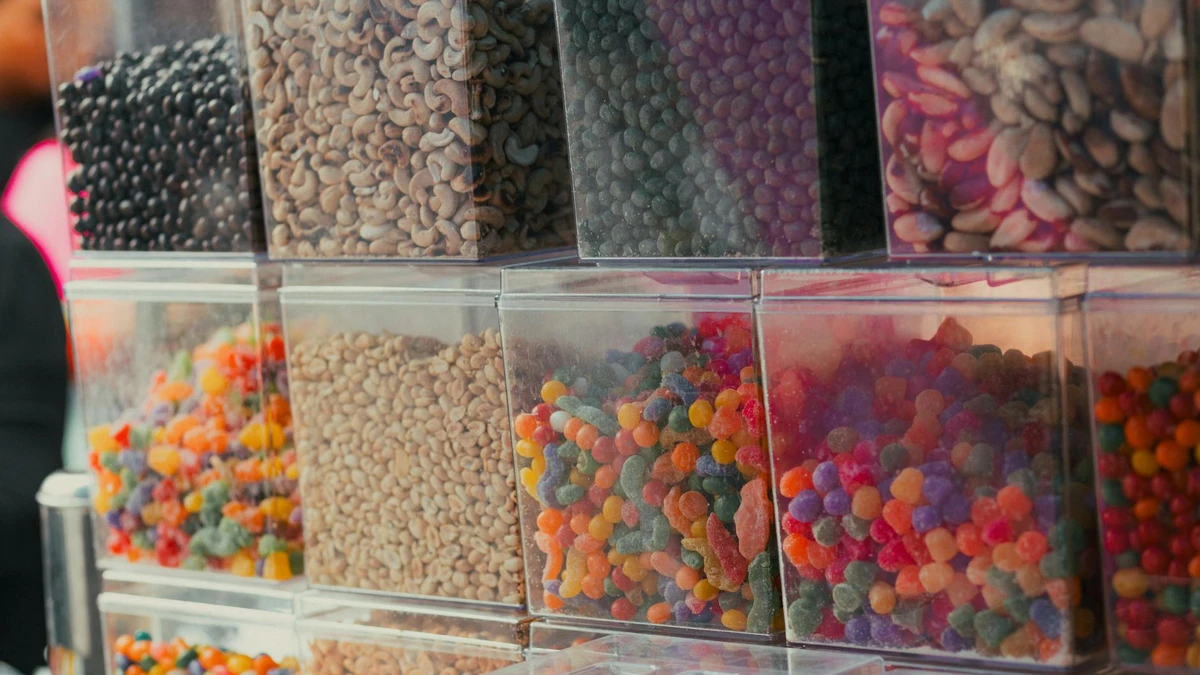
Строительство:
-Материал: PET, PLA или OPS пластиковый купол или плоская крышка
-Рама: Минимальный бумажный обод (5-10 мм) для структурной поддержки
-Уплотнение: Защелкивается или фрикционно крепится к кромке чаши
Преимущества:
-Максимальная видимость: Виден весь состав салата
-Обзор на 360°: Клиенты могут оценивать с разных сторон
-Влияние цвета: Оптимизирует визуальную привлекательность многокомпонентных салатов
Ограничения:
-Брендинговое пространство: Ограничивается небольшой верхней этикеткой или печатью на корпусе чаши
-Структурная целостность: Требуется более толстый пластик (0,4-0,6 мм) для придания жесткости
-Восприятие устойчивости: Высокая видимость пластика может беспокоить экологически сознательных покупателей
Лучшее для:
-Салат-бары премиум-класса со сложным составом ингредиентов
-Витрины самообслуживания, где товары конкурируют между собой визуально
-Предприятия отдают предпочтение демонстрации качества ингредиентов перед брендингом
Строительство:
-Материал: Крышка из картона с центральным прозрачным окном (вставка из ПЭТ/ПЛА)
-Рама: Структурная бумага обеспечивает поверхность для брендинга
-Уплотнение: Надежная защелка с влагостойким покрытием
Преимущества:
-Сбалансированная видимость + брендинг: Окно демонстрирует ключевые ингредиенты, а бумажная рамка - логотип/графику
-Лучшая история устойчивого развития: Больше бумаги, меньше пластика по массе
-Универсальность конструкции: Бумажный обод придает жесткость и устойчивость при штабелировании
Оптимизация конструкции:
Лучшее для:
-Рестораны быстрого обслуживания балансируют между брендингом и прозрачностью
-Франчайзинговые операции, требующие последовательного размещения логотипа
-Продукты, в которых ингредиенты верхнего слоя (протеины, начинки) являются ключевыми торговыми позициями
Строительство:
-Материал: Полностью картонная крышка с высеченными формами окон (подложка из пленки PET/PLA)
-Дизайн: Нестандартные формы (лист, круг, силуэт логотипа бренда)
-Уплотнение: Пленка, наклеенная на нижнюю сторону картона для придания гладкости наружной поверхности
Преимущества:
-Дифференциация бренда: Уникальные формы окон создают визуальный образ
-Рассказывать истории: Окна в форме листьев подчеркивают экологичность/натуральные ингредиенты
-Эффективность затрат: Менее прозрачный материал, чем полные окна
Популярные формы:
Лучшее для:
-Бренды с сильной визуальной идентичностью, стремящиеся к дифференциации
-Концепции органического/натурального питания с акцентом на устойчивость
-Ограниченные линейки продуктов, для которых важна узнаваемость упаковки
Критерии отбора:
Выберите PET, если:
-На вашем рынке существует развитая инфраструктура переработки ПЭТ
-Кристальная ясность необходима для дифференциации продукта
-Оптимизация затрат является приоритетом
Выбирайте PLA, если:
-У вас есть партнерские отношения по промышленному компостированию
-Потребители отдают предпочтение сообщениям “без пластика” (несмотря на технические нюансы)
-Готовность инвестировать в премию за устойчивое развитие
Выбирайте целлюлозную пленку, если:
-Вам нужна полная пригодность для компостирования в домашних условиях
-Можно принять небольшой оттенок цвета
-Целевой сегмент премиум-класса, заботящийся об экологии
Проблема: Охлажденные салаты образуют конденсат на крышках холодильников, мешающий обзору.
Решения:
Рекомендация: Для салатов, которые хранятся менее 24 часов, антизапотевающее покрытие на стеклах из ПЭТ обеспечивает наилучшую видимость ROI. Для увеличения срока хранения (приготовление пищи, розничная торговля) сочетайте покрытие с влагопоглощающими вставками.
Брендинг Распределение поверхностей:
Лучшие практики дизайна:
1. Максимально используйте брендинг тела чаши:
Поскольку на витрине представлен салат, внешний вид миски становится вашим основным брендинговым полотном:
-Полноценная конструкция: Поддерживает видимость бренда со всех сторон
-Высококонтрастные цвета: Обеспечивает узнаваемость в переполненных витринах
-Вертикальные элементы бренда: Можно читать даже в сложенном виде
2. Стратегический дизайн рамы крышки:
Бумажная часть крышки должна дополнять, а не конкурировать с видимой частью продукта:
-Логотип в центре: 30-50 мм в диаметре, не заслоняет окно
-Пограничные сообщения: Тейглайны, значки экологичности по ободу крышки
-Негативное пространство: Избегайте нагромождения - позвольте окну делать продажи
3. Интерьерная печать для повествования:
Напечатайте на внутреннем основании чаши, чтобы передать сообщение, видимое только после покупки:
-Истории поиска ингредиентов: “Органическая капуста с [Название фермы]”
-Основные моменты в питании: Вывод макросов, информация о калориях
-Высокая оценка бренда: “Спасибо, что выбрали [Бренд]”
Примеры из практики:
Дифференциация через последовательность:
Использование одинаковой формы окна для всех размеров салата создает:
-Мгновенное признание: Покупатели узнают ваш продукт, находясь в другом конце комнаты
-Присутствие на полке: Последовательный дизайн создает визуальный “блок” в розничных витринах
-Призыв к фотографированию: Посты в социальных сетях с узнаваемым силуэтом упаковки
Компромисс между глубиной и диаметром:
Рекомендация: Для захвата и переноса витрины определите приоритет широкий и мелкий для максимальной наглядности распределения ингредиентов. Для доставки/подготовки блюд выбирайте узкий и глубокий для эффективного штабелирования и транспортировки.
Реальность переработки:
Проблема: Крышки из нескольких материалов требуют разделение потребителей для надлежащей утилизации, но показатели соответствия обычно составляют <15%.Решения:
1.Четко промаркированные инструкции по разделению: “Отделите стекло от крышки перед переработкой”
2.Мономатериальные конструкции: Полностью прозрачные крышки из ПЭТ (жертвуйте местом для брендинга ради возможности переработки)
3.Компостируемые системы: Полностью компостируемый картон + целлюлозное окно (более высокая стоимость)
Маркетинговая стратегия: Разместите наиболее узнаваемые сертификаты (FSC, “Без пластика”) на корпусе чаши; разместите технические сертификаты (BPI) на нижней стороне крышки для информированных покупателей.
Дополнения для персонализации:
### Сроки изготовления и планирование запасов
Стандартный сток против индивидуального:
Сезонное управление спросом:
-Летний пик (салаты): Заказывайте на 6-8 недель вперед, чтобы избежать высоких цен в сезон загруженности поставщиков
-Запас прочности: Поддерживать запасы на складе в течение 3-4 недель для заказных проектов (более длительные циклы повторных заказов).
❌ Ошибка #1: Выбор непрозрачных крышек для экономии средств на материалы для окон
✅ Правильный подход: A/B-тест "окно" против непрозрачных крышек - большинство компаний отмечают увеличение продаж на 20-35%, что значительно превышает увеличение стоимости упаковки на 15-25%
❌ Ошибка #2: Максимально возможный размер окна без учета конденсата
✅ Правильный подход: Для холодильной витрины > 4 часов, инвестируйте в антитуманное покрытие или примите окно 70-80% (против 100%), чтобы сбалансировать видимость и функциональность
❌ Ошибка #3: Запредельная маркировка рамы крышки, закрывающая обзор продукта
✅ Правильный подход: Ограничьте графику на крышке небольшим логотипом/иконкой - пусть салат продает себя через витрину
❌ Ошибка #4: Использование окон PLA без проверки инфраструктуры компостирования
✅ Правильный подход: Проведите аудит местных возможностей по утилизации отходов; если промышленный компост недоступен, выберите вместо него перерабатываемый ПЭТ
Бумажные миски с крышками-окошками сочетают в себе контейнеры на основе волокон (формованная бумага или мелованный картон) с прозрачными крышками-окошками (ПЭТ, ПЛА или целлюлозная пленка, обрамленная картоном). Они позволяют покупателям видеть ингредиенты салата, сохраняя при этом экологичность упаковки.
Да. Исследования показывают увеличение продаж 20-35% при переходе от непрозрачных контейнеров к контейнерам с оконной крышкой в заведениях формата grab-and-go. Прозрачность уменьшает колебания при покупке и наглядно демонстрирует качество ингредиентов и размер порции.
Охват витрины 70-100% способствует наибольшим продажам салатов из нескольких ингредиентов. Однако частичные окна 50-70% позволяют сбалансировать видимость и пространство для брендинга и могут быть лучше для продуктов, где узнаваемость бренда имеет решающее значение.
Это зависит от ситуации. Окна из ПЭТ с картонными рамами подлежат переработке, если потребители разделяют компоненты (уровень соответствия обычно <15%). Крышки из мономатериала ПЭТ легче поддаются переработке. Окна из PLA загрязняют переработку и требуют промышленного компостирования.
Противотуманные покрытия, нанесенные на стекла из ПЭТ или ПЛА, сохраняют прозрачность в течение 24-48 часов в условиях холодильника. Сочетание с витринами с регулируемой температурой (2-4°C) и влагопоглощающими вставками позволяет увеличить срок хранения продукции.
Крышки с окошками стоят на 15-35% дороже крышек из непрозрачного картона, в зависимости от размера окошка и материала. Для миски объемом 32 унции ожидайте $0,48-0,85 за штуку против $0,35-0,55 для непрозрачных аналогов (цены на количество 1000+).
Да, но для индивидуальной высечки требуется более высокое MOQ (20 000+ штук) и более высокая стоимость инструмента ($500-$2 000). Стандартные формы (круг, прямоугольник, овал) доступны при более низком MOQ у большинства поставщиков.
Бумажные миски с крышками-окнами представляют собой пересечение экологичной упаковки и визуального мерчендайзинга. Превращая непрозрачные контейнеры в витрины для товаров, они отвечают требованиям потребителей к прозрачности, сохраняя при этом экологичность благодаря использованию бумажных материалов.
Основные выводы:
1.Оконные крышки увеличивают продажи 20-35% в местах, где можно купить, уменьшая колебания при покупке и демонстрируя качество
2.Оптимальное покрытие окна - 70-100% для салатов из нескольких ингредиентов; 50-70% для стратегий, ориентированных на брендинг
3.Окна из ПЭТ обеспечивают наилучшую прозрачность и пригодность для вторичной переработки; PLA подходит для промышленного компостирования
4.Противотуманные покрытия необходимы для хранения в холодильнике в течение >4 часов
5.Баланс между брендингом и прозрачностью: Позвольте продукту продавать себя через витрину; используйте корпус чаши для основного брендинга
Независимо от того, работаете ли вы в кафе, готовящем блюда, или в продуктовом салат-баре, инвестиции в упаковку с оконной крышкой обычно окупаются в течение 3-6 месяцев за счет увеличения объема продаж и снижения количества обращений клиентов по поводу размеров порций и ингредиентов.
-Контейнеры для упаковки пищевых продуктов
-Устойчивые решения для упаковки
Papacko производит бумажные миски с крышками-окошками, которые обеспечивают максимальную видимость продукта и изготовлены из экологически чистых материалов. Наши решения включают в себя варианты окон из ПЭТ и компостируемого ПЛА с защитой от запотевания, нестандартные формы окон и полноцветную печать от 5 000 штук.
Windowed salad bowls sit between display packaging and sealed takeaway packaging. Buyers usually compare them against standard salad bowls, paper lids, and broader food container formats before finalizing the line.
Свяжитесь с нами:
Последнее обновление: Ноябрь 2025 г.