Готовы создать собственные фирменные бумажные стаканчики или упаковку?
Сообщите нам свои требования - размер, покрытие, печать и место назначения - и наша команда подготовит подробное коммерческое предложение в течение 24 часов.

Последнее обновление: Ноябрь 2025 г.
Время чтения: 9 минут
Автор: Papacko Content Team
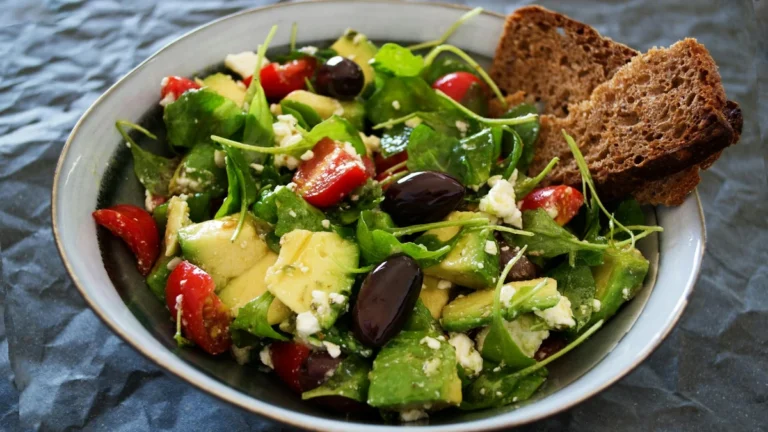
Ваше кафе, ориентированное на здоровый образ жизни, инвестировало $8 000 в премиальные органические ингредиенты и рецепты салатов, достойные внимания Instagram, но обнаружило, что 35% заказов на доставку прибыли с завядшим салатом из-за конденсата, 28% - с просочившейся в зелень заправкой (разрушающей текстуру), а клиенты жаловались, что “красивые” салаты, сфотографированные при получении, выглядели “грустными и мокрыми” 25 минут спустя. Несмотря на безупречную работу кухни, ваш рейтинг в 4,2 звезды и 18% негативных отзывов о доставке появились исключительно из-за неудач с упаковкой, которые ваша кухонная команда не могла контролировать.
Упаковка салатов для потребителей, заботящихся о своем здоровье, - это не просто контейнер, а технология крышки с антизапотевающим покрытием (предотвращающая образование конденсата, из-за которого зелень вянет в течение 15-20 минут), разделение ингредиентов по категориям (сохранение влажных ингредиентов отдельно до момента употребления), вентиляция (баланс между удержанием влаги и газообменом) и визуальная прозрачность (демонстрация свежих ингредиентов, оправдывающая высокую цену). Разница между любительской и профессиональной упаковкой салатов может означать 40-60% разрыва в удовлетворенности клиентов и 15-25% удержания заказов на доставку.
В этом руководстве, Вы узнаете:
-Технология антизапотевающей крышки: наука предотвращения конденсации
-Стратегии проектирования отсеков: разделение влажных и сухих ингредиентов
-Инновации в области материалов: Характеристики PLA vs RPET vs крафт-бумага
-Сохранение свежести: контроль температуры и газопроницаемость
-Визуальный дизайн: компромисс между прозрачностью и устойчивостью
-Оптимизация размеров и порций для разных типов блюд
-Распространенные ошибки, разрушающие качество салата при транспортировке
💡 Быстрый вынос: Для упаковки салатов необходимы крышки с антизапотевающим покрытием (предотвращает образование конденсата 80% , который увядает за 15-20 минут), отдельные отделения для заправки (2-4 унции, предотвращающие запотевание), вентиляционные отверстия (4-6 вырезанных лазером отверстий для баланса влаги и кислорода) и прозрачные материалы, демонстрирующие свежесть (RPET или PLA предпочтительнее крафт-бумаги для визуальной привлекательности).
Стоимость: $0,45-0,85 за контейнер (750-1000 мл) в зависимости от характеристик.
Важные характеристики: герметичное уплотнение, выдерживающее наклон 45°, штабелируемая конструкция для пакетов с доставкой, возможность разогрева белковых компонентов в микроволновой печи.
Лучше всего подходит для: брендов здорового питания, служб приготовления еды, корпоративного питания, для которых важна наглядность ингредиентов и сохранение свежести.
Предотвращение образования конденсата - техническая проблема #1 при упаковке салатов: капли влаги в течение 15-20 минут увядают и портят внешний вид зелени.
Физика туманообразования:
-Дифференциал температуры: Холодный салат (4-8°C в холодильнике) и окружающий воздух (20-25°C) внутри герметичного контейнера.
-Источник влаги: Овощи выделяют водяной пар в результате транспирации (листовая зелень теряет 2-4% веса в час при комнатной температуре)
-Точка конденсации: Водяной пар соприкасается с холодной поверхностью крышки, конденсируется в капли
-Временная шкала: Видимый туман появляется в течение 5-10 минут, капли образуются и стекают в течение 15-20 минут
Влияние на клиента:
-Визуальная деградация: Запотевшая крышка скрывает свежие ингредиенты, продукт выглядит неаппетитно до открытия
-Разрушение текстур: Капли воды попадают на латук, вызывая увядание (разрушение клеточной структуры из-за локального насыщения)
-Воспринимаемая свежесть: Покупатели ассоциируют конденсат со “старым” или “слишком долгим хранением”, даже если салат только что упакован.
-Показатель возврата/жалоб: 25-40% жалоб на доставку салата ссылаются на “завядший/сочный” (часто вызванный конденсатом, а не реальной порчей)
Гидрофильное противотуманное покрытие ⭐ Отраслевой стандарт:
-Механизм: Покрытие превращает воду в тонкую прозрачную пленку, а не в капли
-Химия: Молекулы поверхностно-активных веществ (гидрофильная головка притягивает воду, образуя сплошной слой)
-Производительность: Предотвращает видимый туман в течение 45-90 минут (типичное время доставки/потребления)
-Приложение: Наносится на крышки из ПЭТ/РПЭТ/ПЛА в процессе производства
-Премия по стоимости: +$0,08-0,15 за крышку по сравнению с крышкой без покрытия (+20-25% стоимость крышки)
-Долговечность: Одноразовая эффективность (покрытие разрушается после первого цикла конденсации)
Поверхность крышки с микротиснением:
-Механизм: Крошечные выступы/узоры на внутренней стороне крышки перенаправляют конденсат к краям (в сторону от центральной зоны обзора)
-Производительность: Уменьшает видимый туман на 60-70% по сравнению с плоскими крышками (не так эффективно, как химическое покрытие)
-Стоимость: +$0.04-0.08 на крышку (меньше, чем химическое покрытие)
-Преимущество: Отсутствие химических добавок (обращается к брендам с “чистой этикеткой”)
-Ограничение: По-прежнему допускает запотевание краев, менее эффективен при длительном времени прохождения (60+ мин)
Стратегия пассивной вентиляции:
-Механизм: Небольшие вентиляционные отверстия (диаметр 0,5-1 мм, 4-6 отверстий на крышке) позволяют выходить парам влаги
-Производительность: Уменьшает конденсацию на 40-50%, но допускает некоторую потерю влаги (зелень может немного подсохнуть).
-Trade-Off: Меньше запотевания, но быстрее увядания в условиях низкой влажности (самолеты, отапливаемые автомобили)
-Стоимость: Минимальный (лазерная резка при производстве крышки, без надбавки)
-Лучшее для: Короткое время транспортировки (<30 мин) или среда с контролируемой влажностью
##### Сравнение технологий защиты от запотевания
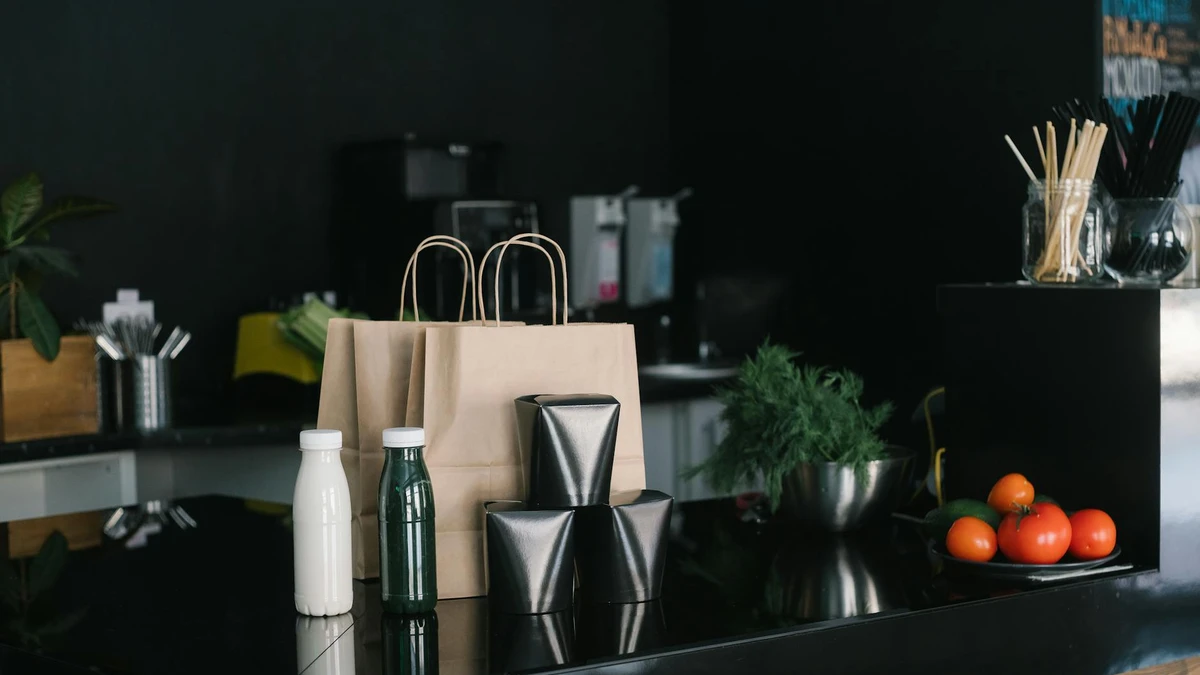
Стратегическое разделение предотвращает перекрестное загрязнение ингредиентов, которое разрушает текстуру и вкус перед употреблением.
Проблема: засаленность повязки:
-Физика: Заправка (эмульсия масла/уксуса) имеет на 5-10× меньшую вязкость, чем твердые ингредиенты
-Миграция: Повязка перемещается по салату под действием силы тяжести и капиллярного действия
-Временная шкала: Приправленная зелень становится мягкой в течение 10-15 минут (стенки клеток разрываются под действием осмотического давления)
-Жалоба клиента: “Салат был сырой и завядший” = #1 жалоба на доставку салата (40-50% отрицательных отзывов)
Решение: Отдельный контейнер для перевязочных материалов:
-Дизайн: 2-4 унции (60-120 мл) в прикрепленном отделении или отдельная чашка
-Герметичное уплотнение: Защелкивающаяся или завинчивающаяся крышка, предотвращающая проливание жидкости при наклоне на 45° (смещение мешка поставки)
-Размещение: Прикрепляются сбоку (занимают мало места) или сверху (более простой монтаж)
-Действия клиентов: Полейте заправкой непосредственно перед едой (сохраняет хрустящую текстуру)
-Удовлетворенность Влияние: Отдельная заправка снижает количество жалоб на “сырость” на 70-85%
Двухкамерный дизайн (Наиболее распространенные):
-Макет: 70/30 (основной салат / заправка+закуски)
-Основное использование: Простые салаты с 1-2 сырыми компонентами
-Преимущество: Удобная упаковка, понятное использование (переливать из маленького в большой)
-Стоимость: $0,50-0,70 за контейнер (общий объем 750 мл)
-Пример: Микс зелени (основной) + винегрет + гренки (гарнир)
Стиль бенто с 3 отделениями:
-Макет: 50/30/20 (зелень / белок / заправка+добавки)
-Основное использование: Протеиновые миски, салаты для приготовления еды
-Преимущество: Полноценное разделение блюд, демонстрация ингредиентов по отдельности
-Стоимость: $0,65-0,85 за контейнер (емкость 800-1000 мл)
-Пример: Кейл (основной) + курица-гриль (гарнир 1) + заправка тахини + семечки (гарнир 2)
Премиум с 4 отделениями:
-Макет: 40/25/20/15 (зелень / зерновая основа / белок / заправка+начинка)
-Основное использование: Миски для еды высокого класса, кейтеринг
-Преимущество: Максимальное сохранение свежести, презентация, достойная Instagram
-Стоимость: $0,75-1,20 за контейнер (емкость 1000-1200 мл)
-Пример: Шпинат (1) + киноа (2) + лосось (3) + лимонный винегрет + миндаль (4)
Проблема: размокшие гренки, орехи, жареные начинки:
-Поглощение влаги: Хрустящие начинки впитывают влагу из охлажденной зелени (относительная влажность 90-95% в герметичном контейнере)
-Временная шкала: Гренки теряют хрусткость в течение 20-30 минут, жареный лук - в течение 15-20 минут
-Ожидания клиентов: Хрустящие начинки - изюминка текстуры, а сочность - главное разочарование
Решение: Приподнятый мини-отсек:
-Дизайн: Маленькое отделение для 1-2 унций (30-60 мл), расположенное над основной зеленью (не соприкасается).
-Функция: Воздушный зазор предотвращает контакт с влагой, сохраняет хрустящую корочку в течение 60-90 минут
-Общее использование: Гренки, полоски тортильи, жареные вонтоны, засахаренные орехи
-Стоимость: +$0.10-0.15 по сравнению со стандартным двухкамерным дизайном
При выборе материала соблюдается баланс между прозрачностью (демонстрация свежих ингредиентов), экологической чистотой и функциональными характеристиками.
Состав: 50-100% вторичная переработка Полиэтилен_terephthalate” target=”_blank” rel=”noopener”>ПЭТ-пластик
Преимущества:
-Кристаллическая ясность: 90-95% светопропускание (демонстрирует красочные ингредиенты)
-Переработанное содержание: 50-100% PCR (вторичная переработка после потребления) в наличии, сильная история устойчивого развития
-Сопротивление утечке: Отличная герметичность, выдерживает наклон 45° без протечек
-Стоимость: $0,45-0,65 за контейнер (750 мл, 2 отделения с противотуманной крышкой)
Недостатки:
-Не подходит для компостирования: Должны быть переработаны (требуется надлежащее разделение потока отходов)
-Восприятие потребителей: Некоторые покупатели, заботящиеся об экологии, предпочитают “без пластика”, даже если содержание вторичного сырья велико
-Инфраструктура переработки отходов: Только 30% США имеет доступ к переработке ПЭТ на обочине (ограничивает срок службы)
Лучшее для: Бренды, уделяющие первостепенное внимание наглядности ингредиентов, городские рынки с развитыми программами переработки отходов
Состав: Биопластик на растительной основе (кукурузный или сахарный крахмал)
Преимущества:
-Компостируемый: 90-180 дней разложения в коммерческих компостных установках (Сертифицировано BPI)
-Прозрачность: 80-85% Светопропускание (хорошее, но немного менее прозрачное, чем у RPET)
-Возобновляемый источник: Растительное сырье против нефти
-Маркетинг: Заявление “Компостируемый” привлекает эко-сознательную демографическую группу
Недостатки:
-Требуется коммерческое компостирование: Не пригоден для компостирования в домашних условиях (требуется помещение с температурой 55-60°C)
-Разрыв в инфраструктуре: Только 27% населения США имеет доступ к коммерческому компостированию
-Более высокая стоимость: $0,55-0,80 за контейнер (+15-25% по сравнению с RPET)
-Температурная чувствительность: Размягчается при температуре выше 45°C (не подходит для горячих ингредиентов)
Лучшее для: Рынки Калифорнии/Орегона/Вашингтона (развитая инфраструктура компостирования), корпоративное питание с программами компостирования
Состав: Корпус из крафт-картона + крышка с прозрачным окном из PLA
Преимущества:
-Визуальная устойчивость: Бумага сигнализирует об экологичности, снижает восприятие “пластика”
-Частичная прозрачность: Витрина PLA демонстрирует салат, сохраняя эстетику бумаги
-Компостируемый: Вся упаковка пригодна для коммерческого компостирования (бумага + PLA разлагаются)
-Выравнивание бренда: Апеллирует к позиционированию “натуральный/органический”
Недостатки:
-Чувствительность к влаге: Бумага может размягчиться при чрезмерной конденсации влаги или протекании перевязочного материала
-Ограниченная видимость: Меньшее окно по сравнению с полностью прозрачными контейнерами из RPET/PLA
-Более высокая стоимость: $0,70-0,95 за контейнер (сложная многоматериальная конструкция)
-Риск утечки: Бумажные швы менее надежны, чем пластиковые, для удержания жидкости
Лучшее для: Сухие салаты (зерновые миски, овощные ассорти с минимальным количеством жидкости), экопремиальные бренды
##### Матрица характеристик материала
Баланс между удержанием влаги и притоком кислорода поддерживает жизнеспособность ингредиентов во время хранения и транспортировки.
Обслуживание холодильной цепи:
-Целевой диапазон: 2-4°C (35-40°F) с момента приготовления до доставки
-Рост бактерий: Температура >8°C (46°F) обеспечивает быстрое размножение патогенов (удваивается каждые 20 минут).
-Деградация питательных веществ: Витамин С теряет 10-15% в час при температуре выше 10°C
-Влияние текстуры: Латук увядает в 3-5 раз быстрее при 15°C по сравнению с 4°C (увеличивается скорость дыхания клеток)
Требования к изолированной сумке для доставки:
-R-Value: Минимальная изоляция R-2 (сохраняет температуру ±5°C в течение 45-60 мин)
-Размещение пакета со льдом: 1-2 пакета льда на 2-3 салата (200-300 г льда на салат)
-Разделение: Барьер между пакетами со льдом и салатами (предотвращает ожоги от замораживания зелени)
Баланс дыхания:
-Потребность в кислороде: Свежие овощи продолжают дышать после нарезки (требуют кислорода)
-Накопление CO2: Герметичные контейнеры накапливают CO2 → ускоряет порчу
-Чувствительность к этилену: Листовая зелень чувствительна к газу этилену (вырабатываемому фруктами/овощами) → пожелтение
Упаковка в модифицированной атмосфере (MAP):
-Концепция: Полупроницаемая пленка позволяет выходить CO2 и входить O2 (замедляет скорость дыхания).
-Реализация: Микроперфорированная пленка (20-40 отверстий на контейнер, диаметр 0,2-0,5 мм)
-Производительность: Увеличивает срок хранения на 30-50% по сравнению с полностью герметичным контейнером
-Стоимость: +$0.05-0.10 за контейнер (специализированная пленка)
-Лучшее для: Розничная торговля по принципу "бери и работай" (срок годности 2-3 дня)
Активные вентиляционные порты:
-Дизайн: 4-6 вырезанных лазером отверстий (диаметром 1-2 мм) в крышке или боковине
-Функция: Позволяет выводить лишнюю влагу, сохраняя влажность для зелени (баланс между увяданием и засоренностью)
-Производительность: Уменьшает образование конденсата на 40-50%, сохраняет свежесть на 20-30% дольше, чем герметичные.
-Стоимость: Минимальный (интегрирован в дизайн крышки, без надбавки)
-Лучшее для: Доставка салатов (30-60 минут транзита), где допустима умеренная потеря влаги
Размер контейнера напрямую влияет на удовлетворенность клиентов - слишком маленький кажется скудным, слишком большой - скудным и неаппетитным.
500-600 мл (16-20 унций) - Салат:
-Типичное использование: Салат на гарнир к основному блюду, детские порции
-Содержание: 2-3 чашки зелени, легкая начинка
-Ценовая категория: $4-7 розничная торговля
-Стоимость контейнера: $0.35-0.50
-Коэффициент заполнения: 80-85% полностью создает соответствующее восприятие порции
750-900 мл (24-30 унций) - индивидуальная трапеза ⭐ Самые популярные:
-Типичное использование: Салат на обед, ужин на одну порцию
-Содержание: 3-4 чашки зелени, белок, зерновая основа, начинка.
-Ценовая категория: $9-14 розница
-Стоимость контейнера: $0.45-0.70
-Доля рынка: 60-70% продаж салатов, ориентированных на здоровье.
-Коэффициент заполнения: 75-80% полностью уравновешивает восприятие ценности с запасом высоты (предотвращает раздавливание при транспортировке)
1000-1200 мл (32-40 унций) - сытная еда:
-Типичное использование: После тренировки, боулы с высоким содержанием белка, совместное использование
-Содержание: 4-6 чашек зелени, двойная порция белка, большое количество начинок
-Ценовая категория: $13-18 розница
-Стоимость контейнера: $0.60-0.90
-Пример использования: Услуги по приготовлению еды, кейтеринг, семейные порции
Проблема: восприятие “воздушного пространства”:
-Психология: Покупатели оценивают ценность по тому, насколько полным кажется контейнер
-Реальность: Листовая зелень сжимается на 40-60% под давлением крышки (выглядит менее полной после закрытия)
-Жалоба клиента: “Салат выглядел маленьким для своей цены”, даже если он соответствовал весу/питанию
Решение: Стратегическая техника упаковки:
-Порядок слоев: Плотные элементы (злаки, белки) внизу, пушистая зелень сверху (максимизирует визуальный объем)
-Небольшое переполнение: Перед закрытием упаковывается до 90-95%, после установки крышки сжимается до 75-80% (при открытии кажется полной)
-Витрина с топпингами: Разноцветные начинки (помидоры черри, морковь, свекла) на верхнем слое (видны через прозрачную крышку)
Новые тенденции в упаковке салатов для здорового образа жизни в 2025-2026 гг.
Концепция: Банка с широким горлом (500-750 мл) с завинчивающейся крышкой, предназначенная для вертикального встряхивания для распределения протравы
Преимущества:
-Равномерное покрытие: Встряхивание равномерно распределяет подкормку (по сравнению с наливом, который покрывает верхний слой)
-Контроль порций: На дно выкладывается заранее отмеренная заправка, сверху - зелень (без излишков)
-Привлекательность Instagram: Визуально привлекательная многослойная презентация (разноцветные пласты)
-Возможность многократного использования: Стеклянные или тритановые банки, которые можно использовать как “собственный контейнер” для пополнения запасов.
Вызовы:
-Вес: Стеклянные банки на 4-6× тяжелее пластиковых контейнеров (увеличивает стоимость доставки)
-Риск поломки: Возможность разбития стекла при доставке (требуется защитный кожух)
-Более высокая стоимость: $1.50-3.00 за банку (против $0.50-0.80 пластикового контейнера)
Позиционирование на рынке: Услуги по приготовлению еды премиум-класса, экологически сознательные потребители готовы платить премию 20-30%
Реализация: QR-код на крышке ссылается на подробную информацию о питании, истории происхождения ингредиентов
Выгода для потребителя:
-Прозрачность калорий: Мгновенный доступ к макросам (белки/углеводы/жиры), микроэлементам
-Ясность в отношении аллергенов: Полный список ингредиентов с указанием аллергенов
-История сорсинга: Информация о ферме/поставщике для заявлений о “местном органическом” или “восстановительном сельском хозяйстве”
Преимущество бренда:
-Создание доверия: Прозрачность свидетельствует о качестве и честности
-Сбор данных: Отслеживайте скорость сканирования, популярные ингредиенты, предпочтения клиентов
-Динамические обновления: Меняйте сезонные ингредиенты, не перепечатывая этикетки
Стоимость: Минимально (печать QR $0.01-0.02 за этикетку, хостинг бэкенда $50-200/месяц за платформу)
Концепция: Отделение для съедобной ложки/вилки, изготовленной из зерновых материалов (пшеницы, риса, кукурузного крахмала)
Нарратив устойчивого развития: Безотходная еда (используйте посуду вместе с салатом, утилизация не требуется)
Проверка реальности:
-Структурная целостность: Съедобная посуда размягчается в течение 15-20 минут во влажной среде (конденсат на салате)
-Принятие клиента: 40-60% привлекает новизна, но 30-40% находят текстуру непривлекательной или непрактичной
-Стоимость: $0,15-0,25 за съедобную посуду (против $0,02-0,04 за пластиковую вилку)
Вердикт: Нишевое позиционирование для экопремиальных брендов, не готовых к мейнстриму (пока)
Извлеките уроки из частых ошибок, подрывающих эффективность упаковки салата и удовлетворенность клиентов.
❌ Ошибка #1: Отсутствие противотуманной обработки для экономии $0.10
Проблема: Использование стандартных крышек из ПЭТ без антизапотевающего покрытия для снижения затрат на $0,10 на контейнер. Результат: 35-45% клиентов доставки жалуются, что салат “выглядит старым” из-за видимого конденсационного запотевания, несмотря на свежие ингредиенты. Негативные отзывы приводят к сокращению повторных заказов на 15-20%.
Правильный подход: Вложите $0.10 в антизапотевающее покрытие для салатов при доставке (45-90 минут свежести). Предотвращает 70-85% жалоб на “сырость/вялость”. ОКУПАЕМОСТЬ ИНВЕСТИЦИЙ: Удержание каждого шестого клиента, который в противном случае отказался бы от покупки = $8-12 пожизненных ценностей против $0,10 затрат.
❌ Ошибка #2: смешанная заправка в основном отсеке (без разделения)
Проблема: Заправьте салат заправкой перед упаковкой (экономия времени на сборку). Салат становится мягким в течение 15-20 минут, 40-50% заказов приходят с увядшей зеленью и кашеобразной текстурой.
Правильный подход: Всегда отделяйте заправку в отсек для 2-4 унций, даже если это занимает 10-15 секунд на сборку салата. Сокращение количества жалоб на “сырость” на 70-85%, повышение оценки удовлетворенности заказами доставки с 3,8 до 4,5+ звезд.
❌ Ошибка #3: Чрезмерно большой контейнер создает “скудный” вид
Проблема: Использование контейнера объемом 1000 мл для салата объемом 600 мл (думая, что “больше места = щедрее”). Салат смещается при транспортировке, ингредиенты оседают на дно, контейнер оказывается заполненным на 50-60%, когда клиент открывает его. Жалоба: “Салат выглядит маленьким для цены $12”.”
Правильный подход: Подберите размер контейнера в соответствии с коэффициентом наполнения 75-85% после сжатия. Используйте 750 мл для типичных обеденных салатов (3-4 чашки зелени + начинка). Стратегическая упаковка (плотные предметы внизу, пушистая зелень сверху) максимально увеличивает визуальный объем.
❌ Ошибка #4: Крафт-бумага для салатов с высоким содержанием влаги
Проблема: Использую контейнеры из крафт-бумаги с окном из PLA для салатов с большим количеством огурцов и томатов. Бумага впитывает влагу, становится сырой/слабой в течение 30-40 минут. Разрушение конструкции во время доставки = разливы, жалобы, возвраты ($10-14 на один случай).
Правильный подход: Крафт-бумага используется только для сухих салатов (зерновые миски, запеченные овощные ассорти). Для салатов с высоким содержанием влаги требуются цельнопластиковые контейнеры из RPET или PLA с герметичной крышкой. Выбор материала должен соответствовать влажности ингредиентов.
❌ Ошибка #5: отсутствие вентиляции приводит к скоплению CO2
Проблема: Полностью герметичные контейнеры для салата (без вентиляционных отверстий или водонепроницаемой пленки). CO2, образующийся при дыхании овощей, накапливается, зелень желтеет и портится в 2-3 раза быстрее, чем в правильно вентилируемой упаковке. Жалобы “Салат пахнет не тем, чем надо”, несмотря на то, что срок годности уже истек.
Правильный подход: Проделайте 4-6 вентиляционных отверстий (диаметром 1-2 мм) в крышке или используйте микроперфорированную пленку. Позволяет выходить CO2, поддерживая достаточную влажность. Продлевает срок хранения на 30-50%, снижает количество жалоб на порчу на 60-70%.
Упаковка для салатов включает в себя специализированные контейнеры, предназначенные для свежих овощных салатов, с крышками против запотевания (предотвращает образование конденсата, увядающего за 15-20 минут), раздельными конструкциями (отделяющими влажную заправку от сухой зелени), прозрачными материалами (RPET, PLA, демонстрирующими ингредиенты) и вентиляцией (4-6 отверстий, балансирующих влажность/кислород). Типичные размеры: 750-900 мл для индивидуальных блюд ($0.45-0.70/контейнер). Важные особенности: герметичность, выдерживающая наклон 45°, возможность штабелирования для доставки, возможность использования в микроволновой печи. Лучше всего подходит для брендов здорового питания быстрого обслуживания, служб приготовления еды, для которых приоритетом является сохранение свежести и наглядность ингредиентов.
Три стратегии: (1) Отдельные отделения для заправки (2-4 унции), предотвращающие контакт до момента употребления - уменьшает количество жалоб на сырость 70-85%, (2) Крышки с антитуманным покрытием (гидрофильное покрытие или микротиснение), предотвращающие попадание капель конденсата на зелень - сохраняют хрусткость 45-90 мин, (3) Вентиляционные отверстия (4-6 отверстий диаметром 1-2 мм), позволяющие выходить парам влаги при сохранении влажности - продлевают свежесть 30-50%. Критически важно: никогда не смешивайте заправку с зеленью для доставки/хранения (приводит к увяданию за 15-20 мин). Компартментализация - самый важный фактор для сохранения текстуры.
RPET (50-100% переработанный ПЭТ): Наилучшая прозрачность (90-95% светопропускание), отличная герметичность, возможность вторичной переработки, $0,45-0,65 на контейнер - идеальное решение для демонстрации красочных ингредиентов. PLA (биопластик на растительной основе): Хорошая прозрачность (80-85%), пригоден для коммерческого компостирования, $0.55-0.80 - лучше всего подходит для рынков с инфраструктурой компостирования (CA/OR/WA). Крафт-бумага + PLA-окно: Эко визуальная привлекательность, пригодность для компостирования, $0.70-0.95 - подходит только для сухих салатов (зерновые миски), чувствительна к влаге. Выбирайте по приоритету: визуальная привлекательность (RPET), возможность компостирования (PLA), восприятие экологичности (крафт-бумага).
Зависит от температуры хранения и особенностей упаковки: В холодильнике (2-4°C) с крышкой против запотевания + вентиляция: 48-72 часа до заметного снижения качества. Комнатная температура (20-25°C) с надлежащей упаковкой: 4-6 часов максимум до увядания/бактериальных проблем. Сценарий доставки (30-60 минут в пути, изолированная сумка с пакетами со льдом): Сохраняет качество, эквивалентное охлажденному, если температура держится на уровне <8°C. Важнейшие факторы: Противотуманное покрытие продлевает визуальную свежесть на 45-90 минут, отдельная заправка предотвращает засаливание на неопределенное время до смешивания, вентиляция уменьшает накопление CO2, продлевая срок хранения на 30-50% по сравнению с герметичными контейнерами.
750-900 мл (24-30 унций) рассчитаны на 60-70% порций типичного обеденного салата (3-4 чашки зелени, белок, зерновая основа, начинки, цена $9-14). 500-600 мл для гарниров/детских порций ($4-7). 1000-1200 мл для боулов после тренировки и с высоким содержанием белка ($13-18). Критический: Наполняйте до объема 75-85% после сжатия (зелень под крышкой сжимается до 40-60%). Переполнение (>90%) чревато раздавливанием при транспортировке, а недополнение (<70%) создает “скудный” внешний вид, ухудшая восприятие ценности. Дизайн с 2-3 отделениями добавляет 100-200 мл по сравнению с одним отделением при том же объеме ингредиентов (разделение заправки/топпинга).
Зависит от инфраструктуры рынка и потребительских ценностей: Компостируемый PLA стоит +15-25% по сравнению с перерабатываемым RPET ($0.55-0.80 против $0.45-0.65). Стоимость оправдана, если: (1) Рынок имеет доступ к коммерческому компостированию (всего 27% в США, сильно развит в CA/OR/WA), (2) Клиентская база ценит компостируемость (экологически сознательная демографическая группа готова платить премию), (3) Позиционирование бренда подчеркивает устойчивость (соответствует истории органического/местного производства). Не стоит этого делать, если: Местное компостирование недоступно (компостируемые контейнеры все равно попадают на свалку), рынок чувствителен к стоимости, или инфраструктура переработки развита (перерабатываемость RPET достаточна). Опросите покупателей перед переходом на новый продукт: 40-60% обращают внимание на заявления о “компостируемости”, но только 15-25% подтверждают, что мусор действительно компостируется.
Пять специфических требований к доставке: (1) Обязательное наличие антизапотевающей крышки (предотвращает образование конденсата во время 30-60-минутного транзита + задержка при распаковке), (2) Герметичность, выдерживающая наклон 45° (пакеты смещаются во время транспортировки), (3) Возможность штабелирования (3-4 контейнера в высоту без разрушения нижних слоев - требуются усиленные боковины), (4) Совместимость с изоляцией (материал/форма контейнера подходит для стандартных изолированных пакетов с пакетами для льда), (5) Наличие пломбы или наклейки с контролем вскрытия (гарантирует отсутствие контакта с клиентом во время доставки). Стоимость: $0,55-0,85 за контейнер, оптимизированный для доставки, против $0,45-0,65 за контейнер для захвата в магазине. Инвестиции оправдываются благодаря снижению количества жалоб на качество доставки на 70-85% и увеличению количества повторных заказов на 15-25%.
Упаковка салатов для потребителей, заботящихся о своем здоровье, требует инженерных решений, направленных на борьбу с конденсатом (крышки с антизапотевающими свойствами, сохраняющие визуальную свежесть в течение 45-90 минут), разделение ингредиентов (разделение на отсеки, предотвращающее загрязнение), прозрачность материала (RPET/PLA, демонстрирующие свежие ингредиенты по премиальной цене) и сохранение свежести (вентиляция, балансирующая влажность/кислород для 48-72-часового срока хранения). Разница между любительскими контейнерами и профессиональной упаковкой для салатов приводит к 40-60% разрывам в удовлетворенности клиентов и 15-25% колебаниям скорости повторного заказа доставки - небольшие инвестиции ($0.10-0.20 на контейнер для антизапотевающего покрытия и разделения на отсеки) предотвращают 70-85% жалоб на качество, что в разы увеличивает пожизненную стоимость клиента.
Основные выводы:
1.Технология антизапотевания является обязательным условием поставки: Гидрофильное покрытие (+$0.08-0.15) предотвращает образование 90-95% конденсата, от которого зелень вянет в течение 15-20 минут. Инвестиции предотвращают 70-85% жалоб на “мокрую/завядшую” зелень, сохраняя каждого шестого клиента, который мог бы уйти из-за плохой презентации (пожизненная ценность $8-12 против стоимости $0.10).
2.Отдельные отделения для заправки обязательны: 2-4 унции, предотвращающие контакт с зеленью до употребления, снижают количество жалоб на мокрую текстуру на 70-85%. Предварительно смешанные заправки вызывают увядание за 15-20 минут - это неприемлемо для доставки/хранения.
3.При выборе материала соблюдается баланс между наглядностью и стоимостью: RPET (прозрачность 90-95%, $0,45-0,65) лучше всего подходит для демонстрации ингредиентов, PLA (стоимость +15-25%) оправдан только на рынках CA/OR/WA с доступом к компостированию, крафт-бумага подходит только для сухих салатов (чувствительна к влаге, риск разрушения структуры).
4.Размер порций определяет восприятие ценности: Контейнеры объемом 750-900 мл обслуживают 60-70% рынка обедов, после сжатия они должны заполняться до 75-85%. Стратегическая упаковка (плотные элементы внизу, пушистая зелень сверху) максимизирует визуальный объем, предотвращая жалобы на “разреженный” вид даже при правильных порциях.
5.Оптимизация доставки увеличивает количество повторных заказов: Противотуманная + герметичная печать + штабелируемая конструкция + защита от вскрытия стоят $0,55-0,85 против $0,45-0,65 базовых контейнеров, но снижают количество жалоб на качество доставки на 70-85% и увеличивают количество повторных заказов на 15-25%- ROI от сохраненного дохода клиента оправдывает инвестиции.
Профессиональная упаковка для салатов превращает товарные контейнеры в отличительные признаки бренда, обеспечивая измеримые преимущества в удовлетворенности клиентов, успешности доставки и повторных покупок, которые оправдывают надбавки к стоимости материала 20-40% за счет превосходной функциональности.
Узнайте больше о решениях для упаковки пищевых продуктов:
-Контейнеры для упаковки пищевых продуктов
-Экологически чистая бумажная упаковка
-Решения для упаковки на вынос
Компания Papacko поставляет контейнеры для салатов с антизапотевающим покрытием в рестораны, ориентированные на здоровый образ жизни, службы приготовления пищи и кейтеринг по всему миру. Мы предлагаем рекомендации по выбору материала, варианты покрытия против запотевания, консультации по дизайну отсеков и тестирование на свежесть, чтобы ваша упаковка для салатов сохраняла качество ингредиентов и удовлетворяла потребности клиентов.
Свяжитесь с нами:
Последнее обновление: Ноябрь 2025 г.
Команда по контенту: Папацко
Рецензировано: Отдел инноваций в области упаковки пищевых продуктов и продуктов для здоровья