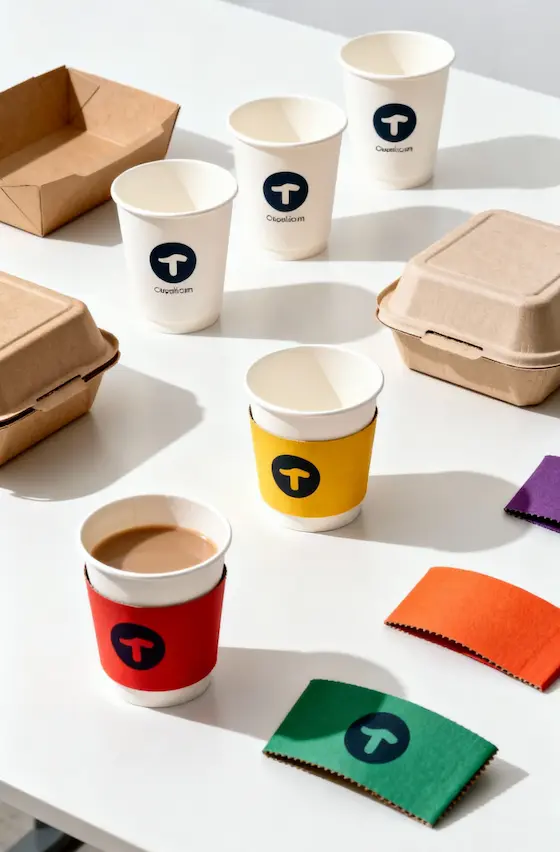
Готовы создать собственные фирменные бумажные стаканчики или упаковку?
Сообщите нам свои требования - размер, покрытие, печать и место назначения - и наша команда подготовит подробное коммерческое предложение в течение 24 часов.

Последнее обновление: Ноябрь 2025 г.
Время чтения: 8-10 минут
Автор: Papacko Content Team
Кофейная индустрия приносит 600 миллиардов одноразовые стаканчики Ежегодно для каждой чашки требуется 3-5 аксессуаров: крышки, рукава, мешалки, салфетки и пакетики сахара. Для кафе, где ежедневно подается 300 напитков, это 450 000 аксессуаров в год. Когда всего 15% клиентов требуют экологичных вариантов, а 100% ваших аксессуаров - пластиковые, вы сталкиваетесь с разрывом в брендинге, который стоит лояльности клиентов.
В этом руководстве рассматривается вся экосистема экологичных аксессуаров для кофе - от компостируемого биопластика до инновационных материалов, таких как древесное волокно и пленка на основе морских водорослей, а также предлагаются действенные стратегии поиска поставщиков для экосознательных операторов кафе.
В этой статье вы узнаете:
-Варианты материалов для каждой категории аксессуаров (компостируемые, перерабатываемые, многоразовые)
-Требования к сертификации (BPI, TÜV Austria, FSC) и факторы доверия потребителей
-Анализ затрат и выгод Экологически чистые аксессуары по сравнению с традиционными
-Инфраструктура отходов совместимость для различных рынков
💡 Быстрый вынос: Переход на сертифицированные компостируемые принадлежности для кофе стоит на 18-35% дороже, чем обычные пластиковые, но повышает уровень удовлетворенности клиентов на 12-18% и дает кафе право на получение зеленых сертификатов (LEED, Green Business), что способствует росту доходов на 8-15% среди эко-сознательной демографической группы.
Экологичные кофейные аксессуары - это одноразовые или многоразовые предметы, призванные минимизировать воздействие на окружающую среду:
-Биоразлагаемые/компостируемые материалы (PLA, PHA, древесина, багасса, морские водоросли)
-Материалы, пригодные для вторичной переработки (FSC-сертифицированная бумага, картон)
-Многоразовые конструкции (соломинки из нержавеющей стали, керамические кружки для обедов)
-Сокращение использования материалов (изолированные чашки без рукавов, съедобные ложки)
Основные категории аксессуаров:
Иерархия критериев устойчивости:
1.Компостируемый (промышленные или домашние): Разлагается на органические вещества (наилучший способ утилизации)
2.Переработка: Входит в циркулярную экономику (хорошо, если существует инфраструктура)
3.Многоразовые: Долговечность в течение 100+ использований (наилучшее воздействие на жизненный цикл, но требует стирки)
4.Уменьшенный материал: Облегчение, ликвидация (оптимальным вариантом является безотходное производство)
🎯 Отраслевой обзор: В 2019 году компания Blue Bottle Coffee полностью отказалась от пластиковых мешалок, перейдя на деревянные палочки, что позволило сократить объем пластиковых отходов на 11 тонн в год в 70 точках продаж, а количество жалоб клиентов снизилось на 0% (без влияния на обслуживание).
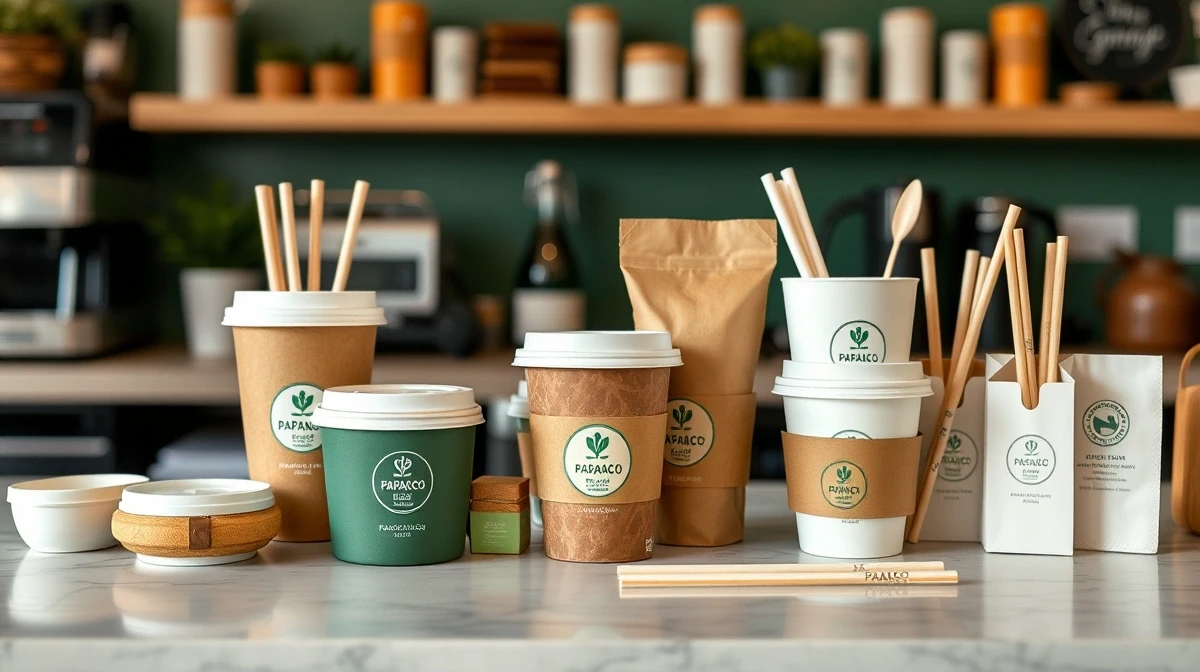
PLA (Полимолочная кислота) Крышки:
-Источник: Кукурузный крахмал, сахарный тростник или другие растительные крахмалы
-Компостируемость: Требуется промышленное компостирование (55-60°C в течение 90-180 дней)
-Допустимая температура: от -20°C до +45°C (подходит для холодных/теплых напитков, но не для горячего кофе)
-Ясность: Хорошо (немного хуже, чем в PS)
-Стоимость: $0,04-0,07 на крышку (против $0,02-0,03 для PS)
Крышки из CPLA (кристаллизованный PLA):
-Улучшение: Термообработанный PLA с повышенной кристалличностью
-Допустимая температура: от -20°C до +85°C (подходит для горячего кофе)
-Компромисс: Меньшая прозрачность (полупрозрачный по сравнению с прозрачным), 15-20% более высокая стоимость по сравнению с PLA
-Стоимость: $0.05-0.09 за крышку
Крышки на основе волокон (бумага/формованная целлюлоза):
-Строительство: Формованная бумажная масса + влагозащитное покрытие (PLA или на водной основе)
-Компостируемость: Компостируемый в домашних условиях, если покрытие на водной основе; промышленный, если PLA
-Допустимая температура: от -10°C до +100°C
-Вызовы: Низкая прозрачность (непрозрачность), возможность размягчения конденсата
-Стоимость: $0.06-0.10 за крышку
Сравнение производительности:
Рекомендация: CPLA для горячих напитков, PLA для холодных напитков, на основе волокон для позиционирования в эко-премиум-классе (более высокая стоимость, но лучшая история устойчивости).
Деревянные/бамбуковые мешалки:
-Источник: FSC-сертифицированная береза, бамбук (быстрорастущий возобновляемый)
-Биоразлагаемость: Возможность компостирования в домашних условиях (6-12 месяцев), естественное разложение на свалке
-Производительность: Прочный, без привкуса, подходит для горячего/холодного
-Стоимость: $0,008-0,015 на палочку (при больших объемах сопоставимо с пластиком)
-Вызовы: При низком качестве раскалывается; требует сухого хранения
Мешалки PLA:
-Характеристики: Прозрачный или цветной, внешне идентичен пластику PS
-Компостируемость: Требуется промышленное компостирование
-Прочность: Сравнимо с PS, менее жесткое, чем дерево
-Стоимость: $0,012-0,020 на палочку (+20-50% по сравнению с деревом)
-Проблема восприятия: Похоже на пластик, который покупатели могут не признать компостируемым
Паста/Съедобные мешалки:
-Материал: Макаронные изделия из твердых сортов пшеницы в форме палочек для перемешивания
-Фактор новизны: Высокая вовлеченность клиентов (“ноль отходов”)
-Долговечность: Размягчается через 10-15 минут в горячей жидкости
-Стоимость: $0,05-0,12 за палку (только премиум-позиционирование)
-Ограничения: Опасения по поводу аллергенов глютена; не подходит для длительного хранения
Рекомендация: Дерево/бамбук для экономичности и широкого применения. Зарезервируйте мешалки для пасты для особых напитков или маркетинговых кампаний.
Стратегии пакетирования:
-Индивидуальная упаковка: Гигиенично, но увеличивает количество отходов от упаковки
-Диспенсер для сыпучих продуктов: Меньше отходов, но требует частого пополнения и очистки
-Только по запросу: Сокращение использования на 30-40% по сравнению с автоматическим обеспечением
Virgin Бумажные салфетки:
-Волокно: Свежая древесная целлюлоза
-Мягкость: Превосходно (длинные волокна)
-Впитываемость: Высокий
-Воздействие на окружающую среду: Требуется заготовка деревьев
-Стоимость: $0.012-0.020 на салфетку
Бумажные салфетки из вторсырья:
-Волокно: Содержание вторичного сырья (30-100%)
-Мягкость: Хорошо (более короткие волокна = менее мягкие)
-Впитываемость: Умеренно-высокий
-Воздействие на окружающую среду: 40-50% меньший углеродный след по сравнению с первичными материалами
-Стоимость: $0.010-0.018 за салфетку (-10-15% экономия)
Салфетки из бамбукового волокна:
-Волокно: Бамбуковая целлюлоза (трава, а не дерево; вырастает за 3-5 лет)
-Мягкость: Отлично (сопоставимо с первичными бумагами)
-Впитываемость: Высокий
-Воздействие на окружающую среду: 30% меньше воды, чем у хлопка, без пестицидов
-Стоимость: $0.018-0.028 за салфетку (+50-80% премия)
Сертификационные знаки:
Рекомендация: 100% салфетки из переработанной бумаги с сертификатом FSC соблюдайте баланс между стоимостью, производительностью и устойчивостью. Оставьте бамбук для премиального позиционирования.
Бумажные соломинки:
-Материал: Крафт-бумага с безопасным для пищевых продуктов клеем, влагостойкое покрытие
-Долговечность: 30-60 минут в холодных напитках до размягчения
-Производительность: Плохо растворяется в горячих жидкостях (мгновенно размягчается)
-Стоимость: $0.015-0.03 за соломинку
-Отзывы клиентов: 45% сообщают “приемлемо”, 35% “не нравится текстура/вкус”
Соломинки из PLA:
-Производительность: Идентичен используемому пластику
-Температура: от -20°C до +45°C (только холодные напитки)
-Компостируемость: Требуется промышленное компостирование (90-180 дней при 55-60°C)
-Стоимость: $0.020-0.035 за соломинку
-Проблема: Часто путают с некомпостируемым пластиком (требует маркировки)
Нержавеющая сталь/стекло (многоразовое использование):
-Долговечность: 500-1,000+ применений
-Производительность: Отлично подходит для всех напитков
-Первоначальная стоимость: $0.80-2.50 за соломинку
-Точка безубыточности: 25-80 использований по сравнению с одноразовыми расходами
-Вызовы: Инфраструктура мойки, потери/кражи, прием клиентов
Соломинки из агавы/морских водорослей (зарождаются):
-Материал: Волокно агавы, экстракт морских водорослей
-Компостируемость: Возможность компостирования в домашних условиях (4-6 недель)
-Долговечность: 60-120 минут в холодных напитках
-Стоимость: $0,08-0,15 за соломинку (супер-премиум)
-Доступность: Ограничено (опытное производство)
Данные о предпочтениях клиентов (опрос 2024 года, n=2 000):
Стратегическая рекомендация: Предложение PLA по умолчанию (наилучшая производительность + устойчивое развитие), бумага как бюджетный вариант, и без соломы по запросу (19% клиентов отказываются, когда их спрашивают).
Рукава из переработанной крафт-бумаги:
-Материал: 100% волокно, переработанное после потребления
-Изоляция: Умеренный (R-value ~0,5)
-Стоимость: $0.020-0.035 на гильзу
-Экологический профиль: Уже устойчиво (в большинстве обычных рукавов используется переработанное содержимое)
-Улучшение: Переключиться на Сертификация FSC для получения экологических сертификатов
Многоразовые тканевые рукава:
-Материал: Органический хлопок, переработанный полиэстер
-Долговечность: 100-200 использований
-Стоимость: $2.50-5.00 за рукав
-Бизнес-модель: Система депозита/возврата или только обеды в ресторане
-Стиральная машина: Требуется промышленная стирка (увеличивает эксплуатационные расходы)
Силиконовые рукава:
-Материал: Пищевой силикон
-Долговечность: 500+ применений
-Диапазон температур: от -40°C до +230°C (наиболее универсальный)
-Стоимость: $3.00-6.00 за рукав
-Приложение: Принадлежит покупателю (розничный продукт, не одноразовый)
Альтернатива: Полностью откажитесь от рукавов:
-Решение: Переход на чашки с рифлеными стенками (встроенная изоляция + захват)
-Влияние на стоимость: Чашки Ripple стоят на $0,04-0,06 дороже, но исключают стоимость рукава на $0,02-0,03
-Чистый результат: Безубыточность и небольшая экономия при сокращении потока отходов
Обычная упаковка:
-Материал: Многослойная пластиковая пленка (PE/PET/алюминий)
-Барьер: Отлично (влага, кислород, свет)
-Возможность вторичной переработки: ❌ Не подлежит переработке (смешанные материалы)
-Компостируемость: ❌ Нет
Альтернативы компостируемой пленке:
Рекомендации по использованию сахарных пакетов: Пленка PLA Обеспечивает достаточный барьер для сухого сахара по разумной цене. Избегайте целлюлозной пленки (Попадание влаги вызывает отслаивание).
Альтернативные стратегии:
-Дозаторы для сыпучих продуктов: Полный отказ от индивидуальных пакетов (требует частой очистки)
-Бумажные конверты: Работает для сухих подсластителей (сахар, порошок стевии), но не для жидких кремов
-Наборы палочек: Используйте трубки из мелованного картона (на некоторых рынках их можно перерабатывать вместе с бумагой).
Обычные аксессуары:
Экологичные аксессуары:
Разница в стоимости: +$50.00 за 1,000 напитков (+49% премия)
Годовое воздействие (300 напитков в день в кафе):
-Обычные: $11,114
-Устойчивое развитие: $16,589
-Дополнительные годовые расходы: $5,475
Готовность клиентов платить:
-22% клиентов готовы платить на $0,25-0,50 больше за напитки, подаваемые с компостируемыми принадлежностями
-300 напитков/день × 365 дней × 22% × $0,35 средняя премия = $8,431 потенциальный доход
-Чистая выгода: $8,431 выручка - $5,475 затраты = +$2,956 годовая прибыль
Значение зеленой сертификации:
Нефинансовые преимущества:
-Набор сотрудников: 68% миллениалов предпочитают работать в экологически чистых компаниях
-Освещение в СМИ: “Первое безотходное кафе в [городе]” создает бесплатный PR
-Лояльность клиентов: 41% более высокий процент повторных посещений среди эко-сознательного сегмента
Доступ к промышленному компостированию:
Дерево принятия решений по рекомендациям:
1.Высокая степень доступности компоста (>60%): Уверенное использование PLA/CPLA, партнерство с перевозчиком для компостирования в кафе
2.Умеренный доступ (30-60%): Предлагать двойной поток (компостируемый + перерабатываемый), обучать клиентов
3.Низкий доступ (<30%): Расставьте приоритеты альтернативы вторичной переработке (бумажные соломинки, крышки из волокна) или многоразовые материалы
Эффективные знаки утилизации:
-Проблема: 60% клиентов не знают, как утилизировать компостируемые предметы
-Решение: Цветные контейнеры с визуальными значками (а не просто текст)
-Пример: Зеленый контейнер = компост (покажите изображение крышки CPLA), синий = переработка (изображение бумажного стаканчика)
Требования к маркировке продукции:
-Логотип BPI/TÜV: Отображение сертификационного знака на крышке/мешалке
-“Коммерчески пригодный для компостирования” Текст: Уточнить необходимость промышленного компостирования
-Значок корзины: Показать, какую корзину использовать (если двухпоточная)
Лучшая практика: Поместите инструкции по утилизации на место использования (мусорная зона), а не в местах продажи (покупатели забывают об этом, когда допивают напиток).
❌ Ошибка #1: Переход на аксессуары из PLA на рынке без промышленного компостирования
✅ Правильный подход: Сначала проверьте местную инфраструктуру для сбора отходов. Если компостирование недоступно, выбирайте альтернативы, пригодные для вторичной переработки (бумажные соломинки, крышки из волокна), или инвестируйте в многоразовые материалы.
❌ Ошибка #2: Использование утверждений о “биоразлагаемости” без сертификации
✅ Правильный подход: Получите сертификацию BPI, TÜV Austria или эквивалентную сертификацию третьей стороны и разместите логотипы. Необоснованные заявления чреваты обвинениями в "зеленом промывании" и штрафами
❌ Ошибка #3: Предоставление компостируемых принадлежностей без контейнеров/вывесок
✅ Правильный подход: Установите четко обозначенные контейнеры для компоста и заключите партнерство с коммерческой службой компостирования. В противном случае компостируемые предметы будут загрязнять переработку или свалку.
❌ Ошибка #4: Предполагается, что все покупатели по умолчанию хотят экологически чистые аксессуары
✅ Правильный подход: Предлагайте соломинки/размешиватели только по запросу (сокращает использование на 30-40%). Сделайте экологичный вариант по умолчанию, обычный - по запросу
Экологичные кофейные аксессуары включают компостируемые крышки (CPLA, PLA, на основе волокна), биоразлагаемые мешалки (дерево, бамбук), салфетки, подлежащие вторичной переработке (бумага, сертифицированная FSC), и соломинки без пластика (бумага, PLA, металл многократного использования). Они минимизируют воздействие на окружающую среду благодаря возможности биоразложения, переработки или повторного использования.
Зависит от местной инфраструктуры. В районах с промышленным компостированием (Сан-Франциско, Портленд) компостируемые крышки CPLA выводят отходы с полигонов. В районах, где нет компостирования, лучше использовать крышки из перерабатываемого волокна (если они покрыты барьером на водной основе), поскольку они попадают в существующие потоки вторичной переработки.
Экологичные аксессуары стоят в среднем на 18-35% дороже: Крышки из CPLA ($0,06 против $0,025 для PS), бамбуковые мешалки ($0,012 против $0,008 для PS), соломинки из PLA ($0,025 против $0,010 для PP). Для кафе на 300 напитков в день ежегодное увеличение составит $5,400-6,500.
Да. 22% готовы платить $0,25-0,50 за экологически чистые напитки, 41% проявляют большую лояльность к кафе, заботящимся об экологии, а 68% признают важность экологичности (хотя только 35% активно ее ищут). Это конкурентное преимущество на рынках городов и богатых людей.
Сертифицировано BPI Compostable (промышленное компостирование), TÜV Austria OK Compost (промышленное или домашнее), FSC (устойчивое лесное хозяйство) и Seedling Logo (пригодность к компостированию в ЕС). Сертификация третьей стороной предотвращает обвинения в "зеленой промывке" и дает право на получение сертификатов "зеленого" бизнеса.
Нет. PLA требует, чтобы в промышленных компостных установках поддерживалась температура 55-60°C в течение 90-180 дней. В домашних компостерах температура редко превышает 40°C. PLA не разлагается ни в компосте на заднем дворе, ни на свалках, ни в океане. Используйте PLA только в том случае, если у клиентов есть доступ к промышленному компостированию.
Мешалки из бамбука/дерева ($0,012 против $0,008 для пластика = +50%, но абсолютная разница всего $0,004 на единицу). Для кафе на 300 напитков в день годовое увеличение расходов составляет всего $438, при этом клиенты сразу же получают видимый сигнал об устойчивом развитии.
Переход на экологичные аксессуары для кофе требует соблюдения баланса между экологическими целями, местной инфраструктурой для утилизации отходов, ожиданиями клиентов и бюджетными ограничениями. Ни один материал не решает всех проблем - компостируемый PLA прекрасно работает в Сан-Франциско, но загрязняет переработку в сельских районах; бумажные соломинки отвечают требованиям законодательства, но разочаровывают некоторых клиентов; многоразовые материалы обеспечивают наилучшее воздействие на жизненный цикл, но требуют инфраструктуры для мойки.
Основные выводы:
1.Сначала проведите аудит местной инфраструктуры по переработке отходов: Выбирайте компостируемые материалы (CPLA, PLA) только при наличии промышленного компостирования; в противном случае отдавайте предпочтение альтернативам, пригодным для переработки или многократного использования
2.Сертификация укрепляет доверие: Логотипы BPI, TÜV Austria, FSC предотвращают обвинения в "зеленой промывке" и дают право на сертификацию "зеленого" бизнеса стоимостью $6 000-16 000 в год
3.Надбавка к стоимости (18-35%) возвращается за счет ценовых надбавок (22% готовы платить на $0,25-0,50 больше), лояльности (41% более высокий процент повторных обращений) и повышения доходов за счет сертификации.
4.Самые легкие победы: Бамбуковые мешалки (+$0,004/шт.), салфетки из вторсырья (-10-15% по сравнению с первичными), соломинки по запросу (сокращение использования на 30-40%)
5.Обучение клиентов имеет решающее значение: 60% не знает, как утилизировать компостируемые материалы - контейнеры с цветной маркировкой и наглядными значками улучшают правильную утилизацию на 55-70%
Независимо от того, являетесь ли вы владельцем независимого кафе, сети кофеен или корпоративного кафетерия, рынок экологичных аксессуаров сегодня предлагает жизнеспособные альтернативы во всех категориях. Успех заключается не в идеальных решениях, а в выборе материалов, совместимых с инфраструктурой и клиентской базой вашего конкретного рынка.
-Устойчивые решения для упаковки
Компания Papacko производит сертифицированные компостируемые аксессуары для кофе, включая крышки из CPLA (нагреваются до 85°C), бамбуковые мешалки, салфетки, сертифицированные FSC, и соломинки из PLA. Вся продукция имеет сертификаты BPI или TÜV Austria и совместима с промышленными программами компостирования.
Свяжитесь с нами:
Последнее обновление: Ноябрь 2025 г.
Ключевое слово: экологичные аксессуары для кофе
URL Slug: Аксессуары для экологически чистого кофе
Мета-заголовок:
Кофейные аксессуары для экологичных кафе | Надежная упаковка для пищевых продуктов | Papacko
Мета описание:
Откройте для себя компостируемые аксессуары для кофе: биоразлагаемые мешалки, экологичные крышки и экологичные салфетки. Сравните материалы и сертификаты.
💡 Настройте эти параметры в панели Rank Math, а затем удалите это поле перед публикацией.