هل أنت مستعد لإنشاء أكواب ورقية أو عبوات ورقية تحمل علامتك التجارية الخاصة بك؟
أخبرنا بمتطلباتك - الحجم والطلاء والطباعة والوجهة - وسيقوم فريقنا بإعداد عرض أسعار مفصل في غضون 24 ساعة.

افهم قوانين الاتحاد الأوروبي المتعلقة بإعادة تدوير الأكواب الورقية، وقواعد توجيه «SUP»، والتزامات المسؤولية الممتدة للمنتج (EPR)، والتغييرات في لائحة «PPWR»، ومتطلبات وضع العلامات، وخطوات الامتثال لمصدري تغليف المواد الغذائية.
آخر تحديث: أبريل 2026
وقت القراءة: 8-10 دقائق
المؤلف: فريق محتوى باباكو
التصدير أكواب ورقية الدخول إلى سوق الاتحاد الأوروبي في عام 2026 يعني التعامل مع شبكة معقدة من لوائح إعادة التدوير التي تختلف من بلد إلى آخر وتستمر في التطور. إن توجيه الاتحاد الأوروبي بشأن المواد البلاستيكية ذات الاستخدام الواحد (SUP)، وبرامج المسؤولية الموسعة للمنتج (EPR)، ولائحة التغليف ونفايات التغليف (PPWR) المرتقبة، تفرض متطلبات قانونية تؤثر على تصميم المنتجات ووضع العلامات عليها وتوثيقها.
قد يؤدي عدم الامتثال إلى رفض الجمارك للسلع، وفرض غرامات تصل إلى 50,000 يورو لكل مخالفة في بعض الدول الأعضاء، وفقدان إمكانية الوصول إلى الأسواق. ومع ذلك، يواجه العديد من المصدرين صعوبة في فهم اللوائح التي تنطبق على منتجاتهم وأسواقهم المحددة.
يقدم هذا الدليل شرحاً تفصيلياً للقوانين الأساسية للاتحاد الأوروبي المتعلقة بإعادة تدوير الأكواب الورقية: التوجيهات الحالية، ومتطلبات المسؤولية الموسعة للمنتج (EPR) الخاصة بكل دولة، ومعايير وضع العلامات، وإجراءات الاعتماد. ستتعرف على كيفية ضمان توافق منتجاتك مع المتطلبات القانونية وتجنب المخالفات المكلفة المتعلقة بالامتثال.
يعمل مشهد إعادة تدوير الأكواب الورقية في الاتحاد الأوروبي بموجب لوائح متداخلة متعددة:
1. التوجيه المتعلق بالبلاستيك أحادي الاستخدام (2019/904)
-تنطبق على الأكواب ذات المكونات البلاستيكية (بطانات البولي إيثيلين البولي إيثيلين/جيش اللدائن البلاستيكية)
-يفرض وضع ملصقات واضحة حول محتوى البلاستيك والتخلص منه
-تفرض بعض البلدان (فرنسا وبلجيكا) أهدافًا لخفض الاستهلاك
2. إطار المسؤولية الموسعة للمنتجين (EPR)
-إلزام المصنعين/المستوردين بالتسجيل ودفع رسوم إدارة نهاية العمر الافتراضي
-يختلف هيكل الرسوم: من 0.05 يورو إلى 0.25 يورو لكل كوب حسب البلد وقابلية إعادة التدوير
-تغطي المسؤولية المالية البنية التحتية للجمع والفرز وإعادة التدوير
3. لائحة نفايات التغليف والتعبئة والتغليف - التنفيذ المتجدد 2026-2030
-المرحلة 1 (2026): متطلبات اختبار قابلية إعادة التدوير
-المرحلة 2 (2028): الحد الأدنى للمحتوى المعاد تدويره 30% للأكواب الورقية
-المرحلة 3 (2030): تفويضات التصميم من أجل إعادة التدوير (حواجز الإزالة وتوافق المواد)
4. التشريعات الخاصة بكل بلد
-ألمانيا: VerpackG (قانون التعبئة والتغليف مع متطلبات صارمة للاسترجاع)
-فرنسا: قانون AGEC (قانون مكافحة الاقتصاد الدائري للنفايات)
-إيطاليا: المساهمة البيئية (نظام CONAI)
يجب عرض جميع الأكواب التي تحتوي على البلاستيك:
✅ شعار يشير إلى محتوى البلاستيك
-رسم تخطيطي موحد يظهر الكوب مع بطانة بلاستيكية
-الحد الأدنى للحجم: ارتفاع 15 مم
-الموقع: مرئي على السطح الخارجي
✅ تعليمات التخلص من النفايات
-نص أو رمز يشير إلى مجرى النفايات المناسب
-اللغة: اللغة (اللغات) المحلية لسوق المقصد
-مثال: “تخلص منه في إعادة تدوير الورق حيثما وجدت المرافق” (إذا كان قابلاً لإعادة التدوير)
✅ بيان الأثر البيئي (فرنسا، بلجيكا)
-النص المطلوب: “يحتوي على طلاء بلاستيكي - التأثير البيئي من رمي النفايات”
-يجب أن يكون بخط 6 نقاط كحد أدنى
عقوبة عدم الامتثال:: 500-5,000 يورو لكل دفعة (تختلف حسب الدولة العضو)
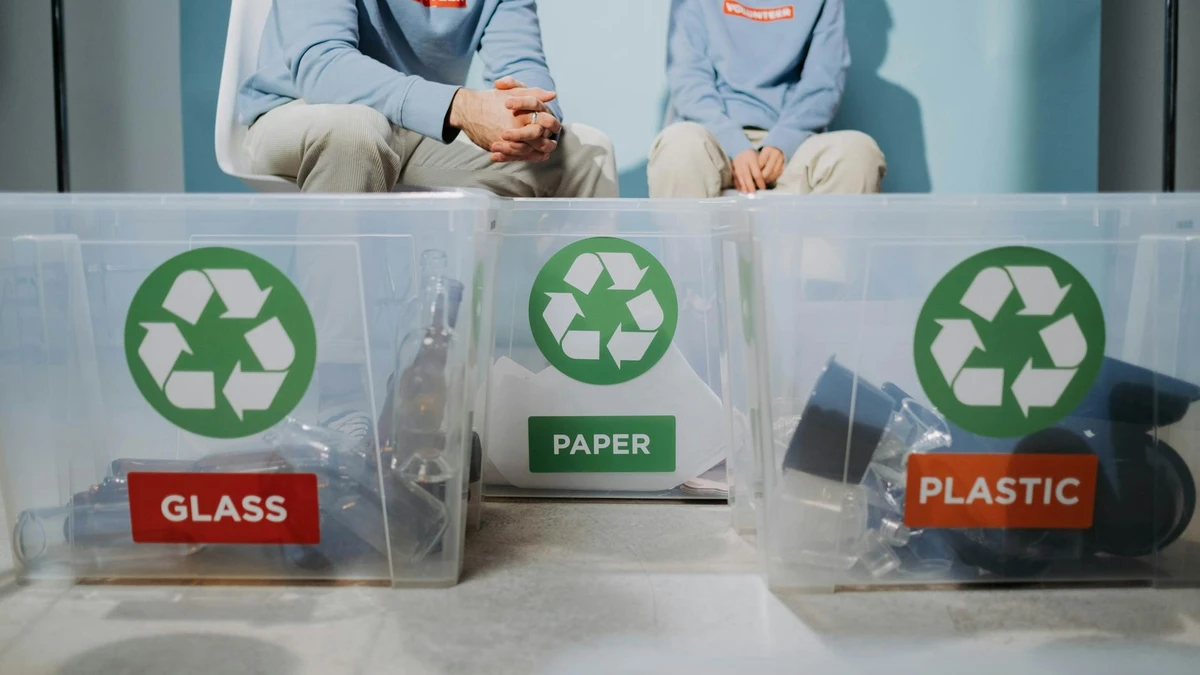
ألمانيا لديها أكثر قوانين التعبئة والتغليف صرامة في الاتحاد الأوروبي:
عملية التسجيل:
1.التسجيل في سجل التعبئة والتغليف LUCID (البوابة الإلكترونية)
2.انضم إلى نظام مزدوج (Interseroh، Der Grüne Punkt، إلخ)
3.الإبلاغ عن الأحجام الفصلية
4.دفع الرسوم على أساس نوع المادة ووزنها
التوثيق:
-توزيع تركيبة المواد (ورق %، بلاستيك %، مواد أخرى)
-الوزن لكل وحدة (يقاس بدقة 0.1 جم)
-توقعات الحجم السنوي
-دليل على المشاركة في النظام المزدوج
عقوبة عدم التسجيل:: من 10,000 يورو إلى 200,000 يورو + حظر البيع
قاعدة خاصة للمصدرين: في حالة بيع B2B للموزعين الألمان، يجوز للموزع التعامل مع تسجيل EPR. التأكيد كتابياً قبل الشحن.
بالإضافة إلى معيار EPR القياسي، تتطلب فرنسا
مؤشر قابلية الإصلاح/إعادة التدوير (تنفيذ 2027):
-تصنيف الدرجة A-E بناءً على سهولة إعادة التدوير
-ضع في اعتبارك: قابلية فصل الطلاء، وتوافق المواد، ومخاطر التلوث
-يجب عرضها على المنتج أو مواد نقاط البيع لمبيعات B2C
أهداف الحد من البلاستيك:
-20% انخفاض في الأكواب البلاستيكية ذات الاستخدام الواحد بحلول عام 2025 (مقابل خط الأساس لعام 2019)
-يجب على المستوردين الإبلاغ عن المساهمة في هدف التخفيض
-البدائل: تقديم خيارات قابلة لإعادة الاستخدام، وطلاءات مائية، وأكواب غير مطلية
المتطلبات: يجب أن تخضع جميع الأكواب الورقية لاختبار موحد لقابلية إعادة التدوير وفقًا للمواصفة EN 13430:2004
معايير الاختبار:
-توافق المواد: هل يمكن فصل الطلاء في عملية اللب القياسية؟
-مستوى التلوث: الحد الأقصى 5% البلاستيك المتبقي في الألياف المعاد تدويرها
-معدل الإنتاجية: الحد الأدنى لاستعادة الألياف 75%
-الجودة: مخرجات معاد تدويرها مناسبة لورق الصحف أو المموج (الحد الأدنى من الدرجة)
التوثيق:
-تقرير اختبار معملي من منشأة معتمدة (EN 17025)
-وصف العملية يوضح قابلية التوسع الصناعي
-صالحة لمدة 3 سنوات، ويجب تجديدها
التكلفة:: 800-1,500 يورو لكل تصميم كوب تم اختباره
التفويض: الحد الأدنى 30% من الألياف المعاد تدويرها بعد الاستهلاك (PCR) في طبقة الورق
مسارات الامتثال:
1.مباشر: الورق المقوى المصدر بمحتوى 30%+ PCR الذي تم التحقق منه
2.توازن الكتلة: احسب عبر مجموعة المنتجات الكاملة (يسمح بـ <30% في بعض وحدات حفظ المخزون إذا تم تعويضها)
التحقق:
-شهادة سلسلة الحيازة (معاد تدويرها من FSC، PEFC معاد تدويرها)
-إقرارات الموردين مع مسار تدقيق من طرف ثالث
-تقديم تقارير الامتثال السنوية إلى السلطات الوطنية
الإعفاءات: الطبقات السطحية الملامسة للأغذية معفاة (جانب الطلاء الداخلي) بسبب متطلبات السلامة
المواد المقيدة:
-❌ طلاءات PFAS (محظورة بالفعل بموجب لائحة منفصلة)
-❌ بطانات الألومنيوم (تتداخل مع إعادة تدوير الورق)
-❌ بلاستيك متعدد الطبقات (مزيج من البولي إيثيلين البولي إيثيلين + PLA)
تصميمات مشجعة:
-✅ المشتتات ذات الأساس المائي (PVOH، النشا)
-✅ طلاءات البوليمر المفردة (بولي إيثيلين البولي إيثيلين أو PLA، غير مختلطة)
-✅ سهولة الفصل الميكانيكي (سهولة إزالة الغطاء، حواف مادة واحدة)
الخطوة 1: اختبار اللب المختبري (يحاكي مرفق إعادة التدوير)
-أكواب العينة مسحوقة عند درجة حرارة 90 درجة مئوية لمدة 20 دقيقة
-قياس معدل استرداد الألياف والتلوث
-اختبار معايير جودة اللب المعاد تدويره
الخطوة 2: التجربة الصناعية (مطلوب للمرحلة 1 PPWR 1)
-100 كجم كحد أدنى من عينات الأكواب المعالجة في منشأة تجارية
-التحقق من كفاءة الفصل على نطاق واسع
-توثيق تعديلات المعدات اللازمة (إن وجدت)
الخطوة 3: تقرير التصديق
-تجميع نتائج المختبر + النتائج الصناعية
-المصادقة من طرف ثالث (على سبيل المثال، Adelphe، PRN في المملكة المتحدة)
-التقديم لمخططات EPR للنظر في التعديل البيئي
الجدول الزمني: 4-8 أسابيع لدورة اختبار كاملة
✅ رمز إعادة التدوير (ISO 14021):
-حلقة موبيوس مع رمز المادة “PAP 21” (إذا كان الورق في المقام الأول)
-أو “C/PAP 84” للأكواب الورقية/البلاستيكية المركبة
✅ التركيب المادي (متطلبات PPWR اعتبارًا من عام 2026):
-مثال: “الورق 92%، طلاء البولي إيثيلين البولي إيثيلين 8%”
-النسبة المئوية بالوزن، دقيقة إلى ± 2%
✅ تعليمات التخلص من النفايات:
-“قابلة لإعادة التدوير حيثما وجدت المرافق” (إذا ثبت معدل إعادة التدوير >75%)
-“تحقق من إعادة التدوير المحلي” (إذا كان معدل 50-75%)
-“غير قابلة لإعادة التدوير حاليًا” (إذا كان معدل <50%)
✅ تحديد هوية المنتج:
-اسم الشركة وعنوانها (أو الممثل المفوض من الاتحاد الأوروبي)
-رمز الدفعة/الدفعة لإمكانية التتبع
✅ تحذير من محتوى البلاستيك (توجيه SUP):
-رسم توضيحي أو نص: “يحتوي على بطانة بلاستيكية”
ألمانيا: يتطلب شعار “Der Grüne Punkt” في حالة استخدام هذا النظام المزدوج (أو شعار مكافئ للأنظمة الأخرى)
فرنسا: يجب أن تتضمن شعار تريمان (مؤشر الفرز) + تعليمات الفرز باللغة الفرنسية
ايطاليا: رموز اتحاد CONAI consortium (على سبيل المثال، “C/PAP 84 → Raccolta Carta” لجمع الورق)
اسبانيا: اختياري ولكن يوصى به: رمز “بونتو فيردي” Ecoembes "Punto Verde
قائمة التحقق من الامتثال ل VerpackG:
-[] رقم تسجيل LUCID الذي تم الحصول عليه (التنسيق: DE123456786789012345678)
-[ ] توقيع عقد النظام المزدوج (مدة لا تقل عن سنة واحدة)
-[ ] تم إعداد صحيفة بيانات المواد (الوزن والتركيب وفئة قابلية إعادة التدوير)
-[ ] وضع جدول زمني لإعداد التقارير الفصلية
-[ ] إرشادات إعادة التدوير باللغة الألمانية على العبوة
المزالق الشائعة: بافتراض أن مبيعات B2B تعفيك. حتى المبيعات بين الشركات تتطلب التسجيل ما لم يقدم الموزع تأكيداً خطياً بأنه يتعامل مع EPR.
مثال على التكلفة (10,000 كوب/سنة، حجم 12 أونصة):
-التسجيل في LUCID: 0 يورو
-رسوم النظام المزدوج: 1,200 إلى 1,800 يورو سنوياً
-الدعم القانوني/الاستشاري: 500-1,500 يورو (السنة الأولى)
الامتثال لقانون AGEC:
-التسجيل في منظمة بيئية معتمدة (سيتيو أو أديلفي)
-الإبلاغ عن الأحجام السنوية بحلول 31 يناير
-المساهمة في أهداف إعادة الاستخدام/التخفيض (توثيق الخيارات البديلة المعروضة)
-شعار تريمان + تعليمات الفرز إلزامي
متطلبات إعادة الاستخدام: في حالة بيع أكثر من 10,000 كوب سنويًا لأماكن الاستهلاك في الموقع، يجب أن تقدم خيار الأكواب القابلة لإعادة الاستخدام أو دفع مساهمة إضافية (+ 0.10 يورو/وحدة)
الوضع الحالي: توجد خطط طوعية لإعادة الودائع؛ مخطط إلزامي قيد الدراسة لعام 2027
التحضير: تصميم أكواب متوافقة مع ماكينات البيع العكسي (وضع الباركود، وتوحيد الحجم)
رمز HS: 4823.69 (سلع ورقية أخرى لملامسة الأغذية/المشروبات)
اعتبارات التعريفة الجمركية:
-المعدل القياسي 0-6.51.5% حسب المنشأ
-قد يتم تطبيق أسعار اتفاقية التجارة التفضيلية (تحقق من حالة اتفاقية التجارة الحرة)
-رسوم مكافحة الإغراق: لا توجد حاليًا على الأكواب الورقية (اعتبارًا من عام 2026)
ضريبة القيمة المضافة: 19-25% حسب بلد المقصد (ضريبة القيمة المضافة على الواردات، قابلة للاسترداد للشركات)
❌ الخطأ #1: التسجيل في دولة واحدة فقط في الاتحاد الأوروبي للمبيعات في أسواق متعددة
✅ النهج الصحيح: تسجيل نظام المسؤولية الممتدة للمصنعين (EPR) يختلف من بلد لآخر. إذا كنت تبيع منتجاتك في ألمانيا وفرنسا وهولندا، فستحتاج إلى ثلاثة تسجيلات منفصلة. استعن بمزود خدمات الامتثال على مستوى الاتحاد الأوروبي (2,000-5,000 يورو سنويًّا) لإدارة شؤون عدة بلدان بكفاءة.
❌ الخطأ #2: على افتراض أن الأكواب المغلفة بجزيئات PLA تتجنب توجيهات SUP لأنها “حيوية”
✅ النهج الصحيح: تُعرّف توجيهات SUP البلاستيك على أنه يشمل البوليمرات ذات الأصل الحيوي مثل PLA. وتخضع الأكواب المصنوعة من PLA لنفس متطلبات وضع العلامات والجمع والمسؤولية الممتدة للمنتج (EPR) التي تخضع لها الأكواب المطلية بالبولي إيثيلين (PE) في معظم الدول الأعضاء.
❌ الخطأ #3: استخدام ادعاءات “قابلة لإعادة التدوير” بدون بيانات اختبار داعمة
✅ النهج الصحيح: يحظر “توجيه الاتحاد الأوروبي بشأن الادعاءات البيئية” (2026) الإدلاء بادعاءات بيئية دون التحقق من قبل جهة خارجية. وفي حالة الإشارة إلى أن المنتج «قابل لإعادة التدوير»، يجب أن يكون لديك اختبار وفقًا للمعيار EN 13430 يثبت معدل استرداد يزيد عن 75% في الظروف الصناعية.
❌ الخطأ #4: تجاهل المتطلبات اللغوية لتعليمات التخلص من النفايات
✅ النهج الصحيح: يجب أن تظهر جميع النصوص الموجهة للمستهلكين (تعليمات إعادة التدوير، إرشادات التخلص من النفايات) باللغة (اللغات) الرسمية لبلد المقصد. استخدم ملصقات متعددة اللغات في حالة التوزيع على عدة بلدان.
تشمل قوانين إعادة تدوير الأكواب الورقية في الاتحاد الأوروبي توجيه الاتحاد الأوروبي بشأن إعادة تدوير الأكواب الورقية ذات الاستخدام الواحد (التي تتطلب وضع ملصقات وأهداف جمع الأكواب المغلفة بالبلاستيك)، وخطط مسؤولية المنتج الموسعة الخاصة بكل بلد (التسجيل الإلزامي والرسوم الإلزامية 0.05-0.25 يورو/كوب)، ولائحة نفايات التغليف والتعبئة القادمة التي تتطلب اختبار قابلية إعادة التدوير (2026)، والمحتوى المعاد تدويره 30% (2028)، وقيود التصميم (2030).
نعم. التسجيل في نظام المسؤولية الموسعة للمنتجين (EPR) يختلف من بلد لآخر، ولا يسري على مستوى الاتحاد الأوروبي بأكمله. إذا كنت تصدر إلى ألمانيا وفرنسا وإسبانيا، فستحتاج إلى ثلاثة تسجيلات منفصلة في نظام التغليف الخاص بكل دولة. وتتراوح التكاليف بين 40 و180 يورو لكل 1,000 كوب، اعتمادًا على الدولة وقابلية المنتج لإعادة التدوير. استشر مزودي خدمات الامتثال على مستوى الاتحاد الأوروبي لإدارة التسجيلات المتعددة بكفاءة.
لا. تتضمن توجيهات SUP (البلاستيك أحادي الاستخدام) المواد البلاستيكية ذات الأساس الحيوي مثل PLA ضمن تعريفها لمصطلح “البلاستيك”. وتخضع الأكواب المطلية بـ PLA لنفس متطلبات وضع العلامات، والتزامات الفرز والجمع المنفصل، ورسوم المسؤولية الموسعة للمنتج (EPR) التي تخضع لها الأكواب المطلية بـ PE في معظم الدول الأعضاء في الاتحاد الأوروبي. قد تُعفى فقط الأكواب غير المطلية أو الأكواب ذات الطبقة العازلة المائية من بعض متطلبات البلاستيك أحادي الاستخدام (حسب كل دولة).
الشهادات الأساسية: FSC أو PEFC سلسلة الحيازة (الحراجة المستدامة), الاتحاد الأوروبي 10/2011 أو الامتثال للمعايير الوطنية المتعلقة بالاتصال بالأغذية، واختبارات قابلية إعادة التدوير وفقًا للمعيار EN 13430 (مطلوب اعتبارًا من عام 2026 بموجب قانون PPWR). اختياري ولكنه مفيد: التحقق من الادعاءات البيئية وفقًا للمعيار ISO 14021، وشهادة OK Compost (في حالة الادعاء بالقابلية للتحويل إلى سماد)، واختبارات التعديل البيئي للحصول على تخفيضات في رسوم المسؤولية الموسعة للمنتج (EPR).
إجراء اختبارات موحدة وفقًا للمعيار EN 13430:2004 في مختبر معتمد (800-1,500 يورو لكل تصميم). تقيس الاختبارات معدل استرداد الألياف (يلزم تحقيق 75% كحد أدنى)، ومستويات التلوث (بحد أقصى 5% من البلاستيك المتبقي)، وجودة المنتج المعاد تدويره. بالنسبة للمرحلة الأولى من مبادرة PPWR (2026)، تحتاج أيضًا إلى وثائق تجريبية على نطاق صناعي تثبت التوافق مع منشآت إعادة التدوير التجارية.
وتشمل العواقب ما يلي: رفض الجمارك عند حدود الاتحاد الأوروبي (عدم وجود رقم EPR = عدم السماح بالمرور في ألمانيا وفرنسا)، وغرامات تتراوح بين 500 و50,000 يورو حسب البلد وخطورة المخالفة، وحظر بيع المنتجات غير المتوافقة، واحتمال إدراج الشركة في القائمة السوداء التي تُمنع من المشاركة في عقود المشتريات العامة. ويمكن التسجيل بأثر رجعي، لكنه قد ينطوي على رسوم جزائية.
جزئيًّا. فقد تم توحيد الرموز الأساسية (حلقة موبيوس، ورموز المواد). ومع ذلك، يجب أن تكون تعليمات التخلص من النفايات باللغة (اللغات) المحلية، كما تشترط بعض الدول استخدام شعارات محددة (فرنسا: Triman، ألمانيا: شعار «النظام المزدوج»، إيطاليا: رموز CONAI). يستخدم معظم المصدرين ملصقات متعددة اللغات أو إصدارات ملصقات خاصة بكل بلد لضمان الامتثال.
يتطلب التنقل في قوانين إعادة تدوير الأكواب الورقية في الاتحاد الأوروبي فهم اللوائح متعددة الطبقات: توجيه SUP للأكواب المحتوية على البلاستيك، والتسجيل والرسوم الخاصة بكل بلد، ومتطلبات PPWR القادمة لاختبار قابلية إعادة التدوير والمحتوى المعاد تدويره. يعتمد النجاح على التخطيط الاستباقي للامتثال، والتوثيق المناسب، وتصميم المنتج بما يتماشى مع مبادئ الاقتصاد الدائري.
الوجبات السريعة الرئيسية:
1.تسجيل EPR إلزامي وخاص بكل بلد على حدة-الميزانية 40-180 يورو لكل 1,000 كوب وتسجيلها قبل الشحنة الأولى
2.تواجه أكواب PLA نفس اللوائح التنظيمية التي تواجهها أكواب البولي إيثيلين البولي إيثيلين-لا يستثنى من متطلبات التوجيهات التوجيهية الخاصة بـ SUP
3.2026 تتطلب المرحلة 1 من PPWR 2026 اختبار قابلية إعادة التدوير-الحصول على شهادة EN 13430 (800-1,500 يورو لكل تصميم)
4.يجب أن يتضمن الملصق تحذيرات بشأن المحتوى البلاستيكي وتعليمات التخلص منه-باللغات المحلية
5.ألمانيا لديها أكثر الدول صرامة في التنفيذ-التسجيل في LUCID + المشاركة في النظام المزدوج غير قابلة للتفاوض
-مجموعة منتجات الأكواب الورقية
توفر شركة Papacko أكوابًا ورقية متوافقة مع معايير الاتحاد الأوروبي، مصحوبة بوثائق دعم كاملة: شهادات FSC/PEFC، وتقارير اختبار قابلية إعادة التدوير، وإرشادات التسجيل في نظام المسؤولية الممتدة للمنتجين (EPR)، وملصقات متعددة اللغات. ويتولى فريق التصدير لدينا ضمان الامتثال لمعايير أكثر من 15 دولة في الاتحاد الأوروبي، مما يضمن سلاسة إجراءات التخليص الجمركي والالتزام باللوائح التنظيمية.
عادةً ما يرتبط الامتثال لقانون إعادة التدوير بثلاثة قرارات أخرى: ما إذا كانت المادة مطابقة لمعايير ملامسة الأغذية، وما إذا كانت الادعاءات المتعلقة بقابلية التحلل الحيوي قابلة للدفاع عنها فعليًّا في السوق المستهدفة، وما إذا كان تصميم العبوة يحتاج إلى تغيير قبل التصدير. وتستكمل هذه الأدلة سير العمل القانوني والتقني المذكور.
تواصل معنا
آخر تحديث: أبريل 2026