هل أنت مستعد لإنشاء أكواب ورقية أو عبوات ورقية تحمل علامتك التجارية الخاصة بك؟
أخبرنا بمتطلباتك - الحجم والطلاء والطباعة والوجهة - وسيقوم فريقنا بإعداد عرض أسعار مفصل في غضون 24 ساعة.

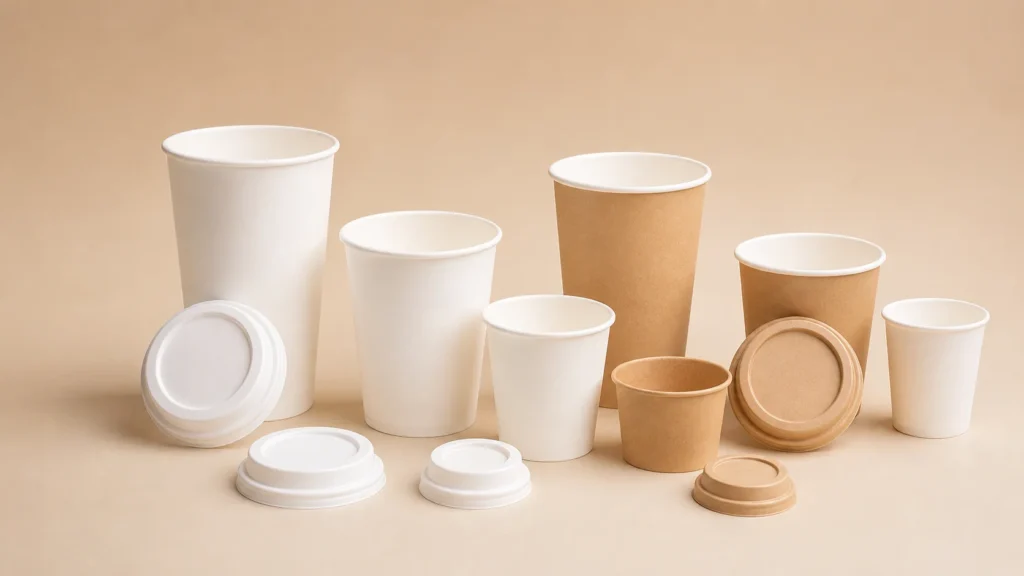
يجب التأكد من ملاءمة طلاء الكوب الورقي للمنتج المعبأ المحدد، ومدة التخزين المقصودة، ونطاق درجة حرارة التقديم، ونظام الغطاء، واللوائح المعمول بها المتعلقة بالتلامس مع الأغذية، قبل اتخاذ أي قرار بشأن الشراء. فلا يوجد نوع واحد من الطلاء يناسب جميع الحالات. أنظمة الأكواب الورقية تختلف هذه القيم باختلاف بنية الجدار ومواصفات الطلاء، ويجب على المشترين التحقق من كل رمز منتج (SKU) بمقارنته بالبيانات الموثقة المقدمة من المورد ونتائج اختبار العينات الفعلية.
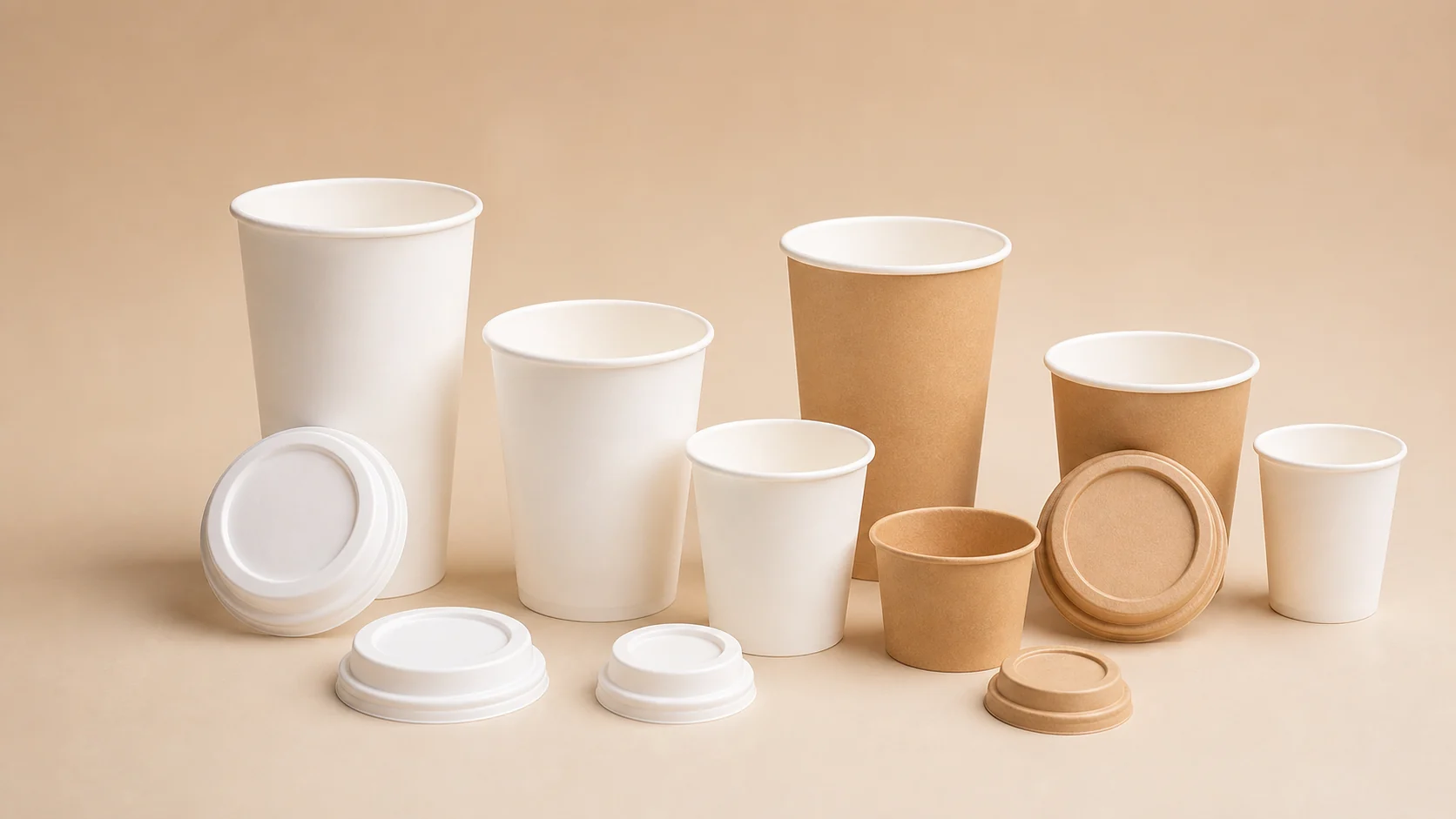
إن إرشادات المفوضية الأوروبية بشأن المواد التي تتلامس مع الأغذية تتعامل مع العبوات والحاويات باعتبارها مواد ملامسة للأغذية وفقًا للاستخدام المقصود، مما يجعل ملاءمتها مرتبطة بالظروف المحددة، وتستلزم التحقق من الموردين وفقًا للتطبيق الفعلي.
هناك ثلاثة أنواع من الطبقات العازلة شائعة الاستخدام حاليًا في توريد الأكواب المخصصة لقطاع خدمات الطعام: البولي إيثيلين (PE)، وحمض البوليلاكتيك (PLA)، والطلاءات المشتتة ذات الأساس المائي. ويتطلب كل نوع منها إجراء فحص محدد من قبل المشترين قبل الشراء.
البولي إيثيلين هو مادة بلاستيكية حرارية تُطبق على شكل طبقة رقيقة على أحد جانبي قوالب الأكواب الورقية أو كلا الجانبين. يجب ألا يفترض المشترون أن الأداء متماثل عبر جميع مواصفات البولي إيثيلين.
الوثائق المتعلقة بالاتصال بالأغذية. اطلب إقرارات الامتثال وتقارير اختبار التوافق الخاصة بفئة المنتج المعبأ المستهدفة. تختلف تركيبات البولي إيثيلين (PE)، ولا تخضع جميعها للاختبار باستخدام نفس المواد المحاكية للأغذية أو في نفس الظروف.
التطبيق على وجه واحد مقابل التطبيق على الوجهين. تحتوي بعض الأكواب على مادة البولي إيثيلين (PE) في السطح الداخلي الملامس فقط؛ بينما تحتوي أكواب أخرى عليها على كلا الجانبين. ويؤثر وزن المنتج وعدد الجوانب على كل من أداء الحاجز وتصنيفات قابلية إعادة التدوير التي تحددها مرافق استعادة المواد.
تأكيد مدة الانتظار. يجب على الموردين توثيق ظروف التعبئة التي خضع لها الكوب أثناء الاختبار. لا تفترض أن الكوب الذي يستوفي متطلبات سيناريو استخدام معين يستوفي أيضًا متطلبات فترة الاحتفاظ الأطول أو فئة منتج تعبئة مختلفة.
وثائق مسار إعادة التدوير. يعتمد قبول الأكواب المطلية بالبولي إيثيلين من قبل البنية التحتية لاستعادة المواد على قدرة المنشآت المحلية. ولا ينبغي للمشترين الإدلاء بأي ادعاءات بشأن قابلية إعادة التدوير دون وجود أدلة مؤكدة على مسار التخلص منها في مواقع التخلص المحددة.
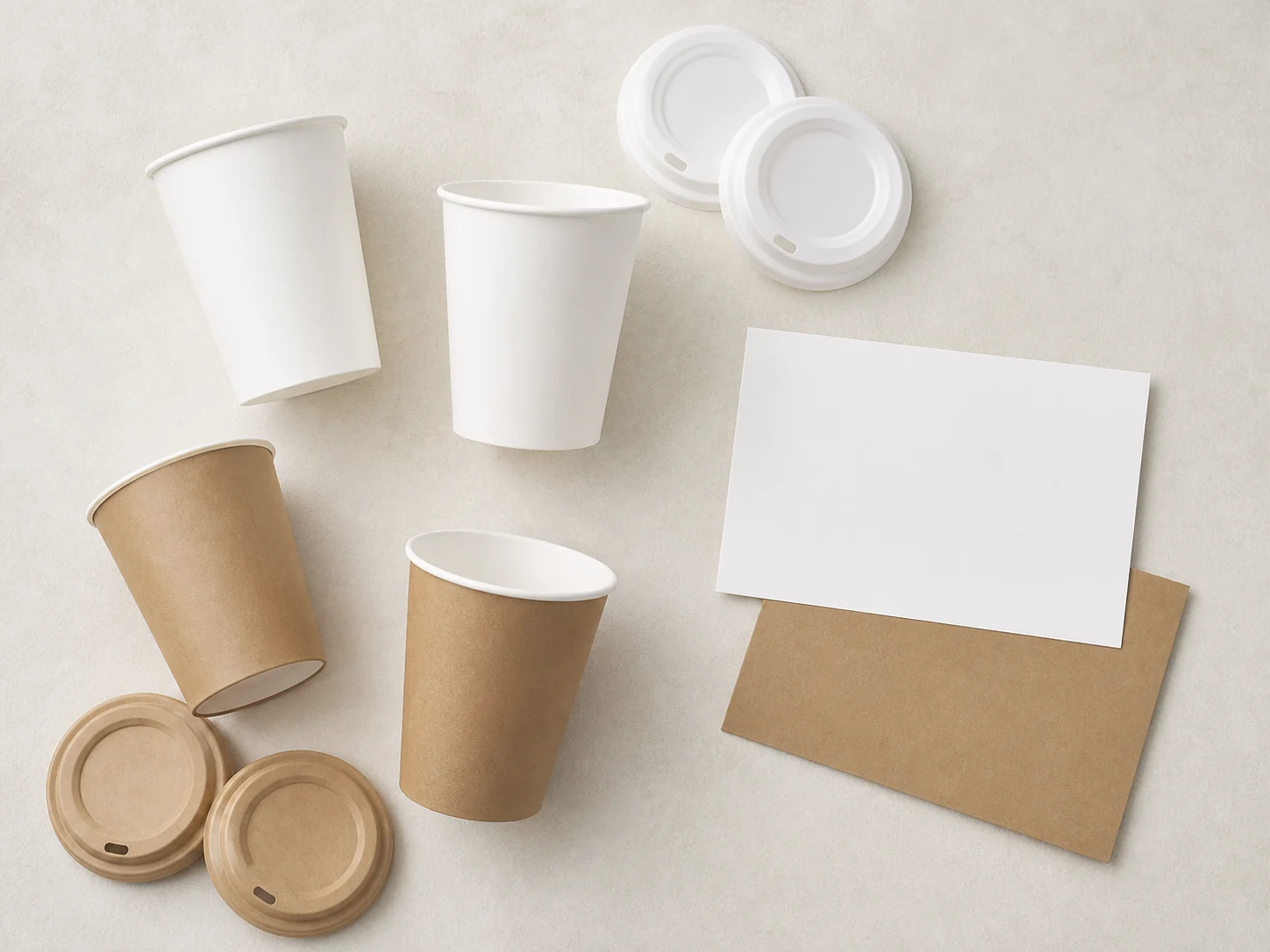
حمض البوليلاكتيك هو بوليمر ذو أصل حيوي يُستخدم كبديل للبولي إيثيلين (PE) في الطلاء. غالبًا ما يصف الموردون في حملاتهم التسويقية حمض البوليلاكتيك بأنه قابل للتحلل في السماد، لكن يجب على المشترين توخي الحذر قبل الإدلاء بأي ادعاءات تتعلق بنهاية دورة حياة المنتج أمام العملاء أو الجهات التنظيمية.
ظروف التسميد الصناعي. يتطلب تحلل المواد البلاستيكية القابلة للتحلل (PLA) عمومًا وجود بنية تحتية للتسميد الصناعي تعمل في ظروف مستدامة لفترة محددة. وقد لا يفي التسميد المنزلي بهذه المعايير. يجب على المشترين التأكد من توفر إمكانية الوصول إلى مرافق التسميد الصناعي المعتمدة في مواقع التخلص ذات الصلة بعملياتهم قبل الإدلاء بأي ادعاءات تتعلق بالتسميد.
نطاق الشهادة. تنطبق علامة الاعتماد على المنتج الذي خضع للاختبار في ظل الظروف المحددة للاختبار. تحقق من أجزاء هيكل الكوب التي خضعت للاختبار، وما إذا كان الغطاء مشمولاً في الاختبار، وما إذا كان المنتج المملوء فيه يؤثر على النتيجة المعتمدة.
نطاق درجة حرارة التشغيل. يتميز PLA بخصائص فيزيائية تختلف عن تلك الخاصة بـ PE. يجب على الموردين التأكد من نطاق درجة حرارة التعبئة ومدة الانتظار المحددة لكل SKU مطلي بـ PLA. ولا يجوز أن تحل أي ادعاءات عامة بشأن أداء طلاء PLA محل الوثائق الخاصة بكل SKU على حدة.
توافق نظام الكوب والغطاء. قد يحتاج الكوب المطلي بطبقة PLA إلى غطاء يتم تقييم مادته ومدى ملاءمته له كجزء من نظام متكامل. يجب التأكد من أبعاد حافة الإحكام، والتفاعلات بين المواد في ظروف الاستخدام، وما إذا كانت الوثائق الخاصة بالغطاء والكوب متوافقة.
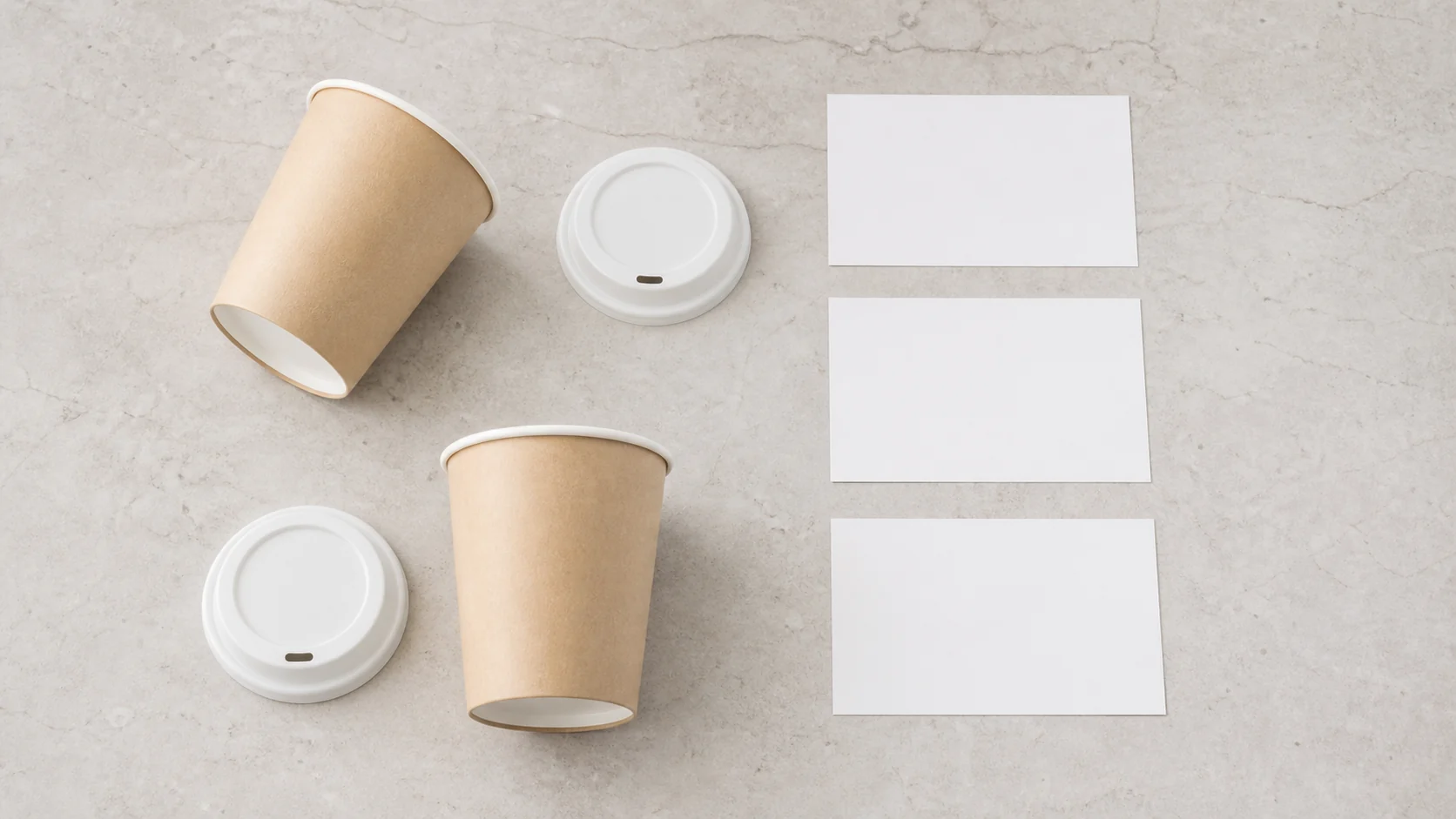
تُطبق الطلاءات العازلة ذات الأساس المائي في شكل مشتتات، وتُسوَّق مع ادعاءات تشمل انخفاض محتوى البلاستيك وتحسين إمكانية إعادة التدوير. وينبغي على المشترين التعامل مع هذه الادعاءات على أنها دوافع للتحقق، وليس استنتاجات.
الإفصاح عن التكوين. تختلف تركيبات الحواجز المائية اختلافًا كبيرًا من مورد لآخر. اطلب الكشف عن المكونات، حيثما تسمح سرية المورد بذلك، لا سيما فيما يتعلق بمواد البيروفلوروألكيل والبولي فلوروألكيل (PFAS). وقد اتخذت الهيئات التنظيمية في العديد من الولايات القضائية إجراءات، أو تعمل حاليًا على اتخاذها، لتقييد استخدام بعض مواد PFAS في المواد التي تتلامس مع الأغذية.
نطاق أداء الحاجز. تختلف الأداء في مواجهة الرطوبة والشحوم والحرارة باختلاف الظروف التي تم الاختبار فيها. لا تقم بتعميم النتائج المستمدة من منتج تعبئة معين أو نطاق درجة حرارة معين على منتج أو نطاق آخر دون الحصول على تأكيد من المورد بشأن الرمز الخاص بالمنتج (SKU) والتطبيق المحدد.
الادعاءات المتعلقة بإمكانية إعادة التدوير. يجب أن تكون الادعاءات التي تفيد بأن الأكواب الحاجزة المصنوعة من مواد مائية أسهل في إعادة التدوير مقارنةً بالبدائل المصنوعة من البولي إيثيلين (PE) أو البولي لاكتيد (PLA) مدعومة بوثائق صادرة عن مرافق استعادة المواد التي تخدم مواقع التخلص من النفايات الخاصة بالمشتري. فالتوافق مع نظام فرز معين لا يعني بالضرورة التوافق مع نظام آخر.
التوافق مع الطباعة. يجب على المشترين الذين يستخدمون أكوابًا مطبوعة حسب الطلب التأكد من أن الأحبار المستخدمة فوق الطبقات العازلة ذات الأساس المائي تتوافق مع معايير ملامسة الأغذية ولا تضر بطبقة العزل.
لا يمكن فصل اختيار الطلاء عن قائمة الطعام وظروف الخدمة التي سيخضع لها الكوب. يجب على المشترين توثيق كل ظرف من هذه الظروف قبل مقارنة أنواع الطلاء أو طلب العينات.
قم بتعبئة المنتج. يخلق كل من السائل الساخن، والسائل البارد، والمشروبات الغازية، والحساء المحتوي على الزيت، والمحتويات المختلطة من السوائل والجسيمات، ظروف تلامس متميزة. اسأل الموردين عن فئات التعبئة التي تم اختبار طلاء معين وفقًا لها.
نطاق درجة حرارة التشغيل. حدد درجات الحرارة الدنيا والقصوى للتعبئة في قائمة منتجاتك، بما في ذلك التغيرات الموسمية. فقد لا يكون رمز المنتج (SKU) الخاص بكوب مصممًا لنطاق درجة حرارة معين مناسبًا لنطاق آخر دون وجود وثائق منفصلة.
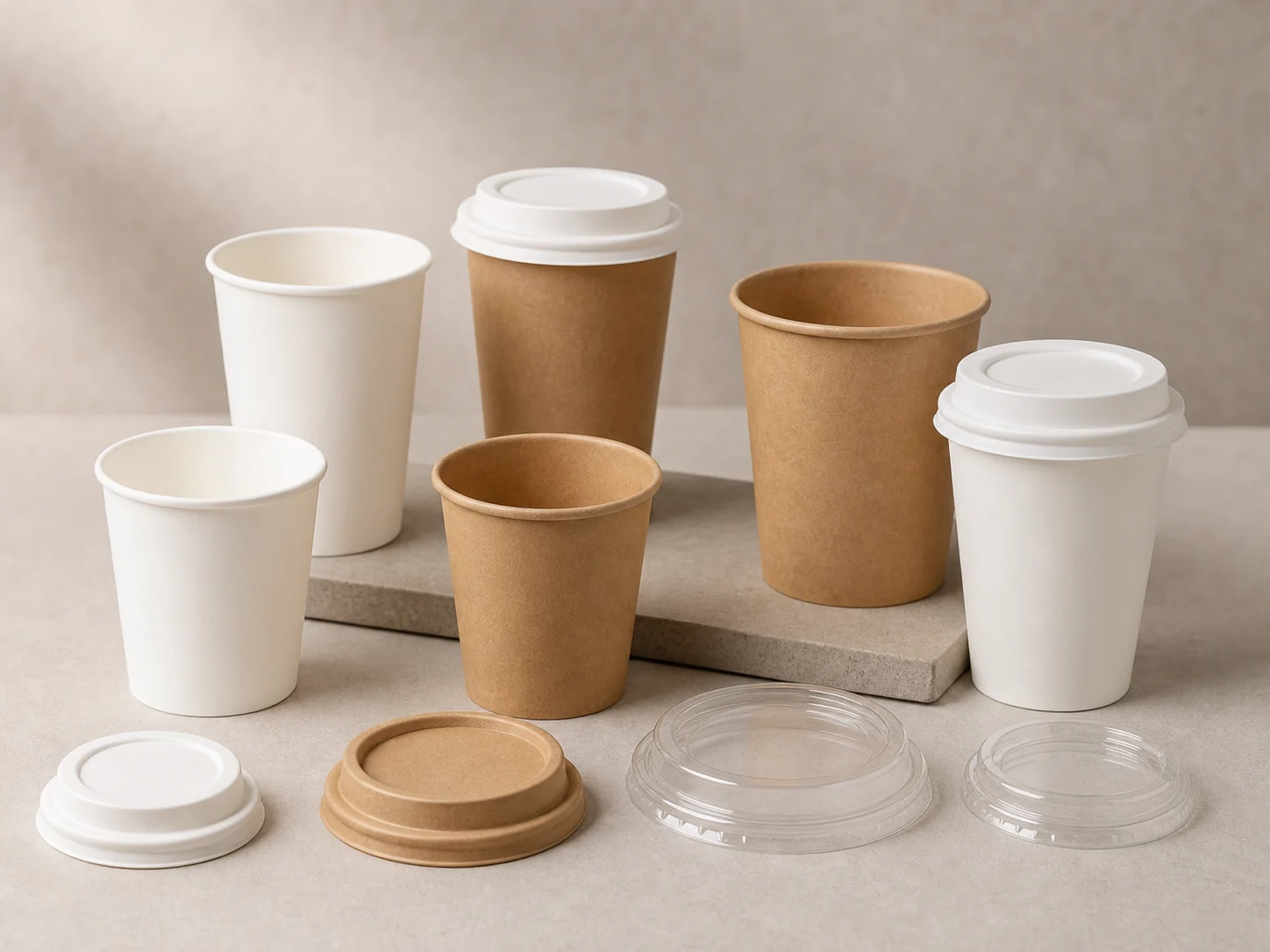
زمن البقاء. تؤثر المدة الفاصلة بين التعبئة والاستهلاك على سلامة الطبقة العازلة واحتمال انتقال المادة. يجب تحديد أوقات بقاء واقعية، بما في ذلك سيناريوهات التوصيل التي قد يتم فيها إغلاق الأكواب ونقلها قبل فتحها.
التكديس والتخزين. Cups are typically shipped and stored nested. Verify that the coating surface is not compromised by adjacent cup contact pressure or by storage humidity conditions in the buyer’s environment.
Lid interface. The sealing rim and lid underside create a contact zone that may differ from the interior wall in fill contact and temperature exposure. Review this zone explicitly with the supplier before finalising a SKU.
The table below organises buyer verification questions by coating category. It does not represent confirmed performance and is not a substitute for supplier documentation and physical sample review.
| Verification Question | طلاء PE | طلاء PLA | حاجز مائي |
|---|---|---|---|
| Food-contact declaration available | Confirm per SKU | Confirm per SKU | Confirm per SKU |
| Fill product categories tested | Request from supplier | Request from supplier | Request from supplier |
| Hot-fill suitability documented | Confirm fill range | Confirm fill range | Confirm fill range |
| Cold-fill and condensation performance | Confirm per SKU | Confirm per SKU | Confirm per SKU |
| End-of-life route confirmed | Route evidence required | Route evidence required | Route evidence required |
| PFAS disclosure requested | Ask for confirmation | Ask for confirmation | Ask for disclosure |
| Industrial composting certification | Not typically applicable | Scope and conditions required | Not typically applicable |
| Cup-and-lid system compatibility | Confirm rim and lid SKU | Confirm rim and lid SKU | Confirm rim and lid SKU |
| Print and ink compatibility | Confirm with print supplier | Confirm with print supplier | Confirm with print supplier |

No coating type reviewed in this guide carries a universal recyclability or compostability outcome. Buyers operating in foodservice face increasing scrutiny over disposal claims and must work from route-specific evidence rather than coating-category assumptions.
For PE-coated cups, recyclability depends on whether material recovery facilities in the relevant geography have the equipment and contracts to sort, clean, and process PE-coated paper. This varies by country and by region, and in some markets by facility vintage.
For PLA-coated cups, composting outcomes depend on whether certified industrial composting facilities that accept food-contact packaging exist within the buyer’s disposal geography and operate at the conditions required for PLA breakdown. Buyers should confirm this before making claims to customers.
For water-based barrier cups, compatibility with paper recycling streams should be confirmed with the specific facilities serving the buyer’s locations. A coating passing a repulpability protocol in one test does not automatically meet the requirements of every facility.
Buyers exploring خيارات الأكواب الورقية الصديقة للبيئة should treat supplier sustainability documentation as a starting point and verify each claim against their own operational context and confirmed disposal infrastructure.
A sample review should treat the cup and lid as a single functional unit, not as independent components. Begin with a defined protocol before samples arrive.
Step one: Define the fill scenario. Specify liquid type, fill volume, fill temperature, and intended dwell time before samples are ordered. Testing against undefined conditions produces data that cannot be meaningfully compared across SKUs.
Step two: Request matched samples. Ask the supplier to provide the cup SKU alongside a lid SKU confirmed as dimensionally and materially compatible. Review paper cup lid products to understand the range of lid specifications available and identify which lids should be tested alongside candidate cup SKUs.
Step three: Conduct thermal and mechanical review. Assess the cup under fill conditions at the defined temperature range. Apply and remove the lid multiple times to evaluate fit consistency. Note any change in coating integrity at the fill line or sealing rim.
Step four: Review documentation in parallel. Declarations of compliance, test reports, and certification documents should be reviewed alongside physical samples, not after procurement decisions are made.
Step five: Assess disposal route. Confirm with the relevant facility or scheme operator that the cup-and-lid unit, as a combined material, is accepted under your operation’s specific disposal method.
Buyers working through coating selection benefit from engaging suppliers early with a written brief rather than relying on catalogue descriptions. A brief should specify fill product categories, service temperature ranges, volume requirements, disposal route constraints, and any regulatory requirements applicable to the buyer’s markets.
Papacko works with buyers across a range of foodservice formats and supports the matching of cup specifications to operational conditions. Explore disposable food packaging systems to understand the broader packaging context before finalising a cup-specific brief.
Coating specifications, lid compatibility confirmations, and food-contact documentation are SKU-level conversations that require defined input from the buyer. A catalogue cannot replace a brief.
This guide covers PE, PLA, and water-based barrier coatings as categories of buyer verification questions. It does not represent the full range of coating technologies available in the market, and it does not endorse any coating type as superior to another for any application.
Performance data, temperatures, hold times, certification scopes, and recyclability outcomes cited in supplier materials should be verified by buyers against the supplier’s own documentation and against the operational conditions of the buyer’s specific estate.
Paper cup category resources provide additional reference points for buyers reviewing cup specifications. Buyers should treat all claims in this guide as prompts for supplier verification rather than confirmed facts.
Regulatory requirements for food-contact materials vary by jurisdiction and are subject to change. Buyers are responsible for confirming compliance with applicable regulations in each market where they operate.
Food-contact suitability is not determined by coating category. It is determined by the specific formulation, the tested food simulants, and the conditions of intended use. Buyers must request declarations of compliance and test documentation for each SKU against their specific fill product and service conditions.
Not without verifying that certified industrial composting infrastructure exists and accepts the cup-and-lid unit in the disposal locations your customers use. A certification mark on a supplier data sheet does not automatically permit an on-packaging claim in every jurisdiction or confirm that accessible composting routes exist.
Some water-based barrier formulations may contain PFAS; others do not. Buyers must request explicit disclosure from the supplier for each SKU under consideration. A water-based label does not mean PFAS-free without written supplier confirmation.
Request matched samples with documented rim dimensions and material specifications from both the cup and lid supplier. Test the unit under your defined fill and service conditions. Do not confirm compatibility from catalogue dimensions alone.
Because material recovery and composting infrastructure varies by facility and geography. A cup classified as recyclable or compostable by a certification body may not be accepted by the specific facilities serving the buyer’s locations. Route confirmation is a separate step from coating specification.
Contact Papacko with documented fill product categories, service conditions, volume requirements, and disposal route constraints. SKU-level specification data, declarations of compliance, and lid compatibility information are available through direct supplier engagement rather than catalogue review alone.