Prêt à créer vos propres gobelets ou emballages en papier ?
Faites-nous part de vos exigences - taille, revêtement, impression et destination - et notre équipe établira un devis détaillé dans les 24 heures.

Dernière mise à jour: août 2026
Temps de lecture: 8 à 10 minutes
Auteur: Équipe de contenu de Papacko
Les mois d'hiver s'accompagnent d'une forte augmentation des commandes de plats chauds à livrer (35-45%), les catégories des soupes et des plats réconfortants enregistrant la plus forte croissance. Pourtant, de nombreuses entreprises du secteur alimentaire sont confrontées à des problèmes d'emballage : ceux-ci ne parviennent pas à maintenir la température, fuient pendant le transport ou génèrent de la condensation qui altère la qualité des aliments.
Ce guide complet passe en revue les solutions d'emballage alimentaire pour l'hiver, spécialement conçues pour les soupes chaudes, les ragoûts et les plats chauds. Vous y découvrirez des stratégies de choix des matériaux pour une isolation optimale, des techniques de fermeture hermétique qui empêchent les fuites, des conceptions de récipients qui minimisent les pertes de chaleur, ainsi que des approches rentables pour respecter les normes de sécurité alimentaire lors des livraisons par temps froid.
💡 À retenir: Pour garantir une livraison efficace des aliments en hiver, il est nécessaire de disposer d'un emballage à isolation multicouche (récipients à double paroi ou en mousse), de systèmes de fermeture hermétique, de matériaux résistants à l'humidité et d'une aération adéquate afin d'éviter la condensation, tout en maintenant une température supérieure à 60 °C (140 °F) pendant 30 à 45 minutes au cours de la livraison.
Les conditions de livraison en hiver posent des défis particuliers :
-Différentiel de température ambiante: La différence de température entre les aliments à l'intérieur (70-80 °C) et l'air extérieur (-5 °C à 10 °C) crée un gradient de température de 60 à 85 °C
-Perte de chaleur accélérée: Les environnements froids extraient la chaleur 2 à 3 fois plus vite que les conditions estivales
-Risque de condensation: Les écarts de température entraînent une accumulation d'humidité à l'intérieur des emballages, ce qui rend les aliments détrempés
-Fragilité des matériaux: Certains plastiques deviennent cassants en dessous de 0 °C, ce qui augmente le risque de rupture
Données sur l'industrie: Une étude de 2025 sur la livraison de repas a révélé que 42% des réclamations des clients pendant les mois d'hiver concernaient des plats froids à la livraison, contre seulement 18% en été, ce qui souligne l'importance cruciale des solutions d'emballage isothermes.
🎯 Aperçu de l'industrie: Les restaurants qui utilisent des conteneurs standard à simple paroi enregistrent des baisses de température moyennes de 25 à 30 °C lors des livraisons hivernales d'une durée de 20 minutes, ce qui fait passer les aliments en dessous de la température minimale de sécurité (60 °C).
Grâce à un emballage isotherme amélioré, la perte de température est réduite à 8-12 °C sur la même période.
Facteurs clés de sélection:
1.Délai de livraison: < 15 minutes = paroi simple acceptable ; 15 à 30 minutes = paroi double recommandée ; 30 minutes et plus = mousse ou isolation haut de gamme obligatoire
2.Type d'aliment: Les aliments très liquides (soupes) nécessitent des fermetures hermétiques ; les ragoûts avec des morceaux ne nécessitent pas une fermeture aussi précise
3.Objectifs de développement durable: La mousse offre les meilleures performances, mais soulève des préoccupations environnementales ; la fibre moulée constitue une alternative écologique offrant 85 à 90 % des performances de la mousse.
4.Besoins en matière de réchauffage: L'aluminium et certains plastiques (CPET) permettent de réchauffer les plats au four ou au micro-ondes
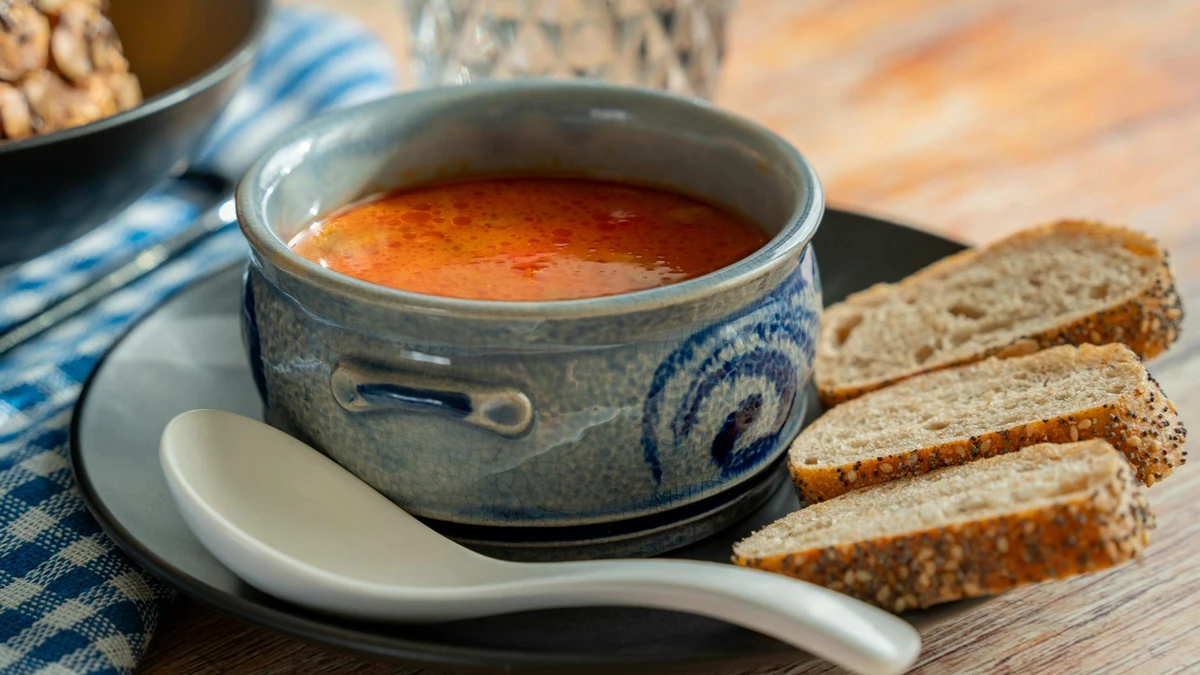
Structure: Deux couches de carton séparées par un espace d'air (3 à 5 mm) assurant l'isolation
Caractéristiques techniques:
-Rétention de chaleur : 75-82% après 30 minutes
-Baisse de température : 12 à 18 °C en 30 minutes
-Résistance à l'humidité : le revêtement en PE ou en PLA empêche le fond de devenir détrempé
-Prix : $0,35-0,65 par emballage (12-24 oz)
Avantages:
-Un rapport qualité-prix équilibré pour la plupart des opérations
-Options compostables disponibles (modèles avec revêtement en PLA)
-La conception empilable permet de gagner de la place de rangement
-Possibilité d'impression personnalisée pour l'image de marque
Limites:
-Nécessite une fermeture hermétique du couvercle pour éviter les pertes de chaleur
-Ne convient pas aux délais de livraison très longs (plus de 45 minutes)
-L'espace d'air peut se comprimer si la charge est trop importante.
Meilleur pour: Bars à soupes, restaurants de nouilles asiatiques, services de livraison de plats réconfortants proposant des délais de livraison de 15 à 30 minutes.
Structure: La structure en mousse à cellules fermées emprisonne l'air, offrant ainsi une isolation optimale
Caractéristiques techniques:
-Rétention de chaleur : 85-92% après 30 minutes
-Baisse de température : 6 à 10 °C pendant une livraison de 30 minutes
-Résistance à l'humidité : intrinsèquement résistant à l'eau
-Prix : $0,45-0,85 par emballage (12-24 oz)
Avantages:
-Des performances thermiques inégalées
-Excellente étanchéité grâce aux couvercles à encliquetage
-Sa légèreté permet de réduire les frais de livraison
-Protège les aliments pendant le transport
Limites:
-Préoccupations environnementales (difficilement recyclable dans de nombreuses régions)
-Interdit dans certaines villes/régions (vérifiez la réglementation locale)
-Prend plus de place qu’un carton emboîté
-Capacités d'impression personnalisée limitées
Meilleur pour: Services de livraison haut de gamme, services de restauration, livraison de repas dans les hôpitaux et les établissements de santé, transport sur de longues distances (30 à 60 minutes et plus).
Critères de sélection:
Pour les soupes liquides: Les films thermoscellés ou les couvercles à vis offrent la meilleure protection contre les fuites. Privilégiez l'étanchéité du scellage plutôt que l'aération.
Pour les ragoûts et les plats copieux: Les couvercles à fermeture par languette ou à encliquetage allient prévention des fuites et facilité d'ouverture. Un léger dégagement d'air est acceptable.
Pour les plats de nouilles: Des couvercles munis d'un système d'aération sont indispensables pour éviter que les nouilles ne deviennent détrempées à cause de la condensation de la vapeur.
Le dilemme de la condensation: Les récipients hermétiques conservent la chaleur mais retiennent la vapeur, ce qui rend les aliments détrempés. Les récipients ajourés évitent que les aliments ne soient détrempés, mais la chaleur s'échappe plus rapidement.
Solutions:
1.Inserts absorbants: Placez des bandes de papier absorbant à l'intérieur du couvercle pour absorber la condensation (ajoute $0,02-0,04 par récipient)
2.Conception à double évent: De petits orifices (2 à 3 mm) permettent d'évacuer l'excès de vapeur tout en conservant la majeure partie de la chaleur (la perte de température n'est que de 3 à 5 °C par rapport à un système entièrement hermétique)
3.Purge différée: Expédié sous scellés ; joindre les instructions indiquant au client de purger le produit à la réception
4.Conception compartimentée: Séparez la sauce ou le bouillon des morceaux pour éviter que ceux-ci ne ramollissent
Données de test: Les récipients dotés d'un couvercle à double aération ont conservé 78% de chaleur au bout de 30 minutes, tout en réduisant de 65% les plaintes liées à l'humidité excessive par rapport aux récipients entièrement hermétiques.
Rapport volume/surface: Une surface plus petite par rapport au volume réduit les pertes de chaleur.
Principes de conception:
-Conteneurs plus profonds (hauteur > diamètre) perdent de la chaleur plus lentement que les récipients peu profonds et larges
-Formes arrondies présentent une surface totale inférieure à celle des angles vifs pour un même volume
-Des portions individuelles plus petites conservent mieux la chaleur que les grands récipients partagés (préférez de diviser une commande de 32 oz en 2 portions de 16 oz plutôt qu’en une seule portion de 32 oz)
Surface de contact du couvercle: Veillez à ce que le couvercle dépasse du bord du récipient d'au moins 8 à 12 mm afin d'assurer une étanchéité efficace. Un débordement insuffisant (4 à 6 mm) augmente les pertes de chaleur de 15 à 20%.
Objectif: Séparer les ingrédients chauds des ingrédients froids, éviter de mélanger les textures
Options de configuration:
1.2 compartiments (répartition 70/30): Plat chaud principal + salade d'accompagnement ou accompagnements froids
2.3 compartiments (50/25/25): Plat principal + deux accompagnements (les sauces sont servies séparément)
3.Bol + compartiment pour couvercle: Soupe en dessous, crackers/garniture dans le compartiment du couvercle
Avantages thermiques:
-Sépare les aliments sensibles à la chaleur (laitue, garnitures) des plats chauds
-Empêche la contamination croisée des sauces, qui altère les saveurs
-Permet différentes stratégies de réchauffage (réchauffer le plat principal, garder les accompagnements au frais)
Prise en compte des coûts: Les conteneurs à plusieurs compartiments coûtent entre 25 et 40% de plus que leurs équivalents à un seul compartiment, mais permettent de réduire le recours à des emballages séparés (impact net sur le coût : +10 à 15% pour un conteneur à deux compartiments par rapport à l'achat de deux conteneurs distincts).
Températures de conservation sûres des aliments:
-Plats chauds: La température doit rester supérieure à 60 °C (140 °F) pour empêcher la prolifération bactérienne
-Zone dangereuse: une température comprise entre 5 et 60 °C (41 et 140 °F) favorise une multiplication rapide des bactéries
-Délai de livraison prévu: Maintenir une température supérieure à 65 °C à la porte du client afin de tenir compte du délai de service
Relation temps-température:
Conformité réglementaire: De nombreux services sanitaires exigent que les aliments soient conservés à une température supérieure à 60 °C ou inférieure à 5 °C. Lorsque les délais de livraison dépassent les plages de température autorisées, il peut être nécessaire d'utiliser des sacs isothermes, des caisses de livraison chauffantes ou de limiter la durée de service.
Protocole d'essai de maintien de la température:
1.Remplissez le récipient avec des aliments à température de service (75-80 °C)
2.Sceller avec le couvercle, tel que les clients le recevraient
3.Conserver à température ambiante en hiver (0-10 °C)
4.Mesurer la température interne au bout de 10, 20, 30 et 40 minutes
5.Répétez le test 5 fois, puis calculez la moyenne des résultats
Critères d'acceptation:
-Maintien à 30 minutes : ≥ 65 °C (minimum acceptable)
-Maintien de la température pendant 30 minutes : ≥ 70 °C (bonnes performances)
-Maintien de la température pendant 30 minutes : ≥ 72 °C (excellentes performances)
Essais sur le terrain: Effectuez des tests de livraison réels pendant les périodes les plus froides. Les conditions en laboratoire ne tiennent pas compte des ouvertures répétées des portes, du chauffage des véhicules ni des retards dus à la manutention par les clients.
Considérations sur le retour sur investissement:
Diminution du nombre de réclamations: Le passage d’un emballage à simple paroi à un emballage à double paroi a permis de réduire de 58% le nombre de réclamations liées aux “ plats froids ” dans le cadre d’une étude pilote, ce qui a entraîné une baisse des coûts de remboursement de $180 par mois pour une activité traitant 500 commandes.
Commandes récurrentes: Les clients ayant reçu des aliments conservés à la bonne température ont affiché des taux de renouvellement de commande supérieurs de 23% dans les 30 jours, par rapport à ceux ayant rencontré des problèmes de température.
Économies de main-d'œuvre: Un meilleur emballage permet de réduire le temps consacré au traitement des appels liés aux réclamations et au traitement des remboursements (estimé à 2 à 4 heures par semaine pour une activité de 500 commandes, soit $120 à 240 par mois à raison de $15 par heure).
Approche spécifique à l'hiver:
-Optez pour des conteneurs isothermes uniquement pendant les mois d'hiver (de novembre à mars dans les climats tempérés)
-Commandez un stock suffisant pour 4 à 6 mois avant l'hiver afin de bloquer les prix
-Informer les clients de cette amélioration (“ Nous utilisons désormais des emballages isothermes adaptés à l'hiver ”)
Transition estivale:
-Revenir à des conteneurs à simple paroi plus légers (mai-septembre)
-Réduit les coûts d'emballage de 30 à 40% pendant les mois chauds
-Affecter les économies réalisées à d'autres besoins opérationnels ou à l'amélioration de la compétitivité des prix
Stock hybride:
-Stock de conteneurs 60% (modèle hiver) et 40% (modèle standard) pendant les saisons intermédiaires (octobre, avril)
-Utilisez des emballages haut de gamme pour les commandes de grande valeur, et des emballages standard pour les clients soucieux de leur budget.
-Suivre les prévisions météorologiques afin d'ajuster les taux d'utilisation
Compromis en matière de performances:
-Les options écologiques retiennent généralement 5 à 15% de chaleur en moins que la mousse.
-Compenser par :
– En commençant par des températures plus élevées des aliments (+5 °C)
– Réduire le rayon de livraison afin de raccourcir le temps de transport
– Utilisation de sacs de livraison isothermes comme protection supplémentaire
– Sensibiliser les clients aux légères différences de température
Perception des clients: 68% des clients interrogés se disent prêts à accepter une légère baisse de température en échange d'un emballage durable, mais uniquement si cela est clairement indiqué (“ emballage écologique, légère variation de température possible ”).
❌ Erreur #1: Utiliser le même emballage toute l'année sans l'adapter aux conditions hivernales
✅ Approche correcte: Optez pour des récipients isothermes pendant les mois d'hiver (novembre-mars). Des tests de température montrent que les récipients à simple paroi perdent entre 25 et 30 °C en 20 minutes en hiver, contre 12 à 15 °C en été. Privilégiez les récipients à double paroi ou en mousse pour préserver la sécurité alimentaire et la qualité des aliments.
❌ Erreur #2: Donner la priorité au coût le plus bas des conteneurs sans tenir compte des coûts liés aux réclamations et aux remboursements
✅ Approche correcte: Calculez le coût total en tenant compte des remboursements et de la perte de clients. Exemple : réaliser une économie de $0,20 par conteneur grâce à un emballage moins cher, mais en enregistrant un taux de réclamations de 15%, revient plus cher que de dépenser $0,40 de plus pour un emballage de qualité avec un taux de réclamations de 3%. Tenez compte de la valeur vie client dans vos décisions en matière d'emballage.
❌ Erreur #3: Des récipients hermétiques qui maximisent la rétention de chaleur, ce qui rend les aliments détrempés à cause de la condensation
✅ Approche correcte: Utilisez des couvercles à double évacuation qui laissent s'échapper l'excès de vapeur tout en conservant la chaleur, ou ajoutez des inserts absorbant l'humidité. Des tests montrent que les couvercles ventilés réduisent de 65% les plaintes liées à l'aspect détrempé des aliments, tout en ne diminuant la rétention de chaleur que de 3 à 5 °C — un compromis acceptable pour une meilleure qualité des aliments.
❌ Erreur #4: Commander un seul grand conteneur pour les commandes familiales plutôt que plusieurs petites portions
✅ Approche correcte: Répartissez les grandes portions dans 2 à 3 récipients plus petits. La physique montre que les petits volumes conservent mieux la chaleur (rapport volume/surface plus élevé) et que les portions individuelles se réchauffent plus uniformément si nécessaire. Deux récipients de 16 oz conservent la chaleur 12 à 18% mieux qu'un seul récipient de 32 oz pendant 30 minutes.
Les emballages alimentaires d'hiver désignent des contenants isothermes spécialisés, conçus pour maintenir la température des plats chauds lors des livraisons et des services de plats à emporter par temps froid. Ils sont fabriqués à partir de matériaux tels que le carton à double paroi, la mousse de polystyrène expansé ou la fibre moulée avec isolation par intercouche d'air, afin de ralentir la perte de chaleur lorsque la température ambiante est basse. Un emballage hivernal efficace permet de maintenir les aliments à une température supérieure à 60 °C (140 °F) pendant 30 à 45 minutes, ce qui empêche la prolifération bactérienne tout en garantissant la satisfaction des clients grâce à des plats correctement réchauffés à la livraison.
La mousse de polystyrène expansé (EPS) offre les meilleures performances avec une rétention thermique de 85 à 92% après 30 minutes, ce qui permet de maintenir les aliments à une température supérieure de 6 à 10 °C par rapport aux autres solutions. Le carton à double paroi constitue une alternative économique avec une rétention de 75 à 82%. La fibre moulée (bagasse) constitue une solution écologique avec une rétention de 78 à 85%. Pour les livraisons très longues (plus de 45 minutes), les barquettes en mousse associées à des sacs isothermes externes sont celles qui maintiennent le mieux la température. Le choix du matériau dépend du délai de livraison, du budget et des priorités en matière de développement durable.
Utilisez des récipients dotés de mécanismes de fermeture adaptés : les couvercles en film thermoscellé offrent une protection contre les fuites de 98 à 99% (idéal pour les soupes liquides), les couvercles à vis garantissent une efficacité de 95 à 98%, et les couvercles à languette assurent une protection de 90 à 95%. Veillez à ce que le couvercle dépasse du bord du récipient d'au moins 8 à 12 mm. Remplissez les récipients à 80 à 85 % de leur capacité en laissant un espace libre pour permettre la dilatation. Testez les emballages avec de véritables soupes avant leur déploiement à grande échelle : effectuez des tests de secouage et d'inclinaison pour vérifier l'étanchéité dans les conditions de transport.
Les emballages isothermes adaptés à l'hiver coûtent entre 40 et 1 201 TP3T de plus que les conteneurs standard à simple paroi. Les conteneurs à simple paroi coûtent entre $0,15 et 0,25 par unité ; ceux à double paroi, entre $0,35 et 0,65 ; et ceux en mousse, entre $0,45 et 0,85. En revanche, ces emballages améliorés réduisent les réclamations concernant les plats froids de 58% et les coûts liés aux remboursements d’environ $180 par mois pour les entreprises traitant 500 commandes. Les coûts d’emballage plus élevés sont généralement compensés par une baisse des réclamations, une diminution des remboursements et une fidélisation accrue de la clientèle, ce qui permet d’obtenir un retour sur investissement positif en 3 à 4 mois.
Utilisez des contenants en carton à double paroi ou en fibre moulée (rétention thermique 78-85%), commencez par des températures plus élevées pour les aliments (80-85 °C au lieu de 75 °C), réduisez le rayon de livraison afin de ramener le temps de transport à moins de 25 minutes, utilisez des sacs de livraison isothermes comme protection secondaire, et optimisez la forme des récipients (les récipients plus profonds et présentant une surface plus réduite perdent moins rapidement leur chaleur). La combinaison de ces stratégies permet d'égaler les performances de la mousse tout en utilisant des matériaux plus durables.
Oui. Les soupes liquides nécessitent une protection optimale contre les fuites (couvercles thermoscellés ou à vis, efficacité d’étanchéité 98%+) et peuvent être conservées dans des récipients entièrement hermétiques, car le risque de ramollissement n’est pas un problème. Les plats solides et les plats à base de pâtes nécessitent une ventilation pour éviter que la condensation ne les ramollisse : utilisez des couvercles à double évent ou des inserts absorbant l'humidité. Les soupes tirent parti des récipients cylindriques profonds (meilleur rapport volume/surface), tandis que les plats contenant des morceaux se conservent bien dans des récipients compartimentés séparant les ingrédients ayant des niveaux d'humidité différents.
La réglementation en matière de sécurité alimentaire exige que les plats chauds restent à une température supérieure à 60 °C (140 °F). Visez une température de 65 °C à la porte du client afin de tenir compte des retards de service. Pour les livraisons de 15 à 25 minutes, un emballage à double paroi assurant une rétention thermique de 75 à 82% suffit. Les livraisons de 25 à 40 minutes nécessitent une isolation en mousse ou haut de gamme (rétention de 85 à 92%). Au-delà de 40 minutes, utilisez des récipients en mousse associés à des sacs isothermes externes. Effectuez des tests de température avec vos plats spécifiques et vos itinéraires de livraison afin de vérifier que les emballages respectent les seuils de sécurité.
Les emballages alimentaires destinés à l'hiver nécessitent un choix stratégique des matériaux, des systèmes de fermeture adaptés et une optimisation de la conception thermique afin de garantir la sécurité alimentaire et la satisfaction des clients lors des livraisons par temps froid. L'écart de performance entre les emballages standard et ceux adaptés à l'hiver a un impact direct sur le taux de réclamations, les coûts liés aux remboursements et la fidélisation de la clientèle.
Principaux enseignements :
1.Adapter les emballages en fonction des saisons— Les récipients à double paroi ou en mousse utilisés pendant les mois d'hiver (novembre-mars) réduisent les pertes de température de 40 à 60% par rapport aux récipients à simple paroi.
2.Adapter l'isolation au délai de livraison—Les parcours de 15 à 25 minutes nécessitent une double paroi (retenue 75-82%) ; ceux de 25 à 40 minutes nécessitent de la mousse (retenue 85-92%)
3.Équilibre entre l'étanchéité et la ventilation— les soupes liquides nécessitent des fermetures hermétiques ; les plats solides gagnent à être recouverts de couvercles perforés pour éviter qu'ils ne ramollissent
4.Calculer le coût total—Prendre en compte les coûts liés aux réclamations et aux remboursements dans les décisions relatives aux emballages ; les emballages haut de gamme offrent un retour sur investissement positif en 3 à 4 mois
5.Tester avant le déploiement—réaliser des tests de maintien de la température avec des plats réels, dans des conditions de livraison réelles
-Contenants pour emballages alimentaires
-Solutions d'emballage pour la livraison
Papacko fournit aux restaurants et aux services de livraison de repas des contenants isothermes adaptés à l'hiver, notamment des modèles en carton à double paroi, en fibre moulée et en mousse. Nos spécialistes de l'emballage vous accompagnent dans les tests de température, la conception de formats sur mesure et la planification saisonnière des stocks, afin de garantir que vos plats chauds soient livrés à la bonne température tout au long de la saison hivernale.
Prenez contact avec nous :
Dernière mise à jour: août 2026