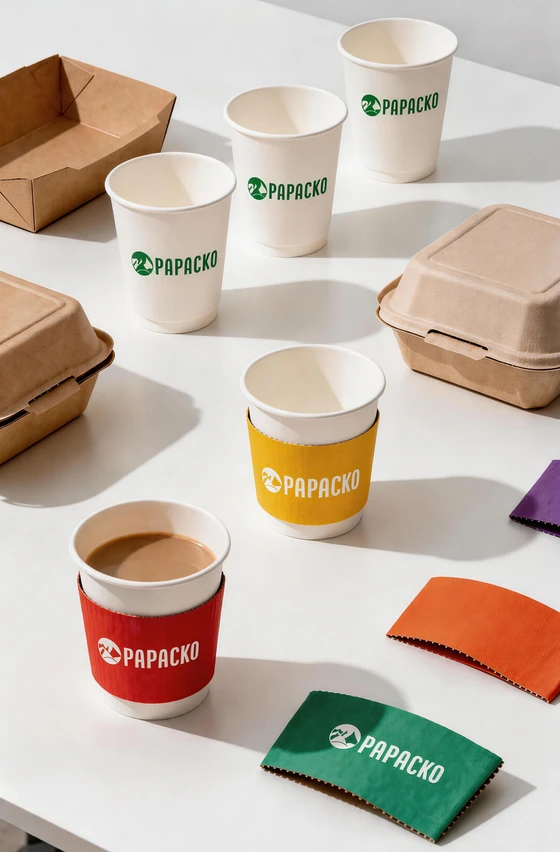
هل أنت مستعد لإنشاء أكواب ورقية أو عبوات ورقية تحمل علامتك التجارية الخاصة بك؟
أخبرنا بمتطلباتك - الحجم والطلاء والطباعة والوجهة - وسيقوم فريقنا بإعداد عرض أسعار مفصل في غضون 24 ساعة.

آخر تحديث: أغسطس 2026
وقت القراءة: 8-10 دقائق
المؤلف: فريق محتوى باباكو
تشهد أشهر الشتاء ارتفاعاً في طلبات توصيل الأطعمة الساخنة بنسبة 35-45%، حيث تسجل فئات الحساء والوجبات المريحة أعلى معدلات النمو. ومع ذلك، تواجه العديد من شركات الأغذية صعوبات بسبب التغليف الذي لا يحافظ على درجة الحرارة، أو يتسرب أثناء النقل، أو يتسبب في تكوّن التكثف الذي يضر بجودة الطعام.
يتناول هذا الدليل الشامل حلول تغليف الأطعمة في فصل الشتاء المصممة خصيصًا للحساء الساخن واليخنات والوجبات الساخنة. ستتعرف على استراتيجيات اختيار المواد لتحقيق العزل الأمثل، وتقنيات الإغلاق التي تمنع انسكاب السوائل، وتصميمات الحاويات التي تقلل من فقدان الحرارة إلى أدنى حد، بالإضافة إلى الأساليب الفعالة من حيث التكلفة للحفاظ على معايير سلامة الأغذية أثناء التوصيل في الطقس البارد.
💡 خلاصة سريعة: تتطلب التعبئة الفعالة للأغذية في فصل الشتاء عزلًا متعدد الطبقات (حاويات ذات جدران مزدوجة أو مصنوعة من الرغوة)، وأنظمة إحكام إغلاق الأغطية، ومواد مقاومة للرطوبة، وتهوية مناسبة لمنع تكوّن التكثيف — مع الحفاظ على درجات حرارة تزيد عن 60 درجة مئوية (140 درجة فهرنهايت) لمدة تتراوح بين 30 و45 دقيقة أثناء التوصيل.
تشكل ظروف التسليم في فصل الشتاء تحديات فريدة من نوعها:
-فارق درجة الحرارة المحيطة: يؤدي الفرق بين درجة حرارة الطعام داخل المبنى (70-80 درجة مئوية) ودرجة حرارة الهواء الخارجي (-5 درجة مئوية إلى 10 درجات مئوية) إلى تدرج حراري يتراوح بين 60 و85 درجة مئوية
-فقدان الحرارة المتسارع: تستخلص البيئات الباردة الحرارة بسرعة أكبر بمقدار 2 إلى 3 أضعاف مقارنة بظروف الصيف
-خطر التكثف: تؤدي الفروق في درجات الحرارة إلى تراكم الرطوبة داخل العبوات، مما يجعل الطعام رطبًا
-هشاشة المواد: تصبح بعض المواد البلاستيكية هشة عند درجات حرارة أقل من 0 درجة مئوية، مما يزيد من خطر كسرها
بيانات الصناعة: كشفت دراسة أجريت عام 2025 حول خدمات توصيل الطعام أن 42% من شكاوى العملاء خلال أشهر الشتاء كانت تتعلق بوصول الطعام باردًا، مقارنة بـ 18% فقط في الصيف — مما يسلط الضوء على الأهمية البالغة لحلول التغليف الحراري.
🎯 رؤى الصناعة: تشهد المطاعم التي تستخدم حاويات قياسية أحادية الجدار انخفاضًا متوسطًا في درجة الحرارة يتراوح بين 25 و30 درجة مئوية خلال عمليات التوصيل الشتوية التي تستغرق 20 دقيقة، مما يؤدي إلى انخفاض درجة حرارة الطعام إلى ما دون درجة الحرارة الآمنة للتقديم (60 درجة مئوية).
تقلل العبوات العازلة المُحسَّنة من فقدان درجة الحرارة إلى 8-12 درجة مئوية خلال نفس الفترة.
العوامل الرئيسية للاختيار:
1.مدة التسليم: <15 دقيقة = يُقبل استخدام الأوعية أحادية الجدار؛ 15-30 دقيقة = يُوصى باستخدام الأوعية مزدوجة الجدار؛ 30 دقيقة فأكثر = يلزم استخدام الأوعية الرغوية أو الأوعية ذات العزل الفائق
2.نوع الطعام: الأطعمة الغنية بالسوائل (الحساء) تتطلب إغلاقًا محكمًا يمنع التسرب؛ أما اليخنات التي تحتوي على قطع كبيرة من المكونات فتحتاج إلى إغلاق أقل دقة
3.أهداف الاستدامة: يُعد الرغوة الخيار الأفضل من حيث الأداء، لكنها تثير مخاوف بيئية؛ أما الألياف المقولبة فتُعد بديلاً صديقاً للبيئة، حيث توفر 85-90% من أداء الرغوة
4.احتياجات إعادة التسخين: يُسمح بإعادة تسخين الألومنيوم وبعض أنواع البلاستيك (CPET) في الفرن أو الميكروويف
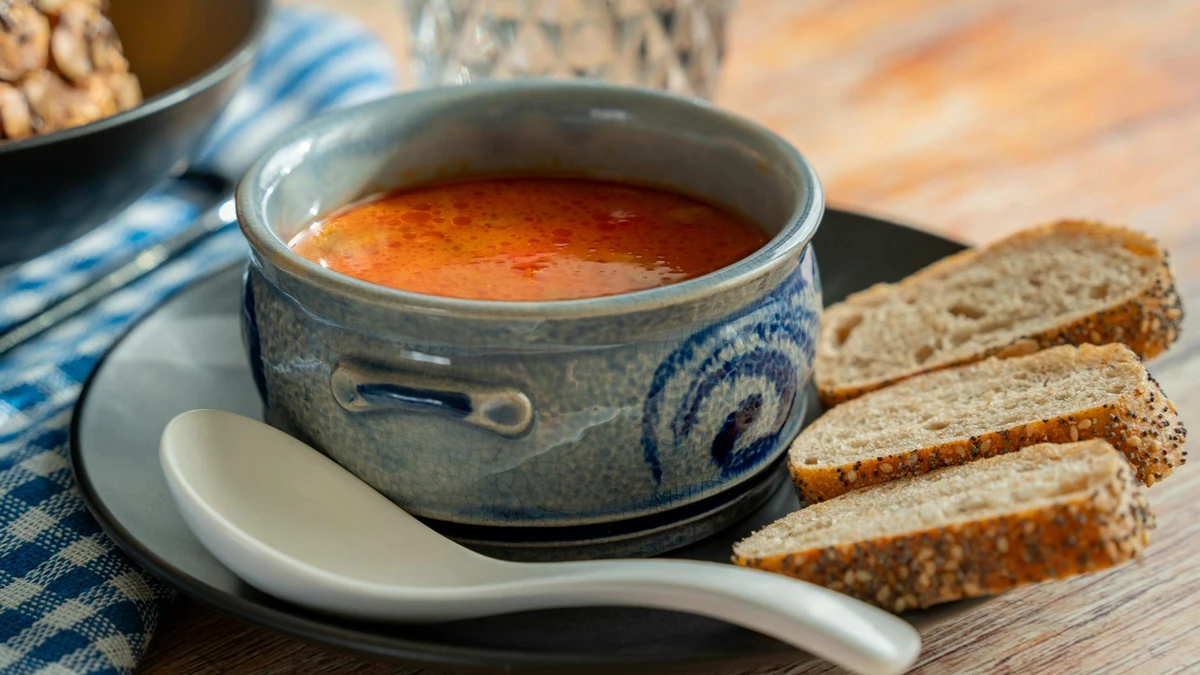
التركيب: طبقتان من الورق المقوى تفصل بينهما فجوة هوائية (3-5 مم) للعزل
مواصفات الأداء:
-الاحتفاظ بالحرارة: 75-82% بعد 30 دقيقة
-انخفاض درجة الحرارة: 12-18 درجة مئوية خلال 30 دقيقة من التوصيل
-مقاومة الرطوبة: يمنع الطلاء المصنوع من البولي إيثيلين (PE) أو البولي لاكتيد (PLA) أن تصبح القيعان رطبة
-التكلفة: $0.35-0.65 لكل عبوة (12-24 أونصة)
المزايا:
-نسبة توازن بين التكلفة والأداء بالنسبة لمعظم العمليات
-تتوفر خيارات قابلة للتحلل (إصدارات مبطنة بـ PLA)
-تصميم قابل للتكديس يوفر مساحة التخزين
-تقبل الطباعة المخصصة لأغراض الترويج للعلامة التجارية
القيود:
-يتطلب إغلاق الغطاء بإحكام لمنع تسرب الحرارة
-غير مناسب لفترات التوصيل الطويلة جدًّا (45 دقيقة أو أكثر)
-قد ينضغط الفراغ الهوائي في حالة التكديس الزائد
الأفضل لـ: محلات الحساء، ومطاعم المعكرونة الآسيوية، وخدمات توصيل الأطعمة المريحة التي تستغرق التوصيل من 15 إلى 30 دقيقة.
التركيب: هيكل الرغوة ذات الخلايا المغلقة يحبس الهواء لتوفير عزل فائق
مواصفات الأداء:
-الاحتفاظ بالحرارة: 85-92% بعد 30 دقيقة
-انخفاض درجة الحرارة: 6-10 درجات مئوية خلال 30 دقيقة من التسليم
-مقاومة الرطوبة: مقاومة طبيعية للماء
-التكلفة: $0.45-0.85 لكل عبوة (12-24 أونصة)
المزايا:
-أفضل أداء حراري في فئته
-مقاومة ممتازة للتسرب بفضل الأغطية التي تُثبَّت بالضغط
-الوزن الخفيف يقلل من تكاليف التوصيل
-يحمي الأغذية أثناء النقل
القيود:
-المخاوف البيئية (يصعب إعادة تدويرها في العديد من المناطق)
-محظور في بعض المدن/المناطق (يرجى مراجعة اللوائح المحلية)
-تشغل مساحة تخزين أكبر من الورق المقوى المُكدس
-قدرات محدودة في مجال الطباعة حسب الطلب
الأفضل لـ: خدمات التوصيل المتميزة، عمليات تقديم الطعام، توصيل الوجبات إلى المستشفيات ومرافق الرعاية الصحية، النقل لمسافات طويلة (30-60+ دقيقة).
معايير الاختيار:
للحساء السائل: تُعد الأغلفة البلاستيكية المختومة بالحرارة أو الأغطية الملولبة هي الأفضل لمنع التسرب. يجب إعطاء الأولوية لسلامة الإغلاق على حساب التهوية.
للأطباق المطهية/الوجبات التي تحتوي على قطع كبيرة: توفر الأغطية المزودة بنظام قفل باللسان أو التثبيت بالانزلاق التوازن بين منع التسرب وسهولة الفتح. ويُسمح بوجود بعض التهوية.
لأطباق المعكرونة: الأغطية المزودة بفتحات تهوية ضرورية لمنع تبلل المعكرونة بسبب تكاثف البخار.
معضلة التكثف: تحتفظ الأوعية المغلقة بالحرارة لكنها تحبس البخار، مما يجعل الطعام رطباً. أما الأوعية المزودة بفتحات تهوية فتمنع الرطوبة لكنها تفقد الحرارة بشكل أسرع.
الحلول:
1.حشوات ماصة للرطوبة: ضع شرائط ورقية ماصة داخل الغطاء لامتصاص التكثيف (يُضاف $0.02-0.04 لكل حاوية)
2.تصميم بفتحتي تهوية: تعمل الفتحات الصغيرة (2-3 مم) على إطلاق البخار الزائد مع الاحتفاظ بمعظم الحرارة (مما يقلل من فقدان درجة الحرارة بمقدار 3-5 درجات مئوية فقط مقارنةً بالحالة المغلقة تمامًا)
3.التنفيس المتأخر: الشحنة مختومة، مع تضمين تعليمات للعميل لفتحها عند الاستلام
4.تصميم مقسم إلى حجرات: افصل الصلصة/المرق عن المكونات الصلبة لتجنب أن تصبح رطبة
بيانات الاختبار: احتفظت الحاويات ذات الأغطية المزودة بفتحتي تهوية بـ 78% من الحرارة بعد مرور 30 دقيقة، مع تقليل الشكاوى المتعلقة بالرطوبة بنسبة 65% مقارنةً بالحاويات المغلقة تمامًا.
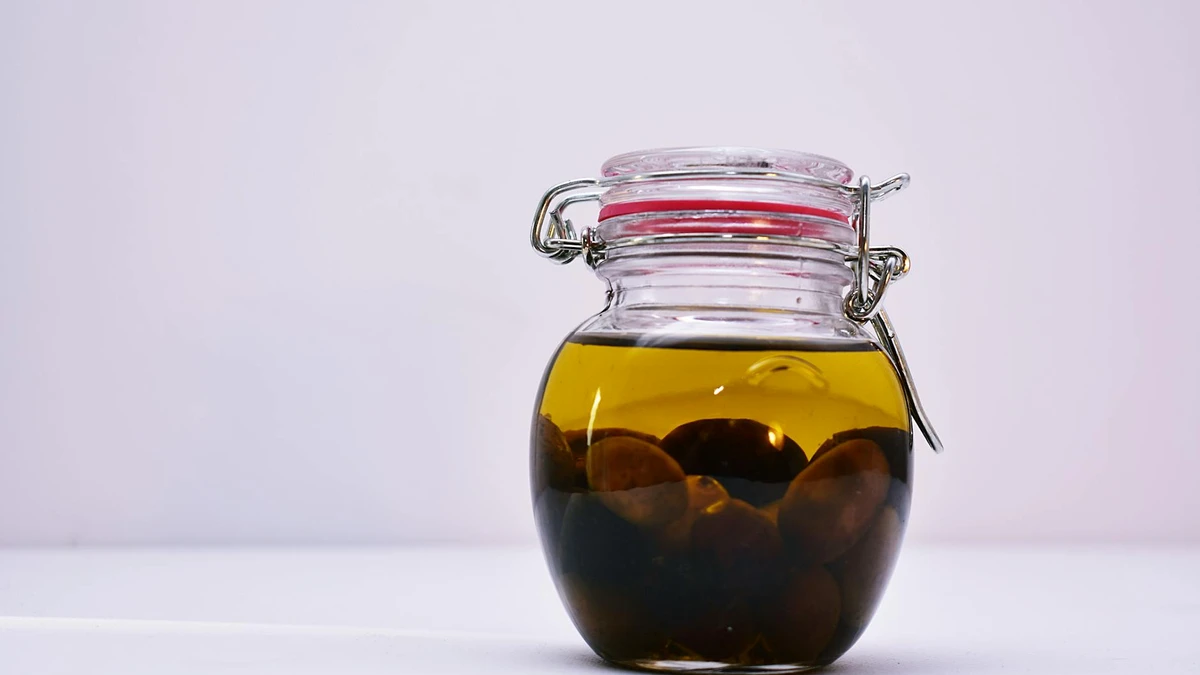
نسبة الحجم إلى المساحة السطحية: تقلل المساحة السطحية الأصغر مقارنة بالحجم من فقدان الحرارة.
مبادئ التصميم:
-حاويات أعمق (الارتفاع > القطر) تفقد الحرارة بوتيرة أبطأ من الأوعية الضحلة والعريضة
-الأشكال الدائرية تكون مساحة سطحها أقل من الزوايا الحادة عند نفس الحجم
-حصص فردية أصغر حجمًا تحتفظ بالحرارة بشكل أفضل مقارنةً بالحاويات الكبيرة المشتركة (قسّم الطلب البالغ 32 أونصة إلى 2×16 أونصة بدلاً من 1×32 أونصة)
مساحة التلامس مع الغطاء: تأكد من أن الغطاء يتداخل مع حافة الوعاء بمسافة لا تقل عن 8-12 ملم لضمان إحكام الإغلاق. يؤدي التداخل غير الكافي (4-6 ملم) إلى زيادة فقدان الحرارة بنسبة 15-20%.
الغرض: فصل المكونات الساخنة عن الباردة، ومنع اختلاط القوام
خيارات التهيئة:
1.مقصورتان (بتقسيم 70/30): وجبة ساخنة رئيسية + سلطة جانبية أو مقبلات باردة
2.3 مقصورات (50/25/25/25): طبق رئيسي + طبقان جانبيان (مع فصل الصلصات)
3.وعاء + حجرة للغطاء: الحساء في الأسفل، والمقرمشات/الزينة في تجويف الغطاء
المزايا الحرارية:
-يفصل الأطعمة الحساسة للحرارة (الخس، الزينة) عن الأطعمة الساخنة
-يمنع التلوث المتبادل للصلصات الذي يؤدي إلى إضعاف النكهات
-يتيح استخدام طرق مختلفة لإعادة التسخين (تسخين الطبق الرئيسي مع الحفاظ على الأطباق الجانبية باردة)
مراعاة التكلفة: تبلغ تكلفة الحاويات متعددة الأجزاء ما بين 25 و40% أكثر من نظيراتها ذات الحجرة الواحدة، لكنها تقلل الحاجة إلى التغليف المنفصل (التأثير الصافي على التكلفة: +10-15% للحاوية ذات الجزأين مقارنة بشراء حاويتين منفصلتين).
درجات الحرارة الآمنة لحفظ الأطعمة:
-الأطعمة الساخنة: يجب أن تظل درجة الحرارة أعلى من 60 درجة مئوية (140 درجة فهرنهايت) لمنع نمو البكتيريا
-منطقة الخطر: 5-60 درجة مئوية (41-140 درجة فهرنهايت) مما يتيح تكاثر البكتيريا بسرعة
-الهدف المحدد للتسليم: الحفاظ على درجة حرارة تزيد عن 65 درجة مئوية عند باب العميل لمراعاة تأخير التقديم
العلاقة بين الزمن ودرجة الحرارة:
الامتثال التنظيمي: تشترط العديد من إدارات الصحة أن تُحفظ الأطعمة عند درجة حرارة تزيد عن 60 درجة مئوية أو تقل عن 5 درجات مئوية. وقد تتطلب أوقات التوصيل التي تتجاوز النطاقات الآمنة لدرجات الحرارة استخدام حقائب حرارية ساخنة أو باردة، أو صناديق توصيل مُدفأة، أو فرض قيود على مدة تقديم الخدمة.
بروتوكول اختبار الاحتفاظ بالحرارة:
1.املأ الوعاء بالطعام عند درجة حرارة التقديم (75-80 درجة مئوية)
2.أغلق العبوة بالغطاء كما سيتسلمها العملاء
3.يُحفظ في ظروف درجة حرارة الشتاء العادية (0-10 درجة مئوية)
4.قياس درجة الحرارة الداخلية بعد مرور 10 و20 و30 و40 دقيقة
5.كرر الاختبار 5 مرات، واحسب متوسط النتائج
معايير القبول:
-فترة الاحتفاظ لمدة 30 دقيقة: ≥65 درجة مئوية (الحد الأدنى المقبول)
-الاحتفاظ بالحرارة لمدة 30 دقيقة: ≥70 درجة مئوية (أداء جيد)
-الاحتفاظ بالحرارة لمدة 30 دقيقة: ≥72 درجة مئوية (أداء ممتاز)
الاختبار الميداني: إجراء اختبارات توصيل فعلية خلال أشد فترات البرد. فالظروف المختبرية لا تأخذ في الحسبان عمليات فتح الأبواب المتكررة، وتدفئة المركبة، والتأخيرات الناجمة عن تعامل العملاء.
اعتبارات عائد الاستثمار:
انخفاض عدد الشكاوى: أدى التحول من التغليف أحادي الجدار إلى التغليف مزدوج الجدار إلى خفض الشكاوى المتعلقة بـ“الأطعمة الباردة” بمقدار 58% في دراسة تجريبية، مما أدى إلى انخفاض تكاليف استرداد الأموال بمقدار $180 شهريًّا لعملية تشمل 500 طلب.
الطلبات المتكررة: أظهر العملاء الذين تلقوا أطعمة تم الحفاظ على درجة حرارتها بشكل سليم معدلات إعادة طلب أعلى بمقدار 23% خلال 30 يومًا مقارنةً بالعملاء الذين واجهوا مشكلات في درجة الحرارة.
توفير العمالة: يؤدي تحسين التغليف إلى تقليل الوقت المستغرق في التعامل مع مكالمات الشكاوى ومعالجة عمليات استرداد الأموال (يُقدَّر بـ 2-4 ساعات أسبوعيًا لعملية تتضمن 500 طلب = $120-240 شهريًّا بمعدل $15 في الساعة).
نهج خاص بالشتاء:
-لا تقم بالتحول إلى استخدام الحاويات المعزولة إلا خلال الأشهر الباردة (من نوفمبر إلى مارس في المناطق ذات المناخ المعتدل)
-اطلب كمية تكفي لمدة 4 إلى 6 أشهر قبل حلول الشتاء لتثبيت السعر
-إبلاغ العملاء بالتحديث (“نستخدم الآن عبوات معزولة مخصصة لفصل الشتاء”)
الانتقال الصيفي:
-العودة إلى استخدام الحاويات ذات الجدار الواحد الأخف وزنًا (مايو - سبتمبر)
-يقلل تكاليف التغليف بنسبة 30-40% خلال الأشهر الدافئة
-تخصيص المدخرات لتلبية احتياجات تشغيلية أخرى أو لتعزيز القدرة التنافسية في الأسعار
المخزون المختلط:
-تخزين الحاويات من طراز 60% المخصصة لفصل الشتاء، و40% القياسية خلال المواسم الانتقالية (أكتوبر، أبريل)
-استخدم التغليف الفاخر للطلبات عالية القيمة، والتغليف القياسي للعملاء المهتمين بالميزانية
-متابعة توقعات الطقس لتعديل نسب الاستهلاك
المفاضلات في الأداء:
-تحتفظ الخيارات الصديقة للبيئة في معظم الأحيان بكمية حرارة أقل بنسبة 5-15% مقارنة بالرغوة
-التعويض عن طريق:
– بدءًا من درجات حرارة أعلى للأغذية (+5 درجات مئوية)
– تقليص نطاق التوصيل لتقصير وقت النقل
– استخدام أكياس توصيل معزولة كحماية إضافية
– توعية العملاء بشأن الاختلافات الطفيفة في درجات الحرارة
تصورات العملاء: 68% من العملاء الذين شملهم الاستطلاع مستعدون لقبول انخفاض طفيف في درجة الحرارة مقابل استخدام عبوات مستدامة، ولكن بشرط أن يتم الإبلاغ عن ذلك بوضوح (“عبوات صديقة للبيئة، قد يحدث تباين طفيف في درجة الحرارة”).
❌ الخطأ #1: استخدام نفس العبوة على مدار العام دون تكييفها مع ظروف الشتاء
✅ النهج الصحيح: استبدل الحاويات بحاويات معزولة حرارياً خلال الأشهر الباردة (نوفمبر-مارس). تُظهر اختبارات درجة الحرارة أن الحاويات أحادية الجدار تفقد 25-30 درجة مئوية في غضون 20 دقيقة خلال فصل الشتاء، مقابل 12-15 درجة مئوية في الصيف. استبدلها بحاويات مزدوجة الجدار أو مصنوعة من الرغوة للحفاظ على سلامة الأغذية وجودتها.
❌ الخطأ #2: إعطاء الأولوية لأقل تكلفة للحاويات دون أخذ تكاليف الشكاوى/استرداد الأموال في الاعتبار
✅ النهج الصحيح: احسب التكلفة الإجمالية بما في ذلك المبالغ المستردة والعملاء المفقودين. مثال: إن توفير $0.20 لكل حاوية باستخدام تغليف أرخص، مع مواجهة معدل شكاوى يبلغ 15%، يكلف أكثر من إنفاق مبلغ إضافي قدره $0.40 على تغليف عالي الجودة مع معدل شكاوى يبلغ 3%. ضع قيمة العميل على مدى العمر في الاعتبار عند اتخاذ قرارات التغليف.
❌ الخطأ #3: حاويات محكمة الإغلاق تمامًا لزيادة الاحتفاظ بالحرارة إلى أقصى حد، مما يؤدي إلى تبلل الطعام بسبب التكثف
✅ النهج الصحيح: استخدم أغطية مزودة بفتحتي تهوية تسمحان بتفريغ البخار الزائد مع الحفاظ على الحرارة، أو قم بإضافة حشوات ماصة للرطوبة. أظهرت الاختبارات أن الأغطية المزودة بفتحات تهوية تقلل الشكاوى المتعلقة بالرطوبة بنسبة 65%، بينما لا تقلل من الاحتفاظ بالحرارة سوى بمقدار 3-5 درجات مئوية — وهي مقايضة مقبولة لتحسين جودة الطعام.
❌ الخطأ #4: طلب حاوية واحدة كبيرة للطلبات العائلية بدلاً من عدة حصص أصغر
✅ النهج الصحيح: قسّم الطلبات الكبيرة إلى 2-3 حاويات أصغر. تُظهر قوانين الفيزياء أن الحجم الأصغر يحتفظ بالحرارة بشكل أفضل (نسبة الحجم إلى المساحة السطحية أعلى)، كما أن الحصص الفردية تُعاد تسخينها بشكل أكثر توازناً عند الحاجة. تحتفظ الحاويات مقاس 2×16 أونصة بالحرارة بشكل أفضل بنسبة 12-18% مقارنةً بالحاوية مقاس 1×32 أونصة على مدار 30 دقيقة.
تشير تغليفات الأطعمة الشتوية إلى حاويات عازلة متخصصة مصممة للحفاظ على درجات حرارة الأطعمة الساخنة أثناء التوصيل وخدمة الطلبات الخارجية في الطقس البارد. وتستخدم هذه التغليفات مواد مثل الورق المقوى ذي الجدران المزدوجة، أو رغوة البوليسترين الموسع، أو الألياف المقولبة المزودة بعازل هوائي لإبطاء فقدان الحرارة في درجات الحرارة المحيطة المنخفضة. تحافظ التغليفات الشتوية الفعالة على درجة حرارة الأطعمة فوق 60 درجة مئوية (140 درجة فهرنهايت) لمدة 30-45 دقيقة، مما يمنع نمو البكتيريا ويضمن في الوقت نفسه رضا العملاء عن وجباتهم الساخنة بشكل مناسب عند استلامها.
تقدم رغوة البوليستيرين الموسع (EPS) أفضل أداء مع معدل احتفاظ بالحرارة يتراوح بين 85 و92% بعد 30 دقيقة، مما يحافظ على درجة حرارة الطعام أعلى بمقدار 6-10 درجات مئوية مقارنة بالخيارات الأخرى. ويُعد الورق المقوى ذو الجدران المزدوجة بديلاً فعالاً من حيث التكلفة، حيث يبلغ معدل الاحتفاظ بالحرارة فيه 75-82%. توفر الألياف المقولبة (تفل قصب السكر) حلاً صديقًا للبيئة مع احتفاظ بالحرارة بنسبة 78-85%. بالنسبة لعمليات التوصيل الطويلة جدًّا (45 دقيقة أو أكثر)، تحافظ الحاويات الرغوية المزودة بأكياس عازلة خارجية على درجات الحرارة بشكل أفضل. يعتمد اختيار المواد على وقت التوصيل والميزانية وأولويات الاستدامة.
استخدم عبوات مزودة بآليات إغلاق مناسبة: توفر الأغطية البلاستيكية المختومة بالحرارة حماية من التسرب بنسبة 98-99% (الأفضل للحساء السائل)، بينما توفر الأغطية اللولبية فعالية بنسبة 95-98%، وتوفر الأغطية المزودة بمزلاج حماية بنسبة 90-95%. تأكد من أن الغطاء يغطي حافة الحاوية بمسافة لا تقل عن 8-12 مم. املأ الحاويات بنسبة 80-85% من سعتها مع ترك مساحة فارغة في الأعلى لتوسع المحتوى. اختبر العبوات باستخدام منتجات الحساء الفعلية قبل النشر الكامل — قم بإجراء اختبارات الهز والإمالة للتحقق من سلامة الإغلاق في ظروف النقل.
تبلغ تكلفة العبوات المعزولة المخصصة لفصل الشتاء ما بين 40 و120% أكثر من تكلفة العبوات القياسية ذات الجدار الواحد. تبلغ تكلفة العبوات أحادية الجدار $0.15-0.25 للوحدة؛ بينما تتراوح تكلفة العبوات مزدوجة الجدار بين $0.35 و0.65؛ وتبلغ تكلفة العبوات الرغوية $0.45-0.85. ومن ناحية أخرى، تقلل العبوات المطورة من شكاوى الأطعمة الباردة بنسبة 58% وتقلل تكاليف استرداد الأموال بنحو $180 شهريًا للعمليات التي تتعامل مع 500 طلب. وعادةً ما يتم تعويض ارتفاع تكاليف التغليف من خلال انخفاض الشكاوى، وانخفاض عمليات استرداد الأموال، وزيادة الاحتفاظ بالعملاء — مما يحقق عائدًا إيجابيًا على الاستثمار في غضون 3-4 أشهر.
استخدم حاويات من الورق المقوى مزدوجة الجدران أو من الألياف المقولبة (معامل الاحتفاظ بالحرارة 78-85%)، وابدأ بدرجات حرارة أعلى للأطعمة (80-85 درجة مئوية بدلاً من 75 درجة مئوية)، وقلل نطاق التوصيل لتقصير وقت النقل إلى أقل من 25 دقيقة، واستخدم حقائب توصيل معزولة كحماية ثانوية، وقم بتحسين شكل الحاويات (فالحاويات الأعمق ذات المساحة السطحية الأصغر تفقد الحرارة بشكل أبطأ). ويمكن أن يؤدي الجمع بين هذه الاستراتيجيات إلى تحقيق أداء يضاهي أداء الرغوة مع استخدام مواد أكثر استدامة.
نعم. تتطلب الحساءات السائلة حماية فائقة ضد التسرب (أغطية مختومة بالحرارة أو ذات أغطية لولبية، بفعالية إحكام 98%+) ويمكن استخدام حاويات محكمة الإغلاق تمامًا نظرًا لعدم وجود مخاوف بشأن التبلل. أما الوجبات الصلبة وأطباق المعكرونة فتحتاج إلى تهوية لمنع التبلل الناتج عن التكثف — استخدم أغطية ذات فتحتي تهوية أو حشوات ماصة للرطوبة. يُفضل استخدام حاويات أسطوانية عميقة للحساء (نظرًا لتحسن نسبة الحجم إلى المساحة السطحية)، بينما تناسب الوجبات التي تحتوي على قطع كبيرة الحجم استخدام حاويات مقسمة إلى أقسام لفصل المكونات ذات مستويات الرطوبة المختلفة.
تتطلب لوائح سلامة الأغذية أن تظل الأطعمة الساخنة عند درجة حرارة تزيد عن 60 درجة مئوية (140 درجة فهرنهايت). احرص على الحفاظ على درجة حرارة 65 درجة مئوية عند وصول الطلب إلى باب العميل لمراعاة أي تأخير في التقديم. بالنسبة لعمليات التوصيل التي تستغرق 15-25 دقيقة، تكفي العبوات ذات الجدران المزدوجة التي تحافظ على الاحتفاظ بالحرارة في نطاق 75-82%. أما عمليات التوصيل التي تستغرق من 25 إلى 40 دقيقة، فتتطلب استخدام عازل رغوي أو عازل عالي الجودة (يحافظ على درجة الحرارة بين 85 و92%). وفي حالة تجاوز مدة التوصيل 40 دقيقة، استخدم حاويات رغوية بالإضافة إلى أكياس عازلة خارجية. قم بإجراء اختبارات درجة الحرارة على أصناف قائمة الطعام الخاصة بك ومسارات التوصيل للتحقق من أن العبوات تفي بمعايير السلامة.
تتطلب تغليفات المواد الغذائية في فصل الشتاء اختيارًا استراتيجيًا للمواد، وأنظمة إغلاق مناسبة، وتحسين التصميم الحراري، وذلك للحفاظ على سلامة الأغذية ورضا العملاء أثناء التوصيل في الطقس البارد. وتؤثر الفجوة في الأداء بين التغليفات القياسية وتلك المخصصة لفصل الشتاء بشكل مباشر على معدلات الشكاوى، وتكاليف استرداد الأموال، والاحتفاظ بالعملاء.
الوجبات السريعة الرئيسية:
1.تحديث التغليف حسب الموسم—تقلل الحاويات ذات الجدران المزدوجة أو المصنوعة من الرغوة خلال أشهر الشتاء (نوفمبر - مارس) من فقدان الحرارة بنسبة 40-60% مقارنةً بالحاويات ذات الجدران المفردة
2.تحديد العزل المناسب وفقًا لوقت التسليم—تتطلب المسارات التي تستغرق 15-25 دقيقة استخدام أنابيب ذات جدار مزدوج (معدل احتجاز 75-82%)؛ أما المسارات التي تستغرق 25-40 دقيقة فتتطلب استخدام أنابيب رغوية (معدل احتجاز 85-92%)
3.التوازن بين الإغلاق والتهوية—تحتاج الحساء السائلة إلى أغطية محكمة الإغلاق؛ أما الوجبات الصلبة فتستفيد من الأغطية المزودة بفتحات تهوية لمنع تبللها
4.حساب التكلفة الإجمالية—أخذ تكاليف الشكاوى/استرداد الأموال في الاعتبار عند اتخاذ قرارات التغليف؛ حيث تحقق العبوات الفاخرة عائدًا إيجابيًا على الاستثمار في غضون 3-4 أشهر
5.اختبر قبل النشر—إجراء اختبارات الحفاظ على درجة الحرارة باستخدام أصناف قائمة الطعام الفعلية في ظروف التوصيل الحقيقية
تزود شركة «باباكو» المطاعم وخدمات توصيل الطعام بحاويات عازلة مخصصة لفصل الشتاء، بما في ذلك خيارات من الورق المقوى ذي الجدران المزدوجة، والألياف المقولبة، والرغوة. ويقدم أخصائيو التغليف لدينا الدعم في اختبار درجات الحرارة، وتصميم الأحجام حسب الطلب، وتخطيط المخزون الموسمي — مما يضمن وصول طعامكم الساخن بالدرجات الحرارة المناسبة طوال أشهر الطقس البارد.
تواصل معنا
آخر تحديث: أغسطس 2026