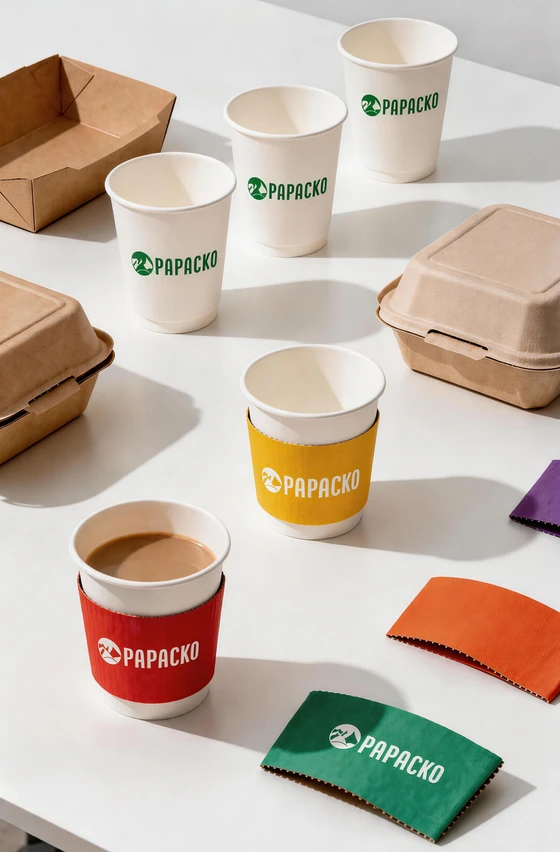
Готовы создать собственные фирменные бумажные стаканчики или упаковку?
Сообщите нам свои требования - размер, покрытие, печать и место назначения - и наша команда подготовит подробное коммерческое предложение в течение 24 часов.

Последнее обновление: январь 2026 года
Время чтения: 8-10 минут
Автор: редакция Papacko
Сети ресторанов сталкиваются с уникальными проблемами в сфере упаковки, которых удается избежать независимым заведениям: обеспечение единообразия бренда в 10–500 заведениях, координация поставок по нескольким адресам, согласование минимальных объемов заказов (MOQ), позволяющих сбалансировать ценообразование по объему с управлением запасами, а также обеспечение одинакового качества обслуживания клиентов независимо от того, обедают ли они в Токио, Торонто или Техасе. Несоответствующий дизайн стаканчиков в одном из франчайзинговых заведений может свести на нет многомесячные усилия по развитию корпоративного бренда.
В этом исчерпывающем руководстве рассматриваются стратегии закупок бумажных стаканов, специально предназначенные для сетей общественного питания с множеством точек обслуживания, где выбор доступных бумажных стаканов имеет большое значение.Вы узнаете об оптимизации оптовых заказов (от 50 000 до 5 000 000+ единиц), о том, как ориентироваться в минимальных объемах заказа (MOQ) для сетей различного размера, о логистических решениях для сетей с несколькими точками, о процессах стандартизации технических характеристик, обеспечивающих единообразие, о ценовых уровнях в зависимости от объема, а также о централизованных и децентрализованных моделях закупок.
💡 Краткий вывод: Сети предприятий общественного питания добиваются экономии в размере 35–50% за счет централизованных оптовых закупок (500 000–2 000 000 единиц в год), типовых технических заданий, обеспечивающих 100% единообразие, систему дистрибуции по принципу «хаб-и-спицы» в множество точек, а также дифференцированные минимальные объемы заказа, начинающиеся с 50 000 единиц (небольшие сети) и достигающие 500 000+ (региональные/национальные сети).
Чтобы разобраться в особенностях бумажных стаканчиков для сетевых заведений, необходимо учитывать следующие факторы:
Ключевые моменты, требующие согласованности:
-Подбор цвета: Требования к цветам по системе PMS (не “приблизительно” — требуется точное соответствие)
-Регистрация печати: Допуск по расположению логотипа — не более ±2 мм
-Технические характеристики материалов: Одинаковый GSM, одинаковая толщина покрытия во всех партиях продукции
-Однородность размеров: Диаметр/высота стакана с погрешностью в пределах 1–2 мм (влияет на плотность прилегания крышки в разных регионах)
Цена несогласованности:
-Непонимание со стороны клиента: “Стаканчик в магазине в центре города выглядел иначе, чем в филиале в пригороде”
-Проблемы при обучении: в инструкциях для персонала предполагается, что упаковка везде в системе осуществляется единообразно
-Проблемы с совместимостью крышек: отклонение в диаметре стаканчика на 2 мм = плохо прилегающие крышки = разливы/жалобы
-Размывание бренда: несогласованность упаковки свидетельствует о низком уровне контроля качества
🎯 Отраслевой обзор: Исследование, проведённое в 2025 году в сетях с несколькими заведениями, показало, что 68% клиентов сетей замечают несоответствия в упаковке между заведениями, причём 34% ставят под сомнение общее качество бренда, когда стаканы/контейнеры различаются — даже если сам продукт остается идентичным.
Стандартизированные технические требования позволяют избежать этой проблемы восприятия.

Что касается обычных бумажных стаканчиков для сетевых заведений, обратите внимание на следующее:
Проблемы с распределением:
-Географическое распространение: 10 объектов в радиусе 50 км против 100 объектов в 5 штатах/провинциях
-Изменение объёма хранения: Флагманские магазины с торговой площадью 50 кв. м по сравнению с киосками площадью 3 кв. м
-Показатели потребления: В городских районах с высокой посещаемостью расходуется 20 000 стаканчиков в месяц, тогда как в пригородах — 3 000 в месяц
-Координация доставки: Один поставщик, осуществляющий доставку по более чем 25 адресам, по сравнению с самостоятельным размещением заказов каждым филиалом
Типы отказов:
-Отсутствие товара на складах в точках с высоким объемом продаж (вынужденные покупки на месте нарушают единообразие бренда)
-Избыточные запасы на пунктах с низким объемом продаж (замораживание капитала в запасах, проблемы со складированием)
-Нескоординированные поставки (поставщик осуществляет 15 отдельных отгрузок = 3-кратное увеличение логистических затрат)
-Сдвиг спецификации (пользователи со временем самостоятельно меняют порядок “похожих” чашек)
При оценке стандартных бумажных стаканчиков для сетевых заведений следует учитывать следующее:
Типичное потребление:
-Средний показатель на один пункт: 5 000–8 000 чашек в месяц
-Общий объем по всей системе: 25 000–120 000 стаканов в месяц (300 000–1 440 000 в год)
Оптимальная стратегия размещения заказов:
Рекомендуемый подход: Ежеквартальный заказ (запас на 90 дней)
-Сочетает ценообразование по объему (экономия 20-30% по сравнению с ежемесячной оплатой) с гибкостью
-Умеренные требования к хранению (15–35 кубических метров, распределенных по нескольким объектам)
-Позволяет менять дизайн в зависимости от сезона (летние и зимние рекламные стаканы)
Вопросы, связанные с минимальным объемом заказа (MOQ):
-Минимальный объем заказа для небольших сетей: 50 000–100 000 единиц (достижимый за квартал)
-Стратегия с несколькими размерами: 60% 12 унций, 30% 16 унций, 10% 8 унций = 3 SKU × 30 000 (в среднем) = 90 000 единиц всего
При выборе бумажных стаканчиков для сетей ресторанов следует учитывать следующее:
Типичное потребление:
-В масштабах всей системы: 120 000–400 000 стаканов в месяц (1 440 000–4 800 000 в год)
Модель централизованной распределительной сети:
Настройка:
1.Главный заказ: 360 000–1 200 000 чашек в квартал на один склад/трансферный центр
2.Хранение на концентраторе: Централизованный объект (специальное помещение для хранения упаковки площадью 80–150 кв. м)
3.Распределение филиалов: Еженедельные/раз в две недели поставки из распределительного центра в пункты назначения с учетом показателей потребления
4.Управление запасами: Централизованный мониторинг позволяет избежать как дефицита товаров, так и их избытка
Анализ затрат:
Чистая экономия: 28-35% — сокращение общих затрат за счет централизованных оптовых закупок.
При оценке стандартных бумажных стаканчиков для сетевых заведений следует учитывать следующее:
Типичное потребление:
-В масштабах всей системы: 400 000–1 600 000 чашек в месяц (4 800 000–19 200 000 в год)
Стратегия с несколькими центрами:
Распределение региональных центров:
-Центр Восточного региона: Обслуживает 60 точек, 480 000 чашек в месяц
-Узловой центр Западного региона: Обслуживает 55 точек, 440 000 чашек в месяц
-Центральный региональный узел: Обслуживает 50 точек, 420 000 стаканов в месяц
-Центр Южного региона: Обслуживает 35 точек, 260 000 чашек в месяц
-Всего: 200 точек, 1 600 000 стаканов в месяц
Структура заказа:
-Годовой договор: 19 000 000 чашек (с ежеквартальной корректировкой с учетом роста)
-Ежеквартальные производственные циклы: 4 750 000 чашек (стабильное качество в течение года)
-Региональные поставки: Напрямую от производителя в 4 региональных центра
-Ценообразование по объему: $0,09–0,13 за чашку (экономия 40–48% по сравнению с ценами на мелкие партии)
Взаимоотношения с поставщиками:
-Персональный менеджер по работе с клиентами
-Гарантированные производственные слоты (приоритет в пиковые сезоны)
-Документация по индивидуальным техническим требованиям (основной спецификационный лист для чашек, стандарты цвета)
-Протоколы контроля качества (ежеквартальные предсерийные образцы)

Чтобы разобраться в различных типах бумажных стаканчиков для сетей ресторанов, необходимо учитывать следующие факторы:
### — разбивка цен по объёмам
Чтобы разобраться в различных типах бумажных стаканчиков для сетей ресторанов, необходимо учитывать следующие факторы:
Пример структуры ценообразования (стакан с однослойными стенками объемом 12 унций с индивидуальной печатью):
Факторы, определяющие эффект масштаба:
-Настройка амортизации: Печатные формы/настройка ($1,500–3,000) распределены по нескольким единицам
-Эффективность производства: Крупные партии позволяют сократить время переналадки и объем отходов (3–51 TP3T по сравнению с 8–121 TP3T при мелких партиях)
-Оптовые цены на материалы: Картон, лакокрасочные материалы, закупаемые в больших количествах (экономия 8–12%)
-Оптимизация логистики: Полные контейнерные партии (более выгодная стоимость доставки на единицу груза)
Чтобы разобраться в стандартных бумажных стаканчиках для сетевых заведений, необходимо учитывать следующие факторы:
Компоненты цепей:
Объем обязательств:
-Годовой минимум: 1 200 000 чашек (с возможностью корректировки на ±10% в случае увеличения или сокращения объемов)
-Квартальный график заказов: 300 000 в квартал (предсказуемое производственное планирование)
-Фиксация цены: фиксированная цена на 12 месяцев (защита от колебаний стоимости материалов)
Гарантии качества:
-Стандарты качества: доля брака ≤1% (определенная методом случайной выборки)
-Надежность доставки: Своевременная доставка 95% в хабы
-Постоянство цвета: ΔE ≤ 2,0 (порог цветового различия, неразличимый для человеческого глаза)
-Соблюдение технических требований: допуск ±5% по GSM, толщине покрытия и размерам
Положения о гибкости:
-Обновления дизайна: 1–2 изменения в дизайне в год без дополнительных сборов за настройку
-Сезонные колебания: 20% годового объема может приходиться на сезонные дизайны (праздничные стаканы, ограниченные серии)
-Корректировка ассортимента размеров: Ежеквартальные корректировки соотношения 8/12/16/20 унций с учетом фактического потребления
Экономия затрат за счет заключения контрактов: 5-12% — дополнительная экономия помимо скидок за объем за счет:
-Отмена платы за настройку при обновлении дизайна
-Планирование производства с учетом приоритетов (без надбавок за срочность в пиковые сезоны)
-Предсказуемое бюджетирование (фиксированные цены против колебаний рынка)
При оценке бумажных стаканчиков для сетей ресторанов следует учитывать следующее:
Основные технические характеристики:
Технические характеристики кубка:
-Материал: картон с полиэтиленовым покрытием плотностью 250 GSM (или указать PLA/экологичное покрытие)
-Размеры: 12 унций = диаметр 90 мм (вверху), диаметр 60 мм (внизу), высота 110 мм (допуск ±2 мм)
-Покрытие: 18–20 г/м² полиэтилен интерьер (или аналог PLA)
-Метод печати: Флексографские краски на водной основе
-Стандарты цвета: PMS 485 (красный), PMS 2925 (синий) — конкретные коды Pantone, а не приблизительные значения в системе CMYK
Параметры контроля качества:
-Прочность шва: При наполнении водой в течение 60 минут утечек не наблюдается
-Теплостойкость: Не наблюдается размягчения/деформации при воздействии жидкости температурой 90 °C в течение 30 минут
-Плотность прилегания крышки: Совместимо с указанным артикулом крышки (важно соблюсти точный диаметр)
-Регистрация печати: Логотип выровнен по центру с погрешностью ±2 мм, отступ от края не должен превышать 0,5 мм
Фотографии/образцы:
-Эталонные пробирки (с утвержденным цветом/печатью), хранящиеся в головном офисе и на предприятии поставщика
-Показания спектрофотометра по цвету (объективные измерения, а не субъективное впечатление “выглядит правильно”)
-Фотографии для сравнения (утвержденный стандарт и возможные варианты)
При оценке бумажных стаканчиков для сетей ресторанов следует учитывать следующее:
Процесс утверждения перед началом производства:
1.Предварительные образцы: Поставщик изготавливает 100–500 образцов в рамках наладки производства
2.Сравнение «бок о бок»: Сравнение образцов с эталонным образцом (цвет, печать, размеры)
3.Подтверждение подписания: Менеджер по цепочке поставок утверждает или запрашивает внесение изменений
4.Доходы от производства: Только после получения письменного разрешения начинается полномасштабное производство
Мониторинг в процессе производства:
-Контроль первой единицы продукции: Проверены первые 100 единиц из серийной партии
-Поточный отбор проб: Производство выборочных проб каждые 10 000 единиц в ходе производства
-Постоянство цвета: Показания спектрофотометра каждые производственные часы (поддержание значения ΔE < 2,0)
Входной контроль (на хабах/объектах):
-Визуальный осмотр: Была вскрыта случайная коробка, 10–20 стаканчиков были проверены на качество печати и наличие повреждений
-Проверка размеров: Проверить диаметр стакана (влияет на плотность прилегания крышки) — измерить 5 стаканов с помощью штангенциркуля
-Испытание на целостность шва: Налейте в 3–5 чашек горячей воды и подождите не менее 30 минут (проверка на герметичность)
-Протокол отклонения: Если обнаружено более 31 дефекта типа TP3T, вся партия задерживается для проверки поставщиком или замены
При оценке различных бумажных стаканчиков для сетей ресторанов следует учитывать следующее:
Централизованные закупки (Распоряжения штаба для всех подразделений):
Преимущества:
-Максимальное использование ценового рычага при определении объема
-Обеспечена единообразная политика бренда (единая спецификация, единый поставщик)
-Снижение административных затрат (1 группа по закупкам вместо 50 менеджеров по филиалам)
-Стратегические отношения с поставщиками (специализированная поддержка, приоритетное планирование)
Вызовы:
-Сложная логистика доставки (необходимо доставить по 50 и более адресам)
-Требования к хранению данных в централизованных узлах
-Меньшая гибкость на уровне отдельных объектов (во всех объектах используются одинаковые технические характеристики)
Лучшее для: Сети с 15 и более филиалами, стандартизированными процессами работы и централизованной инфраструктурой поддержки.
Распределённые закупки (каждый филиал размещает заказы самостоятельно):
Преимущества:
-Гибкость с учетом местных особенностей (адаптация к предпочтениям местного рынка)
-Централизованное хранение не требуется
-Упрощение логистики (прямая доставка от поставщика к месту назначения)
Вызовы:
-Отсутствие скидок за объем закупок (отдельные магазины заказывают 5 000–15 000 единиц, в то время как сеть заказывает 500 000)
-Риски, связанные с несогласованностью бренда (в разных заведениях могут заказывать стаканы, которые “похожи, но не идентичны”)
-Административное умножение (50 объектов × объем закупок)
-Фрагментированность отношений с поставщиками (отсутствие стратегического партнерства)
Лучшее для: Сети ресторанов, находящиеся в независимом владении, с весьма разнообразными форматами размещения (киоски в аэропортах, точки в торговых центрах, отдельно стоящие рестораны, требующие различных технических характеристик).
При выборе чашек для цепей следует учитывать следующие факторы:
Реализация:
Уровень 1: Поставщик региональных хабов
-Поставщик осуществляет оптовые поставки в 2–5 региональных хабов (в зависимости от географического расположения сети)
-Поставки на распределительные центры: полные поддоны, 50 000–200 000 стаканов на каждый распределительный центр за одну доставку
-Периодичность доставки: ежемесячно или раз в два месяца (постоянный график)
Уровень 2: от регионального центра к отдельным пунктам
-Центр осуществляет доставку в 15–50 пунктов в пределах региона
-Местоположение отгрузок: в зависимости от темпов потребления + складских мощностей
– Пункт с большим объемом: 8 000 стаканов каждые 2 недели
– Средний объем: 5 000 чашек в месяц
– Небольшой объем: 3 000 чашек каждые 6 недель
-Транспортные средства для доставки: грузовики с цепным приводом (в сочетании с доставкой продуктов питания) или услуги сторонних логистических компаний
Оптимизация затрат:
-Стоимость доставки поставщиком: $500–800 на каждый узел (по сравнению с $80–120 на каждый отдельный объект × 50 = $4 000–6 000)
-«От центра до пункта назначения»: объединено с существующей системой распределения продуктов питания (предельные затраты $15–30 на каждый пункт назначения)
-Комплексные логистические услуги: ~$ 1 200–1 800 против $ 4 000–6 000 децентрализованных = Скидка на модель 60-70%
При выборе стандартных бумажных стаканчиков для сетевых заведений обратите внимание на следующее:
Централизованный учет запасов:
-Облачная система учета запасов (каждый филиал еженедельно предоставляет отчеты о текущих уровнях запасов)
-Отслеживание показателей потребления (выявление тенденций, сезонных колебаний)
-Автоматические триггеры повторного заказа (когда запасы на складе опускаются ниже уровня, достаточного на 2 недели, распределительный центр отправляет пополнение запасов)
-Алгоритмы прогнозирования (прогнозирование потребностей на следующий квартал на основе исторических данных и тенденций роста)
Пример реализации:
-Интеграция с POS-системой: Системы POS фиксируют продажи напитков (что является показателем потребления стаканов)
-Автоматический расчет: 1 200 проданных напитков на этой неделе = 1 200 использованных стаканов
-Триггер переупорядочения: Текущий запас — 3 500 стаканов, темпы расхода — 1 200 в неделю = запас на 2,9 недели → инициировать повторный заказ
-Фулфилмент через хаб: Центр отгружает 5 000 стаканов (запас на данном объекте достигает уровня, достаточного на 6 и более недель)
ROI: Системы управления запасами обходятся в $2,000–8,000 при внедрении + $100–300 в месяц за каждый филиал, но позволяют избежать дефицита товаров (исключить экстренные закупки с наценкой 30–50%) и сократить избыточные запасы (освобождая $10 000–50 000 в оборотном капитале по всей сети).
При выборе чашек для цепей следует учитывать следующие факторы:
Производственная мощность:
-Сможет ли поставщик выполнять заказы на 500 000–2 000 000 и более стаканов ежеквартально?
-Есть ли у них резервные производственные линии (для снижения рисков в случае выхода из строя основной линии)?
-География мест производства (производство внутри страны или импорт влияет на сроки поставки, тарифы и сложность логистики)
Системы менеджмента качества:
-ISO 9001 сертификация (управление качеством)
-FSSC 22000 или SQF (сертификация безопасности пищевых продуктов)
-Аудиты, проводимые сторонними организациями (BRC, регистрация в FDA для сетей в США)
Надежность цепочки поставок:
-Финансовая стабильность (проверка кредитоспособности — гарантирует, что поставщик не прекратит деятельность в ходе исполнения контракта)
-Обеспечение поставками сырья (наличие нескольких поставщиков картона позволяет избежать проблем с нехваткой сырья)
-Планирование действий в чрезвычайных ситуациях (резервные объекты, протоколы восстановления после аварий)
Поддержка учетной записи:
-Персональный менеджер по работе с клиентами (единый контактный человек для 50–200 филиалов)
-Оперативность службы поддержки клиентов (ответ на запросы в течение 24–48 часов)
-Решение проблем (гарантийное обслуживание, порядок замены бракованных изделий)
Чтобы разобраться в ассортименте бумажных стаканчиков для сетевых заведений, необходимо учитывать следующие факторы:
Подход с участием нескольких поставщиков (крупные сети):
Основной поставщик (70–80% по объему):
-Лучшие цены, выделенные ресурсы, долгосрочное партнерство
-Подходит для стандартных стаканов (обычные объёмы 12 oz и 16 oz)
Вторичный поставщик (15–20% объёма):
-Конкурентное ценовое давление на основного поставщика
-Поддерживает нестандартные размеры (8 унций, 20 унций — SKU с меньшим объемом)
-Резервные мощности на случай возникновения проблем с производством у основного поставщика
Поставщики третьего уровня/региональные поставщики (5–10% объёма):
-Срочные заказы для новых точек продаж, сезонные дизайны
-Более высокая стоимость, но более быстрые сроки выполнения (2–3 недели против 6–8 у основного поставщика)
-Географическое разнообразие (позволяет сократить расходы на доставку в отдаленные регионы)
Снижение рисков: В случае сбоев в производстве у основного поставщика (пожар, поломка оборудования, нехватка материалов) вторичные поставщики могут нарастить объемы поставок до 40–60% в течение 30–45 дней.
❌ Ошибка #1: Предоставление отдельным заведениям возможности самостоятельно заказывать “похожие” стаканы приводит к нарушению единообразия бренда
✅ Правильный подход: Необходимо соблюдать требования основного технического задания с указанием точных цветов по системе PMS, размеров (допуск ±2 мм), плотности в г/м², характеристик покрытия, а также стандартных бумажных стаканов для сетей. Все филиалы должны использовать систему централизованных закупок или список утвержденных поставщиков с фиксированными техническими характеристиками. Разница в цветопередаче между филиалами сбивает клиентов с толку и свидетельствует о низком уровне контроля качества.
❌ Ошибка #2: Заказ запасов на 6–12 месяцев для оптимизации цены за единицу, а затем изменение дизайна бренда
✅ Правильный подход: Найдите баланс между ценовыми скидками за объем и гибкостью дизайна — заказывайте запас на 3–4 месяца (ежеквартально). Это позволит получить максимальную скидку за объем в размере 35–45% и при этом сохранить возможность сезонных обновлений дизайна. Заказ запаса на 12 месяцев не дает возможности выпускать промо-стаканы, лимитированные серии или обновлять брендинг.
❌ Ошибка #3: Децентрализованные закупки, при которых 50 филиалов заказывают по 10 000 стаканов по цене $0,22 за штуку
✅ Правильный подход: Централизованные оптовые закупки — 50 филиалов × 10 000 = 500 000 стаканов по цене $0,13 за штуку позволяют сэкономить $45 000 в год (сокращение расходов на 41%). Внедрить систему распределения по принципу «хаб-и-спицы», чтобы охватить все филиалы, сохранив при этом преимущества оптовых цен.
❌ Ошибка #4: Отсутствие контроля качества при приемке — филиалы принимают поставки без проверки
✅ Правильный подход: Разработать протокол приемочного контроля — вскрыть одну коробку в случайном порядке, проверить качество печати на 10–20 стаканчиках, измерить диаметр штангенциркулем (важно, чтобы крышка плотно прилегала), проверить целостность шва с помощью горячей воды. Если показатель брака по параметру 3%+ превышает допустимый уровень — отклонить партию. Дефекты, обнаруженные после распределения среди клиентов, обходятся в 10–20 раз дороже, чем те, которые выявляются при приемке.
Минимальные объемы заказа для сетей варьируются в зависимости от размера: для небольших сетей (5–15 точек) минимальный объем заказа составляет 50 000–100 000 единиц с использованием цифровой или флексографской печати ($0.18–0.24/стакан). Средние сети (16–50 точек) заказывают 100 000–250 000 единиц ($0.14–0.20/стакан). Крупные сети (51–200 точек) заказывают 250 000–2 500 000 штук ($0,09–0,16 за стакан). Национальные сети заключают годовые контракты на поставку более 2 500 000 единиц с ежеквартальными партиями по цене $0,08–0,12 за чашку. Ценообразование по объему обеспечивает экономию от 40 до 59% по сравнению с заказами небольшими партиями.
Для обеспечения стабильности качества необходимы эталонные спецификации, в которых подробно указаны точные цветовые коды PMS (а не приблизительные значения CMYK), допуски на размеры (±2 мм), плотность бумаги (обычно 250 GSM), толщина покрытия (18–20 gsm), а также список утвержденных поставщиков — для сетевых заведений это имеет большое значение.Утверждение предсерийных образцов предполагает сравнение новых партий с эталонными стандартами с помощью спектрофотометра (отклонение цвета ΔE <2,0). Централизованные закупки у одного поставщика предотвращают отклонения от технических требований. Входной контроль на распределительных центрах/предприятиях позволяет проверить качество печати, размеры и целостность швов перед отправкой.
Модель распределения «хаб-и-спицы» оптимальна для сетей с 15 и более точками: поставщик ежемесячно или раз в два месяца доставляет оптовые партии (50 000–200 000 стаканов) в 2–5 региональных хабов. Из хабов осуществляется распределение по 15–50 близлежащим точкам с учетом показателей потребления (точки с высоким объемом потребления получают 8 000 стаканов раз в две недели, а с низким — 3 000 в месяц). По сравнению с доставкой напрямую в точки продаж эта модель позволяет сэкономить 60–70% на логистике, обеспечивает возможность применения скидок за объем и учитывает различия в складских мощностях отдельных точек.
Оптовый заказ позволяет сэкономить от 35 до 591 TP3T в зависимости от объема: 50 000 единиц обходятся в 1 TP4T0,22 за чашку (1 TP4T11 000), 500 000 единиц стоят $0,13 за чашку ($65 000 — экономия 41%), а 2 500 000 и более единиц стоят $0,09–0,10 за чашку ($225 000–250 000 — экономия 55–59%). Дополнительная экономия по долгосрочным контрактам включает отмену сборов за настройку при внесении изменений в конструкцию (экономия $1 500–3 000), приоритетное планирование производства (без сборов за срочность) и фиксированные цены, защищающие от колебаний стоимости материалов (дополнительная экономия 5–12%).
Централизованные закупки лучше всего подходят для сетей с 15 и более точками, стандартизированными операциями и централизованной поддержкой — они обеспечивают максимальные скидки за объем (экономия 35–50%), единообразие бренда (единые технические требования/поставщик), сокращение административных расходов и стратегические отношения с поставщиками; наличие бумажных стаканчиков для сетей имеет большое значение.Децентрализованные закупки подходят для франшиз с независимыми владельцами или с очень разнообразными форматами (киоски в аэропортах, точки в торговых центрах, требующие разных технических характеристик) — они обеспечивают гибкость в выборе точек, но при этом приходится отказываться от скидок за объем и рисковать несогласованностью бренда.
Внедрите облачную систему учета запасов, интегрированную с POS-системами: отслеживайте показатели потребления по каждому объекту (1 200 напитков в неделю = 1 200 использованных стаканов), устанавливайте пороги пополнения запасов (когда запас опускается ниже уровня, достаточного на 2 недели) и автоматизируйте выполнение заказов через распределительный центр (отгрузка количеств с учетом потребностей конкретного объекта); для сетей важно использовать стаканы из бумаги разных типов.Городские точки с высоким объемом продаж получают 8 000 стаканов раз в две недели, точки со средним объемом — 5 000 в месяц, а точки с низким объемом — 3 000 каждые 6 недель. Это позволяет предотвратить дефицит товара (исключить надбавки за экстренные закупки в размере 30–50%) и одновременно избежать избыточных запасов (освобождает $10 000–50 000 оборотного капитала по всей сети).
Торговые сети требуют от поставщиков: (1) производственных мощностей для выполнения заказов объемом 500 000–2 000 000+ в квартал с наличием резервных производственных линий, (2) сертификатов качества (ISO 9001, FSSC 22000/SQF по безопасности пищевых продуктов, BRC), (3) надёжность цепочки поставок (финансовая стабильность, несколько источников сырья, планы действий в чрезвычайных ситуациях), (4) Специализированную поддержку клиентов (единый контактный человек для 50–200 точек, время отклика 24–48 часов), и (5) Географическое расположение производственных площадок, обеспечивающее баланс между затратами (импорт) и сроками поставки (внутреннее производство); для сетей важно наличие различных видов бумажных стаканчиков.Крупные сети используют стратегии с несколькими поставщиками: основной поставщик (объем 70–80%), вторичный (резервный, 15–20%), третичные региональные поставщики (быстрая поставка, 5–10%).
Сети ресторанов получают значительные конкурентные преимущества благодаря стратегическим закупкам бумажных стаканов: централизованные оптовые заказы позволяют сократить расходы на 35–59%, единые технические требования обеспечивают единообразие бренда во всех заведениях, а система распределения по принципу «хаб-энд-споук» оптимизирует логистику и позволяет учитывать различия в объемах потребления.
Основные выводы:
1.Централизовать закупки для более чем 15 филиалов—достичь экономии за счет объемных цен по коду 35-50% по сравнению с децентрализованными заказами
2.Внедрить основные нормативные документы—точные цвета PMS, размеры (±2 мм) и плотность по г/м² обеспечивают единообразие бренда 100%
3.Используйте модель распределения «звезда»—позволяет сэкономить 60–70% на логистике по сравнению с доставкой непосредственно на место
4.Заказывайте запас на 3–4 месяца раз в квартал—сочетает в себе ценообразование в зависимости от объема (максимальная экономия 35–45%) с гибкостью проектирования
5.Разработать протоколы контроля качества—предсерийные образцы, приемочные проверки позволяют предотвратить дорогостоящие дефекты
-Руководство по оптовым заказам
Компания Papacko сотрудничает с сетями общественного питания, насчитывающими от 5 до 500 и более заведений, предлагая решения по централизованным закупкам с минимальным объемом заказа от 50 000 единиц, управление типовыми техническими характеристиками, координацию дистрибуции по схеме «хаб-и-спики» и специализированную поддержку клиентов — для сетей важны именно бумажные стаканчики.Наши системы гарантируют единообразие бренда, конкурентоспособные цены при больших объемах закупок и стабильное качество во всех ваших заведениях.
Покупателям, работающим по цепочке поставок, обычно требуются проверка надежности поставщиков, анализ рыночной конъюнктуры, поддержка в вопросах экспорта, а также варианты фирменной упаковки, которые можно использовать в одинаковом виде во всех регионах.
Свяжитесь с нами: