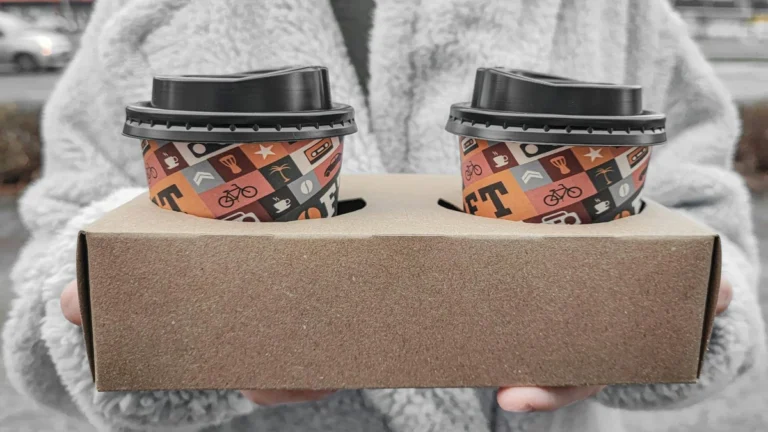
Готовы создать собственные фирменные бумажные стаканчики или упаковку?
Сообщите нам свои требования - размер, покрытие, печать и место назначения - и наша команда подготовит подробное коммерческое предложение в течение 24 часов.


Последнее обновление: Июнь 2026 г.
Время чтения: 8-10 минут
Автор: Papacko Content Team
Неправильно подобранная крышка - это невоспетый герой кофе на вынос: клиенты замечают ее только тогда, когда она выходит из строя, поэтому правильные крышки для кофе имеют большое значение. Неправильно подобранная крышка вызывает ожоги от пароотводов, горький привкус от контакта с пластиком или неловкие протечки во время поездок. Правильно подобранная крышка полностью меняет впечатление от напитка: плавный поток, комфортное ощущение на губах, защита от проливания и сохранение температуры.
По данным 2025 отраслевых опросов, кофейни теряют 12-18% потенциальных повторных клиентов из-за недовольства крышками. Проблема заключается не только в протекании, но и в совокупном разочаровании, вызванном сложностью снятия крышки, неудобным углом наклона и чрезмерным стеканием конденсата на одежду.
В этом руководстве рассматриваются инженерные принципы, лежащие в основе любимых покупателями крышек для кофе: геометрия отверстия для глотка, системы вентиляции, дизайн ободка и выбор материала. Вы узнаете, как подобрать тип крышки в соответствии с размером чашки, температурой напитка и предпочтениями клиента, чтобы обеспечить превосходное качество кофе на вынос.
💡 Быстрый вынос: Высококачественные крышки для кофе требуют точной конструкции отверстия для глотка (диаметр 3-6 мм для оптимального потока), эффективного вентилирования (предотвращает образование вакуума), надежной защелкивающейся посадки (зацепление за обод ≥3 мм) и безопасности для пищевых продуктов. полипропилен (термостойкость 120°C+).
Куполообразные крышки подходят для горячих напитков, плоские - для холодных.
Удовлетворенность покупателей крышками для кофе зависит от пяти измеримых атрибутов:
1. Устойчивость к утечкам при транспортировке
-Не проливается, если держать в руках или положить в подстаканник
-Устойчивость к толчкам, ускорениям и наклонам
-Промышленный стандарт: Пройдите 30-секундный тест на переворачивание без капель
2. Удобство питья и скорость потока
-Естественный контакт губ (без острых углов и дискомфорта)
-Оптимальный расход: 15-25 мл/с для горячего кофе (не слишком быстро, чтобы не обжечься)
-Уменьшение привкуса пластика (чистота материала имеет значение)
3. Управление температурой
-Сохранение тепла: Минимизируйте воздухообмен, обеспечивая отвод пара
-Прохладная на ощупь внешняя поверхность (крышки с двойными стенками или изолированные конструкции)
-Контроль конденсата (предотвращает капание)
4. Простота использования
-Установка и снятие одной рукой
-Интуитивно понятное расположение сип-отверстий (тактильные маркеры для работы вслепую)
-Четкие индикаторы открытия (приподнятые язычки, цветовая маркировка)
5. Эстетическое восприятие и восприятие бренда
-Чистый, современный внешний вид
-Совместимость с брендингом чашек
-Варианты экологичных материалов (ожидание клиентов в 2026 году)
🎯 Отраслевой обзор: Слепые дегустационные тесты показывают, что покупатели оценивают идентичный кофе 15-22% выше по качеству, когда его подают с хорошо продуманными куполообразными крышками по сравнению с базовыми плоскими крышками, благодаря улучшенному удержанию аромата и углу наклона при питье.
Дизайн крышки напрямую влияет на восприятие качества кофе.
Купольные крышки ### - решение для горячего кофе премиум-класса
Особенности конструкции:
-Приподнятый купол создает воздушное пространство над жидкостью (уменьшает скольжение)
-Изогнутая поверхность для питья повторяет естественный угол губ
-Встроенная защита от брызг предотвращает выброс горячей жидкости
-Несколько вентиляционных отверстий (2-4) для выпуска пара без охлаждения
Данные о производительности:
-Сохранение тепла: 8-12% лучше, чем плоские крышки, в течение 20 минут
-Сокращение количества разливов: 85-92% меньше инцидентов по сравнению с плоскими крышками при транспортировке автомобилей
-Предпочтения покупателей: 73% предпочитают купол для горячего кофе (опрос 2 400 потребителей)
Лучшие приложения: Специализированные кофейни, премиум-сервис, горячий латте/капучино, чашки 12-20 фунтов
Особенности конструкции:
-Низкопрофильный дизайн (высота 12-18 мм)
-Простое сип-отверстие (иногда с отрывом или поперечным разрезом)
-Минимальное использование материала (2-3 г полипропилена)
Компромиссы:
-Сохранение тепла: 15-20% более быстрое охлаждение по сравнению с купольными крышками
-Потеря аромата: 30-40% больше летучих соединений улетучивается
-Риск разбрызгивания: повышенный при движении или в транспорте
Лучшие приложения: Сети быстрого обслуживания, напитки со льдом, операции, чувствительные к затратам, стаканы 8-12 фунтов
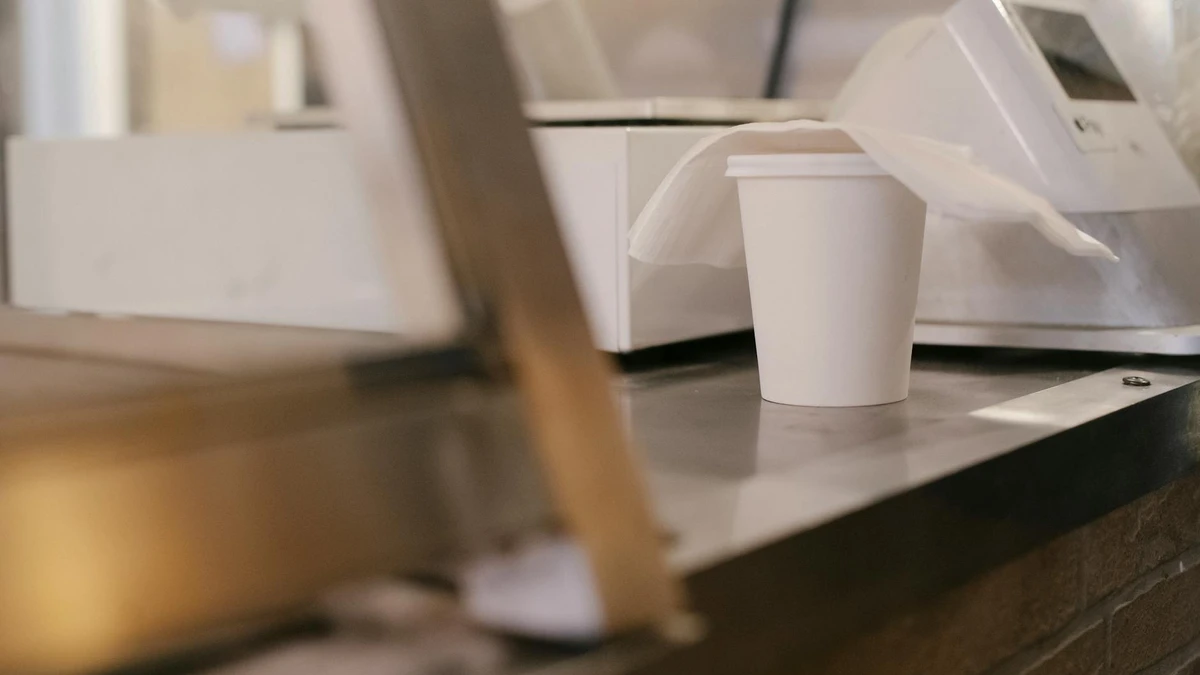
### Почему размер сип-отверстия имеет значение
Слишком маленький (2-3 мм):
-Требуется сильное всасывание (усилия клиента)
-Медленный поток вызывает разочарование
-При недостаточной вентиляции образуется вакуум
-Лучше для детских напитков или очень горячих напитков (безопасность)
Оптимальный диапазон (4-6 мм):
-Естественная скорость питья без всасывания
-Соответствует поведению человека при питье
-Баланс между контролем расхода и удобством
-Температура во рту 60-70°C (безопасно, приятно)
Слишком большой (8-10 мм):
-Быстрый поток может вызвать ожоги (кофе выходит при температуре 75-85°C).
-Опасность разбрызгивания при наклоне чашки
-Плохое сохранение температуры (большой воздухообмен)
-Непрофессиональный внешний вид (например, пить из открытого стакана)
✅ Скошенные края: Плавный контакт с губами, снижает восприятие пластикового вкуса
✅ Отрывные вкладки: Пользователь контролирует размер отверстия, учитывая свои предпочтения
✅ Двойные отверстия: Маленькое отверстие для питья, большое - для наливания (универсальность)
✅ Текстурированные обода: Тактильная направляющая для размещения во рту, уменьшает слюнотечение
Без надлежащей вентиляции крышки для кофе создают три проблемы:
1. Образование вакуума: Когда горячий кофе остывает, внутренний воздух сжимается, создавая всасывание
-Препятствует беспрепятственному прохождению потока через сифонное отверстие (недовольство клиентов)
-Приводит к деформации или отклеиванию крышки
-Требуется сжать чашку, чтобы выпустить кофе
2. Повышение давления: Пар от горячего кофе расширяется
-Принудительное снятие крышки (грязные извержения)
-Выталкивает кофе через отверстие для глотка, когда не пьет
-Риск безопасности при употреблении очень горячих напитков
3. Чрезмерное охлаждение: Слишком большие вентиляционные отверстия позволяют выводить слишком много тепла
-Кофе остывает на 25-35% быстрее, чем при правильной вентиляции крышки
-Не соответствует назначению изолированных стаканчиков
### Оптимальное размещение вентиляционных отверстий
✅ Противоположное отверстие для глотки (на расстоянии 180° друг от друга):
-Позволяет втягивать воздух во время питья
-Предотвращает образование вакуума
-Поддерживает бесперебойную работу
✅ Несколько маленьких вентиляционных отверстий (4-6 по периметру):
-Распределенный сброс давления
-Минимальная потеря тепла
-Предотвращает концентрацию пара
❌ Избегайте вентиляционных отверстий вблизи сифонного отверстия:
-Горячий пар может обжечь губы/лицо
-Снижает комфортность питья
-Конденсат капает на подбородок
Свойства:
-Термостойкость: 120-140°C (безопасно для кипящей воды)
-Одобрено для контакта с пищевыми продуктами: FDA 21 CFR 177.1520, ЕС 10/2011
-Химическая стойкость: Не выщелачивается в кислом кофе
-Возможность вторичной переработки: пластик #5 (широко принимается в программы вторичной переработки)
Стоимость: $0,02-0,06 за крышку (в зависимости от сложности конструкции)
Преимущества:
-Доказанная безопасность (десятилетия использования)
-Отличные свойства формования (возможно создание сложных форм)
-Нейтральный запах/вкус при использовании первичного материала
-Хорошая ударопрочность (не трескается при падении)
Ограничения:
-На нефтяной основе (опасность для экологии)
-Не подходит для компостирования
-Требуется инфраструктура для переработки отходов
Свойства:
-Термостойкость: 50-60°C (при превышении этой температуры размягчается)
-Можно компостировать: Сертифицировано BPI, 90-180 дней в коммерческих учреждениях
-На биооснове: Изготовлен из кукурузного крахмала или сахарного тростника
-Безопасен для пищевых продуктов: Соответствует нормам FDA и ЕС
Стоимость: $0,04-0,09 на крышку (+40-80% по сравнению с полипропиленом)
Критическое ограничение: PLA размягчается при 55-60°C. Стандартный кофе, подаваемый при температуре 70-85°C, деформирует крышки из PLA в течение 5-15 минут, вызывая:
-Структурный коллапс (крышка проваливается внутрь)
-Искажение сип-отверстий (влияет на поток)
-Возможны ожоги при повреждении крышки
Лучшие приложения: Холодные напитки, теплые напитки ≤60°C, экологичные клиенты, готовые принять компромиссные решения по производительности.
Свойства:
-Материал: Спрессованная бумажная масса с барьерным покрытием
-Термостойкость: 90-100°C (подходит для кофе)
-Компостируемый: 60-90 дней, пригоден для компостирования в домашних условиях (не требуется установка)
-Стоимость: $0,06-0,12 за крышку (премиум-цена)
Производительность:
-Устойчивость к протечкам: 75-85% так же эффективна, как и пластик (зависит от покрытия)
-Удобство питья: Более грубая текстура, заметное ощущение бумаги
-Структурная целостность: Хорошая, но размягчается при насыщении влагой
Состояние рынка: Растущая доля премиальных/эко-брендов, но все еще < 8% (2026)

### Показатели качества
✅ Правильная посадка:
-Звуковой щелчок при закрытии крышки (тактильное подтверждение)
-Отсутствие видимых зазоров между ободком крышки и краем чашки
-Для снятия требуется осторожное усилие (2-3 кг).
-Крышка остается неподвижной при переворачивании чашки в течение 30 секунд
❌ Плохая посадка:
-Неплотное расположение (шатается при легком прикосновении)
-Крышка откидывается при легком надавливании на верхнюю часть
-Зазоры, видимые по периметру (пути утечки)
-Легкое извлечение одним пальцем (недостаточное сцепление)
Проблема: Нестандартные конструкции обода чашки у разных производителей
Воздействие: Крышка, предназначенная для чашек марки A, может не подходить к чашкам марки B того же номинального размера
-Отклонение диаметра: обычно допускается ±2 мм
-Различия в профиле обода (квадратные и закругленные края)
-Изменение толщины влияет на глубину зацепления
Решение:
1.Заказывайте крышки у того же поставщика, что и чашки (гарантированная совместимость)
2.Запрашивайте образцы и проверяйте соответствие перед оптовым заказом
3.Укажите крышку “подходит для чашек диаметром 90 мм”, подтвердив это поставщику
4.Для чашек с несколькими источниками выбирайте крышки с универсальной посадкой (с гибким ободком)
Оптимальная температура подачи: 60-70°C (кофе становится вкуснее, его можно пить)
Ключевой момент: Куполообразные крышки сохраняют оптимальную температуру кофе на 8-12 минут дольше, чем плоские крышки
Стратегии проектирования крышек:
-Используйте купольную геометрию (воздушный зазор изолирует)
-Минимизация размера/количества вентиляционных отверстий (при сохранении функциональности)
-Добавьте изоляционные свойства (двойные стенки, воздушные карманы)
-Используйте более плотный материал (3,5-4,5 г против 2,5 г у плоских крышек).
Операционные стратегии:
-Разогрейте чашки перед наполнением (уменьшает первоначальную потерю тепла)
-Подавайте кофе при температуре 80-85°C (позволяет охладить его во время транспортировки).
-Используйте чашки с двойными стенками с куполообразными крышками (комбинированный эффект обеспечивает максимальную фиксацию)
Опрос 3 200 потребителей кофе в Северной Америке и Европе:
-68% предпочитайте крышки, помеченные как пригодные для вторичной переработки (даже если на самом деле они не перерабатываются)
-52% готовы платить на $0,10-0,25 больше за компостируемые крышки
-41% сменили бы кофейню только из-за экологичной упаковки
-29% приносите многоразовые стаканчики (по сравнению с 18% в 2023 году)
### Баланс между производительностью и устойчивостью
Премиум-класса/эко-кафе:
-Предлагайте крышки из формованного волокна для напитков собственного производства (более низкая температура, более короткий срок использования)
-Предоставление куполообразных крышек из полипропилена для горячего кофе на вынос (приоритет производительности)
-С клиентов, приносящих многоразовые стаканы, взимается плата на $0,25 меньше
-Четкие указатели, объясняющие выбор/торговые предложения
Цепочечный подход, ориентированный на затраты:
-Стандартные плоские крышки из полипропилена (перерабатываемые, надежные)
-Предлагайте куполообразные крышки из PLA в качестве премиальной опции (+$0,15 надбавка).
-Обучение персонала правильному выбору крышки для каждого вида напитка

❌ Ошибка #1: Использование плоских крышек для всех напитков для экономии $0,02 на единицу продукции
✅ Правильный подход: Подберите тип крышки в соответствии с напитком и потребностями клиента. Горячие специализированные напитки (латте, капучино) заслуживают куполообразных крышек - улучшенный опыт способствует повторному бизнесу, который стоит гораздо больше, чем $0.02. Используйте плоские крышки только для холодного кофе и дорогостоящего обслуживания.
❌ Ошибка #2: Заказ крышек у другого поставщика, чем чашек, без проверки на пригодность
✅ Правильный подход: Диаметр ободка чашек разных производителей варьируется в пределах ±2 мм. Всегда заказывайте образцы крышек и проверяйте их на реальных чашках перед оптовой покупкой. Плохое прилегание является причиной 15-25% жалоб покупателей, связанных с крышками.
❌ Ошибка #3: Выбирайте крышки из PLA для очень горячего кофе (80-85°C), потому что они “экологически чистые”.”
✅ Правильный подход: PLA размягчается при 55-60°C. Горячий кофе деформирует крышки из PLA в течение 10-15 минут, что чревато поломкой крышки и ожогами. Используйте PLA только для напитков с температурой ≤60°C или смиритесь с недостатком производительности. Для горячих напитков лучше использовать куполообразные крышки из полипропилена.
❌ Ошибка #4: Игнорирование размера сип-отверстия - предполагается, что все конструкции работают одинаково
✅ Правильный подход: Диаметр отверстия для сипа значительно влияет на качество напитка. Отверстия диаметром 3-4 мм требуют всасывания (что расстраивает), отверстия диаметром 8-10 мм вызывают быстрый поток и проливание. Ориентируйтесь на круглые отверстия диаметром 5-6 мм или овальные отверстия размером 4×8 мм для оптимального удовлетворения потребностей клиентов.
Крышки для кофе предназначены для предотвращения протечек при транспортировке, обеспечения комфортного питья без извлечения чашки, поддержания температуры напитка и обеспечения гигиенического барьера. Высококачественные крышки имеют точные отверстия для сипа (4-6 мм) - для стравливания давления, надежно защелкиваются на ободках чашек и изготовлены из термостойких материалов (полипропилен с температурой 120°C+).
Куполообразные крышки с приподнятыми центрами создают воздушное пространство над жидкостью, обеспечивая 8-12% лучшее удержание тепла, защиту от брызг и сохранение аромата. Плоские крышки низкопрофильные (высота 12-18 мм), экономичные и штабелируемые, но обеспечивают меньшую теплоизоляцию. Куполообразные крышки подходят для горячего специализированного кофе; плоские крышки - для напитков со льдом и бюджетного обслуживания.
Протечки кофе возникают по трем причинам: плохое прилегание крышки к чашке (зацепление обода 8 мм). Проверьте герметичность крышек, перевернув чашку на 30 секунд, - отсутствие капель свидетельствует о правильной герметизации. Замените крышки, если усилие отрыва составляет <1,5 кг.
Крышки из PLA размягчаются при 55-60°C, что делает их опасными для стандартного кофе, подаваемого при 70-85°C. Горячие напитки могут деформировать крышки из PLA в течение 10-15 минут, вызывая разрушение структуры и возможные ожоги. PLA хорошо подходит для холодных или теплых напитков при температуре ≤60°C. Для горячего кофе используйте крышки из полипропилена, рассчитанные на температуру 120°C+.
Оптимальный диаметр отверстия для глотка: круглое 5-6 мм или овальное 4×8 мм. Такой размер обеспечивает скорость потока 18-25 мл/с - естественную скорость питья без усилий всасывания. Маленькие отверстия (3-4 мм) требуют усилий и разочаровывают клиентов. Более крупные отверстия (8-10 мм) вызывают быстрый поток, повышая риск ожогов и проливания. Скошенные края улучшают комфорт губ.
Подберите тип крышки в соответствии с напитком: куполообразные крышки для горячего кофе (сохранение тепла, аромата), плоские крышки для напитков со льдом (экономичность), крышки-пипетки для пассажиров (защита от проливания). Убедитесь в совместимости диаметра ободка (80-82 мм для 8 фунтов, 90-92 мм для 12-20 фунтов). Запрашивайте образцы и проверяйте соответствие перед оптовым заказом - убедитесь, что обод зацеплен на 3-5 мм, а усилие отрыва составляет 2-3 кг.
Крышки из полипропилена (PP) можно перерабатывать как пластик #5 в большинстве муниципальных программ - промойте перед переработкой. Крышки из PLA требуют коммерческого компостирования (не пригодны для домашнего компостирования). Крышки из формованного волокна можно компостировать в домашних условиях (60-90 дней). Ознакомьтесь с местными правилами утилизации, так как их прием может быть разным. Крышки из переработанного полипропилена (rPP) обладают теми же характеристиками при меньшем воздействии на окружающую среду.
Выбор крышек для кофе, которые повышают качество обслуживания клиентов, требует понимания инженерных решений, лежащих в основе предотвращения протечек, удобства питья и тепловых характеристик. Куполообразные крышки обеспечивают превосходное сохранение тепла и аромата для горячих специализированных напитков, а плоские крышки предлагают экономичные решения для холодных напитков. Дизайн с отверстием для сипа (оптимально 5-6 мм), правильная вентиляция и надежное прилегание к ободку (3-5 мм) не являются обязательными условиями для удовлетворения потребностей.
Основные выводы:
1.Понимание совместимости крышек для кофе поможет вам.Куполообразные крышки улучшают вкус горячего кофе 15-22%-Стоит заплатить надбавку $0,02-0,04 за особые напитки
2.Понимание того, как правильно использовать крышки для кофе, поможет вам.Размер отверстия для сипа напрямую влияет на комфорт-целевые 5-6 мм для естественного потока без ожогов и разочарований
3.Прилегание крышки к чашке должно быть проверено-Несоответствие диаметров является причиной жалоб на протечки 15-25%
4.Крышки из PLA не подходят для очень горячего кофе-Смягчается при 55-60°C; используйте полипропилен для напитков при 80-85°C
5.Вентиляция предотвращает проблемы с вакуумом и давлением-2-4 вентиляционных отверстия напротив сип-отверстий оптимизируют производительность
-Руководство по выбору кофейных чашек
-Экологически безопасные решения для ресторанов на вынос
Компания Papacko поставляет кофейням, ресторанам быстрого обслуживания и сетям по продаже напитков разработанные крышки для кофе: куполообразные крышки для горячих напитков, плоские крышки для холодных напитков и экологичные альтернативы. В нашем ассортименте представлены варианты из полипропилена, PLA и формованного волокна с проверенной совместимостью ободков для основных брендов чашек - MOQ от 10 000 единиц с сертификатом безопасности пищевых продуктов.
Свяжитесь с нами:
Последнее обновление: Июнь 2026 г.