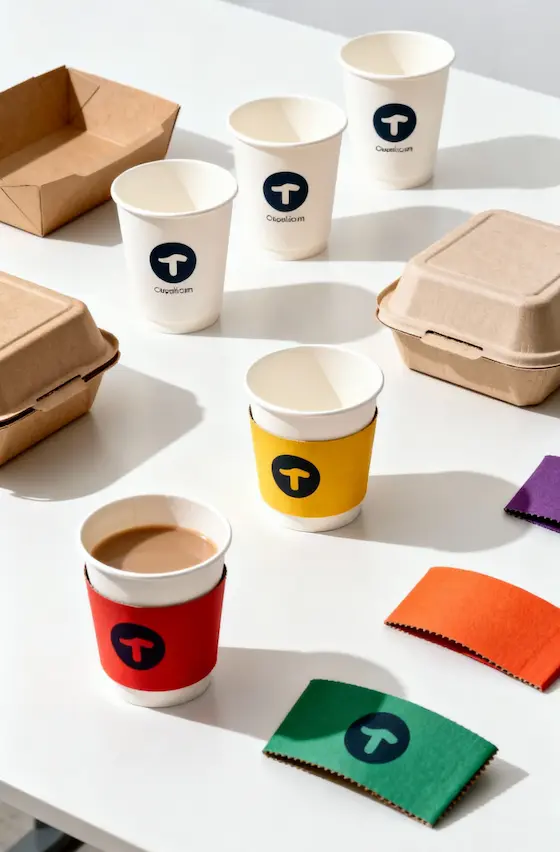
Готовы создать собственные фирменные бумажные стаканчики или упаковку?
Сообщите нам свои требования - размер, покрытие, печать и место назначения - и наша команда подготовит подробное коммерческое предложение в течение 24 часов.
Последнее обновление: Июнь 2026 г.
Время чтения: 8-10 минут
Автор: Papacko Content Team
Экспорт бумажные стаканчики Вступление в ЕС в 2026 году означает навигацию по сложной паутине правил переработки, которые варьируются в зависимости от страны и продолжают развиваться. Понимание общих переработка бумажных стаканчиков Директива ЕС по одноразовым пластмассам (SUP), схемы расширенной ответственности производителей (EPR) и готовящееся постановление по упаковке и упаковочным отходам (PPWR) устанавливают законодательные требования, которые влияют на дизайн, маркировку и документацию продукции.
Несоблюдение этих требований может привести к отказу в таможенном оформлении, штрафам до 50 000 евро за нарушение в некоторых странах-членах ЕС и потере доступа на рынок. Понимание общих законов об утилизации бумажных стаканчиков помогает. Однако многие экспортеры с трудом понимают, какие правила применяются к их конкретной продукции и рынкам.
В этом руководстве рассматриваются важнейшие законы ЕС о переработке бумажных стаканчиков: действующие директивы, требования EPR для конкретных стран, стандарты маркировки и процессы сертификации, общие законы о переработке бумажных стаканчиков. Вы узнаете, как обеспечить соответствие вашей продукции законодательным требованиям и избежать дорогостоящих сбоев в соблюдении требований.
💡 Быстрый вынос: Экспорт бумажных стаканчиков из ЕС требует соблюдения Директивы SUP (ограничения на использование полиэтиленовой подкладки), регистрации EPR в конкретной стране (сборы 0,05-0,25 евро за единицу), сертификации FSC/PEFC и надлежащей маркировки вторичной переработки в соответствии с ISO 14021.
Новые правила PPWR (2026-2030 гг.) будут требовать проведения испытаний на пригодность к переработке и минимального содержания вторичного сырья.
Ключ к выбору законов о переработке бумажных стаканчиков зависит от:
В сфере переработки бумажных стаканчиков в ЕС действует множество дублирующих друг друга нормативных актов:
1. Директива по одноразовым пластмассам (SUP) (2019/904)
-Применяется к чашкам с пластиковыми элементами (вкладыши из ПЭ/ПЛА)
-Требует от стран-членов достичь целевых показателей по раздельному сбору (77% к 2025 году, 90% к 2029 году)
-Обязательная маркировка содержания и утилизации пластика
-Некоторые страны (Франция, Бельгия) устанавливают цели по сокращению потребления
2. Система расширенной ответственности производителя (РПО)
-Обязывает производителей/импортеров регистрироваться и платить сборы за утилизацию отслуживших свой срок изделий
-Структура сборов варьируется: €0,05-0,25 за стакан в зависимости от страны и пригодности к переработке
-Финансовая ответственность за инфраструктуру сбора, сортировки и переработки отходов
3. Положение об упаковке и упаковочных отходах (PPWR) - скользящая реализация 2026-2030 гг.
-Этап 1 (2026 год): Требования к испытаниям на пригодность к вторичной переработке
-Этап 2 (2028 год): Минимум 30% переработанного содержимого для бумажных стаканчиков
-Этап 3 (2030 г.): Мандаты на проектирование в целях вторичной переработки (устранение барьеров, совместимость материалов)
4. Законодательство конкретной страны
-Германия: VerpackG (закон об упаковке со строгими требованиями к возврату)
-Франция: Закон AGEC (антиотходный закон о круговой экономике)
-Италия: Экологический вклад (система CONAI)
🎯 Отраслевой обзор: По состоянию на январь 2026 года только 42% бумажных стаканчиков, поставляемых на рынок ЕС, будут успешно переработаны.
Разрыв между целевыми показателями сбора и фактической переработкой обусловлен проблемами разделения и загрязнения полиэтиленового покрытия.
Чашки с покрытиями на водной основе достигают уровня переработки 65-75%.
Ключ к выбору различных законов о переработке бумажных стаканчиков зависит от:
### Требования к маркировке (статья 7)
Ключ к выбору доступных законов о переработке бумажных стаканчиков зависит от:
На всех пластиковых стаканчиках должна быть надпись:
✅ Логотип, указывающий на содержание пластика
-Стандартизированная пиктограмма с изображением чашки с пластиковой подкладкой
-Минимальный размер: высота 15 мм
-Расположение: Видно на наружной поверхности
✅ Инструкции по утилизации
-Текст или символ, указывающий на соответствующий поток отходов
-Язык: Местный язык (языки) рынка назначения
-Пример: “Сдавать на переработку бумагу там, где есть соответствующие предприятия” (если можно перерабатывать)
✅ Заявление о воздействии на окружающую среду (Франция, Бельгия)
-Требуемый текст: “Содержит пластиковое покрытие - воздействие на окружающую среду в результате замусоривания”
-Шрифт должен быть не менее 6 пунктов
Штраф за несоблюдение: 500-5 000 евро за партию (зависит от страны-участницы)
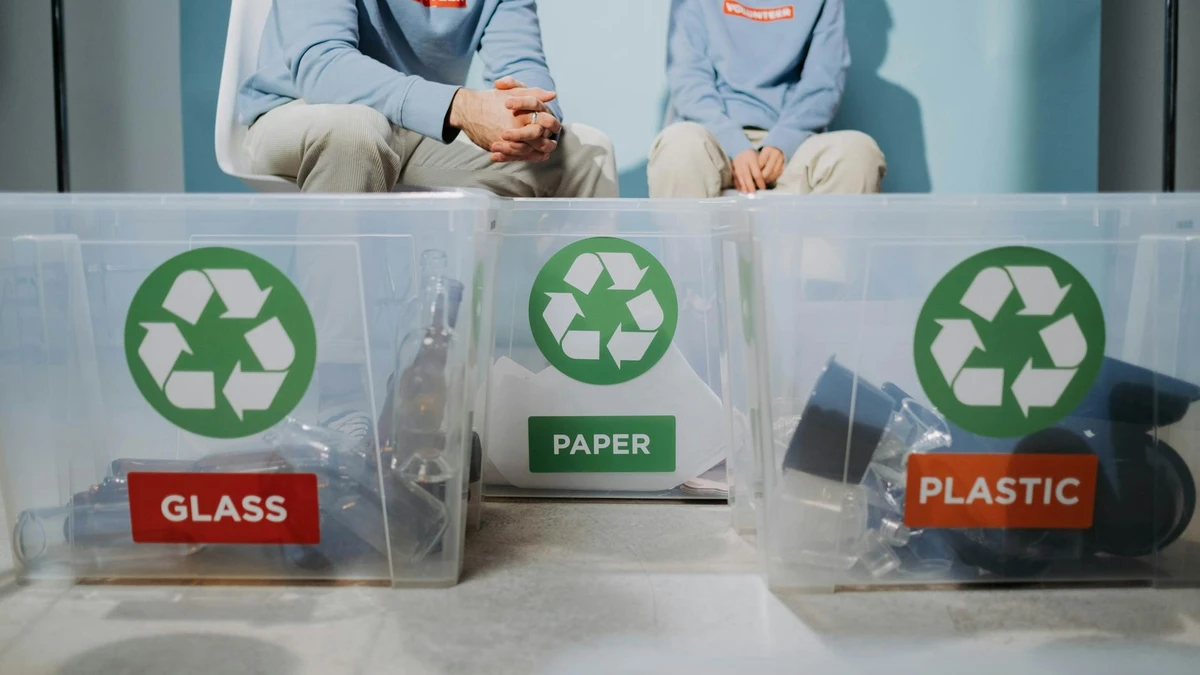
Ключ к выбору законов о переработке чашек зависит от:
### Германия VerpackG - подробные требования
В Германии действует самый строгий в ЕС закон об упаковке:
Процесс регистрации:
1.Зарегистрируйтесь в реестре упаковки LUCID (онлайн-портал)
2.Присоединитесь к дуальной системе (Interseroh, Der Grüne Punkt и т.д.)
3.Ежеквартальная отчетность по объемам
4.Оплата в зависимости от типа и веса материала
Документация:
-Разбивка по составу материала (бумага %, пластик %, прочее)
-Вес за единицу (измеряется с точностью до 0,1 г)
-Прогнозы годового объема
-Свидетельства участия в дуальной системе
Штраф за отсутствие регистрации: € 10 000-200 000 + запрет на продажу
Специальное правило для экспортеров: При продаже B2B немецким дистрибьюторам, дистрибьютор может заниматься регистрацией EPR. Подтвердите это в письменном виде перед отправкой.
Помимо стандартного EPR, Франция требует:
Индекс ремонтопригодности/рециклируемости (реализация 2027 года):
-Оценка по шкале A-E на основе простоты утилизации
-Учитывать: Отделяемость покрытия, совместимость материалов, риск загрязнения
-Должны отображаться на продукции или POS-материалах для продаж B2C
Цели по сокращению потребления пластика:
-Сокращение количества одноразовых пластиковых стаканчиков на 20% к 2025 году (по сравнению с базовым уровнем 2019 года)
-Импортеры должны сообщать о своем вкладе в достижение цели сокращения
-Альтернативы: Предлагайте варианты многоразового использования, покрытия на водной основе, чашки без покрытия
Требование: Все бумажные стаканчики должны пройти стандартное тестирование на пригодность к переработке в соответствии с EN 13430:2004
Критерии тестирования:
-Совместимость материалов: Можно ли отделить покрытие в стандартном процессе варки?
-Уровень загрязнения: Максимум 5% остатков пластика в переработанном волокне
-Показатель урожайности: Минимальное восстановление волокна 75%
-Качество: Переработанная продукция, пригодная для производства газетной бумаги или гофрированной бумаги (минимальный сорт)
Документация:
-Отчет о лабораторных испытаниях от аккредитованного предприятия (EN 17025)
-Описание процесса, демонстрирующее промышленную масштабируемость
-Действителен в течение 3 лет, необходимо продлить
Стоимость: €800-1 500 за каждый протестированный дизайн чашки
Мандат: Минимум 30% переработанного после потребителя (PCR) волокна в бумажном слое
Пути обеспечения соответствия:
1.Прямой: Исходный картон с подтвержденным содержанием 30%+ PCR
2.Понимание различных законов о переработке бумажных стаканчиков поможет вам.Массовый баланс: Рассчитывать по всему ассортименту продукции (допускается <30% в некоторых SKU, если это компенсируется)
Верификация:
-Сертификация цепи поставок (FSC Recycled, PEFC Recycled)
-Декларации поставщиков с отслеживанием аудита третьей стороной
-Ежегодная отчетность перед национальными органами власти
Исключения: Поверхностные слои, контактирующие с пищевыми продуктами, исключены (внутренняя сторона покрытия) в связи с требованиями безопасности
Ограниченные материалы:
-❌ Покрытия из ПФАС (уже запрещены отдельным постановлением)
-❌ Алюминиевые накладки (мешают переработке бумаги)
-❌ Многослойные пластики (комбинация PE + PLA)
Поощряемые проекты:
-✅ Водные дисперсии (PVOH, на основе крахмала)
-✅ Однослойные полимерные покрытия (PE или PLA, не смешанные)
-✅ Удобство механического разделения (легкое снятие крышки, ободки из одного материала)
Процесс тестирования на пригодность к переработке ###
Этап 1: Лабораторное испытание целлюлозы (имитирует предприятие по переработке отходов)
-Чашки с образцами пульпировались при 90°C в течение 20 минут
-Измерьте степень извлечения волокна и загрязнения
-Проверка параметров качества переработанной целлюлозы
Шаг 2: Промышленные испытания (требуется для Фазы 1 ППВР)
-Минимум 100 кг образцов чашек, обработанных на коммерческом предприятии
-Проверка эффективности разделения в масштабе
-Документируйте необходимые модификации оборудования (если таковые имеются)
Шаг 3: Сертификационный отчет
-Обобщение результатов лабораторных и промышленных исследований
-Проверка третьей стороной (например, Adelphe, PRN в Великобритании)
-Предоставление схем EPR для рассмотрения экомодуляции
Временная шкала: 4-8 недель для полного цикла тестирования
✅ Символ переработки (ISO 14021):
-Петля Мёбиуса с кодом материала “PAP 21” (если в основном бумага)
-Или “C/PAP 84” для композитных бумажных/пластиковых стаканчиков
✅ Состав материала (потребность в ППВР с 2026 года):
-Пример: “Бумага 92%, полиэтиленовое покрытие 8%”.”
-В процентах по весу, с точностью до ±2%
✅ Инструкция по утилизации:
-“Можно перерабатывать там, где есть оборудование” (если доказан уровень переработки >75%)
-“Проверьте местную переработку” (если тариф 50-75%)
-“В настоящее время не подлежит переработке” (если <50%)
✅ Идентификация производителя:
-Название и адрес компании (или уполномоченного представителя ЕС)
-Код партии/лота для отслеживания
✅ Предупреждение о содержании пластика (Директива SUP):
-Пиктограмма или текст: “Содержит пластиковую подкладку”
Германия: Требуется логотип “Der Grüne Punkt” при использовании этой двойной системы (или эквивалентный логотип для других систем)
Франция: Должен содержать логотип Triman (индикатор сортировки) + инструкцию по сортировке на французском языке
Италия: Коды консорциума CONAI (например, “C/PAP 84 → Raccolta Carta” для сбора бумаги)
Испания: Необязательно, но рекомендуется: Символ Ecoembes “Punto Verde”
Контрольный список соответствия VerpackG:
-[ ] Получен регистрационный номер LUCID (формат: DE123456789012345678)
-[ ] Подписан контракт на использование двойной системы (срок действия не менее 1 года)
-[ ] Подготовлен паспорт материала (вес, состав, класс перерабатываемости)
-[ ] Установлен календарь квартальной отчетности
-[ ] Инструкции по утилизации на немецком языке на упаковке
Распространенные подводные камни: Предполагается, что продажи B2B освобождают вас от ответственности. Даже B2B требует регистрации, если дистрибьютор не предоставит письменное подтверждение того, что он работает с EPR.
Пример стоимости (10 000 чашек в год, объем 12 фунтов):
-Регистрация LUCID: €0
-Плата за двойную систему: 1 200-1 800 евро в год
-Юридическая поддержка/консультант: €500-1,500 (первый год)
Соблюдение законодательства AGEC:
-Зарегистрируйтесь в утвержденной экоорганизации (Citeo или Adelphe)
-Отчитайтесь о годовых объемах до 31 января
-Способствовать достижению целей повторного использования/сокращения (документировать предлагаемые альтернативные варианты)
-Логотип Triman + инструкция по сортировке обязательно
Требование повторного использования: Если вы продаете >10 000 стаканчиков в год в местах потребления, вы должны предлагать возможность использования многоразовых стаканчиков или платить дополнительный взнос (+€0,10 за единицу)
Текущее состояние: Существуют добровольные схемы возврата депозитов; рассматривается обязательная схема на 2027 год
Подготовка: Дизайн стаканчиков, совместимых с реверсивными торговыми автоматами (размещение штрих-кода, стандартизация размеров)
### Таможенная классификация
Код HS: 4823.69 (прочие бумажные изделия для контакта с пищей/питьем)
Тарифные соображения:
-Стандартная ставка: 0-6,5% в зависимости от происхождения
-Могут применяться тарифы по преференциальным торговым соглашениям (проверьте статус ЗСТ)
-Антидемпинговые пошлины: В настоящее время на бумажные стаканчики нет (по состоянию на 2026 год)
НДС: 19-25% в зависимости от страны назначения (импортный НДС, возмещаемый для предприятий)
❌ Ошибка #1: Регистрация только в одной стране ЕС для продаж на нескольких рынках
✅ Правильный подход: Регистрация EPR зависит от конкретной страны, а также от законов о переработке бумажных стаканчиков. Если вы продаете продукцию в Германии, Франции и Нидерландах, вам потребуется три отдельные регистрации. Для эффективного управления несколькими странами воспользуйтесь услугами провайдера услуг по обеспечению соответствия требованиям ЕС (2 000-5 000 евро в год).
❌ Ошибка #2: Предполагается, что стаканчики с PLA-покрытием избегают директивы SUP, потому что они “на биооснове”.”
✅ Правильный подход: Директива SUP определяет пластик, включая полимеры на биологической основе, такие как PLA. Понимание общих законов о переработке бумажных стаканчиков помогает. В большинстве стран-членов ЕС к стаканчикам из PLA предъявляются те же требования по маркировке, сбору и EPR, что и к стаканчикам с полиэтиленовым покрытием.
❌ Ошибка #3: Использование утверждений о “пригодности к переработке” без подтверждающих данных испытаний
✅ Правильный подход: Директива ЕС о зеленых заявлениях (2026) запрещает экологические заявления без проверки третьими сторонами, доступные законы о переработке бумажных стаканчиков имеют значение. Если указано “пригодно для переработки”, вы должны иметь результаты испытаний EN 13430, показывающие степень восстановления >75% в промышленных условиях.
❌ Ошибка #4: Игнорирование языковых требований к инструкциям по утилизации
✅ Правильный подход: Все тексты, предназначенные для потребителей (инструкции по переработке, указания по утилизации), должны быть на официальном языке (языках) страны назначения. Для распространения в разных странах используйте многоязычные этикетки.
Законы ЕС о переработке бумажных стаканчиков включают в себя Директиву по одноразовым пластмассам (требующую маркировки и сбора стаканчиков с пластиковым покрытием), схемы расширенной ответственности производителей для конкретных стран (обязательная регистрация и сборы 0,05-0,25 евро за стаканчик), а также готовящееся постановление по упаковке и упаковочным отходам, требующее тестирования на пригодность к переработке (2026), содержания 30% вторичного сырья (2028) и ограничений на дизайн (2030).
Да. Понимание общих законов о переработке бумажных стаканчиков помогает. Регистрация EPR зависит от конкретной страны, а не от всего ЕС. Если вы экспортируете продукцию в Германию, Францию и Испанию, вам необходимо получить три отдельные регистрации в каждой стране по схеме упаковки. Затраты составляют 40-180 евро за 1 000 стаканчиков в зависимости от страны и пригодности продукта к переработке. Для эффективного управления несколькими регистрациями обратитесь к поставщикам услуг по обеспечению соответствия требованиям ЕС.
Директива SUP включает биопластики, такие как PLA, в определение “пластик”. В большинстве стран-членов ЕС к стаканчикам с покрытием из PLA предъявляются те же требования к маркировке, обязательства по раздельному сбору и плате за EPR, что и к стаканчикам с покрытием из PE. Только стаканчики без покрытия или барьерные стаканчики на водной основе могут избежать некоторых требований SUP (в зависимости от страны).
Необходимые сертификаты: Цепочка поставок FSC или PEFC (устойчивое лесопользование), ЕС 10/2011 или соответствие национальным требованиям к контактам с пищевыми продуктами, а также испытания на пригодность к переработке в соответствии с EN 13430 (требуется с 2026 года согласно PPWR), законы о переработке бумажных стаканчиков имеют значение. Необязательные, но преимущественные: Проверка экологических требований ISO 14021, сертификация OK Compost (если заявлена способность к компостированию), а также тестирование экомодуляции для снижения платы за EPR.
Проведите стандартные испытания в соответствии с EN 13430:2004 в аккредитованной лаборатории (800-1 500 евро за проект). В ходе испытаний измеряется степень извлечения волокна (требуется минимум 75%), уровень загрязнения (максимум 5% остаточного пластика) и качество переработанной продукции. Для первого этапа PPWR (2026 год) вам также потребуется документация по промышленным испытаниям, подтверждающая совместимость с коммерческими перерабатывающими предприятиями.
Последствия включают: отказ в прохождении таможни на границе ЕС (отсутствие номера EPR = невозможность прохождения таможенного контроля в Германии, Франции), штрафы в размере 500-50 000 евро в зависимости от страны и тяжести нарушения, запрет на продажу продукции, не соответствующей требованиям, и потенциальное включение в черный список при заключении контрактов на государственные закупки. Понимание стандартных законов о переработке бумажных стаканчиков поможет. Ретроактивная регистрация возможна, но может включать штрафные санкции.
Частично. Понимание различных законов о переработке бумажных стаканчиков помогает. Основные символы (петля Мёбиуса, коды материалов) стандартизированы. При этом инструкции по утилизации должны быть на местном языке (языках), а некоторые страны требуют специальных логотипов (Франция: Triman, Германия: логотип Dual System, Италия: коды CONAI). Большинство экспортеров используют многоязычные этикетки или версии этикеток для конкретных стран.
Навигация по законам ЕС о переработке бумажных стаканчиков требует понимания многоуровневых правил: директивы SUP для пластиковых стаканчиков, регистрации и сборов EPR в каждой конкретной стране, а также предстоящих требований PPWR по тестированию на пригодность к переработке и содержанию вторичного сырья. Успех зависит от упреждающего планирования соблюдения требований, надлежащей документации и дизайна продукции в соответствии с принципами циркулярной экономики.
Основные выводы:
1.Понимание законов о переработке бумажных стаканчиков помогает.Регистрация ЭПР является обязательной и зависит от конкретной страны-бюджет 40-180 евро за 1 000 чашек и регистрация перед первой поставкой
2.Понимание различных законов о переработке бумажных стаканчиков поможет вам.Стаканчики из PLA подлежат тем же нормам, что и стаканчики из полиэтилена-Био-основа не освобождает от требований SUP Directive
3.Понимание различных законов о переработке бумажных стаканчиков поможет вам.Фаза 1 ППВР 2026 года требует проведения испытаний на пригодность к переработке-получение сертификата EN 13430 (800-1 500 евро за проект)
4.Понимание существующих законов о переработке бумажных стаканчиков поможет вам.Маркировка должна содержать предупреждения о содержании пластика и инструкции по утилизации-на местных языках
5.Понимание законов о переработке бумажных стаканчиков помогает.В Германии самые строгие правила-Регистрация LUCID + участие в двойной системе не обсуждается
-Ассортимент бумажных стаканчиков
-Руководство по соблюдению экологических требований к упаковке
-Обзор сертификации FSC и PEFC
Компания Papacko поставляет бумажные стаканчики, соответствующие требованиям ЕС, с полной документальной поддержкой: Сертификация FSC/PEFC, отчеты об испытаниях на пригодность к переработке, руководство по регистрации EPR, а также многоязычная маркировка, соответствующая различным законам о переработке бумажных стаканчиков. Наша команда по экспорту обеспечивает соответствие требованиям для 15+ стран ЕС, гарантируя беспрепятственное таможенное оформление и соблюдение нормативных требований.
Свяжитесь с нами:
Последнее обновление: Июнь 2026 г.