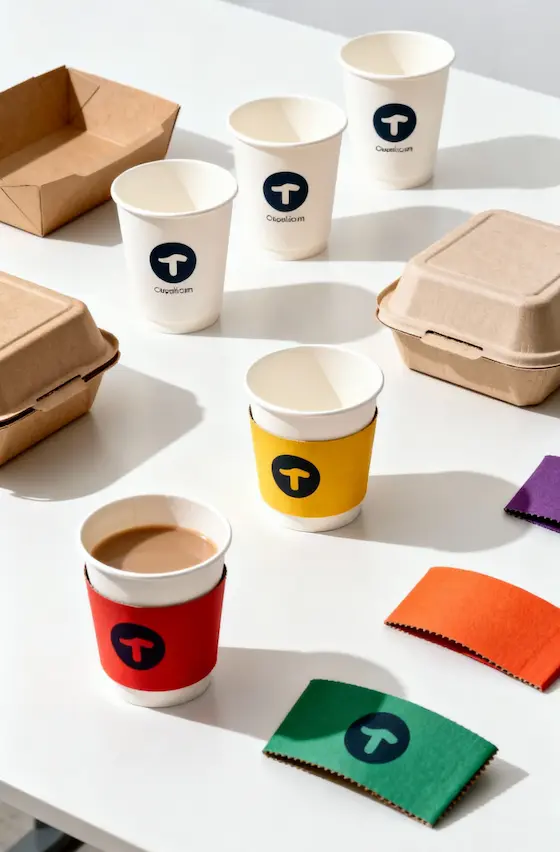
Готовы создать собственные фирменные бумажные стаканчики или упаковку?
Сообщите нам свои требования - размер, покрытие, печать и место назначения - и наша команда подготовит подробное коммерческое предложение в течение 24 часов.

Последнее обновление: Ноябрь 2025 г.
Время чтения: 10 минут
Автор: Papacko Content Team
Ваше кафе с гордостью перешло на “экологически чистое” покрытие PLA бумажные стаканчики полгода назад, только для того, чтобы обнаружить, что перерабатывающее предприятие вашего города их не принимает, служба компостирования требует отдельного сбора, а клиенты жалуются, что стаканчики размягчаются от горячих напитков через 15 минут. Между тем в кофейне напротив используются стаканчики с покрытием на водной основе, которые действительно перерабатываются, стоят на 20% дешевле, а клиенты никогда не жалуются на целостность структуры.
Выбор между бумажными стаканчиками с PLA-покрытием и покрытием на водной основе - это не просто “быть экологически чистым”, он требует понимания компромиссов в производительности, местной инфраструктуры отходов, фактической возможности переработки по сравнению с маркетинговыми заявлениями, последствий затрат и реалистичного поведения покупателей. От того, какое покрытие вы выберете, зависит, будут ли ваши стаканчики действительно отводить отходы от свалок или просто "озеленят" вашу компанию, создав новые проблемы.
В этом руководстве, Вы узнаете:
-Что на самом деле представляют собой PLA и покрытия на водной основе (простое объяснение химии)
-Сравнение характеристик: теплостойкость, влагонепроницаемость, долговечность
-Реальность вторичной переработки: требования к инфраструктуре и показатели приема
-Требования к компостируемости и наличие оборудования
-Анализ затрат: материалы, утилизация и общая стоимость владения
-Как выбрать в зависимости от местной системы управления отходами
-Распространенные заблуждения и маркетинговые ловушки
💡 Быстрый вынос: Бумажные стаканчики с PLA-покрытием пригодны для компостирования в коммерческих условиях (90-180 дней на промышленных предприятиях), но НЕ подлежат переработке и НЕ компостируются в домашних условиях.
Чашки с покрытием на водной основе потенциально пригодны для вторичной переработки (зависит от инфраструктуры), одинаково хорошо работают с холодными напитками, но при длительном использовании с горячими напитками выше 85°C испытывают трудности.
Разница в стоимости: PLA покрытие +15-25% против покрытия на водной основе.
Важнейший фактор принятия решения: наличие местной инфраструктуры для утилизации отходов.
PLA имеет смысл использовать ТОЛЬКО при наличии доступа к коммерческому компостированию; покрытие на водной основе лучше использовать на рынках с программами переработки бумаги.
Покрытие из полиэтилена (традиционного пластика) превосходит оба варианта по чисто эксплуатационным характеристикам, но не дает никаких преимуществ по окончании срока службы.
Бумажные стаканчики требуют влагозащиты, поскольку необработанный картон впитывает жидкость за считанные секунды. От типа покрытия зависят эксплуатационные характеристики, возможность вторичной переработки и срок службы.
PLA (Полимолочная кислота) = Биопластик, получаемый из растительного крахмала (обычно из кукурузы, сахарного тростника или маниоки)
Производственный процесс:
1.Извлечение крахмала из растений
2.Ферментируют крахмал в молочную кислоту
3.Полимеризация молочной кислоты в длинноцепочечную полимолочную кислоту
4.Наносится на картон в качестве покрытия плотностью 15-25 гсм (грамм на квадратный метр)
Ключевые свойства:
-На биооснове (не на нефтяной основе, как традиционный пластик)
-Коммерчески компостируется в течение 90-180 дней при температуре 55-60°C при надлежащей влажности и наличии микробов
-Не пригоден для домашнего компостирования (требует промышленных условий)
-НЕ подлежит переработке в стандартных потоках бумаги (загрязняет процесс восстановления волокна)
-Температурные ограничения: размягчается при 55-60°C, не подходит для горячих напитков при температуре выше 85°C в течение длительного времени
Распространенные маркетинговые утверждения против реальности:
-✅ Заявление: “Компостируемый” → Верно, но требует коммерческого производства
-❌ Заявление: “Биоразлагаемый” → Вводит в заблуждение (только в конкретных промышленных условиях, не в общей среде)
-❌ Заявление: “Подлежит переработке” → ЛОЖЬ (загрязняет бумагу при переработке)
-❌ Утверждение: “Лучше для окружающей среды” → Зависит (только если существует коммерческое компостирование)
Водорастворимое дисперсионное покрытие = Полимерные частицы, взвешенные в воде, нанесенные и высушенные на картон.
Состав:
-Акрил или стирол-акриловый сополимер (15-25% покрытия)
-Вода (70-80% при нанесении, испаряется при высыхании)
-Добавки для адгезии и гибкости (5-10%)
-Наносится как покрытие толщиной 12-20 гсм
Ключевые свойства:
-Уменьшенное содержание пластика (60-80% меньше, чем в полиэтиленовом покрытии)
-Потенциально пригодны для вторичной переработки (зависит от инфраструктуры и оборудования)
-НЕ компостируется (не разлагается в компостных установках)
-Устойчивость к температуре: Хорошо выдерживает температуру до 80-85°C для холодных/теплых напитков
-Хорошо подходит для холодных напитков, адекватно для теплых напитков, ограниченно для очень горячих напитков
Распространенные маркетинговые утверждения против реальности:
-✅ Утверждение: “Перерабатываемый” → ЧАСТИЧНО ИСТИННЫЙ (предприятия должны принимать, не универсальный)
-❌ Заявление: “Без пластика” → ЛОЖЬ (содержит акриловые полимеры, но меньше, чем традиционные)
-✅ Заявление: “Уменьшенный пластик” → ИСТИНА (60-80% меньше, чем у полиэтиленового покрытия)
-? Утверждение: “Экологически чистый” → Зависит (только при наличии инфраструктуры переработки)
PE (Полиэтилен) = Пластик на основе нефти, промышленный стандарт на протяжении десятилетий
Ключевые свойства:
-Отличный барьер от влаги для горячих и холодных напитков
-Термостойкость: выдерживает температуру 95 °C+ без размягчения
-Самый дешевый вариант
-НЕ подлежит переработке (пластиковое ламинирование препятствует восстановлению волокон)
-НЕ подходит для компостирования (пластик на основе нефти)
-Нулевые выгоды в конце срока службы (только свалка)
Почему все еще широко используется: Проверенная производительность, минимальные затраты, отсутствие зависимости от инфраструктуры
Реальная производительность определяет удовлетворенность клиентов и эксплуатационную надежность.
Холодные напитки (5–15 °C):
-Покрытие PLA: отличное (без проблем)
-На водной основе: отлично (без проблем)
-Покрытие PE: отличное (базовый стандарт)
Вердикт: Все покрытия одинаково хорошо подходят для холодных напитков, таких как холодный кофе, смузи, сок.
Теплые напитки (60-70 °C):
-Покрытие PLA: Хорошее (подходит для 20-30 минут)
-На водной основе: Хорошо (подходит для 20-30 минут)
-Покрытие PE: отличное (базовый стандарт)
Вердикт: PLA и на водной основе подходят для теплых напитков, с небольшим размягчением после 30+ минут.
Горячие напитки (80–95 °C):
-Покрытие PLA: ограниченное (размягчается через 10–15 минут, риск разрушения конструкции)
-На водной основе: адекватная (выдерживает 80 °C, с трудом выдерживает температуру выше 85 °C)
-Покрытие PE: превосходное (выдерживает температуру 95 °C+ в течение неограниченного времени)
Вердикт: Для традиционного горячего кофе (85-95 °C) ПЭ остается лучшим материалом. ПЛА и материалы на водной основе лучше подходят для слегка остывшего кофе или чашки с двойными стенками которые снижают температуру жидкости.
Метод испытания: Наполните чашку, подождите 60 минут, измерьте проникновение влаги в картон.
Покрытие PLA (15-25 г/м²):
-Холодные напитки: нулевое проникновение
-Горячие напитки: Минимальное проникновение (<5%), если температура находится в пределах нормы
-Проблема: при перегреве покрытие может отделиться от картона.
Водорастворимое покрытие (12-20 г/м²):
-Холодные напитки: нулевое проникновение
-Горячие напитки (80°C): <3% пенетрация
-Горячие напитки (90 °C): проникновение 5-10% (заметное размягчение)
-Преимущество: лучшая адгезия к картону (меньший риск отделения)
Покрытие из полиэтилена (18-22 г/м²):
-Холодные напитки: нулевое проникновение
-Горячие напитки: нулевая проникаемость при любой температуре подачи
-Базовые показатели отрасли: что клиенты ожидают от традиционных стаканов
30-минутный тест на удержание (имитирует типичное время потребления):
Влияние на реальный мир:
-PLA для горячего кофе: 5-8% жалоб покупателей на размягчение/протекание
-На водной основе для горячего кофе: 2-4% жалоб
-PE для горячего кофе: <1% жалоб (базовое ожидание)
Матрица сравнения характеристик покрытий ####
 Экологически чистые бумажные стаканчики с альтернативными покрытиями - зеленая упаковка Papacko” style=”border-radius: 8px; box-shadow: 0 2px 8px rgba(0,0,0,0.08);”/>
Маркетинговые заявления ничего не значат без совместимой с местной инфраструктурой отходов.
Требования к коммерческим компостным установкам:
-Температура: Постоянно поддерживаемая температура 55-60°C
-Влажность: 50-60% влажность
-Кислород: Регулярное переворачивание/аэрация
-Время: 90-180 дней
-Микроорганизмы: Специфические бактерии и грибки
Сертификаты:
-BPI (Институт биоразлагаемых продуктов) - Северная Америка
-EN 13432 - Европа
-AS 4736 - Австралия/Новая Зеландия
Проверка реальности:
-Коммерческие предприятия по компостированию в США: ~300 по всей стране (обслуживает ~15% населения)
-Предприятия, принимающие посуду для общественного питания: ~185 (62% от общего числа предприятий по компостированию)
-Предприятия, специально принимающие стаканчики из PLA: ~120 (40% от общего количества)
Результат: Если вы используете стаканчики из PLA без доступа к коммерческому компостированию, они функционально эквивалентны мусору, попавшему на свалку. Никаких экологических преимуществ по сравнению с полиэтиленовым покрытием.
Проблема поведения клиентов:
-Большинство покупателей не знают, что чашки PLA требуют особого обращения
-75-80% стаканчиков из PLA попадают в мусор, а не в контейнеры для компоста
-10-15% по ошибке выброшен в переработку (загрязняет бумажный поток)
-Только 5-10% достигают коммерческих предприятий по компостированию
Требования к предприятиям по переработке бумаги:
-Целлюлозная система для обработки смешанных покрытий
-Просеивание или флотация для удаления неволокнистых материалов
-Контроль качества для определения уровня остатков покрытия
-Рыночный спрос на переработанный картон с остатками мелования
Критерии приемки (зависит от учреждения):
-Покрытие должно отделяться от волокна во время варки
-Остаточное покрытие <2% от конечной массы целлюлозы
-Отсутствие загрязнения изделий из переработанной бумаги
Проверка реальности:
-Предприятия по переработке бумаги в США: 400+ по всей стране
-Предприятия, принимающие картон для пищевых продуктов: ~200 (50%)
-Предприятия, специально принимающие чашки с покрытием на водной основе: ~80-100 (20-25%)
Географическая доступность:
-Сильные: Западная Европа (Германия, Нидерланды, Скандинавия), Калифорния, Орегон, Вашингтон
-Умеренный: Северо-восток США, часть Канады
-Слабые: Юго-Восток США, Средний Запад, большинство развивающихся рынков
Важное ограничение: Даже в тех случаях, когда картон принимается, фактический уровень переработки картона для пищевой промышленности составляет всего 20-35% (против 65% для офисной бумаги).
Возможность вторичной переработки: Не подлежит переработке в бумажном потоке (пластиковая ламинация препятствует восстановлению волокон)
Компостируемость: Не компостируется (пластик на основе нефти не разлагается)
Конец жизни: Только полигон для захоронения отходов
Воздействие на окружающую среду:
-Вносит вклад в увеличение объема свалок
-Отсутствие возврата питательных веществ в почву (по сравнению с компостированием)
-Пластиковое покрытие сохраняется в течение десятилетий
-Но: Хорошо понятная утилизация, отсутствие зависимости от инфраструктуры, отсутствие путаницы
Почему до сих пор используется: Надежность работы, экономичность, отсутствие ложных экологических обещаний
Понимание общей стоимости, выходящей за рамки цены за единицу продукции, позволяет выявить истинное экономическое воздействие.
Сравнение стандартных чашек для горячего кофе объемом 12 фунтов:
Чашка с покрытием PLA: $0.10-0.14 за единицу (MOQ: 20,000-50,000)
-Премиум: +15-25% против водной основы, +35-50% против PE
-Обоснование: Материалы на биооснове, специализированное производство
-Перерывы в объемах: Ограниченно (узкая база поставщиков)
Чашка с покрытием на водной основе: $0.08-0.12 за единицу (MOQ: 20,000-50,000)
-Премиум: +12-20% против PE
-Обоснование: Более новая технология, меньшие объемы производства
-Объемные перерывы: Умеренные (растущая база поставщиков)
Чашка с полиэтиленовым покрытием: $0.07-0.09 за единицу (MOQ: 20,000-50,000)
-Базовое ценообразование (отраслевой стандарт на протяжении десятилетий)
-Самый большой объем производства = самая низкая стоимость
-Максимальный объем доступных перерывов
Чашки из PLA с возможностью коммерческого компостирования (если есть):
-Услуги по компостированию: $150-300/месяц для кафе (включает все компостные материалы)
-Частота сбора: Еженедельно
-Накладные расходы на образование: Вывески ($100 единоразово), обучение персонала (2 часа)
-Загрязнение клиента: 15-20% (снижает эффективность компостирования)
Чашки на водной основе с возможностью переработки (если будет принято):
-Услуга по переработке отходов: Обычно включена в стандартную услугу по утилизации отходов ($0 дополнительно)
-Периодичность сбора: Еженедельно (так же, как и бумага/картон)
-Накладные расходы на образование: Минимальные (клиенты понимают, что такое переработка)
-Участие клиентов: 40-50% (выше, чем компостирование)
Любой кубок без совместимой инфраструктуры:
-Мусорные услуги: Стандартные коммерческие отходы (базовый уровень $100-200/месяц)
-Нет экологических преимуществ
-Нет необходимости в обучении клиентов (но есть риск восприятия бренда в случае экологических заявлений)
Чашки PLA премиум-класса:
-Обеспечивает маркетинговое утверждение “компостируемая упаковка” (при наличии инфраструктуры)
-Привлекает покупателей, заботящихся об экологии (готовность платить премию 5-10%)
-Дифференциация от конкурентов с помощью PE
-Риск: Если компост не будет доступен, то это будет "зеленая" реакция
Чашки на водной основе Прозрачность Позиционирование:
-“Перерабатывается там, где это принято” (честно, менее впечатляюще, чем компостируемый)
-“Уменьшенное содержание пластика” (фактическая информация, менее эмоциональный призыв)
-Снижение риска для бренда (никаких ложных обещаний)
Чашки из полиэтилена Традиционное позиционирование:
-Никаких экологических претензий (честно)
-Ориентация на качество, надежность, стоимость
-Отсутствие риска экологической катастрофы
Оценочная стоимость маркетинга:
-PLA: $0,05-0,10 за чашку в пересчете на стоимость бренда (рынки, заботящиеся об экологии)
-На водной основе: $0,02-0,05 на чашку
-PE: $0 (но и риск $0)
##### Анализ общей стоимости владения (1000 чашек)
Ключевые моменты: Покрытие на водной основе обеспечивает наилучшую общую экономичность, если существует инфраструктура переработки. PLA конкурентоспособна только в том случае, если премия за бренд компенсирует более высокие затраты на материалы и отказ.
Система принятия решений, основанная на инфраструктуре отходов, клиентской базе и операционных приоритетах.
Шаг 1: Оценка местной инфраструктуры отходов
Вопрос: Есть ли в вашем городе коммерческий компост, принимающий посуду для общественного питания?
-ДА → Покрытие PLA является приемлемым вариантом, перейдите к шагу 2
-НЕТ → Пропустите PLA, перейдите к шагу 2, используя полиэтилен на водной основе.
Вопрос: Принимают ли ваши предприятия по переработке стаканчики с покрытием на водной основе?
-ДА → Покрытие на водной основе жизнеспособно, перейдите к шагу 2
-НЕТ → Только покрытие из полиэтилена имеет практический смысл
-UNKNOWN → Свяжитесь с перевозчиком отходов, запросите подтверждение приема
Шаг 2: Оцените клиентскую базу и позиционирование бренда
Вопрос: Достаточно ли клиенты ценят заявления об устойчивом развитии, чтобы платить премию 5-10%?
-ДА → Если существует инфраструктура, инвестируйте в PLA или водные материалы
-НЕТ → Придерживайтесь полиэтилена для чистого исполнения/ценности
Вопрос: Готовы ли покупатели мириться с небольшими компромиссами в производительности (смягчение для горячих напитков)?
-ДА → Допустимо использование ПЛА или водной основы
-НЕТ → Покрытие из полиэтилена, необходимое для удовлетворения потребностей клиентов
Шаг 3: Рассчитайте общую стоимость владения
Используйте формулу TCO:
“`
TCO = (стоимость чашки + стоимость утилизации + стоимость обучения + стоимость отказа) - стоимость бренда
Если ТСО PLA < ТСО PE и существует компостирование → Выберите PLA Если ТСО на водной основе < ТСО на полиэтиленовой основе и существует переработка → Выберите ТСО на водной основе Иначе → Выберите PE ```
## Распространенные заблуждения и маркетинговые ловушки
Избегайте этих частых недоразумений, которые приводят к неверным решениям.
❌ Заблуждение #1: “PLA является биоразлагаемым, поэтому он лучше для окружающей среды”
Реальность: PLA разлагается только в промышленных установках для компостирования при температуре 55-60°C с помощью специальных микробов. На свалках или в естественной среде PLA сохраняется так же, как и традиционный пластик (от десятилетий до столетий). Без доступа к промышленному компостированию PLA обладает нулевым экологическим преимуществом по сравнению с PE.
Правильное понимание: PLA является условно компостируемым (зависит от инфраструктуры), но не универсально биоразлагаемым.
❌ Заблуждение #2: “Покрытие на водной основе означает отсутствие пластика”
Реальность: Покрытия на водной основе содержат акриловые или стирол-акриловые полимеры - все еще пластик, просто его меньше (уменьшение на 60-80% по сравнению с PE). “На водной основе” относится к методу нанесения (полимер суспендируется в воде во время нанесения покрытия), а не к конечному составу.
Правильное понимание: На водной основе = уменьшенное количество пластика, но не без пластика. По-прежнему выполняет влагозащитную функцию благодаря полимерному покрытию.
❌ Заблуждение #3: “Все пункты приема вторсырья принимают стаканчики на переработку”
Реальность: “Перерабатываемый” означает теоретически возможный вариант переработки, а не общепринятый. Только 20-25% пунктов переработки в США принимают стаканчики с покрытием на водной основе. Прежде чем делать заявления о возможности вторичной переработки, всегда проверяйте возможность приема на местах.
Правильное понимание: Возможность вторичной переработки зависит от инфраструктуры. Убедитесь в том, что местное предприятие принимает материал, прежде чем продавать его как пригодный для вторичной переработки.
❌ Заблуждение #4: “Компостируемые стаканчики можно использовать в домашнем компосте”
Реальность: Чашки из PLA требуют коммерческих условий компостирования (55-60°C, специальные микробы, 90-180 дней). Домашние компостные кучи обычно достигают лишь 40-45°C и не содержат необходимых микроорганизмов. Чашки PLA не будут разлагаться в домашнем компосте.
Правильное понимание: Коммерческое компостирование ≠ домашнее компостирование. PLA требует промышленных объектов.
❌ Заблуждение #5: “Экологически чистое покрытие работает так же хорошо, как и традиционный пластик”
Реальность: Покрытие из полиэтилена превосходит покрытие из PLA и на водной основе для горячих напитков при температуре выше 85°C. PLA и водная основа подходят для холодных/теплых напитков, но для очень горячих напитков имеют недостаточные характеристики. Выбирайте в зависимости от фактической температуры подачи.
Правильное понимание: Существуют компромиссы между эксплуатационными характеристиками. Подберите покрытие в соответствии с областью применения (холодные напитки = любое покрытие подходит; горячие напитки = полиэтилен лучше).
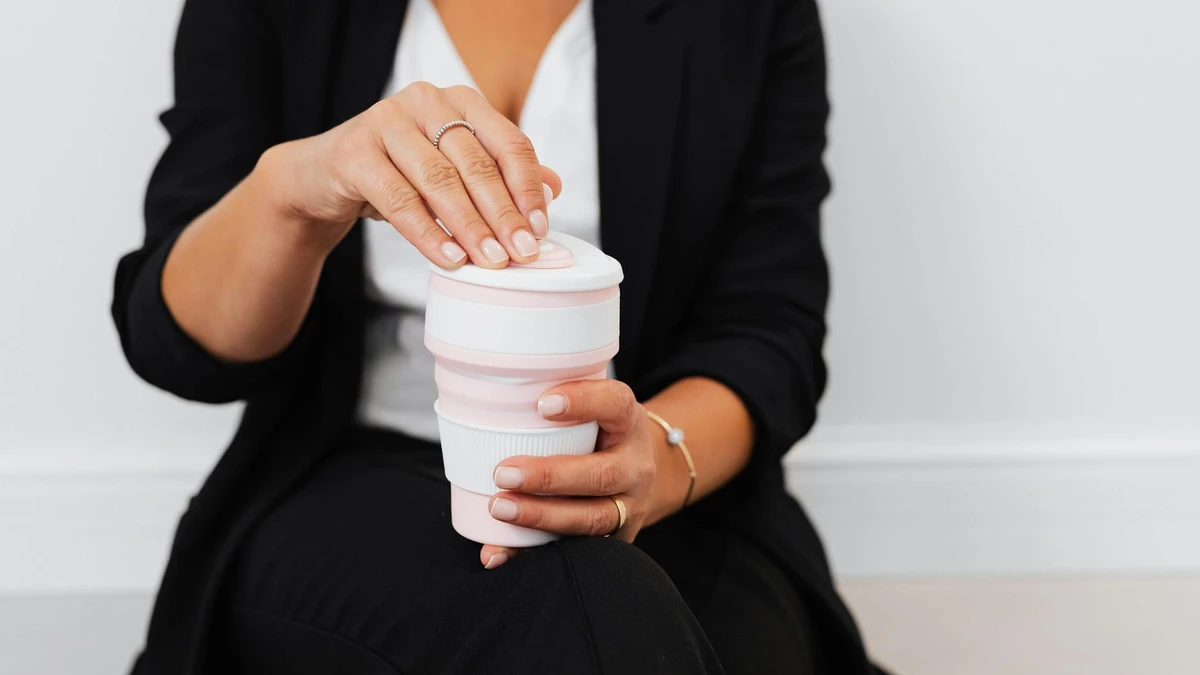
Бумажные стаканчики с покрытием PLA используют полимолочную кислоту (биопластик, получаемый из крахмала растений, таких как кукуруза или сахарный тростник) в качестве влагозащитного покрытия картона плотностью 15-25 гсм. Они пригодны для коммерческого компостирования в течение 90-180 дней на промышленных предприятиях (55-60°C с определенными микробами), но не подлежат вторичной переработке в бумажных потоках и не компостируются в домашних условиях. Лучше всего подходит для холодных и теплых напитков при температуре до 60°C; размягчается при нагревании до 85°C через 10-15 минут.
Стаканчики из PLA лучше для окружающей среды ТОЛЬКО в том случае, если существует коммерческая инфраструктура компостирования и стаканчики действительно попадают на предприятия по компостированию. Без доступа к компосту они не приносят никакой пользы окружающей среде по сравнению с традиционными полиэтиленовыми стаканчиками и превращаются в отходы на свалке. Реальность: Только 5-10% стаканчиков из PLA доходят до коммерческого компостирования; 75-80% отправляются на свалку. Они становятся лучше только тогда, когда инфраструктура и поведение потребителей совпадают.
Чашки для покрытий на водной основе потенциально могут быть переработаны, но их прием зависит от предприятия. Только 20-25% пунктов приема вторсырья в США принимают их. Лучше всего они работают там, где программы по переработке бумаги однозначно принимают картон для пищевых продуктов с покрытием на водной основе. Всегда уточняйте информацию у местного перевозчика отходов, прежде чем делать заявления о возможности переработки. Фактический уровень переработки: 20-35% даже там, где их принимают (против 65% для офисной бумаги).
Покрытие из полиэтилена превосходно выдерживает горячий кофе (85-95°C), сохраняя структурную целостность на неопределенный срок. Покрытие на водной основе подходит для напитков до 80-85°C в течение 20-30 минут (2-4% жалоб). Покрытие из PLA не выдерживает температуры выше 60°C, размягчаясь через 10-15 минут (количество жалоб 5-8%). Для традиционной подачи горячего кофе полиэтилен превосходит альтернативы. Для слегка охлажденного кофе или чашек с двойными стенками приемлемо покрытие на водной основе.
Чашки с покрытием из PLA стоят на 15-25% дороже, чем с покрытием на водной основе, и на 35-50% дороже, чем с покрытием из PE. Ценовые диапазоны: PLA ($0.10-0.14/шт.), водная основа ($0.08-0.12/шт.), PE ($0.07-0.09/шт.) для стандартных стаканчиков объемом 12 унций при типичном оптовом MOQ. Общая стоимость владения (включая утилизацию, обучение и количество отказов) сокращает этот разрыв, но PLA остается самым дорогим вариантом в большинстве сценариев.
Нет. Чашки из PLA требуют коммерческих условий компостирования: температура 55-60°C, специфические микроорганизмы, надлежащая влажность и аэрация, а также 90-180 дней. В домашних компостных кучах температура обычно достигает лишь 40-45°C, и в них отсутствуют необходимые бактерии/грибы. Стаканчики из PLA не разлагаются в домашнем компосте и могут загрязнить кучу. Для того чтобы чашки из PLA могли реализовать свой потенциал компостирования, необходим доступ к коммерческим компостным установкам.
Выбирайте, основываясь на местной инфраструктуре отходов: (1) Если существует коммерческий компост и он принимает посуду для общественного питания → PLA жизнеспособен, (2) Если переработка бумаги принимает стаканы с покрытием на водной основе → водостойкий вариант, (3) Если ни одна из инфраструктур не существует → полиэтиленовое покрытие наиболее практично. Затем учитывайте: температуру напитка (холодный/теплый = любое покрытие; горячий = лучше полиэтилен), ожидания клиентов (экологически сознательные = инвестировать в альтернативу; чувствительные к цене = полиэтилен) и общую стоимость владения (рассчитайте с учетом утилизации и частоты отказов).
Выбор между бумажными стаканчиками с покрытием из PLA и покрытием на водной основе заключается не в том, что “лучше”, а в соответствии технологии покрытия местной инфраструктуре отходов, температуре подачи, ожиданиям клиентов и требованиям к общей стоимости. Обе альтернативы имеют экологические преимущества перед традиционным полиэтиленовым покрытием, но только при наличии совместимых систем для их переработки в конце срока службы.
Основные выводы:
1.Бумажные стаканчики с покрытием PLA обеспечивают экологические преимущества ТОЛЬКО при наличии доступа к коммерческому компостированию - без инфраструктуры они функционально эквивалентны стаканчикам из полиэтилена, отправляемым на свалку.
2.Чашки с покрытием на водной основе обладают лучшими характеристиками при приготовлении горячих напитков, чем PLA (они выдерживают температуру до 80-85°C), и могут быть переработаны, если их принимают бумажные предприятия.
3.Общая стоимость владения (материал + утилизация + обучение + неудачи - стоимость бренда) часто говорит в пользу покрытия на водной основе для достижения наилучшей экономичности
4.Покрытие из полиэтилена по-прежнему превосходит обе альтернативы при приготовлении горячих напитков при температуре выше 85°C - при использовании экологически чистых вариантов есть компромисс между производительностью и качеством
5.Наличие инфраструктуры (коммерческое компостирование для PLA, специализированная переработка для водной основы) определяет, какое покрытие обеспечивает реальное воздействие на окружающую среду, а какое - "зеленую" рекламу
Для кафе и предприятий общественного питания честная оценка местных систем утилизации отходов в сочетании с прозрачным информированием клиентов об ограничениях, связанных с покрытием, вызывает больше доверия, чем непроверенные заявления об “экологичности”. Выбирайте покрытие, которое соответствует фактическому наличию инфраструктуры, обеспечивает реальные экологические преимущества и устанавливает реалистичные ожидания клиентов в отношении эффективности и утилизации.
Узнайте больше о решениях для упаковки пищевых продуктов:
-Бумажные стаканчики и упаковка для кофе
-Руководство по выбору стаканчиков из экобумаги
-Контейнеры для упаковки пищевых продуктов
Компания Papacko поставляет бумажные стаканчики с покрытием PLA, покрытием на водной основе и традиционным покрытием PE для кафе и предприятий общественного питания по всему миру. Мы предоставляем честные рекомендации по выбору покрытия в зависимости от инфраструктуры отходов, требований к производительности и целей устойчивого развития.
Cup-coating comparisons are most useful when they are tied to cold-drink applications, sustainability claims, and the accessory choices that affect the full beverage packaging system.
Свяжитесь с нами:
Последнее обновление: Ноябрь 2025 г.
Команда по контенту: Папацко
Рецензировано: Факультет материаловедения и устойчивого развития