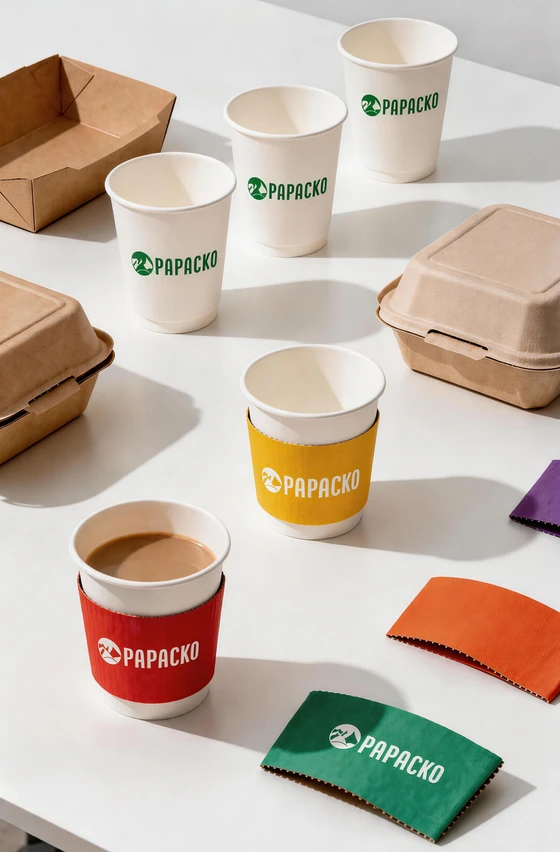
هل أنت مستعد لإنشاء أكواب ورقية أو عبوات ورقية تحمل علامتك التجارية الخاصة بك؟
أخبرنا بمتطلباتك - الحجم والطلاء والطباعة والوجهة - وسيقوم فريقنا بإعداد عرض أسعار مفصل في غضون 24 ساعة.

Meal prep containers are not just takeaway boxes with a cleaner name. For restaurants, ghost kitchens, caterers, and subscription meal brands, they are operational packaging: the container has to protect portion control, seal integrity, food-contact safety, reheating performance, delivery presentation, and stock planning at the same time.
A cheap container can look acceptable in a sample photo and still fail in real service. It may soften after hot fill, leak under courier bag compression, lose lid fit after freezing, or create compliance questions when custom print, coating, and food-contact paperwork are checked together. The right specification starts with the food and the service model, not with the lowest unit price.
Meal prep containers hold portioned meals through preparation, cold storage, delivery, reheating, and sometimes direct service. That makes them different from simple deli boxes or casual takeaway packaging. A container for a chilled salad only needs clarity, seal fit, and condensation control. A container for curry, rice, and protein may need microwave resistance, grease barrier performance, strong corners, and a lid that does not pop during transport.
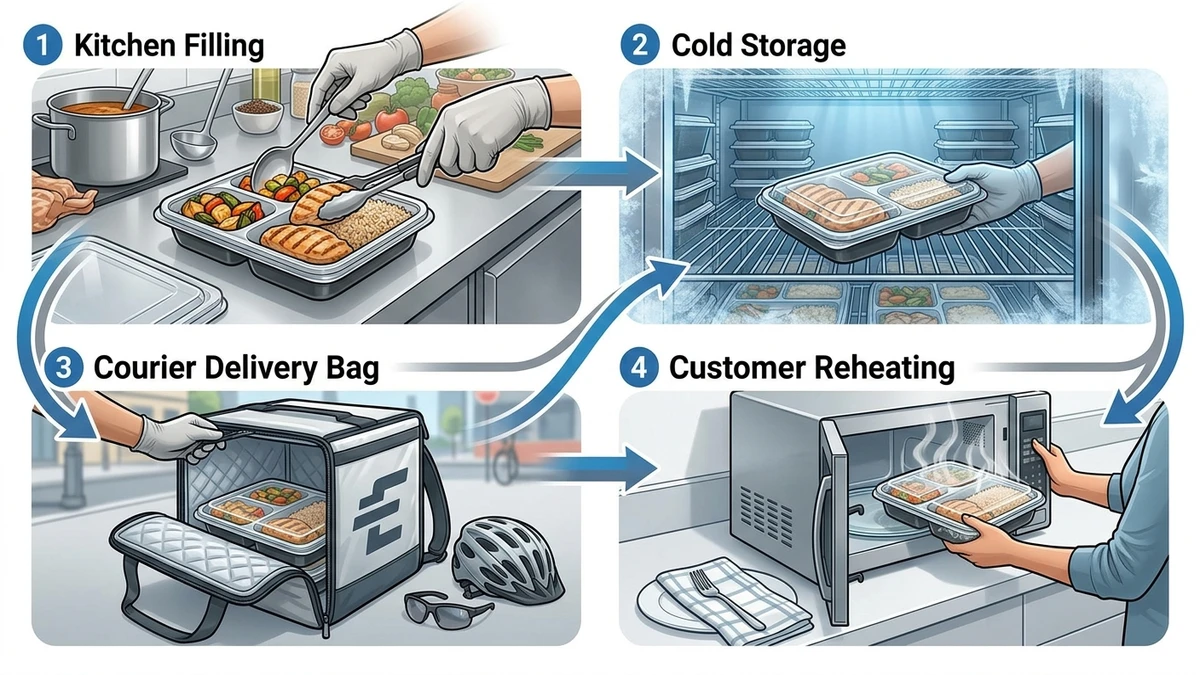
The buying decision should start with four questions:
Once those answers are clear, the supplier discussion becomes practical: material, lid fit, MOQ, lead time, case pack, sample testing, and compliance documents.
Restaurants often compare container formats only by capacity, but format affects delivery performance and repeat ordering. The best starting point is the broader حاويات تغليف المواد الغذائية range, then narrowing the choice by menu behavior.
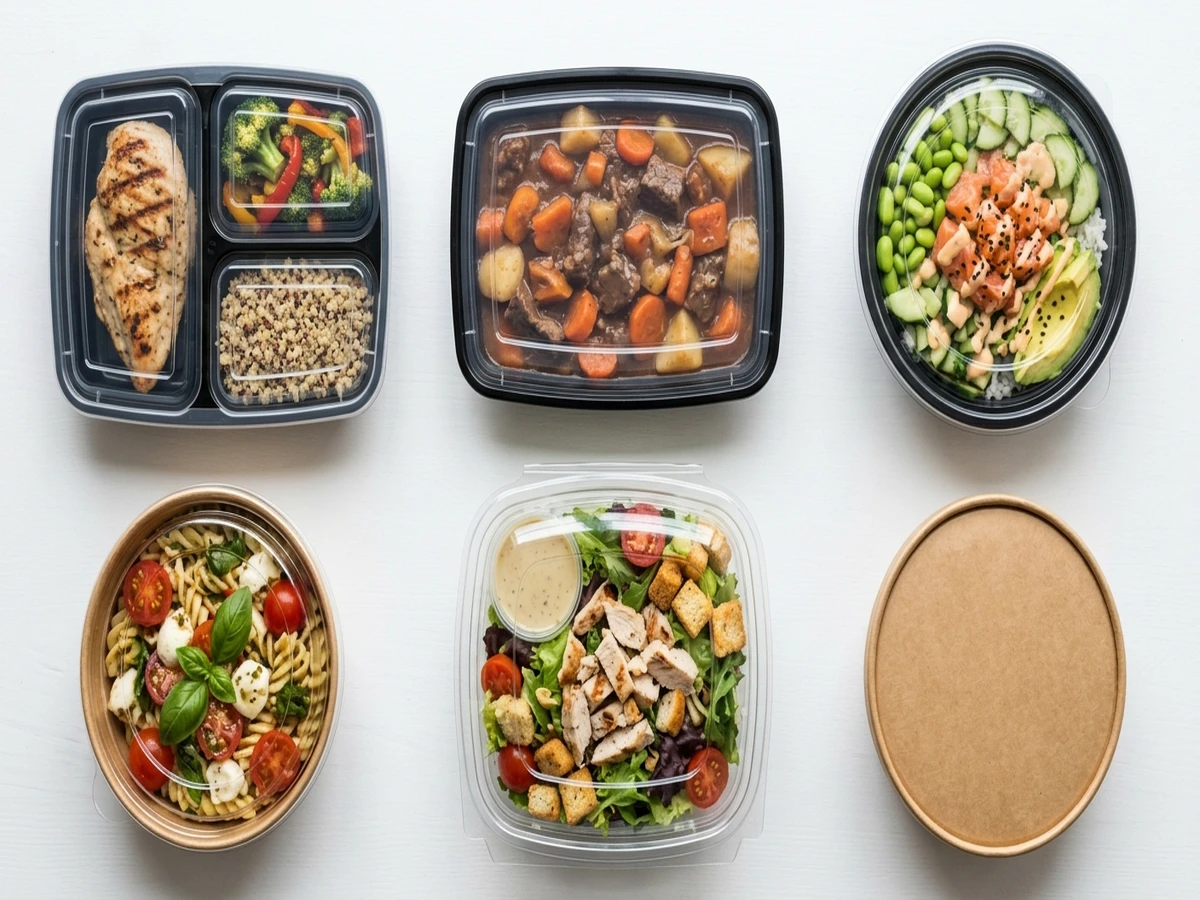
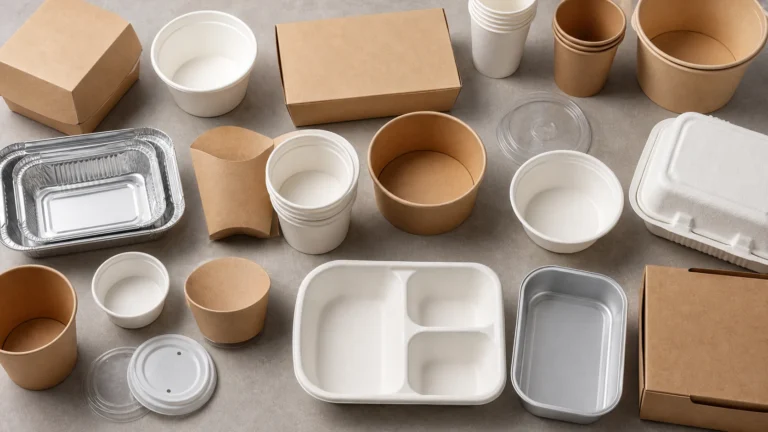
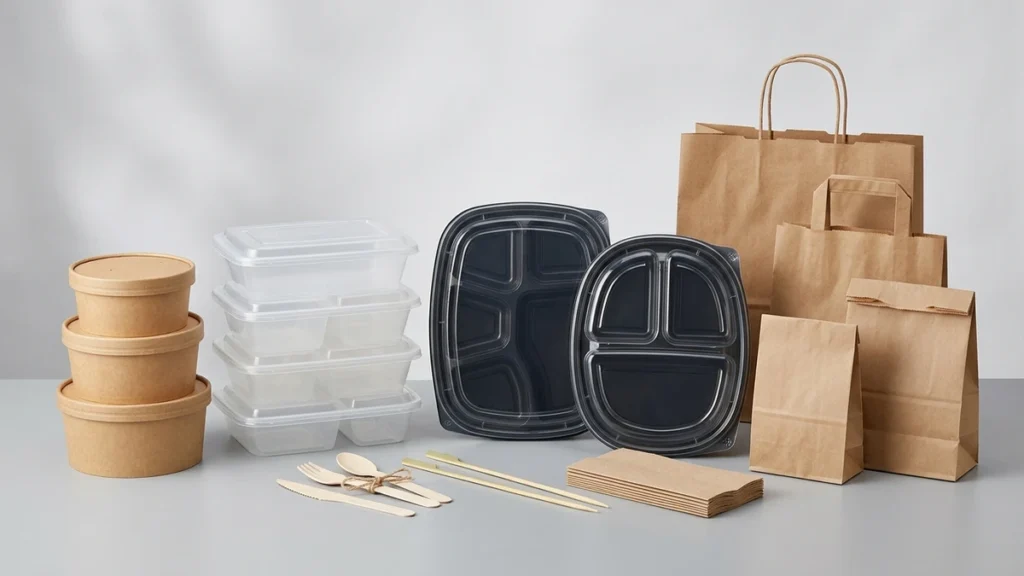
Single-compartment rectangular containers work for rice bowls, pasta, curries, roasted proteins, and meal prep plans where the whole meal can share one space. They stack efficiently and move well through prep lines. Multi-compartment trays suit diet meals, school meals, and menus where sauces, grains, and proteins must stay separated. Round bowls work for soups, salads, noodles, grain bowls, and sauced dishes that benefit from even mixing and a deeper profile.
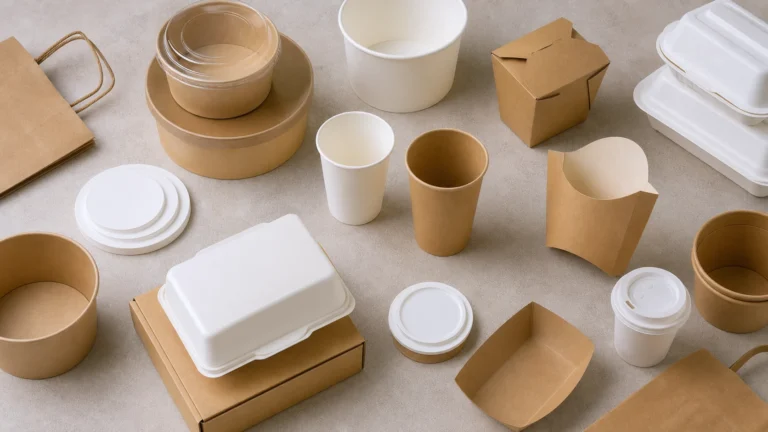
Paper and plastic both have roles. Paperboard bowls and trays create a warmer, more natural presentation and are useful when the brand wants a fibre-based look. PP plastic containers are common where reheating and lid rigidity matter. PET or clear lids help chilled display. The point is not to force one material across every SKU; the point is to build a packaging set that matches the real menu.
For broader foodservice programs, عبوات الطعام التي تستخدم لمرة واحدة should be planned as a system: containers, lids, bags, cups, sleeves, labels, and secondary packaging. A restaurant that treats each item as a separate purchase often ends up with mismatched lids, inconsistent branding, and more slow-moving inventory.
The food-contact layer is where many failures begin. It controls grease resistance, moisture barrier, heat behavior, and what documentation the buyer should request before placing a bulk order.
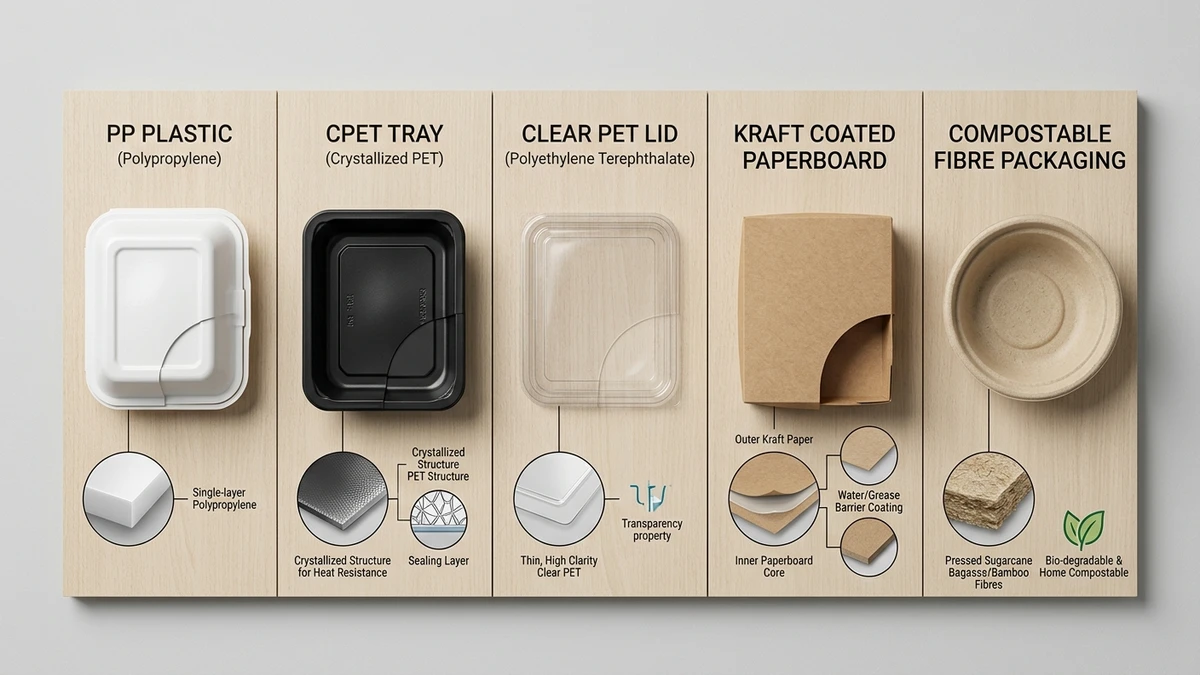
PP is widely used for microwave-rated meal prep containers because it handles normal hot food and reheating better than many clear plastics. CPET is used when oven reheating is required. PET is clear and useful for cold salads and display items, but it is not a hot-fill or oven material. Coated paperboard depends on the coating: PE, PLA, water-based barrier, or another food-contact layer.
For paperboard containers, the base paper is only part of the specification. A hot, oily noodle dish tests the coating more than the fibre. Aqueous coatings may be useful for some recyclable paper-based formats, but they still need real fill-temperature testing. PLA-coated paper or PLA containers can support compostability programs only when the local waste stream can process them correctly.
Buyers should request a Declaration of Compliance or equivalent food-contact documentation that covers the full finished article: base material, coating, inks, adhesives, and lid components. The FDA explains the food-contact substance framework on its official food contact substances page, which is a useful reference when discussing US-market packaging requirements.
For sustainability-led programs, عبوات الأغذية القابلة للتحلل should be specified carefully. A compostable claim is only defensible when the product, certification, and end-of-life route match the market where the packaging is used.
Lid failure is one of the most expensive packaging problems because it turns a low-cost component into refunds, remakes, bad reviews, and courier disputes. A lid that feels secure on an empty sample can still fail when the container is filled with hot food, stacked in a bag, and tilted for 20 minutes.
Snap-fit lids suit many standard PP containers and bowls. Channel-and-rib designs generally perform better than flat press-fit edges for sauced or liquid-bearing meals. Vented lids help hot meals release steam without building pressure under the lid. Domed lids protect salads and toppings. Heat-seal film is stronger for leak control and tamper evidence, but it requires sealing equipment and is not recloseable after opening.
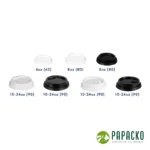
Matched sourcing matters. Lids and bases from different suppliers may share a nominal diameter but still differ in rim profile. That small tolerance difference can create inconsistent closure at production speed. For buyers already using drinks, bowls, and lids together, Papacko’s أغطية أكواب القهوة category is a reminder that closure geometry is a product specification, not an accessory afterthought.
Before approving a meal prep container, test it with the real food, at real fill temperature, in the actual delivery bag. A simple tilt, shake, stack, and reheating test catches more practical risk than comparing catalogue photos.
Meal prep container buying becomes more complex once the weekly volume grows. A small restaurant may need distributor stock with flexible MOQ. A multi-location takeaway brand may need factory production, custom print, scheduled releases, and a safety stock plan.
The practical planning unit is weeks of cover. If a kitchen uses 700 containers per week and the supplier lead time is three weeks, a two-week reorder trigger is too late. For imported or custom printed packaging, add artwork approval, pre-production sample time, production time, freight, customs, and final delivery. Custom printing often adds several weeks even when the base container is a standard shape.
MOQ should be judged against real consumption, not only unit price. A lower unit price on 50,000 pieces is not a saving if the container size changes, the menu changes, or storage space becomes a constraint. Most operators should divide packaging into high-velocity core SKUs and lower-velocity seasonal SKUs. Core SKUs justify bulk buying; seasonal SKUs need smaller runs or standard stock.
Custom print also needs material compatibility. Ink adhesion on PP, paperboard, and coated surfaces is not identical. If the meal prep range will be delivered inside branded أكياس ورقية, the container print may not need to carry every brand element. In many cases, a clean container plus a branded bag or label system is more flexible than over-customizing every SKU.
A good supplier brief reduces back-and-forth and prevents wrong samples. Include food type, fill temperature, target portion weight, delivery window, reheating method, lid preference, weekly volume, target MOQ, print requirement, and destination market. If the product must support sustainability claims, state the exact claim you want to make, not just “eco friendly.”
Papacko can use that brief to narrow format, material, lid, coating, and print options before bulk commitment. The goal is not only to find a container that looks right; it is to confirm that the packaging works through ordering, production, shipping, storage, filling, delivery, and customer use.
Meal prep containers are food-contact packaging units designed for portioned meals that may move through preparation, storage, delivery, reheating, and service. Commercial buyers should evaluate material, lid fit, temperature range, stacking strength, and documentation.
PP is often the practical default for microwave-rated meals, CPET is used for ovenable ready meals, PET works for cold display, and coated paperboard is useful when a fibre-based presentation is required. The best choice depends on the food and reheating method.
Use matched lids and bases from the same supplier, choose channel-and-rib or tab-lock closure for sauced dishes, avoid overfilling, and test the filled container inside the actual delivery bag before approving the SKU.
MOQ depends on material, print method, tooling, and supplier stock. Standard blank stock can often be ordered in smaller distributor quantities, while factory custom print usually requires a higher MOQ and a longer lead time.
Not always. Compostable packaging only delivers its intended benefit when the material is certified for the claim being made and the local waste stream can process it. For hot food, reheating, and liquid-heavy meals, performance testing still comes first.
Ask for food-contact documentation covering the finished container and lid, not only the base material. For printed packaging, confirm that inks, coatings, adhesives, and any liner or barrier layer are included in the compliance statement.
For restaurants and takeaway brands comparing formats, Papacko can help match meal prep containers with lids, bags, print options, and complementary packaging accessories before a bulk order is placed.