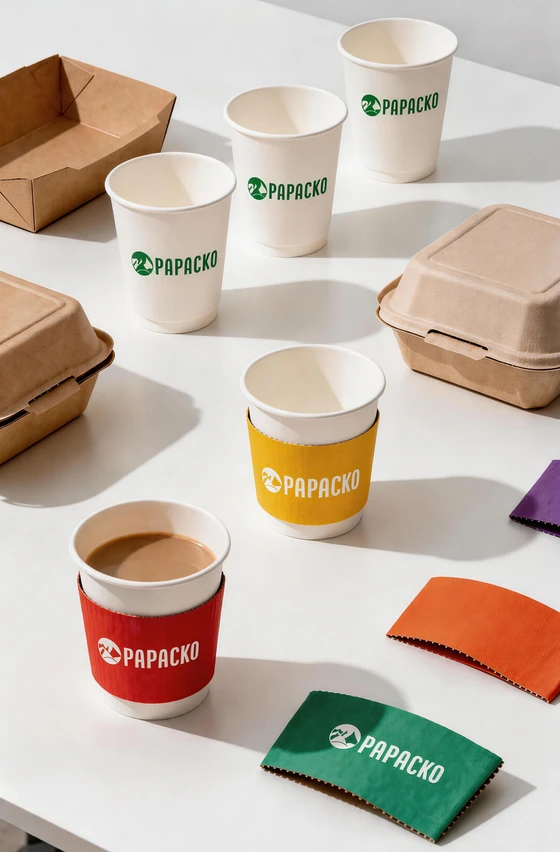
هل أنت مستعد لإنشاء أكواب ورقية أو عبوات ورقية تحمل علامتك التجارية الخاصة بك؟
أخبرنا بمتطلباتك - الحجم والطلاء والطباعة والوجهة - وسيقوم فريقنا بإعداد عرض أسعار مفصل في غضون 24 ساعة.

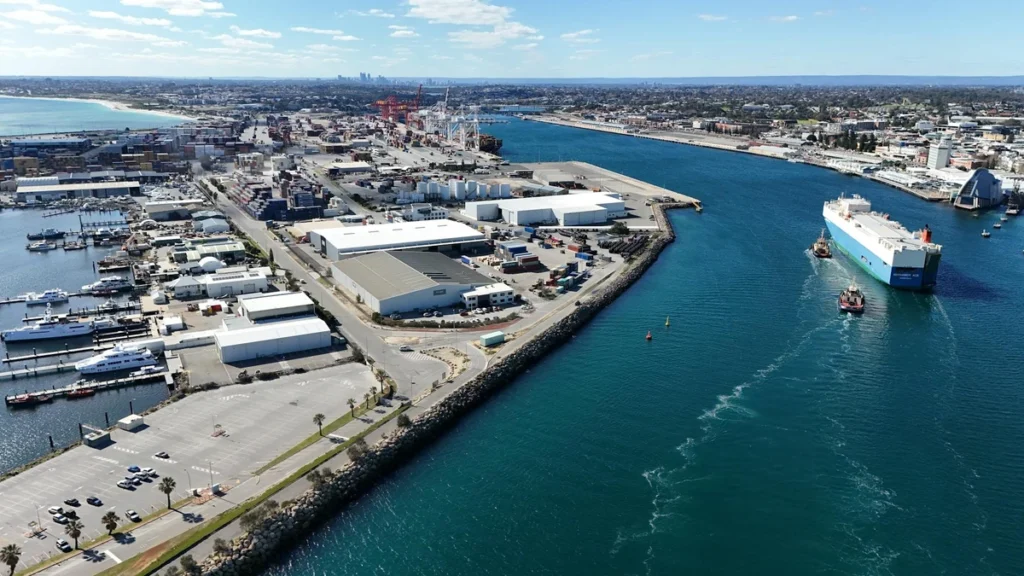
بلغ حجم سوق استيراد مواد تغليف الأغذية في أستراليا 4.2 مليار دولار أسترالي في عام 2025، مع نمو الطلب بنسبة 8.31٪ سنويًا في ظل توسع قطاعي خدمات الأغذية والتجزئة في البلاد. ومع ذلك، فإن التعامل مع قوانين الأمن الحيوي الصارمة في أستراليا، ولوائح APVMA، ومتطلبات هيئة معايير الأغذية في أستراليا ونيوزيلندا (FSANZ) يمكن أن يشكل تحديًا حتى للمصدرين ذوي الخبرة.
يتطلب التصدير الناجح لمواد تغليف الأغذية إلى أستراليا فهم أربعة مجالات أساسية للامتثال: شهادات سلامة المواد، وتصاريح الأمن البيولوجي، ومعايير وضع العلامات، ووثائق الاستيراد. يواجه العديد من المصدرين تأخيرات مكلفة — بمتوسط 14-21 يومًا — بسبب شهادات المطابقة غير المكتملة أو مواد التغليف غير المطابقة للمواصفات، مما يؤدي إلى إجراء عمليات تفتيش من قبل قوات الحدود الأسترالية (ABF).
يغطي هذا الدليل الشامل كل شيء بدءًا من موافقات هيئة سلامة الأغذية والأدوية الأسترالية (FSANZ) على المواد الملامسة للأغذية وصولاً إلى لوجستيات الشحن، مما يساعد المصنعين والموزعين على التعامل مع بيئة الاستيراد المعقدة في أستراليا. وسواء كنت تشحن “>حاويات طعام“ يمكن التخلص منها، أو ">أكواب ورقية"، أو عبوات قابلة للتحلل البيولوجي، فستتعرف على الشهادات والوثائق واستراتيجيات الشحن المطلوبة بالضبط لضمان تخليص جمركي سلس.
النقاط الرئيسية التي تم تناولها:-الإطار التنظيمي الأسترالي (متطلبات FSANZ وAPVMA وABF)
-الشهادات الأساسية واختبارات الامتثال
-وثائق الاستيراد والإجراءات الجمركية
-استراتيجيات لوجستيات الشحن وتوكيل الشحن
💡 خلاصة سريعة: تتطلب الصادرات الأسترالية الناجحة في مجال تغليف المواد الغذائية استخدام مواد متوافقة مع معايير FSANZ، وإقرارات أمن بيولوجي سليمة، وشهادات مطابقة مفصلة، وشركاء شحن ذوي خبرة على دراية بإجراءات ABF — وتستغرق عملية التخليص الجمركي عادةً من 7 إلى 10 أيام في حالة اكتمال الوثائق.
يعني تصدير مواد تغليف الأغذية إلى أستراليا توريد مواد ملامسة للأغذية تستوفي متطلبات المعيار 1.4.3 الصادر عن هيئة السلامة الغذائية الأسترالية (FSANZ)، وتجتاز فحوصات الأمن البيولوجي، وتلتزم بمعايير التغليف المنصوص عليها في قانون المستهلك الأسترالي. وتشمل هذه العملية الامتثال للوائح التنظيمية، وإجراء الاختبارات من قبل جهات خارجية، وإعداد الوثائق الجمركية، والتنسيق اللوجستي.
تطبق أستراليا بعضًا من أكثر إجراءات الأمن الحيوي صرامةً في العالم لحماية نظمها البيئية الفريدة وصناعاتها الزراعية. وتقوم وزارة الزراعة ومصايد الأسماك والغابات (DAFF) بفحص جميع مواد التغليف المستوردة للتأكد من خلوها من مخاطر التلوث، بما في ذلك:
-المنصات الخشبية ومواد التثبيت: يجب أن تستوفي معايير المعالجة الحرارية وفقًا للمعيار الدولي للصحة النباتية رقم 15 (ISPM-15)
-عبوات مصنوعة من السليلوز: يشترط تقديم شهادات الصحة النباتية للمواد النباتية
-مواد مستعملة أو معاد تدويرها: يخضع لفحص مكثف للأمن البيولوجي
-عبوات تحتوي على تربة/بقايا عضوية: مرفوضة أو معقمة على نفقة المستورد
وبالإضافة إلى الأمن الحيوي، تنظم هيئة السلامة الغذائية الأسترالية (FSANZ) جميع المواد الملامسة للأغذية من خلال المعيار 1.4.3، الذي يحدد حدود انتقال المواد التي قد تنتقل من العبوة إلى الغذاء. ويجب على المصدرين تقديم بيانات اختبارات الانتقال التي تثبت الامتثال للحدود الأسترالية المحددة للملدنات والمعادن الثقيلة وأحبار الطباعة والمواد اللاصقة.
يوفر السوق الأسترالي فرصًا كبيرة للمصدرين الذين يتقنون هذه المتطلبات. ومن بين العوامل الرئيسية المحركة للسوق ما يلي:
-نمو قطاع خدمات الأغذية: أكثر من 47,000 مقهى ومطعم تدفع الطلب على المنتجات التي تستخدم لمرة واحدة
-تفضيلات الاستدامة: 73% من المستهلكين الأستراليين يفضلون العبوات القابلة للتحلل
-شعبية المطبخ الآسيوي: تزايد الطلب على العبوات المتخصصة (علب المعكرونة، صواني السوشي)
-اللوجستيات في المناطق النائية: تتيح سلاسل التوريد الطويلة فرصًا لتصنيع عبوات خفيفة الوزن ومتينة
🎯 رؤى الصناعة: دفع المستوردون الأستراليون في عام 2025 علاوة بلغت في المتوسط 181 تي بي 3 تي على العبوات القابلة للتحلل الحيوي المعتمدة من هيئة سلامة الأغذية والأدوية الأسترالية (FSANZ)، حيث حققت المواد القابلة للتحويل إلى سماد أعلى هوامش ربح بسبب محدودية الطاقة الإنتاجية المحلية.
تنظم هيئة معايير الأغذية في أستراليا ونيوزيلندا (FSANZ) جميع المواد المخصصة للتلامس مع الأغذية من خلال المعيار 1.4.3. ويحدد هذا المعيار ما يلي:
القوائم الإيجابية: لا يجوز استخدام سوى المواد المعتمدة في المواد التي تتلامس مع الأغذية. وعلى عكس القائمة الإيجابية الشاملة للاتحاد الأوروبي، تعتمد أستراليا على:-الجدول 5 من FSANZ: المواد البلاستيكية والمواد المضافة المسموح بها
-المعايير المرجعية الدولية: إدارة الغذاء والدواء الأمريكية (FDA)، ” target=”_blank” rel=”noopener”>اللائحة الأوروبية رقم 10/2011
-حدود الهجرة: يجب ألا تتجاوز الهجرة المحددة أو الإجمالية المستويات الآمنة
متطلبات اختبار الترحيل: يجب على الشركات المصنعة إثبات أن مواد التغليف لا تنقل مواد ضارة إلى الأغذية بكميات تتجاوز الحدود الآمنة:-الحد الأقصى الإجمالي للانتقال: 10 ملغ/سم² أو 60 ملغ/كغ من الغذاء
-حدود الانتقال المحددة للمواد الخاضعة للتنظيم (مثل المعادن الثقيلة والملدنات)
-اختبار محاكيات تتوافق مع أنواع الأطعمة المستهدفة (مائية، حمضية، كحولية، دهنية)
التوثيق: يجب على المصدرين تقديم:-الكشف التفصيلي عن تركيبات المواد الملامسة للأغذية
-تقارير اختبارات الهجرة الصادرة عن مختبرات معتمدة (يفضل أن تكون معتمدة من NATA)
-شهادات المطابقة الصادرة عن موردي المواد
-شهادة المطابقة الصادرة عن الشركة المصنعة
تطبق وزارة الزراعة ومصايد الأسماك والغابات (DAFF) إجراءات صارمة للسلامة البيولوجية على جميع مواد التغليف المستوردة لمنع دخول الآفات والأمراض والملوثات:
الامتثال للمعيار الدولي للصحة النباتية رقم 15 (ISPM-15) فيما يتعلق بمواد التغليف الخشبية:-يجب أن تخضع جميع المنصات الخشبية والصناديق ومواد التثبيت للمعالجة الحرارية أو التبخير
-يلزم وجود ختم واضح وفقًا للمعيار الدولي للصحة النباتية رقم 15 (ISPM-15) يوضح طريقة المعالجة ورمز البلد
-تؤدي مواد التغليف الخشبية غير المطابقة للمواصفات إلى إجراء تفتيش فوري وإمكانية إتلافها
شهادات الصحة النباتية:-مطلوب للتغليف المصنوع من مواد نباتية (الورق، الورق المقوى، الخيزران)
-يجب أن تصدر عن المنظمة الوطنية لحماية النباتات في البلد المصدر
-يجب أن تتضمن الشهادة ما يلي: وصف المنتج، والعلاج المطبق، وبلد المنشأ
-صالح لمدة 14 يومًا من تاريخ الإصدار بالنسبة للمواد القابلة للتلف
شروط الاستيراد المتعلقة بالأمن الحيوي (BICON):-يجب فحص جميع واردات المواد التغليفية بمقارنتها بقاعدة بيانات BICON
-قد يكون من الضروري الحصول على ترخيص استيراد حسب نوع المادة وبلد المنشأ
-قد يتم إجراء فحص الحجر الصحي للمواد التي تنطوي على مخاطر أعلى
تتولى شركة ABF إدارة التخليص الجمركي وتقدير الرسوم الجمركية وإنفاذ لوائح الاستيراد:
التصنيف التعريفي: غالبًا ما تُصنف عبوات المواد الغذائية تحت رموز النظام المنسق (HS):-3923: العبوات البلاستيكية (زجاجات، حاويات، أغطية)
-4819: الصناديق والكرتون المصنوعة من الورق أو الورق المقوى
-4823: أكواب وأطباق وصواني ورقية
معدلات الرسوم الجمركية: تطبق أستراليا معدلات جمركية بناءً على رمز النظام المنسق (HS) وبلد المنشأ:-أسعار "الدولة الأكثر رعاية" (MFN): 0-5% لمعظم عبوات المواد الغذائية
-معدلات اتفاقيات التجارة الحرة (FTA): غالبًا ما تكون 0% بالنسبة للبلدان المبرمة معها اتفاقيات تجارة حرة (الصين، الولايات المتحدة، رابطة دول جنوب شرق آسيا، اليابان)
-ضريبة السلع والخدمات (GST): 10% على القيمة المستوردة + أجرة النقل + التأمين
وثائق الاستيراد: تشمل المستندات الجمركية المطلوبة ما يلي:-فاتورة تجارية تتضمن وصفًا تفصيليًا للبنود
-قائمة التعبئة التي توضح عدد الصناديق وأوزانها
-بوليصة الشحن (B/L) أو بوليصة الشحن الجوي (AWB)
-شهادة المنشأ (في حالة المطالبة بالأفضليات بموجب اتفاقية التجارة الحرة)
-إقرار الاستيراد المقدم عبر نظام الشحن المتكامل (ICS)
-تعزيز وثائق الامتثال الخاصة بـ FSANZ
-يعتبره المستوردون الأستراليون مؤشراً على المصداقية
-ذات قيمة خاصة بالنسبة للراتنجات البلاستيكية والمواد المضافة
لائحة الاتحاد الأوروبي رقم 10/2011: تحظى شهادات الامتثال الخاصة بالبلاستيك الصادرة عن الاتحاد الأوروبي بتقدير كبير في أستراليا:-تتوافق متطلبات الاختبار الشامل للهجرة مع توقعات FSANZ
-يُظهر أفضل الممارسات العالمية في مجال سلامة المواد الملامسة للأغذية
-قد يقلل من الحاجة إلى إجراء اختبارات أسترالية مكررة
نظام إدارة الجودة ISO 9001: تشير شهادة نظام الجودة إلى اتساق عملية التصنيع:-يوضح ضوابط العمليات وضمان الجودة
-المفضل لدى كبار المشترين في قطاعي التجزئة والخدمات الغذائية في أستراليا
-قد تسرع إجراءات الموافقة على الموردين
يتزايد طلب المستهلكين والشركات الأسترالية على ادعاءات الاستدامة التي تم التحقق من صحتها:
AS 4736 البلاستيك القابل للتحلل: المعيار الأسترالي للتغليف القابل للتحلل:-تُثبت قابلية التحلل البيولوجي، والتفكك، وخلوها من السمية البيئية
-مطلوب للمنتجات التي تُسوَّق على أنها “قابلة للتحلل” في أستراليا
-تم اختباره على مدار 180 يومًا في ظروف تحويل إلى سماد تتطابق مع تلك السائدة في المنشآت الأسترالية
شهادة الشتلات من ABA: شهادة جمعية أستراليا وآسيا للبلاستيك الحيوي:-يتحقق من الامتثال لمعيار AS 4736 أو AS 5810 (قابل للتحلل المنزلي)
-يسمح باستخدام شعار ABA Seedling على العبوات
-معترف بها من قبل منشآت التسميد التجاري الأسترالية
سلسلة المسؤولية من FSC/PEFC: بالنسبة للتغليف الورقي:-تُظهر ممارسات حرجية مسؤولة
-أصبح مطلوبًا بشكل متزايد من قبل كبرى سلاسل المتاجر (وولورثز، كولز)
-يدعم الادعاءات التسويقية المتعلقة بالاستدامة

-بيانات المُصدِّر والمستورد الأسترالي (يلزم وجود رقم ABN للمستورد)
-أوصاف كاملة للمنتجات، بما في ذلك تركيب المواد
-رموز HS لكل خط إنتاج
-أسعار الوحدة والكميات والقيمة الإجمالية (FOB أو CIF)
-إقرار بلد المنشأ
-شروط الدفع والعملة
قائمة التعبئة: تفاصيل محتويات الشحنة:-تفصيل كل صندوق على حدة مع الأوزان الفردية
-أبعاد كل صندوق (الطول × العرض × الارتفاع بالسنتيمتر)
-إجمالي الأوزان الإجمالية والصافية
-تطابق العلامات والأرقام مع بوليصة الشحن
-تكوينات المنصات، إن وجدت
بوليصة الشحن (البحري) أو بوليصة الشحن الجوي (الجوي): مستند الشحن والإيصال:-يلزم تقديم بوليصة الشحن الأصلية للشحن البحري (عادةً ما تكون قابلة للتسليم أو قابلة للإفراج عن طريق التلكس)
-بوليصة الشحن الجوي (غير قابلة للتداول)
-شروط الشحن (FOB، CIF، DDU، DDP)
-بيانات المستلم والطرف المُخطر
-علامات الشحن المطابقة لقائمة التعبئة
شهادة المنشأ: المطالبات المتعلقة باتفاقيات التجارة التفضيلية:-مطلوب للمطالبة بمعدلات الرسوم الجمركية بموجب اتفاقيات التجارة الحرة (0% بالنسبة للعديد من الاتفاقيات)
-يجب أن تكون صادرة عن غرفة تجارة معتمدة أو هيئة حكومية
-اتفاقية التجارة الحرة بين الصين وأستراليا (ChAFTA)، واتفاقية التجارة الحرة بين رابطة دول جنوب شرق آسيا وأستراليا ونيوزيلندا (AANZFTA)، وغيرها.
-يجب أن تتطابق تمامًا مع تفاصيل الفاتورة التجارية
وثائق الامتثال الخاصة بـ FSANZ:-إقرار الامتثال الموقع من قبل الشركة المصنعة
-تقارير اختبار الانتقال (الانتقال الكلي والانتقال النوعي)
-الإفصاح عن تركيبة المواد
-شهادات المطابقة الصادرة عن الموردين للراتنجات والمواد المضافة
وثائق الأمن الحيوي:-شهادة الصحة النباتية للمواد النباتية (الورق، الخيزران)
-شهادات المعالجة الخاصة بالعبوات الخشبية (ISPM-15)
-شهادات التبخير، إن وجدت
-شهادات الصحة البيطرية (في حالة استخدام مواد مشتقة من الحيوانات)
-التحقق من رموز HS مع وكيل الجمارك الأسترالي
-الحصول على وثائق الامتثال الصادرة عن هيئة سلامة الأغذية الأسترالية والنيوزيلندية (FSANZ)
-الحصول على شهادات الصحة النباتية للمواد المعنية
-تأكد من أن المستورد يحمل رقم الأعمال الأسترالي (ABN)
-تحقق من قاعدة بيانات BICON لمعرفة أي متطلبات تتعلق بتصاريح الاستيراد
الخطوة 2: الشحن والوثائق (اليوم الأول)-تقوم شركة الشحن بإرسال الشحنة مع الوثائق الكاملة
-الشحن البحري: تستغرق مدة النقل من 15 إلى 35 يومًا حسب ميناء المغادرة
-الشحن الجوي: مدة النقل 3-7 أيام
-الوثائق التي تم إرسالها إلى وكيل الجمارك الأسترالي
الخطوة 3: تقديم إقرار الاستيراد (قبل الوصول بيوم أو يومين)-يقوم وكيل الجمارك بإعداد إقرار الاستيراد (N10 أو N20)
-تقديم الإقرارات عبر نظام الشحن المتكامل (ICS)
-يدفع الرسوم الجمركية المقدرة وضريبة السلع والخدمات
-يقدم جميع الوثائق الداعمة إلكترونيًا
الخطوة 4: تقييم مخاطر ABF (يوم الوصول)-يقوم نظام الحاسوب ABF بتقييم مستوى المخاطر
-الشحنات منخفضة المخاطر: التخليص عبر الممر الأخضر (بدون تفتيش)
-مستوى المخاطر المتوسط: الفحص المستندي (مراجعة الشهادات)
-مخاطر عالية: الفحص المادي في مرفق فحص الحاويات
الخطوة 5: فحص الأمن الحيوي الذي تجريه وزارة الزراعة والغابات والمصايد (DAFF) (في حالة الحاجة، من يوم إلى 5 أيام)-يقوم موظفو الأمن الحيوي بفحص وجود أي تلوث
-التحقق من وجود علامات المعيار الدولي رقم 15 (ISPM-15) على العبوات الخشبية
-التحقق من شهادات الصحة النباتية
-قد يتطلب الأمر معالجة في حالة اكتشاف أي مشاكل (يستغرق التبخير من 3 إلى 7 أيام)
الخطوة 6: سداد الرسوم الجمركية والإفراج عن البضائع (في نفس اليوم أو خلال يوم إلى يومين)-تم تأكيد حساب الرسوم النهائية وضريبة السلع والخدمات
-تمت معالجة الدفع (مدفوع مسبقًا)
-صدرت تفويضات الإفراج
-تم تسليم الشحنة إلى مستودع المستورد
-خيار اقتصادي للشحنات بالجملة: $0.50-$1.20 للكيلوغرام الواحد مقابل $4-$8 للكيلوغرام الواحد في الشحن الجوي
-مناسبة لشحنات الحاويات الكاملة (20 قدمًا، 40 قدمًا، 40 قدمًا عالية السقف)
-الموانئ الأسترالية الرئيسية: ملبورن، سيدني، بريسبان، أديلايد، بيرث
-مدة الشحن: 15-35 يومًا من آسيا، و25-40 يومًا من أوروبا/الأمريكتين
اعتبارات الشحن البحري:-تتطلب فترات التسليم الأطول دقة في التنبؤ
-رسوم احتجاز الحاويات في حالة تأخر التخليص الجمركي (150-300 دولار أسترالي في اليوم بعد انتهاء فترة الإعفاء)
-القيود الموسمية على السعة (فترة الذروة من نوفمبر إلى فبراير قبل عيد رأس السنة الصينية)
-قد يؤدي ازدحام الموانئ إلى إطالة المدة بمقدار 3 إلى 7 أيام خلال فترات الذروة
مزايا الشحن الجوي:-تسليم سريع: من 3 إلى 7 أيام من الباب إلى الباب من معظم نقاط الانطلاق
-مناسب للطلبات العاجلة أو العينات أو المنتجات الخفيفة الوزن عالية القيمة
-انخفاض تكاليف الاحتفاظ بالمخزون بفضل تقليل وقت النقل
-توفر الرحلات الأكثر تواتراً مرونة في الجدول الزمني
اعتبارات الشحن الجوي:-ارتفاع كبير في تكاليف الوحدة
-رسوم الوزن الحجمي (1 متر مكعب = 167 كجم لأغراض التسعير)
-قد تستغرق إجراءات التخليص الجمركي في المطارات وقتًا أطول مقارنة بالموانئ البحرية بالنسبة للشحنات الكبيرة
-أقل ملاءمة للمنتجات الضخمة وذات القيمة المنخفضة مثل العبوات البلاستيكية
1.ميناء ملبورن (فيكتوريا): أكبر ميناء للحاويات في أستراليا
– تتولى مناولة 35% من حجم الحاويات على الصعيد الوطني – أفضل وصلات توزيع إلى جنوب شرق أستراليا – مرافق حديثة مع إجراءات جمركية فعالة – تخدم أسواق فيكتوريا وجنوب أستراليا وتسمانيا2.ميناء بوتاني (سيدني، نيو ساوث ويلز): ثاني أكبر ميناء للحاويات
– بوابة إلى نيو ساوث ويلز وشبكة التوزيع الداخلية – مشاكل الازدحام خلال مواسم الذروة – وصول متميز إلى السوق (منطقة سيدني الحضرية) – تكاليف النقل البري أعلى مقارنة بملبورن3.ميناء بريسبان (كوينزلاند): الميناء الأسرع نموًا
– مثالية للتوزيع في كوينزلاند وشمال نيو ساوث ويلز – ازدحام أقل مقارنة بسيدني – تجارة متنامية مع منطقة آسيا والمحيط الهادئ – عمليات على مدار الساعة طوال أيام الأسبوع مع أسعار مناولة تنافسية4.فريمانتل (بيرث — أستراليا الغربية): بوابة الغرب
– خدمات مخصصة لسوق غرب أستراليا – أوقات نقل أطول من آسيا مقارنة بالموانئ الشرقية – خيارات تجميع محدودة – أمر ضروري للتوزيع الذي يركز على غرب أستراليااختيار وكيل جمركي:-يجب أن يكون حاصلاً على ترخيص وسيط جمركي أسترالي
-خبرة في مجال تغليف الأغذية ومتطلبات هيئة سلامة الأغذية الأسترالية والنيوزيلندية (FSANZ)
-الإلمام بإجراءات الأمن الحيوي
-هيكل رسوم واضح (عادةً ما يتراوح بين $150 و$400 لكل عملية إدخال)
-التكامل الإلكتروني مع نظام ICS لتسريع عملية الإيداع
معايير اختيار وكيل الشحن:-مكاتب في كل من البلد الأصلي وأستراليا
-توطيد العلاقات مع شركات النقل للحصول على أسعار تنافسية
-الخبرة في مجال وثائق الأمن الحيوي
-قدرات التخزين والتوزيع عند الحاجة
-خيارات التأمين (تأمين البضائع البحرية، تأمين المسؤولية أثناء النقل)

1.موزعو خدمات الأغذية: أكبر قطاع في مجال التغليف القابل للتصرف
– تزويد المطاعم والمقاهي وشركات تقديم الطعام ومطاعم الوجبات السريعة – الحاجة إلى حلول ذات حجم كبير وفعالة من حيث التكلفة – تزايد الحاجة إلى شهادات الاستدامة – اللاعبون الرئيسيون: Bidfood، PFD Food Services، Trident Foods2.سلاسل المتاجر: تزايد الطلب على العبوات ذات العلامات التجارية
– كبرى سلاسل متاجر البقالة: وولورثز، كولز، آي جي إيه، ألدي – تتطلب وثائق امتثال شاملة – تفضل بشدة استخدام العبوات المستدامة – عمليات طويلة لاعتماد الموردين (6-12 شهرًا)3.منصات توصيل الطعام عبر الإنترنت: قطاع النمو السريع
– تزيد خدمات أوبر إيتس ودورداش ومينولوغ من الحاجة إلى عبوات متخصصة – هناك طلب على حاويات مانعة للتسرب ومعزولة حرارياً وتحمل العلامة التجارية – أسعار مرتفعة للتصاميم المُصممة خصيصاً للتوصيل – تبنّي سريع للاتجاهات الجديدة4.التصنيع والتجهيز: مستخدمو التغليف الصناعي
– شركات تصنيع الأغذية التي تحتاج إلى مكونات التعبئة والتغليف بالجملة – أهمية المواصفات الفنية واتساق الجودة – عقود طويلة الأجل بكميات ثابتة – التوازن بين الحساسية السعرية ومتطلبات الموثوقيةتفضيلات المستهلكين هي المحرك الرئيسي للطلب:-الاستدامة: 68% من الأستراليين مستعدون لدفع المزيد مقابل التغليف الصديق للبيئة
-سلامة الأغذية: الوعي الشديد بمخاطر التلوث يرفع سقف التوقعات فيما يتعلق بالجودة
-الملاءمة: يُسمح باستخدام العبوات التي تُستخدم لمرة واحدة لأسباب تتعلق بالنظافة والراحة
-تفضيل المنتجات المحلية: يفضلون المنتجات “الأسترالية الصنع”، لكنهم يهتمون بالسعر
1.تكاليف التصنيع: تكاليف الإنتاج الأساسية في بلد المنشأ
2.لوجستيات التصدير: الشحن والتأمين والوثائق (15-251٪ من قيمة المنتج للشحن البحري)
3.رسوم الاستيراد وضريبة السلع والخدمات: 0-51 تي بي 3 تي رسوم جمركية + 101 تي بي 3 تي ضريبة السلع والخدمات على القيمة عند الوصول
4.تكاليف الامتثال: الاختبارات والشهادات (يتم توزيع تكلفتها على أحجام الشحنات)
5.هامش المستورد: الموزعون عادةً mar0%
6.الموقع في السوق: التموضع في الفئة الفاخرة، أو الفئة المتوسطة، أو الفئة الاقتصادية
معايير الأسعار التنافسية (أسعار التجزئة في السوق الأسترالية):-المزايا: هوامش ربح أعلى، وعلاقات مباشرة مع العملاء، والسيطرة على السوق
-التحديات: يشترط وجود كيان أسترالي (رقم ABN، وتسجيل ضريبة السلع والخدمات)، واستثمار في المخزون
-الأفضل لـ: مصدّرون ذوو حجم تصدير كبير يركزون بشكل خاص على السوق الأسترالية
شراكات الموزعين:-المزايا: شبكات مبيعات راسخة، ومعرفة بالسوق المحلية، وغياب أعباء الامتثال
-التحديات: هوامش ربح أقل، سيطرة أقل، ومتطلبات حصرية محتملة
-الأفضل لـ: الشركات التي دخلت السوق والمصدرون ذوو الحجم المتوسط
التمثيل من قبل الوكيل:-المزايا: تكاليف تشغيل منخفضة، ونظام قائم على العمولات، وقطاعات سوقية متعددة
-التحديات: سيطرة محدودة، تباين في دوافع الوكلاء، وقد يمثلون منافسين
-الأفضل لـ: اختبار السوق قبل الالتزام الكامل
البحث عن شركاء أستراليين:-المعارض التجارية في القطاع: "فاين فود أستراليا"، "أوسباك"، "فودسيرفيس أستراليا"
-الجمعيات الصناعية: رابطة تجار المنتجات الاستهلاكية والبترول في أستراليا وآسيا (ACAPMA)
-منصات B2B عبر الإنترنت: قوائم TradeKey Australia وAustralian Made
-الموارد الحكومية: أوستريد (هيئة التجارة والاستثمار الأسترالية)
❌ الخطأ #1: عدم اكتمال وثائق الأمن الحيوي
يقلل العديد من المصدرين الجدد من شأن متطلبات الأمن الحيوي الصارمة في أستراليا، مما يؤدي إلى تأخير الشحنات أو رفضها. وتعد المنصات الخشبية التي لم تخضع للمعالجة والوسم وفقًا للمعيار ISPM-15 المشكلة الأكثر شيوعًا، مما يؤدي إلى إجراء تفتيش فوري وإمكانية إتلافها على نفقة المصدر.
الحل: تعاون مع وكلاء شحن ذوي خبرة في مجال الأمن الحيوي الأسترالي. احرص دائمًا على استخدام منصات نقالة خضعت للمعالجة الحرارية وتحمل أختامًا واضحة وفقًا للمعيار ISPM-15. بالنسبة للتغليف الورقي، احصل على شهادات الصحة النباتية من هيئة حماية النباتات في بلدك قبل الشحن. خصص فترة تتراوح بين أسبوعين وثلاثة أسابيع إضافية لإتمام إجراءات الحصول على الشهادات.❌ الخطأ #2: الافتراض بأن الامتثال لمعايير إدارة الغذاء والدواء الأمريكية (FDA) أو الاتحاد الأوروبي (EU) يعادل الامتثال للمعايير الأسترالية
ورغم أن شهادات إدارة الغذاء والدواء الأمريكية (FDA) والاتحاد الأوروبي (EU) تعتبر ذات قيمة، إلا أنها لا تستوفي متطلبات هيئة سلامة الأغذية الأسترالية (FSANZ) تلقائيًا. فأستراليا لديها حدود محددة للانتقال وبروتوكولات اختبار قد تختلف عن الأسواق الأخرى. وغالبًا ما يواجه المصدرون الذين يفترضون أن الشهادات العالمية كافية تأخيرات في فحص المستندات.
الحل: استعن بمختبر أسترالي معتمد من NATA لمراجعة تقارير الاختبارات الحالية لديك وتحديد أي ثغرات في الامتثال لمعيار FSANZ 1.4.3. تتراوح التكلفة النموذجية لتقييم الامتثال بين 1,500 و3,000 دولار أسترالي. الحصول على اختبارات التوافق الخاصة بالمعايير الأسترالية في حالة وجود ثغرات.❌ الخطأ #3: تصنيف غير صحيح للرمز HS يؤدي إلى فرض رسوم جمركية أعلى
تشمل تغليف المواد الغذائية عدة رموز من نظام التصنيف المنسق (HS) (3923، 4819، 4823، إلخ) مع معدلات رسوم جمركية متفاوتة. وقد يؤدي التصنيف الخاطئ إلى دفع رسوم جمركية زائدة أو إثارة عمليات تدقيق جمركية. ويستخدم بعض المصدرين رموزًا عامة بدلاً من الفئات الفرعية المحددة التي قد تكون مؤهلة للاستفادة من معاملة الإعفاء من الرسوم الجمركية بموجب اتفاقيات التجارة الحرة.
الحل: استعن بوكيل جمركي أسترالي قبل إرسال شحنتك الأولى للتأكد من صحة تصنيف نظام المنسق العالمي (HS). يقدم العديد من الوكلاء خدمة مراجعة التصنيف مجانًا للعملاء المحتملين. قم بتوثيق الأسباب المنطقية وراء التصنيف تحسبًا لأي عمليات تدقيق مستقبلية. قم بمراجعة التصنيف سنويًا نظرًا للتحديثات الدورية التي تطرأ على رموز نظام المنسق العالمي (HS).❌ الخطأ #4: التقليل من شأن التكاليف الإجمالية عند الاستلام
غالبًا ما يقتصر حساب المصدرين على سعر "فوب" (FOB) + أجرة الشحن، متجاهلين الرسوم الجمركية وضريبة السلع والخدمات (GST) ورسوم الوكيل الجمركي ورسوم الميناء وتكاليف فحص الحجر الصحي والنقل الداخلي. ويؤدي ذلك إلى تحديد أسعار غير تنافسية في السوق الأسترالية أو تكاليف غير متوقعة تقضي على الربحية.
الحل: وضع نموذج شامل لتكلفة الشحن الشاملة يشمل جميع الرسوم. الإضافات النموذجية للشحن البحري: 10% ضريبة السلع والخدمات، 0-5% رسوم جمركية، $150-$400 دولار أسترالي للتخليص الجمركي، $300-$600 دولار أسترالي لمناولة الميناء، $200-$500 دولار أسترالي للتسليم الداخلي، و1-2% للتأمين. الشحن الجوي يلغي بعض رسوم الموانئ ولكن تكاليف الشحن أعلى. اختبر الأسعار بشحنات صغيرة قبل الالتزام بكميات كبيرة.لا توجد “شهادة” واحدة إلزامية عالمياً، ولكن يجب عليك تقديم وثائق الامتثال التي تثبت أن عبواتك تتوافق مع المعيار 1.4.3 الصادر عن هيئة سلامة الأغذية والمشروبات الأسترالية والنيوزيلندية (FSANZ) الخاص بالمواد الملامسة للأغذية. ويشمل ذلك:
الوثائق الأساسية:-إعلان الامتثال: إقرار موقّع من الشركة المصنعة يفيد بأن المواد تتوافق مع متطلبات هيئة سلامة الأغذية والأدوية الأسترالية (FSANZ)
-تقارير اختبار الترحيل: إثبات أن معدل انتقال المواد بشكل عام ومعدل انتقال مواد معينة يقعان ضمن الحدود الآمنة
-الإفصاح عن تركيبة المواد: التركيب الكامل للطبقات الملامسة للأغذية
-شهادات السلامة البيولوجية: شهادات الصحة النباتية للمواد النباتية (الورق، والخيزران، وقصب السكر) والمعالجة وفقًا للمعيار الدولي رقم 15 للصحة النباتية (ISPM-15) للمنصات الخشبية
موصى به بشدة ولكنه ليس إلزامياً من الناحية القانونية:-الامتثال لمعايير إدارة الغذاء والدواء الأمريكية (FDA) المتعلقة بالتلامس مع الأغذية (يتوافق مع أفضل الممارسات العالمية)
-” target=”_blank” rel=”noopener”>شهادة إدارة الجودة ISO 9001 (تعزز ثقة المشتري)
-شهادات الاستدامة (AS 4736 للادعاءات المتعلقة بالقابلية للتحلل، وFSC للورق)
تختلف المستندات المطلوبة حسب نوع المنتج. فالأوعية البلاستيكية تحتاج إلى اختبارات شاملة لانتقال المواد الملدنة والمونومرات. أما الأكواب الورقية فتحتاج في المقام الأول إلى اختبارات انتقال الطلاء والحصول على تصريح الأمن الحيوي. لذا، تعاون مع المستورد الأسترالي أو وكيل الجمارك الخاص بك لوضع قائمة مراجعة للامتثال خاصة بمنتجاتك قبل الاستثمار في اختبارات باهظة التكلفة.
ينبغي على معظم المصدرين تخصيص ميزانية تتراوح بين 3,000 و8,000 دولار أسترالي لإجراء الاختبارات الأولية للتأكد من الامتثال وإعداد الوثائق اللازمة، ثم الحفاظ على صلاحية الشهادات من خلال إعادة الاختبار كل 24 شهراً أو عند تغيير التركيبات.
تختلف المدة الزمنية اللازمة لإتمام الإجراءات الجمركية بشكل كبير بناءً على مدى اكتمال الوثائق، وتقييم مخاطر الأمن الحيوي، وما إذا كان قد تم اللجوء إلى الفحص المادي أم لا:
سيناريوهات نموذجية:الممر الأخضر (لا يلزم الفحص): 5-7 أيام من وصول السفينة-تقديم وثائق كاملة ودقيقة قبل الوصول
-مستورد منخفض المخاطر يتمتع بسجل جيد في الامتثال
-منتج من بلد منشأ منخفض المخاطر
-لا توجد عوامل تثير مخاوف تتعلق بالأمن الحيوي (مثل الحاويات البلاستيكية من الموردين المعتمدين)
-الرسوم والمصاريف المدفوعة مسبقًا
الممر الأصفر (التفتيش على المستندات): 7-10 أيام-قوات الحدود الأسترالية تطلب مراجعة وثائق إضافية
-تحتاج شهادات FSANZ أو وثائق الأمن الحيوي إلى التحقق
-مستورد لأول مرة أو فئة منتجات جديدة
-تباينات طفيفة في الوثائق تتطلب توضيحاً
الممر الأحمر (الفحص المادي): 14-21 يومًا-تم اختيار الحاوية لإجراء الفحص المادي
-بلد المنشأ أو نوع المنتج عالي الخطورة
-المخاوف المتعلقة بالأمن الحيوي (عبوات الخشب، والمواد النباتية)
-اختيار العينات للتفتيش العشوائي
-مشاكل الامتثال السابقة التي واجهها المستورد
يلزم إجراء معالجة للأمن الحيوي: 21-35+ يومًا-اكتشاف تلوث أو آفات أثناء الفحص
-عبوات خشبية غير مطابقة للمواصفات تتطلب التبخير
-تكاليف العلاج (1,000-8,000 دولار أسترالي) تُفرض عادةً في الحالات الشديدة التي غالبًا ما تؤدي إلى رفض الشحنة
أفضل الممارسات لتقليل التأخير:-يرجى تقديم جميع المستندات إلى وكيل الجمارك قبل وصول السفينة بـ 3 إلى 5 أيام
-استعن بوكلاء ذوي خبرة على دراية باستيراد مواد تغليف الأغذية
-التأكد من أن المنصات الخشبية مطابقة للمعيار الدولي للصحة النباتية رقم 15 (ISPM-15) وتحتوي على علامات واضحة
-الحصول على شهادات الصحة النباتية لجميع المواد النباتية
-الحفاظ على توفر تقارير اختبار الترحيل التفصيلية في أي وقت
-التأكد مسبقًا من استيفاء جميع متطلبات تصاريح استيراد قاعدة بيانات BICON
تتم تخليص معظم الشحنات العادية المزودة بوثائق كاملة في غضون 7 إلى 10 أيام. وينبغي على المصدرين الجدد تخصيص فترة احتياطية تتراوح بين 14 و21 يومًا تحسبًا لعمليات التفتيش غير المتوقعة أو طلبات تقديم وثائق إضافية.
لا، لست بحاجة إلى تأسيس كيان تجاري أسترالي لتصدير مواد تغليف الأغذية إلى أستراليا. لكن يجب أن يكون لدى عميلك الأسترالي (المستورد) رقم تجاري أسترالي (ABN) لإتمام إجراءات التخليص الجمركي ودفع ضريبة السلع والخدمات (GST).
متطلبات المصدر (شركتكم):-لا حاجة إلى تسجيل تجاري في أستراليا
-لا يلزم التسجيل الضريبي في أستراليا
-قم بالتصدير من بلدك كالمعتاد
-تقديم الوثائق المطلوبة مع الشحنات
-التأكد من أن المنتجات تستوفي معايير هيئة سلامة الأغذية والأغذية الأسترالية (FSANZ) ومعايير الأمن الحيوي
متطلبات المستورد (عميلك الأسترالي):-يجب أن يكون حاصلاً على رقم تجاري أسترالي (ABN) ساري المفعول
-يجب التسجيل في ضريبة السلع والخدمات (GST) إذا تجاوز حجم المبيعات 175,000 دولار أسترالي
-مسؤول عن دفع رسوم الاستيراد وضريبة السلع والخدمات
-يجب الاستعانة بوكيل جمركي مرخص لإتمام إجراءات التخليص الجمركي
-تتحمل مسؤولية الامتثال فيما يتعلق بالبضائع المستوردة
متى قد تفكر في التسجيل في أستراليا:قد ترغب في تأسيس كيان أسترالي في الحالات التالية:
-تخطط للاستيراد مباشرة والبيع للعملاء النهائيين (يتطلب تسجيل رقم ABN ورقم GST)
-تريد تخزين البضائع في مستودعات أسترالية لتسريع عملية التسليم
-أنت بصدد إنشاء شركة تابعة أو فرع لتطوير السوق
-تتجاوز مبيعاتك السنوية في أستراليا 1,750,000 دولار أسترالي وترغب في استرداد ضريبة السلع والخدمات (GST) على النفقات التجارية
نماذج التوزيع:1.التصدير إلى موزع أسترالي (الخيار الأكثر شيوعًا):
– تقوم بالإنتاج والتصدير من بلدك – يتولى الموزع الأسترالي جميع إجراءات الامتثال لقوانين الاستيراد والرسوم الجمركية والمبيعات المحلية – تقوم بإصدار الفواتير للموزع بالعملة المتفق عليها (غالبًا بالدولار الأمريكي أو الدولار الأسترالي) – لا حاجة للتسجيل في أستراليا2.نموذج الاستيراد المباشر (يتطلب وجود كيان أسترالي):
– تقوم بتأسيس شركة أسترالية (شركة محدودة أو فرع) – التسجيل للحصول على رقم ABN ورقم GST – الاستيراد باسمك الخاص والبيع مباشرة للعملاء – تحكم كامل، لكن بتكاليف تشغيلية أعلىبالنسبة لمعظم المصدرين، يُعد التعاون مع الموزعين الأستراليين ذوي السمعة الطيبة الاستراتيجية الأكثر فعالية لدخول السوق، حيث يتيح لهم تجنب تعقيدات الامتثال للقوانين مع الاستفادة من قنوات البيع الراسخة.
تفرض أستراليا رسوم استيراد بناءً على رموز النظام المنسق (HS)، وتختلف معدلات هذه الرسوم حسب نوع المنتج وبلد المنشأ. وتستفيد العديد من منتجات تغليف المواد الغذائية من رسوم جمركية صفرية أو منخفضة للغاية بموجب اتفاقيات التجارة الحرة (FTAs).
معدلات الرسوم الجمركية القياسية بموجب معاملة الدولة الأكثر رعاية:ترتبط أستراليا باتفاقيات تجارة حرة مع الدول الصناعية الكبرى، والتي تلغي أحيانًا الرسوم الجمركية بالكامل:
-اتفاقية التجارة الحرة بين الصين وأستراليا (ChAFTA): ضريبة 0% على معظم مواد التغليف (سيتم الانتهاء من إلغائها تدريجيًا بحلول عام 2024)
-اتفاقية التجارة الحرة بين رابطة دول جنوب شرق آسيا وأستراليا ونيوزيلندا: تعريفة جمركية بنسبة 0% على المنتجات الواردة من تايلاند وفيتنام وإندونيسيا وغيرها.
-اتفاقية الشراكة الاقتصادية بين اليابان وأستراليا: 0% على معظم منتجات التغليف
-اتفاقية التجارة الحرة بين كوريا وأستراليا: 0% على معظم العبوات
-اتفاقية التجارة الحرة بين الولايات المتحدة وأستراليا: 0% على معظم العبوات
للاستفادة من الأفضلية الجمركية بموجب اتفاقية التجارة الحرة:-الحصول على شهادة المنشأ من جهة إصدار معتمدة في البلد المصدر
-التأكد من أن المنتجات تستوفي قواعد المنشأ (عادةً ما تكون “المادة الأولية”) أو "التحويل الكافي"
-يجب أن تتطابق الشهادة تمامًا مع تفاصيل الفاتورة التجارية
-تقديمها إلى وكيل الجمارك مع إقرار الاستيراد
-تؤدي الشهادات غير الصالحة إلى تطبيق معدلات الرسوم الجمركية الممنوحة للدولة الأكثر رعاية
التكاليف الإضافية بخلاف الرسوم الجمركية:-ضريبة السلع والخدمات (GST): 10% على القيمة عند الاستلام (القيمة الجمركية + أجرة النقل + التأمين + الرسوم)
-الإجراءات الجمركية: مشمول في نظام دفع الرسوم
-رسوم الوسيط الجمركي: 100-400 دولار أسترالي لكل عملية دخول (تُدفع للوسيط بشكل منفصل)
مثال على حساب التكلفة الإجمالية (حاوية 40 قدمًا قادمة من الصين):قيمة المنتج (فوب): 25,000 دولار أسترالي الشحن البحري: 4,000 دولار أسترالي التأمين: 290 دولار أسترالي (11% من قيمة فوب) القيمة الجمركية: 29,290 دولار أسترالي
رسوم الاستيراد (0% بموجب اتفاقية التجارة الحرة بين الصين وأستراليا): $0 ضريبة السلع والخدمات (10% من القيمة الجمركية): $2,929 رسوم الوكيل الجمركي: $300 رسوم المناولة في الميناء: $450 إجمالي تكاليف الاستيراد: $3,679
التكلفة الإجمالية عند الاستلام: $32,679 (13.3% أعلى من قيمة فوب)
تعاون مع المستورد الأسترالي أو وكيل الجمارك الخاص بك للتحقق من الرموز الدقيقة لنظام التصنيف الموحد (HS) ومعدلات الرسوم الجمركية الخاصة بمنتجاتك المحددة قبل تقديم عروض الأسعار. فقد يؤدي التصنيف غير الصحيح إلى دفع رسوم جمركية زائدة أو إلى فرض غرامات بسبب دفع رسوم أقل من المستحق.
يمكنك تصدير عبوات قابلة للتحلل البيولوجي أو قابلة للتحويل إلى سماد إلى أستراليا، لكن الإدلاء بادعاءات تسويقية بشأن هذه الخصائص يتطلب الحصول على شهادات أسترالية محددة. وبدون الحصول على الشهادات المناسبة، فإنك تخاطر بما يلي:
-التأخيرات الجمركية: قد تشكك ABF في الادعاءات البيئية في حالة عدم وجود شهادات داعمة
-المسؤولية عن الإعلانات الكاذبة: يحظر قانون المستهلك الأسترالي الادعاءات البيئية المضللة
-رفض المشتري: تطلب كبرى شركات البيع بالتجزئة والتوزيع الأسترالية شهادات معتمدة
-ضعف تنافسي: يحظى المتنافسون المعتمدون بأسعار أعلى
الشهادات المطلوبة لإثبات الادعاءات البيئية:بشأن الادعاءات المتعلقة بـ“القابلية للتحلل”:-AS 4736 (التسميد التجاري): يختبر التحلل البيولوجي والتفكك والسمية البيئية على مدار 180 يومًا في ظروف التسميد الصناعي المطابقة للمنشآت الأسترالية
-شهادة الشتلات من ABA: صادر عن جمعية أستراليا وآسيا للبلاستيك الحيوي بعد إجراء اختبار AS 4736
-بدون هذه العناصر: لا يمكن وصف المنتجات بأنها “قابلة للتحلل” أو استخدام شعارات التسميد
بشأن ادعاءات “قابل للتحلل المنزلي”:-AS 5810 (التسميد المنزلي): معيار أكثر صرامة يتطلب تحلل المواد في صناديق التسميد المنزلية عند درجات حرارة أقل
-شهادة ABA للسماد المنزلي القابل للتحلل: يسمح باستخدام شعار “قابل للتحلل المنزلي” الخاص بالشتلات
-موقع متميز في السوق، لكن تكاليف الاختبار أعلى
بشأن الادعاءات المتعلقة بـ“القابلية للتحلل البيولوجي”:-تخضع لرقابة أقل مقارنة بالمنتجات “القابلة للتحلل”، لكن يجب إثبات صحة الادعاءات
-ينبغي تحديد الإطار الزمني والشروط (مثل: “يتحلل بيولوجيًا في منشآت التسميد الصناعي”)
-قد تُعتبر الادعاءات العامة المتعلقة بـ“القابلية للتحلل البيولوجي” دون سياق محددة ادعاءات مضللة
للمنتجات الورقية/الخشبية:-FSC (” target=”_blank” rel=”noopener”>مجلس رعاية الغابات) أو PEFC شهادة سلسلة الحراسة
-تُظهر ممارسات حرجية مسؤولة
-أصبح ذلك مطلوبًا بشكل متزايد من قبل كبرى شركات البيع بالتجزئة (وولورثز وكولز: إلزامي بالنسبة للعلامات التجارية الخاصة)
الاستثمار في مجال الاعتماد:1.التصدير الأولي دون مطالبات: تصدير المنتجات في عبوات غذائية عادية دون إدراج أي ادعاءات بيئية، وذلك لاختبار الطلب في السوق. التنافس على أساس السعر والوظائف.
2.ملاحظات العملاء: قم بتقييم ما إذا كان المشترون يطلبون بشكل خاص شهادات الاستدامة أم يقبلون بالمنتجات التي لا تحمل مثل هذه الشهادات مقابل أسعار أقل.
3.الشهادة الانتقائية: في حال استهداف قطاعي التجزئة الفاخرة أو خدمات المطاعم، استثمر في الحصول على شهادتي AS 4736 وABA Seedling لخطوط الإنتاج الرئيسية التي تتمتع بأكبر إمكانات من حيث الحجم.
4.النهج التدريجي: ابدأ بشهادة ”FSC” الأقل تكلفة لمنتجات الورق، ثم اسعَ للحصول على شهادة AS 4736 للبدائل البلاستيكية إذا كانت استجابة السوق تبرر الاستثمار.
يتزايد طلب المشترين الأستراليين على ادعاءات الاستدامة الموثقة، حيث يُبدي 68% استعدادًا لدفع أسعار أعلى مقابل العبوات القابلة للتحلل الحاصلة على شهادات. ومع ذلك، لا تزال هناك شرائح حساسة من حيث التكلفة يمكن للمنتجات غير المعتمدة أن تنافس فيها من حيث السعر. لذا، قم بتقييم شريحة السوق المستهدفة قبل الالتزام ببرامج الاعتماد المكلفة.
استنادًا إلى بيانات الجمارك وتقارير شركات الشحن، تتمثل الأسباب الرئيسية لتأخيرات الجمارك الأسترالية في شحنات تغليف المواد الغذائية فيما يلي:
1. عدم مطابقة المنصات الخشبية (35% من حالات التأخير المتعلقة بالأمن الحيوي)أكبر عامل مؤدي إلى التأخير هو المنصات الخشبية أو الصناديق التي لا تستوفي معايير ISPM-15 أو التي تحمل علامات معالجة غير واضحة.
المشكلات الشائعة:-ختم ISPM-15 مفقود أو غير مقروء
-استخدام الخشب غير المعالج بدلاً من المنصات الخشبية المعالجة حرارياً
-الطوابع لا تتوافق مع التنسيق المطلوب (رمز البلد، رمز المعالجة، رقم المنتج)
-اللحاء أو بقايا الخشب التي لا تزال ملتصقة بالمنصات الخشبية المعالجة
التأثير: الحجز الفوري للحجر الصحي، واحتمال الحاجة إلى التبخير (3-7 أيام + تكلفة تتراوح بين 2,000 و5,000 دولار أسترالي)، أو إتلاف الشحنة في الحالات الشديدة.الوقاية: استخدم فقط المنصات الخشبية المعالجة حرارياً والمعتمدة والتي تحمل علامات ISPM-15 واضحة. ضع في اعتبارك استخدام المنصات البلاستيكية للشحنات المنتظمة إلى أستراليا — فهي أعلى تكلفة في البداية، لكنها تقضي تماماً على مخاطر الأمن الحيوي.2. شهادات الصحة النباتية المفقودة أو غير المكتملة (251 يومًا من التأخير)تتطلب مواد التغليف المصنوعة من الورق والكرتون والخيزران وغيرها من المواد النباتية شهادات الصحة النباتية، لكن العديد من المصدرين لا يدركون ذلك أو يقدمون شهادات لا تتطابق مع تفاصيل الشحنة.
المشكلات الشائعة:-لا توجد شهادة مقدمة للتغليف الورقي
-وصف الشهادة لا يتطابق مع الفاتورة التجارية
-انتهت صلاحية الشهادة (صالح لمدة 14 يومًا لبعض المواد)
-صدر عن جهة غير معتمدة بدلاً من المنظمة الوطنية لحماية النباتات
التأثير: قد يستغرق التحقق من الوثائق من 7 إلى 14 يومًا، وقد يُطلب الحصول على شهادة بأثر رجعي (وهو أمر صعب ومكلف)، أو الخضوع لفحص الأمن الحيوي.الوقاية: يرجى مراجعة قاعدة بيانات BICON قبل الشحن للتعرف على متطلبات الصحة النباتية. احصل على الشهادات من الهيئة الرسمية المعنية بحماية النباتات في بلدك (مثل AQSIQ في الصين، أو APHIS في الولايات المتحدة)، على أن تتطابق أوصاف المنتجات الواردة فيها تمامًا مع ما هو مذكور في فاتورتك التجارية.3. عدم كفاية وثائق الامتثال لمتطلبات هيئة سلامة الأغذية والأدوية الأسترالية (FSANZ) (تأخيرات بمقدار 20%)تطلب قوات الحدود الأسترالية أو الوكيل الجمركي للمستورد وثائق تثبت الامتثال للمعيار 1.4.3 الصادر عن هيئة السلامة الغذائية الأسترالية (FSANZ)، لكن المصدر غير قادر على تقديم تقارير اختبار الانتقال أو إقرار الامتثال.
المشكلات الشائعة:-لا توجد تقارير اختبار الترحيل متاحة
-الاختبارات التي تُجرى وفقًا لمعايير إدارة الغذاء والدواء الأمريكية (FDA) أو الاتحاد الأوروبي دون التحقق من معادلة معايير هيئة سلامة الأغذية والأدوية الأسترالية (FSANZ)
-إعلان الامتثال غير موجود أو غير موقّع من قبل ممثل المصنع المفوض
-الكشف عن تركيبة المادة غامض أو غير كامل
التأثير: تعليق الفحص الوثائقي (7-14 يومًا) في انتظار قيام الشركة المصنعة بتقديم المستندات، مع احتمال رفض الشحنة في حالة عدم إثبات الامتثال.الوقاية: قم بإعداد حزمة الامتثال لمعايير FSANZ قبل الشحنة الأولى، بما في ذلك: (1) تقارير اختبار الانتقال الصادرة عن مختبر معتمد وفقًا لمعيار ISO 17025، (2) إقرار الامتثال الموقع على ورق رسمي يحمل شعار الشركة، (3) شهادات الموردين لجميع أنواع الراتنجات والمواد المضافة، (4) الإفصاح عن تركيبة المواد. تخزينها رقميًا لتقديمها فورًا إلى الجمارك عند الطلب.4. التباينات في رموز النظام المنسق (10% من حالات التأخير)رمز النظام المنسق (HS) الوارد في الفاتورة التجارية لا يتطابق مع الإقرار الجمركي للمستورد، أو أن وصف المنتج غامض للغاية بحيث يتعذر التحقق من صحة التصنيف.
المشكلات الشائعة:-الأوصاف العامة مثل “حاويات بلاستيكية” دون تحديد النوع
-استخدام رمز HS غير صحيح (مثل استخدام الرمز العام للبلاستيك بدلاً من الرمز المخصص لتغليف المواد الغذائية)
-توجد تباينات في أوصاف المنتجات بين الفاتورة وقائمة التعبئة ووثيقة الشحن
التأثير: فحص المستندات أثناء قيام الجمارك بالتحقق من صحة التصنيف (3-7 أيام)، واحتمال تعديل الرسوم الجمركية، وخطر التعرض لعمليات تدقيق مستقبلية في حالة تكرار وجود تباينات.الوقاية: تعاون مع وكيل جمركي أسترالي قبل الشحنة الأولى للتأكد من صحة رموز النظام المنسق (HS) لكل منتج. استخدم رموز النظام المنسق الأسترالية المكونة من 8 أرقام في الفاتورة التجارية (وليس الرموز الدولية المكونة من 6 أرقام فقط). حافظ على اتساق أوصاف المنتجات في جميع المستندات.5. مشكلات تسجيل المستوردين (10% من حالات التأخير)مشاكل تتعلق برقم ABN الخاص بالمستورد الأسترالي، أو تسجيله في ضريبة السلع والخدمات (GST)، أو تقديم إقرار الاستيراد.
المشكلات الشائعة:-المستورد ليس لديه رقم ABN أو تسجيل GST صالح
-لم يتم تقديم إقرار الاستيراد قبل وصول السفينة
-عدم كفاية الرصيد في حساب الرسوم الجمركية للمستورد
-مستورد جديد يحتاج إلى تحقق إضافي
التأثير: لا يمكن تخليص البضائع من الجمارك حتى يتم حل المشاكل المتعلقة بالمستورد (تأخيرات متفاوتة، من 3 إلى 21 يومًا).الوقاية: قبل الشحن، تأكد من أن عميلك الأسترالي يمتلك رقم ABN ساري المفعول وتسجيلًا ساريًا في ضريبة السلع والخدمات (GST) (إذا تجاوز حجم المبيعات 175,000 دولار أسترالي). استعن بمستوردين معروفين يتمتعون بسجل جيد في الامتثال للوائح الجمركية. بالنسبة للشحنات الأولى، خصص وقتًا إضافيًا لإجراءات التحقق من المستورد.نصيحة احترافية: تعاون مع وكلاء الجمارك الذين يقدمون خدمات “التخليص المسبق”، حيث يقومون بمراجعة جميع الوثائق قبل وصول السفينة بـ 3 إلى 5 أيام، ويحددون المشكلات المحتملة قبل رسو السفينة. ويمكن أن يقلل ذلك من حالات التأخير غير المتوقعة بنسبة 60 إلى 70٪.يتطلب تحديد الأسعار للسوق الأسترالية فهم التكاليف الإجمالية بعد الشحن، والموقع التنافسي، وحساسية السوق تجاه الأسعار. ويوازن مشترو مواد تغليف الأغذية في أستراليا بين ثلاث أولويات: التكلفة، والجودة، ومعايير الاستدامة.
الخطوة 1: حساب التكلفة الإجمالية عند الاستلامتشمل التكلفة الإجمالية جميع النفقات المتعلقة بتسليم المنتجات إلى مستودع العميل في أستراليا:
تكلفة التصنيع الأساسية (سعر فوب) + تكاليف لوجستيات التصدير (الشحن، التأمين، التوثيق) + رسوم الاستيراد (0-5% حسب رمز النظام المنسق وأهلية اتفاقية التجارة الحرة) + ضريبة السلع والخدمات (10% من القيمة الجمركية) + رسوم الوكيل الجمركي ($150-$400 دولار أسترالي لكل دخول) + مناولة الميناء والتسليم ($500-$1,200 دولار أسترالي لكل حاوية) + اختبارات الامتثال والشهادات (مُستهلكة لكل وحدة) = إجمالي تكلفة الشحن
مثال على الحساب (أكواب قهوة ورقية، سعة 8 أونصات، من الصين):تكلفة التصنيع: 1.025 تيبي في الكوب (شحن من المصنع) حمولة الحاوية: 400,000 كوب لكل حاوية 40 قدمًا = 10,000 تيبي (شحن من المصنع)
الشحن البحري (الصين - ملبورن): $3,500 التأمين (1%): $100 وثائق التصدير: $150 شهادة الصحة النباتية: $120
القيمة الجمركية: $13,870 رسوم الاستيراد (0% بموجب اتفاقية التجارة الحرة بين الصين وأستراليا): $0 ضريبة السلع والخدمات (10%): $1,387 السمسار الجمركي: $300 التعامل في الميناء: $450 التسليم في ملبورن: $250
التكلفة الإجمالية عند الاستلام: $16,257 التكلفة عند الاستلام لكل كوب: $0.0406 (0.041 دولار أسترالي)
الخطوة 2: فهم أسعار السوق الأستراليةالبحث عن أسعار المنافسين من خلال مواقع الموزعين وقوائم الأسعار الخاصة بالقطاع وكاتالوجات تجار التجزئة:
-التكلفة الإجمالية: $0.041/كوب
-هامش الموزع: 30% = $0.053/كوب بالجملة
-سعر التجزئة: 1.455 دولار أسترالي لكل 1,000 (0.055 دولار أسترالي للكوب)
-الموقع: تنافسي مقارنة بالواردات الرخيصة، وأقل سعراً من المنتجات المحلية
تحديد المواقع في النطاق المتوسط (التوازن بين السعر والجودة):-التكلفة الإجمالية: $0.041/كوب
-إضافة قيمة شهادة FSC: +$0.005/كوب
-هامش الموزع: 35% = $0.062/كوب بالجملة
-سعر التجزئة: 1.80 دولار أسترالي لكل 1,000 (0.080 دولار أسترالي للكوب)
-الوصف: منتجات مستوردة عالية الجودة تتمتع بمعايير الاستدامة
الموقع المتميز (التركيز على الاستدامة):-التكلفة الإجمالية: $0.041/كوب (تضيف المواد القابلة للتحلل 0.015 TP4T0.015 إلى تكلفة التصنيع)
-شهادة AS 4736: $0.056/كوب
-هامش الموزع: 40% = $0.078/كوب بالجملة
-سعر التجزئة: 120 دولارًا أستراليًا لكل 1000 قطعة (0.120 دولار أسترالي لكل كوب)
-المنصب: منتجات قابلة للتحلل الحيوي معتمدة، تنافس منتجات BioPak وDetpak
الخطوة 4: مراعاة متغيرات السوقخصومات على الكميات: يتوقع المشترون الأستراليون تطبيق نظام تسعير متدرج-الطلبات الصغيرة (1-5 صناديق): السعر المعلن
-الطلبات المتوسطة (6-20 كرتونة): خصم 5-10%
-الطلبات بالجملة (منصة نقالة كاملة أو حاوية): خصم 15-20%
شروط الدفع: التأثير على رأس المال العامل-الشروط القياسية: 30-60 يومًا صافي
-خصم السداد المبكر: 2% للسداد خلال 7-14 يومًا (شائع)
-الكمبيالة تحت الطلب أو الدفع المسبق: قد يتيح خصمًا بنسبة 5-8%
العوامل الموسمية: تعديلات الأسعار وفقًا لدورات الطلب-موسم الذروة (أكتوبر - مارس): أسعار مميزة (الصيف، العطلات، الفعاليات)
-خارج الموسم (أبريل - سبتمبر): أسعار ترويجية للحفاظ على حجم المبيعات
مخاطر العملة: تقلبات سعر صرف الدولار الأسترالي مقابل الدولار الأمريكي أو مقابل اليوان الصيني-السعر بالدولار الأسترالي لضمان الاطمئنان للمشتري (تتحمل أنت مخاطر تقلبات العملة)
-يتم التسعير بالدولار الأمريكي مقابل اليوان الصيني ويتحمل المشتري المخاطر (قد يرفض)
-فكر في اللجوء إلى التحوط في حالة العقود الكبيرة
الخطوة 5: اختبار أسعار السوققبل الشراء بكميات كبيرة:
1.إرسال عينات إلى 5-10 عملاء محتملين بأسعار تجريبية
2.جمع آراء حول القدرة التنافسية السعرية مقارنة بالموردين الحاليين
3.تحديد ما إذا كانت شهادات الاستدامة تبرر دفع سعر أعلى
4.تعديل التوجهات بناءً على ردود فعل السوق الفعلية
الأخطاء الشائعة في تحديد الأسعار التي يجب تجنبها:❌ التقليل من تقدير تكاليف الشحن: لا تشمل ضريبة السلع والخدمات (GST) ورسوم الموانئ والتوصيل الداخلي ❌ تجاهل هوامش ربح الموزعين: ذكر أسعار التجزئة عند البيع للموزعين الذين يحتاجون إلى هامش ربح ❌ لا توجد مستويات للسعة: ضياع فرص الحصول على طلبات أكبر مع خصومات الكميات الكبيرة ❌ عدم تطابق العملات: الإشارة إلى الدولار الأمريكي في الوقت الذي يضع فيه المشترون ميزانياتهم بالدولار الأسترالي تثير حالة من عدم اليقين ❌ تجاهل علاوة الاستدامة: يمكن أن تحقق المنتجات القابلة للتحلل الحيوي المعتمدة علاوة سعرية تتراوح بين 30 و501 تي بي 3 تي، لكنها تتطلب استثمارات
النهج الموصى به: ابدأ بوضع منتجاتك في الفئة المتوسطة بسعر تنافسي يشمل تكاليف الشحن + هامش ربح يتراوح بين 30 و351 TP3T للموزع. وإذا كانت استجابة السوق قوية وكانت شهادات الاستدامة تحظى بتقدير كبير، فانتقل تدريجيًا إلى الفئة الفاخرة مع الحصول على شهادة AS 4736 للمنتجات ذات الحجم الكبير. واحتفظ بخيار اقتصادي للقطاعات التي تهتم بالسعر بشكل خاص.يحتفظ معظم المصدرين الناجحين بثلاثة مستويات من المنتجات (الاقتصادية، والمتوسطة، والفاخرة/المستدامة) لتلبية احتياجات شرائح السوق المختلفة وتحقيق أقصى قدر من فرص الإيرادات الإجمالية.
يوفر تصدير مواد تغليف الأغذية إلى أستراليا فرصًا كبيرة في سوق متنامية تبلغ قيمتها أكثر من 1.4 تريليون إلى 4.2 تريليون دولار أسترالي سنويًا، لكن النجاح في ذلك يتطلب التعامل مع متطلبات معقدة في مجالات التنظيم والأمن الحيوي واللوجستيات. إن فهم الامتثال لمعيار FSANZ 1.4.3 وبروتوكولات الأمن الحيوي الأسترالية وإجراءات الجمارك ABF أمر ضروري لدخول السوق بسلاسة.
الوجبات السريعة الرئيسية:1.الامتثال لمعايير FSANZ أمر غير قابل للتفاوض: قم بإعداد تقارير اختبار الترحيل، وإقرارات الامتثال، والإفصاحات المتعلقة بتركيبة المواد قبل الشحنة الأولى. خصص ميزانية تتراوح بين 3,000 و8,000 دولار أسترالي لإجراء الاختبارات الأولية والحصول على الشهادات.
2.وثائق الأمن الحيوي تمنع حدوث تأخيرات: تُعد الشهادات الصحية النباتية للمواد النباتية والمنصات الخشبية المتوافقة مع المعيار الدولي رقم 15 (ISPM-15) أمراً بالغ الأهمية. وتُعزى 60% من حالات التأخير الجمركي إلى مشكلات تتعلق بالأمن البيولوجي.
3.تضمن الوثائق الكاملة إنجاز الإجراءات بسرعة: في حال توفر الشهادات اللازمة ودعم الوكيل الجمركي، تستغرق عملية التخليص الجمركي عادةً من 7 إلى 10 أيام. وقد يؤدي عدم اكتمال المستندات إلى إطالة هذه المدة إلى ما بين 21 و35 يومًا، مع تكبد تكاليف إضافية كبيرة.
4.شهادات الاستدامة تحقق أسعارًا أعلى: تتيح شهادة قابلية التحلل AS 4736 الحصول على علاوات سعرية تتراوح بين 30 و50 دولارًا أستراليًا في السوق الأسترالية التي تولي اهتمامًا كبيرًا بالبيئة، ولكنها تتطلب استثمارات أولية كبيرة (تتراوح تكلفة الاختبارات الأولية بين 12,000 و18,000 دولار أسترالي).
5.التسعير الاستراتيجي يحقق التوازن بين التكاليف والمكانة السوقية: احسب إجمالي التكاليف النهائية، بما في ذلك أجور الشحن والرسوم الجمركية وضريبة السلع والخدمات (GST) ورسوم الميناء (عادةً ما تتراوح بين 25 و351 TP3T) مقارنةً بالمنتجات المماثلة في الفئات الاقتصادية أو المتوسطة أو الفاخرة، بناءً على شرائح العملاء المستهدفة.
يُقدِّر المشترون الأستراليون الموثوقية والامتثال للمعايير والاستدامة. وسيجد المصدرون الذين يستثمرون في الحصول على الشهادات المناسبة، ويحتفظون بوثائق كاملة، ويتعاونون مع شركاء لوجستيين ذوي خبرة، عملاءً متجاوبين ومستعدين لدفع أسعار تنافسية مقابل حلول تغليف الأغذية عالية الجودة.
-“>عبوات تغليف الأغذية – اكتشف المجموعة الكاملة من حلول تغليف الأغذية الجاهزة للتصدير من Papacko
-“تغليف المواد الغذائية – تعرف على المواد المستخدمة، والاستدامة، ومعايير الامتثال"
-“أكواب ورقية – اكتشف حلولنا من الأكواب الورقية الحاصلة على شهادة FSC المخصصة لسوق المقاهي الأسترالية"
-“>ملحقات التغليف – منتجات تكميلية لإكمال أنظمة التغليف الخاصة بك
تتخصص شركة Papacko في تصدير مواد تغليف الأغذية، وتقدم دعمًا شاملاً في مجال الامتثال للمعايير، بما في ذلك إعداد وثائق هيئة سلامة الأغذية الأسترالية (FSANZ) وشهادات الأمن الحيوي، فضلاً عن خبرتها في السوق الأسترالية. يتولى فريقنا التعامل مع المتطلبات التنظيمية المعقدة، مما يتيح لك التركيز على تطوير أعمالك في أستراليا.
بفضل خبرة تزيد عن 15 عامًا في مجال التصدير إلى أستراليا، نقدم حلولاً متكاملة بدءًا من التصنيع وصولاً إلى دعم التخليص الجمركي، مما يضمن توافق منتجاتكم مع جميع المعايير الأسترالية ووصولها في الموعد المحدد.
تواصل معناآخر تحديث: مايو 2026