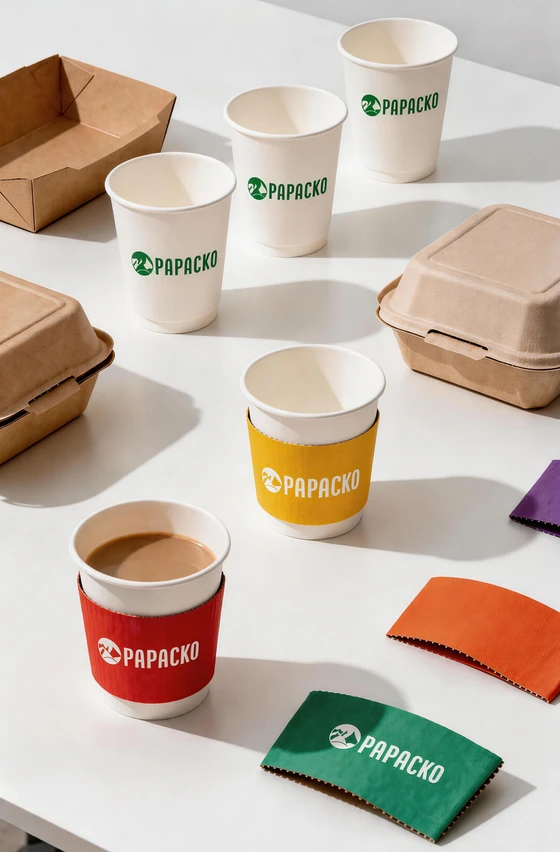
هل أنت مستعد لإنشاء أكواب ورقية أو عبوات ورقية تحمل علامتك التجارية الخاصة بك؟
أخبرنا بمتطلباتك - الحجم والطلاء والطباعة والوجهة - وسيقوم فريقنا بإعداد عرض أسعار مفصل في غضون 24 ساعة.

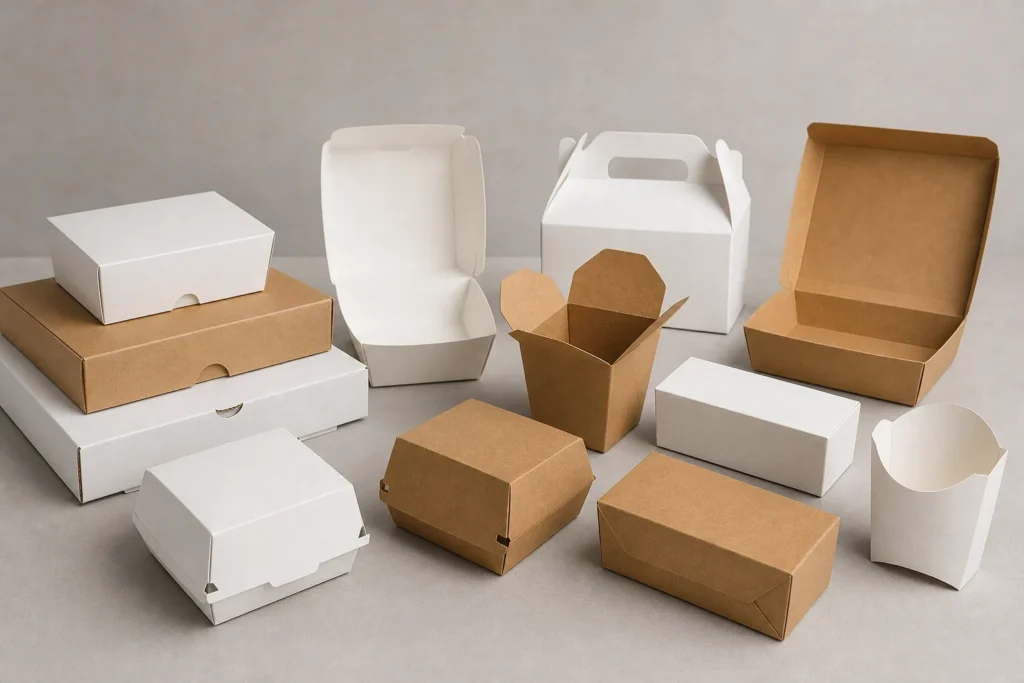
يمكن للمشترين مراجعة صناديق الأغذية الورقية من خلال خرائط مسارات قوائم الطعام المؤرخة، وسجلات رموز المنتجات (SKU) الدقيقة، ومواد الموردين، والعينات المطابقة، وملاحظات المشترين، وملفات التوريد المحفوظة. يقتصر هذا الدليل على شرح إجراءات حفظ السجلات ولا يحدد نتيجة المنتج.
قم بإنشاء سجل مسمى لكل مسار قائمة تستخدمه الشركة. قم بتسجيل الفريق أو الموقع المسؤول، والتاريخ، ومكان حفظ الملف. وهذا يوفر مرجعًا متسقًا لسجلات SKU اللاحقة دون التنبؤ بنتيجة المنتج.
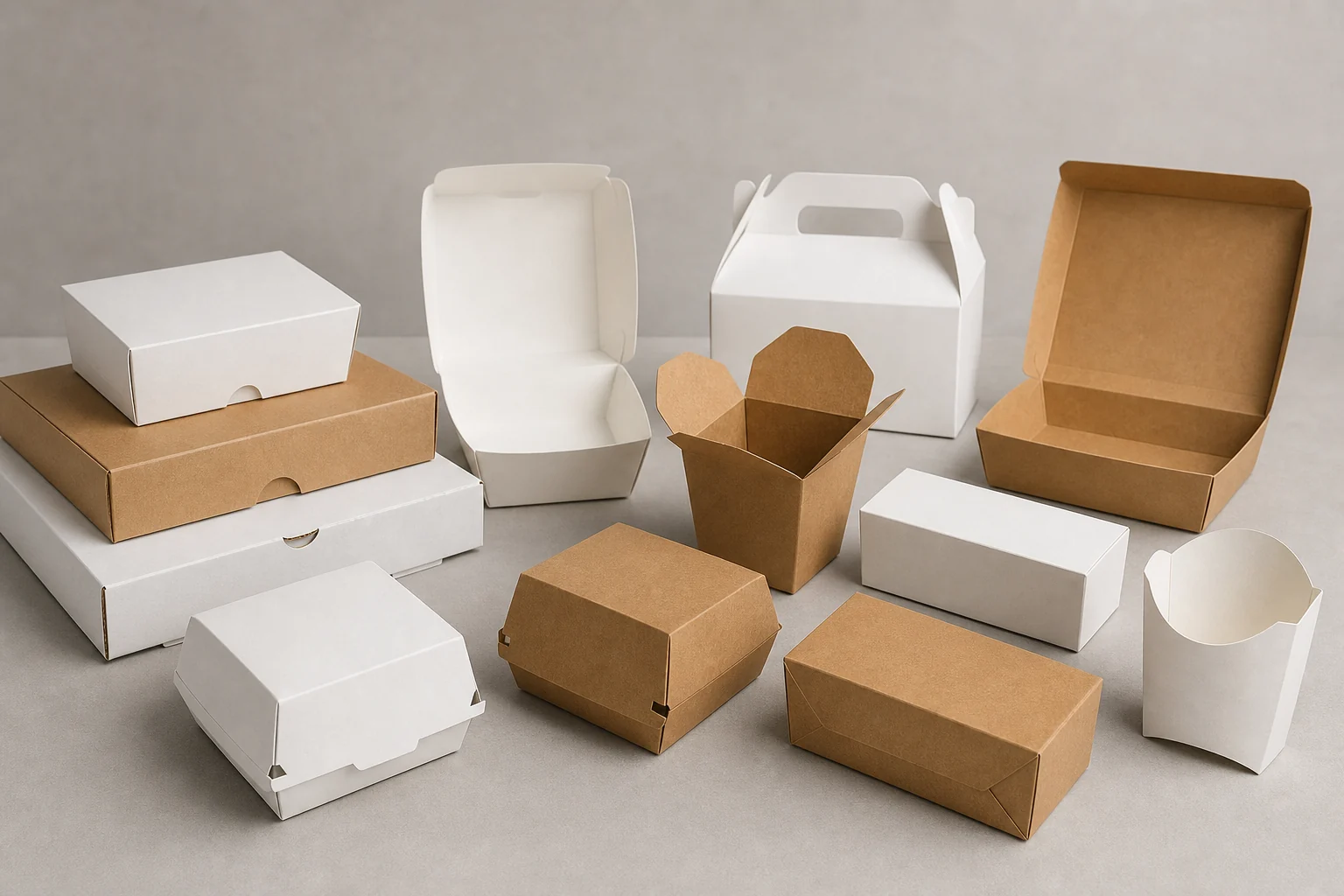
أدرج كل صندوق مرشح حسب رمز SKU الدقيق الخاص بالمورد. اطلب المواد الخاصة بالمورد المرتبطة بهذا الرمز واحتفظ بها مع ذكر اسم المورد وتاريخ الاستلام وقناة التوريد. الـ مجموعة عبوات تغليف المواد الغذائية يمكن استخدامها كنقطة انطلاق لطلبات SKU المكتوبة.
أنشئ سجلاً واحداً للمشتري لكل مجموعة عينات. اربطه برقم SKU المحدد، وخريطة المسار المؤرخة، والمواد الأولية. احرص على الفصل بين بيانات المورد وملاحظات المشتري حتى يتمكن المراجع لاحقاً من تتبع أساس الملف.
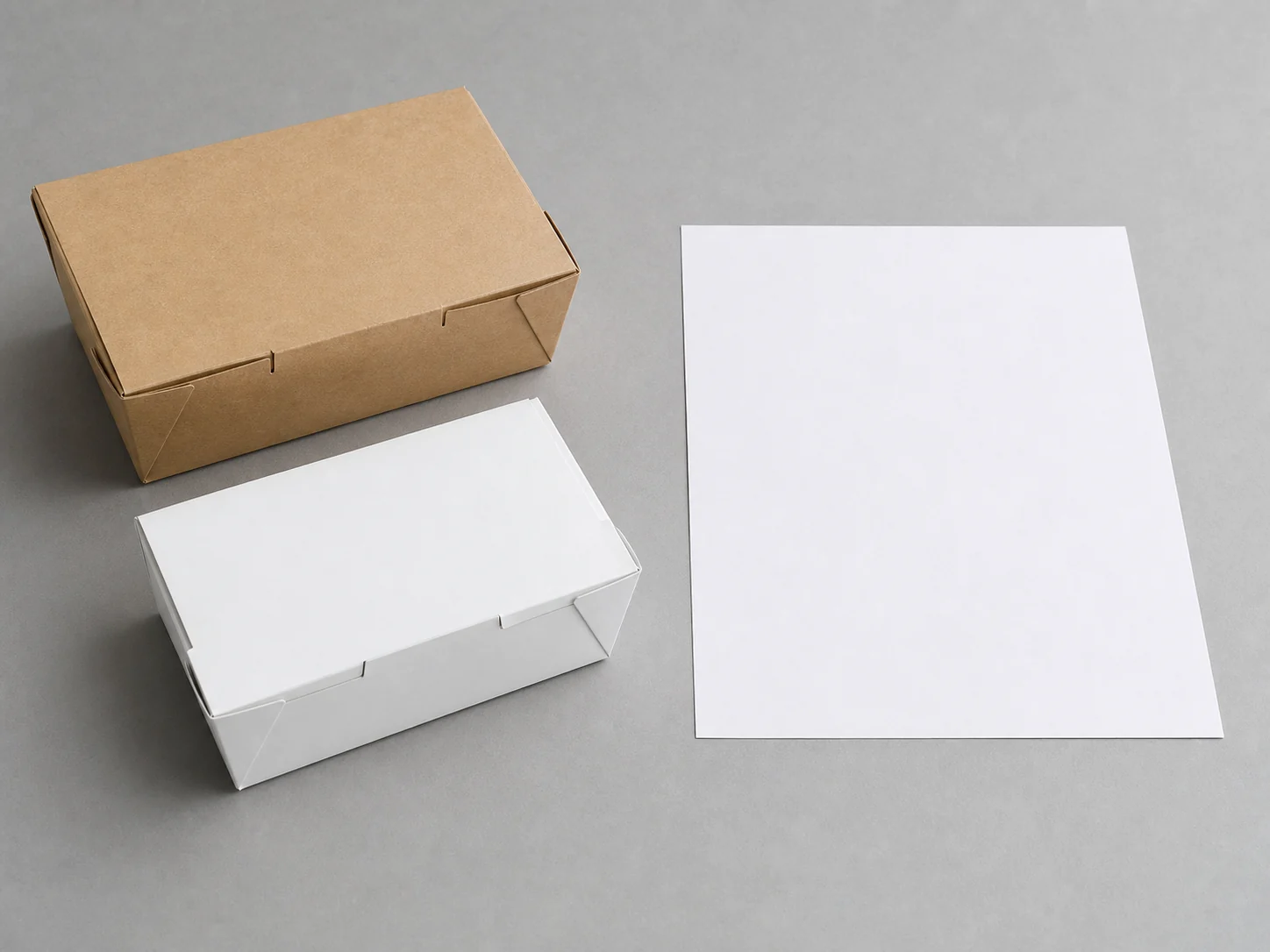
قم بكتابة بروتوكول موجز قبل البدء في تسجيل الملاحظات. حدد اسم السجل النموذجي، وأصحاب الملاحظات، وموقع السجل، وطريقة تحديثه بتاريخ محدد. استخدم نفس الهيكل طوال دورة المراجعة، مع الاحتفاظ بالإصدارات السابقة عند تغيير البروتوكول.
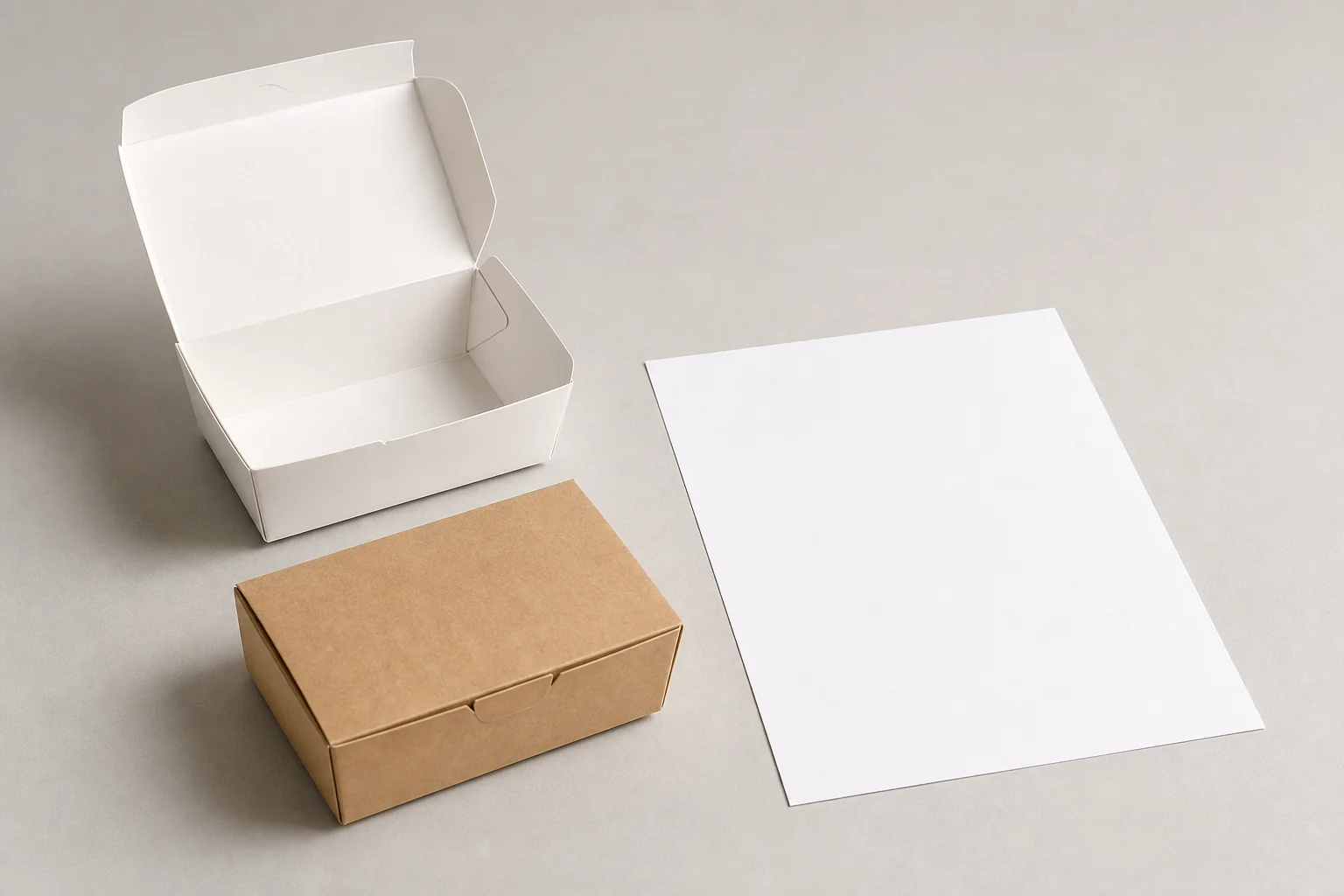
قم بتوثيق سير العمل الخاص بالمشتري في شكل أدوار وإجراءات متعلقة بالملفات. حدد أين يتم إدخال رموز SKU المرشحة، وأين يتم الاحتفاظ بمواد الموردين، ومن يقوم بتسجيل الملاحظات، ومن يتولى اتخاذ قرار التوريد. أضف نسخة معدلة ومؤرخة في حالة حدوث تغييرات في سير العمل.

اطلب المواد الملامسة للأغذية التي يربطها المورد بكل رمز SKU محدد. احتفظ بالملفات المقدمة، وسجل تواريخ استلامها، واربطها بسجل رمز SKU. يجب على المشترين تحديد المصادر القانونية أو التنظيمية ذات الصلة بالولاية القضائية الخاصة بهم. الـ مورد المفوضية الأوروبية الخاص بالمواد الملامسة للأغذية وهو بمثابة مرجع، وليس استنتاجًا بشأن المنتج أو مشورة قانونية.
قبل اتخاذ قرار بشأن التوريد الداخلي، تحقق من وجود خريطة المسار، وسجلات رموز المنتجات (SKU) الدقيقة، ومواد الموردين، وسجلات العينات، وملاحظات المشتري، واسم المسؤول عن القرار مع تحديد التاريخ. قم بتسجيل المعلومات الناقصة على أنها ثغرة بدلاً من ملئها بافتراضات.
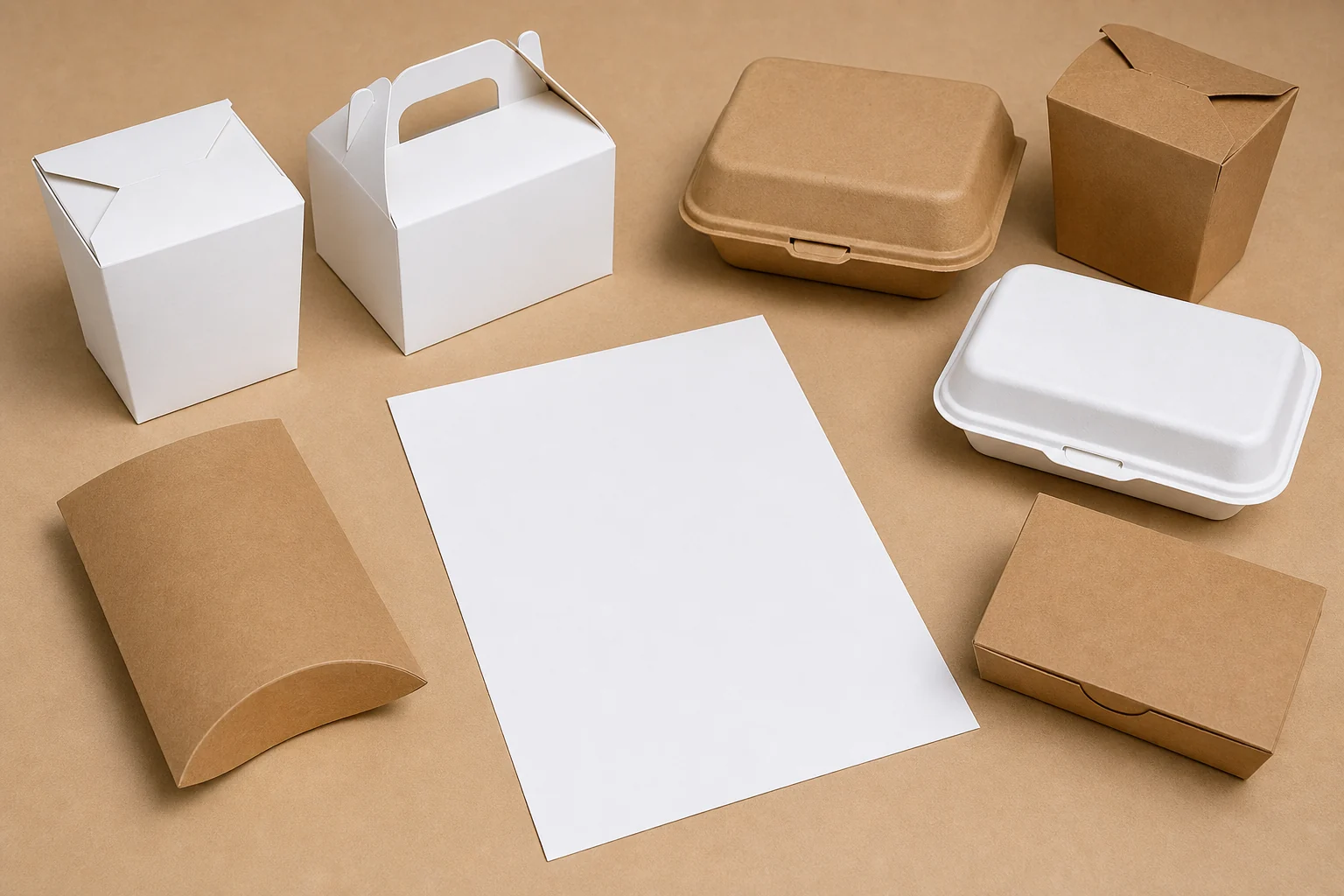
لإجراء بحث أوسع نطاقًا عن الفئات، يمكن للمشترين الاطلاع على عبوات الطعام التي تستخدم لمرة واحدة, أكواب ورقية, أغطية الأكواب الورقية, و عبوات الأغذية القابلة للتحلل. استخدم صفحات المنتجات كنقطة انطلاق فقط لتقديم طلب مكتوب، واحتفظ بالردود في ملف المشتري.
تصف هذه المقالة عملية توثيق المشتري. وهي لا تُقيِّم، ولا تذكر، ولا تشير ضمناً إلى أي سمة من سمات المنتج، أو المواصفات الفنية، أو نوع العبوة، أو نتيجة الإغلاق، أو نتيجة القائمة، أو سلوك المواد، أو السعر، أو شروط التوريد، أو الشهادات، أو الاستنتاجات التنظيمية. وتظل المواد المقدمة من المورد عبارة عن بيانات من المورد، وتظل ملاحظات المشتري محصورة في سجلات المشتري المؤرخة.
قم بإعداد خريطة مسار قائمة مؤرخة تحدد عملية الشراء والفريق المسؤول عنها.
احتفظ بالمواد الأصلية قدر الإمكان، وسجل اسم المورد وتاريخ الاستلام وقناة التوريد ورمز المنتج (SKU) الدقيق.
تتيح السجلات المنفصلة تتبع ملاحظات المشتري وربطها بمعرّفات الموردين الدقيقة.
حدد اسم سجل العينة، وأصحاب الملاحظة، وموقع السجل، وطريقة مراقبة التاريخ.
سجّل الغياب واطلب ذلك كتابةً بدلاً من الاعتماد على التخمين.
أضف قيدًا بتاريخ محدد عند وصول المواد من المورد، أو عند حدوث تغيير في سير العمل، أو عند اتخاذ قرار بشأن التوريد.