Готовы создать собственные фирменные бумажные стаканчики или упаковку?
Сообщите нам свои требования - размер, покрытие, печать и место назначения - и наша команда подготовит подробное коммерческое предложение в течение 24 часов.

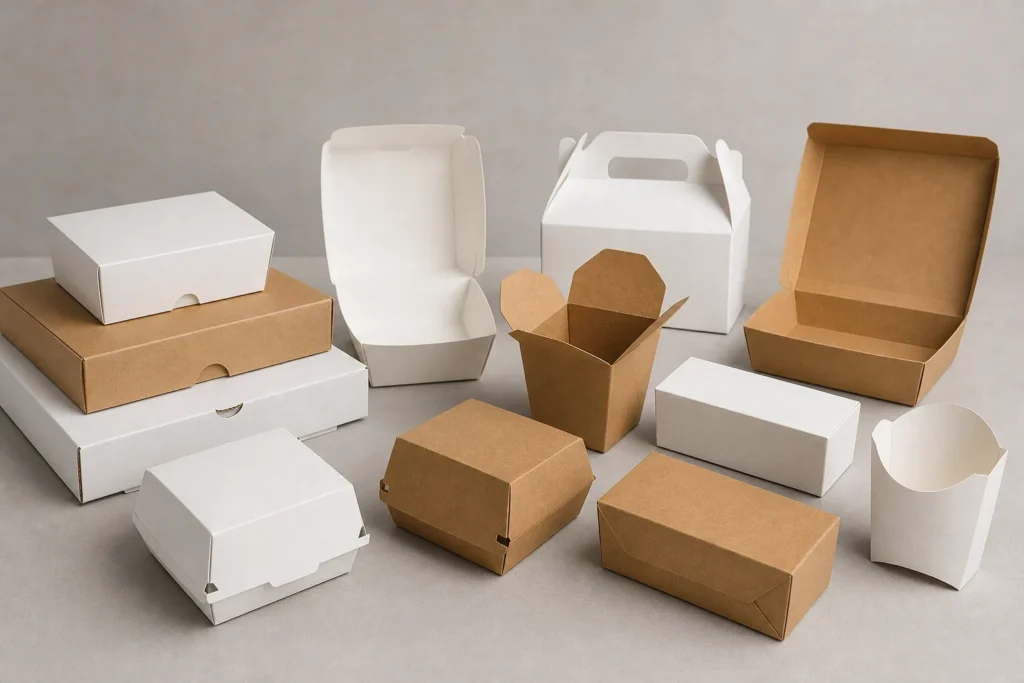
Покупатели могут проводить проверку бумажных коробок для пищевых продуктов на основе датированных карт маршрутов доставки, точных записей по артикулам, материалов поставщиков, сопоставленных образцов, собственных наблюдений и сохраненных документов по закупкам. Настоящее руководство посвящено исключительно ведению документации и не определяет конечный результат в отношении продукта.
Создайте отдельную запись для каждого маршрута меню, используемого компанией. Укажите в записи ответственную команду или местоположение, дату и место хранения файла. Это обеспечит единообразную систему ссылок для последующих записей по SKU, не предрешая исход в отношении продукта.
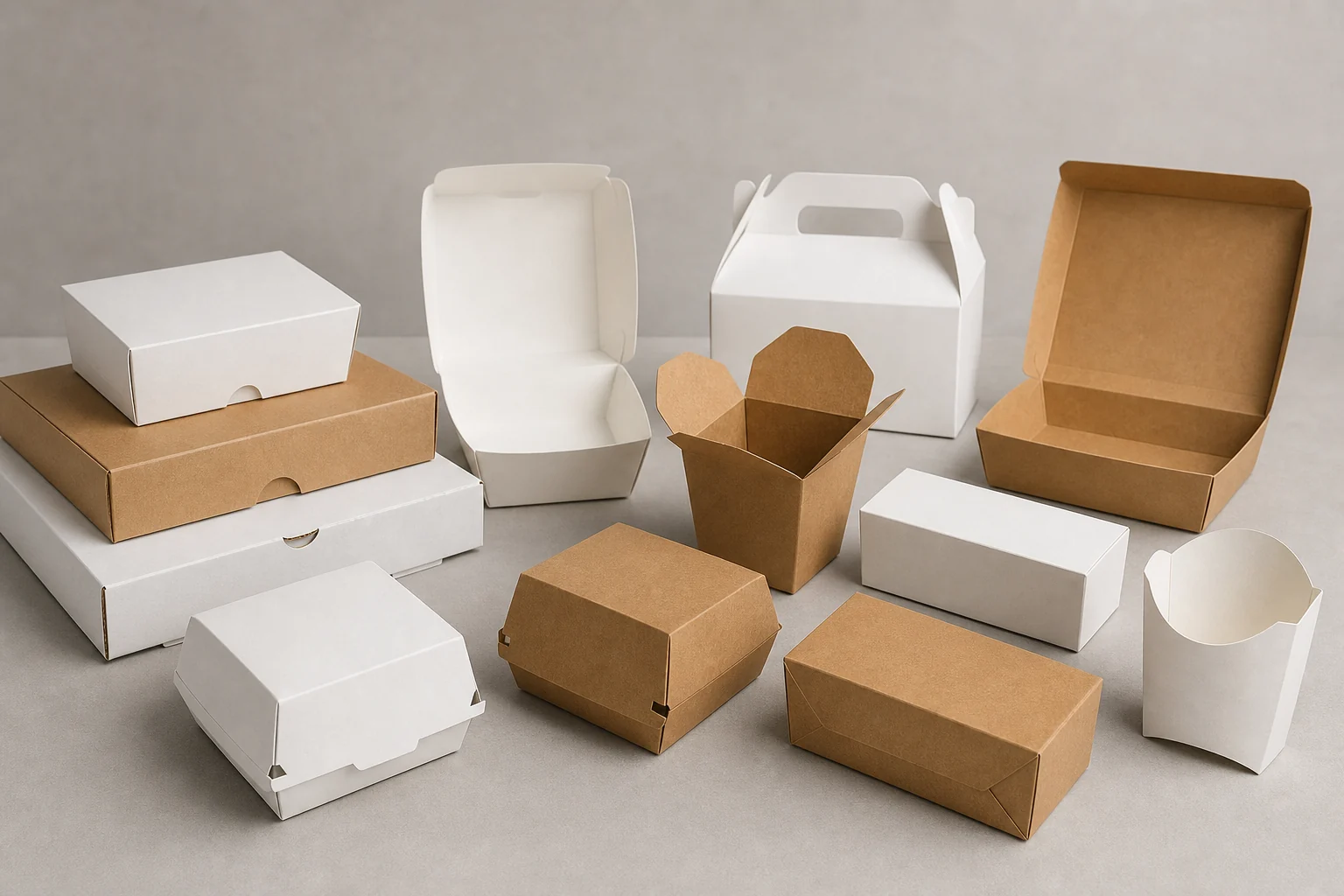
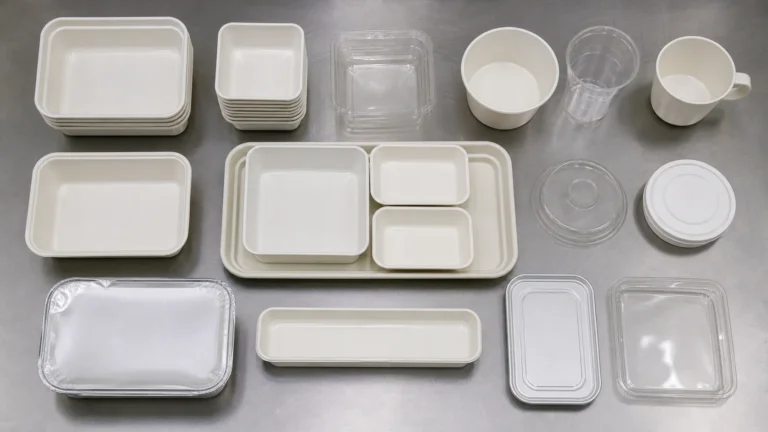
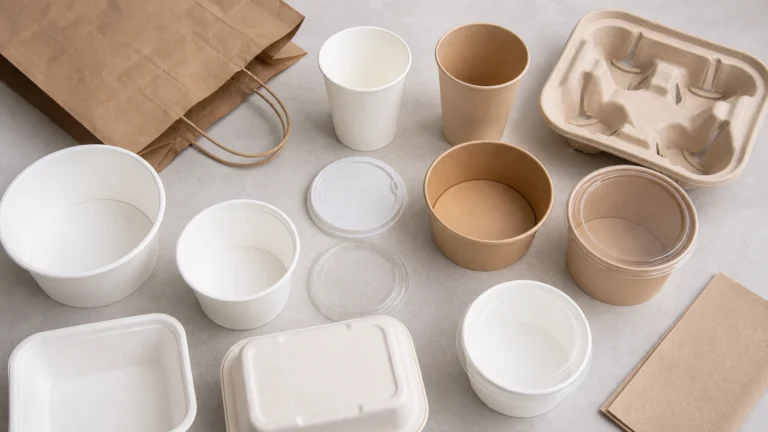
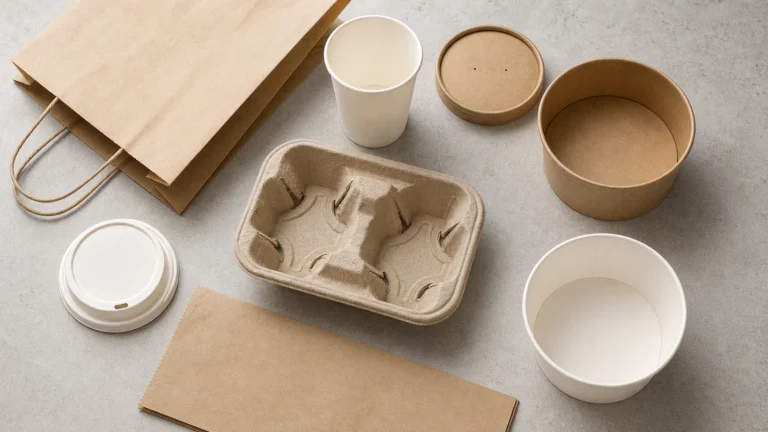
Перечислите все подходящие коробки с указанием точного артикула поставщика. Запросите у поставщика документацию, связанную с этим идентификатором, и сохраните её с указанием названия поставщика, даты получения и канала поставки. ассортимент контейнеров для упаковки пищевых продуктов может служить отправной точкой для составления письменных запросов на SKU.
Создайте по одной записи о покупателе для каждого набора образцов. Свяжите её с конкретным артикулом (SKU), картой маршрута с указанием даты и исходными материалами. Разделяйте заявления поставщиков и замечания покупателя, чтобы впоследствии проверяющий мог проследить основания, на которых основано данное дело.
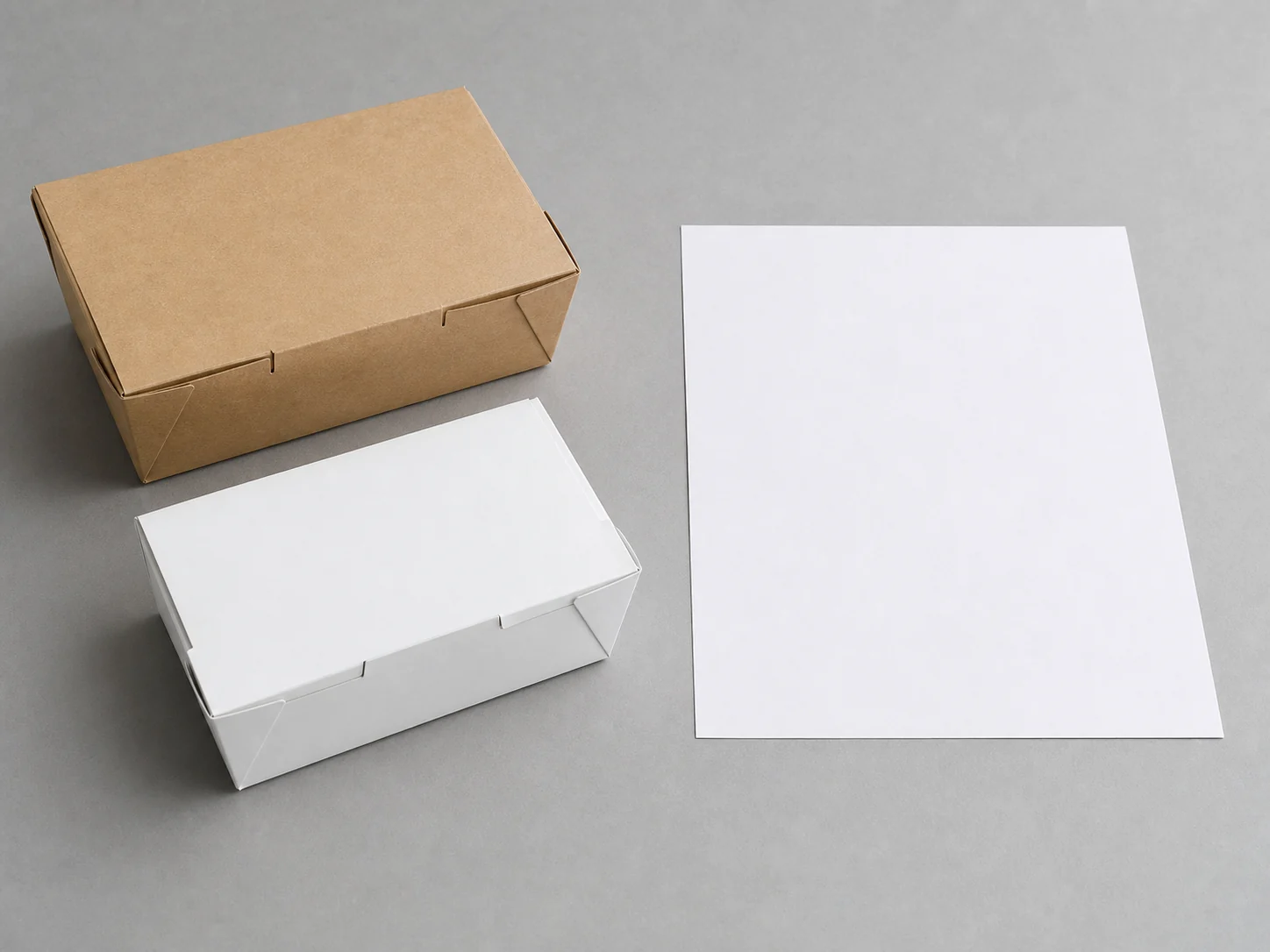
Перед началом регистрации наблюдений составьте краткий протокол. Укажите название записи данных, ответственных за наблюдения, место хранения записи и метод датирования редакций. Придерживайтесь одной и той же структуры на протяжении всего цикла проверки, сохраняя предыдущие версии при внесении изменений в протокол.
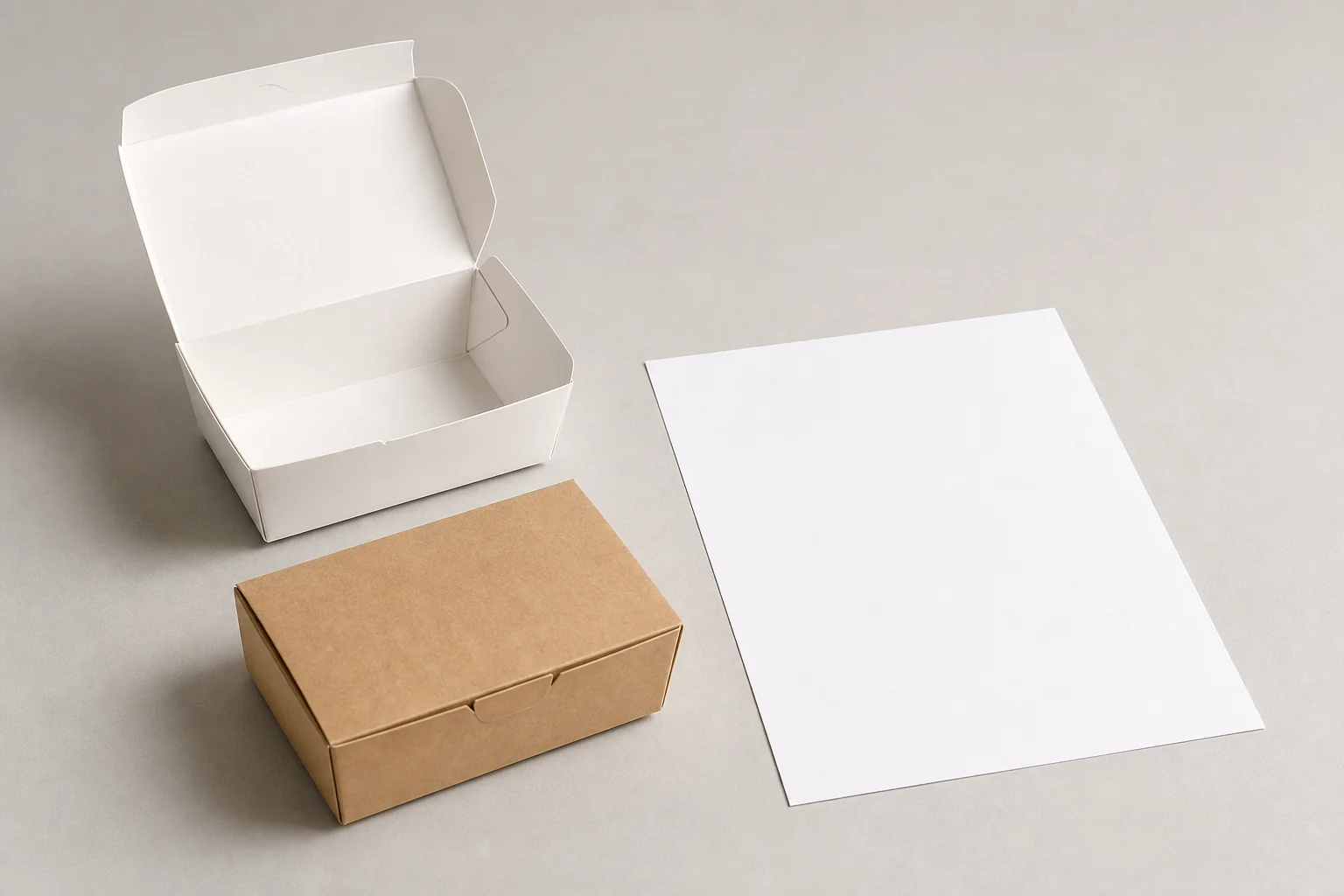
Опишите рабочий процесс покупателя, указав роли и действия с документами. Определите, где вводятся потенциальные SKU, где хранятся материалы поставщиков, кто фиксирует замечания и кто принимает решение о выборе поставщика. В случае изменения рабочего процесса добавьте ревизию с указанием даты.

Запросите у поставщика информацию о материалах, контактирующих с пищевыми продуктами, которые он связывает с каждым конкретным SKU. Сохраняйте предоставленные файлы, фиксируйте даты получения и привязывайте их к записи по SKU. Заказчики должны определить правовые или нормативные документы, относящиеся к их юрисдикции. Ресурс Европейской комиссии по материалам, контактирующим с пищевыми продуктами является ориентиром, а не окончательным заключением по продукту или юридической консультацией.
Прежде чем принять решение о внутреннем снабжении, проверьте наличие схемы маршрута, точных данных по SKU, материалов поставщика, данных по образцам, замечаний закупщика и указания лица, ответственного за принятие решения с указанием даты. Отметьте отсутствующую информацию как пробел, а не заполняйте её предположениями.
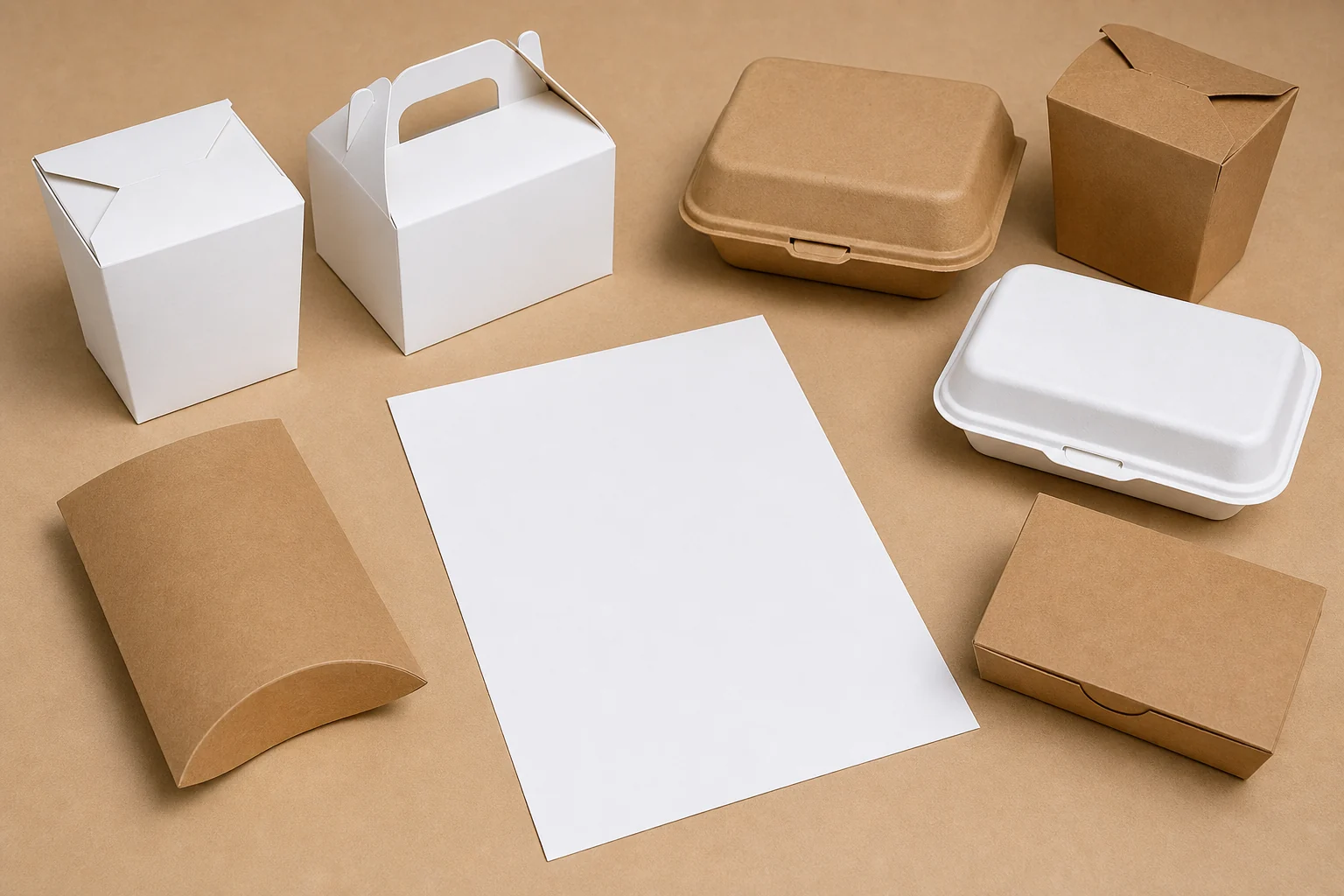
Для более обширного изучения категории покупатели могут ознакомиться с одноразовая пищевая упаковка, бумажные стаканчики, бумажные крышки для стаканчиков, и компостируемая упаковка для пищевых продуктов. Используйте страницы с описанием товаров лишь в качестве отправной точки для составления письменного запроса и сохраняйте ответы в личном деле покупателя.
В данной статье описывается процесс подготовки документации для покупателя. В ней не дается оценка, не указываются и не подразумеваются какие-либо характеристики продукта, технические спецификации, тип упаковки, результаты закрытия, результаты меню, поведение материала, цена, условия поставки, сертификация или выводы регулирующих органов. Материалы поставщика остаются заявлениями поставщика, а замечания покупателя относятся исключительно к документации покупателя с указанием даты.
Составьте график-план с указанием дат, в котором будут указаны операции по закупкам и ответственные группы.
По возможности сохраняйте оригинальные материалы и фиксируйте информацию о поставщике, дате получения, канале поставки и точном артикуле (SKU).
Благодаря ведению отдельных записей можно отследить, какие замечания покупателя относятся к конкретным идентификаторам поставщиков.
Укажите название образца, владельцев данных наблюдений, местонахождение записи и метод контроля даты.
Зафиксируйте факт отсутствия и подайте соответствующий запрос в письменной форме, а не полагайтесь на догадки.
Добавляйте запись с датой поступления материалов от поставщика, при изменении рабочего процесса или при принятии решения о выборе поставщика.