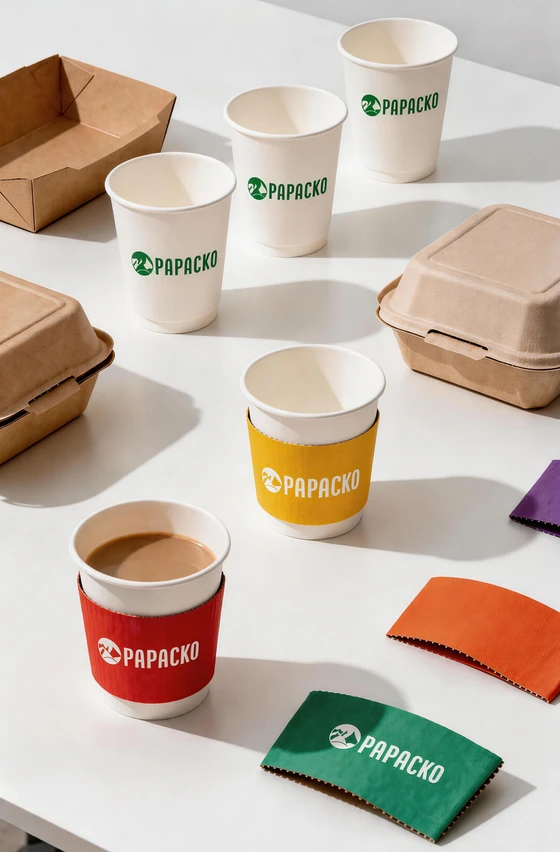
هل أنت مستعد لإنشاء أكواب ورقية أو عبوات ورقية تحمل علامتك التجارية الخاصة بك؟
أخبرنا بمتطلباتك - الحجم والطلاء والطباعة والوجهة - وسيقوم فريقنا بإعداد عرض أسعار مفصل في غضون 24 ساعة.

يُنتج سوق توصيل الحساء والمعكرونة عالمياً أكثر من 8 مليارات وعاءً للاستخدام مرة واحدة سنوياً، حيث تساهم الأوعية البلاستيكية والرغوية التقليدية بـ 4.2 مليون طن من النفايات غير القابلة لإعادة التدوير. ومع تزايد طلب المستهلكين على المنتجات المستدامة.
يُنتج سوق توصيل الحساء والمعكرونة العالمي أكثر من 8 مليارات حاوية للاستخدام مرة واحدة سنويًا، حيث تساهم الأوعية البلاستيكية والرغوية التقليدية بـ 4.2 مليون طن من النفايات غير القابلة لإعادة التدوير. مع تزايد طلب المستهلكين على التغليف المستدام — حيث يبحث 62% من عملاء توصيل الطعام بنشاط عن خيارات صديقة للبيئة — تواجه المطاعم ومشغلي خدمات الطعام ضغوطًا متزايدة للانتقال من الحاويات التقليدية المصنوعة من البترول إلى بدائل الأوعية الورقية المستدامة.
يستعرض هذا الدليل الشامل حلول الأوعية الورقية المستدامة المصممة خصيصًا للاستخدامات التي تتضمن سوائل ساخنة بكثرة، مثل الحساء والرامين والفو والكاري وأطباق المعكرونة. ستتعرف على مقارنات تركيب المواد عبر الطلاءات القابلة للتحلل، ومبادئ الهندسة الإنشائية لمقاومة التسرب، ومنهجيات اختبار الأداء الحراري، وأطر تحليل التكلفة التي تقارن الورق بالبلاستيك/الرغوة، ومتطلبات شهادات الموردين، ودراسات الحالة الواقعية من مطاعم المعكرونة الآسيوية، وسلاسل مطاعم الحساء، والعمليات التي تركز على التوصيل والتي انتقلت بنجاح إلى أنظمة الأوعية المستدامة.
💡 خلاصة سريعة: تتميز الأوعية الورقية المستدامة الفعالة بتوازن بين السلامة الهيكلية (مقاومة التسرب لمدة 45-90 دقيقة، وتحمل الحرارة حتى 220 درجة فهرنهايت)، والمواصفات البيئية (قابلة للتحلل وفقًا لمعايير BPI، وطلاءات خالية من البلاستيك)، وهيكل التكلفة (تكلفة أعلى بنسبة 18-35% مقارنة بالرغوة، يقابلها الاحتفاظ بالعملاء والقدرة على تحديد الأسعار)، والأداء الوظيفي — مع حلول محددة بشكل صحيح توفر عدم حدوث أي تسرب مع تحويل 75-90% من نفايات العبوات بعيدًا عن مكبات النفايات.
عند تقييم الأوعية الورقية المستدامة المناسبة، ضع في اعتبارك ما يلي:
تشكل العبوات التقليدية للحساء والمعكرونة تحديات كبيرة فيما يتعلق بالنفايات:
-أوعية من الفوم (” target=”_blank” rel=”noopener”>البوليسترين): غير قابل لإعادة التدوير، ويبقى في مكبات النفايات لأكثر من 500 عام، ومحظور في أكثر من 100 بلدية
-أوعية بلاستيكية (PP، PS): قابلة لإعادة التدوير نظريًا، لكنها ملوثة ببقايا الطعام، ومعدل إعادة التدوير الفعلي <9%
-ورق مطلي بالشمع: غير قابل للتحلل بسبب احتوائه على شمع بترولي، ويجب التخلص منه في مكب النفايات فقط
-ورق مقوى مبطّن بالبلاستيك: التصميم متعدد المواد يمنع إعادة التدوير والتحويل إلى سماد
تغيرات السوق: تشمل الحظر التشريعي على استخدام حاويات الطعام المصنوعة من الرغوة حالياً 23 ولاية أمريكية وأكثر من 140 مدينة، مما يفرض تغييرات تشغيلية بغض النظر عن التوجهات المتعلقة بالاستدامة. وتساعد الخطوات الاستباقية في تجنب الارتباك في اللحظات الأخيرة عند دخول الحظر حيز التنفيذ.🎯 رؤى الصناعة: تشير سلاسل المطاعم الآسيوية السريعة غير الرسمية (Sweetgreen وDig وJust Salad) إلى أن الالتزامات الواضحة في مجال الاستدامة — بما في ذلك استخدام الأوعية القابلة للتحلل — تؤدي إلى زيادة ولاء العملاء بنسبة 15-22% بين فئتي جيل الألفية وجيل Z، وهو ما يُترجم إلى زيادة في وتيرة الزيارات بنسبة 12-18% على مدى 12 شهراً.
لفهم مفهوم الأوعية الورقية المستدامة، يجب الانتباه إلى العوامل التالية:
خيارات المواد الأساسية:-ورق مقوى غير مطبوع: مظهر أنيق، جودة ثابتة، أعلى مستوى من المتانة بالنسبة للسماكة
-المحتوى المعاد تدويره: انخفاض البصمة الكربونية (تخفيض بنسبة 30-40٪)، وملمس أكثر خشونة قليلاً
-خيزران: أسرع دورة إنتاجية (يتم الحصاد في غضون 3-5 سنوات مقابل 15-25 سنة للأشجار)، وجاذبية عالية للعلامة التجارية
-الباجاس: قدرة فائقة على تحمل الحرارة (تصل إلى 220 درجة فهرنهايت)، يستخدم مواد نفايات (قصة الاستدامة)
لفهم الأوعية الورقية المستدامة، يجب الانتباه إلى العوامل التالية:
وظيفة حاسمة: تُشكل الطلاءات حاجزًا ضد الرطوبة يمنع تغلغل السوائل مع الحفاظ على قابلية التحلل-✅ حاجز ممتاز ضد الرطوبة للمرق والزيوت والصلصات
-✅ معتمد من إدارة الغذاء والدواء الأمريكية (FDA) للاستخدام المباشر مع الأغذية
-❌ يذوب عند درجة حرارة 185 درجة فهرنهايت أو أكثر (غير مناسب للرامين الساخن جدًّا الذي تتراوح درجة حرارته بين 190 و200 درجة فهرنهايت)
-✅ مظهر فائق الوضوح (جاذبية بصرية فائقة)
-الأفضل لاستخدامها مع: الحساء ذي درجة الحرارة المعتدلة (150-180 درجة فهرنهايت)، أطباق البوك، أطباق الحبوب
طلاء مائي:-✅ مقاومة فائقة للحرارة (200 درجة فهرنهايت فأكثر، تتحمل المرق المغلي)
-✅ مقاومة ممتازة للبقع الدهنية الناتجة عن الحساء الذي يحتوي على الزيت (رامين تونكوتسو)
-✅ تركيبة كيميائية متجددة تعتمد على الماء
-❌ حاجز رطوبة أقل قليلاً من PLA (يكفي للاحتفاظ بالحرارة لمدة 45-60 دقيقة)
-الأفضل لتناول: الرامين الساخن، الفو، الكاري، التشيلي
طلاء من الشمع الحيوي:-✅ مظهر طبيعي (اللمسة النهائية غير اللامعة تجذب المستهلكين المهتمين بالبيئة)
-✅ مناسب لكميات السوائل المتوسطة
-❌ تحمل أقل للحرارة (يذوب عند 180 درجة فهرنهايت)
-❌ أقل مقاومة للدهون (لا تتحمل المرق الدهني)
-الأفضل للاستخدام مع: الحساء الدافئ، واليخنات، والأطباق قليلة الدسم
لفهم ما هي الأوعية الورقية المستدامة المناسبة، يجب مراعاة العوامل التالية:
العناصر التصميمية الأساسية:-وعاء سعة 16 أونصة (450 مل): يجب أن توزع مساحة قاعدته وزن 450 غرامًا على مساحة تتراوح بين 65 و75 سم²
-معامل الأمان: التصميم على أساس 1.5 ضعف السعة المعلنة لمنع حدوث عطل عند أقصى مستوى للتعبئة
-الإجهاد الحراري: تتوسع الورقة عند ارتفاع درجة الحرارة — لذا يجب أن يظل الطلاء مرنًا لمنع تشققها
الاعتبارات الرئيسية:
اختبارات وفقًا لمعايير الصناعة:1. اختبار التسرب الثابت (ASTM F2054):-املأ الوعاء بالماء حتى سعته المحددة وبدرجة الحرارة المطلوبة
-اتركه لمدة 60 دقيقة على ورق ماص
-معايير النجاح: عدم تسرب أي رطوبة عبر الجدران أو القاعدة
2. اختبار التحمل الديناميكي:-املأ الوعاء حتى سعته القصوى، ثم أغلقه بالغطاء
-مع تعريضها لاهتزازات تحاكي رحلة نقل تستغرق 15 دقيقة
-اقلبه لمدة 30 ثانية
-معايير النجاح: <1 مل من التسرب، وعدم وجود عطل هيكلي
3. التغيرات الدورية في درجة الحرارة:-املأه بسائل بدرجة حرارة 180 درجة فهرنهايت، واتركه لمدة 30 دقيقة
-يُبرد إلى 120 درجة فهرنهايت، ثم يُعاد تسخينه إلى 180 درجة فهرنهايت
-كرر 3 دورات
-معايير النجاح: عدم وجود انفصال في الطلاء، وعدم وجود أي تسرب
معايير الأداء في الظروف العملية:-أوعية مستدامة عالية الجودة: معدل عطل أقل من 0.51٪ في ظل الاستخدام العادي
-خيارات الفئة المتوسطة: معدل الفشل 1-2% (مقبول لمعظم العمليات)
-خيارات الميزانية: معدل الأعطال في طراز 3-5% (غير مقبول — شكاوى العملاء، وعمليات استرداد الأموال)
لفهم مفهوم الأوعية الورقية المستدامة، يجب الانتباه إلى العوامل التالية:
-185 درجة فهرنهايت: نقطة تليين طلاء PLA (خطر التشوه، انخفاض فعالية الحاجز)
-200 درجة فهرنهايت: الحد الأقصى للطلاء المائي (يحافظ على سلامة المنتج)
-220 درجة فهرنهايت: تحمل الركيزة المصنوعة من تفل قصب السكر (أفضل من الورق المقوى الخالص)
-250 درجة فهرنهايت: آمن للاستخدام في الفرن (لا ينطبق على الأوعية الورقية — يلزم استخدام بديل من الألومنيوم)
لفهم الأوعية الورقية المستدامة، يجب الانتباه إلى العوامل التالية:
البناء أحادي الجدار مقابل البناء ثنائي الجدار: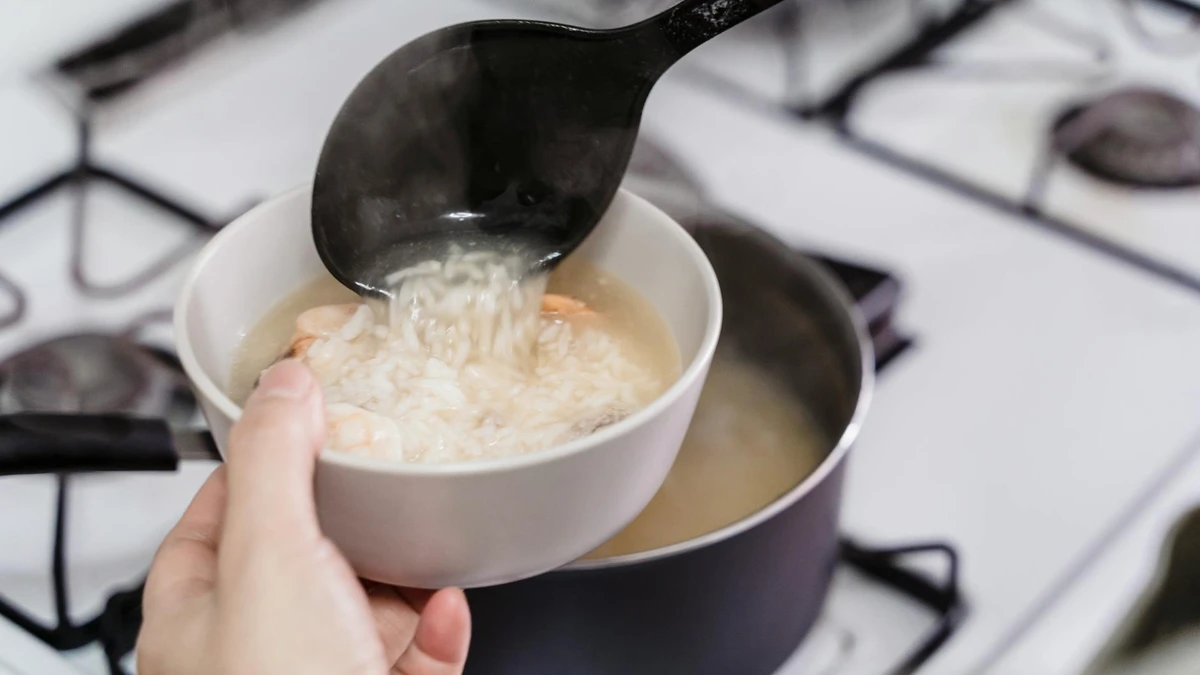
عند تقييم الأوعية الورقية المستدامة، ضع في اعتبارك ما يلي:
السعر للوحدة (وعاء سعة 16 أونصة، طلب بكمية 1000 وحدة):-5000 وحدة: خصم 12-18%
-10,000 وحدة: خصم على طراز 20-28%
-أكثر من 50,000 وحدة: خصم على طراز 30-38%
مقارنة التكلفة السنوية (مطعم يستهلك 15,000 وعاء سنويًا):لفهم ما هي الأوعية الورقية المستدامة المناسبة، يجب مراعاة العوامل التالية:
بالإضافة إلى تكاليف المواد:الاختلافات في تكاليف التخلص:-نفايات الرغوة/البلاستيك: $95-150 لكل طن (رسوم مدافن النفايات، في العديد من الولايات القضائية)
-النفايات القابلة للتحلل: $55-105 لكل طن (معالجة التسميد التجاري)
-الوفورات السنوية المحتملة (1,200 كجم من النفايات الناتجة عن 15,000 وعاء): تخفيض بنسبة $50-80
الامتثال التنظيمي:-غرامات مخالفة حظر استخدام الرغوة: $250-1,000 لكل مخالفة (تختلف حسب الولاية القضائية)
-تكاليف الانتقال التي تم تجنبها بفضل التبني الاستباقي مقابل التسرع التفاعلي
-الجهد المبذول في إعداد وثائق الامتثال: ضئيل للغاية مع المنتجات القابلة للتحلل الحاصلة على شهادة
التسويق واكتساب العملاء:-يتيح التوجه نحو الاستدامة تطبيق علاوة سعرية على طلبات التسليم بمعدل 8-12%
-15,000 طلب × متوسط $9 × علاوة 10% = 13,500 من الإيرادات السنوية الإضافية
-الاحتفاظ بالعملاء: زيادة الولاء بنسبة 15-20٪ بين شريحة العملاء المهتمين بالبيئة (تمثل 20-35٪ من قاعدة العملاء)
مثال على حساب العائد على الاستثمار:-التكلفة الإضافية للمواد: +$1,800 سنويًا (أوعية PLA مقابل الأواني الرغوية)
-إيرادات الأقساط الإضافية: +$13,500 سنويًا (10% من الأقساط الإضافية على 15,000 طلب)
-التوفير في التخلص من النفايات: +1 طن/سنة
-قيمة الاحتفاظ بالعملاء: +1,450 دولارًا سنويًا (تقديرًا لـ 6 عملاء إضافيين تم الاحتفاظ بهم × 1,490 دولارًا من قيمة الحياة الإجمالية للعميل)
-صافي المزايا السنوية: $17,165
-العائد على الاستثمار: 854% على $1,800 استثمار
الاعتبارات الرئيسية:
التحدي: الأوعية الرغوية التقليدية لا تتوافق مع الحظر البلدي، مما استلزم إيجاد بديل مستدام قادر على تحمل مرق التونكوتسو الذي تبلغ درجة حرارته 195 درجة فهرنهايت دون حدوث تسرب أو انهيار هيكلي.تم تنفيذ الحل:-وعاء من تفل قصب السكر سعة 24 أونصة مطلي بطبقة مائية (يتحمل حرارة تصل إلى 220 درجة فهرنهايت)
-تصميم بجدار مزدوج لضمان راحة اليد أثناء الاستخدام
-غطاء قابل للتثبيت بالضغط مصنوع من الألياف (يحافظ على درجة الحرارة ويمنع الانسكاب)
النتائج:-لم تسجل أي حوادث تسرب خلال الفترة التجريبية التي استمرت 6 أشهر (تم تقديم 12,000 وعاء)
-الاحتفاظ بالحرارة: تم الحفاظ على درجة حرارة المرق عند 155 درجة فهرنهايت أو أكثر خلال مدة توصيل تبلغ 35 دقيقة في المتوسط
-آراء العملاء: 92% ردود فعل إيجابية تجاه مبادرة الاستدامة
-التأثير على التكلفة: +1.16 يورو للوعاء (0.28 يورو للوعاء المستدام مقابل 0.12 يورو للوعاء الرغوي)
-تعديل السعر: +$0.50/وعاء (زيادة قدرها 3.5% على سعر الرامين $14)
-تحسن هامش الربح الصافي: +$0.34/وعاء على الرغم من ارتفاع تكلفة المواد
أهم الدروس المستفادة: طلاء مائي عالي الجودة ضروري للمرق شديد السخونة — فقد فشلت النماذج الأولية المصنوعة من PLA عند درجة حرارة التقديم البالغة 195 درجة فهرنهايت. وقد برر التصميم ذو الجدران المزدوجة التكلفة من خلال التخلص من الحاجة إلى غلاف منفصل.يعتمد اختيار الأوعية الورقية المستدامة عالية الجودة على:
التحدي: أدت القيود المالية إلى الحد من استخدام الأوعية المستدامة، مما استلزم إيجاد خيار اقتصادي للحساء ذي درجة الحرارة المعتدلة (160-175 درجة فهرنهايت).تم تنفيذ الحل:-وعاء ورقي أحادي الجدار سعة 16 أونصة مطلي بطبقة من البولي لاكتيد (PLA) (يتحمل درجة حرارة تصل إلى 185 درجة فهرنهايت)
-غلاف مموج يحمل علامة تجارية لتوفير الراحة الحرارية (أرخص من الغلاف ذي الجدار المزدوج)
-غطاء قياسي من الألياف
النتائج:-أداء مناسب لاستخدامات الحساء التي تقل درجة حرارتها عن 180 درجة فهرنهايت
-معدل التسرب: 1.8% (يرجع ذلك أساسًا إلى خطأ من المستخدم — ملء الزجاجة بما يتجاوز خط السعة)
-التأثير على التكلفة: +0.09 يورو للوعاء (0.23 يورو للوعاء المستدام مقابل 0.14 يورو للوعاء الرغوي)
-لا زيادة في الأسعار (تكلفة مضمونة، تُسوَّق على أنها قيمة مضافة)
-استقطاب العملاء: أشار 18% من العملاء الجدد إلى الاستدامة في استبيان ما بعد الشراء
أهم الدروس المستفادة: تقلل استراتيجية الجدار الأحادي + الغلاف من التكاليف بنسبة 25-35% مقارنة بالجدار المزدوج، مع توفير الأداء المناسب للتطبيقات ذات درجات الحرارة المعتدلة. كما تقلل العلامات الواضحة على خط السعة من التسرب الناتج عن الملء الزائد.
الاعتبارات الرئيسية:
التحدي: يتطلب الاستخدام في درجات الحرارة المنخفضة (45-55 درجة فهرنهايت) حاجزًا ممتازًا للرطوبة لمخللات وصوصات البوك السائلة، بالإضافة إلى مظهر فاخر يضفي جاذبية على صور إنستغرام.تم تنفيذ الحل:-وعاء ورقي دائري سعة 20 أونصة مطلي بطبقة شفافة من مادة PLA
-غطاء من الألياف المزود بمفصلة (يحافظ على رؤية الوعاء، وإغلاق محكم)
-الطباعة حسب الطلب (تصميم العلامة التجارية بالألوان الكاملة)
النتائج:-حاجز رطوبة فائق الأداء للاستخدامات الباردة التي تتطلب كمية كبيرة من السوائل
-الجاذبية البصرية هي الدافع وراء مشاركة الصور على وسائل التواصل الاجتماعي (42% من العملاء قاموا بتصوير الأطباق)
-لم تحدث أي مشكلات تسرب خلال فترة الاختبار التي شملت 8,000 وعاء
-التأثير على التكلفة: +1.18 يوان للوعاء (1.32 يوان للوعاء المستدام عالي الجودة مقابل 1.14 يوان للوعاء البلاستيكي)
-زيادة السعر: +$1.50/وعاء، وهو ما يبرره التموضع المتميز للمنتج
-زيادة هامش الربح الصافي: +$1.32/وعاء
أهم الدروس المستفادة: تتميز منتجات PLA بأدائها المتميز في الاستخدامات الباردة (لا توجد مخاوف بشأن تحمل الحرارة)، كما أن الطلاء الشفاف يبرز المكونات الملونة، ويبرر المظهر الفاخر ارتفاع الأسعار بشكل ملحوظ في هذا القطاع الذي يركز على التوصيل ويتميز بنشاطه على وسائل التواصل الاجتماعي.لفهم الأوعية الورقية المستدامة، يجب الانتباه إلى العوامل التالية:
-“ادعاءات ”قابلة للتحلل البيولوجي" دون شهادة BPI أو ما يعادلها (التضليل البيئي)
-تعذر تقديم وثائق الامتثال لمتطلبات إدارة الغذاء والدواء الأمريكية (FDA)
-أوصاف غامضة للمواد (مثل “طلاء صديق للبيئة” دون تحديد التركيب الكيميائي)
-الشهادات التي لا يمكن التحقق منها على الموقع الإلكتروني للجهة المصدرة
للحصول على أوعية ورقية متينة ومستدامة، ركز على:
التجربة قبل الشراء:بروتوكول اختبار الأداء (السلوك عند تلقي الطلبات الكبيرة):1. اختبار التسرب: املأ 10 أوعية بالحساء عند درجة الحرارة المطلوبة، واتركها لمدة 60 دقيقة، وتحقق من عدم وجود تسرب
2. اختبار هيكلي: املأ 5 أوعية، رصّ 3 منها فوق بعضها، واتركها لمدة 30 دقيقة (لمحاكاة التخزين/النقل)
3. اختبار درجة الحرارة: املأه بسائل بدرجة حرارة 195 درجة فهرنهايت، واتركه لمدة 45 دقيقة، وتأكد من عدم حدوث أي خلل في الطلاء
4. اختبار ملاءمة الغطاء: قم بمطابقة الأوعية مع أغطيةها، ثم اقلب الأوعية المملوءة، وهزها برفق للتأكد من عدم وجود تسرب
5. اختبار الميكروويف (إن أمكن): قم بالتسخين لمدة 90 ثانية — تأكد من عدم حدوث انفصال للطلاء
طلبات الحصول على الوثائق:-نسخ مصدقة تحمل أرقام التحقق
-صحائف بيانات سلامة المواد (MSDS)
-تقارير الاختبارات المعملية التي أجرتها جهات خارجية (اختبارات مركبات البيرفلوروألكيل، والتحقق من قابلية التحلل)
-إجراءات مراقبة الجودة ومعدلات العيوب المسموح بها
مؤشرات موثوقية الموردين:-الاستعداد لتقديم عينات (100-200 وحدة لإجراء اختبارات شاملة)
-الشفافية فيما يتعلق بتركيب المواد الكيميائية للطلاء وتكوين المواد
-تقارير الاستدامة المنشورة أو تقييمات دورة الحياة
-شهادات من عملاء في قطاع خدمات الأغذية (وليس فقط من الموزعين)
❌ التحدي #1: تتشوه الأوعية المطلية بالبولي ليدين (PLA) عند ملئها بالرامين أو الفو الساخن جدًّا (190-200 درجة فهرنهايت)، مما يؤدي إلى شكاوى من العملاء وتسرب السوائل ✅ الحل: حدد الأوعية المطلية بطبقة مائية أو بطبقة PFA للاستخدامات التي تتجاوز 185 درجة فهرنهايت. قم بإجراء الاختبار عند درجات الحرارة الفعلية للتقديم (وليس عند درجات الحرارة المفترضة) — حيث تقدم العديد من المؤسسات الحساء بدرجة حرارة أعلى مما يُعتقد. إذا كان PLA مطلوبًا لأسباب أخرى (الوضوح، التكلفة)، فقلل درجة حرارة التقديم إلى 175-180 درجة فهرنهايت (لا تزال ساخنة بما يكفي للاستمتاع بها، ضمن حدود تحمل PLA). تتيح أجهزة قياس درجة الحرارة ($15-25) للموظفين التحقق قبل التقديم.
❌ التحدي #2: أوعية قابلة للتحلل تُرسَل إلى مكبات النفايات بسبب عدم وجود شراكات تجارية في مجال التسميد، مما يُبطل فوائدها البيئية ✅ الحل: قم بإنشاء البنية التحتية اللازمة لعملية التسميد قبل الانتقال إلى استخدام الأوعية القابلة للتحلل. تعاون مع مرافق التسميد التجارية التي تقبل نفايات خدمات الطعام بعد الاستهلاك (ابحث عبر موقع FindAComposter.com، أو اتصل بإدارة النفايات البلدية). بالنسبة للمناطق التي لا تتوفر فيها هذه المرافق، فكر في البدائل القابلة لإعادة التدوير (حاويات من رقائق الألومنيوم، ورق مقوى غير مطلي للاستخدامات الجافة) أو شارك في برامج التسميد عبر البريد (TerraCycle، Compost Now) للكميات الصغيرة. المواد القابلة للتسميد في مكبات النفايات تهدر الاستثمار.
❌ التحدي #3: ارتفاع تكاليف الأوعية يقلص هوامش الربح عندما يرفض العملاء زيادة الأسعار من أجل الاستدامة ✅ الحل: تطبيق نهج متدرج — تقديم خيار قياسي (بأسعار معقولة ومتوافق مع المعايير) وخيار مميز (استدامة أعلى، بسعر أعلى بنسبة 10-15٪). يختار 45-60٪ من العملاء الخيار المميز عندما يُعرض عليهم كخيار. الترويج للاستدامة بشفافية: لوحات القوائم، والموقع الإلكتروني، ووسائل التواصل الاجتماعي التي تسلط الضوء على الشهادات والأثر البيئي. تحديد القيمة كمياً: “طلبك أدى إلى تحويل 0.2 رطل من البلاستيك بعيداً عن مكبات النفايات.” توليد تغطية إعلامية مجانية من خلال إعلانات الاستدامة (الصحافة المحلية، مدونو الطعام). يبرر التموضع المتميز التكاليف دون فرض زيادات على الشريحة الحساسة للأسعار.
❌ التحدي #4: تباين جودة الأوعية بين الدفعات يؤدي إلى تباين معدلات التسرب وشكاوى العملاء ✅ الحل: وضع اتفاقيات جودة مع الموردين تحدد معدلات العيوب المقبولة (أقل من 1% من حالات التسرب)، وطلب وثائق اختبار الدُفعات، وإجراء عمليات فحص عند الاستلام (أخذ عينة من 20 وعاءً لكل شحنة، وإجراء اختبارات تسرب سريعة). بناء علاقات مع 2-3 موردين معتمدين للتمكن من التبديل السريع في حالة تدهور الجودة. يكلف الموردون المتميزون 15-20% أكثر ولكنهم يقدمون جودة ثابتة — وهو أرخص من إدارة الشكاوى — ورد الأموال، وتضرر السمعة بسبب الحاويات المعيبة.
الاعتبارات الرئيسية:
المرحلة الأولى: التقييم والاختبار (الأسابيع 1-4)-تقييم الاستخدام الحالي للأوعية (الأحجام، السعات، درجات الحرارة)
-تحديد البدائل المستدامة من الموردين المعتمدين
-اطلب عينات (200-500 وحدة) من 3 إلى 5 موردين
-إجراء اختبارات الأداء باستخدام عناصر قائمة حقيقية
-حساب الفروق في التكاليف وتوقعات العائد على الاستثمار
المرحلة الثانية: البرنامج التجريبي (الأسابيع 5-10)-تقديم أطباق صديقة للبيئة للطلبات من فئة 25-40% (مجموعة مختارة من أصناف القائمة)
-تدريب الموظفين على طرق التعبئة الصحيحة (مع مراعاة خطوط السعة)، والتخزين (في بيئة خالية من الرطوبة)، والتعامل مع المنتج
-جمع آراء العملاء (من خلال الاستبيانات ومراقبة وسائل التواصل الاجتماعي)
-تتبع مؤشرات الأداء (معدلات التسرب، والشكاوى، والحفاظ على درجة الحرارة)
-تحسين عملية اختيار الموردين بناءً على الأداء الفعلي
المرحلة الثالثة: التنفيذ الكامل (الأسابيع 11-16)-تحويل عناصر القائمة المتبقية إلى أطباق مستدامة
-تحديث الأسعار (إن أمكن) مع توضيح قيمة الاستدامة بوضوح
-إطلاق حملة تسويقية تسلط الضوء على الالتزام البيئي
-وضع بروتوكولات لإدارة النفايات (شراكات في مجال التسميد، وتدريب الموظفين)
-مراقبة الأداء المستمر ورضا العملاء
للحصول على أوعية ورقية متينة ومستدامة، ركز على:
العناصر الأساسية للتدريب:-حدود السعة: املأ حتى الخط المحدد فقط (الملء الزائد يؤدي إلى حدوث تسرب)
-الوعي بدرجات الحرارة: تحقق من أن درجة حرارة الحساء مناسبة لتغطية الوعاء (باستخدام مسدس قياس الحرارة)
-إغلاق الغطاء بإحكام: ضمان ملامسة كاملة على طول الحواف، وصوت طقطقة مسموع للأغطية ذات التثبيت بالضغط
-بروتوكولات التخزين: احفظ الأوعية في بيئة جافة (فالرطوبة تؤدي إلى تلف الورق)، واستخدم مبدأ «أول ما يدخل أول ما يخرج»
-رسائل الاستدامة: تزويد الموظفين بالمعرفة اللازمة للرد على أسئلة العملاء بشأن المواد والتخلص منها والشهادات
تمثل الأوعية الورقية المستدامة بديلاً عملياً وعالي الأداء عن الحاويات البلاستيكية والرغوية التقليدية المستخدمة في تقديم الحساء والمعكرونة. وعند تصميمها بشكل صحيح — من خلال مطابقة تقنية الطلاء مع درجة حرارة الاستخدام، وضمان التصميم الهيكلي المناسب لحمل السوائل، وإنشاء البنية التحتية المناسبة للتحويل إلى سماد — توفر الأوعية المستدامة أداءً خالٍ من التسرب مع تحويل 75-90% من نفايات الحاويات بعيدًا عن مقالب القمامة.
الوجبات السريعة الرئيسية:1. تحديد الطلاء المناسب للحرارة—محلول مائي/PFA للاستخدامات التي تتطلب درجات حرارة عالية جدًا (190-200 درجة فهرنهايت للرامين)، وPLA لدرجات الحرارة المعتدلة (165-185 درجة فهرنهايت للحساء)، مع إجراء الاختبار في درجات الحرارة الفعلية لتقديم الطعام
2. استثمر في تصميم هيكلي سليم—سمك 18-24 نقطة، وقاعدة مُعززة، وتصميم عالي الجودة للدرزات يمنع حدوث التسربات (يمكن تحقيق معدل تسرب أقل من 0.5%)
3. حساب التكلفة الإجمالية للملكية—تُعوض المزايا الإضافية للمواد (18-35%) بزيادة الأسعار (8-12%)، والاحتفاظ بالعملاء (15-20% من حيث زيادة الولاء)، والوفورات في التخلص من النفايات (30-40%)
4. التحقق من الشهادات—لا تثق إلا بشهادات قابلية التحلل إلى سماد الصادرة عن BPI أو EN 13432 أو ما يعادلها من جهات خارجية؛ وتجنب الادعاءات الغامضة بـ“القابلية للتحلل البيولوجي”
5. إنشاء البنية التحتية اللازمة لعملية التسميد أولاً—تُعد الأوعية القابلة للتحلل في مكبات النفايات استثمارًا ضائعًا؛ لذا يجب إبرام شراكات تجارية في مجال التسميد قبل الشروع في عملية التحول
-“>عبوات تغليف المواد الغذائية
-“>حلول التغليف المستدامة
-“دليل المنتجات القابلة للتحلل"
تزود شركة Papacko مؤسسات خدمات الطعام بأوعية ورقية قابلة للتحلل معتمدة ومصممة خصيصًا للاستخدامات الصعبة في تقديم الحساء والمعكرونة — بما في ذلك خيارات مطلية بطبقة مائية تتحمل درجات حرارة تزيد عن 200 درجة فهرنهايت، وأوعية مطلية بـ PLA للاستخدامات المتنوعة، وأوعية مصنوعة من تفل قصب السكر تجمع بين الاستدامة والأداء الحراري الفائق. يقدم فريقنا الفني توصيات خاصة بالتطبيقات، ودعمًا لاختبارات الأداء، وإرشادات بشأن البنية التحتية للتسميد — مما يضمن أن انتقالك إلى الأوعية المستدامة يحقق تأثيرًا بيئيًا وموثوقية تشغيلية.
تواصل معنا