¿Está listo para crear sus propios vasos o envases de papel con su marca?
Díganos sus requisitos -tamaño, revestimiento, impresión y destino- y nuestro equipo le preparará un presupuesto detallado en 24 horas.

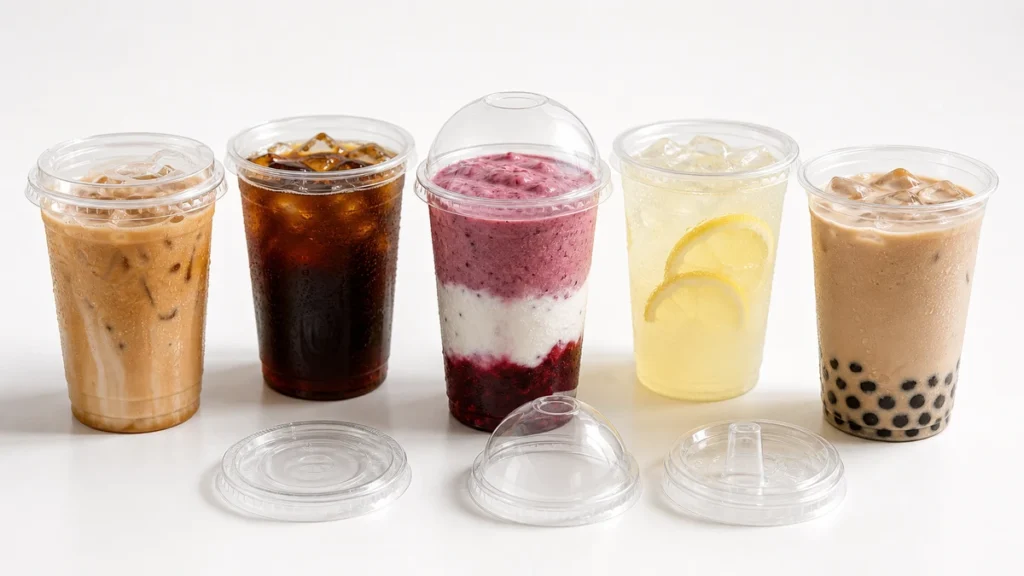
A 16 oz clear plastic cup with lid is a core cold-beverage package for foodservice operators. It combines product visibility, spill control, and quick service handling in one SKU family. For buyers, the real decision is not just cup size. It is the full system: resin, rim fit, lid style, print method, compliance docs, and how well the pack moves through your storage and service line.
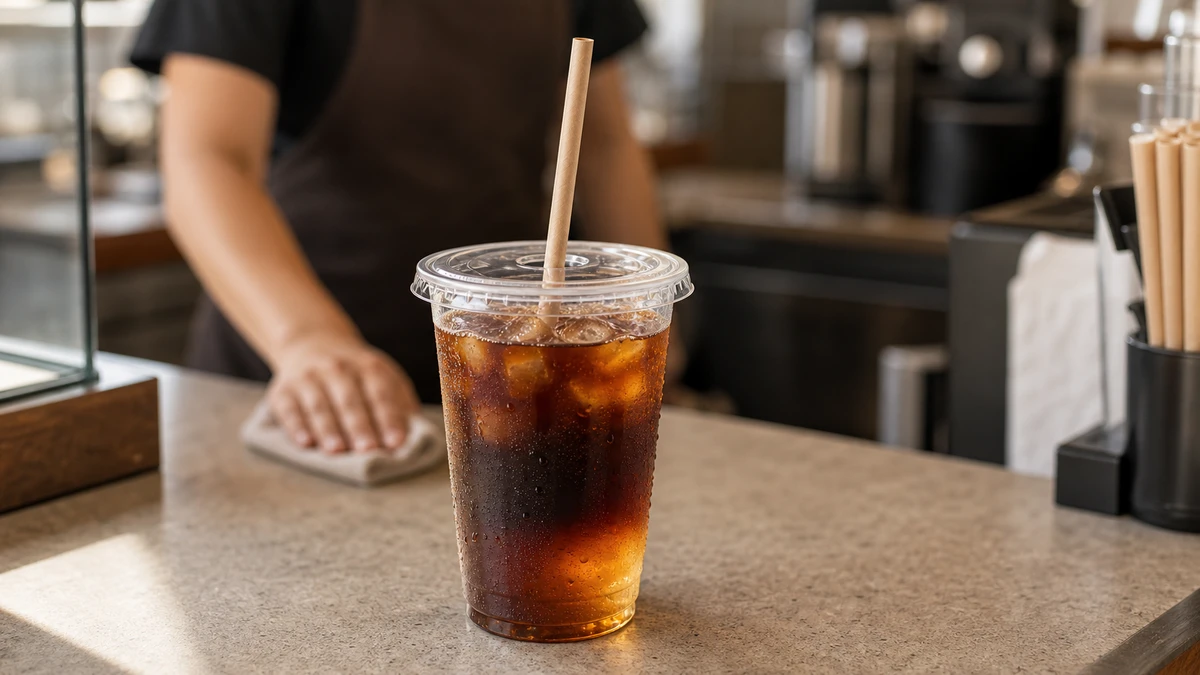
These cups are common in coffee shops, QSR chains, smoothie bars, stadium concessions, and institutional foodservice. They work well for iced coffee, cold brew, lemonade, fountain drinks, bubble tea, and other chilled drinks that need a clean presentation and a secure lid.
The 16 oz format is often chosen because it sits in the middle of the menu mix. It is large enough for standard cold drinks and small enough to control product cost and waste. For buyers, that makes it a practical standard size when the operation needs consistent cup-and-lid performance across multiple locations.
The key point is that volume alone does not define fit. Two cups labeled 16 oz can still use different rim diameters, different taper angles, and different lid families. That is why sample testing matters before you place a full order.
This category also matters for operators trying to raise perceived drink value without changing the recipe. A clear cup lets the customer see color, ice level, toppings, and layered ingredients, so it often works harder at the counter than an opaque cup. That visual benefit only helps when the cup stays clear after handling, the lid seats cleanly, and the finished drink can move from prep station to pickup shelf without leaking.
Material choice affects clarity, stiffness, temperature behavior, and how the cup looks at the counter. It also affects which lid family you should buy.
PET is the most common choice for clear cold cups. It offers strong clarity and a rigid feel, which makes drinks look clean and premium. It is a cold-service material, so it is best for iced drinks and not for hot fill.
PP is less clear than PET but offers better temperature tolerance. Some buyers choose PP when they need more flexibility in handling or a broader beverage range. The trade-off is weaker product presentation for layered or highly visual drinks.
RPET is a recycled-content PET option. It supports recycled-content goals while keeping the PET look and feel. Buyers should request the PCR percentage in writing because recycled content levels can vary by product.
Before ordering, ask the supplier for the resin spec, the food-contact statement, and a sample of the exact material grade. If you need a broader overview of cup families, review tamaños de vasos de papel and compare them with your cold-cup program.
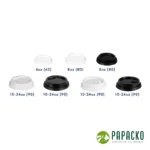
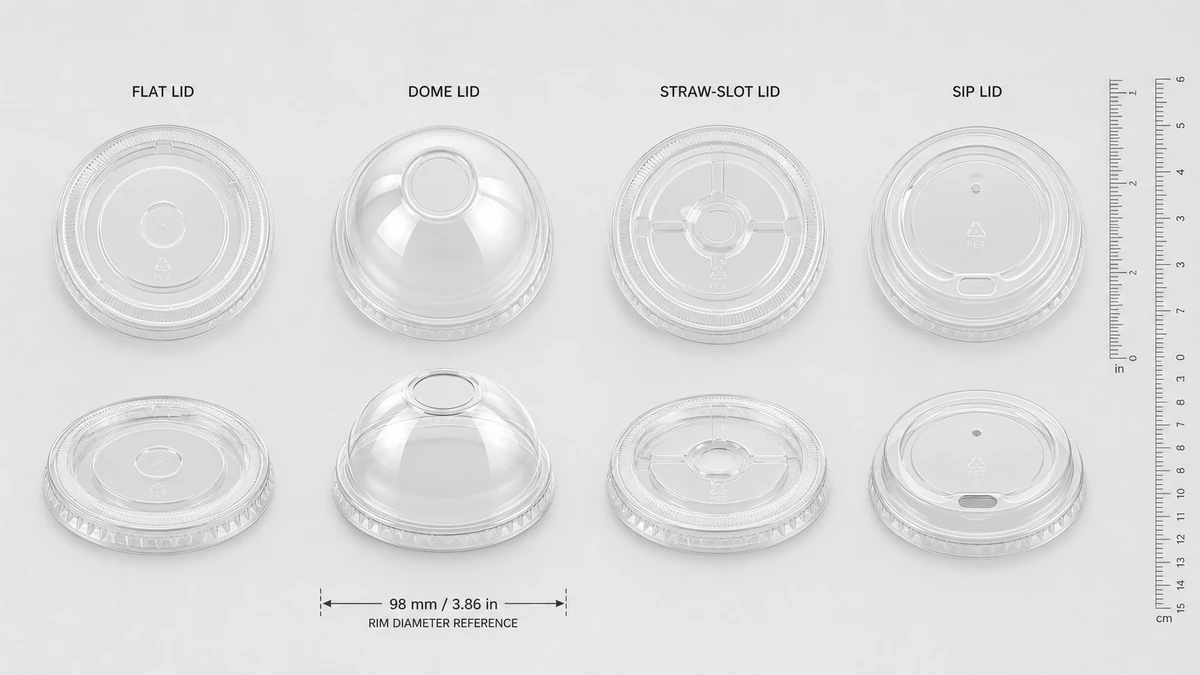
Lid fit is the most common source of problems in cup buying. The cup and lid must be matched by rim diameter and sealing profile, not by nominal volume alone. Many 16 oz clear plastic cups with lids use a 98 mm rim, but other sizes do exist, including 90 mm and proprietary formats.
The main lid types are:
Flat lids store easily and cost less. Dome lids need more shelf space but add vertical clearance. Straw-slot lids are common in quick service, but the straw opening must match your straw stock. Sip lids are useful when the beverage program allows them, but they are not ideal for thick drinks.
A strong buying process always includes a physical fit test. Seat the lid on a filled cup, check the snap force, and confirm that the lid stays secure after handling. For lid sourcing across beverage programs, tapas para tazas de café es una referencia útil.
For procurement teams, the commercial terms matter as much as the product spec. Ask every supplier for MOQ, lead time, and sample availability before you approve the SKU.
Entre las preguntas habituales de los compradores deberían figurar:
Lead time is especially important when you are ordering printed cups or RPET programs. Stock items may ship faster, but custom print work and recycled-content sourcing usually need more planning. If your demand is steady, hold enough safety stock to cover reorder delays and seasonal spikes.
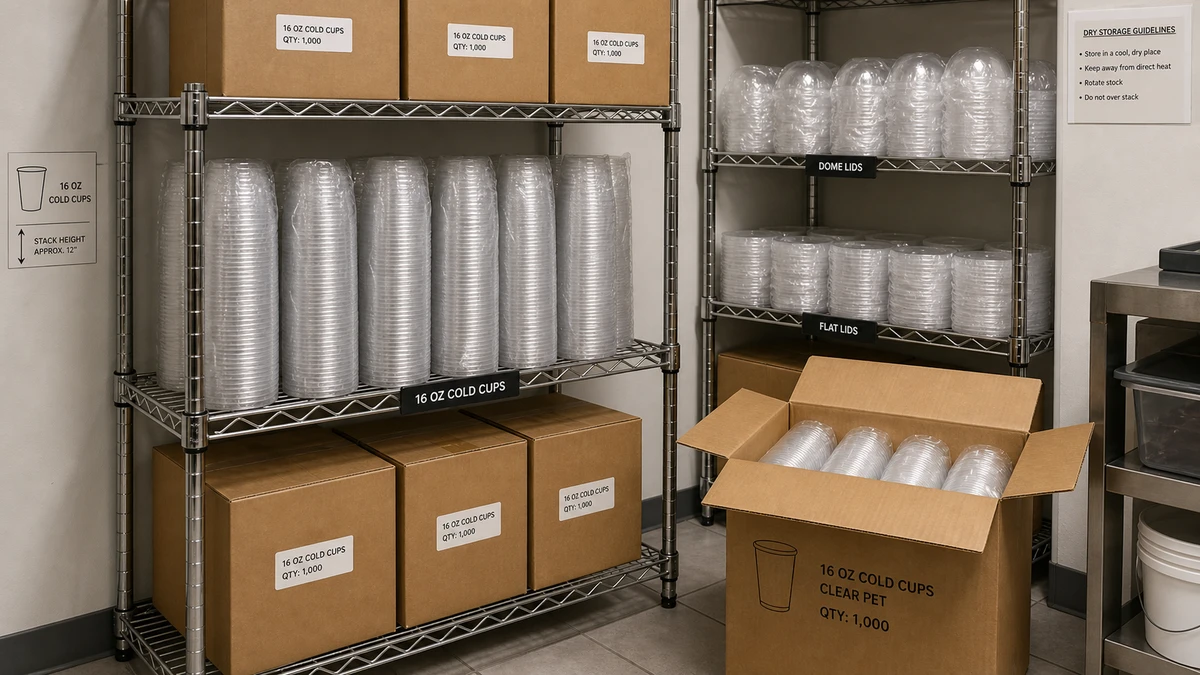
Case pack planning also matters. Cups and lids are often packed separately, and lids can take more space than buyers expect, especially dome lids. Make sure your receiving area, dry storage, and line-side storage can handle the case configuration before you commit to volume.
For multi-location buyers, standardize the approved cup and lid pair before allowing local teams to reorder. A small local substitution can create mixed inventory that looks similar but fails at the rim, which is difficult to catch during a busy service rush.
If the cups will carry a logo, the print method should match your order size and service model. Offset or dry offset printing is generally used for larger programs. Digital printing is better for shorter runs and test launches. Sleeve labeling can work for multi-location buyers who want flexibility.
When evaluating print options, confirm:
For buyers comparing printed cold cups with paper formats, vasos de papel can help frame the alternative. If your branding strategy extends beyond cups, it is also worth looking at embalajes de papel sostenibles for broader packaging alignment.
Coating matters too. Even on clear plastic cups, any ink, label, or surface treatment should hold up in cold, wet conditions. Ask for a sample that reflects the real substrate, not just a proof on plain stock.
Foodservice buyers should always request documentation before final approval. A cup may look right and still fail a compliance review if the paperwork is missing.
For U.S. buyers, the FDA is the main authority for food-contact substances and packaging materials: https://www.fda.gov/food/food-ingredients-packaging/food-contact-substances-fcs
Ask suppliers for:
If you buy across multiple channels, keep the cup, lid, and print documents together in one sourcing file. That makes it easier to respond to retailer audits, distributor requests, and internal QA reviews. For adjacent supply planning, envases para alimentos is useful when building a broader packaging standard.
To avoid mismatches, write the spec before you request quotes. Include the following:
Send the same spec sheet to every supplier so you can compare offers on equal terms. A shared spec prevents one quote from covering only the cup while another includes lids, printing, cartons, and documentation.
A good sample review should include cup clarity, lid snap, stackability, and performance after filling. If the cup is for chilled beverages only, do not overpay for features you do not need. If the beverage has toppings or foam, do not choose a flat lid just because it stores better.
The most reliable buying process is simple: define the cup, define the lid, confirm the paperwork, and test the finished pair before you place volume.
That final test should use the real drink format, not an empty cup on a desk. Ice, carbonation, toppings, condensation, and counter handling all change how the package behaves in service. A supplier that can provide samples, dimensions, and documentation before the order is usually easier to scale with than a supplier that only quotes a low unit price.
Most cold drink programs use PET or RPET because clarity is better. PP is used when temperature tolerance matters more than appearance.
Usually because the rim size or lid profile does not match the cup. The volume may be right, but the fit can still be wrong.
Only for drinks with toppings, foam, or extra height. Flat lids are simpler and usually cheaper.
Base it on average use, peak use, and supplier lead time. Add safety stock so a delayed shipment does not stop service.
Not reliably. Even at the same 16 oz size, the rim and snap profile may differ.
Ask for MOQ, lead time, print proof, color match method, and sample approval on the actual cup material.
No. RPET means recycled-content PET, but the recycled percentage can vary. Always request the PCR level in writing.