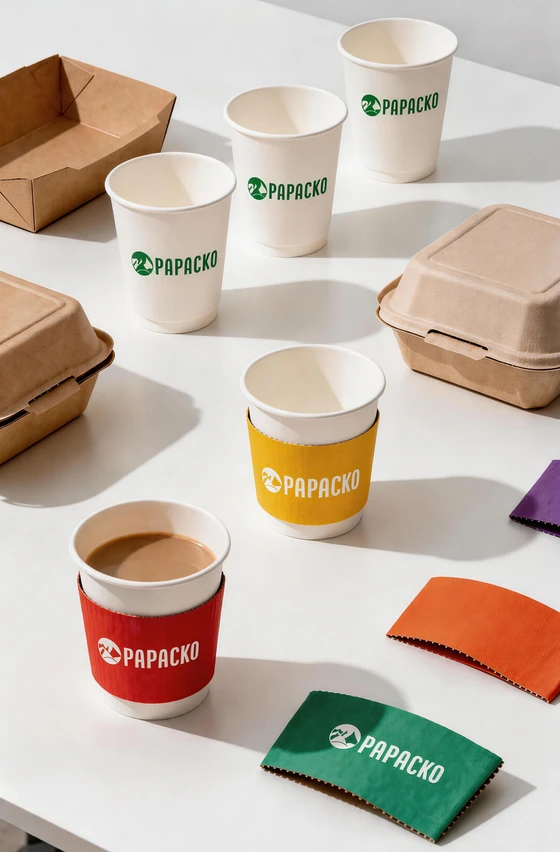
Готовы создать собственные фирменные бумажные стаканчики или упаковку?
Сообщите нам свои требования - размер, покрытие, печать и место назначения - и наша команда подготовит подробное коммерческое предложение в течение 24 часов.

Последнее обновление: Ноябрь 2025 г.
Время чтения: 11 минут
Автор: редакция Papacko
Ваша сеть кафе расширяется до 15 заведений, но вы по-прежнему заказываете кофе упаковочные принадлежности по частям у трёх разных поставщиков, платя наценку в 30–40 %, сталкиваясь с нестабильным качеством и тратя 8–10 часов в месяц на повторные заказы. Между тем ваш конкурент закупает все у одного оптового партнера, платит на 35% меньше, поддерживает единый брендинг во всех точках и никогда не сталкивается с дефицитом товара.
Оптовые закупки упаковочных материалов для кофе — это не просто покупка больших партий товара; они требуют стратегического подбора поставщиков, согласования минимального объема заказа, внедрения систем контроля качества, управления запасами, а также понимания совокупной стоимости владения, выходящей за рамки простой цены за единицу. Разница между реактивными закупками и стратегическим оптовым снабжением может означать для среднего кафе экономию в размере 15 000–30 000 долларов в год.
Прочитав это руководство, вы узнаете:
-Необходимые аксессуары для упаковки кофе и типичные минимальные объемы оптовых заказов
-Как оценить и выбрать надежных оптовых поставщиков
-Контрольные точки проверки качества при выполнении оптовых заказов
-Структура цен и анализ совокупных затрат
-Управление цепочкой поставок для предприятий с несколькими филиалами
-Распространенные ошибки при оптовых закупках и как их избежать
-Вопросы импорта и экспорта при международных закупках
💡 Краткий вывод: Оптовые поставки аксессуаров для упаковки кофе предполагают минимальный объем заказа (MOQ) в размере 10 000–50 000 единиц на каждый артикул, срок изготовления 30–60 дней, а также общие инвестиции в размере 1 450–15 000 долларов США для формирования полного стартового запаса.
Ожидайте экономии в размере 25–40 % по сравнению с розничной ценой, но учитывайте расходы на хранение (1–200–500 в месяц), потребности в денежных потоках (срок оплаты 60–90 дней) и накладные расходы на контроль качества.
Ключевые факторы успеха: формирование наборов из нескольких наименований товаров у одного поставщика, квартальное прогнозирование на основе данных о фактическом потреблении, наличие резервного поставщика для критически важных товаров.
Идеально подходит для: предприятий, реализующих более 10 000 единиц продукции в месяц, сетей с несколькими филиалами, дистрибьюторов, обслуживающих 5 и более кафе.
Понимание совокупной стоимости владения — а не только цены за единицу — позволяет избежать дорогостоящих ошибок и точно рассчитать рентабельность инвестиций.
Дифференцированные цены в зависимости от объема (Наиболее распространенные):
-Базовая цена при минимальном объеме заказа: $0,050 за единицу
-2x минимальный объем заказа: $0.045/шт. (-10%)
-5-кратный минимальный объем заказа: $0.040/шт. (-20%)
-10-кратный минимальный объем заказа: $0.037/шт. (-26%)
Плюсы: предсказуемо, легко рассчитать, способствует увеличению объема заказов
Минусы: Ограниченная гибкость при переговорах может привести к накоплению излишков товара
Ценообразование на основе переговоров:
-Ежегодный объем закупок на сумму более 1 450 000 фунтов стерлингов
-Фиксированная цена на 12 месяцев независимо от объема заказа
-Как правило, на 15–25% ниже дифференцированных цен при аналогичном объеме
Плюсы: Уверенность в бюджете, оптимальная себестоимость единицы продукции, приоритет в отношениях с поставщиками
Минусы: Требуется точное прогнозирование, штрафные санкции за невыполнение плана, обязательства по обеспечению денежного потока
Спотовые цены (рыночный подход):
-Стоимость зависит от конкретного заказа и определяется стоимостью сырья
-Характерно для бумажной продукции, цены на которую привязаны к ценам на целлюлозу
-Как правило, разница между премиальными и контрактными ценами составляет 5–101 TP3T в целях обеспечения гибкости
Плюсы: Без долгосрочных обязательств, можно извлекать выгоду из падений рынка
Минусы: Непредсказуемость при составлении бюджета, более высокая средняя стоимость, отсутствие преимуществ, связанных с лояльностью поставщиков
Доставка и логистика:
-Внутренние грузоперевозки: $200–500 за поддон (2000–3000 фунтов)
-Международная доставка: 1 400–4 000 за 20-футовый контейнер
-Импортные пошлины/таможенные сборы: 0–151 TP3T от стоимости товара (зависит от страны и типа товара)
-Страхование грузов: 1–31 % от стоимости груза
Хранение и обращение:
-Арендная плата за склад: $8–15 за поддон в месяц
-Или специальное хранилище: 1 ТБ за 4–200–500 долларов в месяц на площадь 200–300 кв. футов
-Трудозатраты на управление запасами: 2–4 часа в месяц
-Повреждение/устаревание: коэффициент 1–3%
Влияние на движение денежных средств:
-Условия оплаты: 30–60 дней с даты отгрузки (не с даты доставки)
-Альтернативная стоимость: капитал, связанный в запасах
-Расходы на финансирование: при использовании кредитной линии добавьте годовую процентную ставку в размере 6–121 TP3T
Накладные расходы на контроль качества:
-Проверка образцов: $50-100 на заказ
-Управление дефектами: 1–2 часа рабочего времени сотрудников на каждую проблему
-Возврат/замена: 5–10 % от стоимости бракованного товара в качестве логистических расходов
#### Анализ совокупной стоимости владения (Пример: Крышки для стаканов с кофе)
Ключевые моменты: Прямые оптовые продажи обеспечивают наилучшую себестоимость единицы продукции, но требуют в 23 раза больших капиталовложений, чем вариант с привлечением дистрибьютора.
Эффективное распределение оптовых запасов по нескольким складам позволяет избежать дефицита товаров, свести к минимуму потери и оптимизировать денежный поток.
Модель централизованного склада:
-Один оптовый заказ отправляется в центральный пункт
-Распределить между отдельными кафе в зависимости от объема потребления
-Требуется: выделенное складское помещение, система дистрибуции, система учета запасов
Преимущества:
-Максимальные скидки за объем (один крупный заказ)
-Централизованный контроль качества
-Более простое управление товарами с низкой оборачиваемостью
-Страховой запас защищает от задержек со стороны поставщиков
Вызовы:
-Требуется складское помещение площадью 200–500 кв. футов
-Внутренние расходы на распределение и логистику
-Единственная точка отказа (в случае сбоев в работе склада)
-Время, затрачиваемое персоналом на перераспределение: 4–8 часов в неделю
Децентрализованная прямая доставка:
-Оптовый поставщик осуществляет доставку в каждый пункт назначения отдельно
-Каждое кафе самостоятельно управляет своими запасами
-Меньшие объемы заказов по каждому филиалу, но совокупный объем для ценообразования
Преимущества:
-Центральный склад не требуется
-Каждый филиал самостоятельно управляет своими запасами
-Более быстрое пополнение запасов (напрямую от поставщика)
Вызовы:
-Более высокая стоимость доставки (несколько адресов)
-Несогласованность управления запасами между филиалами
-Колебания качества (различные партии в разных местах)
-Более сложный процесс оформления заказа
Прогнозирование на основе потребления:
1.Отслеживать фактическое использование (исходный уровень за 90 дней):
– Учитывать ежедневное/еженедельное потребление по каждому артикулу
– Рассчитать среднее значение: общее количество единиц ÷ количество дней = количество единиц в день
– Выявление отклонений: сезонные пики, влияние рекламных акций
2.Рассчитать точку повторного заказа:
Точка пополнения запасов = (среднесуточное потребление × срок поставки в днях) + страховой запас
Пример:
– Крышки для кофейных стаканов: в среднем 500 штук в день
– Срок поставки: 21 день
– Страховой запас: 7-дневный запас
– Точка пополнения запасов = (500 × 21) + (500 × 7) = 14 000 единиц
3.Установить экономически оптимальный объем заказа (EOQ):
Сравнение затрат на заказы и затрат на хранение:
– Слишком частые заказы: более высокие расходы на доставку, больше времени на административную работу
– Слишком большой заказ: замороженные денежные средства, расходы на хранение, риск повреждения/устаревания
Оптимальная частота заказов: 60–90 дней для большинства аксессуаров (запас на 2–3 месяца)
Матрица распределения запасов по нескольким местоположениям ####
Стратегия оптовых заказов: Заказывать 61 000 единиц в месяц, распределять их с учетом коэффициентов использования. Поддерживать страховой запас в размере 30 500 единиц по всей сети.
Закупка аксессуаров для упаковки кофе на международном рынке может обеспечить экономию средств в размере 30–50%, однако требует понимания особенностей таможенного оформления, соблюдения нормативных требований и сложностей логистики.
Пороговое значение громкости: Как правило, экономически выгодно при заказе от 50 000 единиц (заполняет 20–30% 20-футового контейнера)
Анализ затрат и выгод:
-Экономия на стоимости продукции: 35-50% по сравнению с отечественной продукцией
-Стоимость доставки: 1 400–3 000 за 20-футовый контейнер
-Импортные пошлины: 0–151 TP3T в зависимости от категории товара и страны происхождения
-Таможенный брокер: $150–300 за отправку
-Контроль качества: $300-500 (при использовании сторонних поставщиков)
-Срок изготовления: 6–10 недель по сравнению с 2–4 неделями при внутренних заказах
Пример безубыточности:
-Внутренний рынок: 50 000 крышек по цене $0,04 = $2 000
-Импорт: 50 000 крышек по цене $0,022 + $500 (доставка/пошлины) + $200 (услуги брокера) = $1 800
-Скидка: $200 (10%) при первом заказе; 20–25% при последующих заказах (пропорционально сниженная стоимость доставки)
Сертификаты на продукцию:
-Уведомление FDA о контактах с пищевыми продуктами: Требуется для любой упаковки, контактирующей с продуктами питания или напитками в США
-Постановление ЕС 10/2011: Для материалов, контактирующих с пищевыми продуктами, в Европе
-Сертификат об отсутствии БФА: Для крышек и пластиковых изделий
-Стандарты компостируемости: BPI (США), EN 13432 (ЕС) при заявлении экологических характеристик
Контрольный список документации:
1.Торговая накладная (подробное описание товара, коды ГС, стоимость)
2.Упаковочный лист (вес, габариты, количество коробок)
3.Коносамент (морские перевозки) или авианакладная (авиаперевозки)
4.Сертификат происхождения (для соглашений о беспошлинной торговле)
5.Протоколы испытаний продукции (если это требуется страной назначения)
Примеры кодов HS (Гармонизированная система таможенной классификации):
-Бумажные стаканчики: 4823.69
-Пластиковые крышки: 3923,50
-Бумажные салфетки: 4818.20
-Деревянные палочки для размешивания: 4421.91
Совет: Неправильные коды HS приводят к задержкам на таможне. Перед отправкой первой партии товара проконсультируйтесь с таможенным брокером.
Экспедитор = Координатор по логистике (организует отправку книг, занимается оформлением документов)
Таможенный брокер = Специалист по таможенному оформлению (оформляет таможенные декларации, уплачивает пошлины)
Структура затрат:
-Экспедирование грузов: как правило, входит в стоимость доставки
-Таможенное оформление: 1 000–1 500 тайских батов за отправку (первый раз); 1 000–1 500 тайских батов за последующие отправки
-Регистрация в ISF (США): $50-75 за каждую партию
-Плата за простой/задержку: $75–150 в день в случае задержки самовывоза (старайтесь этого избегать!)
Выбор партнера:
-Спросите: “Сколько отгрузок упаковки для пищевых продуктов вы обрабатываете ежемесячно?” (Желаемый результат: 20+)
-Уточните: “Есть ли у вас таможенная гарантия для ускоренного оформления?” (Особенно важно для грузов, требующих оперативной доставки)
-Уточните: “Каково среднее время оформления груза?” (Целевой показатель: 1–2 дня после прибытия)
Извлеките уроки из этих типичных ошибок, чтобы избежать дорогостоящих проблем.
❌ Ошибка #1: размещение заказов исключительно на основе цены за единицу
Проблема: Выбор поставщика с самой низкой ценой за единицу ($0,03 за крышку), но минимальный объем заказа составляет 50 000 единиц (инвестиции в размере $1 500), при том что потребление составляет всего 5 000 единиц в месяц. Результат: запас на 10 месяцев, $1 500 заблокированных денежных средств, риск повреждения/устаревания.
Правильный подход: Рассчитайте совокупную стоимость с учетом затрат на хранение, денежного потока и рисков. Зачастую поставщик, предлагающий условия $0,035 за крышку при минимальном объеме заказа в 10 000 штук (инвестиции в размере $350), обеспечивает более выгодные экономические показатели.
❌ Ошибка #2: Отсутствие запасного поставщика
Проблема: Закупка всех комплектующих у одного поставщика. Если у этого поставщика возникают задержки в производстве или проблемы с качеством, это приводит к дефициту товаров на складе во всей компании.
Правильный подход: Имейте в запасе альтернативного поставщика (даже если его цены на 10–15 % выше) для критически важных товаров. Ежеквартально заказывайте небольшие партии, чтобы поддерживать отношения с ним. Расходы: около 5 % от общего бюджета на закупки в качестве “страховки”.”
❌ Ошибка #3: игнорирование колебаний времени выполнения заказа
Проблема: Поставщик указывает “срок поставки — 4 недели”, но на самом деле в низкий сезон он составляет 3 недели, а в праздничный период — 6 недель. Если не учитывать этот момент, в пиковые периоды возникают перебои с поставками.
Правильный подход: Спросите: “Каковы ваши сроки поставки в пиковый сезон?” Добавьте запас в 25–50 дней к указанным срокам поставки для расчета точки повторного заказа. Отслеживайте фактические сроки поставки в течение 6 месяцев, чтобы построить точную модель.
❌ Ошибка #4: Заказ избыточного количества медленно реализуемых товаров
Проблема: При заказе шестимесячного запаса всех аксессуаров в равных количествах, но при этом чехлы для стаканов (необязательный товар) расходятся в 5 раз медленнее, чем крышки. Результат: через 2,5 года чехлы по-прежнему остаются на складе, занимая место.
Правильный подход: Разбивка запасов по коэффициенту оборачиваемости:
-Товары с высокой оборачиваемостью (крышки, салфетки): запас на 90 дней
-Средства для перемешивания (мешалки, мешки): запас на 60 дней
-Медленно реализуемые товары (рукава, специальные товары): запас на 30–45 дней
❌ Ошибка #5: Отсутствие переговоров об условиях оплаты
Проблема: Принятие стандартных условий поставщика «30 дней с даты выставления счета» при том, что конкуренты предлагают «60 дней с даты выставления счета». Упущенная возможность улучшить денежный поток.
Правильный подход: При заказе на сумму свыше $5 000 всегда ведите переговоры:
-Попросите установить условия оплаты «Net 60» или «Net 90» (особенно в случае годового контракта)
-Запрос 2/10, оплата через 30 дней (скидка 2% при оплате в течение 10 дней)
-Для первого заказа предлагаю предоплату в размере 50% и оплату по факту поставки (что снижает риски для обеих сторон)
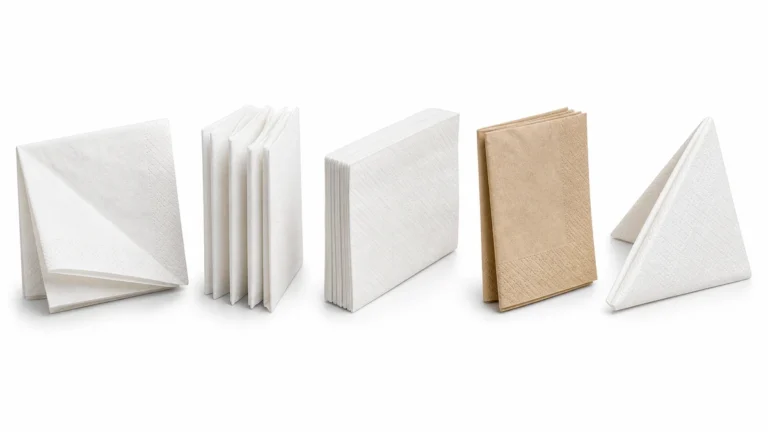
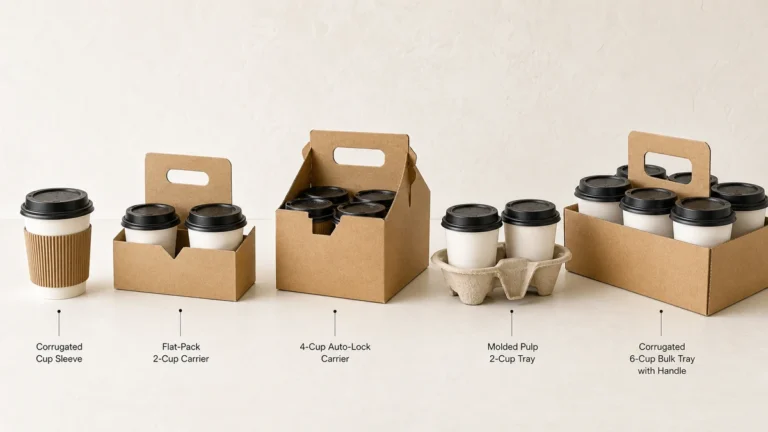
Аксессуары для упаковки кофе — это одноразовые изделия, помимо стаканов и контейнеров, которые дополняют процесс подачи кофе: крышки, терморукава, палочки для размешивания, соломинки, салфетки, подставки под стаканы, стаканчики для сливок и пакеты для кофе на вынос. Оптовые закупки обычно требуют минимального заказа от 5 000 до 20 000 единиц на один артикул, предполагают срок поставки от 30 до 60 дней и обеспечивают экономию от 25 до 40 % по сравнению с розничными ценами для предприятий, использующих более 10 000 единиц в месяц.
Минимальный объем заказа зависит от вида продукции: крышки (10 000–20 000 шт.), рукава (5 000–10 000 шт.), подставки для стаканов (1 000–2 000), мешалки (10 000–50 000), салфетки (10 000–20 000) и пакеты (5 000–10 000). Прямые производители обычно требуют минимальный объем заказа (MOQ), в 2–3 раза превышающий требования оптовых дистрибьюторов. Для небольших предприятий рекомендуется начинать с дистрибьюторов (более низкий MOQ, более быстрая доставка), а затем, по мере роста объемов, переходить к прямым производителям.
Типичная экономия при оптовых закупках: 25–40 % по сравнению с розничными ценами или ценами поставщиков для предприятий общественного питания. Пример: крышки для кофейных стаканов в розничной продаже стоят 0,06–0,08 доллара за штуку, при оптовой закупке — 0,03–0,045 доллара. Однако необходимо учитывать совокупную стоимость владения: доставку (добавляет $0,002–0,007 за единицу), хранение (добавляет $0,001–0,003 за единицу), затраты на денежный поток (добавляют $0,002–0,004 за единицу) и контроль качества. Реальная чистая экономия: 20–35% с учетом всех затрат.
Выбирайте внутреннюю поставку в следующих случаях: объем заказа менее 50 000 единиц, требуется быстрая доставка (2–4 недели), тестирование новых продуктов или нежелание рисковать. Выбирайте международную доставку, если: объем заказа составляет более 50 000 единиц, вы готовы согласиться на сроки поставки 6–10 недель, стремитесь к экономии в размере 35–501 TP3T и имеете поддержку в оформлении таможенных документов. Точка безубыточности: как правило, 50 000–100 000 единиц, когда стоимость доставки на единицу становится незначительной. Для тех, кто импортирует впервые: воспользуйтесь услугами экспедитора и таможенного брокера.
Расчет: 20 000 крышек для кофейных стаканов = примерно 2 кубических метра (1 поддон). Полный 90-дневный запас для кафе среднего размера (4 заведения): 6–8 поддонов = 18–28 м² выделенной площади. Варианты: аренда коммерческих складских помещений ($8–15 на поддон в месяц), использование гаража/подвального помещения (желательно с климат-контролем) или согласование с поставщиком условий хранения с ежемесячными поставками. Заложите 20–30% дополнительного пространства для приемки, распаковки и перераспределения товаров.
Стандартные условия: 30 дней с даты выставления счета (оплата производится через 30 дней после выставления счета). Возможность переговоров для крупных клиентов: 60 или 90 дней с даты выставления счета, особенно при годовом объеме заказов свыше 150 000 фунтов стерлингов. Первые заказы часто требуют: предоплаты в размере 30–50 % от суммы заказа, оплаты остатка при доставке или оплаты в течение 15–30 дней с даты выставления счета. Скидки за досрочную оплату (2/10 Net 30): скидка 21% при оплате в течение 10 дней, в противном случае — Net 30. Международные заказы: как правило, 30–50% предоплаты, остаток до отгрузки или против копии коносамента.
Пятиэтапная проверка: (1) Запросите производственные образцы (50–100 единиц из реальной партии, а не просто рекламные образцы), (2) Проверьте сертификаты (ISO 9001, соответствие требованиям FDA, FSC для бумаги), (3) Проверить первый заказ 100% перед приемкой, (4) Запросить экскурсию по заводу (допускается виртуальная), (5) Начать с небольшого заказа (только на минимальный минимальный объем заказа), прежде чем соглашаться на более крупные партии. Предупреждающие сигналы: отсутствие политики предоставления образцов, неясные технические характеристики, цены на 30%+ ниже рыночных, отсутствие сертификационной документации.
Успешный оптовый закупки аксессуаров для упаковки кофе требует стратегического планирования, выходящего за рамки простого поиска самой низкой цены за единицу. Разница между реактивными закупками и стратегическим управлением оптовыми закупками означает для средних сетей кафе ежегодную экономию в размере 15 000–30 000 долларов, а также операционные преимущества в виде стабильного качества, надежных поставок и сокращения административных расходов.
Основные выводы:
1.Оптовые поставки аксессуаров для упаковки кофе предполагают минимальный объем заказа (MOQ) в 10 000–50 000 единиц и обеспечивают экономию в размере 25–40 % (20–35 % в чистом выражении с учетом совокупной стоимости владения)
2.Выбор поставщика на основе проверки качества (пробные образцы, сертификаты, посещение завода) позволяет избежать дорогостоящих проблем с качеством при выполнении крупных заказов
3.Анализ совокупных затрат, включающий расходы на доставку, хранение, движение денежных средств и контроль качества, позволяет оценить реальную экономическую эффективность, выходящую за рамки простой цены за единицу продукции
4.Предприятиям, работающим в нескольких регионах, выгодна централизованная система закупок в сочетании с децентрализованным распределением запасов с учетом структуры потребления
5.Международные закупки становятся экономически выгодными при объеме заказа от 50 000 единиц, однако требуют соблюдения таможенных норм, организации грузоперевозок и сроков поставки от 6 до 10 недель
Для сетей кафе и дистрибьюторов, обслуживающих множество точек, стратегическое оптовое сотрудничество с надежными поставщиками, подкрепленное прогнозированием спроса на основе фактического потребления и анализом совокупных затрат, позволяет превратить упаковочные материалы из источника операционных проблем в конкурентное преимущество за счет контроля затрат, стабильного качества и надежности поставок.
Узнайте больше о решениях для упаковки пищевых продуктов:
-Бумажные стаканчики и упаковка для кофе
-Контейнеры для упаковки пищевых продуктов
Компания Papacko поставляет готовую к экспорту упаковочную продукцию для кофе в кафе, дистрибьюторские компании и сети с многочисленными филиалами по всему миру. Мы предлагаем гибкие минимальные объемы заказа для развивающихся предприятий, сертификаты качества и поддержку в организации логистики для международных заказов.
Планирование аксессуаров дает лучшие результаты, если оно учитывает формат стаканов, выбор покрытия, сопутствующие товары и общую систему упаковки, используемую при продаже кофе на вынос.
Свяжитесь с нами:
Последнее обновление: Ноябрь 2025 г.
Команда по контенту: Папацко
Рецензировано: Отдел цепочки поставок и экспорта