Готовы создать собственные фирменные бумажные стаканчики или упаковку?
Сообщите нам свои требования - размер, покрытие, печать и место назначения - и наша команда подготовит подробное коммерческое предложение в течение 24 часов.

Последнее обновление: Ноябрь 2025 г.
Время чтения: 9 минут
Автор: редакция Papacko
Ваше экологически чистое кафе перешло на коробки для ланча из крафт-бумаги, чтобы привлечь внимание эко-сознательных клиентов, но обнаружило, что 25% коробок протекли от жира в течение 15 минут, 18% развалились при укладке в обеденный перерыв, а клиенты жаловались на масляные пятна на руках и сумках - в результате 40+ еженедельных жалоб и снижение рейтинга Google с 4,6 до 4,1 звезды. Тем временем в органическом ресторане на соседней улице используют крафт-коробки, которые прекрасно справляются с жирными продуктами, сохраняя при этом свою экологическую репутацию.
Коробки для ланча из крафт-бумаги не являются автоматически экологически функциональными - они требуют специальных технологий защиты от масла (достижение TAPPI T559 Grade 10-12 без использования полиэтиленовых покрытий на нефтяной основе), структурного проектирования для обеспечения прочности при штабелировании (картон 350-450 GSM с усиленными углами) и надлежащих сертификатов FSC/переработанного содержимого, чтобы обеспечить как экологические характеристики, так и практическую надежность. Неправильный выбор крафт-коробки обходится в $5-8 на каждый неудачный заказ в виде переделок и возвратов, а также наносит ущерб позиционированию вашего бренда в области устойчивого развития.
Прочитав это руководство, вы узнаете:
-Маслостойкие решения для крафт-бумаги: барьерные технологии без полиэтиленового покрытия
-Требования к прочности конструкции: Вес GSM и стратегии усиления
-Сертификация FSC Сравнение с содержанием вторичного сырья: что важнее для экологического позиционирования
-Выбор размера и планирование вместимости для различных типов обедов
-Анализ стоимости: крафт против белых альтернатив против альтернатив с покрытием
-Проверка поставщиков и контрольные точки контроля качества
-Распространенные ошибки, снижающие эффективность крафт-бумаги
💡 Краткий вывод: Коробки для обедов из крафт-бумаги требуют минимального стандарта 350-400 GSM для обеспечения структурной целостности, барьерных покрытий на водной основе или PLA для обеспечения маслостойкости (класс 10-11 TAPPI T559), а также сертификации FSC или содержания переработанного сырья 80%+ для получения достоверных заявлений об устойчивом развитии.
Стоимость: $0,25-0,45 за коробку в зависимости от покрытия и сертификации.
Важные характеристики: усиление дна предотвращает разрушение при весе пищи 2-3 фунта, соответствующие вентиляционные отверстия предотвращают засорение, разлагается за 60-90 дней в условиях компостирования.
Лучше всего подходит для: кафе, ориентированных на здоровый образ жизни, ресторанов с фермерскими столами, кейтеринговых служб, для которых экологичность важнее функциональности.
Достижение устойчивости к смазке при сохранении экологичности требует применения передовых барьерных технологий, выходящих за рамки традиционных полиэтиленовых покрытий.
Свойства натуральной крафт-бумаги:
-Пористая структура целлюлозных волокон (бумага естественным образом впитывает жидкости)
-Отсутствие встроенного масляного барьера (жир пропитывает волокна, проникает сквозь толщу)
-Хронология: Крафт без покрытия показывает прорыв масла через 5-15 минут при употреблении жирной пищи
Последствия утечки нефти:
-Опыт клиентов: Жирные руки, испачканные маслом сумки/автомобильные сиденья, восприятие низкого качества
-Ущерб бренду: В восприятии покупателей “экоупаковка” превращается в “дешевую упаковку”
-Проблемы со здоровьем: Масло для наружного применения притягивает грязь, воспринимается как антисанитарное средство
-Операционные расходы: 15-25% коэффициент переделки = $750-1,250 ежемесячных убытков (50 ежедневных заказов × $10 в среднем)
Состав: Полимерная дисперсия на основе акрила или крахмала, плотность покрытия 12-20 гкм
Характеристики маслостойкости:
-Тест TAPPI T559: Класс 10-11 (подходит для большинства обеденных зон)
-Время прорыва: 30-45 минут при умеренном количестве жира (салатные заправки, соусы)
-Диапазон температур: Эффективно до 80°C (подходит для теплых, но не горячих продуктов)
Экологические сертификаты:
-Водорастворимое покрытие (без выбросов летучих органических соединений при производстве)
-Потенциально пригодны для вторичной переработки (зависит от инфраструктуры, некоторые предприятия принимают)
-Биоразлагаемый: Разлагается за 60-120 дней в условиях компостирования
-Возобновляемое содержание: Часто крахмал (полимер растительного происхождения)
Стоимость: +$0,03-0,06 по сравнению с крафтом без покрытия ($0,28-0,35 за коробку)
Ограничения:
-Умеренная маслостойкость (не подходит для жареных во фритюре и очень жирных продуктов)
-Некоторая чувствительность к воде (длительное воздействие влаги разрушает барьер)
-Переработка варьируется в зависимости от региона (проверьте, как принимаются бумажные потоки в вашем регионе)
Лучшее для: Салаты, сэндвичи, зерновые миски, белки на гриле - умеренная жирность
Состав: Биопластик на растительной основе из кукурузы/сахарного тростника, покрытие 15-25gsm
Характеристики маслостойкости:
-Тест TAPPI T559: Класс 11-12 (превосходная защита от смазки)
-Время расщепления: 60-90 минут даже при использовании продуктов с высоким содержанием жира
-Диапазон температур: До 85°C (подходит для большинства применений при поставках)
Экологические сертификаты:
-100% на растительной основе (без содержания нефтепродуктов)
-Возможность компостирования в промышленных условиях (90-180 дней на промышленных предприятиях)
-Более низкий углеродный след по сравнению с покрытием из полиэтилена (возобновляемое сырье)
-Не подлежит переработке (загрязняет бумагу)
Стоимость: +$0,06-0,10 по сравнению с крафтом без покрытия (+25-35% по сравнению с покрытием на водной основе)
Компромиссы:
-Требуется коммерческая инфраструктура компостирования (не домашний компост)
-Более высокая стоимость (премиальное ценообразование для позиционирования устойчивости)
-Невозможно переработать в стандартных потоках бумаги (необходимо отправлять на компостирование или на свалку)
Лучшее для: Экологические бренды премиум-класса, рынки с доступом к коммерческому компостированию, блюда с высоким содержанием жира в меню
Жироуловители без PFAS (Emerging Standard):
-История вопроса: В традиционных жиростойких средствах обработки использовались PFAS (пер/полифторалкильные вещества).
-Проблема: PFAS связаны с проблемами здоровья, запрещены/выведены из оборота в ЕС/США
-Решение: Новые покрытия на биооснове без фторхимикатов, достигающие класса 10-12
-Эффективность: Сравнимо с обработкой PFAS без риска для здоровья/окружающей среды
-Стоимость: +$0,04-0,08 по сравнению с крафтом без покрытия (умеренная премия)
-Сертификация: Ищите в документации поставщика утверждения “PFAS-Free” или “Fluorine-Free”.
Сравнение маслостойкости ####
Натуральный коричневый цвет крафт-бумаги и ее экологическая привлекательность ничего не значат, если коробки разваливаются под обычным весом обеда или давлением при укладке.
300-330 GSM (Легкая коммерция):
-Вместимость: До 1,5 фунтов веса продукта
-Штабелирование: 3-4 коробки максимум до риска деформации
-Типичное использование: Салаты на гарнир, легкие сэндвичи, закуски
-Стоимость: $0.22-0.30 за коробку
-Ограничение: Не подходит для полноценных обедов или укладки в стопки во время напряженной работы
350-400 GSM ⭐ Стандарт для ланч-боксов:
-ВместимостьНадежно удерживает 2-3 фунта веса продукта
-Штабелирование: 6-8 устойчивых коробок (типичный сценарий для подготовительной станции или сумки для доставки)
-Типичное использование: Обеды из основных блюд, рисовые миски, паста, белки + гарниры
-Стоимость: $0.28-0.38 за коробку
-Доля рынка: 70-80% из крафтовых коробок для ланча
400–450 г/м² (Тяжелый режим):
-Вместимость: 3-4 фунта пищевого веса
-Штабелирование: 10+ коробок (кейтеринг, сценарии массового приготовления)
-Типичное использование: Семейные обеды, порции, тяжелые белки
-Стоимость: $0.35-0.50 за коробку
-Пример использования: Рестораны премиум-класса, предприятия общественного питания, для которых приоритетом является максимальная надежность
Почему GSM имеет значение:
-Более высокий GSM = больше целлюлозных волокон = большая прочность на разрыв
-Крафт-бумага (неотбеленная) имеет более длинные волокна, чем белая бумага → более прочная на единицу GSM
-Прочность штабеля имеет решающее значение: обеденный перерыв = 20-30 коробок, уложенных в окно подготовки
Двустенная конструкция нижней панели:
-Дизайн: Два слоя крафт-картона, ламинированного на дне коробки
-Преимущество: Предотвращает провисание дна при заполнении коробки 2-3 фунтами продуктов и жидкостей
-Стоимость: +$0.04-0.06 за коробку
-Подходит для: Соленые блюда, рисовые чаши, все, что содержит жидкие компоненты
Угловое усиление:
-Дизайн: Дополнительная толщина материала или складки на углах коробки
-Преимущество: Предотвращает разрывы углов при захвате/переноске коробки
-Распространенная неисправность: Неукрепленные углы рвутся, когда покупатели несут их вручную
-Стоимость: Минимальная (особенность конструкции, без увеличения стоимости материалов)
Усиление обода:
-Дизайн: Складной или двухслойный бортик вокруг отверстия коробки
-Преимущество: Предотвращает разрушение обода при надавливании на крышку, сохраняет целостность уплотнения
-Воздействие при штабелировании: Предотвращает разрушение верхнего обода под действием веса штабеля
-Стоимость: +$0.02-0.03 за коробку
Вентиляция без слабых мест:
-Проблема: крафтовые коробки нуждаются в вентиляции для предотвращения заветривания, но отверстия ослабляют конструкцию
-Решение: Небольшие (3-5 мм) перфорации, вырезанные лазером, стратегически расположены в верхних боковинах
-Размещение: Не на углах и не на дне (слабые места конструкции)
-Функция: Выпуск пара без снижения несущей способности
Достоверные заявления об экологичности требуют специальных сертификатов и документов о происхождении материалов.
Что он проверяет:
-Картон, полученный из ответственно управляемых лесов
-Отслеживание цепочки поставок от леса до готовой коробки
-Отсутствие вырубки лесов, защита прав коренных народов, устойчивый сбор урожая
Типы маркировки FSC:
-FSC 100%: Все первичные волокна из FSC-сертифицированных лесов (редкие, премиум)
-Смесь FSC: Сочетание FSC-сертифицированных + переработанных + контролируемых источников (наиболее распространено)
-Переработанный FSC: 100% волокна, переработанные после или до потребителя
Требования рынка:
-ЕС: Все более обязательные контракты на государственные закупки
-США: Не требуется по закону, но потребители узнают логотип (сигнал доверия)
-Корпоративные клиенты: Многие компании требуют FSC для отчетности по устойчивому развитию
Влияние на стоимость: FSC-сертифицированная крафт-бумага +3-8% по сравнению с несертифицированной
Верификация: Проверить, предоставил ли поставщик сертификат FSC с номером цепочки поставок, проверить по базе данных FSC
Содержание вторичной переработки после потребления (PCR):
-Определение: Бумажные отходы, собранные после использования потребителем (газеты, картонные коробки)
-Экологическая выгода: Снижение спроса на первичное волокно, отвод отходов от свалок.
-Компромисс между производительностью и качеством: волокна из вторичного сырья короче → немного слабее первичного крафта (на 10-15% ниже прочность на разрыв)
-Типичное содержание: 30-80% PCR (более высокий % = более сильное заявление об устойчивости, но более слабый материал)
Переработанный материал до переработки:
-Определение: Отходы производства, повторно используемые в производстве
-Экологическая выгода: Сокращение отходов производства
-Маркетинговая ценность: Менее значимо, чем после потребления (не решает проблему потребительских отходов).
Рекомендуемый баланс: 50-70% PCR сохраняет хорошую структурную прочность, обеспечивая при этом надежную устойчивость.
Требования к маркировке:
-Должно быть указано содержание вторичного сырья % (например, “Изготовлено из переработанного материала 60%”).
-В некоторых регионах требуется разбивка на “после потребителя” и “до потребителя”.
-Рекомендуется проверка третьей стороной (предотвращает обвинения в "зеленом промывании")
Сравнение сертификации устойчивости ####
## Выбор размера и подбор меню
Выбор подходящего размера коробки для пунктов меню оптимизирует функциональность, экономическую эффективность и восприятие покупательской ценности.
500 мл (16 унций) - закуска/бокал:
-Размеры: 15×12×5 см.
-Лучшее для: Салаты на гарнир, детские блюда, порционные закуски, десерты
-Вместимость: 1-1,5 чашки объема пищи
-Стоимость: $0.22-0.30
-Коэффициент заполнения: 85-90% полный создает соответствующее восприятие порции
750 мл (24 унции) - Стандартный обед ⭐ Самые популярные:
-Размеры: 18×13×6 см.
-Лучшее для: Одноразовые обеды, рисовые миски, макароны, сэндвич + гарнир
-Вместимость: 2-3 чашки объема пищи
-Стоимость: $0.28-0.38
-Доля рынка: 60-70% продаж ланч-боксов
-Коэффициент заполнения: 80-85% full достигает удовлетворительного внешнего вида без переполнения
1000 мл (32 унции) - Большая порция:
-Размеры: 20×15×7 см.
-Лучшее для: Сытные порции, протеиновые миски, подготовка к приему пищи, совместное использование
-Вместимость: 3,5-4 чашки объема пищи
-Стоимость: $0.32-0.45
-Пример использования: Блюда на ужин, блюда после тренировки, семейный ужин
1500 мл (48 унций) - Семья/Кейтеринг:
-Размеры: 24×18×8 см.
-Лучшее для: Семейные обеды, кейтеринговые заказы, порции оптом
-Вместимость: 5-6 чашек объема пищи
-Стоимость: $0.40-0.60
-Пример использования: порции на 2-3 персоны, специальные мероприятия
Одно отделение (Наиболее распространенные):
-Преимущества: Низкая стоимость, удобная упаковка, подходит для смешанных блюд
-Лучшее для: Приправы, паста, миски из смешанных зерен
-Ограничение: Продукты смешиваются друг с другом (допустимо для дополняющих друг друга вкусов)
Двухкамерный дизайн:
-Макет: Обычно 60/40 или 70/30
-Преимущества: Отделяет влажное от сухого, белки от углеводов
-Стоимость: +$0,05-0,08 по сравнению с одним отделением
-Лучшее для: Белок + рис, основное блюдо + гарнир, сохраняя жареные продукты хрустящими
Стиль бенто с 3 отделениями:
-Макет: 50/25/25 или 40/30/30
-Преимущества: Максимальное разделение, эстетика приготовления еды, восприятие премиум-класса
-Стоимость: +$0,10-0,15 по сравнению с одним отделением
-Лучшее для: Бренды, ориентированные на здоровье, японская кухня, услуги по приготовлению еды
Понимание общей стоимости, выходящей за рамки материальных затрат, позволяет выявить конкурентное положение крафт-бумаги.
Белая бумажная коробка без покрытия:
-Стоимость материала: $0.24-0.32
-Экологический диплом: Перерабатываемое (если не загрязнено), первичное волокно
-Устойчивость к воздействию масла: Плохо (требует полиэтиленового покрытия для смазки → не подлежит переработке)
-Восприятие: Стандартный, функциональный, не экологичный
Коробка из белой бумаги с полиэтиленовым покрытием:
-Стоимость материала: $0.26-0.35
-Экологический диплом: Не подлежит переработке, не компостируется, на нефтяной основе
-Устойчивость к воздействию масла: Отлично (класс 12 TAPPI T559)
-Восприятие: Функциональный, но экологически негативный
Крафт-бумага с покрытием на водной основе ⭐:
-Стоимость материала: $0.28-0.38
-Экологический диплом: Потенциально перерабатываемый + компостируемый, возобновляемый
-Устойчивость к воздействию масла: Хорошо (класс 10-11 TAPPI T559)
-Восприятие: Экологичность и функциональность (премиальное позиционирование)
Крафт-бумага с PLA-покрытием:
-Стоимость материала: $0.32-0.45
-Экологический диплом: Коммерчески компостируемый, на растительной основе
-Устойчивость к воздействию масла: Отлично (11-12 классы)
-Восприятие: Экологическое позиционирование премиум-класса
Маркетинговая ценность позиционирования Kraft/Eco:
-Опросы потребителей: 62% готовы заплатить 10-15% премии за экологичную упаковку
-Дифференциация бренда: “Мы используем компостируемые крафт-коробки” = конкурентное преимущество
-Социальные сети: Эко-упаковка получает на 40-60% больше вовлеченности (Instagram/TikTok UGC)
-Корпоративное питание: Многие компании теперь требуют экологическую упаковку при заказе еды для сотрудников
Стоимость низкой производительности:
-Переделка утечки масла: $7-10 за неудачный заказ (еда + труд + добрая воля клиента)
-Если крафт-коробки протекают 15% времени: 75 ежедневных заказов × 15% × $8 = $90/день = $2,700/месяц убытка
-Правильная крафт-коробка стоит на +$0,05 больше = $3,75 в день = $112 в месяц
-Чистое преимущество качественного крафта: Сэкономьте $2 588 в месяц, инвестируя на $112 больше в упаковку
##### Общая стоимость владения (на 1000 коробок)
Ключевые моменты: Крафт на водной основе обеспечивает наилучшую общую стоимость - умеренная стоимость материала, низкий процент отказов, сильные маркетинговые преимущества. Крафт на основе PLA оправдывает премиальное экологическое позиционирование, несмотря на более высокую стоимость материала.
Извлеките уроки из этих частых ошибок, которые подрывают эффективность ланч-боксов из крафт-бумаги.
❌ Ошибка #1: Полагать, что вся крафт-бумага экологически чистая
Проблема: Заказ коробок из “крафт-бумаги” без проверки типа покрытия. Поставщик использует полиэтиленовое покрытие (на нефтяной основе, не перерабатываемое/компостируемое), что нарушает экологические цели.
Правильный подход: Укажите “крафт-бумага с покрытием на водной основе или PLA, без покрытия PE”. Запросите паспорта безопасности материалов (MSDS), подтверждающие состав покрытия. Проверьте возможность компостирования с помощью Сертификация BPI если заявлено, что они пригодны для компостирования.
❌ Ошибка #2: выбор 300 GSM для экономии $0.05/коробка
Проблема: Выбор самого легкого крафта (300 GSM) для минимизации стоимости. Результат: Дно провисает при весе обеда 2 фунта, коробки разрушаются при штабелировании, коэффициент разрушения конструкции 25%.
Правильный подход: Минимум 350 GSM для стандартных обеденных приложений. Инвестиции +$0.05 предотвращают расходы на переделку $7-10. Рассчитайте: 1 000 коробок × $0.05 = $50 дополнительных затрат; предотвращение 200 отказов × $8 = $1 600 убытков. ОКУПАЕМОСТЬ ИНВЕСТИЦИЙ: 3 100%.
❌ Ошибка #3: отсутствие верификации FSC или переработанного содержимого
Проблема: Маркетинг “экологически чистых крафт-боксов” без сертификации FSC или подтвержденного вторичного сырья. Клиенты обнаруживают, что заявление не подтверждено, доверие к бренду подорвано (обвинения в "зеленом промывании").
Правильный подход: Делайте экологические заявления, которые можно подтвердить сертификатами. Требуется сертификат FSC или подтверждение содержания вторичного сырья третьей стороной. Если бюджет не позволяет использовать сертифицированные материалы, будьте честны: “упаковка из крафт-бумаги” без превосходных слов об экологичности.
❌ Ошибка #4: игнорирование региональной инфраструктуры компостирования
Проблема: Покупка “компостируемых” крафт-коробок с PLA-покрытием на рынке, где нет коммерческих предприятий по компостированию. Коробки отправляются на свалку (где они не компостируются), а покупатели чувствуют себя введенными в заблуждение.
Правильный подход: Перед выбором упаковки изучите местную инфраструктуру для утилизации отходов. Если нет коммерческого компостирования: выбирайте перерабатываемое покрытие на водной основе вместо компостируемого PLA. Маркетинговое сообщение: “перерабатываемая крафт-бумага” против “компостируемой” (будьте точны в отношении реальных вариантов утилизации).
❌ Ошибка #5: переполнение ящиков сверх проектной вместимости
Проблема: Использование коробок объемом 750 мл для порций по 4 чашки (рассчитанных на 2,5-3 чашки). Коробки вздуваются, крышки не закрываются должным образом, конструкция разрушается при транспортировке.
Правильный подход: Наполните коробку на 80-85% от максимального объема. Если порции меню требуют большего объема, долейте до 1000 мл. Правильный уровень наполнения обеспечивает правильную герметизацию крышки и сохранение структурной целостности коробки.
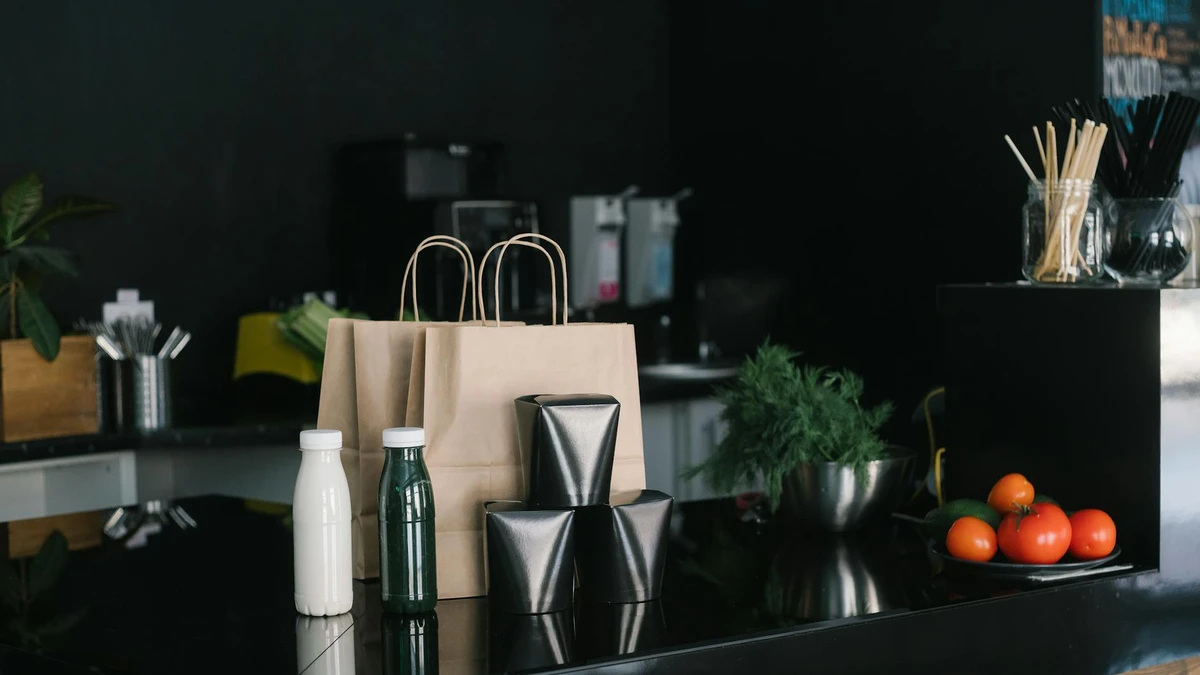
Коробки для ланча из крафт-бумаги контейнеры для пищевых продуктов из неотбеленного картона (натурального коричневого цвета) плотностью 350-450 GSM с маслостойким покрытием на водной основе или PLA (TAPPI T559 Grade 10-12), предназначенным для экологически чистых предприятий общественного питания. Стоимость: $0,25-0,45 за коробку в зависимости от покрытия и сертификации. Экологические сертификаты: FSC-сертифицированные или 80%+ переработанные материалы, пригодные для коммерческого компостирования или вторичной переработки. Лучше всего подходит для кафе, ориентированных на здоровый образ жизни, ресторанов "ферма-стол", предприятий общественного питания, где приоритетом является экологичность и функциональная жиростойкость.
Крафт-бумага отличается более сильным экологическим позиционированием (естественный неотбеленный вид свидетельствует об устойчивости), часто имеет сертификат FSC или содержание вторичного сырья (50-80%) и сопоставимую структурную прочность (больше волокон на GSM). Белая бумага требует отбеливания (большее воздействие на окружающую среду), но обеспечивает более чистый внешний вид и лучшую видимость печати для красочного брендинга. Разница в стоимости: минимальная (+5-10% для крафта). Выбирайте крафт для брендов, заботящихся об экологии, а белую - для традиционного брендинга, где важен цвет. Для жирных продуктов обеим требуется маслостойкое покрытие.
Три решения: (1) барьерное покрытие на водной основе (класс 10-11 TAPPI T559, выдерживает умеренное количество жира 30-45 минут, +$0.03-0.06/коробка), (2) покрытие PLA (класс 11-12, выдерживает большое количество жира 60-90 минут, +$0.06-0.10/коробка), (3) фторхимическая обработка без PFAS (класс 10-12, 40-60 минут, +$0.04-0.08/коробка). Крафт без покрытия протекает через 5-15 минут при употреблении жирных продуктов - покрытие необходимо. Избегайте покрытия из полиэтилена, если хотите сохранить экологическую репутацию (на нефтяной основе, не компостируется/перерабатывается).
Зависит от покрытия: Крафт с PLA-покрытием = пригоден для коммерческого компостирования (90-180 дней на промышленных предприятиях, требуется температура 55-60°C, НЕ пригоден для домашнего компостирования). Покрытие на водной основе = часто пригодно для компостирования, но уточните у поставщика (некоторые составы пригодны, другие - нет). Крафт с полиэтиленовым покрытием = НЕ компостируется. Очень важно: Проверьте местную инфраструктуру - требуется коммерческое компостирование, которое не так широко доступно. Если на месте нет таких предприятий, выбирайте вместо них перерабатываемое покрытие на водной основе. Честный маркетинг предотвращает обвинения в "зеленом промывании".
750 мл (24 унции) рассчитаны на 60-70% приемов пищи - 2-3 чашки (белок + углеводы + овощи, типичный сбалансированный обед). 1000 мл (32 унции) подходит для высокобелковых или посттренировочных блюд (3,5-4 чашки). Используйте конструкцию с двумя отделениями, чтобы отделить влажные ингредиенты от сухих (предотвращает образование комочков, сохраняет текстуру). Наполняйте до максимального объема 80-85% для правильной герметизации крышки. Крафт-бумага с покрытием на водной основе ($0,28-0,38) обеспечивает баланс между экологичностью, функциональностью и стоимостью для операций по приготовлению еды.
Стандартные 750 мл с покрытием на водной основе: $0,28-0,38 за коробку. С PLA-покрытием (премиум-эко): $0.32-0.45. Сертификация FSC добавляет +3-8% по сравнению с несертифицированной. Коробки с отделениями: +$0,05-0,15 по сравнению с однокамерными. Однако анализ общих затрат показывает, что качественный крафт предотвращает 15-20% переделок стоимостью $7-10 за одну неудачу. Инвестирование +$0.05 в надлежащее покрытие экономит $1,400 на 1,000 коробок в переделках. Маркетинговая ценность: 62% потребителей платят 10-15% премии за экологичную упаковку.
Да, крафт-бумага чувствительна к влаге: Храните в сухом помещении (<60% RH), вдали от источников воды, не на земле (поддоны предотвращают впитывание влаги полом). Высокая влажность разрушает маслостойкие покрытия, ослабляет прочность структуры. Срок годности: 12-18 месяцев при правильном хранении, 6-9 месяцев во влажной среде. В отличие от пластиковых контейнеров (устойчивых к влажности), крафт требует хранения в климатических условиях. Предельная высота штабеля: 8-10 коробок в высоту для предотвращения сжатия нижней коробки. Правильное хранение сохраняет эксплуатационные характеристики коробок и предотвращает их выход из строя перед использованием.
Коробки для ланча из крафт-бумаги обеспечивают подлинную устойчивость к внешним воздействиям в сочетании с функциональными характеристиками при правильном проектировании, достигая маслостойкости благодаря покрытиям на водной основе или PLA (без использования полиэтилена на нефтяной основе), структурной целостности благодаря весу 350-400 GSM с усилением и достоверным экологическим заявлениям, подкрепленным сертификатом FSC или подтвержденным содержанием вторичного сырья. Премия за материал (+$0,03-0,10 по сравнению со стандартной упаковкой) приносит прибыль за счет готовности потребителей платить на 10-15% больше за экологичные варианты, снижения затрат на переделку (4% по сравнению с 20%) и дифференциации бренда на конкурентных рынках.
Основные выводы:
1.Необходима устойчивость к маслам: Покрытие на водной основе (класс 10-11, +$0.03-0.06) справляется с умеренным количеством жира; покрытие PLA (класс 11-12, +$0.06-0.10) для продуктов с высоким содержанием жира. Крафт без покрытия разрушается в течение 15 минут - покрытие не подлежит обсуждению.
2.Требования к структуре: Минимум 350 GSM для стандартных обедов (2-3 фунта), 400+ GSM для тяжелых обедов. Усиление дна и надлежащая вентиляция предотвращают распространенные виды отказов.
3.Экологическая проверка имеет значение: Сертификация FSC или подтвержденное третьей стороной содержание вторичного сырья (50-80% PCR) необходимы для достоверных заявлений об устойчивом развитии. Избегайте "зеленого промывания", сопоставляя заявления с реальными характеристиками материалов.
4.Выбор размера имеет решающее значение: 750 мл рассчитаны на 60-70% обедов (заполнение емкости 80-85%). Компартменты (+$0,05-0,15) предотвращают смешивание продуктов и сохраняют текстуру.
5.Общая стоимость превышает материальные затраты: Качественные крафт-коробки предотвращают $1 400 затрат на переделку на 1 000 коробок, обеспечивая при этом маркетинговую ценность (62% премиального признания), которая оправдывает инвестиции.
Для кафе, ресторанов, специализирующихся на здоровом питании, ресторанов "ферма-стол" и предприятий общественного питания, где экологическое позиционирование является основой бренда, ланч-боксы из крафт-бумаги с надлежащей конструкцией и подтвержденными характеристиками устойчивости обеспечивают измеримые конкурентные преимущества, превращая упаковку из производственной необходимости в отличительный фактор бренда, стоимость которого в разы превышает стоимость материала.
Узнайте больше о решениях для упаковки пищевых продуктов:
-Контейнеры для упаковки пищевых продуктов
-Бумажная упаковка с учётом устойчивого развития
-Решения для упаковки на вынос
Компания Papacko поставляет сертифицированные FSC крафт-бумажные ланч-боксы с покрытием на водной основе и PLA для экологически чистых ресторанов, кейтерингов и служб приготовления пищи по всему миру. Мы обеспечиваем проверку материалов, тестирование на маслостойкость и подготовку документации по устойчивому развитию, чтобы гарантировать соответствие вашей упаковки экологическим и функциональным требованиям.
Покупатели ланч-боксов Kraft обычно сравнивают способность сохранять тепло, прочность при транспортировке, пригодность к печати, а также возможность одного и того же поставщика обеспечить сопутствующие форматы контейнеров для еды.
Свяжитесь с нами:
Последнее обновление: Ноябрь 2025 г.
Команда по контенту: Папацко
Рецензировано: Отдел экологичной упаковки и соблюдения экологических норм