Готовы создать собственные фирменные бумажные стаканчики или упаковку?
Сообщите нам свои требования - размер, покрытие, печать и место назначения - и наша команда подготовит подробное коммерческое предложение в течение 24 часов.

Последнее обновление: январь 2026 года
Время чтения: 8-10 минут
Автор: Papacko Content Team
Combo meals generate 35-45% of quick-service restaurant revenue, but standard single-compartment bowls create presentation and cross-contamination problems. Rice absorbs sauce flavors, crispy items turn soggy, and portion control becomes guesswork. The result: inconsistent quality, customer complaints, and wasted ingredients from over-portioning.
Бумажные миски с разделителями решают эти проблемы благодаря продуманной системе разделения: отдельные места для белка, зерновых, овощей и соусов. Однако многие операторы испытывают трудности с выбором правильной конфигурации разделителей, что приводит к неудобному размещению продуктов, неадекватному удержанию соусов или разрушению конструкции во время доставки.
В этом руководстве рассматриваются важнейшие факторы дизайна бумажных чаш с раздельными отделениями: соотношение размеров отделений, высота барьера и герметичность, выбор материала для многотемпературных продуктов и возможности персонализации для брендирования. Вы узнаете, как выбрать миски, которые улучшат презентацию комбинированных блюд, сохранят целостность продуктов и повысят эффективность работы.
💡 Быстрый вынос: Эффективные чаши для разделенной бумаги требуют продуманной конструкции отделений (обычно соотношение 40/30/30% или 50/25/25%), жиростойких барьеров (высота 15-25 мм, покрытие PE или PLA), картона 400-500 GSM для целостности структуры и герметичных перегородок для предотвращения перекрестного загрязнения во время 30-60-минутных доставок.
Ключ к выбору качественных разделенных бумажных мисок зависит от:
1. Разделение продуктов питания и сохранение их качества
-Не допускает попадания соусов на хрустящие компоненты (без посторонних примесей)
-Предотвращает перекрестное заражение вкусом (терияки не насыщает рис)
-Сохраняет целостность текстуры (хрустящие овощи остаются хрустящими)
2. Контроль порций и управление затратами
-Предварительно отмеренные отделения обеспечивают равномерное распределение порций
-Сокращает количество пищевых отходов, образующихся при переедании (экономия 8-15%)
-Упрощает обучение персонала (наглядные пособия)
3. Улучшенная презентация и воспринимаемая ценность
-Визуальное разделение ресторанного качества
-Клиенты воспринимают 18-25% как более высокую ценность с разделенной презентацией
-Покрытие, достойное Instagram, способствует маркетингу в социальных сетях
4. Операционная эффективность
-Более быстрая сборка (персонал размещает предметы в специально отведенных местах)
-Меньше ошибок (четкое расположение уменьшает количество ошибок)
-Улучшенные возможности маркировки (определение содержимого каждого отсека)
🎯 Отраслевой обзор: Исследование 2025 года, проведенное в 180 заведениях быстрого обслуживания, показало, что переход на разделенные чаши увеличил продажи комбинированных блюд на 12-18% благодаря улучшенной презентации.
Клиенты чаще заказывали премиум-комбо, когда блюда были разделены в “ресторанном стиле”, а не смешаны вместе.
Чтобы купить прочные бумажные миски с разделителями, обратите внимание на:
### Выбор правильного соотношения отделений
Для стандартных комбинированных блюд (рис + белок + овощи):
-Рекомендуется: 3 отделения 40/30/30 или 50/25/25
-Порция риса: 150-200 г → нужно 40-50% чаши объемом 750-1000 мл
-Белок: 100-150 г → требуется 25-30% места
-Овощи/соус: 80-120 г → требуется 20-30% места
Для блюд с большим количеством соуса (карри, стрит-фрай, паста):
-Рекомендуется: 2 отделения 60/40 с глубокой основной секцией
-Основная секция: Объем 60%, глубина 50-70 мм для содержания соуса
-Боковая секция: 40% для риса, лапши или хлеба (остается сухим)
Для наборов питания премиум-класса (несколько компонентов):
-Рекомендуется: 4 отделения или индивидуальная компоновка бэнто
-Отдавайте предпочтение разнообразию перед большими порциями
-Включите специальную лунку для соуса (самый маленький отсек, объем 10-15%)
### Почему высота барьера имеет значение
Слишком низко (10-15 мм):
-Соусы переливаются при транспортировке (гравитация + разбрызгивание)
-Жир мигрирует между отделениями
-Пар от горячих предметов конденсируется и скапливается в соседних секциях
-Допустимо использовать только для сухих продуктов (салаты, миски с зерном без соуса)
Оптимальный диапазон (15-25 мм):
-Содержит типичные порции соуса (30-50 мл на отделение)
-Предотвращает перекрестное загрязнение при обычном обращении
-Баланс между эффективностью использования материалов и функциональностью
-Работает для 80% приложений комбинированного питания
Максимальная высота (25-30 мм):
-Необходим для приготовления супообразных соусов или очень жидких карри
-Создает герметичные отсеки (барьеры для защиты от протечек)
-Требуется усиление ребрами жесткости для предотвращения разрушения
-Добавляет значительные материальные затраты (+15-25%)
✅ Вставные перегородки (наиболее распространенный):
-Интегрируется в процесс формовки
-Непрерывный барьер от основания до бортика
-Отсутствие путей утечки на стыках
-Лучшая производительность, умеренная стоимость
✅ Вставляемые разделители (экономичный):
-Отдельная разделительная деталь задвигается в чашу
-Позволяет использовать одну чашу с дополнительными отделениями
-Риск протечек в местах вставки, если они не заклеены/загерметизированы
-Гибкость для клиентов, желающих иметь выбор
❌ Неглубокие складки (не использовать для влажных продуктов):
-Простые углубления на дне чаши
-Обеспечивает только визуальное разделение, без фактического барьера
-Жидкости свободно протекают через “отсеки”.”
-Подходит только для сухих ингредиентов для салатов
Почему делители требуют более высокого уровня GSM:
-Перегородки тонкие, без опоры (склонны к изгибу под нагрузкой)
-Несколько секций = больше точек концентрации напряжений
-Соусы создают боковое давление на перегородки
-Покупатели оценивают качество по жесткости конструкции
Минимальная рекомендация: 400 GSM для любой разделенной чаши с отделениями для соуса. 350 GSM допустимо использовать только для салатов, мисок для зерна или полностью сухих продуктов.
Вызов: Для разных отделений могут потребоваться разные барьерные свойства
-Секция риса: Влагостойкость (пар)
-Белковая часть: Устойчивость к жирам (маслам, жирам)
-Соусник: Максимальный барьер для жидкости (водные жидкости)
Варианты покрытия:
PE (Полиэтилен) покрытие - 25-35 гсм:
-Плюсы: Отличная защита от смазки и влаги, термостойкость (120°C+), низкая цена
-Минусы: Не компостируется, на нефтяной основе
-Применение: Равномерное покрытие всех отсеков
-Лучшее для: Максимальная производительность, традиционное быстрое обслуживание
PLA (Полимолочная кислота) покрытие - 20-30 гсм:
-Плюсы: Возможность компостирования, биооснова, хорошие барьеры при умеренных температурах
-Минусы: размягчается при 60°C (ограничивает температуру пищи), стоимость 30-40% выше
-Применение: Все отделения, но температура продуктов должна быть ≤85°C
-Лучшее для: Экологически чистые бренды, теплые (не горячие) блюда
Двойное покрытие (основа из полиэтилена + верхнее покрытие на водной основе):
-Плюсы: Внешняя сторона из перерабатываемого/компостируемого материала, внутренняя сторона с высокими эксплуатационными характеристиками
-Минусы: Сложное производство, ограниченная доступность поставщиков
-Применение: Полиэтилен внутри поверхностей, контактирующих с пищевыми продуктами, снаружи - на водной основе
-Лучшее для: Позиционирование устойчивого развития премиум-класса
Селективное покрытие отсеков:
-Стратегия: Обильное покрытие в соуснике, более легкое на сухих участках
-Преимущество: экономия материальных затрат (10-15%)
-Задачи: Сложная оснастка, высокая стоимость изготовления (более 200 тыс. единиц)
-Лучшее для: Сети с большим объемом продаж и оптимизированным дизайном
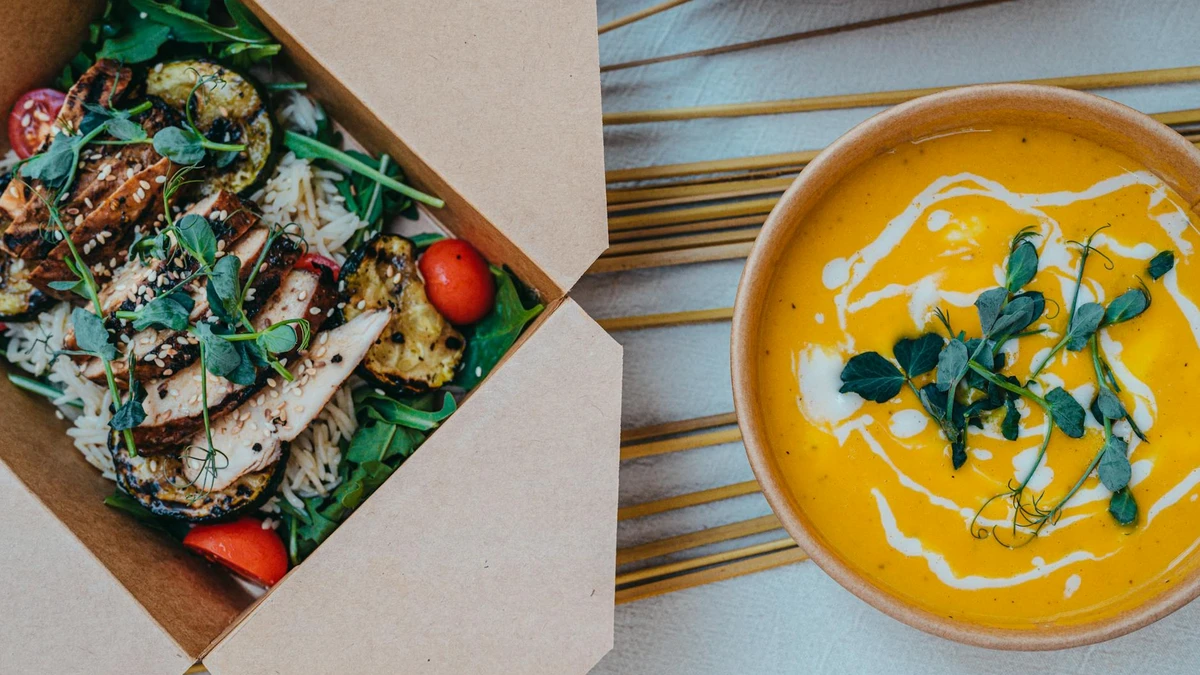
1. Разделитель разрушается под весом соуса
-Причины: Тонкие барьеры (350 GSM или меньше), высокие перегородки (25 мм+) без поддержки
-Профилактика: Ребристые перегородки, опорные стойки в местах соединения с основанием
2. Деформация основания при употреблении горячих продуктов
-Причины: Неравномерное тепловое расширение, недостаточная толщина
-Профилактика: 400+ GSM, поперечные перекладины под отделениями, плоское дно
3. Деформация обода при установке крышки
-Причина: Разделители снижают структурную целостность обода
-Профилактика: Усиленная лента обода, завальцованный край
4. Растрескивание углов при транспортировке
-Причина: Концентрация напряжений в местах соприкосновения перегородок со стенками чаши
-Профилактика: Скругленные внутренние углы, ластовичные соединения
Рекомендуемый минимум: Ребристые перегородки + контрфорсы для любых чаш с высотой барьера 20 мм+ и отделений для соуса.
Плоские крышки (наиболее распространенный):
-Ясно ПЭТ-пластик обеспечивает видимость продуктов
-Низкопрофильная конструкция (удобство штабелирования)
-Защелкивающееся или откидное крепление обода
-Стоимость: $0,05-0,10 за крышку
Плюсы: Демонстрирует презентацию продуктов, надежно запечатывает, клиент может проверить содержимое
Cons: На нижней стороне образуется конденсат (капает на еду), проблема восприятия пластика
Купольные крышки:
-Приподнятый центр позволяет разместить более высокие предметы (жареную курицу, гарниры).
-Улучшенное управление конденсатом (капли стекают на периферию)
-Превосходный внешний вид
-Стоимость: $0,08-0,15 за крышку
Плюсы: Предотвращает раздавливание продуктов, имеет изысканный вид, меньше контактирует с конденсатом
Cons: Более высокая стоимость, сложнее укладывать, больше материала
Бумажные крышки (вариант "развивающаяся экология"):
-Формованное волокно или мелованный картон
-Компостируемый с чашей
-Сокращение использования пластика
-Стоимость: $0.10-0.18 за крышку
Плюсы: Полная история устойчивого развития, сильные экологические характеристики
Cons: Ограниченная видимость, низкая прочность конструкции, чувствительность к влаге
Проблема: Разделители нарушают целостность обода, создавая слабые места уплотнения
Решения:
1.Непрерывная конструкция обода: Разделители оканчиваются на 3-5 мм ниже края обода, сохраняя непрерывную уплотнительную поверхность
2.Усиленный обод в местах соединения перегородок: Дополнительная толщина материала в местах соединения перегородок с бортиком
3.Эластичный материал крышки: ПП или ПЭТ с гибкостью, позволяющей облегать перегородки
4.Откидные крышки: Предварительно прикрепленные крышки устраняют проблемы с выравниванием
Испытание на герметичность: Наполните чашу до объема 80% (включая жидкость в отсеке для соуса), закройте крышку, переверните на 60 секунд, аккуратно встряхните. Нулевая утечка = правильная конструкция уплотнения.
Проблема: Завышение порций персоналом обходится ресторанам в 8-15% расходов на питание
-Непостоянство при зачерпывании (зависит от конкретного человека)
-“Щедрые” порции, чтобы казаться удобными для клиентов
-Отсутствует визуальный ориентир для правильного размера порции
Решение: Разделенные чаши в качестве направляющих для порций
Пример расчета (Трехкамерная чаша объемом 1000 мл, соотношение 40/30/30):
-Отделение для риса (400 мл = 150-180 г вареного риса)
- Стандартная порция: 150g
- Пересортица до 200 г = +33% стоимости
- Объем чаши предотвращает перекладывание порций = экономия $0,12-0,18 на порцию
-Белковый отсек (300 мл = 120-150 г)
- Стандартная порция: 120 г курицы-гриль ($0.80)
- Пересортица до 180 г = +50% затрат (+$0,40)
- Ограничение порций обеспечивает экономию порции = $0,40 на порцию
-Отделение для овощей (300 мл = 100-120 г)
- Стандартная порция: 100 г ($0.20)
- Пересортица до 150 г = +$0,10 стоимости
- Превышение лимита чаши = $0,10 экономии
Общая экономия на одном комбинированном блюде: $0,62-0,68 по сравнению с порционной подачей
Ежегодная экономия (1 000 комбо/неделя): $32,000-35,000
Премия за стоимость чаши (разделенный и однокамерный): $0.08-0.12
ROI: 500-700% возврат инвестиций в модернизацию чаши
Наружная печать:
-Флексография (стандарт): 2-4-цветный логотип, простая графика
-Офсет (премиум): Полноцветные фотографии, сложные дизайны, градиенты
-Минимальный заказ: Флексография 50 тыс. единиц, офсет 100 тыс. единиц
Брендирование внутренних отделений:
-Напечатайте названия продуктов/значки в каждом разделе (“Рис”, “Белок”, “Соус”)
-Многоязычная маркировка для различных рынков
-Подсчет калорий в каждом отделении (забота о здоровье)
Координация крышки:
-Подберите принт на крышке к дизайну чаши
-Прозрачные крышки позволяют наглядно продемонстрировать организацию отсеков
-QR-коды, указывающие на информацию о питании, повторный заказ
Разделители с цветной маркировкой:
-Нестандартные цвета картона для различных типов блюд
-Пример: Красные разделители для острых блюд, зеленые - для вегетарианских
-Требуется специальный картон (стоимость +20-30%, MOQ 150k+)
Когда следует вкладывать средства в индивидуальную оснастку:
-Объем производства: 200 000+ единиц в год
-Уникальные потребности меню, которые стандартные макеты не учитывают
-Сильный приоритет дифференциации бренда
-Готовность инвестировать $8,000-15,000 в разработку пресс-формы
Распределение затрат на оснастку:
-2-х камерный на заказ: $5,000-8,000
-3 отделения на заказ: $8,000-12,000
-Комплекс из 4+ отделений: $12,000-18,000
-Амортизация: Расходы распределяются по сериям
Сценарии окупаемости инвестиций:
-Крупносерийная цепочка (500 тыс. единиц/год): Стоимость оснастки = $0,016-0,024 за единицу
-Среднесерийный оператор (200 тыс. единиц продукции в год): Стоимость оснастки = $0,040-0,060 за единицу
-Оправдано, если индивидуальный дизайн добавляет ≥$0,10 стоимости или экономит ≥$0,08 на операциях
### Подбор размера чаши к меню
Комбо для быстрого обеда (офисные работники, 20-минутные приемы пищи):
-Рекомендуется: 750 мл, 3 отделения (40/30/30)
-Рис/лапша 150 г + белок 120 г + овощи 100 г = идеальный вариант
-Компактный размер (помещается на столе, в подстаканнике автомобиля)
Комбо для семейного ужина (2-3 человека на одного):
-Рекомендуется: 1200 мл, 3-4 отделения на заказ
-Большая порция белка (200-250 г), двойная порция зерна
-В комплект входит колодец для соуса (емкость 50-80 мл)
Детское питание:
-Рекомендуется: 600 мл, 3 отделения (равные трети или 40/30/30)
-Встроенный контроль порций (предотвращает перекармливание)
-Веселый фактор (визуально привлекательное разделение)
❌ Ошибка #1: Выбирайте двухкамерные миски для комбинированных блюд из 3+ предметов, чтобы сэкономить расходы
✅ Правильный подход: Cramming three items into two compartments defeats the separation purpose. Sauces still mix with rice, presentation suffers. The $0.05-0.08 savings per bowl costs you $0.15-0.25 in wasted ingredients from over-portioning and $2-5 in lost customer satisfaction. Use 3-compartment bowls for true combo meals.
❌ Ошибка #2: Выбор высоты перегородки 15 мм для приготовления сочных блюд карри или терияки
✅ Правильный подход: 15mm barriers can’t contain 40-60ml sauce portions—they spill during transport. For any dish with significant liquid component (curry, teriyaki, pasta sauce), specify 20-25mm barrier height. Test by filling sauce compartment and tilting 45° for 30 seconds—no spillover confirms adequate height.
❌ Ошибка #3: Использование картона 350 GSM для разделенных чаш с горячими и тяжелыми блюдами
✅ Правильный подход: Thin dividers in 350 GSM bowls sag under weight of 150-200g hot protein + sauce (thermally weakened fibers). Minimum 400 GSM for hot combo meals, 450 GSM for very saucy dishes. The $0.08-0.12 material upgrade prevents structural failure and maintains premium appearance.
❌ Ошибка #4: Заказ индивидуальной конфигурации шкафа без тестирования с реальными пунктами меню
✅ Правильный подход: Always request samples and conduct real-world tests: Fill compartments with actual portions, seal lid, transport in delivery bag for 30 minutes, evaluate leakage/presentation/structural integrity. A $12,000 custom mold for poorly sized compartments is an expensive mistake. Validate design before production tooling.
Бумажные миски с разделителями разделяют компоненты комбинированных блюд (рис, белок, овощи, соусы) на отдельные отделения, предотвращая перекрестное загрязнение и сохраняя целостность блюд при доставке. Они используются в ресторанах быстрого обслуживания, службах приготовления еды и фудтраках для контроля порций, улучшения презентации и повышения эффективности работы.
For standard rice/protein/vegetable combos: 3-compartment 40/30/30 or 50/25/25 ratio (750-1000ml total capacity). For main dish with sides: 2-compartment 60/40. For premium multi-item meals: 4-compartment with dedicated sauce well. Choose based on your specific portion sizes—test with actual menu items before bulk ordering.
Minimum 15-20mm for light sauces (dressings, light gravies), 20-25mm for moderate sauces (teriyaki, pasta sauce), 25-30mm for heavy/liquid sauces (curry, soup-like consistencies). Test by filling sauce compartment to 80% and tilting bowl 45° for 30 seconds—zero spillover confirms adequate barrier height.
Minimum 400 GSM for hot combo meals with sauces. 350 GSM acceptable only for cold salads or dry items. Dividers are structurally weaker than solid walls—thin barriers sag under weight of heavy — hot foods. 450-500 GSM recommended for premium service or very saucy dishes requiring maximum structural integrity.
Yes. Exterior flexographic printing (2-4 colors, 50k MOQ) or offset printing (full-color, 100k MOQ) for logos and designs. Interior compartment labeling possible (food names, portions, calories). Custom compartment configurations require tooling investment ($8k-15k) and 200k+ unit commitment but offer unique brand differentiation.
Yes, sometimes $0.08-0.15 more per unit (20-40% premium). That said, portion control savings offset this cost: Divided bowls prevent over-portioning, saving $0.35-0.65 per meal in food costs. ROI calculation: $0.12 bowl upgrade saves $0.50 in ingredients = 417% return. Enhanced presentation also increases combo meal sales 12-18%.
Clear PET flat lids ($0.05-0.10) for food visibility and secure sealing. Dome lids ($0.08-0.15) for taller items and better condensation management. Paper/molded fiber lids ($0.10-0.18) for full compostability. Ensure continuous rim design (dividers terminate 3-5mm below rim) for proper seal. Always conduct 60-second inversion test with filled bowl before ordering.
Бумажные стаканы с разделителями преображают обслуживание комбинированных блюд благодаря продуманной системе разделения, которая сохраняет качество блюд, контролирует порции и улучшает презентацию. Успех зависит от соответствия конфигурации отсеков вашему меню (3 отсека 40/30/30 для стандартных комбинированных блюд), указания достаточной высоты барьера (20-25 мм для сочных блюд) и выбора соответствующей плотности картона (400+ GSM для структурной целостности).
Основные выводы:
1.Дизайн отсеков позволяет контролировать порции-экономия $0,35-0,65 на порцию по сравнению с порционированием по принципу "свободной порции" (ROI 417%)
2.Высота барьера должна соответствовать объему соуса-20-25 мм минимум для типичных соусов, 25-30 мм для супов
3.Картон 400 GSM - минимум для горячих комбинаций-Разделители требуют дополнительной жесткости по сравнению с чашами с одним отделением
4.Презентационная ценность увеличивает продажи комбо 12-18%-потребители воспринимают более высокое качество раздельных продуктов питания
5.Тестирование с реальными пунктами меню до начала работы с инструментами-проверка размеров отсеков, высоты барьеров и целостности уплотнений
-Контейнеры для упаковки пищевых продуктов
-Упаковочные решения для доставки еды
-Лучшие практики контроля порций
Компания Papacko производит бумажные миски с разделителями для ресторанов быстрого обслуживания, служб доставки еды и кейтеринга: Конфигурации с 2-4 отделениями, конструкция 400-500 GSM, варианты покрытия PE/PLA и индивидуальная оснастка для уникальных макетов. Объем производства начинается от 50 000 единиц для стандартных дизайнов и 200 000 для нестандартных конфигураций с отделениями, с полной сертификацией безопасности пищевых продуктов и услугами по брендированию.
Divided bowls usually sit inside a wider packaging decision that also includes bowl lids, salad presentation, and container formats for mixed-menu takeaway operations.
Свяжитесь с нами: