Готовы создать собственные фирменные бумажные стаканчики или упаковку?
Сообщите нам свои требования - размер, покрытие, печать и место назначения - и наша команда подготовит подробное коммерческое предложение в течение 24 часов.

Выбор подходящих материалов для пищевой тары — одно из самых важных решений, которое может принять отдел закупок или оператор сферы общественного питания. Если вы ошибетесь, вам грозят протекающие миски, неудачные проверки, непонятные заявления о сортировке отходов и недовольные клиенты. Если вы сделаете правильный выбор, ваша упаковка будет незаметно выполнять свою работу — защищать продукты, соответствовать нормативным требованиям и поддерживать историю вашего бренда, не создавая проблем на последующих этапах.
В данном руководстве подробно рассмотрены четыре основных семейства материалов, используемых в упаковке для коммерческого общественного питания — на бумажной основе, традиционный пластик, формованное волокно и компостируемые альтернативы — и объясняется, как тщательно оценить каждое из них перед выбором конкретного артикула (SKU). На протяжении всего руководства без исключения действует один принцип: сама по себе группа материалов не гарантирует, что конкретный артикул оправдает ваши ожидания, будет соответствовать требованиям к контакту с пищевыми продуктами, действующим в вашей юрисдикции, или обеспечит желаемый результат по утилизации отходов. Проверка на уровне конкретного артикула всегда является обязанностью покупателя.
Раньше решения по упаковке были проще. Покупатель выбирал полистироловую упаковку типа «кламшелл» или стаканчик из бумаги с восковым покрытием, размещал оптовый заказ и на этом все. Сегодня ситуация выглядит совершенно иначе. Муниципальные нормы различаются в зависимости от города и штата. Обязательства в области устойчивого развития в сфере общественного питания создают внутреннее давление. Ожидания потребителей в отношении компостируемости, возможности вторичной переработки и безопасности пищевых продуктов стали более сложными — и более взыскательными.
В то же время ассортимент доступных материалов для производства пищевых контейнеров значительно расширился. Картон с крафт-покрытием, волокнистый материал с CPLA-покрытием, бумага с PLA-покрытием, багасса сахарного тростника, бамбук, переработанный ПЭТ и традиционный полипропилен — все эти материалы конкурируют за место в сегменте мисок и контейнеров. Каждый из них обладает реальными преимуществами. У каждого также есть свои ограничения, которые становятся заметными только при тщательном тестировании артикула в условиях реального использования: температура наполнения, время хранения, вязкость соуса, способ порционирования, расстояние транспортировки и местная инфраструктура утилизации отходов.
Таким образом, понимание групп материалов — это не конечная цель процесса поиска поставщиков, а отправная точка для постановки более целенаправленных вопросов.
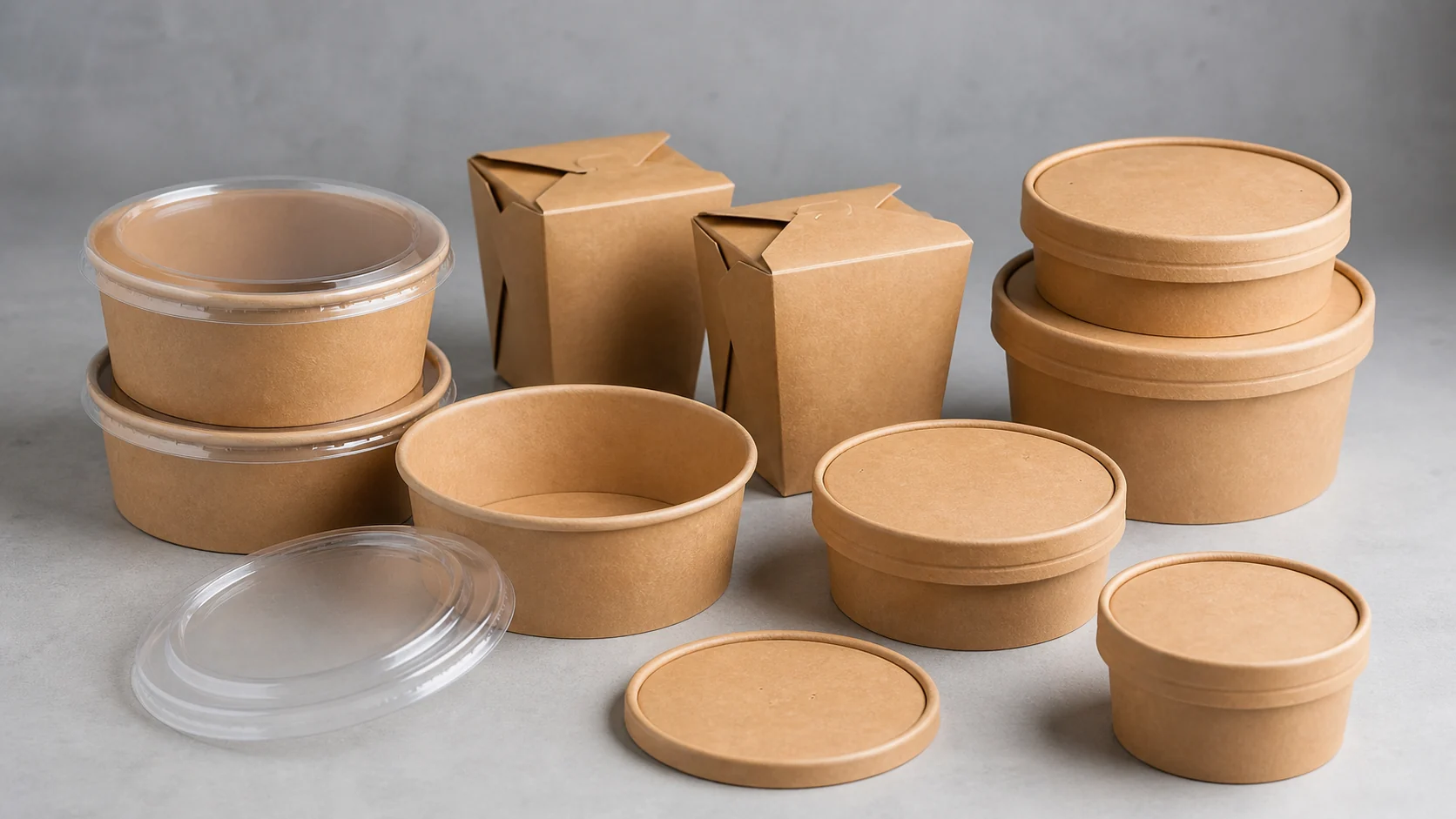
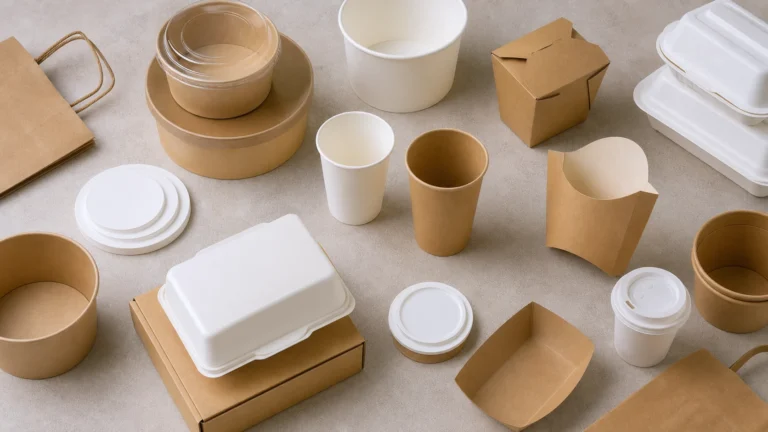
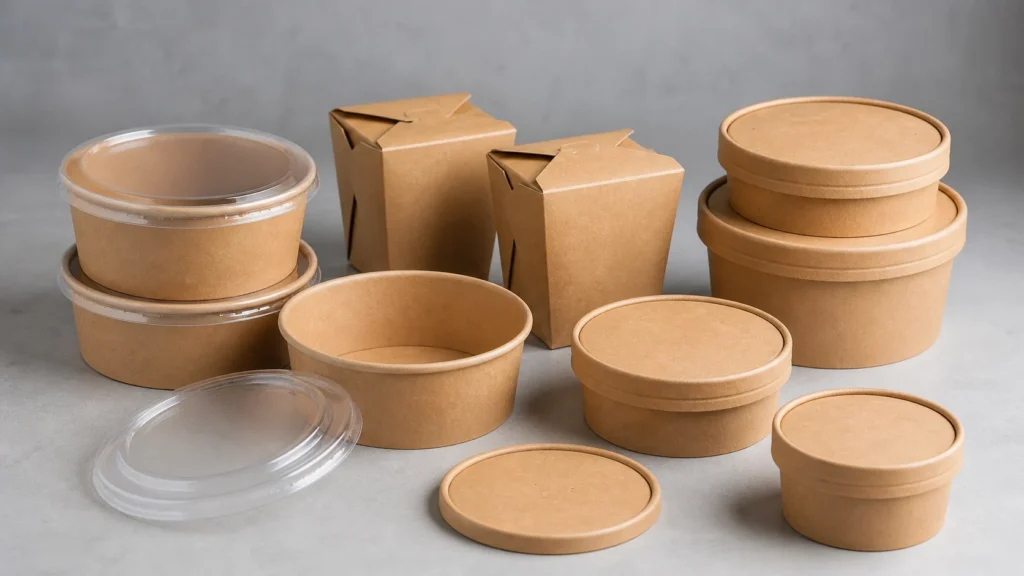
Бумажная упаковка — самая обширная категория в сфере коммерческого общественного питания. Она охватывает всё: от простых картонных ланч-боксов с печатью до многослойных пакетов для сэндвичей и глубоких мисок для горячих супов. Общим для всех этих изделий является основа из целлюлозного волокна, однако функциональные свойства конкретной тары в значительной степени зависят от того, что нанесено на эту основу или ламинировано на неё.
К распространенным типам конструкций на бумажной основе относятся:
Практические последствия для покупателей весьма значительны. Тара, обозначенная как “бумажная”, может содержать слои пластиковой пленки, которые влияют на её пригодность к вторичной переработке, компостируемость или маслостойкость. Тара, обозначенная как “компостируемая”, всё равно должна быть проверена на соответствие списку допустимых материалов вашего местного промышленного компостирующего предприятия — никакое описание группы материалов не заменяет эту проверку на уровне конкретного предприятия.
Бумажные миски Kraft являются популярным выбором для горячих блюд, зерновых мисок и блюд в стиле рамен, поскольку эстетика крафт-дизайна передает потребителям ощущение тепла и натуральности. Покупателям, оценивающим конкретные артикулы мисок из крафт-бумаги, следует проверить тип внутреннего покрытия, заявленный уровень масло- и водостойкости, высоту штабелирования с учетом занимаемой площади при хранении, а также наличие у поставщика документации о соответствии требованиям по контакту с пищевыми продуктами, актуальной для целевого рынка.
Практический контрольный список для покупателей бумажных тары:
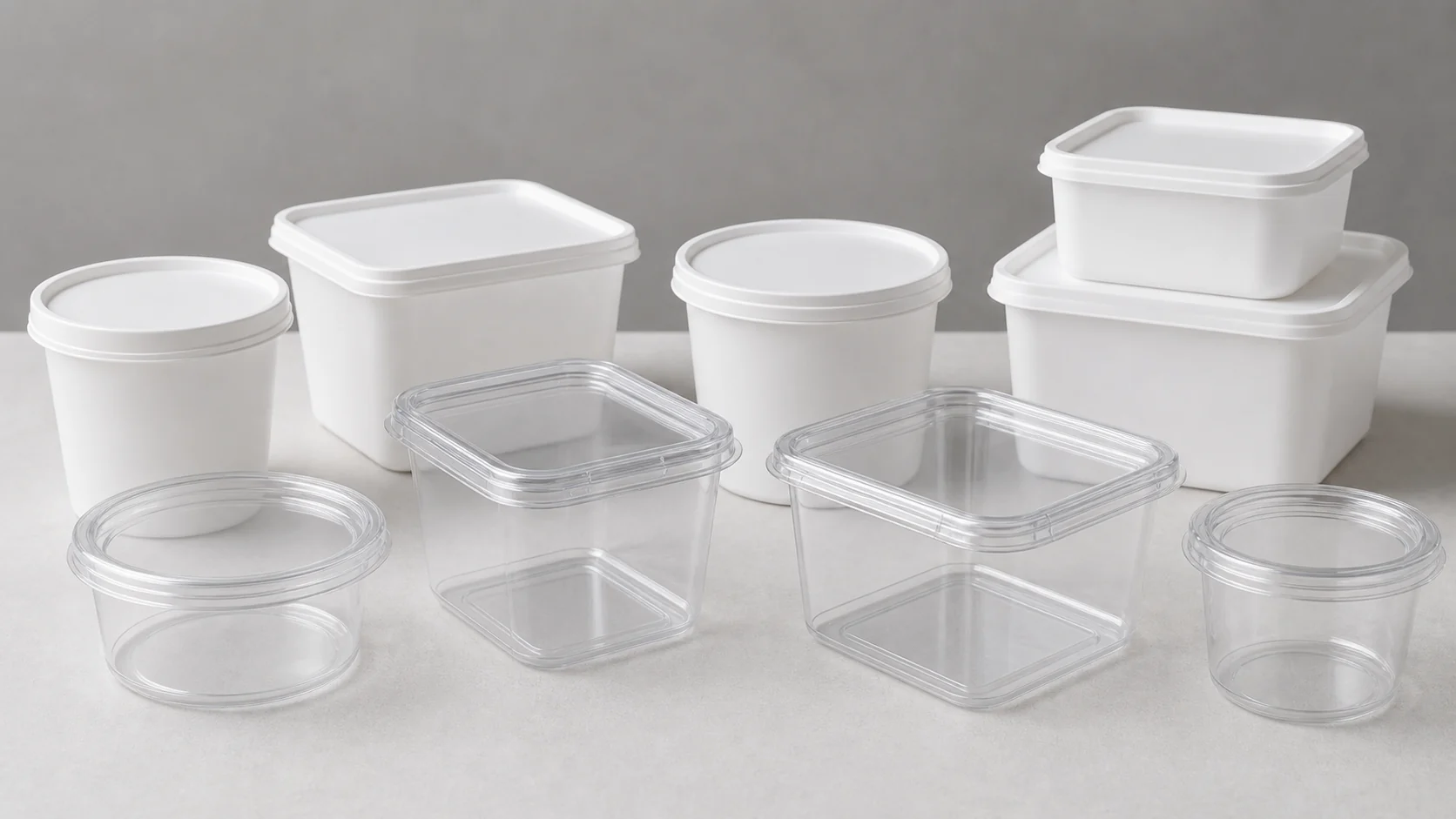
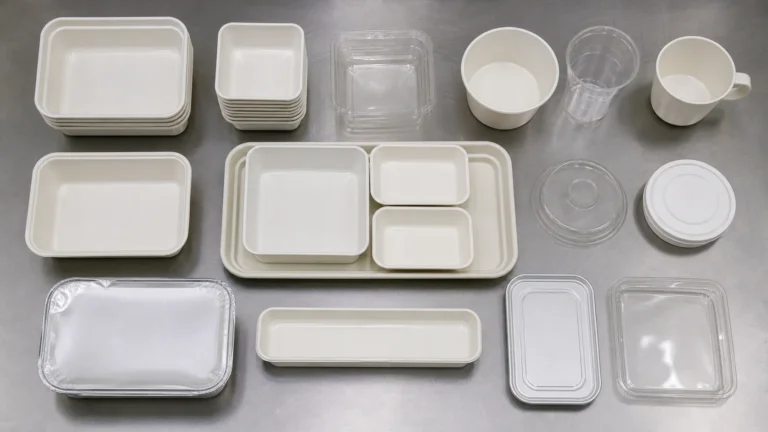
Традиционные пластики — в первую очередь полипропилен (PP), полиэтилентерефталат (PET) и, в меньшей степени, полистирол (PS) — на протяжении десятилетий доминируют в сфере коммерческого общественного питания, поскольку обладают предсказуемыми и поддающимися проверке эксплуатационными характеристиками. Как правило, они обладают герметичностью, выдерживают широкий диапазон температур наполнения в зависимости от марки смолы и могут штабелироваться в стандартизированных конфигурациях, что упрощает логистику хранения и транспортировки.
Для покупателей, которые планируют одноразовая пищевая упаковка В сфере традиционных пластиков в последние годы основные вопросы, связанные с поставками, изменились. Покупателям всё чаще приходится решать следующие задачи:
Проверка работоспособности:
– Какой конкретно сорт смолы и какая толщина стенок используются в данном артикуле?
– Прошла ли тара проверку на соответствие предусмотренной температуре розлива, типу продуктов и времени выдержки?
– Обеспечивает ли система крышки — будь то защелкивающаяся, с фрикционным креплением или вентилируемая — герметичность, соответствующую допустимым нормам утечки в условиях вашей дистрибуции?
Соблюдение нормативных требований и требований к материалам, контактирующим с пищевыми продуктами:
– Управление по контролю за продуктами и лекарствами США (FDA) публикует рекомендации по упаковке и веществам, контактирующим с пищевыми продуктами, по адресу ингредиенты для производства продуктов питания и упаковочные материалы. Покупатели, закупающие пластиковую тару, должны понимать, какие документы относятся к их категории продукции и юрисдикции, и соответственно запрашивать у поставщиков документацию, подтверждающую соответствие требованиям.
– Покупатели, ведущие деятельность на международном уровне, должны учитывать требования каждой отдельной юрисдикции — ни одно разрешение регулирующих органов не охватывает все рынки.
Сложность на этапе завершения жизненного цикла:
– Полипропилен (ПП) принимается во многих программах утилизации отходов, организованных на уровне муниципалитетов, однако условия приема могут различаться в зависимости от муниципалитета, а загрязнение пищевыми остатками влияет на реальные показатели переработки.
– ПЭТ-тара, в частности прозрачные салатные миски и контейнеры для деликатесов, широко принимается к переработке на многих рынках США, однако конкретные условия приема зависят от возможностей местных предприятий по переработке отходов (MRF).
– Во все большем числе юрисдикций в отношении полистирола вводятся ограничения или запреты. Покупателям следует уточнить местные нормативные требования, прежде чем указывать артикулы, изготовленные на основе полистирола.
Наименование группы материалов — например, “полипропилен” — не гарантирует, что тот или иной артикул соответствует всем применимым требованиям к материалам, контактирующим с пищевыми продуктами, обеспечивает необходимые температурные характеристики или принимается к переработке в вашей местной системе утилизации отходов. Всегда требуется предоставление технических характеристик на уровне отдельного артикула с подтвержденными данными от поставщика.
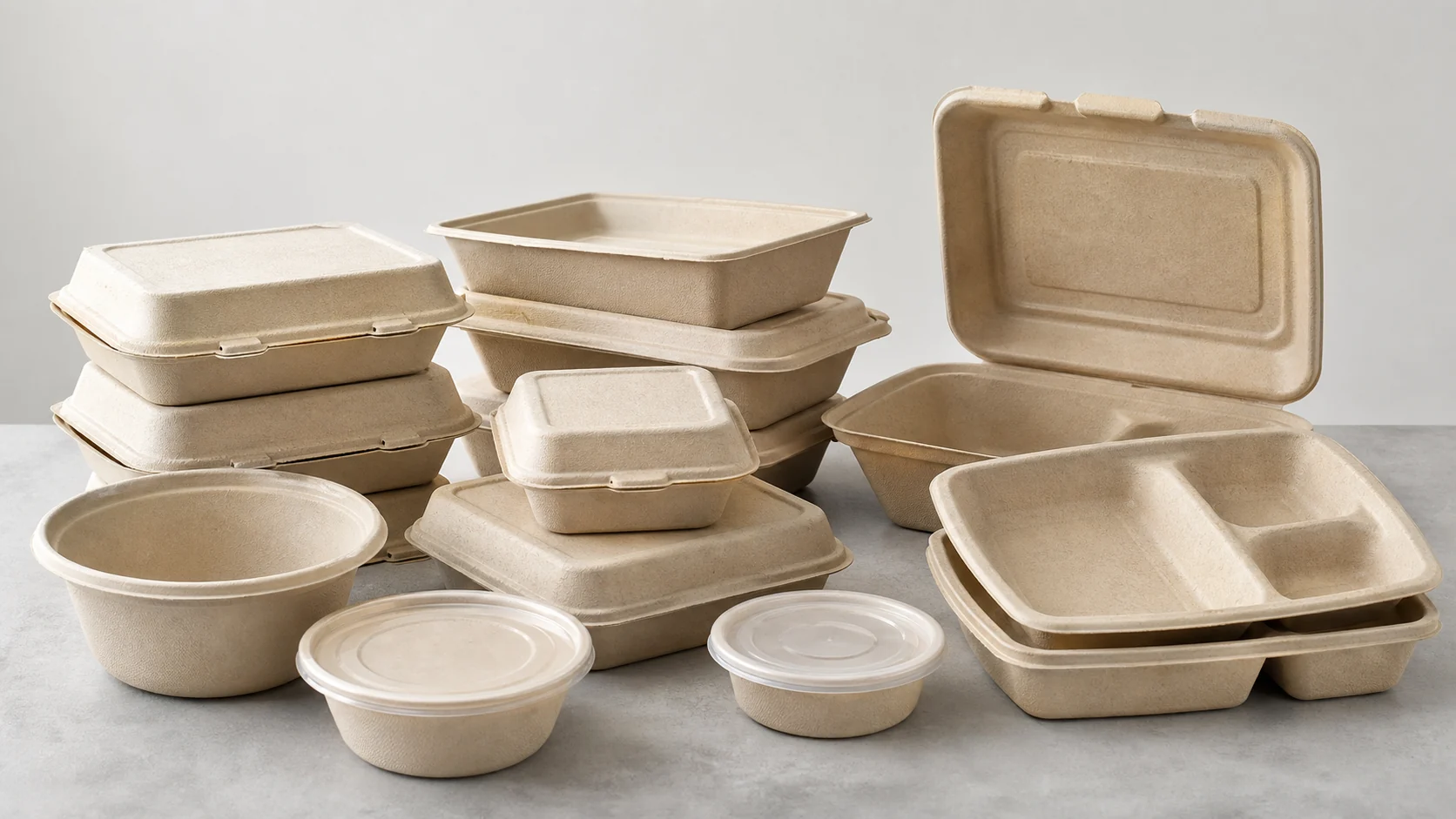
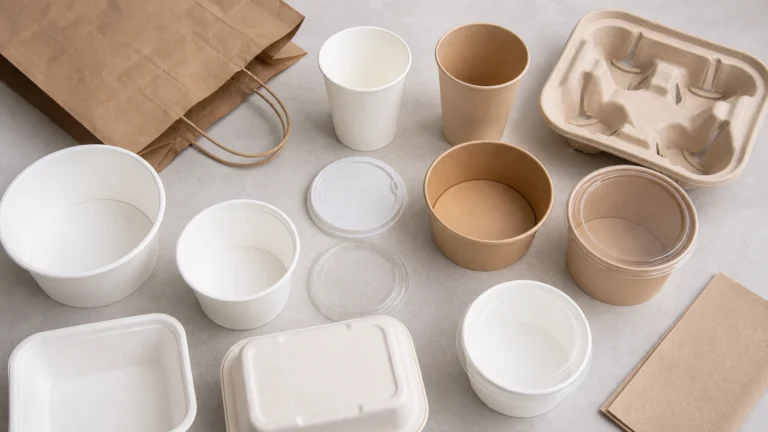
Формованное волокно — которое иногда называют формованной целлюлозой — представляет собой бумажную массу, прессованную в трехмерные формы, включая тарелки, контейнеры с откидной крышкой, миски и подносы. В качестве сырья обычно используется переработанная газетная бумага, крафт-целлюлоза, багасса сахарного тростника (волокнистый побочный продукт переработки сахара) или бамбуковая целлюлоза. Изделия из формованного волокна часто ассоциируются с компостируемостью и экологичностью, и на то есть веские причины: этот материал действительно имеет биологическое происхождение и, при соответствующих условиях, подвергается биологическому разложению.
Однако некоторые нюансы, связанные с поиском поставщиков, заслуживают пристального внимания.
Ограничения производительности, с которыми часто сталкиваются покупатели:
Заявления о компостируемости требуют подтверждения на уровне производственных объектов:
Контейнеры из формованного волокна часто сертифицируются в соответствии со стандартами компостируемости, установленными независимыми организациями, однако сама по себе сертификация не гарантирует их прием на местном предприятии по компостированию. Программы промышленного компостирования принимают материалы на основании собственных списков разрешенных материалов, которые могут значительно отличаться от того, что подразумевается под сертификацией. Перед тем как включить “компостируемый” товар в официальное заявление об экологической устойчивости, покупателям следует напрямую связаться с городским или региональным предприятием по компостированию или обратиться к консультанту по вопросам обращения с отходами.
В частности, багасса сахарного тростника этот материал стал пользоваться всё большей популярностью в качестве материала для пищевой тары, поскольку в качестве сырья для его производства используются побочные продукты сельскохозяйственного производства, а не первичное волокно. Покупателям, оценивающим ассортимент продукции из багассы, следует уточнять особенности технологии обработки, наличие нанесённого покрытия и заявленные эксплуатационные характеристики — точно так же, как и в случае с любым другим материалом.
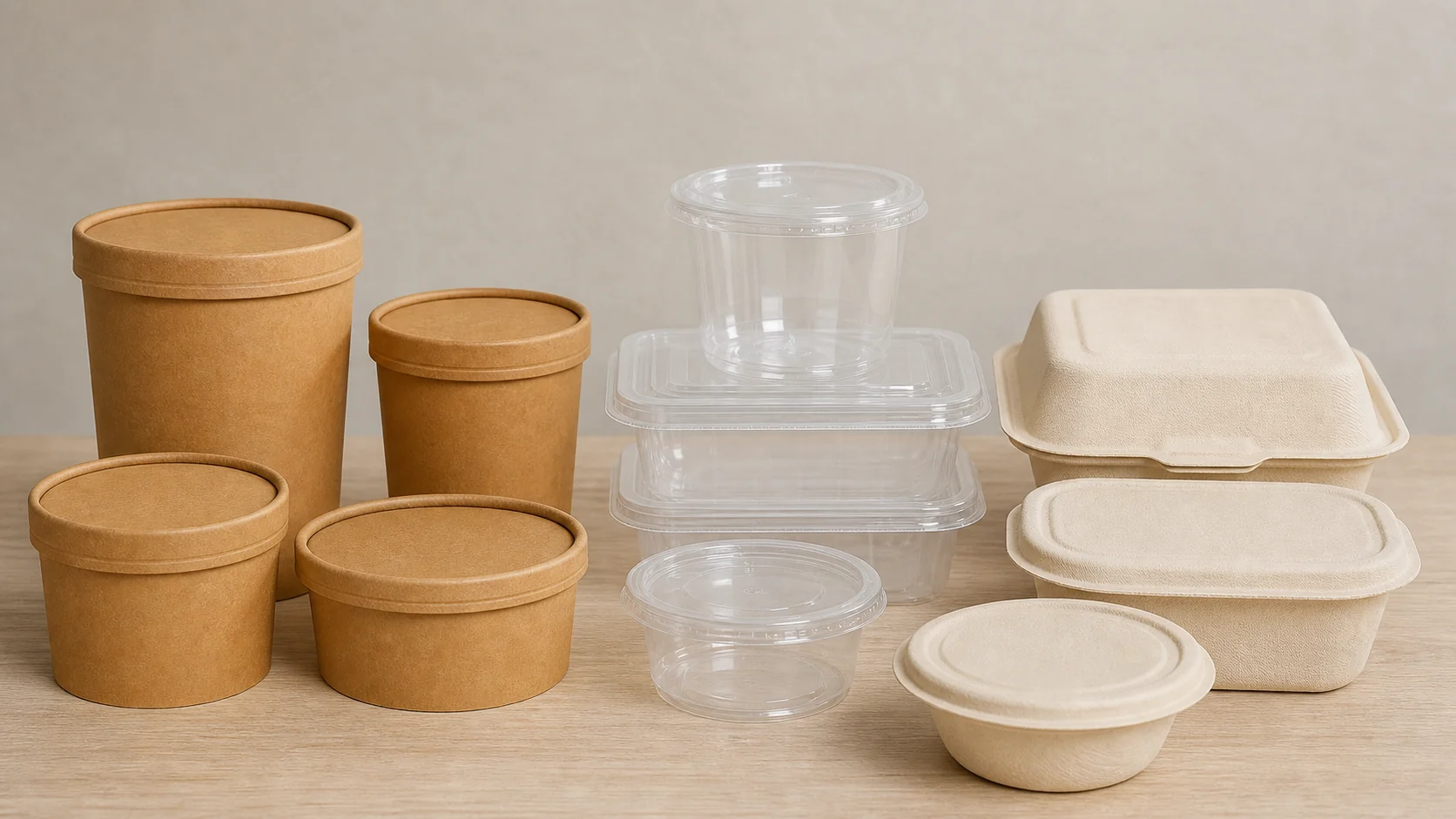
“Компостируемый” и “биопроисхождения” — это два разных понятия, которые покупатели иногда путают. Термин «биопроисхождения» относится к происхождению сырья (растительного, а не нефтяного происхождения). Термин «компостируемый» относится к поведению материала в конце срока службы в определённых условиях компостирования. Материал может быть биопроисхождения, но не компостируемым, компостируемым, но не биопроисхождения, обладать обоими свойствами или не обладать ни одним из них.
PLA (полимолочная кислота) — наиболее распространённый биопластик, используемый в производстве пищевых контейнеров и крышек. Он получается из кукурузного крахмала или других растительных сахаров. Как правило, этот материал сертифицирован для промышленного компостирования, однако для его разложения в коммерчески приемлемые сроки требуются именно условия промышленного компостирования — домашнее компостирование или условия на полигонах для захоронения отходов не позволяют достичь этого. Кроме того, PLA часто не принимается в потоках переработки отходов, собираемых на улицах, поскольку он может загрязнять традиционную переработку ПЭТ.
Основные моменты проверки покупателей в отношении товаров, подлежащих компостированию:
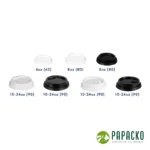
Еще одна область, требующая внимания при оценке заявлений о компостируемости: крышки. Чаша, изготовленная из сертифицированного компостируемого формованного волокна, может комплектоваться крышкой из обычного ПВХ или ПЭТ — что поставит под угрозу компостируемость всей упаковки в целом. Покупатели должны оценивать систему упаковки в целом, а не отдельные компоненты в изоляции друг от друга. Например, бумажные крышки для мисок Разработанные с учетом совместимости с конкретными артикулами чаш, они могут сыграть важную роль в формировании единой спецификации упаковки.
Приведенная ниже таблица предназначена для ориентации покупателей в группах материалов. Она не является гарантией эксплуатационных характеристик какого-либо конкретного артикула, и покупателям следует сверять все характеристики с отдельными техническими паспортами продукции, документацией поставщиков и применимыми нормативными рекомендациями.
| Семейство материалов | Типичные сильные стороны | Распространенные ограничения | Порядок действий в конце жизни (уточняйте на месте) |
|---|---|---|---|
| Картон с покрытием / крафт | Хорошая печатаемость; теплоизоляционные свойства; естественный внешний вид | Тип покрытия влияет на возможность переработки и компостирования; влаго- и маслостойкость зависят от покрытия | Подлежит вторичной переработке или компостированию в зависимости от покрытия; уточняйте в местном предприятии по переработке отходов |
| Обычный полипропилен | Стабильность температуры; герметичность; экономическая эффективность при производстве в больших объемах | Производится из нефти; на некоторых рынках усиливается регулирующий контроль | Подлежит переработке в рамках многих программ сбора отходов у дома; условия приема отходов могут различаться в зависимости от региона |
| Прозрачный ПЭТ | Обеспечивает прозрачность для холодных продуктов; широко поддается вторичной переработке; жесткая конструкция | Большинство марок не подходят для розлива горячих продуктов; производятся на основе нефти | Широко применяется в сфере переработки отходов; уточняйте информацию в местном центре сортировки отходов (MRF) |
| Полистирол (PS) | Отличная теплоизоляция; низкая стоимость | Запрещено или ограничено во всё большем числе юрисдикций; слаборазвитая инфраструктура переработки отходов | Возможности утилизации ограничены; перед указанием параметров необходимо уточнить действующие местные нормативные требования |
| Прессованное волокно / багасса | Произведено на основе биологического сырья; подходит для компостирования при надлежащих условиях; обладает убедительными экологическими характеристиками | Поглощение масла/влаги без нанесения покрытия; в некоторых продуктах возможны проблемы, связанные с PFAS | Подходит для промышленного компостирования в рамках большинства программ; уточняйте требования местных органов |
| Бумага с покрытием PLA | Покрытие на биологической основе; подходит для компостирования при наличии соответствующего сертификата | Требует промышленного компостирования; может не приниматься к переработке | Только промышленное компостирование; на большинстве рынков не подлежит утилизации через контейнеры для вторичной переработки |
| Крышки и аксессуары CPLA | Более высокая термостойкость по сравнению со стандартным PLA; изготовлен на биологической основе | Нишевый рынок; более высокая стоимость; по-прежнему требуется согласие на компостирование на уровне объекта | Промышленное компостирование; уточняйте информацию на месте |
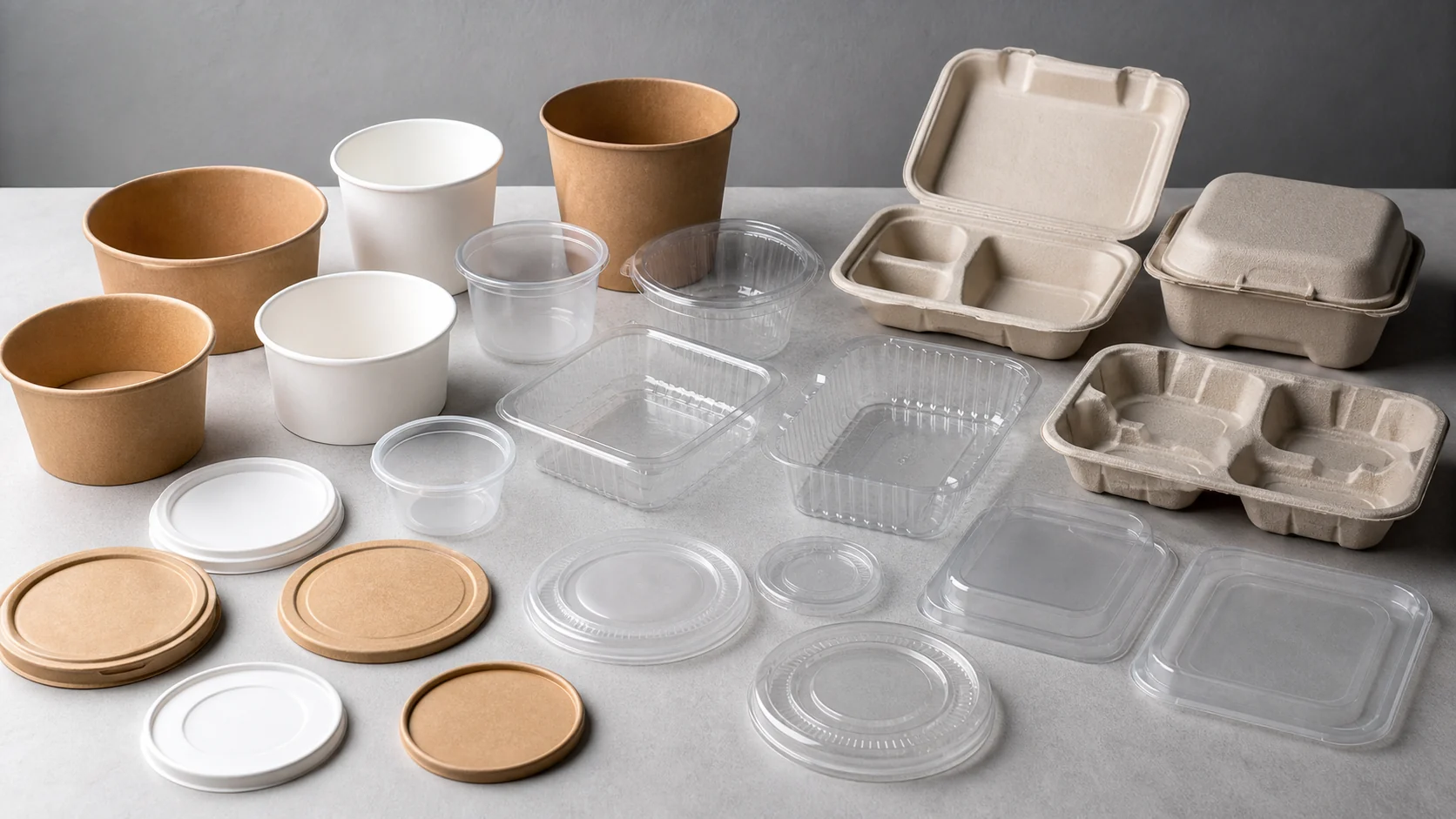
Именно в разрыве между описаниями групп материалов и фактическими характеристиками конкретных артикулов чаще всего возникают ошибки при закупках. Заказчик, который указывает в техническом задании “компостируемая миска”, не привязывая это требование к конкретному артикулу, типу покрытия, весу и проверенному способу компостирования, может получить товар, соответствующий требованиям, но который в реальных условиях эксплуатации окажется непригодным.
Прежде чем утвердить любую новую спецификацию контейнера, рекомендуется применять следующий структурированный подход.
Шаг 1: Полное определение варианта использования
Укажите тип продукта (влажный, жирный, сухой, кислый), температуру наполнения, время выдержки перед подачей, способ порционирования (ручной, автоматический), условия транспортировки, а также требования к утилизации со стороны потребителя.
Шаг 2: Запрос данных по конкретному SKU
Запросите у поставщиков технические паспорта, содержащие данные о толщине стенок, весе, заявленном диапазоне температур, показателях масло- и водостойкости, а также любые сертификаты соответствия, выданные независимыми организациями. Не соглашайтесь на общие сведения о группе материалов в качестве замены.
Шаг 3: Проверить соответствие требованиям к материалам, контактирующим с пищевыми продуктами
Запросите документацию о соответствии требованиям к материалам, контактирующим с пищевыми продуктами, относящуюся конкретно к данному SKU и актуальную для вашего целевого рынка. В случае ведения деятельности в США необходимо выяснить, какие требования FDA применяются к вашей категории продуктов питания и типу тары.
Шаг 4: Тестирование в реальных условиях
Проводите испытания на розлив с использованием вашего реального продукта, при фактической температуре розлива и в течение фактического времени выдержки. Оценивайте герметичность, надежность фиксации крышки, целостность конструкции и ухудшение внешнего вида. Никакой документ с техническими характеристиками не заменит физические испытания с использованием именно вашего продукта.
Шаг 5: Утвердить порядок действий по выводу из эксплуатации
Обратитесь напрямую к компании, занимающейся вывозом отходов, на предприятие по компостированию или на сортировочный комплекс (MRF). Уточните, принимается ли данный материал (в том числе с любым покрытием) и будет ли он переработан в соответствии с назначением.
Шаг 6: Оценка системы в целом
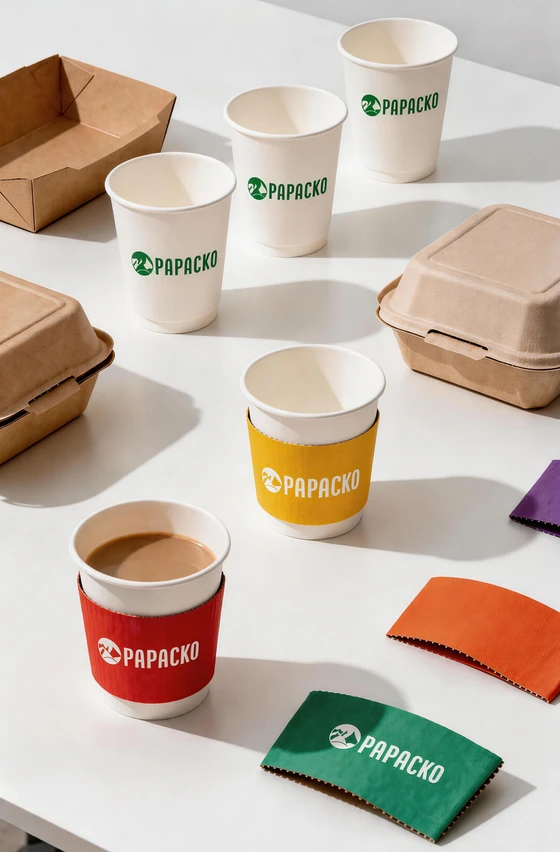
Оцените крышку, рукав или обертку (если имеются), а также любую вторичную упаковку. Система тары, компоненты которой не совместимы между собой, приводит к проблемам как в эксплуатации, так и в плане экологической устойчивости.
Покупатели, комплектующие полный упаковка для еды на вынос Заказчик может использовать данную структуру для составления четкого технического задания, необходимого для переговоров с поставщиками и проведения испытаний.
После того как вы проработаете приведенную выше систему оценки, сведение ваших требований в письменное техническое задание служит двум целям: это помогает структурировать ваши собственные мысли и дает поставщикам четкий ориентир, на основе которого они смогут подготовить свои предложения.
Четко структурированное техническое задание на закупку материалов для пищевых контейнеров обычно включает:
Если вы предоставите данное техническое задание нескольким поставщикам и запросите предложения по конкретным артикулам (а не по группам материалов), это даст вам основу для объективного сравнения аналогичных позиций. Более широкий ассортимент контейнеры для упаковки пищевых продуктов То, что сегодня предлагают коммерческие поставщики, означает, что у покупателей, которые приходят с четким техническим заданием, как правило, появляется больше вариантов, а не меньше.
Рекомендации, приведенные в данной статье, отражают практические проблемы, с которыми часто сталкиваются отделы закупок и операторы предприятий общественного питания при оценке материалов для пищевых контейнеров: несоответствие между маркетинговыми описаниями и реальными эксплуатационными характеристиками на уровне SKU, несогласованность между сертификатами компостируемости и реальной инфраструктурой компостирования, а также сложность сравнения конкурирующих материалов без структурированной системы. Рекомендации построены вокруг вопросов, которые покупатели должны задавать поставщикам и партнерам по управлению отходами, а не вокруг конкретных рекомендаций в отношении продуктов, поскольку правильный ответ зависит от области применения, юрисдикции и подтвержденной инфраструктуры утилизации отходов.
Заявления об эксплуатационных характеристиках материалов в данном руководстве намеренно носят условный характер. Никакие конкретные температуры, результаты испытаний или пороговые значения характеристик не указываются в качестве универсальных фактов, поскольку эти параметры зависят от марки смолы, типа покрытия, толщины стенок и технологического процесса — а также потому, что покупателям следует получать данные по конкретным артикулам, а не полагаться на обобщения по категориям. Ссылки на нормативные документы направляют покупателей к авторитетным источникам, включая применимые рекомендации FDA, а не содержат краткое изложение нормативных требований, которые могут изменяться или варьироваться в зависимости от юрисдикции. В качестве надлежащих источников для проверки компостируемости и пригодности к вторичной переработке указаны сторонние органы по сертификации и местные органы по управлению отходами, а не настоящее руководство.
Используйте эту статью в качестве структурированной отправной точки, а не окончательного руководства по выбору материалов. Ознакомьтесь с разделами, посвящённым группам материалов, чтобы понять общую картину и ключевые вопросы, которые возникают в связи с каждым материалом. Воспользуйтесь сравнительной таблицей, чтобы определить, какие группы материалов требуют более тщательной оценки для вашей области применения. Применяйте пошаговую схему оценки SKU перед утверждением любой спецификации. Составьте техническое задание на закупку на основе предоставленного плана и воспользуйтесь им при переговорах с поставщиками, запрашивая конкретные данные. Периодически пересматривайте свои технические условия по мере изменения местных нормативных требований, возможностей поставщиков и инфраструктуры компостирования.
Документация, подтверждающая соответствие требованиям к контакту с пищевыми продуктами для конкретного артикула, который вы планируете использовать, как правило, является наиболее важным этапом проверки. Описание группы материалов — “крафт-бумага”, “полипропилен”, “с PLA-покрытием” — не подтверждает, что данный продукт одобрен для контакта с вашим конкретным типом пищевых продуктов при вашей температуре розлива и в течение предполагаемого времени хранения. Закупающим организациям следует запрашивать у поставщиков документацию, соответствующую их юрисдикции и категории пищевых продуктов, а также обращаться к применимым нормативным рекомендациям — например, к материалам FDA для предприятий, работающих в США — вместо того, чтобы полагаться исключительно на заявления поставщиков.
Не обязательно. Сертификаты компостируемости указывают, что продукт соответствует определенному стандарту при заданных условиях компостирования, однако отдельные предприятия по компостированию используют собственные списки допустимых материалов, состав которых зависит от их технологического оборудования, пропускной способности и системы управления загрязнением. Покупателям следует напрямую связаться с местным промышленным компостирующим предприятием и подтвердить, что конкретный сертифицированный артикул — включая любое покрытие или ламинирование — принимается к переработке, прежде чем заявлять о компостируемости перед клиентами или включать соответствующие обязательства в договоры о закупках.
В целом, смешивание компостируемых и обычных пластиковых контейнеров в одном контейнере для отходов ухудшает результаты как переработки, так и компостирования. Компостируемые контейнеры из PLA загрязняют потоки ПЭТ, предназначенные для переработки; обычные пластиковые контейнеры загрязняют партии отходов, предназначенные для промышленного компостирования. Покупатели, желающие обоснованно заявлять о своей приверженности принципам устойчивого развития, должны соотнести всю свою систему упаковки — контейнеры, крышки, рукава и любую вторичную упаковку — с единым и проверенным потоком отходов, а также четко информировать персонал и клиентов о правильном способе утилизации.
Поскольку функциональные свойства бумажной тары зависят от покрытий или ламинатов, нанесенных на бумажную основу, — а эти покрытия или ламинаты могут сделать тару непригодной для обычной переработки бумаги. Например, миска для супа с полиэтиленовым покрытием может быть отнесена к категории неперерабатываемой бумаги, поскольку в ходе стандартных процессов переработки это покрытие невозможно отделить от волокон. Покупатели не должны полагать, что тара, обозначенная как “бумажная” или “крафт”, автоматически подлежит переработке; им следует уточнить тип покрытия и проконсультироваться с местными организациями, занимающимися переработкой отходов.
Совместимость крышки следует оценивать в рамках общей спецификации системы тары, а не в качестве отдельного решения. Размерная совместимость (диаметр и профиль), тип уплотнения (защелкивающийся, прижимной, фрикционный), требования к вентиляции и соответствие материалов (особенно если вы ориентируетесь на систему, пригодную для компостирования) — все эти параметры должны совпадать между тарой и крышкой. Заказчикам следует проводить практические испытания надежности крепления крышки в условиях розлива, транспортировки и обращения потребителей с использованием реальной комбинации артикулов (SKU), а не полагаться на совместимость, исходя из номинальных размеров. Поставщики, предлагающие согласованные системы «контейнер-крышка», могут упростить этот процесс, но все же рекомендуется проводить проверку в реальных условиях эксплуатации.
Содержание вторичного сырья — это лишь один из нескольких показателей экологической устойчивости, и его значение в значительной степени зависит от контекста. Например, использование вторичного сырья (PCR) в пластиковых контейнерах может снизить спрос на первичное сырье и уменьшить объем отходов, отправляемых на свалки, — однако требования к безопасности пластика вторичного происхождения при контакте с пищевыми продуктами могут отличаться от требований к первичному сырью, поэтому покупателям следует запрашивать соответствующую документацию. В случае с волокнами из вторичного сырья в изделиях из формованной целлюлозы также используются материалы, которые в противном случае стали бы отходами, однако все же необходимо проверить, как будет утилизироваться готовый контейнер по окончании срока службы. Покупателям рекомендуется оценивать полную картину жизненного цикла — происхождение материала, эксплуатационные требования и подтвержденный исход в конце срока службы — вместо того, чтобы рассматривать какой-либо отдельный показатель в качестве окончательного индикатора экологической устойчивости.