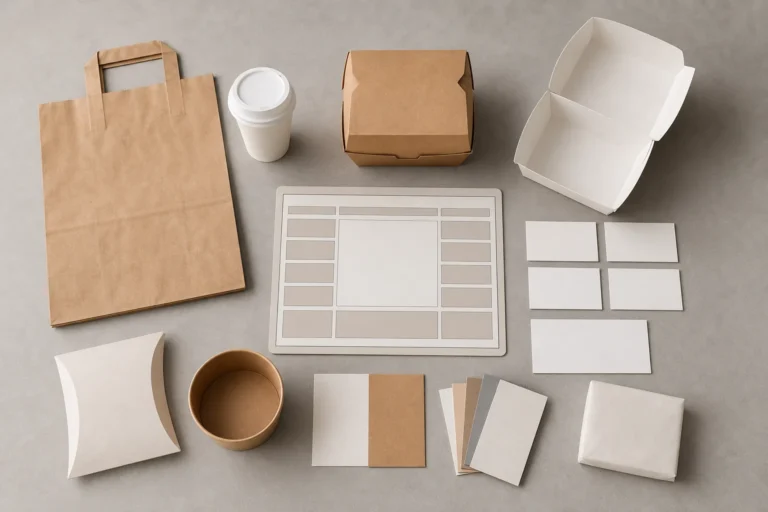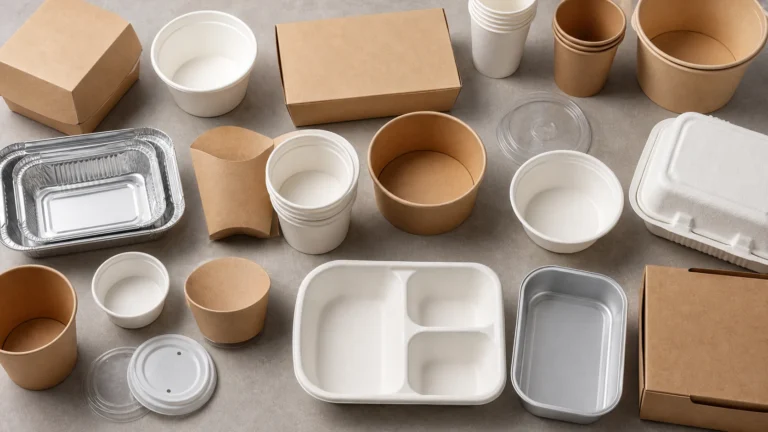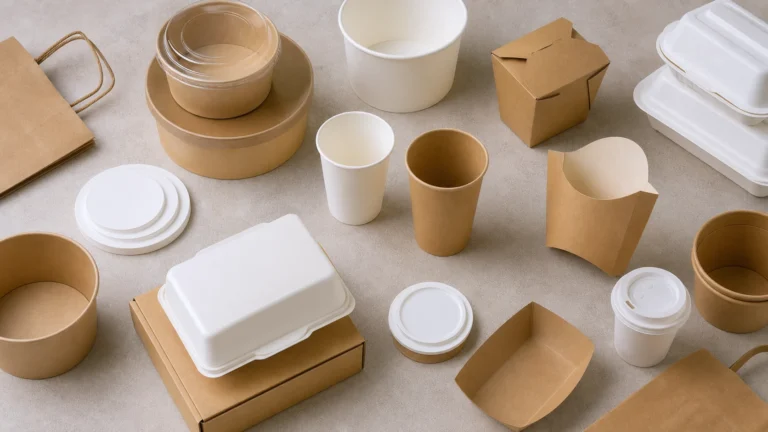
Готовы создать собственные фирменные бумажные стаканчики или упаковку?
Сообщите нам свои требования - размер, покрытие, печать и место назначения - и наша команда подготовит подробное коммерческое предложение в течение 24 часов.

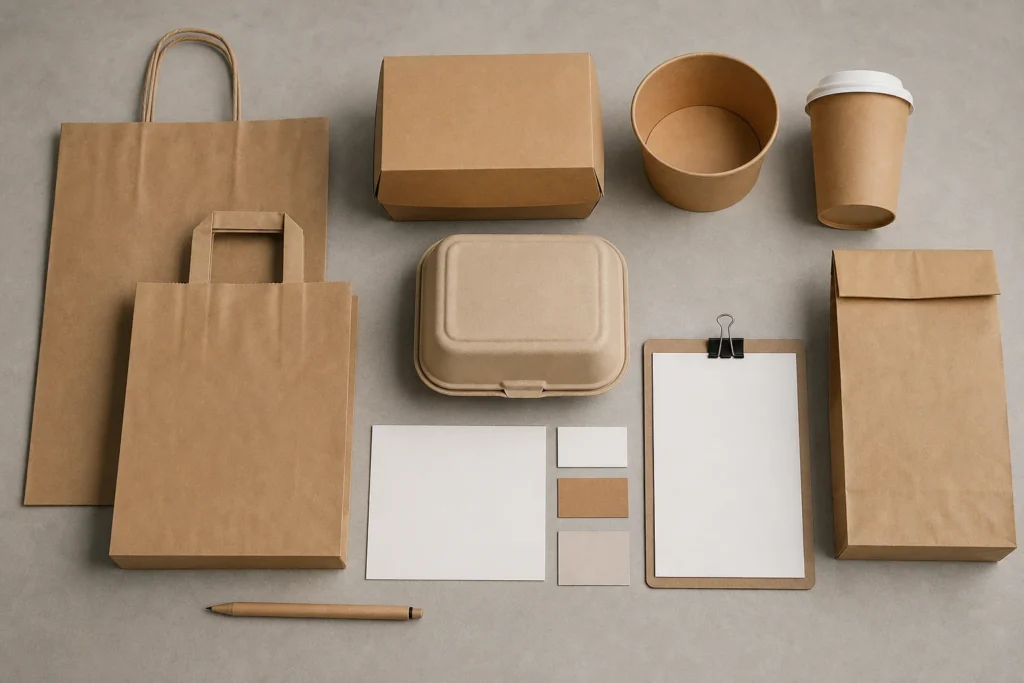
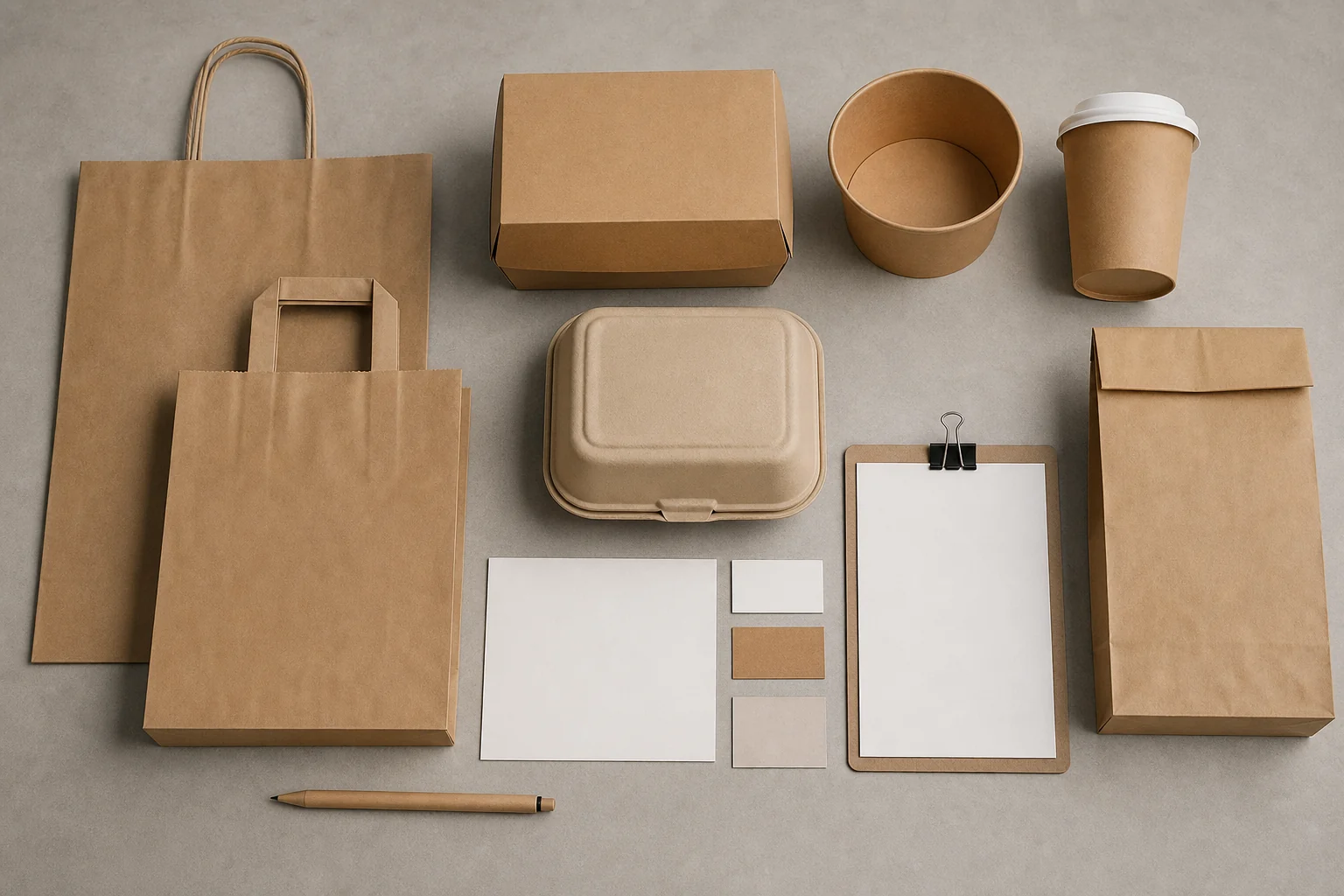
A custom bag project becomes difficult when the operational requirements, artwork decisions and purchasing notes live in separate conversations. A useful project brief brings them together. It gives the design team a defined canvas, gives the supplier a way to discuss available configurations, and gives the receiving team a reference when the finished cartons arrive.
Start by describing the carryout situation rather than choosing a bag from a photograph. Record what normally goes into the bag: the container formats, beverage components, sealed or unsealed items, any inserts, and the typical order mix. Note how the bag moves through the operation, such as counter pickup, staging, delivery handoff or catering collection. These details do not establish a product-performance result. They provide the context that the supplier and buyer need when reviewing an exact configuration.
The brief should also name the decision owners. One person may approve artwork, another may verify the proof, and another may receive the first shipment. Give each checkpoint an owner, a date target and a documented record. This avoids an informal instruction being mistaken for a production release.
For branding, attach current vector logo files, color references from the brand guide, required contact information, and any copy that must appear. Identify elements that must not move, such as a logo clear area or a legal line. Keep every revision under a clear file name, for example Brand_CarryoutBag_v03_YYYYMMDD. Do not overwrite a prior approved file. A version history is the simplest way to prevent a discontinued logo or spelling correction from returning on a reorder.
Finally, state the delivery destination, storage constraints, expected order pattern and purchasing contact. These are planning inputs, not promises about production timing or packaging performance. The supplier still needs to confirm the exact bag, artwork, quantity and workflow before an order is released.
Bag selection is not a separate branding exercise. It is a component of the carryout system. The bag must be reviewed with the containers, cups, lids and napkins that the guest will receive. Before committing to an artwork layout, examine the possible bag format with the complete set of items it is intended to carry.
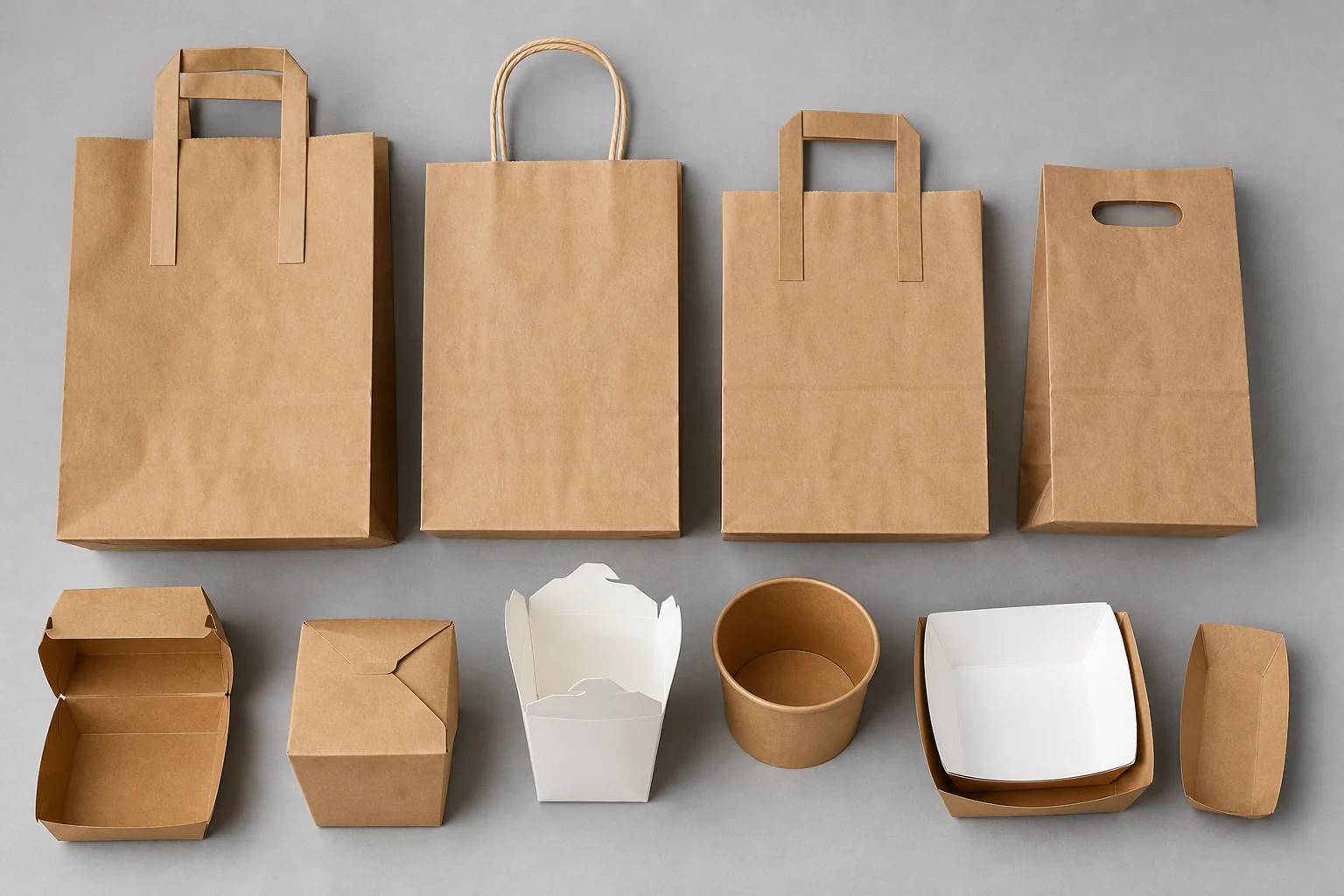
Flat-bottom formats can create an upright packing area, while flat-folded formats can suit a different storage or dispensing workflow. Some bag constructions incorporate a handle opening; others use an attached handle. These are format choices to review against the actual carried items, staff packing process and supplier options. Do not infer suitability from the name of a format or handle alone.
Handle selection deserves its own line in the specification. A project may consider twisted paper, flat paper, die-cut or reinforced handle constructions. Record the proposed handle style, placement, attachment approach, artwork clearance area and intended carried-item range. Then request the supplier’s exact documentation and representative samples. The goal is to verify the selected configuration in the buyer’s own workflow, not to rely on a universal claim about strength.
Build a component sheet for the bag. It can include the supplier’s item reference, the approved dieline version, exterior panel layout, selected handle, artwork file version, pack-out reference and any required carton markings. Keep material wording exactly as documented by the supplier. Avoid converting a material description into a food-contact, disposal or performance claim.
Coordinate the bag with контейнеры для упаковки пищевых продуктов before approving the dimensions or artwork panels. Container height, lid geometry and the packing sequence can affect the buyer’s decision. If the order commonly uses paper food containers, evaluate representative components together. A system review helps prevent a bag from being visually approved while remaining impractical at the packing station.
Flexographic and digital printing are two production workflows a buyer may discuss for branded paper bags. Neither should be treated as a default solution. The appropriate workflow depends on the artwork, available substrate, quantity, supplier process, proof path and commercial requirements for the particular job.
Flexographic printing uses prepared plates and a repeating print process. It commonly requires a supplier-specific approach to line detail, type, trapping, ink coverage and artwork separation. Digital printing uses a different setup and file path. It may have different characteristics for color, gradients, surfaces and revision handling. Ask the supplier which workflow they can support for the current bag configuration, and request their production-file requirements before a designer begins final artwork.
The artwork should be built on the current supplier dieline rather than a generic template. A dieline identifies panel boundaries, folds, safe areas, bleed areas, handle zones and any construction features that affect the printed layout. Confirm the revision number of that dieline before releasing artwork. If a supplier changes it, return to the artwork review rather than assuming an earlier layout will transfer unchanged.
Use a small document package for every submission:

Keep text, logos and required copy within the specified safe areas. Confirm font handling, embedded assets, color setup and file format with the supplier. A buyer can ask the prepress team to check technical readiness, but should not ask the supplier to make unrecorded brand decisions. Any necessary revision should create a new artwork version and another review record.
For a product conversation specific to branded bag artwork, buyers can review бумажные пакеты с индивидуальной печатью. That conversation should still be anchored to the actual bag format, dieline and intended carryout workflow.
The proof stage connects a design file to a physical packaging component. It is the buyer’s opportunity to compare the current artwork version, construction reference and required copy before authorizing production. A proof can be digital, physical or a sample path agreed with the supplier. The appropriate review method should be confirmed for the project rather than assumed from a generic rule.
Use a structured proof checklist. Verify the component and dieline revision first. Then inspect logo placement, copy, spelling, phone numbers or URLs, panel orientation, color references, handle clearance and any required marks. When a physical sample is available, examine it with representative carried items and document observations tied to the exact sample. This is a buyer workflow check, not a certification or universal performance test.
The approval record should identify:
Do not rely on a verbal “go ahead” or an ambiguous email thread. A signed or otherwise controlled approval record makes the production release traceable. If any artwork, bag component or print requirement changes after approval, create a new revision and return to the relevant checkpoint.
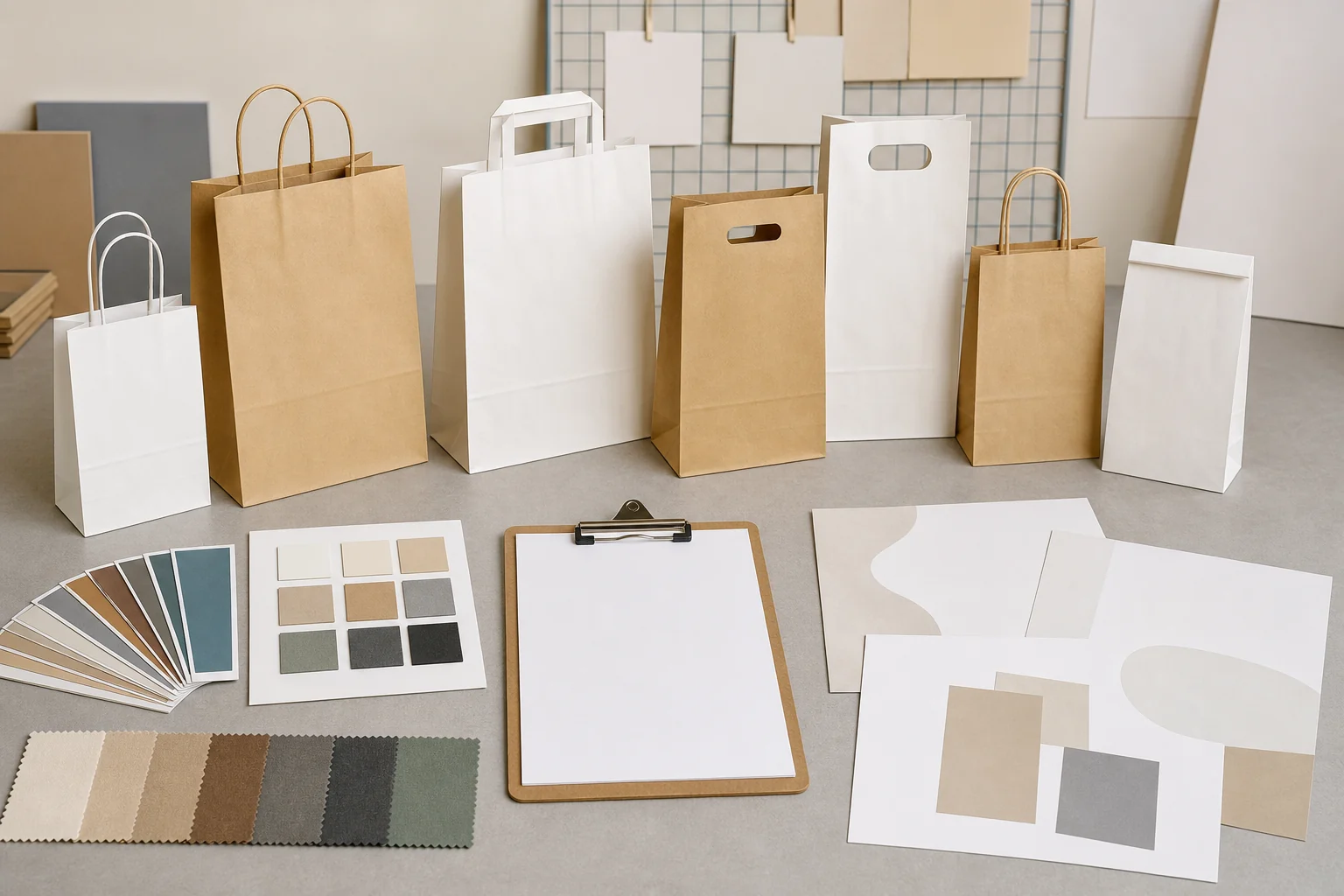
Once the proof is approved, the production release should reference the exact approved files and specifications. It should identify the artwork version, dieline, selected component, quantity, destination and buyer contact. It does not need to promise a universal lead time or quality outcome; its value is that it documents what the supplier is being asked to make.
Before shipment, confirm the pack-out information needed for receiving. This can include the buyer’s purchase reference, component identifier, carton marking requirements and pallet or delivery instructions. Ask the supplier which inspection and documentation steps form part of their own production process. Record the answer as project information instead of assuming a particular inspection frequency.
The buyer-side release checklist can include the following:
If the bag program is part of a larger brand refresh, align the calendar and approval records with related components. For example, custom napkins can be reviewed as part of the visual system, while retaining their own artwork and product references. Coordinated planning is not the same as treating distinct products as interchangeable.
The receiving check is the last controlled gate before bags enter guest-facing service. Assign a receiving owner who can access the purchase order, approval record and retained reference. That person should compare the incoming stock rather than relying on an unopened carton count alone.
First, compare carton labels and counts with the approved delivery and pack-out reference. Check carton condition before opening and document visible transit damage. Then select a sample using a method your team has defined for the shipment. Compare the bags with the approved reference for the controlled elements: artwork version, logo placement, required copy, bag construction, handle configuration and visible finish. Record the review result and hold any material discrepancy for supplier discussion before bags enter service.
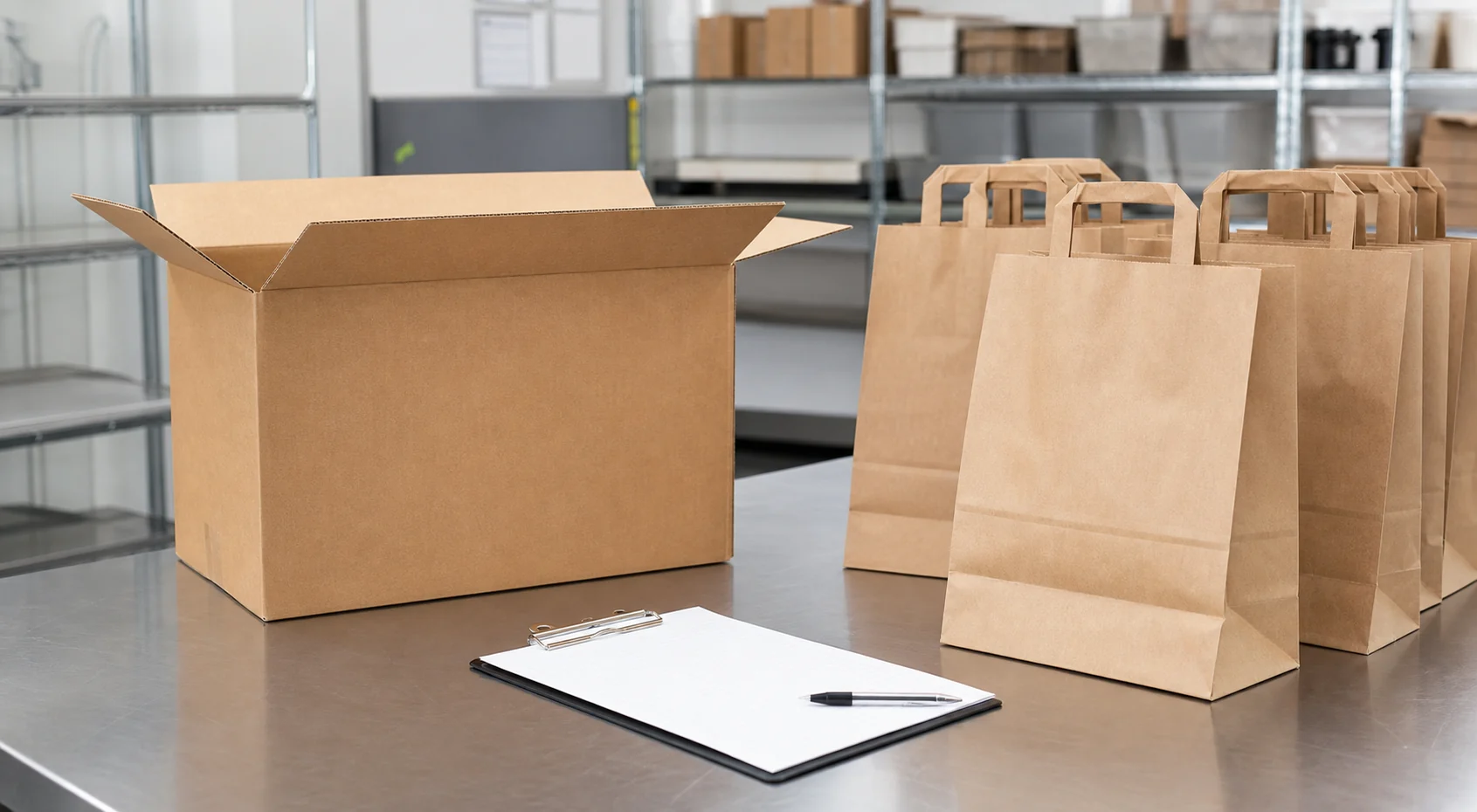
For a multi-location rollout, give every location the same short reference sheet: the approved component image, artwork version, carton reference, escalation contact and storage instruction. A staged rollout can help the operations team observe packing and storage behavior under its own conditions before a larger release. Keep previous inventory identified separately so staff do not mix versions without an intentional cutover decision.
Food-contact questions require exact-situation review. The FDA’s food types and conditions of use guidance for food-contact substances explains the framework used to describe food types and conditions of use. It is not a product approval, certification or compliance determination for a specific bag. Confirm the exact configuration, carried items, destination and applicable requirements with qualified parties before making a release decision.
Papacko can help foodservice buyers organize the product discussion, artwork handoff and proof workflow for a branded bag project. Start with the actual carried items, a current logo package and a documented brief. The team can then help you identify available бумажные пакеты and the documentation needed for your specific project. Contact Papacko to begin the component and artwork review.
Include the intended carryout workflow, representative carried items, proposed bag and handle options, current artwork, brand references, delivery details, and the people who will approve proof and receive the stock. Confirm the exact configuration with the supplier before release.
No. Each format can have a different dieline, handle area, panel layout and safe zone. Adapt the artwork to the current approved template for each component.
Review flexographic and digital workflows with the supplier using your exact artwork, substrate, quantity and proof requirements. Neither method is a universal default.
The dieline controls where artwork can safely appear around construction features and panel boundaries. A changed dieline can require a new artwork review.
Segregate the affected stock, document the discrepancy against the approved reference, and contact the supplier before the bags enter service.
No. Food-contact questions depend on the exact bag configuration, intended carried items and relevant conditions of use. Seek appropriate exact-SKU documentation and qualified advice for the project.