Готовы создать собственные фирменные бумажные стаканчики или упаковку?
Сообщите нам свои требования - размер, покрытие, печать и место назначения - и наша команда подготовит подробное коммерческое предложение в течение 24 часов.

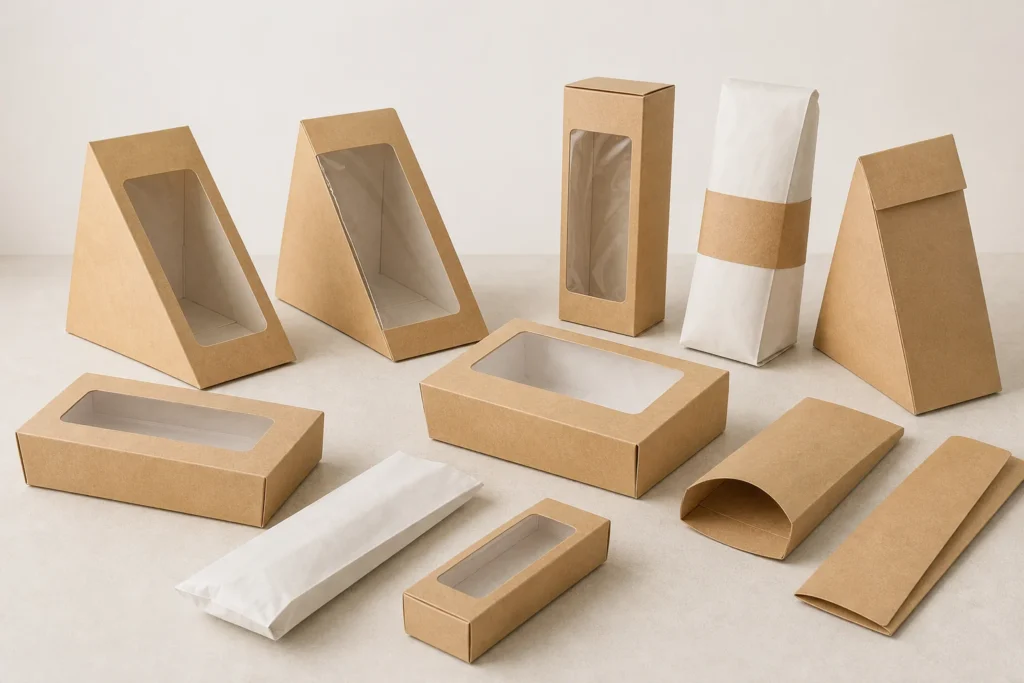
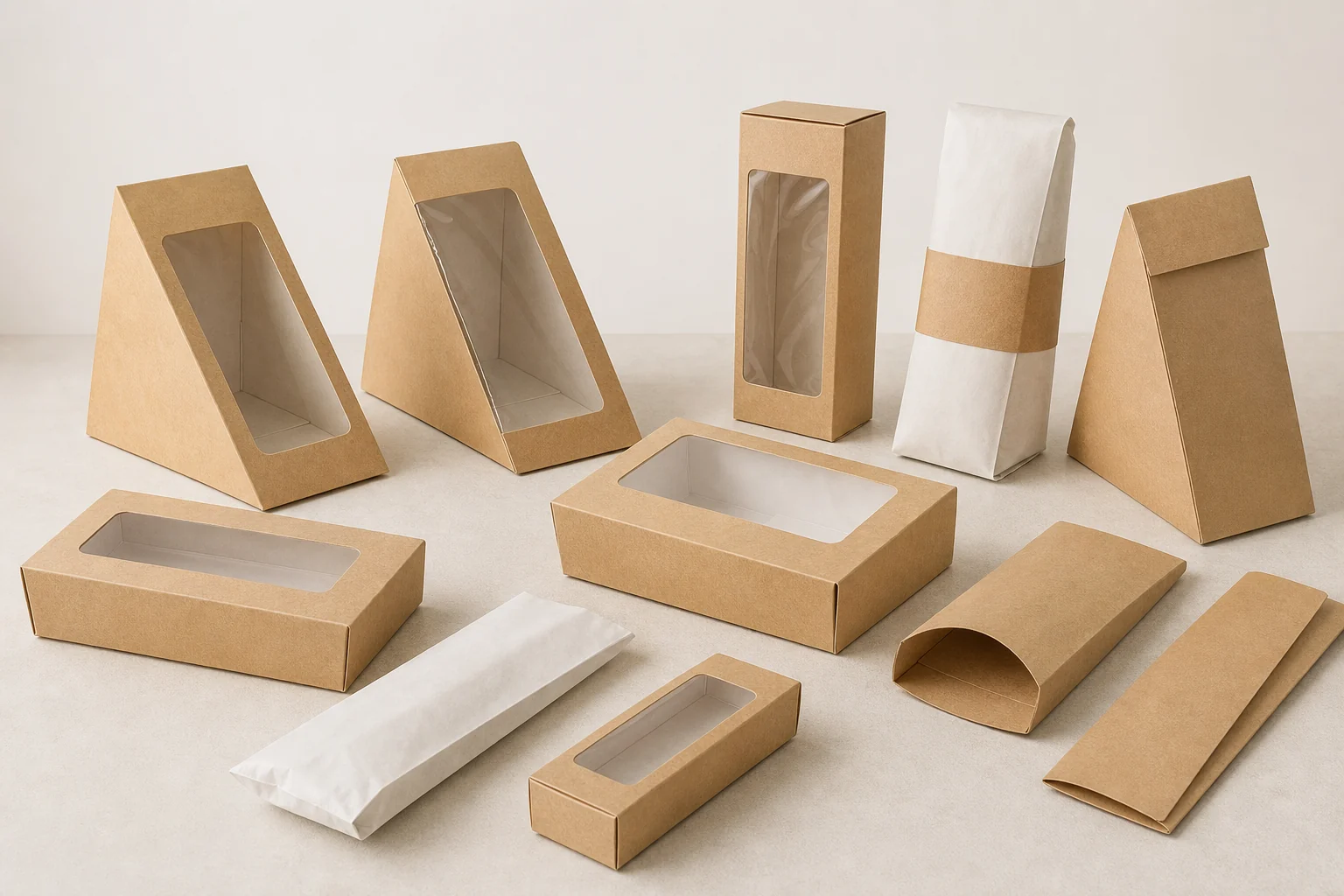
Sandwich packaging starts with the menu and service workflow, not with a generic product category. Bread shape, filling height, sauce or moisture, surface fragility, packing temperature and expected hold conditions can all change the buyer’s format decision. A wedge, a long roll, a wrap and a layered club may require different trial plans even when they share a service counter.
Document the actual scenario before requesting samples. Record the heaviest build, the most moisture-sensitive build, the packing sequence, likely display position, handoff method and route where delivery is part of the offer. This prevents a category name from being treated as evidence that an exact SKU fits the operation.
For a busy deli, assembly speed and label placement may be important. For a hotel catering program, stack pattern and receiving checks may be important. For a delivery menu, bag compression and route variation are variables to test. These are planning inputs, not product-performance claims.
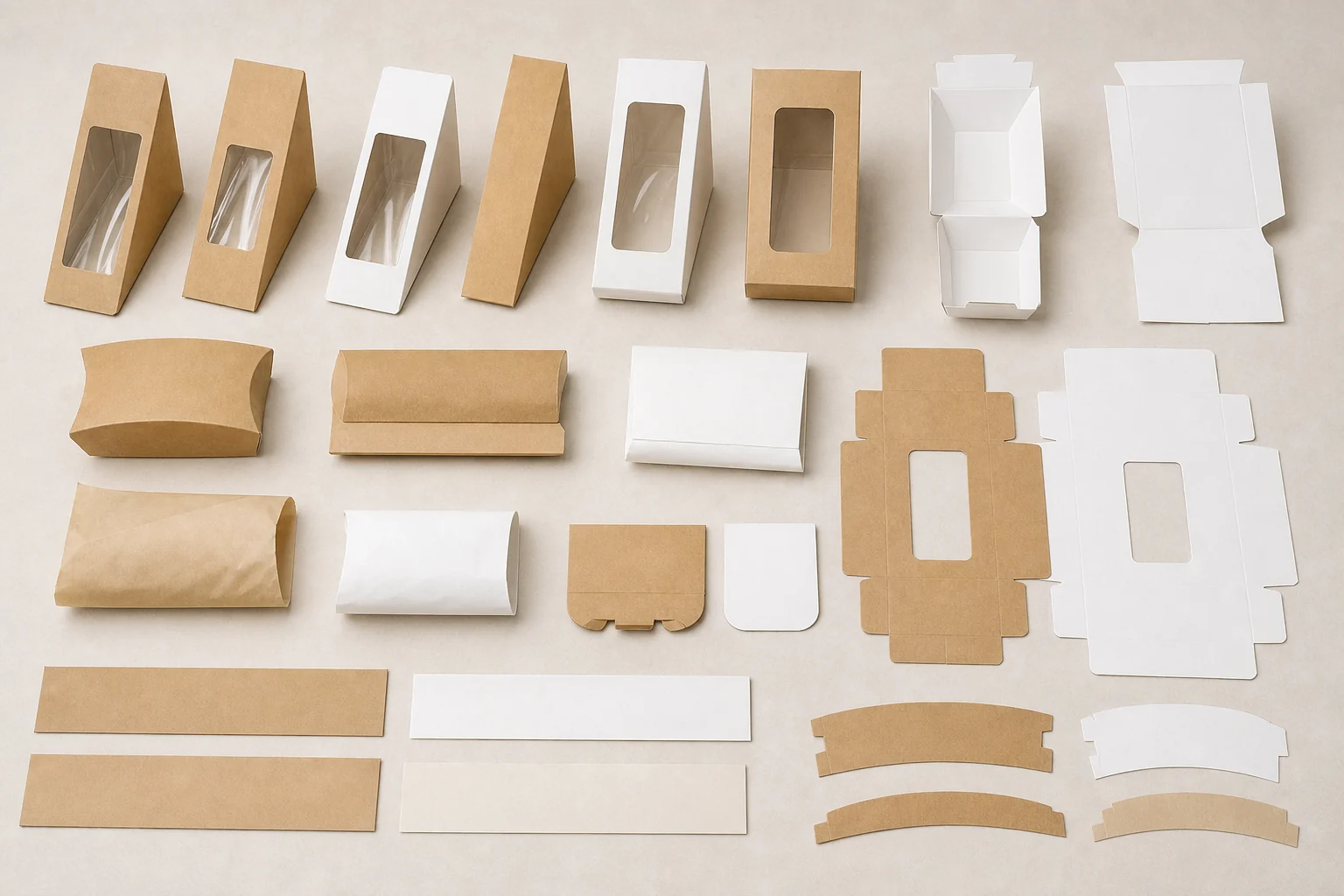
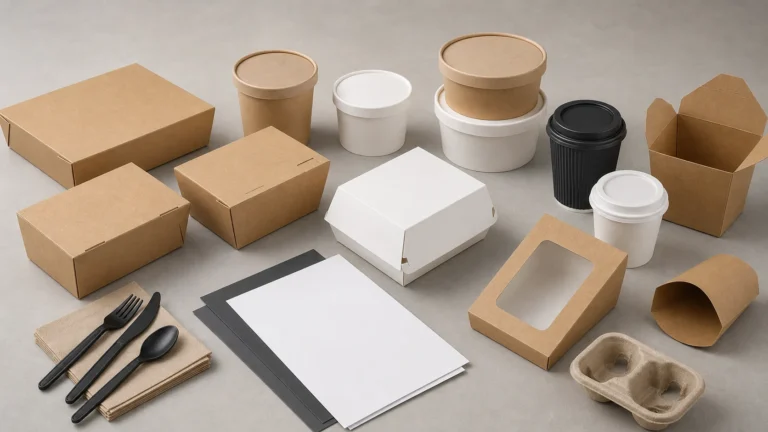
For counter handoff and general takeaway, paper lunch boxes provide a relevant starting point for a buyer review. Confirm the exact dimensions, closure and supplied documentation against the menu before a volume decision.
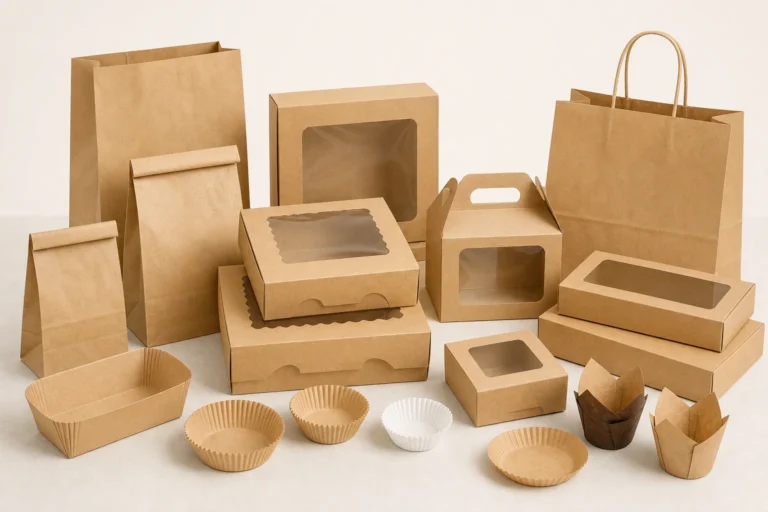
For retail-style presentation, paper boxes with window can be reviewed where a viewing panel is part of the intended display. Window position, product height and the display environment should be tested with the actual sandwich rather than inferred from an image.
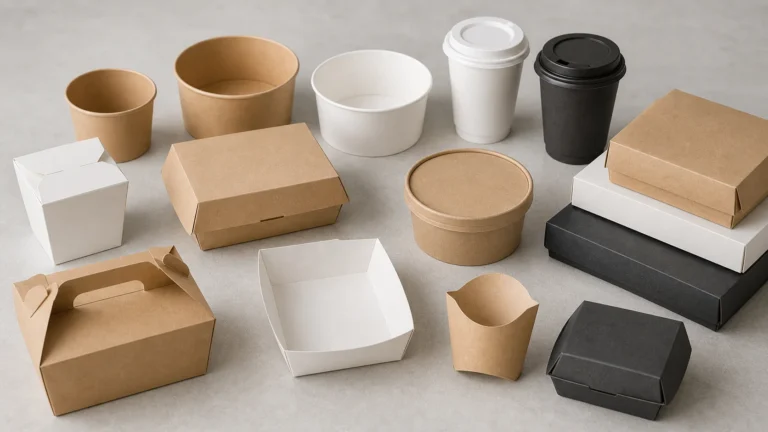
For high-volume preparation, paper food boxes give a broader structure set for sample comparison. Evaluate actual fill, closure handling and stack arrangement in the buyer’s workflow.
For branded programs, custom paper boxes can be part of a discussion about artwork, production terms and format references. Confirm MOQ, lead time, proofing and exact construction directly with the supplier. Buyers needing a broader category reference can begin with контейнеры для упаковки пищевых продуктов.
Board, liner, coating, wrap and closure describe components of a packaging system, not universal outcomes. A material description does not establish food-contact suitability for the intended food and conditions of use, nor does it establish how the specific sandwich will behave during a hold period.
Request the supplier’s exact-SKU documentation and share it with appropriate food-safety, quality and operations reviewers. The FDA framework for food-contact substances is useful background for US-context questions, but it is not approval for a product or a named menu use.
Closure review should include how staff assemble the pack, how the pack moves into a carry bag, and what happens when it is stacked or compressed. Test the intended closure with the actual sandwich build and route conditions. A buyer trial is the evidence; a generic closure label is not.
Assembly time also belongs in the review. Ask staff to pack a representative short run using the intended sandwich, label and carry bag. Record the steps that cause rework, handling or uncertainty. The aim is not to declare a format fast or slow in the abstract; it is to identify whether the specific packing workflow can be repeated consistently at the buyer’s expected service volume.
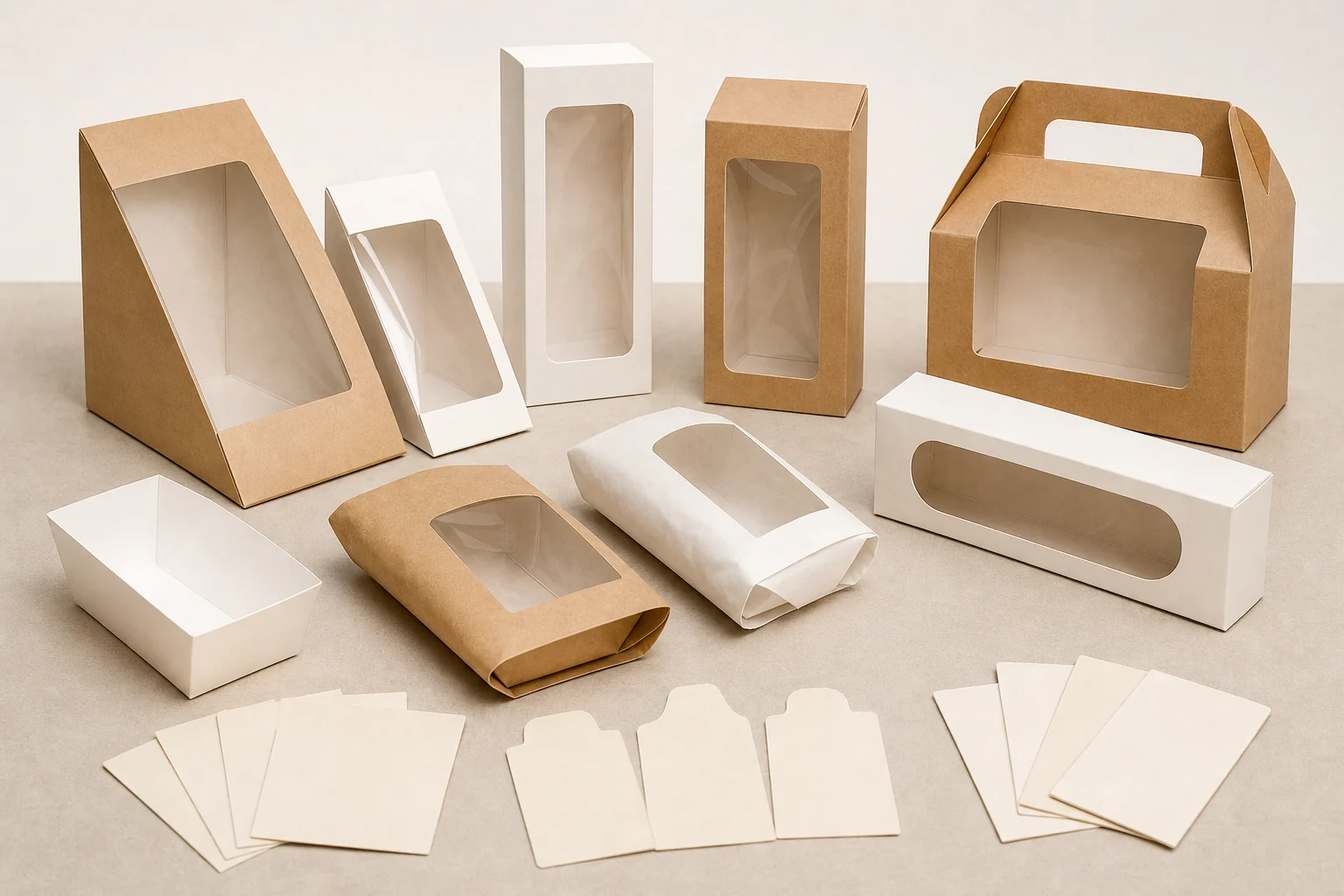
Display packaging should be reviewed under the real counter, shelf or refrigerated environment. A viewing panel may present a product differently depending on bread height, filling position, light, temperature changes and hold time. Buyers should inspect the product at the beginning and end of a representative display period.
The trial should also include handling. Check whether the product shifts, whether the closure remains in the intended position, and whether the selected format can be placed and removed from the intended display without unnecessary handling. Do not claim that a window maintains clarity, preserves freshness or fits a particular sandwich without an exact-SKU, product-specific trial.
Where labels, date coding or order identification are used, add them to the sample. Their placement can affect the usable viewing area and the staff’s ability to identify orders. Review each display scenario separately and keep the observed conditions in the buyer’s trial record.
Delivery introduces variables not present in a counter handoff: bag compression, lateral movement, stack position, route duration, handoff and destination environment. Run a documented trial with the actual sandwich, package SKU, fill level, carrying method and representative route conditions.
At destination, inspect the complete package rather than only the sandwich. Review closure position, product movement, external marks, label condition and presentation. Repeat the test where different menu builds or service channels are in scope. Do not generalize a result from one build to all sandwich formats.
Compare the intended primary pack with any secondary carry bag, sleeve or holder used in the route. A satisfactory primary-pack observation does not prove the combined delivery system works. This distinction is especially important when the buyer uses more than one courier, vehicle type or destination environment.
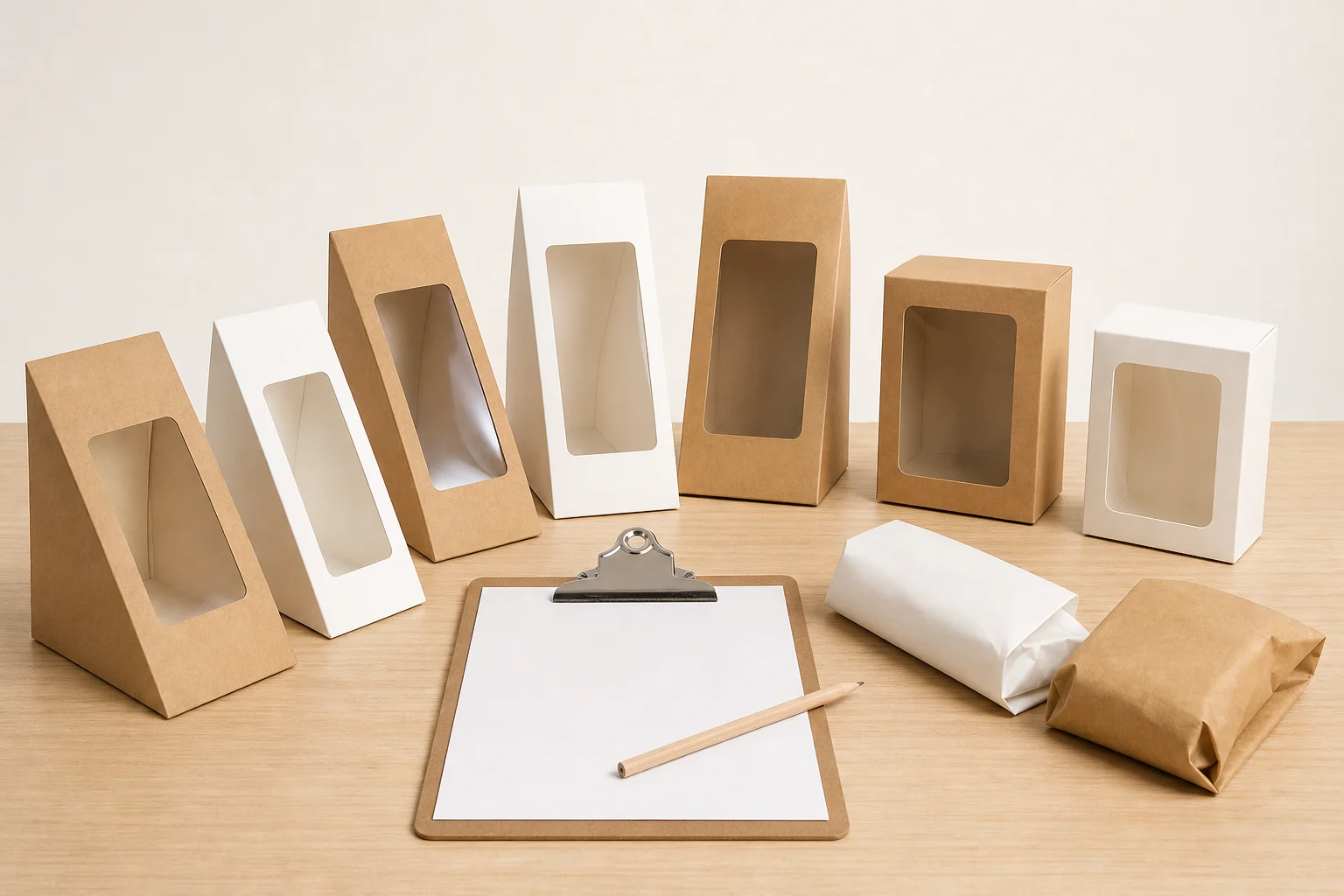
Useful buyer-trial checks include structural change under a heavy filling, closure movement under bag compression, moisture interaction at contact points, label adhesion on the selected surface and loss of product position during transport. These are conditions to inspect rather than claims about any material or format.
Create a simple trial record for each variation: exact package SKU, sandwich build, packing conditions, service channel, hold period, route conditions and observed result. The record gives purchasing and operations a reference for supplier follow-up and future reorders.
Before rollout, retain the approved sample reference, exact SKU, ordered dimensions, supplier documentation and trial record in one release file. At receiving, compare delivered components with that reference before they are used in service. Check the items that matter to the buyer’s process: correct format, window or closure configuration, label area, assembly sequence and carton condition.
If a change is proposed later, treat it as a new review rather than assuming that a category name or a previous result transfers. Update the sample record, repeat the relevant trial and capture the decision. This gives procurement, operations and supplier contacts the same evidence base.
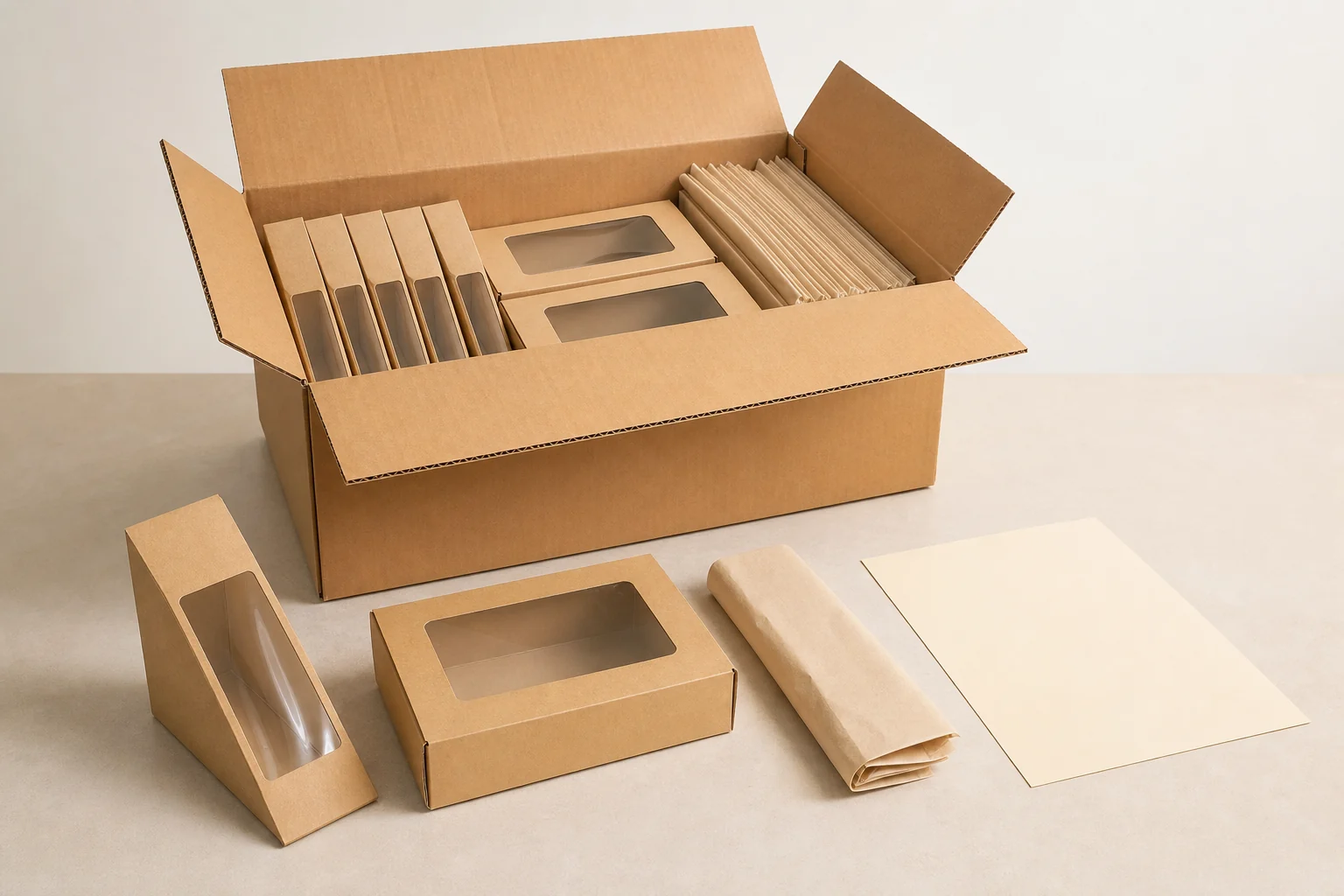
This article is a B2B planning framework, not food-safety guidance, regulatory advice or a product specification. Display appearance, structural behavior, closure handling, moisture interaction and delivery fit depend on the exact product, packaging SKU and operating conditions. Buyers should confirm relevant facts with suppliers and qualified advisors before commercial deployment.
Contact Papacko with the menu brief, intended service channels, volumes and trial notes to begin a focused format and sample discussion. A clear buyer brief helps limit the review to relevant candidate formats.
Start with formats that match the actual sandwich geometry and display workflow, then compare candidate samples under representative conditions.
Confirm this with separate buyer trials because delivery adds route and bag-handling variables.
Test the exact window configuration with the actual sandwich in the intended display setting and hold period.
Request exact-SKU information, samples, production terms and documentation relevant to the intended conditions of use.
No. Confirm the exact product and intended conditions with appropriate documentation and qualified review.
Record the package SKU, sandwich build, fill level, packing conditions, route, hold period and observed result.