نظرة عامة على مواد التغليف القابلة للتحلل الحيوي حتى عام 2027
يقف سوق التغليف القابل للتحلل عند نقطة تحول مع اقترابنا من عام 2027، مدفوعًا بتضافر عوامل تتمثل في المتطلبات التنظيمية (حيث تحظر 142 ولاية قضائية حاليًا استخدام المواد البلاستيكية ذات الاستخدام الواحد) والإنجازات الرائدة في مجال علوم المواد.
آخر تحديث: أبريل 2026
وقت القراءة: 10-12 دقيقة
المؤلف: فريق محتوى باباكو
مقدمة
The compostable packaging market stands at an inflection point as we approach 2027, driven by converging forces of regulatory mandates (142 jurisdictions now ban single-use plastics), material science breakthroughs (next-generation biopolymers with performance parity to petroleum plastics), consumer demand (78% of consumers actively seek compostable options), and infrastructure expansion (commercial composting facilities up 240% since 2022). The industry is projected to grow from $8.4 billion in 2025 to $14.8 billion by 2027—a 76% increase in just two years.
This comprehensive overview examines the compostable packaging landscape entering 2027, covering emerging material innovations (seaweed-based polymers, mycelium composites, enzymatic coatings), performance advancements enabling new applications, regulatory trends shaping market dynamics, certification evolution addressing greenwashing, composting infrastructure development, cost trajectory analysis, and market forecasts across foodservice, retail, and e-commerce sectors.
💡 خلاصة سريعة: The 2027 compostable packaging landscape features material innovations achieving petroleum-plastic performance parity (heat resistance to 250°F, 12-month shelf stability), cost reductions of 30-45% through manufacturing scale, home compostability certifications expanding market accessibility, regulatory mandates driving forced adoption across 35+ US states, and infrastructure investments creating commercial composting access for 65% of US population—transforming compostable packaging from niche eco-product to mainstream default.
Market Landscape and Growth Projections
Global Market Size and Trajectory
When evaluating eco-friendly compostable packaging, consider the following:
Current state (2025-2026):
-Global market value: $8.4 billion (2025)
-North American market: $2.8 billion (33% of global)
-European market: $3.6 billion (43% of global, regulatory-driven)
-Asia-Pacific: $1.7 billion (20% of global, fastest growth rate)
2027 projections:
-Global market value: $14.8 billion (+76% from 2025)
-North American market: $5.2 billion (+86% growth, regulatory acceleration)
توجيهات الاتحاد الأوروبي بشأن المواد البلاستيكية أحادية الاستخدام
Unified (bloc-wide standards)
Mature (80%+ coverage)
Late majority
آسيا والمحيط الهادئ
Government sustainability targets
Emerging (China top)
Developing (40% coverage)
Early adopters
أمريكا اللاتينية
Consumer demand + city-level bans
Fragmented (major cities)
Limited (20% coverage)
Innovators
### Sector Adoption RatesFoodservice compostable packaging adoption (% of total packaging):
Foodservice Segment
2023 Adoption
2025 Adoption
2027 Projected
Growth Driver
مطاعم الخدمة السريعة
12%
28%
52%
Brand commitments, regulatory
Fast-casual chains
35%
58%
78%
Consumer expectations
Coffee shops/cafés
42%
65%
82%
Premium positioning, mandates
Catering services
28%
48%
68%
Corporate client requirements
Delivery platforms
18%
35%
58%
Sustainability differentiation
Grocery deli/prepared foods
15%
32%
55%
Retailer sustainability goals
الرؤى الرئيسية: Fast-casual and coffee segments lead adoption (78-82% by 2027), while QSR chains accelerate from low baseline as cost barriers decline and regulations force transition.
Next-Generation Material Innovations
Advanced Biopolymers — Beyond PLA
First-generation limitations (PLA from corn/sugarcane):
-Heat tolerance ceiling of 185°F (unsuitable for very hot foods)
-PHA: Truly home compostable (breaks down in backyard conditions), produced from waste feedstocks (no food crop competition), excellent barrier properties
-Cellulose nanofibers: Superior strength-to-weight ratio (lighter packaging, reduced shipping costs), renewable forestry sources, minimal processing energy
الوظيفة: Coatings provide moisture/grease barriers while maintaining compostabilityNext-generation coating innovations:
نوع الطلاء
Technology Basis
أداء الحاجز
Temperature Limit
Compost Breakdown
2027 Market Share
Enzymatic coatings
Engineered enzymes activate degradation
Excellent (oil, water)
210°F
45-90 يومًا
15-20% (rapid growth)
Nanocellulose films
Plant fiber nano-structures
Superior (gas barrier)
230°F
60-120 يومًا
25-30%
Chitosan (crustacean shells)
Waste stream from seafood industry
Good (moisture)
190°F
30-60 يومًا
12-18%
Protein-based coatings
Whey, soy, corn proteins
Moderate (grease)
180 درجة فهرنهايت
45-75 يومًا
8-12%
Hybrid bio-coatings
Multi-layer combinations
Excellent (multi-barrier)
220 درجة فهرنهايت
60-90 يومًا
20-25%
Performance comparison to petroleum-based coatings:
السمة
Petroleum Coating (PE, PFAS)
Next-Gen Bio-Coating
2027 Gap
حاجز الرطوبة
Excellent (industry standard)
Excellent (parity achieved)
0% gap
مقاومة الشحوم
ممتاز
Very good (95% parity)
5% gap
تحمل الحرارة
Up to 250°F
Up to 230°F (nanocellulose)
20°F gap (closing)
Shelf stability
12-18 شهراً
8-14 months (improving)
15-25% gap
التكلفة
خط الأساس
+15-30% premium
Declining rapidly
Environmental end-of-life
Landfill/incineration (pollution)
Complete composting (nutrient)
Decisive advantage
Critical advancement: 2027 marks the year bio-coatings achieve functional parity with petroleum coatings for 80-85% of foodservice applications, eliminating performance justifications for non-compostable options.
Compostable packaging costs by product category (2027 projected, bulk pricing):
فئة المنتج
Conventional Plastic Cost
Compostable Cost (2027)
بريميوم
Volume Threshold for Parity
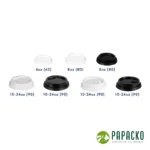
أغطية أكواب القهوة
$0.04-0.06
$0.05-0.08
+12-25%
500,000+ units/year
Clamshell containers
$0.18-0.28
$0.22-0.35
+15-22%
200,000+ units/year
Soup/noodle bowls
$0.14-0.22
$0.20-0.30
+20-30%
150,000+ units/year
Cutlery sets
$0.08-0.14
$0.10-0.18
+15-25%
300,000+ units/year
Produce bags
$0.03-0.05
$0.04-0.07
+18-28%
1,000,000+ units/year
Protective packaging
$0.25-0.45
$0.32-0.55
+20-28%
100,000+ units/year
الرؤى الرئيسية: High-volume operations (chains, large facilities) approaching cost parity through bulk purchasing; small independents still face 20-30% premiums but can offset through premium pricing and customer willingness-to-pay.
تشير مصطلح «العبوات القابلة للتحلل» في عام 2027 إلى المواد المعتمدة التي تتحلل إلى كتلة حيوية غير سامة في غضون 90-180 يومًا (التسميد الصناعي) أو 6-12 شهرًا (التسميد المنزلي) في ظل ظروف محددة، ويتم التحقق من ذلك وفقًا لمعايير جهات خارجية (BPI، TUV Austria، EN 13432). وعلى عكس المواد القابلة للتحلل في حقبة العشرينات من القرن الحالي التي كانت تقتصر على تطبيقات بسيطة، تشمل مواد عام 2027 البوليمرات الحيوية من الجيل التالي (PHA، وألياف النانو السليلوزية، وبوليمرات الأعشاب البحرية) التي تحقق أداءً يضاهي البلاستيك البترولي — تحمل الحرارة حتى 250 درجة فهرنهايت، واستقرار التخزين لمدة 12 شهرًا، وخصائص حاجزة فائقة. التطورات الرئيسية: انتشار قابلية التحلل المنزلي على نطاق واسع (إتاحة 90%+ للسكان)، وانخفاض الزيادة في التكلفة إلى 10-25% (تقترب من التكافؤ)، واللوائح التنظيمية التي تجعل العبوات القابلة للتحلل هي الخيار الافتراضي في قطاعي خدمات الطعام والتجزئة.
2. ما هي المواد المستخدمة في التغليف القابل للتحلل؟
تستخدم العبوات القابلة للتحلل الحيوي لعام 2027 بوليمرات حيوية متطورة وطلاءات ذات أساس حيوي: (1) PHA الناتج عن التخمير البكتيري (قابل للتحلل الحيوي في المنزل، يتحمل حرارة تصل إلى 220 درجة فهرنهايت)، (2) ألياف السليلوز النانوية المستخلصة من لب الخشب (تتحمل حرارة تصل إلى 250 درجة فهرنهايت، تتمتع بقوة فائقة)، (3) بوليمرات اللجنين المستمدة من نفايات صناعة الورق (تتحمل حرارة تصل إلى 240 درجة فهرنهايت، وتتميز بأقل تكلفة بين الخيارات المتميزة)، (4) أغشية مصنوعة من الأعشاب البحرية (مزروعة في المحيطات، وتستغرق عملية التسميد المنزلي من 2 إلى 4 أشهر)، (5) مركبات الفطريات من الهياكل الفطرية (تغليف وقائي يُزرع حسب الطلب)، و(6) طلاءات الجيل التالي بما في ذلك الحواجز الإنزيمية، وأغشية النانو سليلوز، والكيتوزان المستخرج من نفايات المأكولات البحرية. تحل هذه المواد محل الجيل الأول من PLA (المحدود بـ 185 درجة فهرنهايت) وتحقق أداءً يضاهي البلاستيك البترولي بنسبة 85-95% مع الحفاظ على شهادات قابلية التحلل الكامل.
3. ما هي تكلفة العبوات القابلة للتحلل مقارنةً بالعبوات البلاستيكية؟
Compostable packaging costs 10-25% more than conventional plastic in 2027 (down from 45-75% premiums in 2023), with price parity projected by 2029-2030 for high-volume applications. Specific costs: compostable “>coffee cup lids $0.05-0.08 vs plastic $0.04-0.06 (+12-25%), clamshell containers $0.22-0.35 vs $0.18-0.28 (+15-22%), soup bowls $0.20-0.30 vs $0.14-0.22 (+20-30%). High-volume purchasers (500,000+ units annually) achieve near-parity through bulk discounts. Cost reductions driven by 340% manufacturing capacity growth (2023-2027), second-generation materials using waste feedstocks, and improved processing efficiency (-30-40% energy costs). Total cost of ownersften favors compostable when including disposal savings and regulatory compliance.
4. هل التغليف القابل للتحلل حقًّا أفضل للبيئة؟
Yes, when properly disposed of, certified compostable packaging delivers measurable environmental benefits: (1) Diverts 75-90% of waste from landfills (breaks down into nutrient-rich soil vs persisting 500+ years), (2) Reduces carbon footprint 30-65% vs petroleum plastics (renewable feedstocks, lower processing emissions), (3) Eliminates toxic microplastics (complete biodegradation to organic matter), and (4) Utilizes waste streams (agricultural byproducts, forestry waste) vs virgin petroleum. Critical caveat: benefits require proper disposal—compostables in landfills don’t break down properly (anaerobic conditions), and contaminating recycling streams creates problems. 2027 infrastructure improvements (65% population composting access, home-compostable certifications) significantly improve proper disposal rates from 35% (2023) to projected 68% (2027).
5. أين يمكنني التخلص من العبوات القابلة للتحلل؟
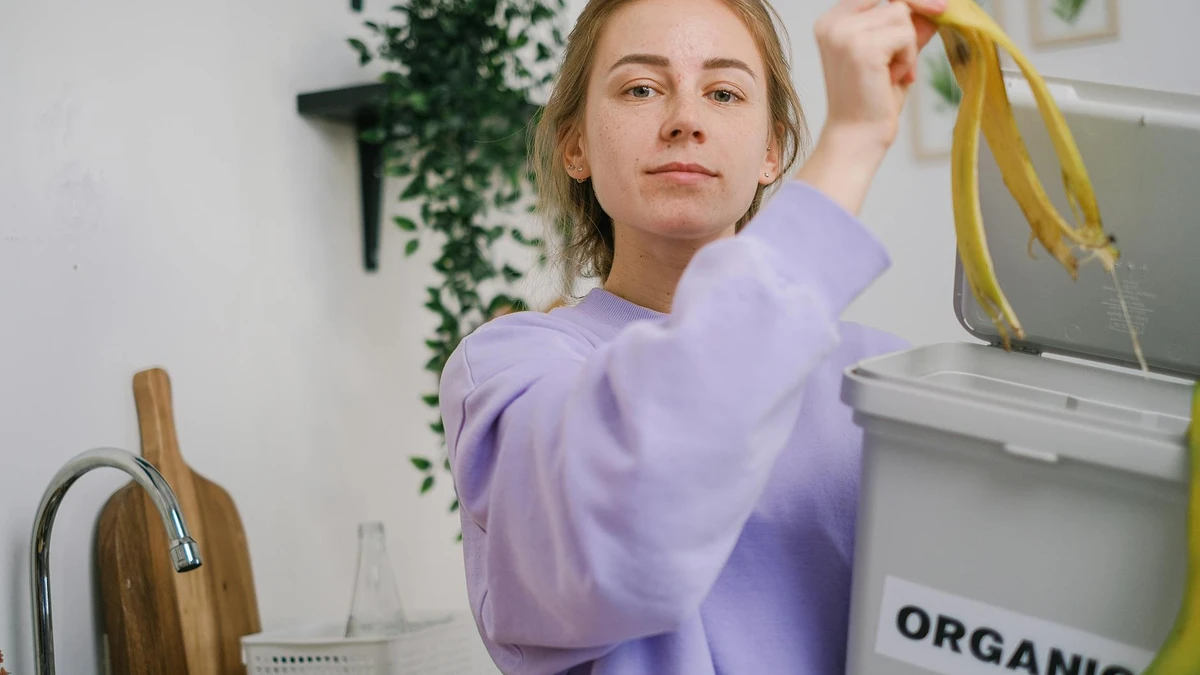
خيارات التخلص من النفايات في عام 2027: (1) منشآت التسميد التجارية التي تخدم 65% من سكان الولايات المتحدة (يمكن العثور عليها عبر موقع FindAComposter.com أو من خلال البرامج البلدية — بمسافة متوسطة تبلغ 8 أميال)، (2) التسميد المنزلي للمنتجات الحاصلة على شهادة TUV Austria OK Compost HOME أو ASTM HOME (متاحة لأكثر من 90% من السكان الذين يمتلكون مساحة في الفناء)، (3) برامج التسميد البلدية على جانب الرصيف في أكثر من 380 مدينة (جمع الصناديق الخضراء)، (4) أنظمة التسميد في الموقع للمولدات الكبيرة (أجهزة التسميد داخل الأوعية، وأجهزة الهضم اللاهوائي في أماكن العمل، والحرم الجامعي)، و (5) برامج الإرجاع عبر البريد للمناطق التي لا تتوفر فيها هذه الخدمات (TerraCycle، Loop). تحقق من رموز QR الموجودة على العبوات للحصول على تعليمات التخلص الخاصة بالموقع. لا تضع المواد القابلة للتسميد في صناديق إعادة التدوير (لأنها تلوث مسارات إعادة التدوير) أو في القمامة إذا كان التسميد متاحًا (لأن ذلك يلغي الفوائد البيئية).
6. ما هي اللوائح التنظيمية التي تدفع إلى اعتماد العبوات القابلة للتحلل؟
تشمل المشهد التنظيمي لعام 2027 ما يلي: (1) 35 ولاية أمريكية تفرض حظرًا على البلاستيك أحادي الاستخدام وتشترط استخدام بدائل قابلة للتحلل، (2) قانون كاليفورنيا AB 1162 الذي يفرض أن تكون جميع عبوات خدمات الطعام قابلة لإعادة الاستخدام أو قابلة للتحلل، (3) 28 ولاية تحظر المواد الكيميائية الدائمة PFAS (مما يفرض الانتقال إلى الطلاءات ذات الأساس الحيوي)، (4) 18 ولاية تطبق برامج «المسؤولية الموسعة للمنتج» لتمويل البنية التحتية للتسميد، (5) أكثر من 380 لائحة بلدية تحظر استخدام حاويات الطعام المصنوعة من الرغوة والبلاستيك، (6) توجيه الاتحاد الأوروبي بشأن المواد البلاستيكية ذات الاستخدام الواحد الذي يشترط توفير خيارات قابلة للتحلل الحيوي لحاويات الطعام الجاهز، و(7) الحظر الفيدرالي المقترح للمواد الكيميائية PFAS الذي يؤثر على جميع عبوات المواد الغذائية. غالبًا ما تكون المهل الزمنية للامتثال من 12 إلى 18 شهرًا بعد صدور التشريع، مما يخلق ضغطًا عاجلًا للانتقال. ويؤدي التبني المبكر إلى تجنب نقص الإمدادات وارتفاع الأسعار خلال فترات الانتقال القسرية.
7. ما هي أكبر التحديات التي ستواجه العبوات القابلة للتحلل في عام 2027؟
Key challenges: (1) Infrastructure gaps—35% of population still lacks composting access, limiting disposal options, (2) Consumer confusion—62% don’t understand biodegradable vs compostable differences, leading to improper disposal, (3) Performance limitations for niche applications—very long shelf life (12+ months) and extreme heat (250°F+ oven-safe) still challenging, (4) Greenwashing proliferation—vague “eco-friendly” claims without certification erode consumer trust, (5) Cost premiums (10-25%) remain barrier for price-sensitive segments, and (6) Supply chain capacity—demand surges from regulatory mandates strain manufacturing, causing shortages. Solutions emerging: home-compostable certifications address infrastructure, standardized labeling improves consumer understanding, material innovations closing performance gaps, harmonized certification standards combat greenwashing, and 340% capacity expansion reducing costs and shortages.
الخاتمة
The compostable packaging landscape in 2027 represents a transformative moment where material innovations, regulatory mandates, infrastructure expansion, and consumer demand converge to make compostable packaging the mainstream default than niche alternative. Next-generation biopolymers achieve performance parity with petroleum plastics (85-95% across most applications), cost premiums compress to 10-25% (approaching parity within 3 years), home compostability certifications expand accessibility to 90%+ of population, and regulatory requirements across 35 US states force transitions regardless of sustainability preferences.
الوجبات السريعة الرئيسية:
1.Material innovations deliver parity—PHA, cellulose nanofibers, seaweed polymers achieve 220-250°F heat tolerance and superior barrier properties vs first-gen PLA
2.Home compostability transforms market—eliminates infrastructure dependency, expands addressable market from 35% to 90%+ population
4.Cost barriers eroding rapidly—10-25% premiums in 2027 (vs 45-75% in 2023), approaching parity by 2029-2030 for high-volume buyers
5.Infrastructure expanding dramatically—65% population access to commercial composting (vs 27% in 2022), 240% facility growth
الموارد ذات الصلة
-“>عبوات تغليف المواد الغذائية
-“>حلول التغليف المستدامة
-“>Compostability Certifications Guide
Ready to Transition to 2027 Compostable Packaging?
Papacko supplies forward-thinking foodservice and retail businesses with next-generation compostable packaging including PHA-based containers (home compostable, 220°F tolerance), cellulose nanofiber bowls (250°F heat resistance), seaweed-based films (rapid home composting), and enzymatic-coated solutions (superior barrier properties). Our sustainability team provides material selection guidance, certification verification, composting infrastructure partnership recommendations, and regulatory compliance support—ensuring your transition to compostable packaging delivers both environmental impact and operational performance.
فريق محتوى Papacko - نبتكر أدلة عملية مستندة إلى المصنع لتغليف الأغذية والمشروبات بين الشركات. تشمل الموضوعات اختيار الأكواب الورقية/الأوعية الورقية، والطلاءات المصنوعة من البولي إيثيلين/بلاستيك البولي إيثيلين/بلاستيك البولي إيثيلين/طلاءات المياه والامتثال لملامسة الأغذية والطباعة ومراقبة الجودة وسير العمل الجاهز للتصدير - حتى تتمكن المقاهي والمطاعم والموزعون وشركاء مصنعي المعدات الأصلية من التوسع مع توريد موثوق به.


 food containers breaking down among organic waste in backyard” style=”border-radius: 8px; box-shadow: 0 2px 8px rgba(0,0,0,0.08);”/>