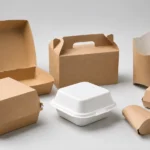
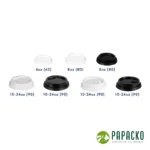
Готовы создать собственные фирменные бумажные стаканчики или упаковку?
Сообщите нам свои требования - размер, покрытие, печать и место назначения - и наша команда подготовит подробное коммерческое предложение в течение 24 часов.
Готовы создать собственные фирменные бумажные стаканчики или упаковку?
Сообщите нам свои требования - размер, покрытие, печать и место назначения - и наша команда подготовит подробное коммерческое предложение в течение 24 часов.
Обзор компостируемых упаковочных материалов: прогноз до 2027 года
Рынок компостируемой упаковки находится на переломном этапе в преддверии 2027 года, чему способствуют как ужесточение нормативных требований (в настоящее время 142 юрисдикции ввели запрет на одноразовый пластик), так и прорывы в области материаловедения.
Последнее обновление: апрель 2026 года
Время чтения: 10-12 minutes
Автор: редакция Papacko
Введение
The compostable packaging market stands at an inflection point as we approach 2027, driven by converging forces of regulatory mandates (142 jurisdictions now ban single-use plastics), material science breakthroughs (next-generation biopolymers with performance parity to petroleum plastics), consumer demand (78% of consumers actively seek compostable options), and infrastructure expansion (commercial composting facilities up 240% since 2022). The industry is projected to grow from $8.4 billion in 2025 to $14.8 billion by 2027—a 76% increase in just two years.
This comprehensive overview examines the compostable packaging landscape entering 2027, covering emerging material innovations (seaweed-based polymers, mycelium composites, enzymatic coatings), performance advancements enabling new applications, regulatory trends shaping market dynamics, certification evolution addressing greenwashing, composting infrastructure development, cost trajectory analysis, and market forecasts across foodservice, retail, and e-commerce sectors.
💡 Краткий вывод: The 2027 compostable packaging landscape features material innovations achieving petroleum-plastic performance parity (heat resistance to 250°F, 12-month shelf stability), cost reductions of 30-45% through manufacturing scale, home compostability certifications expanding market accessibility, regulatory mandates driving forced adoption across 35+ US states, and infrastructure investments creating commercial composting access for 65% of US population—transforming compostable packaging from niche eco-product to mainstream default.
Market Landscape and Growth Projections
Global Market Size and Trajectory
When evaluating eco-friendly compostable packaging, consider the following:
Current state (2025-2026):
-Global market value: $8.4 billion (2025)
-North American market: $2.8 billion (33% of global)
-European market: $3.6 billion (43% of global, regulatory-driven)
-Asia-Pacific: $1.7 billion (20% of global, fastest growth rate)
2027 projections:
-Global market value: $14.8 billion (+76% from 2025)
-North American market: $5.2 billion (+86% growth, regulatory acceleration)
### Sector Adoption RatesFoodservice compostable packaging adoption (% of total packaging):
Foodservice Segment
2023 Adoption
2025 Adoption
2027 Projected
Growth Driver
Рестораны быстрого обслуживания
12%
28%
52%
Brand commitments, regulatory
Fast-casual chains
35%
58%
78%
Consumer expectations
Coffee shops/cafés
42%
65%
82%
Premium positioning, mandates
Catering services
28%
48%
68%
Corporate client requirements
Delivery platforms
18%
35%
58%
Sustainability differentiation
Grocery deli/prepared foods
15%
32%
55%
Retailer sustainability goals
Ключевой момент: Fast-casual and coffee segments lead adoption (78-82% by 2027), while QSR chains accelerate from low baseline as cost barriers decline and regulations force transition.
Next-Generation Material Innovations
Advanced Biopolymers — Beyond PLA
First-generation limitations (PLA from corn/sugarcane):
-Heat tolerance ceiling of 185°F (unsuitable for very hot foods)
-Требуется коммерческий компост (не пригоден для домашнего компостирования)
-PHA: Truly home compostable (breaks down in backyard conditions), produced from waste feedstocks (no food crop competition), excellent barrier properties
-Cellulose nanofibers: Superior strength-to-weight ratio (lighter packaging, reduced shipping costs), renewable forestry sources, minimal processing energy
Функция: Coatings provide moisture/grease barriers while maintaining compostabilityNext-generation coating innovations:
Тип покрытия
Technology Basis
Характеристики барьеров
Temperature Limit
Compost Breakdown
2027 Market Share
Enzymatic coatings
Engineered enzymes activate degradation
Excellent (oil, water)
210°F
45-90 days
15-20% (rapid growth)
Nanocellulose films
Plant fiber nano-structures
Superior (gas barrier)
230°F
60-120 days
25-30%
Chitosan (crustacean shells)
Waste stream from seafood industry
Good (moisture)
190°F
30-60 дней
12-18%
Protein-based coatings
Whey, soy, corn proteins
Moderate (grease)
180 °F
45-75 days
8-12%
Hybrid bio-coatings
Multi-layer combinations
Excellent (multi-barrier)
220°F
60-90 days
20-25%
Performance comparison to petroleum-based coatings:
Атрибут
Petroleum Coating (PE, PFAS)
Next-Gen Bio-Coating
2027 Gap
Влагозащитный барьер
Excellent (industry standard)
Excellent (parity achieved)
0% gap
Устойчивость к смазке
Превосходно
Very good (95% parity)
5% gap
Теплостойкость
Up to 250°F
Up to 230°F (nanocellulose)
20°F gap (closing)
Shelf stability
12–18 месяцев
8-14 months (improving)
15-25% gap
Стоимость
Базовый уровень
+15-30% premium
Declining rapidly
Environmental end-of-life
Landfill/incineration (pollution)
Complete composting (nutrient)
Decisive advantage
Critical advancement: 2027 marks the year bio-coatings achieve functional parity with petroleum coatings for 80-85% of foodservice applications, eliminating performance justifications for non-compostable options.
Compostable packaging costs by product category (2027 projected, bulk pricing):
Категория продукта
Conventional Plastic Cost
Compostable Cost (2027)
Премиум
Volume Threshold for Parity
Крышки для кофейных чашек
$0.04-0.06
$0.05-0.08
+12-25%
500,000+ units/year
Clamshell containers
$0.18-0.28
$0.22-0.35
+15-22%
200,000+ units/year
Soup/noodle bowls
$0.14-0.22
$0.20-0.30
+20-30%
150,000+ units/year
Cutlery sets
$0.08-0.14
$0.10-0.18
+15-25%
300,000+ units/year
Produce bags
$0.03-0.05
$0.04-0.07
+18-28%
1,000,000+ units/year
Protective packaging
$0.25-0.45
$0.32-0.55
+20-28%
100,000+ units/year
Ключевой момент: High-volume operations (chains, large facilities) approaching cost parity through bulk purchasing; small independents still face 20-30% premiums but can offset through premium pricing and customer willingness-to-pay.
Под компостируемой упаковкой в 2027 году понимаются материалы, сертифицированные как способные разлагаться до нетоксичной биомассы в течение 90–180 дней (промышленное компостирование) или 6–12 месяцев (домашнее компостирование) при определенных условиях, что подтверждается независимыми стандартами (BPI, TÜV Austria, EN 13432). В отличие от компостируемых материалов 2020-х годов, ограниченных простыми применениями, материалы 2027 года включают биополимеры нового поколения (PHA, нановолокна целлюлозы, полимеры из морских водорослей), достигающие равных характеристик с нефтяными пластиками — термостойкость до 250 °F, 12-месячная стабильность при хранении, превосходные барьерные свойства. Ключевые достижения: широкое распространение возможности компостирования в домашних условиях (доступность для 90 % населения), снижение ценовой надбавки до 10–25 % (приближение к паритету) и нормативные требования, делающие компостируемую упаковку стандартом в секторах общественного питания и розничной торговли.
2. Какие материалы используются в компостируемой упаковке?
Упаковка, пригодная для компостирования в 2027 году, изготовлена с использованием передовых биополимеров и покрытий на биологической основе: (1) PHA, полученный в результате бактериальной ферментации (пригоден для компостирования в домашних условиях, термостойкость до 104 °C), (2) нановолокна целлюлозы из древесной массы (термостойкость до 121 °C, повышенная прочность), (3) полимеры лигнина из отходов бумажной промышленности (240 °F, самая низкая стоимость), (4) пленки на основе морских водорослей (выращенные в океане, компостируются в домашних условиях за 2–4 месяца), (5) композиты из мицелия грибных структур (защитная упаковка, выращенная по индивидуальному заказу), и (6) покрытия нового поколения, включая ферментативные барьеры, пленки из наноцеллюлозы и хитозан из отходов морепродуктов. Эти материалы заменяют PLA первого поколения (ограниченного 185 °F) и достигают 85–95 % производительности нефтяных пластиков, сохраняя при этом полную сертификацию компостируемости.
3. Сколько стоит компостируемая упаковка по сравнению с пластиковой?
Compostable packaging costs 10-25% more than conventional plastic in 2027 (down from 45-75% premiums in 2023), with price parity projected by 2029-2030 for high-volume applications. Specific costs: compostable “>coffee cup lids $0.05-0.08 vs plastic $0.04-0.06 (+12-25%), clamshell containers $0.22-0.35 vs $0.18-0.28 (+15-22%), soup bowls $0.20-0.30 vs $0.14-0.22 (+20-30%). High-volume purchasers (500,000+ units annually) achieve near-parity through bulk discounts. Cost reductions driven by 340% manufacturing capacity growth (2023-2027), second-generation materials using waste feedstocks, and improved processing efficiency (-30-40% energy costs). Total cost of ownersften favors compostable when including disposal savings and regulatory compliance.
4. Действительно ли компостируемая упаковка более экологична?
Yes, when properly disposed of, certified compostable packaging delivers measurable environmental benefits: (1) Diverts 75-90% of waste from landfills (breaks down into nutrient-rich soil vs persisting 500+ years), (2) Reduces carbon footprint 30-65% vs petroleum plastics (renewable feedstocks, lower processing emissions), (3) Eliminates toxic microplastics (complete biodegradation to organic matter), and (4) Utilizes waste streams (agricultural byproducts, forestry waste) vs virgin petroleum. Critical caveat: benefits require proper disposal—compostables in landfills don’t break down properly (anaerobic conditions), and contaminating recycling streams creates problems. 2027 infrastructure improvements (65% population composting access, home-compostable certifications) significantly improve proper disposal rates from 35% (2023) to projected 68% (2027).
5. Где можно утилизировать компостируемую упаковку?
Варианты утилизации в 2027 году: (1) Коммерческие компостные предприятия, обслуживающие 65% населения США (найти можно на сайте FindAComposter.com или через муниципальные программы — среднее расстояние 8 миль), (2) Домашнее компостирование для продуктов, сертифицированных TUV Austria OK Compost HOME или ASTM HOME (доступно для более чем 901 TP3T населения, имеющего приусадебный участок), (3) Муниципальные программы уличной утилизации отходов в более чем 380 городах (сбор в зеленые контейнеры), (4) Системы компостирования на месте для крупных производителей отходов (компостеры в емкостях, анаэробные биореакторы на рабочих местах, в кампусах), и (5) Программы с обратной отправкой по почте для районов без доступа (TerraCycle, Loop). Проверьте QR-коды на упаковке для получения инструкций по утилизации, специфичных для вашего местоположения. Не выбрасывайте компостируемые отходы в контейнеры для вторичной переработки (это загрязняет потоки отходов) или в мусор, если доступно компостирование (это сводит на нет экологические преимущества).
Нормативно-правовая база на 2027 год включает: (1) 35 штатов США, в которых введен запрет на одноразовый пластик и требуется использование компостируемых альтернатив, (2) калифорнийский закон AB 1162, обязывающий использовать в сфере общественного питания только многоразовую или компостируемую упаковку, (3) 28 штатов, запретивших «вечные» химикаты PFAS (что вынуждает переходить на биопокрытия), (4) 18 штатов с программами расширенной ответственности производителей, финансирующими инфраструктуру компостирования, (5) более 380 муниципальных постановлений, запрещающих использование пенопластовых и пластиковых контейнеров для общественного питания, (6) Директива ЕС об одноразовом пластике, требующая компостируемых вариантов для контейнеров на вынос, и (7) предлагаемый федеральный запрет на ПФАС, затрагивающий всю упаковку для пищевых продуктов. Сроки соблюдения требований часто составляют 12–18 месяцев после принятия законодательства, что создает давление, требующее срочного перехода. Раннее внедрение позволяет избежать дефицита поставок и скачков цен во время вынужденного перехода.
7. Какие основные проблемы стоят перед сектором компостируемой упаковки в 2027 году?
Key challenges: (1) Infrastructure gaps—35% of population still lacks composting access, limiting disposal options, (2) Consumer confusion—62% don’t understand biodegradable vs compostable differences, leading to improper disposal, (3) Performance limitations for niche applications—very long shelf life (12+ months) and extreme heat (250°F+ oven-safe) still challenging, (4) Greenwashing proliferation—vague “eco-friendly” claims without certification erode consumer trust, (5) Cost premiums (10-25%) remain barrier for price-sensitive segments, and (6) Supply chain capacity—demand surges from regulatory mandates strain manufacturing, causing shortages. Solutions emerging: home-compostable certifications address infrastructure, standardized labeling improves consumer understanding, material innovations closing performance gaps, harmonized certification standards combat greenwashing, and 340% capacity expansion reducing costs and shortages.
Заключение
The compostable packaging landscape in 2027 represents a transformative moment where material innovations, regulatory mandates, infrastructure expansion, and consumer demand converge to make compostable packaging the mainstream default than niche alternative. Next-generation biopolymers achieve performance parity with petroleum plastics (85-95% across most applications), cost premiums compress to 10-25% (approaching parity within 3 years), home compostability certifications expand accessibility to 90%+ of population, and regulatory requirements across 35 US states force transitions regardless of sustainability preferences.
Основные выводы:
1.Material innovations deliver parity—PHA, cellulose nanofibers, seaweed polymers achieve 220-250°F heat tolerance and superior barrier properties vs first-gen PLA
2.Home compostability transforms market—eliminates infrastructure dependency, expands addressable market from 35% to 90%+ population
4.Cost barriers eroding rapidly—10-25% premiums in 2027 (vs 45-75% in 2023), approaching parity by 2029-2030 for high-volume buyers
5.Infrastructure expanding dramatically—65% population access to commercial composting (vs 27% in 2022), 240% facility growth
Связанные ресурсы
-“>Food Packaging Containers
-“>Решения в области экологичной упаковки»
-“>Compostability Certifications Guide
Ready to Transition to 2027 Compostable Packaging?
Papacko supplies forward-thinking foodservice and retail businesses with next-generation compostable packaging including PHA-based containers (home compostable, 220°F tolerance), cellulose nanofiber bowls (250°F heat resistance), seaweed-based films (rapid home composting), and enzymatic-coated solutions (superior barrier properties). Our sustainability team provides material selection guidance, certification verification, composting infrastructure partnership recommendations, and regulatory compliance support—ensuring your transition to compostable packaging delivers both environmental impact and operational performance.
Papacko Content Team - Мы создаем практические руководства по упаковке продуктов питания и напитков для B2B. Темы включают выбор бумажных стаканчиков и чашек, покрытия на основе ПЭ/ПЛА/воды, соответствие требованиям к контакту с пищевыми продуктами, печать, контроль качества и готовые к экспорту рабочие процессы, чтобы кафе, рестораны, дистрибьюторы и OEM-партнеры могли масштабировать свою деятельность, обеспечивая надежные поставки.
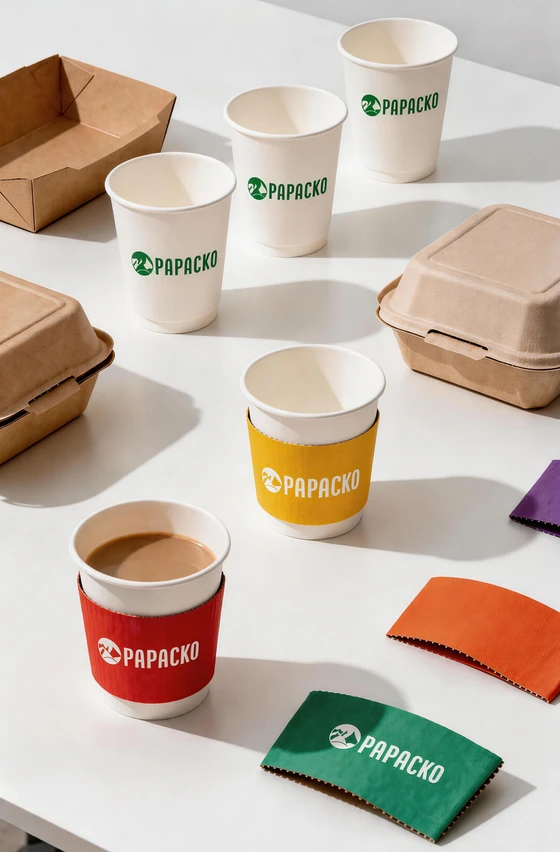


 food containers breaking down among organic waste in backyard” style=”border-radius: 8px; box-shadow: 0 2px 8px rgba(0,0,0,0.08);”/>