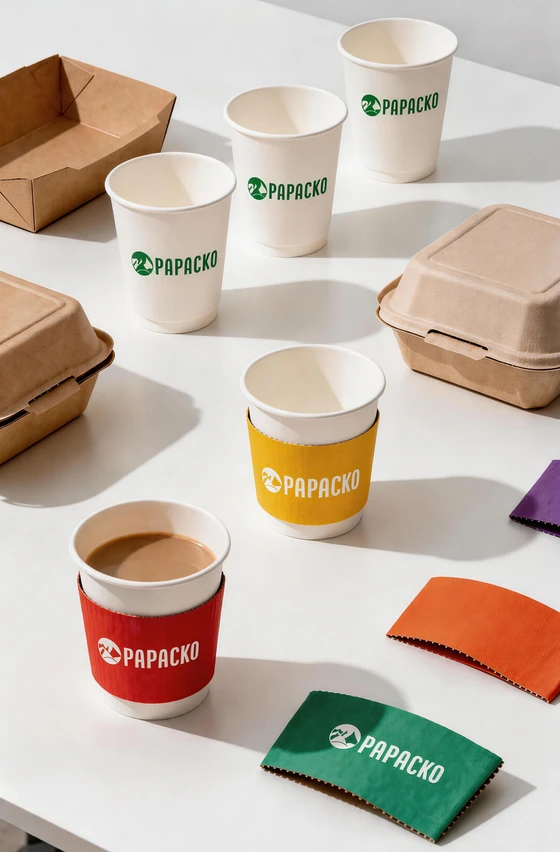
Готовы создать собственные фирменные бумажные стаканчики или упаковку?
Сообщите нам свои требования - размер, покрытие, печать и место назначения - и наша команда подготовит подробное коммерческое предложение в течение 24 часов.

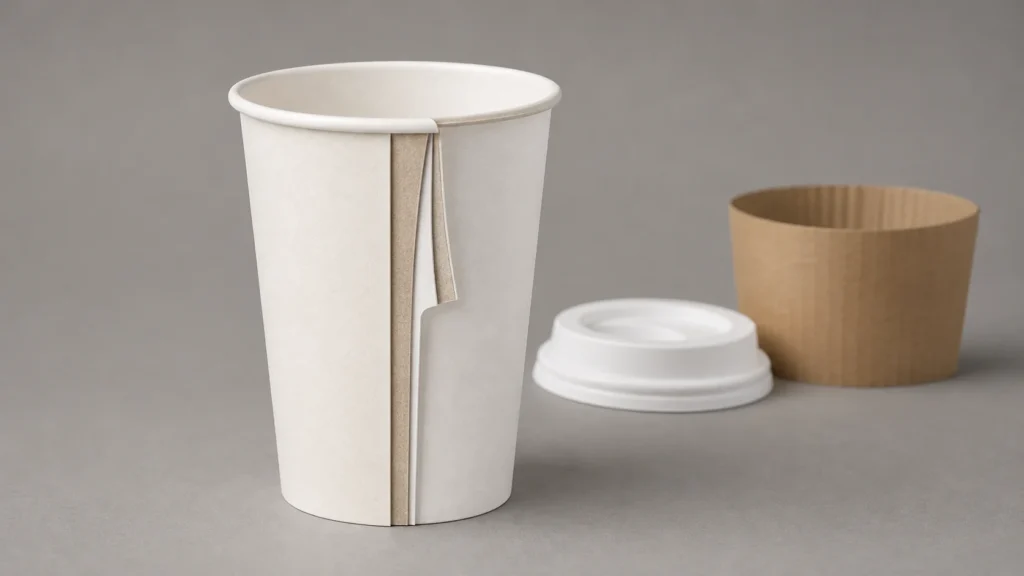
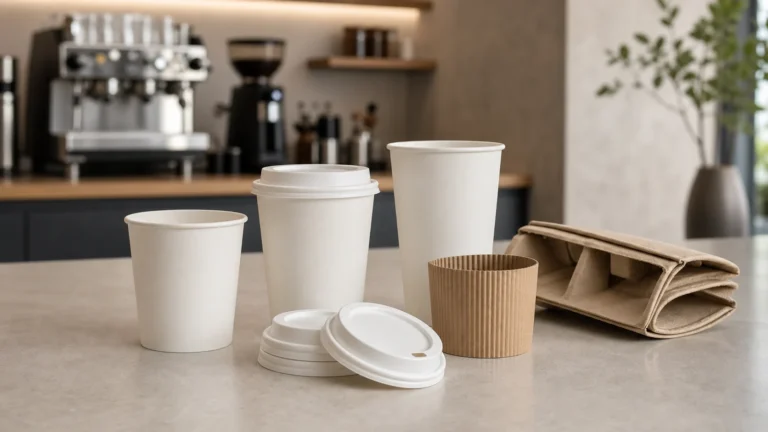
Фраза бумажный стаканчик описывает категорию продукции, а не поток материалов. Стаканчик с такой маркировкой может содержать внутреннюю оболочку из полиэтилена, покрытие из биополимера, печатную внешнюю оболочку, отдельную крышку и оболочку из гофрированного картона — при этом каждый компонент потенциально может направляться по разным каналам утилизации по окончании срока службы. Советуя потребителю “переработать бумажный стаканчик”, не зная, какая инфраструктура сбора отходов существует в месте использования, какие покрытия присутствуют и какие нормативные акты регулируют работу целевого рынка, вы даете не инструкцию по утилизации, а высказываете предположение.
Для операторов сферы общественного питания и закупщиков упаковки это различие имеет значение как с коммерческой, так и с экологической точки зрения. Заявления об экологической устойчивости, напечатанные на стаканчиках или представленные в маркетинговых материалах, все чаще становятся предметом тщательной проверки со стороны регулирующих органов в различных юрисдикциях. Заявление, которое не может быть подкреплено документально подтвержденным доступом к системам сбора отходов и проверенной совместимостью материалов, подвергает оператора не только риску ущерба репутации, но и риску применения мер принудительного исполнения.
В следующих разделах приводится перечень факторов, обусловливающих сложность данного вопроса, определяются вопросы, которые покупатели должны задать себе перед выбором стаканчика или составлением инструкций по утилизации, а также объясняется, как сформировать цепочку документации, подтверждающую любые заявления, которые компания намеревается сделать.
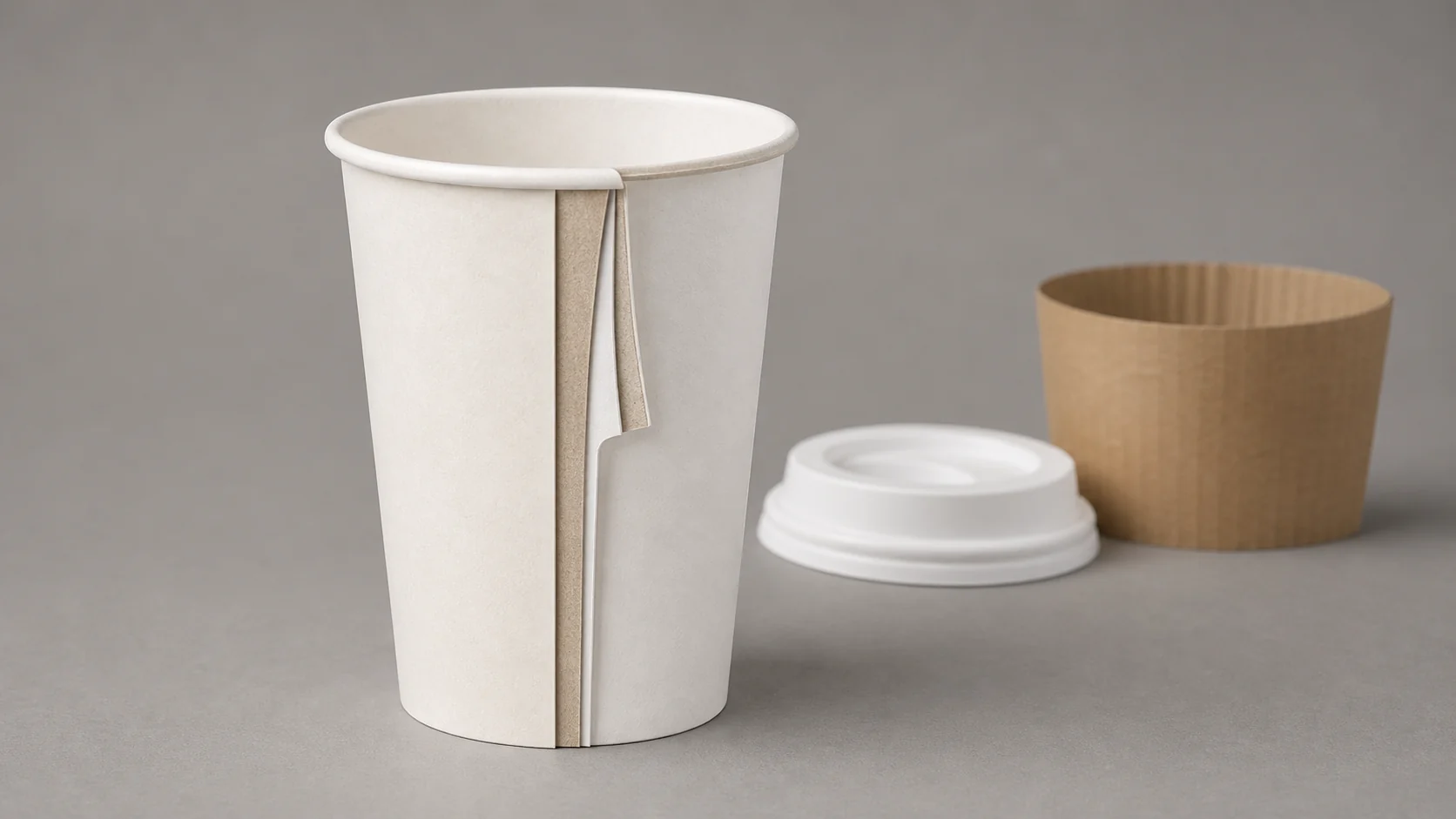
Понимание того, из чего изготовлен бумажный стакан, является отправной точкой для принятия любого решения, касающегося утилизации и экологической устойчивости. Большинство стаканов имеют одинаковую конструкцию, однако конкретные материалы, используемые в этой конструкции, варьируются в зависимости от поставщика, типа конструкции и предполагаемого назначения.
Внешний слой печатной платы — это тот элемент конструкции, который большинство людей ассоциируют со словом “бумага”. Как правило, это картон пищевого назначения, и в чистом виде он подлежит переработке в большинстве линий по переработке бумаги. Однако в чистом виде он встречается крайне редко.
Внутреннее покрытие или облицовка наносится для создания влагозащитного барьера, предотвращающего размягчение картона под воздействием жидкости и её просачивание. Раньше для этих целей использовался тонкий слой полиэтилена. В последнее время на рынок вышли биополимеры, покрытия на водной основе и другие альтернативы. Именно от конкретного покрытия зависит, подходит ли стаканчик для переработки бумаги, промышленного компостирования или ни для того, ни для другого — причём эту совместимость невозможно определить невооружённым глазом.
Базовый диск представляет собой отдельный кусок картона, зачастую с собственным покрытием, термически прикрепленный к боковой стенке. Состав материала может отличаться от материала боковой стенки даже в пределах одного стаканчика.
Обод образуется путем выворачивания верхнего края боковины наружу. Она состоит из тех же материалов, что и боковина, но в спрессованном многослойном виде, который некоторым переработчикам сложно разделить.
Остатки еды и напитков — это переменная, связанная с загрязнением, которая влияет на все вышеперечисленное. Даже небольшой объем жидкости, оставшийся в стакане, может привести к тому, что партия материала, которая в иных условиях подлежала бы вторичной переработке или компостированию, будет признана непригодной на перерабатывающем предприятии. Поэтому меры контроля на этапе утилизации — которые будут рассмотрены в одном из следующих разделов — имеют такое же важное значение, как и выбор материала.
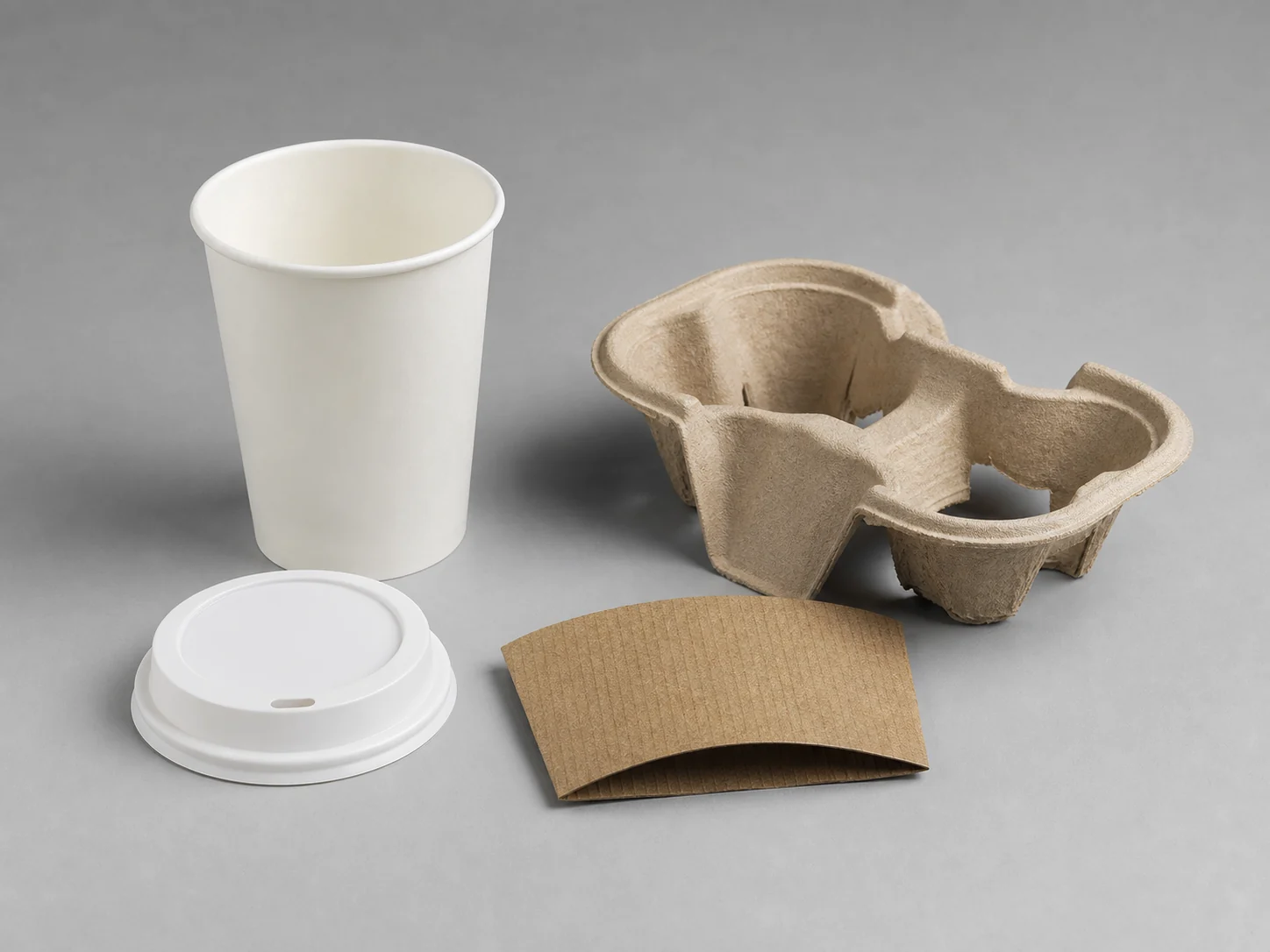
Рукава и вторичная упаковка добавляют дополнительную сложность. Гофрированная гильза, надеваемая на горячий стакан, может быть изготовлена из материала другого сорта, чем сам стакан, и потребитель не всегда разделяет эти два элемента перед утилизацией.
Покупатели, закупающие товары у Ассортимент бумажных стаканчиков Papacko прежде чем составлять какие-либо рекомендации по утилизации, следует запросить документацию, содержащую точные сведения о конструкции стаканчика, а не только о категории продукта. Один и тот же продукт может выпускаться в различных вариантах конструкции в рамках разных производственных партий или на предприятиях разных поставщиков.
Совместимость материала с переработкой или компостированием является необходимым, но не достаточным условием для заявления об утилизации. Другим необходимым условием является наличие реальной системы сбора и переработки, которая принимает стаканы данной конструкции именно в том месте, где они будут использоваться.
Инфраструктура сбора отходов значительно различается между странами, между регионами в пределах одной страны, между городскими и сельскими районами и даже между соседними муниципалитетами. Конструкция контейнера, приемлемая для одного переработчика, может быть отклонена другим, использующим иную технологию сортировки или применяющим иные пороговые значения уровня загрязнения.
Прежде чем заявлять о необходимости утилизации — будь то на упаковке, в маркетинговых материалах или в инструкциях для персонала — операторы предприятий общественного питания и закупщики должны проанализировать следующие вопросы:
1. Какие способы сбора отходов доступны в месте использования?
Важно то, где стаканчик будет выброшен, а не то, где он был куплен или изготовлен. На объекте может быть доступ только к контейнерам для общих отходов, а может быть организована раздельная сортировка на сухие вторично перерабатываемые отходы, пищевые отходы и остаточные отходы. Некоторые объекты работают по договору с конкретной компанией по управлению отходами, в котором точно определено, что должно попадать в каждый поток отходов.
2. Принимает ли местная компания, занимающаяся сбором или переработкой отходов, стаканчики из мелованного картона?
Уточните у местной компании, занимающейся сбором или переработкой отходов, принимаются ли стаканчики с конкретным типом покрытия, присутствующим в выбранной конструкции стаканчика. Общий прием “бумаги” не означает, что принимаются стаканчики с покрытием.
3. Какие пороги загрязнения применяются?
Перерабатывающие предприятия работают с установленными пределами загрязнения. Стакан с остатками жидкости или стакан, выброшенный в конвейер вместе с пищевыми отходами, может привести к браку всей партии. Понимание этих пороговых значений помогает операторам разрабатывать реалистичные протоколы по работе с контейнерами и персоналом.
4. Имеется ли в цепочке поставок сертифицированный промышленный компостирующий комплекс?
В отношении стаканов, позиционируемых как компостируемые, данное заявление считается обоснованным только в том случае, если стакан поступает на предприятие, способное переработать его в соответствии с условиями, предусмотренными соответствующим стандартом. Прежде чем информировать конечных потребителей о компостируемости, необходимо уточнить у местной компании, занимающейся сбором или переработкой отходов, наличие такого предприятия в цепочке.
5. Распространяется ли действие договора о сборе отходов на рассматриваемую конструкцию стакана?
В некоторых договорах об обращении с отходами перечень принимаемых материалов указан по категориям. Внимательно изучите формулировки договора, и если они неоднозначны, обратитесь к поставщику за письменными разъяснениями.

Внутреннее покрытие или прокладка бумажного стаканчика является наиболее значимым фактором, определяющим путь его утилизации по окончании срока службы. При этом этот фактор наименее заметен для оператора, потребителя и работника по сбору отходов. Именно эта асимметрия информации является основной причиной большинства ошибок при подаче заявлений об утилизации.
Полиэтиленовые (ПЭ) облицовки на протяжении десятилетий являются отраслевым стандартом. Полиэтилен (ПЭ) создает эффективный барьер от влаги и подходит для горячих и холодных напитков. Однако ПЭ — это пластик, и его наличие означает, что стакан с ПЭ-покрытием не может быть переработан в рамках стандартного цикла переработки бумаги без специального оборудования, способного отделить пластиковую пленку от волокна. Некоторые предприятия обладают такими возможностями, но у многих их нет. Прежде чем предполагать, что стаканы с полиэтиленовым покрытием подлежат переработке в конкретном регионе, уточните это у местной компании, занимающейся сбором или переработкой отходов.
Покрытия на основе биополимеров, в том числе полимолочная кислота (PLA) и аналогичные материалы, иногда называются компостируемыми альтернативами полиэтилену (PE). Возможность их компостирования на практике зависит от конкретного полимера, толщины покрытия и условий, существующих на перерабатывающем предприятии. Промышленные компостирующие предприятия работают в определённых диапазонах температуры и влажности; покрытие, соответствующее стандарту компостирования в лабораторных условиях, должно всё равно пройти через предприятие, работающее в таких условиях на практике.
Покрытия на водной основе и дисперсионные покрытия представляют собой новую категорию, которую некоторые производители позиционируют как более совместимую с технологическими потоками переработки бумаги. Заявления о совместимости этих покрытий следует проверять на соответствие конкретным критериям приемки переработчика, а не делать выводы, исходя исключительно из категории покрытия.
Двухстенные и гофрированные конструкции Используемые в горячих стаканчиках дополнительные слои и клеи могут повлиять на процесс переработки. Запросите документацию с точным описанием конструкции стаканчика, чтобы понять, какие именно материалы в нем присутствуют.
Нормативная база Европейского союза в отношении материалов, контактирующих с пищевыми продуктами, которая ведется на сайте food.ec.europa.eu, устанавливает требования к материалам, вступающим в контакт с пищевыми продуктами, включая покрытия и внутренние облицовки. Покупатели, работающие на рынках ЕС, должны ознакомиться с требованиями целевого рынка и убедиться, что в документации поставщика отражены вопросы соответствия требованиям к материалам, вступающим в контакт с пищевыми продуктами, а также требования, касающиеся утилизации продукции по истечении срока службы.
Крышки часто рассматриваются как второстепенный аспект при планировании утилизации стаканчиков, однако они усложняют состав материалов, что может подорвать эффективность даже тщательно проработанной схемы утилизации.
Стандартная плоская или выпуклая крышка чаще всего изготавливается из пластика — раньше это был полистирол, а в последнее время — полипропилен или другие материалы. Эти виды пластика могут подлежать переработке в некоторых потоках отходов, но не совместимы с процессами переработки бумаги или компостирования. Потребитель, выбрасывающий стаканчик с крышкой в контейнер для переработки бумаги, вносит в этот поток пластиковые примеси.
Крышки на основе волокна появились на рынке в качестве альтернативы, а некоторые из них позиционируются как совместимые с потоками переработки бумаги или компостирования. Как и в случае с покрытиями для стаканов, совместимость зависит от конкретной конструкции и конкретного переработчика. Перед тем как делать заявления об утилизации, включающие крышки, запросите документацию с точным описанием конструкции крышки и уточните информацию у местной компании по сбору отходов или переработчика.
Брызговики и язычки для питья Формованные элементы крышки могут быть изготовлены из материала, отличного от материала основной части крышки. Даже крышка, обозначенная как “на волокнистой основе”, может содержать пластиковый элемент в области отверстия для питья.
Соломинки и палочки для размешивания Поставляемые вместе с стаканчиками, они создают дополнительные потоки отходов. К бумажным, пластиковым и компостируемым соломинкам предъявляются разные требования по утилизации, и они не являются взаимозаменяемыми с точки зрения рекомендаций по утилизации.
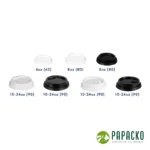
Покупателям, заказывающим крышки вместе с стаканчиками, следует рассматривать крышки как отдельный этап оформления документации. Компания Papacko’s Ассортимент крышек для бумажных стаканчиков служит отправной точкой для выбора продукта, однако рекомендации по утилизации должны основываться на подтверждённой документации по материалам и проверенной возможности сбора отходов для конкретной выбранной конструкции крышки.
С практической точки зрения для операторов это означает, что инструкции по утилизации, возможно, должны быть разрабатываться с учетом конкретных компонентов: корпус стаканчика — в один поток, крышка — в другой. Обучение персонала и маркировка контейнеров должны учитывать этот момент, если оператор намеревается делать точные заявления об утилизации.
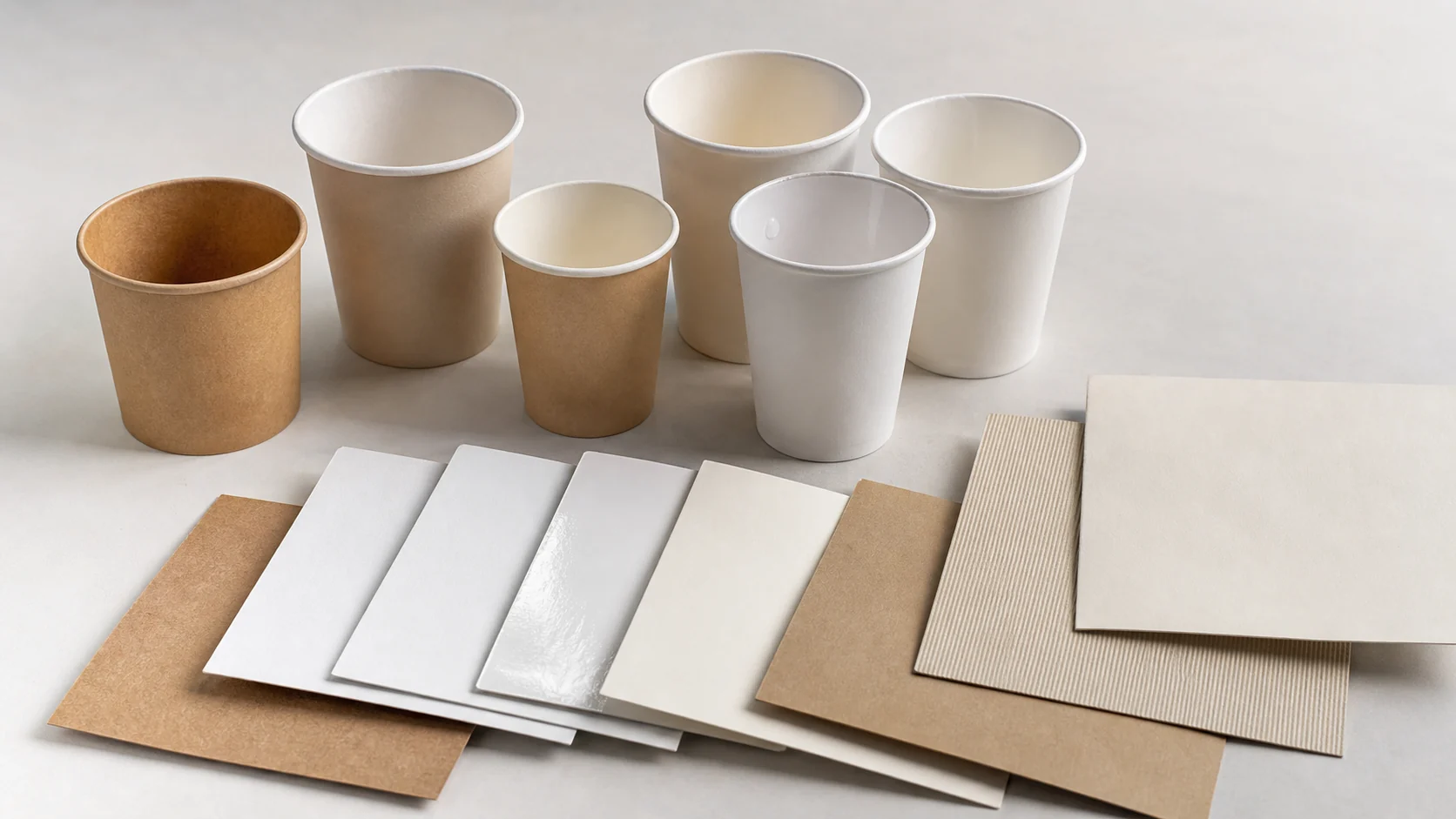
Выбор стаканчика, для которого разработана документально зафиксированная схема утилизации, и подтверждение возможности его сбора являются необходимыми шагами, однако ни один из них не приведет к желаемому результату без внедрения оперативных мер контроля на этапе утилизации. Разрыв между тем, что представляет собой стаканчик, может то, что мы планируем сделать, и то, что происходит на самом деле, почти всегда существует разрыв в практической реализации.
Размещение и маркировка контейнеров являются первым звеном системы контроля. Контейнеры должны располагаться там, где выбрасываются стаканчики, а не там, где их впоследствии собирает персонал. Надписи на контейнерах должны быть достаточно конкретными, чтобы ориентировать людей: надпись “бумажные стаканчики без крышек” дает больше информации, чем просто “бумага”. Если инструкции по утилизации касаются конкретных компонентов, это должно быть отражено в надписи на контейнере.
Слив жидкости — это та мера по контролю загрязнения, в которую большинство операторов вкладывают недостаточно средств. Стаканчик с остатками жидкости представляет собой риск загрязнения в любом потоке. Если система сбора отходов предполагает использование пустых стаканчиков, операторам необходим практичный механизм — точка слива, отдельный контейнер для жидких отходов или процесс с участием персонала, — который сделает опорожнение стаканчика для потребителя максимально простым и удобным.
Обучение персонала Необходимо объяснить, что следует выбрасывать в каждый контейнер, почему это важно и что делать, если клиент неправильно утилизирует стаканчик. Сотрудники, понимающие логику системы, с большей вероятностью будут последовательно соблюдать её, чем те, кому просто сообщили о правилах.
Единообразие вывесок Расположение контейнеров по территории объекта имеет значение, когда имеется несколько точек сбора отходов. Несогласованная маркировка — когда на одном контейнере написано “перерабатываемые стаканчики”, а на другом — “общие отходы” для одного и того же типа стаканчиков — вызывает путаницу, которая подрывает эффективность всей системы.
Аудит и циклы обратной связи позволяет операторам выявлять места, где система дает сбой. Периодическая проверка содержимого контейнеров или обсуждение с поставщиком услуг по утилизации отходов уровня загрязнения дают практическую информацию, которую невозможно получить при однократной настройке.
Операторам, управляющим несколькими объектами, следует рассматривать инфраструктуру утилизации отходов как переменную, зависящую от конкретного объекта, а не как стандарт, действующий во всей сети. Системы сбора отходов различаются в зависимости от местоположения, и протокол, который работает на одном объекте, может оказаться неподходящим для другого.
Нормативно-правовая база, регулирующая утилизацию упаковки и заявления об экологической устойчивости, активно развивается и меняется в различных юрисдикциях. Покупателям и операторам, намеревающимся делать заявления об утилизации или экологической устойчивости — будь то на упаковке, в маркетинговых материалах или в документации по закупкам, — необходим структурированный процесс для выявления и отслеживания требований, применимых к их конкретным рынкам.
Шаг 1: Определите рынки, на которых будет использоваться чашка.
Нормативные требования распространяются на место использования, а не на место производства или покупки. Стакан, используемый в одной из стран-членов ЕС, подпадает под действие правил ЕС в отношении упаковки независимо от места его производства.
Шаг 2: Ознакомьтесь с требованиями целевого рынка.
Нормативно-правовая база ЕС в области отходов упаковки, доступная по адресу environment.ec.europa.eu, устанавливает обязательства в отношении упаковки, поставляемой на рынок ЕС, включая требования, касающиеся возможности вторичной переработки, маркировки и расширенной ответственности производителя. Государства-члены внедряют эти требования посредством национального законодательства, которое может предусматривать дополнительные или более конкретные обязательства. Ознакомьтесь с требованиями целевого рынка как на уровне ЕС, так и на уровне отдельных государств-членов.
Шаг 3: Определите, какие заявления компания намерена сделать.
“К заявлениям ”подлежит вторичной переработке“, ”подходит для компостирования“, ”изготовлено из переработанного сырья“ и ”получено из экологически устойчивых источников» применяются разные требования к подтверждающей документации. Прежде чем формировать цепочку документации, необходимо определить конкретные заявления, поскольку требуемые подтверждающие документы различаются в зависимости от типа заявления.
Шаг 4: Составьте перечень доказательств, необходимых для каждого утверждения.
Каждая заявка требует предоставления комплекта соответствующей документации от поставщика, подтверждения возможности сбора товара, а в некоторых случаях — проверки со стороны третьей стороны. Составьте перечень необходимых доказательств до того, как окончательно утвердить тексты упаковки или маркетинговые материалы.
Шаг 5: Определите периодичность проверок.
Нормативные требования меняются. Утверждение, которое было обоснованным в рамках прошлогодних норм, может потребовать дополнительных доказательств в соответствии с обновленными правилами. Включите плановую проверку в процессы закупок и маркетинга, а не рассматривайте обеспечение соответствия требованиям как разовую меру.
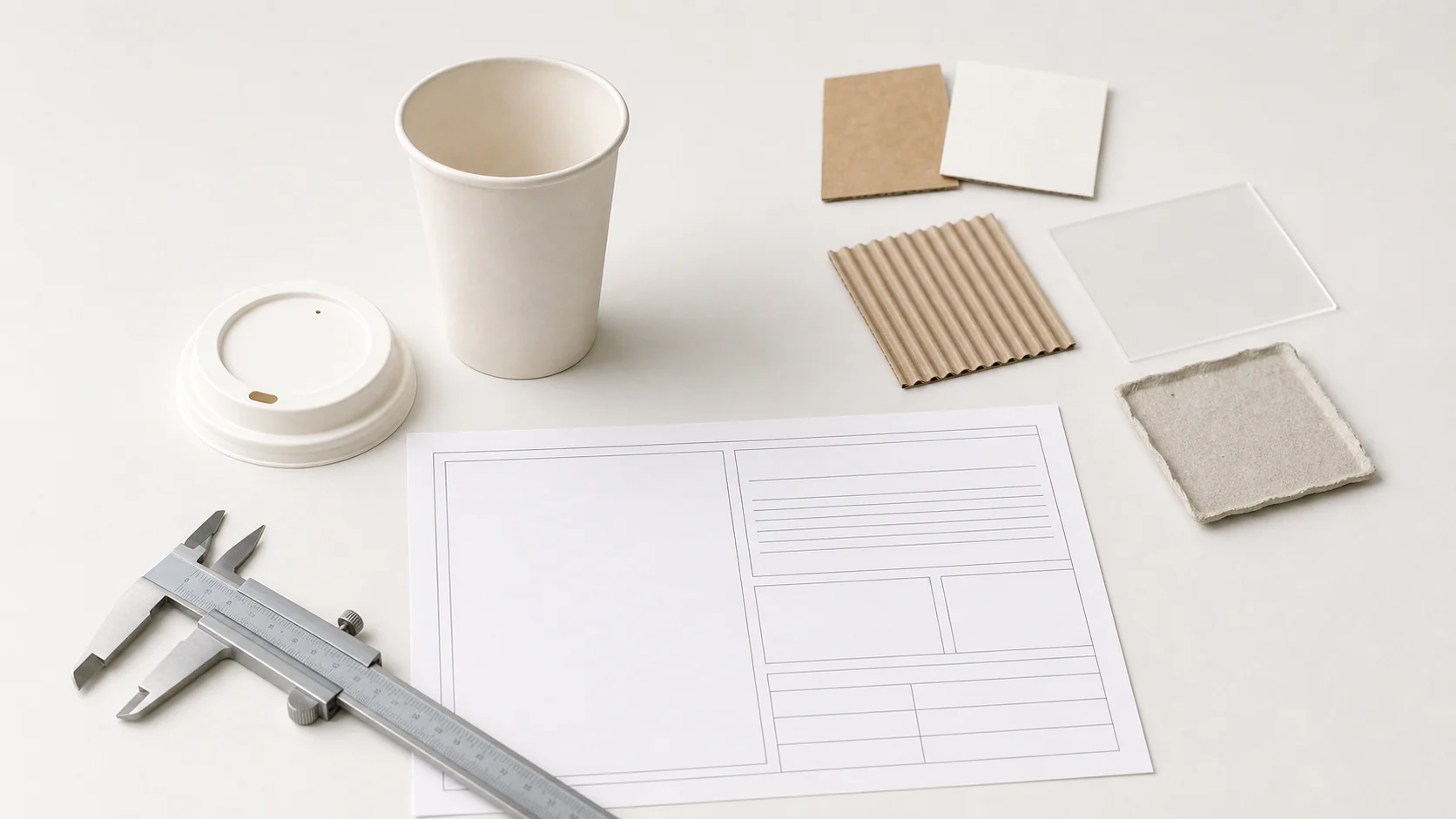
Цепочка документации является основой любого обоснованного заявления об утилизации отходов или об экологической устойчивости. Без неё такие заявления опираются на допущения, которые могут не выдержать проверки со стороны регулирующих органов или оспаривания со стороны конкурентов или групп потребителей.
Технические условия строительства — это отправная точка. Запросите документацию с точным описанием конструкции стаканчика: сорт картона, тип покрытия, вес покрытия, используемые клеи и любые второстепенные материалы. Названия продукта или описания категории недостаточно; спецификация должна содержать конкретные сведения о материалах.
Документация о соответствии требованиям к материалам, контактирующим с пищевыми продуктами подтверждает, что материалы, контактирующие с пищевыми продуктами или напитками, соответствуют требованиям соответствующей юрисдикции. На рынках ЕС это связано с упомянутой ранее нормативной базой в отношении материалов, контактирующих с пищевыми продуктами. Запрашивайте эту документацию отдельно от документации, касающейся утилизации, поскольку они касаются разных нормативных требований.
Доказательства совместимости в конце срока службы Следует указать, по каким технологическим схемам переработки была проверена конструкция стаканчика, при каких условиях и какой организацией. Если стаканчик позиционируется как пригодный для вторичной переработки, необходимо запросить подтверждение его совместимости с конкретным типом перерабатывающих предприятий, действующих на целевом рынке, а не ограничиваться лишь общим заявлением о возможности вторичной переработки.
Документация по сертификации компостируемости, при необходимости, следует указать стандарт, в соответствии с которым проводились испытания стакана, орган сертификации и сферу действия сертификата. Убедитесь, что сертификация охватывает всю конструкцию стакана, включая покрытия и клеи, а не только картонную основу.
Документация по цепочке поставок информация о доле переработанного сырья или волокна, полученного из экологически устойчивых источников, подтверждает заявленные характеристики исходных материалов. Запрашивайте эту информацию отдельно от документации по утилизации.
Постоянная доступность документации Это практический аспект. Поставщики могут менять поставщиков покрытий, марки картона или производственные процессы, не меняя при этом название продукта. Необходимо разработать процедуру получения обновленной документации в случае изменений в конструкции, а также включить в контракты на закупку положение, предусматривающее проведение пересмотра.
Покупатели, закупающие товары у компании Papacko’s ассортимент контейнеров для упаковки пищевых продуктов или ассортимент компостируемой упаковки для пищевых продуктов следует придерживаться одинаковых правил документирования независимо от того, к какой категории отнесен товар на сайте. Названия категорий описывают типы товаров; документация описывает материалы.
Компания Papacko поставляет операторам сферы общественного питания и отделам закупок бумажные стаканчики, крышки, контейнеры для упаковки продуктов питания, а также компостируемую упаковку в различных форматах и вариантах исполнения. Ассортимент разработан с целью оказания поддержки закупщикам на этапе выбора продукции в рамках процесса закупок.
Покупатели, изучающие вопросы, затронутые в данном руководстве, могут воспользоваться методом Папацко категория «бумажные стаканчики» в качестве отправной точки для определения форматов стаканов, подходящих для конкретного применения. На страницах с описанием продукции представлена информация о формате и конструкции, которая поможет в начальной стадии разработки технических требований.
Что касается заявлений об утилизации и экологической устойчивости, описанный в данном руководстве процесс применяется независимо от того, услугами какого поставщика пользуется покупатель: необходимо подтвердить точную конструкцию, уточнить условия сбора отходов у местной компании, занимающейся сбором или переработкой, изучить требования целевого рынка и сформировать цепочку документации, подтверждающую конкретные заявления, которые компания намеревается сделать.
Команда Папацко готова помочь с выбором продукции и предоставить строительную документацию для содействия процессу комплексной проверки со стороны покупателя. Покупателям следует привлечь к процессу проверки своих собственных специалистов по сбору, переработке и регулированию, а также внутреннюю команду по безопасности пищевых продуктов, прежде чем утверждать рекомендации по утилизации отходов или заявления об экологической устойчивости.
Данное руководство подготовлено с точки зрения поставщика. Компания Papacko является поставщиком упаковочных материалов, а не органом по управлению отходами, регулирующим органом или консалтинговой компанией по вопросам соблюдения нормативных требований. Содержание данного руководства призвано помочь покупателям задавать более четкие вопросы и выстраивать более тщательно проработанные процессы — оно не заменяет мер по проверке, которые могут быть осуществлены исключительно собственной командой покупателя и внешними специалистами.
Инструкции по утилизации должны быть проверены на соответствие инфраструктуре сбора отходов, доступной в конкретном месте использования. То, что допускается в одном месте, может быть недопустимо в другом. Перед тем как доводить до сведения персонала или потребителей рекомендации по утилизации, необходимо уточнить эту информацию у местной организации, занимающейся сбором или переработкой отходов.
Претензии, связанные с соблюдением нормативных требований необходимо проверить на соответствие нормативным требованиям целевого рынка. Нормативные акты меняются, и требования, применимые к конкретному типу заявлений в конкретной юрисдикции, могут отличаться от общих принципов, описанных в данном руководстве. Проконсультируйтесь с квалифицированным юристом или специалистом по нормативным вопросам относительно требований целевого рынка.
Требования к безопасности пищевых продуктов и материалам, контактирующим с ними должна быть согласована с внутренней группой по безопасности пищевых продуктов покупателя и, при необходимости, с соответствующим регулирующим органом. Документация поставщика является исходными данными для этого процесса, а не его итоговым результатом.
Требования к устойчивости должно быть подкреплено доказательствами, которые находятся в распоряжении покупателя и могут быть представлены по запросу. Описание продукции, предоставленное поставщиком, не является достаточным обоснованием для заявлений, сделанных оператором в рамках собственной маркетинговой деятельности или на упаковке.
В данном руководстве приводятся ссылки на официальные источники — рамочные нормативные акты ЕС по отходам упаковки и по материалам, контактирующим с пищевыми продуктами, — поскольку их сфера применения имеет непосредственное отношение к покупателям, работающим на рынках ЕС. Покупателям следует обращаться к этим источникам напрямую и анализировать их с учетом своей конкретной ситуации, а не полагаться на описание, приведенное в данном руководстве.
Но сначала необходимо пройти несколько этапов проверки. Заявление о возможности вторичной переработки предполагает, что конструкция стаканчика совместима с технологиями переработки, доступными на предприятиях, обслуживающих ваш регион, что в месте, где стаканчик будет выброшен, существует система сбора отходов, а также что данное заявление соответствует требованиям по обоснованию, установленным нормативной базой вашего целевого рынка. “Бумажный стакан” не всегда означает “перерабатываемый стакан”. Прежде чем заявлять о возможности переработки стаканов клиентам или в маркетинговых материалах, уточните у местной компании по сбору или переработке отходов, принимают ли они стаканы именно такой конструкции, включая тип покрытия.
Компостируемый стакан предназначен для разложения в определённых условиях — как правило, при температуре, влажности и микробиологической активности, характерных для промышленных компостирующих установок — в течение установленного периода времени. Перерабатываемый стакан предназначен для повторной переработки в новый материал в рамках цикла вторичной переработки. Это разные способы утилизации, и свойства материала, подходящие для одного из них, не обязательно подходят для другого. В большинстве случаев стаканчик не может быть одновременно пригодным для вторичной переработки и компостируемым в одном и том же месте, поскольку эти два способа утилизации требуют разных перерабатывающих предприятий и разных потоков сбора отходов. Некоторые конструкции могут быть технически совместимы с обоими способами при различных условиях, но на практике всегда возникает вопрос: какой из этих способов фактически доступен в месте использования. Прежде чем делать какие-либо заявления, уточните у местной компании по сбору отходов или переработчика, какой из способов (если таковой имеется) доступен.
Да, в значительной степени. Покрытие является основным фактором, определяющим, подходит ли бумажный стаканчик для переработки в потоке бумажной макулатуры. Для отделения полиэтиленовой прокладки от волокон требуется специальное оборудование; без него стаканчик с полиэтиленовой прокладкой становится примесью в стандартном потоке бумажной макулатуры. Покрытия на основе биополимеров могут поддаваться компостированию, но не обязательно подлежат вторичной переработке. Покрытия на водной основе могут быть более совместимы с процессом переработки бумаги, но совместимость по-прежнему зависит от конкретного оборудования переработчика и его критериев приемки. Поскольку покрытие невидимо, покупатели должны запрашивать документацию с точным описанием конструкции стаканчика и подтверждать у местной компании-сборщика или переработчика, что конкретный тип покрытия принимается, прежде чем направлять стаканчики в поток переработки бумаги.
В большинстве случаев — да. Стандартная пластиковая крышка не подходит для потока переработки бумаги, даже если сам стакан подходит. Крышка на волокнистой основе может подходить для потока переработки бумаги или компостирования в зависимости от её конструкции, но эту совместимость необходимо проверять отдельно от самого стакана. Если стаканчик и крышка изготовлены из разных материалов — что встречается довольно часто — их, возможно, придется направлять в разные потоки, и инструкции по утилизации должны это отражать. Операторы должны рассматривать крышку как отдельный объект для документирования и разработки инструкций, уточнять состав крышки у поставщика и проверять возможность её приёма у местной компании по сбору или переработке отходов независимо от проверки корпуса стаканчика.
Рамочная нормативная база ЕС в области отходов упаковки устанавливает требования к упаковке, поставляемой на рынок ЕС, включая положения, касающиеся возможности вторичной переработки, маркировки и систем расширенной ответственности производителей. Государства-члены внедряют эти требования посредством национального законодательства, которое может уточнять их или налагать дополнительные обязательства. ЕС также активно регулирует заявления об «экологическом маскировании» в более широком смысле, требуя, чтобы заявления об экологической устойчивости подкреплялись доказательствами и не вводили потребителей в заблуждение. Покупатели должны изучить требования целевого рынка как на уровне ЕС, так и на уровне отдельных государств-членов, определить конкретные заявления, которые они намерены сделать, и сформировать цепочку документации, подтверждающую каждое заявление, прежде чем его обнародовать. С рамочной нормативной базой ЕС по отходам упаковки можно ознакомиться на сайте environment.ec.europa.eu, а покупателям следует проконсультироваться с квалифицированным юристом или специалистом по нормативным вопросам для получения рекомендаций, соответствующих их конкретной ситуации.
Руководство по утилизации и документация поставщиков должны пересматриваться при изменении любого из следующих факторов: конструкция стаканчика или крышки (включая тип покрытия или сорт картона), поставщик услуг по утилизации отходов или договор на сбор отходов на любом объекте, нормативные требования на любом целевом рынке, а также заявления об экологической устойчивости, которые компания намеревается сделать. На практике плановый ежегодный пересмотр является разумным минимумом, но его следует дополнять процессом пересмотра, запускаемым по определенным триггерам, который активируется при изменении любой из вышеперечисленных переменных. Нормативные требования к упаковке и заявлениям об экологической устойчивости развиваются во многих юрисдикциях, и руководство, которое в определенный момент было точным и обоснованным, может потребовать обновления по мере развития требований. Внедрите регулярность пересмотра в процессы закупок и маркетинга, а не рассматривайте это как разовую меру по обеспечению соответствия.