Готовы создать собственные фирменные бумажные стаканчики или упаковку?
Сообщите нам свои требования - размер, покрытие, печать и место назначения - и наша команда подготовит подробное коммерческое предложение в течение 24 часов.

Выбор подходящих ведер для попкорна для кинотеатров, стадионов, ярмарок или любых других мест с интенсивной торговлей едой и напитками редко сводится к одному-единственному решению. Этот процесс предполагает поиск баланса между физической вместимостью и пространством для брендинга, способностью удерживать жирные закуски и целями по использованию экологически устойчивых материалов, а также экономической эффективностью единицы продукции и частотой повторных заказов, которую диктует интенсивная нагрузка на объект. Специалисты по закупкам, которые относятся к приобретению ведер как к покупке обычных товаров, часто в середине сезона обнаруживают, что выбранная ими модель протекает, деформируется во влажной среде или имеет неравномерную печать на всей партии — и всё это напрямую приводит к жалобам посетителей и ухудшению имиджа бренда.
Данное руководство предназначено для закупщиков, которым необходимо выйти за рамки маркетинговых слоганов и разобраться в конкретных факторах, определяющих, насколько эффективно ведро для попкорна будет работать в условиях массового производства. В нём рассматриваются номенклатура размеров и способы проверки фактического объёма наполнения, механизмы защиты от жира, а также вопросы, которые следует задавать поставщикам; особенности выбора материалов и покрытий; требования к брендингу; и процесс отбора образцов и утверждения, который позволяет принимать уверенные решения о закупках и избегать дорогостоящих ошибок.
Ведро для попкорна зачастую является самой заметной упаковкой в кинотеатре или на мероприятии. Посетители проносят его через фойе, держат в руках на протяжении всего сеанса и фотографируют, если его дизайн выделяется. Таким образом, оно одновременно является функциональной тарой для еды и элементом брендинга — а эти требования не всегда подходят для одного и того же артикула.
С чисто эксплуатационной точки зрения, производительность ковша влияет на:
Ни одна из этих проблем не носит гипотетический характер. Они поднимаются в ходе бесед с поставщиками и обсуждений повторных заказов, которые директора по концессиям проводят на регулярной основе, и все они сводятся к вопросу о технических характеристиках на уровне SKU.
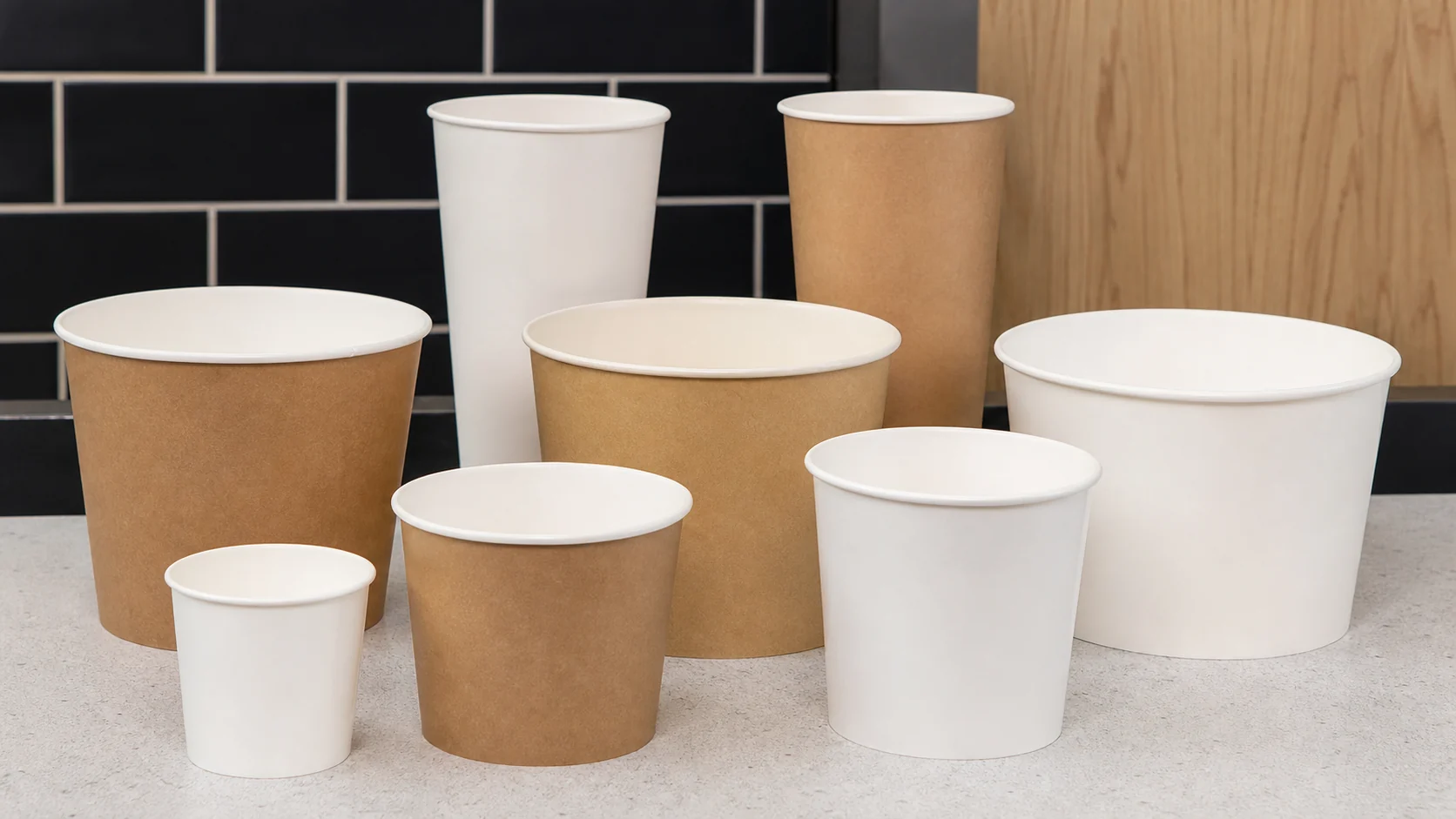
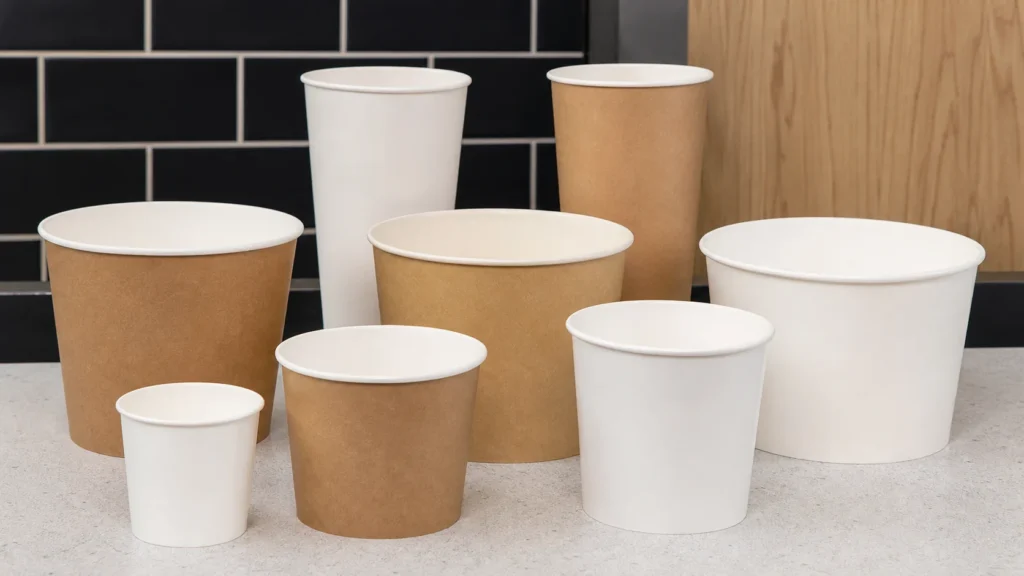
Ведра для попкорна выпускаются в самых разных формах, которые различаются по материалу, форме конструкции и номинальной вместимости. Ключевое слово здесь — “номинальная”: производители по-разному определяют вместимость — одни измеряют до самого края, другие — до предполагаемой линии наполнения, — и объем, который посетитель одной сети кинотеатров считает “большим”, в другой сети может быть “средним”. Прежде чем остановить свой выбор на конкретном артикуле, уточните фактическую измеренную вместимость, рекомендуемую линию наполнения, а также диаметры верха и дна, ориентируясь на технический паспорт поставщика, а не на заголовок в списке товаров.
Цилиндрические ковши с прямыми стенками. Эти изделия имеют одинаковый диаметр от основания до края и, как правило, обеспечивают максимальную площадь печатной поверхности по отношению к объему. Они надежно укладываются в стопку, однако для их размещения на прилавке могут потребоваться специальные размеры втулок или держателей.
Конические ковши или ковши в форме усеченной пирамиды. Классическая форма для кинотеатров: края ведра шире, чем его основание. Сужение облегчает штабелирование и уменьшает занимаемую площадь стопки неиспользованных ведер. Кроме того, оно создает несколько иную геометрию изображения: при нанесении графического рисунка на коническую поверхность требуется корректировка дизайна, чтобы избежать искажений.
Контейнеры в форме ванны. Более низкий профиль, ширина горлышка превышает глубину. Такие емкости иногда используются для блюд, предназначенных для совместного употребления, и могут выполнять двойную функцию в заведениях, где также подают начос, картошку фри или другие блюда для совместного употребления, при условии, что данный артикул прошел проверку на совместимость с этими видами продуктов.
Нестандартные или тематические форматы ведер. Сезонные модели и изделия, выпускаемые по лицензии на интеллектуальную собственность, часто имеют нецилиндрическую форму — в виде голов персонажей, трофеев или специальных сувениров, связанных с кинофильмами. Как правило, это требует изготовления специального инструмента или согласования минимального объема заказа с поставщиком, а структурная целостность и маслостойкость должны оцениваться с учётом конкретной геометрии пресс-формы, а не экстраполироваться на основе стандартного цилиндрического артикула.
Когда поставщик или сотрудник, ответственный за составление меню, использует термины “малый, средний и большой”, эти обозначения необходимо преобразовать в конкретные технические характеристики перед размещением заказа. Контрольный список по закупкам должен включать:
Единственный надёжный способ избежать несоответствий размеров на месте оказания услуги — это взять эти данные из опубликованного поставщиком технического паспорта, а затем сверить их с реальным образцом перед размещением первого полноценного заказа.
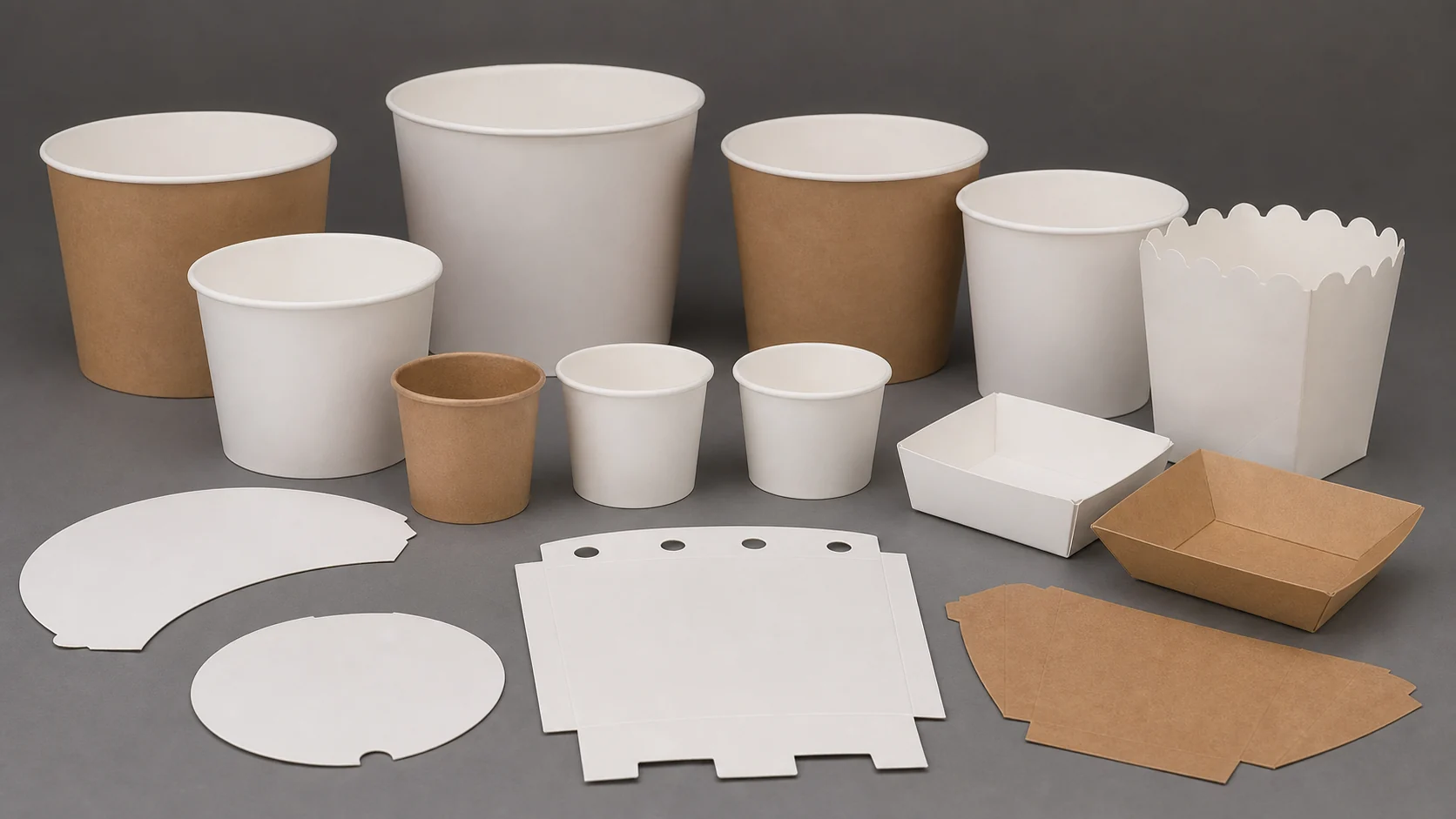
Попкорн — это продукт с высоким содержанием жира, особенно при добавлении сливочного масла, кокосового масла или ароматизаторов. Жиростойкость ведерка — его способность предотвращать проникновение масла через стенки из картона — является одним из наиболее важных функциональных свойств при выборе продукта, а также одним из тех, которые чаще всего неверно указываются в описаниях продукции.
В большинстве бумажных ведер для попкорна миграция масла контролируется с помощью одного или нескольких из следующих механизмов:
Картон, прошедший обработку для обеспечения прочности во влажном состоянии. Основной субстрат может быть обработан таким образом, чтобы в той или иной степени противостоять проникновению влаги и жира. Степень устойчивости зависит от конкретного состава химического состава средства для обработки и плотности картона.
Глиняное покрытие или барьерное покрытие на внутренней поверхности. Слой, нанесенный на внутреннюю поверхность картона, снижает скорость миграции жиров к внешней стенке. Тип, плотность и степень покрытия этого слоя определяют, как долго наполненное ведро сохраняет герметичность, прежде чем на его внешней поверхности появятся видимые следы просачивания масла.
Ламинирование пластиком или полимером на биологической основе. Тонкий слой пленки, нанесенный на внутреннюю поверхность картона, создает более полный барьер. На эксплуатационные характеристики влияют тип полимера, толщина пленки и качество ее нанесения. Данный подход также влияет на возможность вторичной переработки и компостирования, причем степень этого влияния зависит от состава материала и местной инфраструктуры переработки отходов.
ПЭ (полиэтилен) или другие виды внутренних облицовок. Some formats use a separate inner sleeve or pre-applied liner. These can be highly effective for grease isolation but add cost and raise additional considerations around material separation at end of life.
Because no single descriptor like “grease-resistant” carries a standardized technical meaning across the industry, procurement buyers should press suppliers with specific questions:
None of these questions should receive a vague answer from a credible supplier. If the response is purely qualitative (“great grease resistance,” “designed for buttered popcorn”), that is a signal to request a sample run under realistic conditions before placing a volume order.
A simple buyer-side verification does not require a laboratory. Fill sample buckets with your specific popcorn product, apply your standard butter or oil compound at your normal dispensing rate, and hold the filled buckets for the longest likely interval between fill and consumption—at minimum fifteen to thirty minutes, ideally longer if your service model involves pre-filled buckets in a warming environment. Examine the exterior wall and base at regular intervals. A bucket that holds cleanly under your actual use conditions is the only verification that matters for your venue.
The substrate and construction of a popcorn bucket influence cost, print quality, grease resistance, structural performance, and end-of-life characteristics. The most common materials in commercial popcorn bucket production include:
Virgin kraft paperboard. Offers a premium appearance and tends to accept high-quality print well. Natural brown kraft can serve as a design element in its own right for brands pursuing a heritage or artisan aesthetic.
Bleached white paperboard (SBS or similar). Provides the brightest base for full-color printing. Widely used in cinema contexts where photographic or illustrative brand graphics are applied.
Recycled-content paperboard. Available in various grades and recycled content percentages. Performance characteristics vary significantly by board grade and supplier, and must be verified against the specific grease-resistance and structural requirements of the application.
Plastic or composite materials. Used in reusable or semi-reusable bucket programs, and occasionally in single-use novelty formats. These introduce a different cost structure, cleaning and hygiene protocol, and supply chain consideration.
When evaluating material options, reference the broader landscape of контейнеры для упаковки пищевых продуктов available to your category, as the paperboard technologies applied in buckets often share characteristics with adjacent packaging formats and can inform your cross-category sourcing decisions.
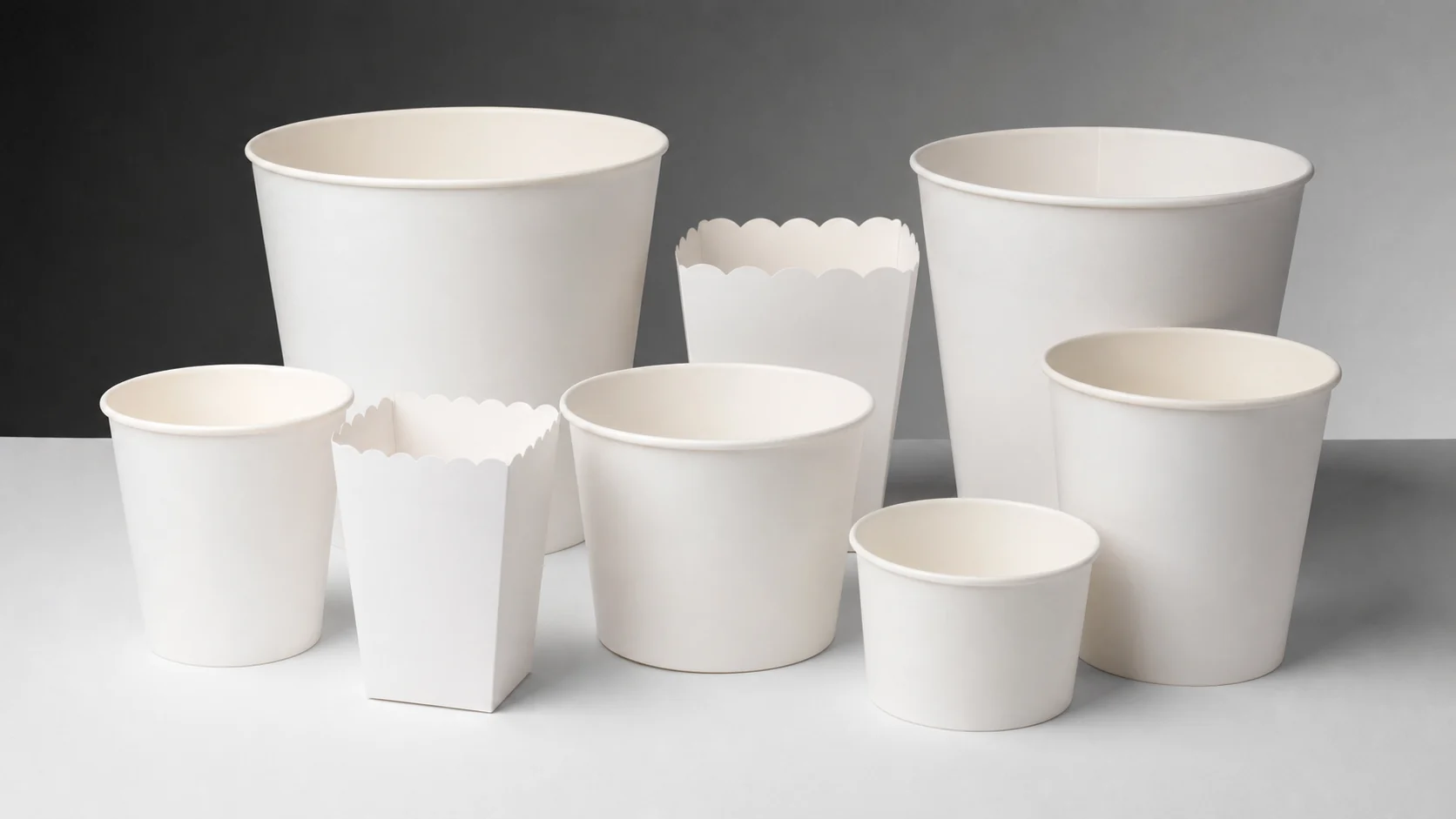
The popcorn bucket is the cinema concession’s most important piece of brand real estate. Unlike a cup or a box, a bucket is carried visibly, shared across seat rows, and often photographed. The branding investment made on a popcorn bucket generates more per-unit impressions than almost any other packaging format in the venue ecosystem.
The two primary print approaches for commercial popcorn buckets are:
Offset lithography on the unformed board, before conversion. This allows for the highest color fidelity, fine line detail, and photographic reproduction. The printed flat sheet is then die-cut, scored, and formed into the bucket shape. Minimum quantities are typically driven by the press sheet size and setup cost, and buyers should confirm minimum print runs with their supplier.
Flexographic printing on the formed or pre-scored blank. Lower setup costs, faster lead times for smaller runs, but generally less suited to photographic imagery or fine detail. Appropriate for block color, logo, and simpler graphic programs.
Digital printing. Becoming increasingly available through packaging converters for short-run and versioned programs. Allows for variable data, regional or seasonal artwork changes, and lower minimum quantities—but should be evaluated on a per-supplier basis for color gamut, surface finish compatibility, and cost per unit at your volume.
Before submitting artwork for production, buyers should obtain the supplier’s current artwork specification document, which will include:
Particularly for tapered bucket formats, the cylindrical unwrap geometry must be applied correctly to artwork files. Artwork prepared for a flat panel will appear distorted when wrapped around a taper. Most suppliers can provide a die-line template that accounts for this, but confirming the template version matches the current production tooling is essential.
Cinema operators running IP-licensed bucket programs—typically tied to studio releases—face additional considerations:
The table below illustrates the category of variables that differentiate popcorn bucket SKUs. Note that the actual values for any specific product must be obtained from the supplier’s current technical data sheet and verified against a physical sample—the columns here are placeholders for the data points buyers should be collecting, not generic industry averages.
| Specification Variable | What to Confirm with Supplier | Почему это важно |
|---|---|---|
| Measured volume (to rim / to fill line) | Exact ml or fl oz figures, measurement method | Ensures menu size claims are accurate |
| Top diameter / base diameter | Millimeters or inches from TDS | Fits holder hardware and lid compatibility |
| Общая высота | Millimeters or inches from TDS | Affects nesting depth and storage footprint |
| Строительство стен | Substrate type, inner coating/lamination, weight | Determines grease resistance and structural integrity |
| Grease resistance mechanism | Coating type, lamination material | Informs hold time and suitability for your fat compound |
| Nesting ratio / case count | Units per sleeve, sleeves per case | Drives storage and freight calculation |
| Print process | Offset, flexo, digital | Governs design capability and minimum order |
| Minimum print run | Units at stated print setup cost | Determines whether custom branding is economical |
| Artwork lead time | Weeks from approved artwork to delivery | Drives procurement timeline |
| Документация о соответствии требованиям к материалам, контактирующим с пищевыми продуктами | Available certifications or declarations | Necessary for regulatory due diligence |
Use this table as a data-collection template when running competitive supplier evaluations. A supplier who cannot provide documented answers for each row should prompt additional scrutiny before a volume commitment.
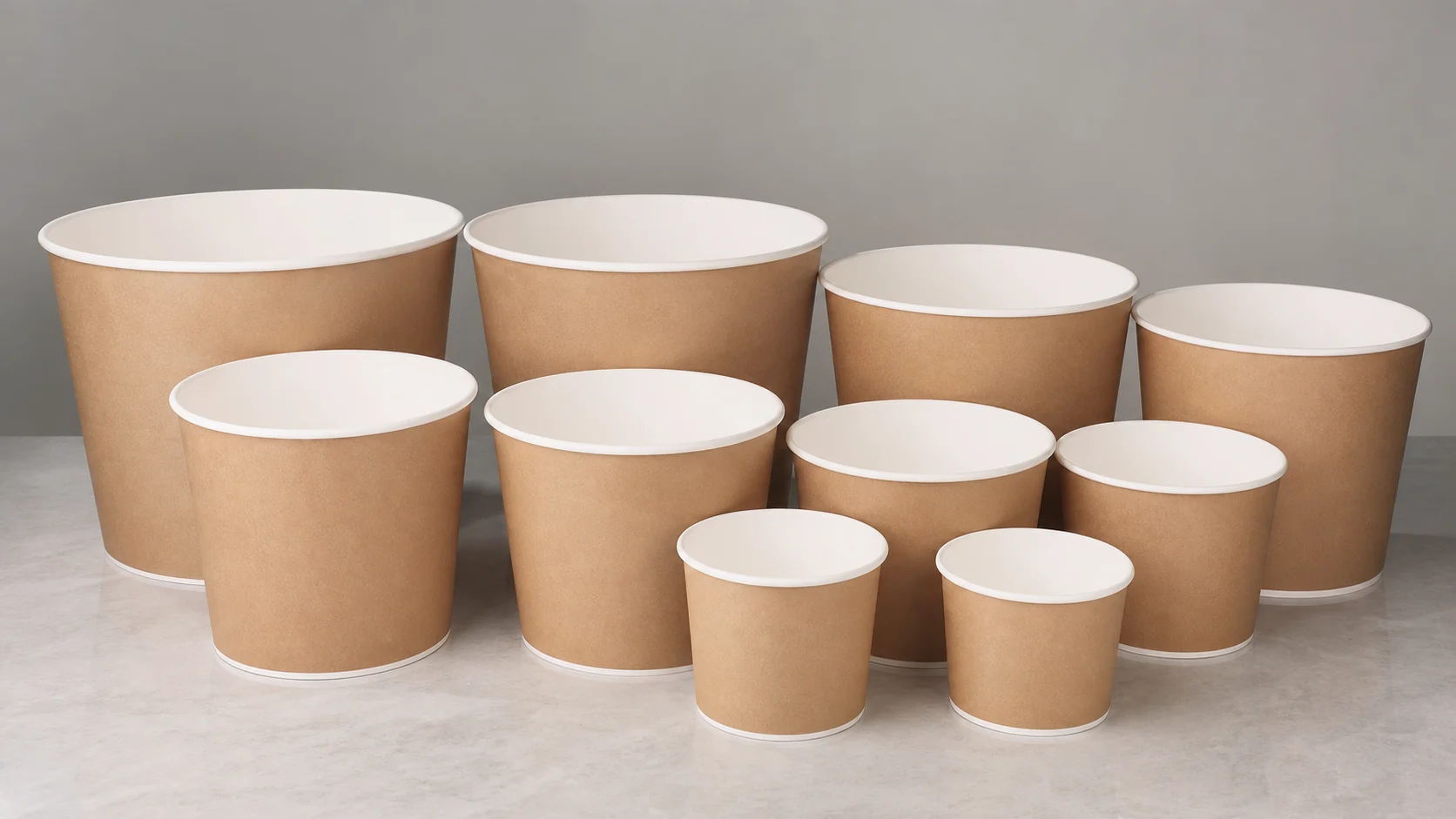
Sourcing popcorn buckets effectively requires casting a wider net than any single supplier relationship. The packaging supply chain for cinema and venue concessions includes specialized food service packaging distributors, direct-from-converter relationships for high-volume buyers, and category-specific platforms that aggregate SKUs across multiple factories.
When evaluating potential supplier partners, look for evidence that they actively serve the cinema and food venue concession category—not merely that they offer a product that could function in that context. Suppliers with category experience will understand the branding timeline pressures around film releases, the bulk storage constraints of a cinema back-of-house environment, and the regulatory documentation expectations that a cinema chain’s procurement or legal team will require.
Disposable food packaging more broadly is a category with significant SKU depth and ongoing material innovation, and buyers sourcing popcorn buckets will often find it efficient to consolidate adjacent items—cups, bags, trays—within the same supplier relationship or platform when volume justifies it. Exploring a supplier’s одноразовая пищевая упаковка range alongside the bucket category can surface consolidation opportunities and freight efficiencies.
No print suitability claim, grease resistance description, or structural strength rating replaces a physical evaluation under your venue’s actual conditions. A responsible sample evaluation for popcorn buckets should include:
Cinema concession procurement is not forgiving of inventory gaps. Stock-outs during a major release weekend are not recoverable from a guest experience standpoint. When setting reorder points, factor in:
For takeaway and delivery applications where popcorn moves beyond the venue premises, packaging durability over a longer transit period becomes an additional dimension of the specification. Reviewing упаковка для еды на вынос options alongside traditional cinema buckets can clarify whether a single SKU can serve both in-venue and outbound formats or whether separate specifications are warranted.
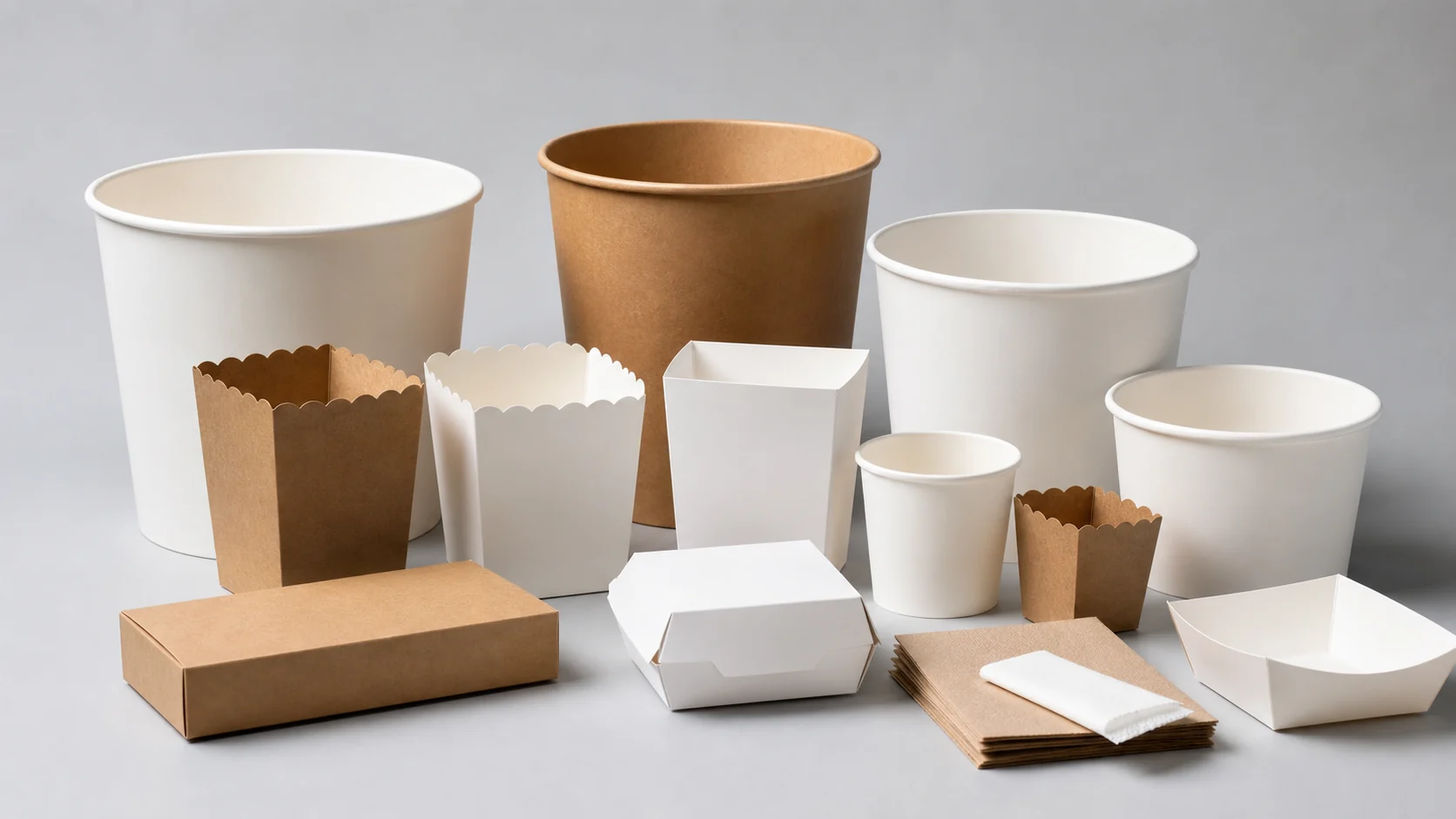
Popcorn bucket procurement rarely occurs in isolation. Several complementary items interact with the bucket selection in ways that affect guest experience and operational efficiency.
Lids and covers. Bucket lids are not universal—dimensions must be matched to the specific top diameter and rim profile of each bucket SKU. If a lid program is part of your service model (particularly relevant for takeaway or delivery formats), the lid and bucket must be evaluated together as a system. Paper bowl lids can serve adjacent functions in some service formats; reviewing the бумажные крышки для мисок category alongside bucket accessories clarifies the range of closure options available within compatible material families.
Napkins and wax paper inserts. Some venues use a paper liner inside the bucket to absorb residual oil and simplify cleanup. The interaction between any inner liner and the bucket’s grease-resistance properties should be confirmed with the supplier—adding a liner to a well-coated bucket may be redundant; relying on a liner to compensate for an inadequately coated bucket introduces an operational variable.
Bowl-format alternatives for sharing programs. Larger sharing formats sometimes shift from a cylindrical bucket to a wider, lower-profile bowl. If your venue operates a sharing-size tier, the крафт-бумажные чашки category represents a related structural format that may suit high-capacity, multi-guest presentation scenarios—though the specific suitability for buttered popcorn applications depends on the bowl SKU’s inner construction and must be verified with the supplier.
Any food-contact packaging used in a regulated market carries documentation requirements that the procurement function must understand, even when ultimate compliance responsibility rests with the packaging supplier. In the United States, food contact substances—including coatings, inks, adhesives, and lamination materials used in paperboard food packaging—are subject to regulatory oversight. The U.S. Food and Drug Administration maintains guidance and regulatory documentation on food contact substances and packaging that buyers can reference when formulating documentation requests to suppliers.
At minimum, buyers should request from each supplier:
This documentation review is particularly important for novelty or custom formats where the material composition may differ from a standard stock SKU, and for any bucket incorporating post-consumer recycled content where contamination management practices are a relevant consideration.
The guidance in this article reflects the kinds of specification and procurement challenges that cinema and venue concession buyers encounter repeatedly when moving from product catalog to live-operation performance. The emphasis on sample verification over supplier claims, and on specific technical data over general category descriptions, reflects the pattern of how procurement decisions succeed or fail in practice. No specific test results, performance benchmarks, or capacity figures have been asserted here; all data points are framed as questions for buyers to pose and data to collect from the specific supplier and SKU under consideration.
Where technical mechanisms are described—such as grease-resistance coating types or print process characteristics—these reflect general knowledge of commercial paperboard packaging production, not proprietary test data or laboratory findings. Regulatory references link to official government sources rather than secondary summaries. Buyers should consult qualified packaging technologists, food safety advisors, and legal counsel for compliance decisions that extend beyond general orientation. Nothing in this guide constitutes regulatory, legal, or food safety advice.
Use this guide as a structured procurement framework, not a product recommendation. For every variable discussed—capacity, grease resistance mechanism, print process, compliance documentation—translate the discussion into a specific question to your shortlisted suppliers and a column in your SKU comparison matrix. Request physical samples before any volume commitment. Review supplier-provided technical data sheets against the specification variables outlined in the comparison table section. Run your own fill tests under the actual conditions of your service environment. The goal of this guide is to ensure that when you place a volume order, you are doing so with verified, SKU-specific information rather than product description language.
In most foodservice contexts, “popcorn box” refers to a flat-fold paperboard carton—typically a rectangular or trapezoid-shaped unglued box assembled at point of sale—while “popcorn bucket” refers to a preformed cylindrical or tapered container, often with a rolled or reinforced rim. The bucket format generally offers higher capacity, more lateral print area, and better structural integrity for holding large volumes of buttered popcorn over extended periods. The box format tends to be more compact and less expensive per unit, making it suitable for smaller portions or table-service settings. Some suppliers use the terms interchangeably, so confirming the structural format from the supplier’s specification sheet or a physical sample is always recommended rather than relying on the product name alone.
Start from the guest-facing portion size and work backward. Identify the actual volume—measured in ounces or milliliters of loosely filled popcorn—that you intend to serve for each menu tier. Then request fill-line volume data from the supplier for the bucket SKUs you are evaluating. A bucket’s nominal capacity to the rim will typically be larger than the recommended fill volume; serving to the rim creates spillage risk and inconsistent portion presentation. Select a bucket where your intended portion sits at or slightly below a natural fill line, and confirm that visual impression with a physical fill test. Do not rely on small/medium/large nomenclature from any supplier without anchoring those labels to measured volume figures.
It can in some cases, but the performance requirements for the two applications differ in important ways. An in-cinema bucket is typically consumed within one to two hours of filling, often in a climate-controlled environment. A takeaway or delivery bucket may spend additional time in transit under variable temperature and humidity conditions, placed in a bag that concentrates steam and condensation. A bucket that holds cleanly for an in-venue consumption window may show grease migration or structural softening under the longer hold time of a delivery scenario. Test the specific SKU under delivery-representative conditions—including bag enclosure and expected transit time—before relying on in-cinema sample results for takeaway format approval.
To receive a meaningful quote, provide: the specific bucket format and size (or indicate that you are open to the supplier’s recommended SKU range and want options across sizes); your estimated annual volume and expected order frequency; your print program details, including number of colors, whether Pantone matching is required, and whether you need photographic or illustrative quality reproduction; your target first-delivery date and whether you are working to a specific event or release-window deadline; your destination market, so the supplier can address compliance documentation requirements; and any existing technical specifications your procurement or legal team requires in supplier documentation. The more specific this information, the more accurate and comparable the quotes you receive will be.
Ask the supplier for written documentation, not just verbal confirmation. The documentation should identify the specific coating or lamination material used on the inner food-contact surface of that SKU, reference the applicable regulatory basis for its food-contact use in your destination market, and confirm that the compliance claim applies to the specific production configuration being quoted—not merely to the general product family. For U.S.-market procurement, understanding the FDA’s framework for food contact substances provides context for evaluating what supplier documentation should look like. Assess whether the supplier can provide a Certificate of Compliance or equivalent document per order, and whether that document identifies the production lot. If a supplier’s compliance response is vague or purely verbal, treat that as a risk flag and pursue additional due diligence before placing an order.
Minimum order quantities for custom-printed popcorn buckets vary significantly by supplier, print process, and bucket format. Offset-litho printing on pre-converted board typically carries higher setup costs and correspondingly higher minimums than digital printing, but the unit cost at volume is generally lower and the print quality for complex graphics is typically superior. Digital print options, where available, may accommodate shorter runs suitable for seasonal, event-specific, or test programs. The appropriate minimum order must be evaluated in the context of your storage capacity, projected consumption rate, and the risk of holding excess inventory if the design or format changes. Request minimum quantity figures and setup cost breakdowns from each shortlisted supplier, then model the total landed cost per unit at the volume tier you actually intend to order—not at the minimum—before making a final sourcing decision.