Готовы создать собственные фирменные бумажные стаканчики или упаковку?
Сообщите нам свои требования - размер, покрытие, печать и место назначения - и наша команда подготовит подробное коммерческое предложение в течение 24 часов.

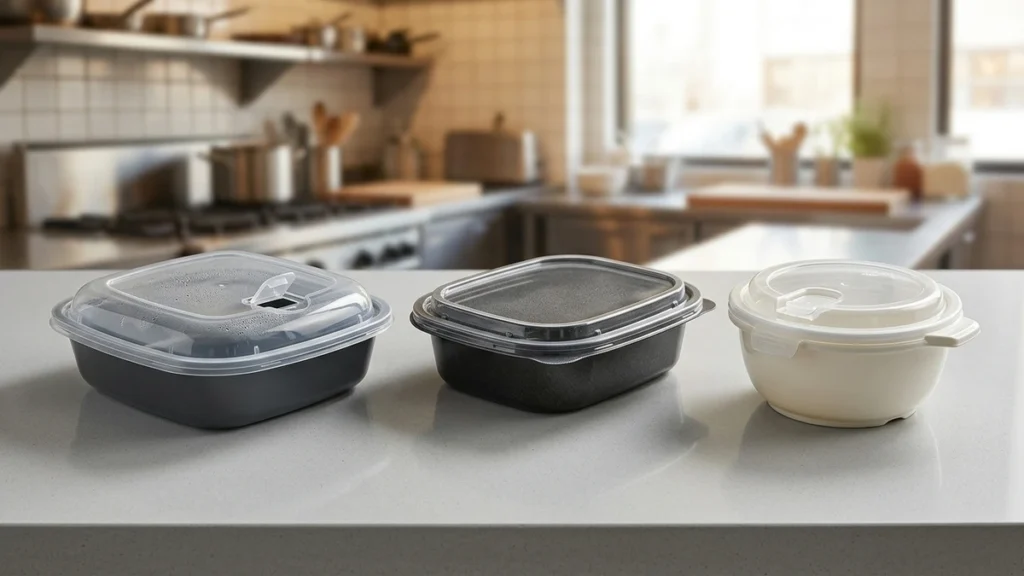
Контейнеры для пищевых продуктов, пригодные для использования в микроволновых печах, должны не только выдерживать высокую температуру. При разогреве горячих блюд они также должны сохранять форму, надежно удерживать крышку, обеспечивать отвод пара и оставаться безопасными при контакте с пищевыми продуктами. Для покупателей правильный выбор зависит от комплексных характеристик изделия: материала основы, толщины стенок, плотности прилегания крышки, системы вентиляции, печати и документации о соответствии стандартам.
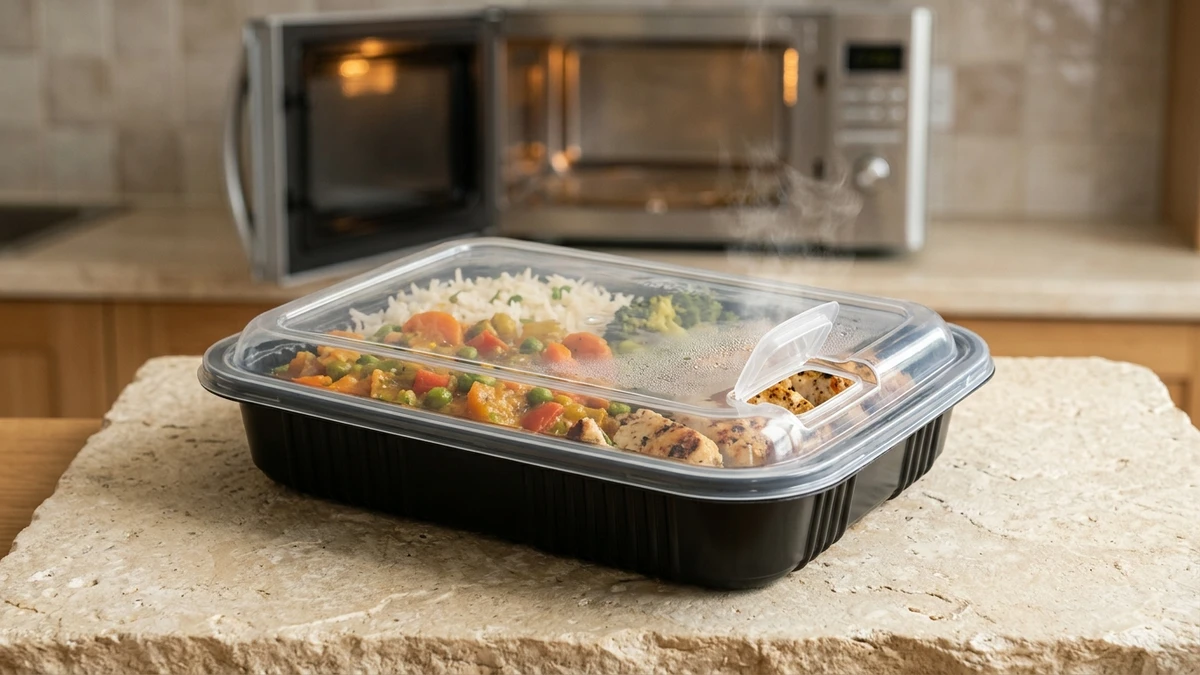
Даже если тара выглядит вполне прилично на полке, она может выйти из строя, когда покупатель будет разогревать блюдо с соусом в течение трёх минут. Именно поэтому при выборе поставщика следует исходить из условий эксплуатации, а не из общих заявлений о пригодности для использования в микроволновой печи.
Лучшая упаковка для горячей еды — это та, которая соответствует способу подогрева. Программа, предусматривающая только использование микроволновой печи, блюда, которые переходят из морозильной камеры в микроволновую печь, и супы на вынос предъявляют к упаковке разные требования. Полипропилен (PP) часто используется по умолчанию для пищевых контейнеров, пригодных для микроволновых печей, поскольку он хорошо выдерживает обычные условия разогрева и, как правило, позволяет эффективно контролировать затраты. CPET более подходит в тех случаях, когда лоток должен выдерживать более высокую температуру или использоваться в режиме «из морозильной камеры в духовку».
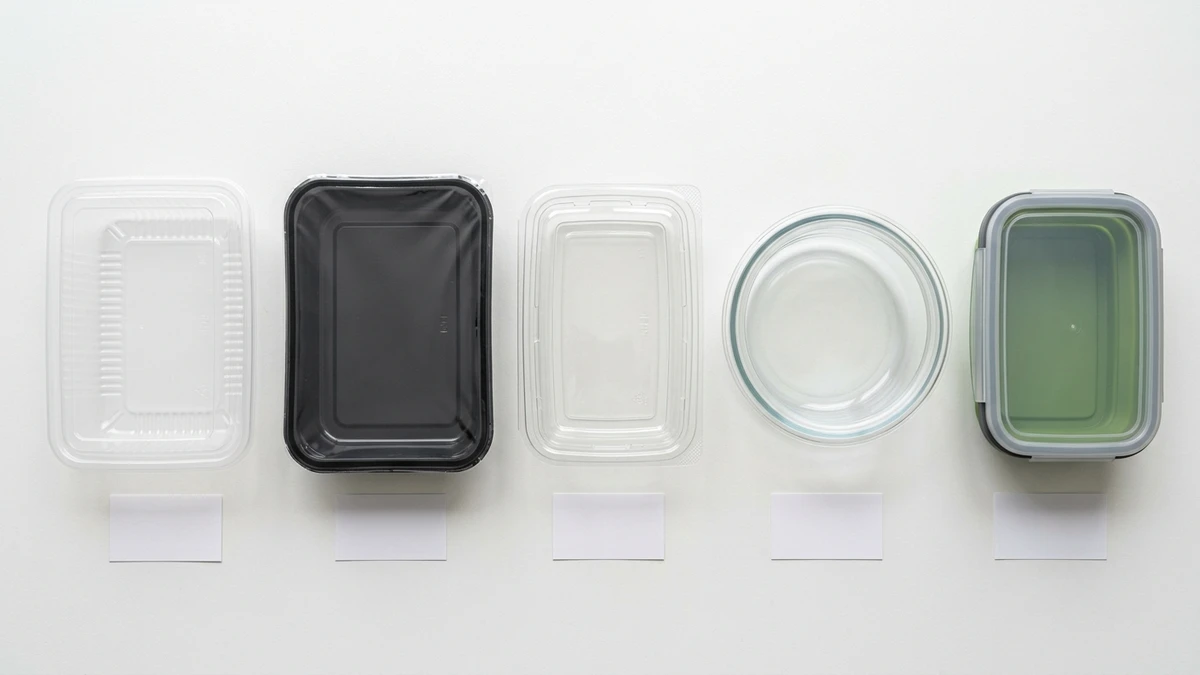
Главное — оценивать готовую упаковку, а не только название материала. Тонкий полипропиленовый лоток со слабой крышкой может выйти из строя, даже если сам материал технически подходит для использования в микроволновой печи. Покупателям следует уточнять допустимый температурный диапазон тары, метод испытаний, а также точное название крышки или пленки, используемой в утвержденной конфигурации.
Соответствие требованиям к материалам, контактирующим с пищевыми продуктами, свидетельствует о том, что данный материал разрешен для определенного вида использования. Однако это не гарантирует, что тара будет работать в конкретной технологической цепочке приготовления горячих блюд. Именно поэтому поставщики должны предоставлять документацию, относящуюся непосредственно к готовой упаковке, а не только к исходному сырью. Для покупателей из США основным авторитетным источником информации является система регулирования контактов с пищевыми продуктами FDA: https://www.fda.gov/food/food-ingredients-packaging/food-contact-substances-fcs
ПП, CPET, картон с покрытием и многоразовые упаковки — все эти материалы находят применение в упаковке горячих блюд. Оптимальный выбор зависит от стоимости, тепловой нагрузки, срока хранения, а также от того, должна ли упаковка быть одноразовой или многоразовой.
ПП широко используется для горячих блюд, поскольку в нём удачно сочетаются термостойкость, доступная цена и скорость производства. Это практичный вариант для мисок для приготовления еды, лотков для готовых блюд и одноразовая пищевая упаковка программ, требующих надежной функции подогрева. Кроме того, она отлично работает с крышками с вентиляционными отверстиями и термоусадочной пленкой.
Следует обратить внимание на такие факторы, как тонкость стенок, деформация ободка и давление пара. Если поддон слишком легкий или его форма недостаточно глубокая, после повторного нагрева крышка может сместиться. Уточните у поставщика технические характеристики стенок готовой тары, а не только марку материала.
CPET обычно выбирают в тех случаях, когда один лоток должен выдерживать широкий диапазон температур. Этот материал демонстрирует более высокую прочность при высоких температурах и часто используется для розничной продажи замороженных готовых блюд. Минусом, как правило, является более высокая стоимость и меньшая гибкость при использовании некоторых форматов упаковки.
Бумажные упаковки могут хорошо подходить для горячих блюд, если их покрытие и крышка рассчитаны на воздействие высокой температуры и влаги. Покрытие имеет не меньшее значение, чем сам картон. Если покрытие не подходит, упаковка может размякнуть, расслоиться или протечь при подогреве.
Связанные серии подносов и мисок см. контейнеры для упаковки пищевых продуктов.
Стекло, керамика и силикон подходят для многоразовой тары для хранения продуктов, но, как правило, они менее практичны для программ одноразового питания. Вес, риск поломки и сложности с обратной доставкой делают их неподходящими для доставки больших объемов.
Надежность контейнера для пищевых продуктов, пригодного для использования в микроволновой печи, зависит от надежности его системы закрытия. Многие проблемы при эксплуатации возникают из-за того, что крышки приподнимаются, герметичность закрытия нестабильна или в контейнере скапливается слишком много пара. Именно поэтому выбор крышки следует рассматривать как один из основных технических параметров.
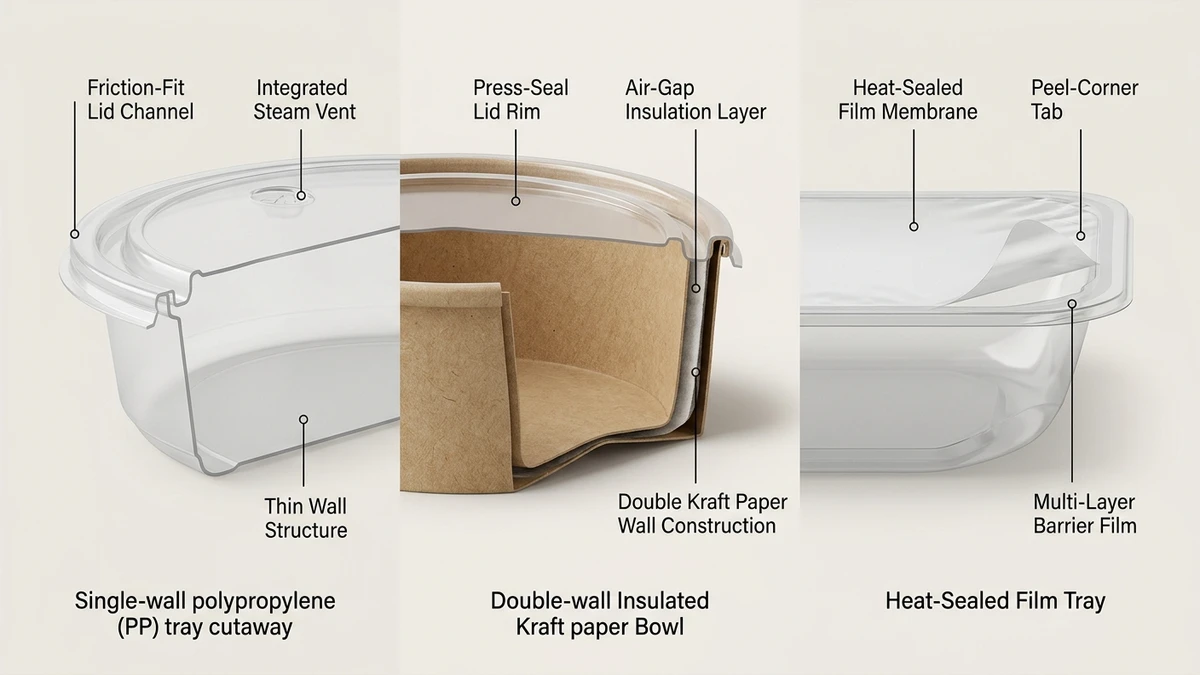
Крышки с защелками широко используются при транспортировке, но для подогрева им часто требуется вентиляционный канал. Крышки с фрикционным защелкиванием удобны, но под давлением содержимого пакета могут сидеть менее надежно. Термосвариваемые пленки обеспечивают надежную защиту от несанкционированного вскрытия и хороший контроль герметичности, но при этом должны оставаться пригодными для использования в микроволновых печах.
Не стоит сначала утверждать базовый лоток, а решение о крышке оставлять на потом. Во многих программах именно от крышки зависит, будет ли комплект работать в эксплуатации.
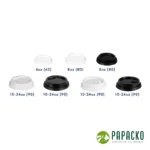
Например, крышки для кофейных чашек показать, что вентиляция и подгонка рассматриваются как системные решения, а не как второстепенные детали.
При подборе пищевых контейнеров, пригодных для использования в микроволновых печах, запрашивайте документацию до начала испытаний. Это упростит сравнение образцов и сократит количество неудачных циклов испытаний.
Попросите:
Если поставщик не может четко описать разрешенные условия использования, упаковка не готова к закупке. Одного лишь заявления о том, что “можно использовать в микроволновой печи”, недостаточно.
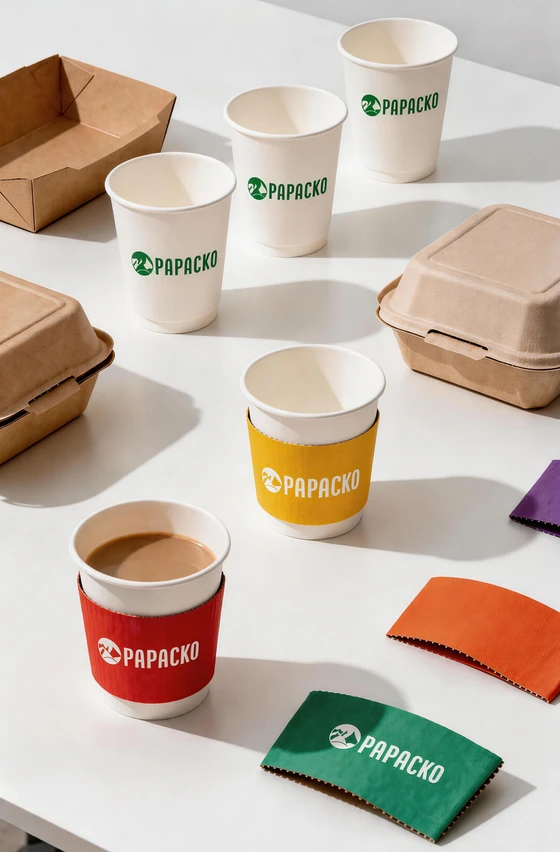
Украшенная тара может вести себя иначе, чем обычная серийная продукция. Краски, гильзы, этикетки и покрытия могут влиять на то, как упаковка реагирует на воздействие тепла или пара. Если вы планируете нанести логотип на тару, проведите испытания именно на версии с печатью, а не только на образце без украшений.
Упрощенные системы брендинга см. минималистичный дизайн упаковки.
Покупателям следует заранее учитывать минимальный объем заказа и сроки изготовления, особенно в случае нестандартных форматов. Стандартные товары, имеющиеся в наличии, можно заказать в меньших количествах, однако для изготовления лотков, крышек или продукции с печатью по индивидуальному заказу обычно требуется заказать большее количество.
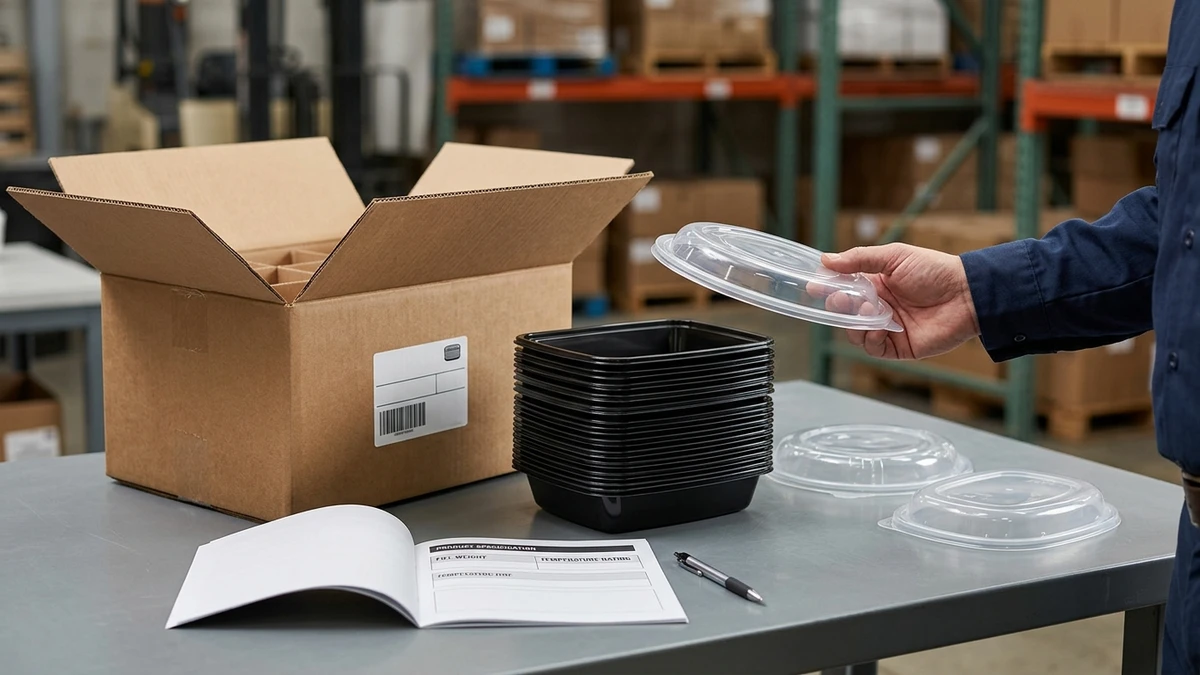
Типичные вопросы покупателей должны включать:
Небольшой пробный заказ зачастую оправдывает дополнительные затраты. Он позволяет проверить, насколько крышка подходит по размеру, как ведут себя шнуры, насколько устойчива стопка и насколько эффективно происходит повторный нагрев, прежде чем размещать полноценный заказ.
Срок изготовления — это не только время, затрачиваемое на производство. Он также включает в себя изготовление образцов, утверждение, производство, транспортировку и таможенное оформление (если таковое требуется). Покупателям следует предусмотреть время на доработку на случай, если первый образец не будет соответствовать требуемым характеристикам нагрева.
Если вам нужны вспомогательные элементы вокруг основного контейнера, ознакомьтесь с упаковочные принадлежности на раннем этапе, чтобы крышки, втулки и сопутствующие детали соответствовали базовым техническим требованиям.
Документация поставщика должна обеспечивать возможность отслеживания утвержденной упаковки на всех этапах — от сырья до готовой продукции. Это имеет важное значение для проведения аудитов, привлечения новых клиентов и повторных заказов.
В подробной спецификации поставщика также должно быть указано, предназначена ли упаковка исключительно для использования в микроволновой печи, для перехода из морозильной камеры в микроволновую печь или для использования в обоих типах печей. Это различие влияет как на безопасность потребителей, так и на эксплуатационные характеристики продукта.
Если какой-либо из этих моментов вам неясен, не спешите оформлять крупный заказ. Более низкая цена за единицу не является реальной экономией, если товар выйдет из строя в процессе эксплуатации.
Самый простой способ составить список подходящих для микроволновки контейнеров для пищи — это исходить из типа продуктов и способа их разогрева. Для супов и блюд с соусом требуется лучшая вентиляция. Плотные блюда требуют большего запаса прочности. Для замороженных блюд нужен более устойчивый лоток. При использовании для доставки важны надежная крышка и защита от протекания.
В большинстве программ по предоставлению горячих обедов в повседневных условиях в первую очередь следует оценивать полипропилен (PP). В более сложных термических условиях более надежным вариантом часто является CPET. При использовании бумажных упаковок необходимо тщательно проверять качество покрытия и плотность прилегания крышки. В любом случае покупатель должен тестировать готовую упаковку с использованием реальных продуктов, а не их заменителей.
Наиболее надежный подход к подбору поставщиков прост: определите сценарий использования, запросите документацию, закажите образец конкретной упаковочной системы и проверьте её в реальных условиях разогрева.
ПП, как правило, является оптимальным выбором для большинства программ по предоставлению горячих блюд, поскольку обеспечивает оптимальный баланс между термостойкостью, стоимостью и совместимостью с крышками. CPET лучше подходит в тех случаях, когда требуется более широкий диапазон рабочих температур.
Нет. ПП широко используется в микроволновых печах, однако пригодность готовой тары по-прежнему зависит от толщины стенок, конструкции крышки, покрытия и условий испытаний.
Большинство проблем возникает из-за плохой герметичности крышки, неэффективной вентиляции или несоответствующих требованиям конструкции стенок. Один только материал основания не гарантирует успеха.
Нет. Покупатели по-прежнему должны запрашивать рекомендации по температурному режиму, данные испытаний и документы о соответствии для конкретной готовой упаковки.
Выбирайте CPET, если упаковка должна выдерживать хранение в морозильной камере и разогрев при высоких температурах, либо если требуется более высокая термостойкость, чем может обеспечить стандартный полипропилен.
Это очень важно. Правильность прилегания крышки, вентиляция и герметичность часто определяют, насколько эффективно упаковка сохраняет свои свойства при доставке и повторном нагревании.
Да. Печать, рукава и этикетки могут по-разному реагировать на воздействие тепла и пара, поэтому изделия с нанесением рисунка следует тестировать отдельно.