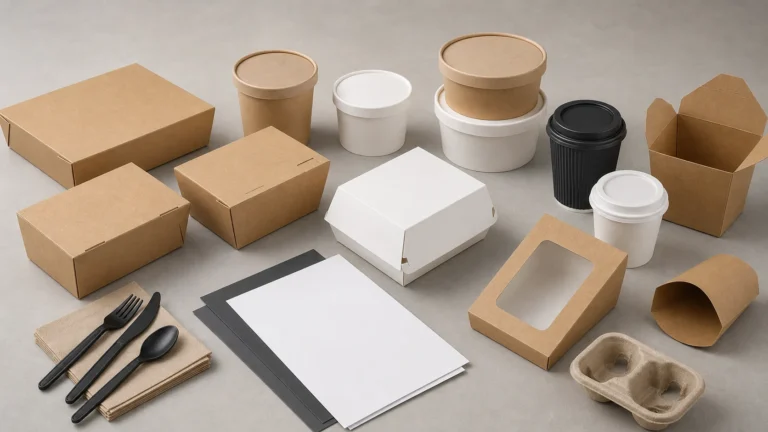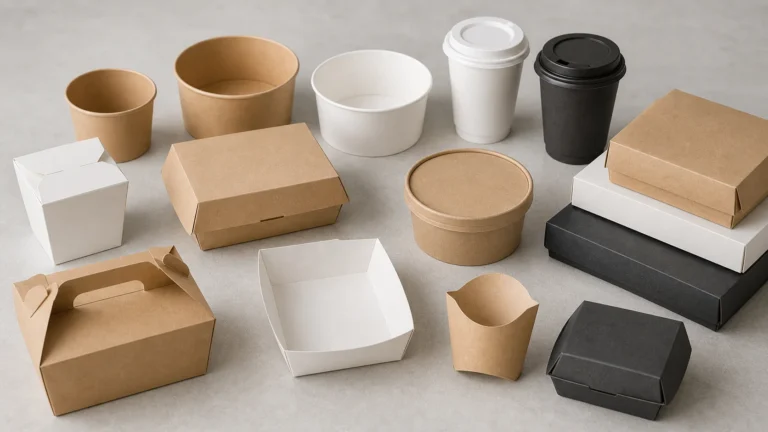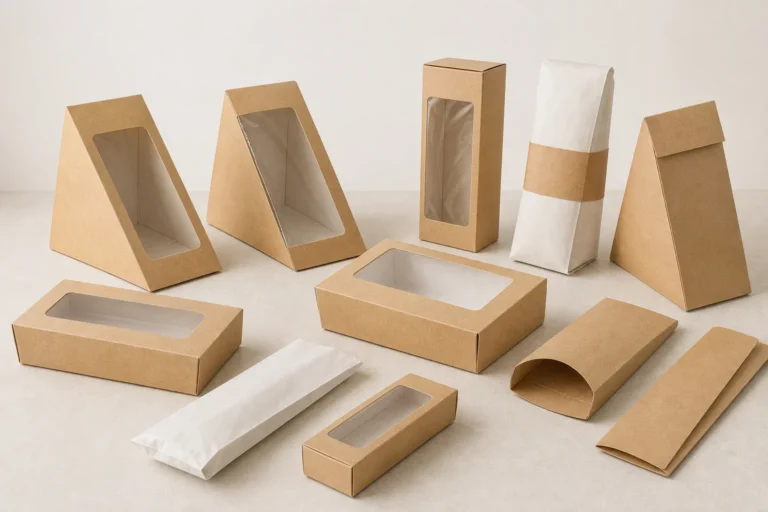
Готовы создать собственные фирменные бумажные стаканчики или упаковку?
Сообщите нам свои требования - размер, покрытие, печать и место назначения - и наша команда подготовит подробное коммерческое предложение в течение 24 часов.

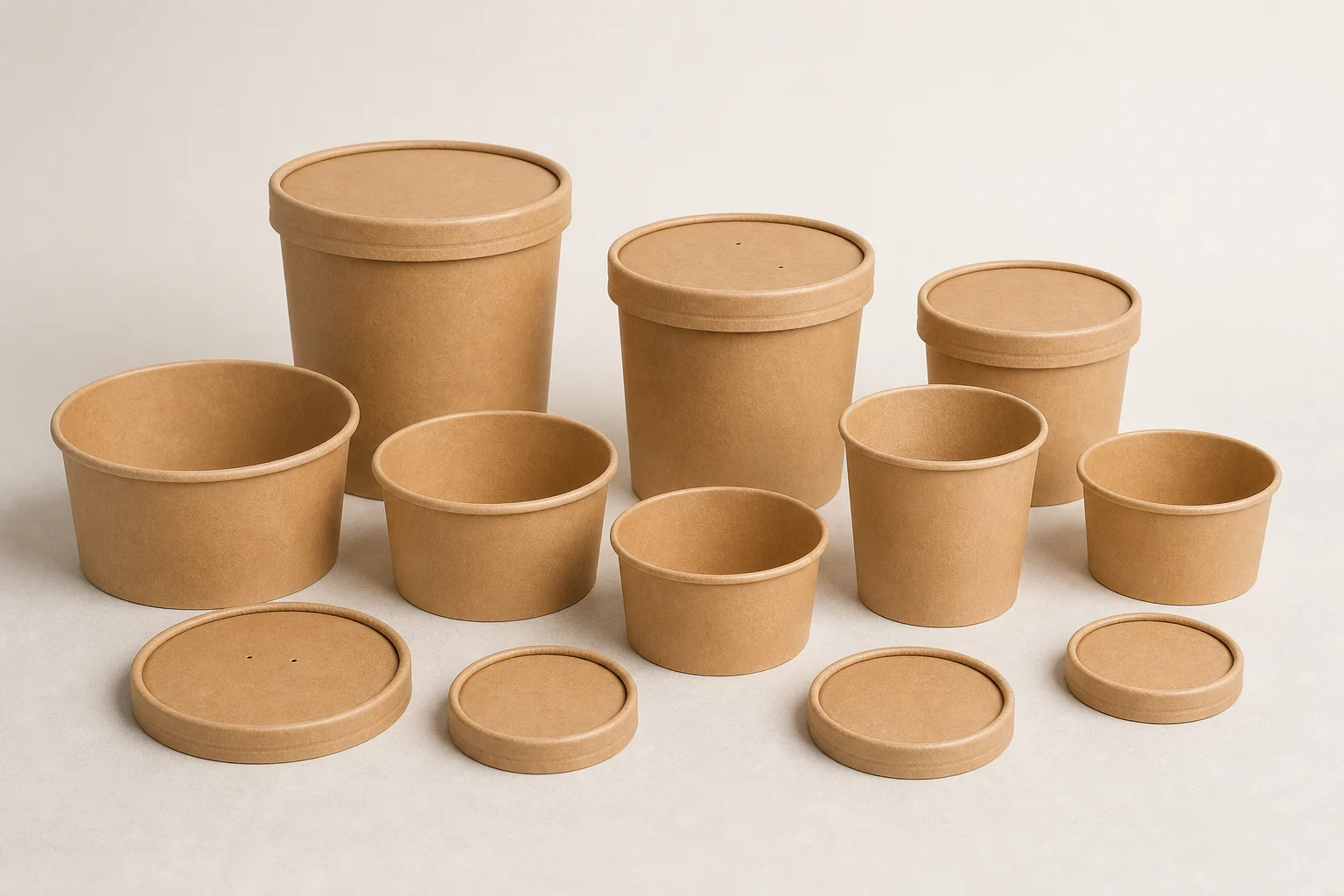
Noodle and rice takeaway menus create a distinct system-selection task. Orders may combine hot components, sauces or broth, secondary containers, and a delivery handoff. The buyer therefore needs to evaluate the container, lid, carryout bag and kitchen process together rather than selecting a vessel from a category name.
Start with the operating map. Record the menu components, portion architecture, filling sequence, closure sequence, dispatch setting and intended delivery routes. Note where the package sits before handoff and whether the business uses its own drivers, third-party delivery or customer pickup. These details are not performance claims; they are the conditions that make a supplier discussion and buyer trial meaningful.
Include the service team in the brief. A container that is easy to identify, fill, close and stage within a specific kitchen workflow can reduce avoidable variation. Record who will prepare the order, who will close it, who will receive customer feedback and who owns the product release decision. Those records matter when a trial must be repeated or a future reorder needs the same configuration.
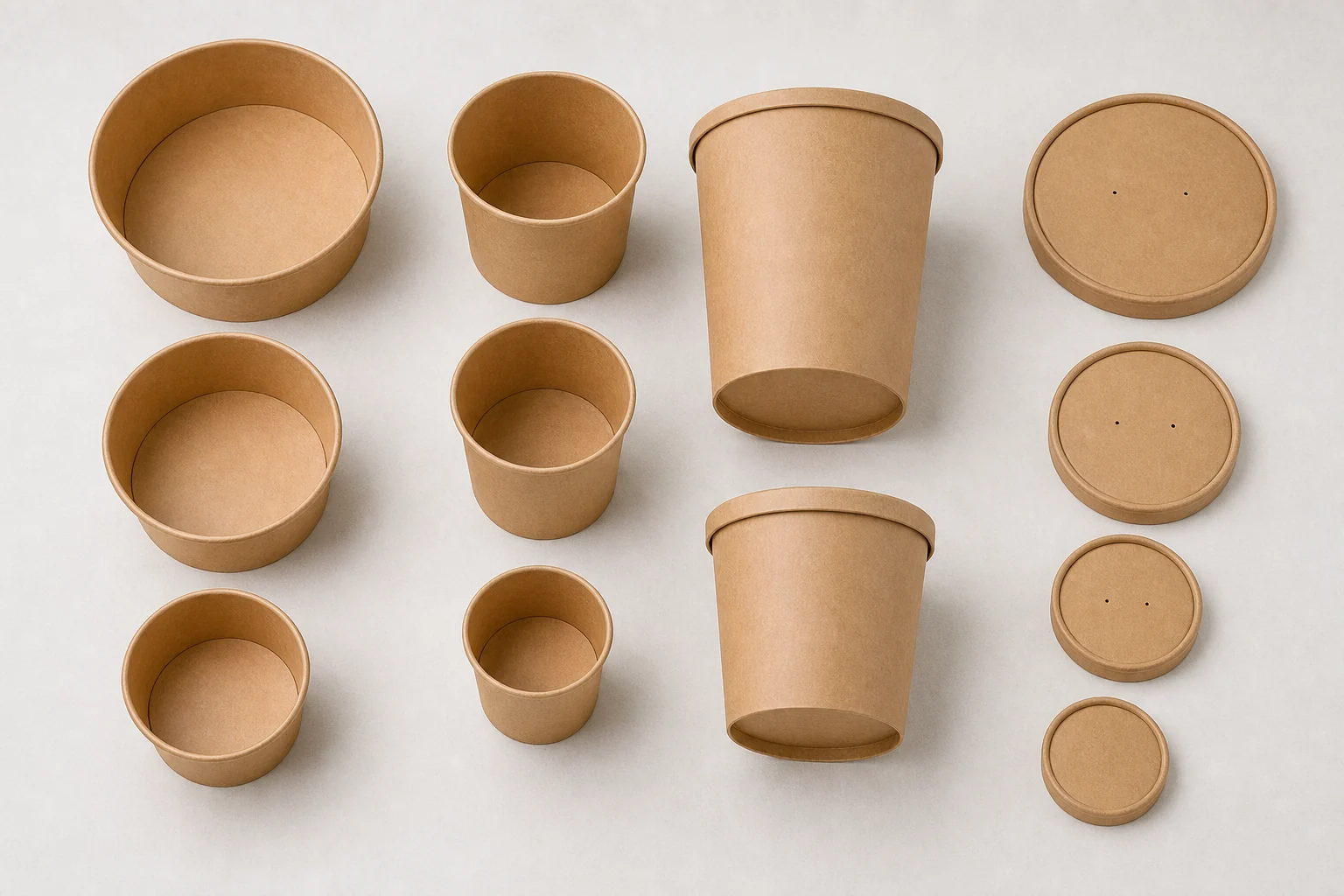
A useful takeaway system connects the primary container, the closure, the outer carryout component and the handling process. Buyers should avoid making a lid decision separately from a container decision. The relevant question is whether the exact paired items behave acceptably in the buyer’s representative operating conditions.
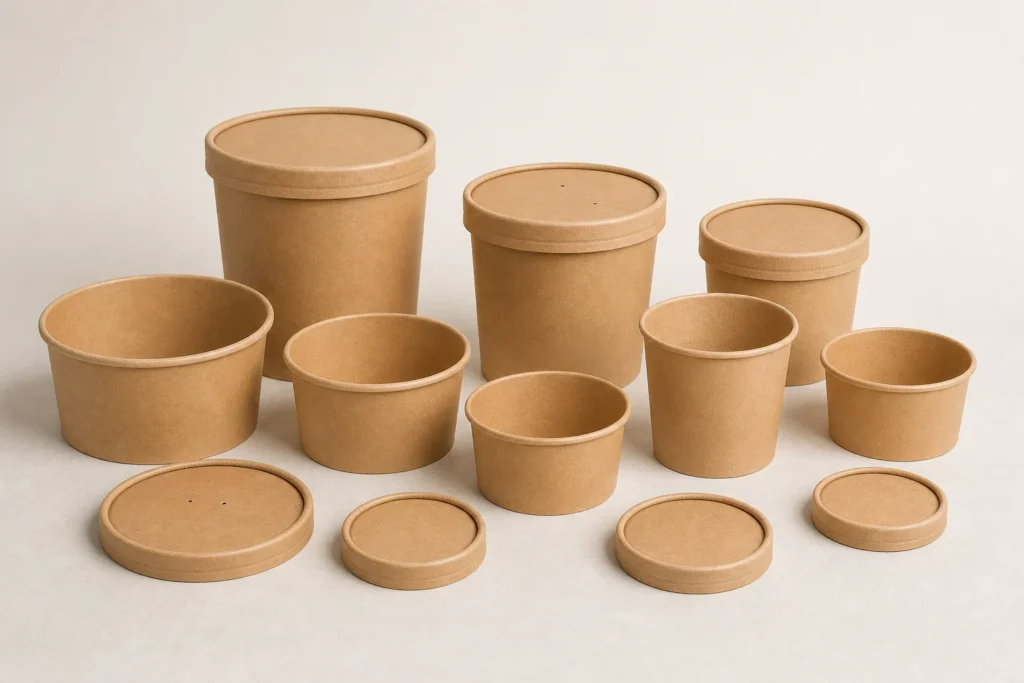
Paper food pails can be included in a project review where buyers need to assess a deeper container format. Бумажные миски Kraft offer another category to review where the menu and service workflow call for a different opening and presentation. Neither category description proves suitability for a particular dish, route or closure.
For liquid-forward menu components, buyers may also review paper soup cups as a separate product family. The supplier should confirm the exact SKU options, and the buyer should include them in the same representative trial process. This helps prevent an otherwise coordinated order from using components that have not been evaluated together.
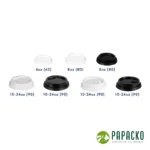
The closure belongs to the same review. Крышки для бумажных стаканчиков should be checked only with the exact intended container and the buyer’s own handling sequence. Engagement, handling, temperature change and transport behavior are variables for the buyer trial, not results that can be inferred from a product title.
Before asking for volume pricing, create a specification sheet for every candidate component. Record the supplier reference, current product description, lid pairing, artwork version where relevant, pack-out reference, storage instruction and decision status. This prevents a broad procurement request from becoming an undocumented substitution later.
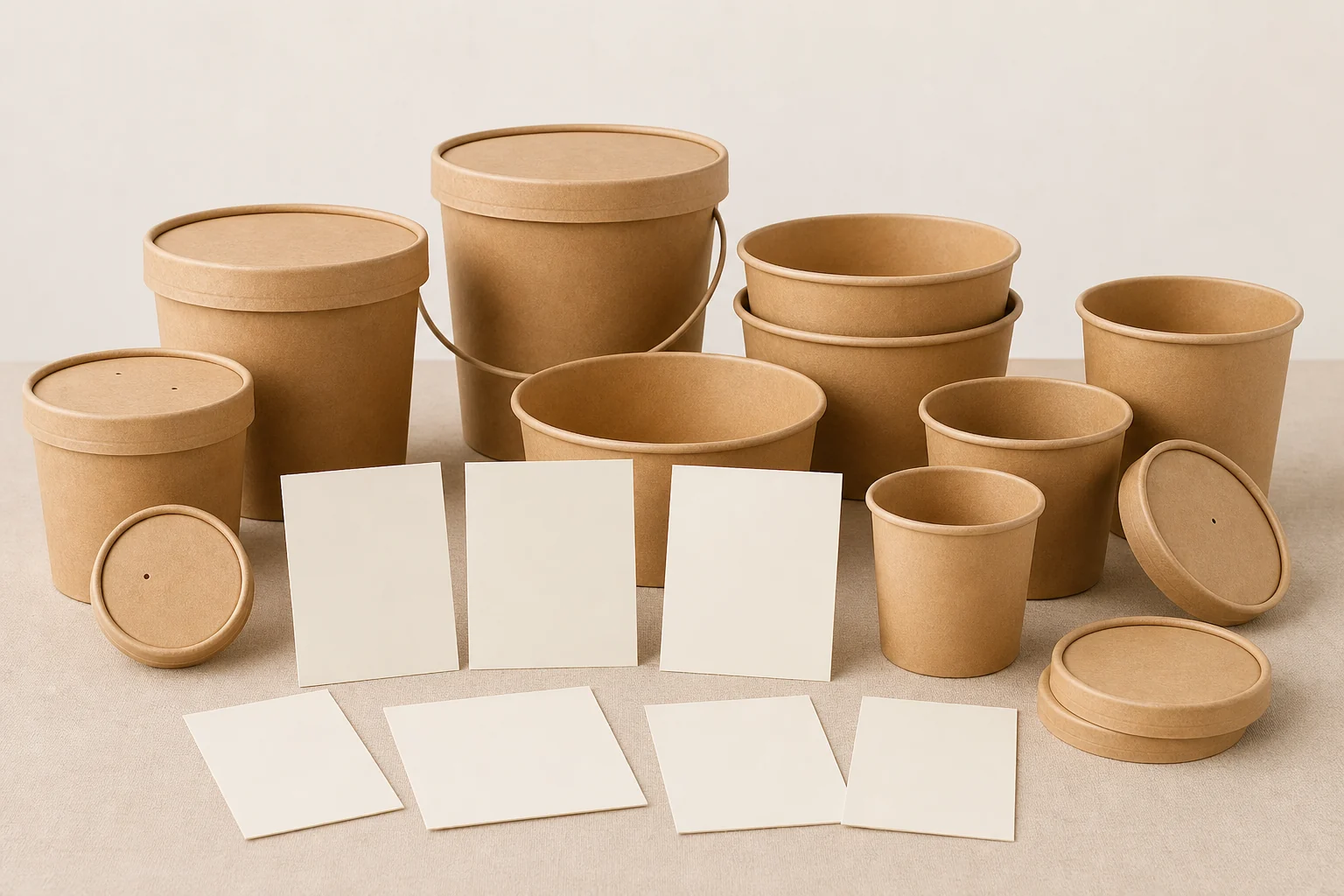
Buyers with a broader menu can use контейнеры для упаковки пищевых продуктов as a starting point for mapping related families. A consolidated review may show where separate items should be included in one trial, but it does not make those items interchangeable. Each SKU needs its own documentation and decision record.
Ask the supplier for the exact material and component information relevant to the intended use. Do not translate material names, coatings or product marketing terms into claims about leakage, heat, food contact, recycling or disposal. Those conclusions require applicable documentation and project-specific review.
The FDA’s food types and conditions of use guidance for food-contact substances helps explain why intended food type and conditions of use should be part of the brief. It is not product approval, certification or a compliance determination for any container or lid.
Steam and condensation are operational variables. They can be affected by recipe composition, filling sequence, closure timing, ambient conditions, dispatch practice and route. A generic specification cannot replace a trial using the buyer’s own menu and delivery process.
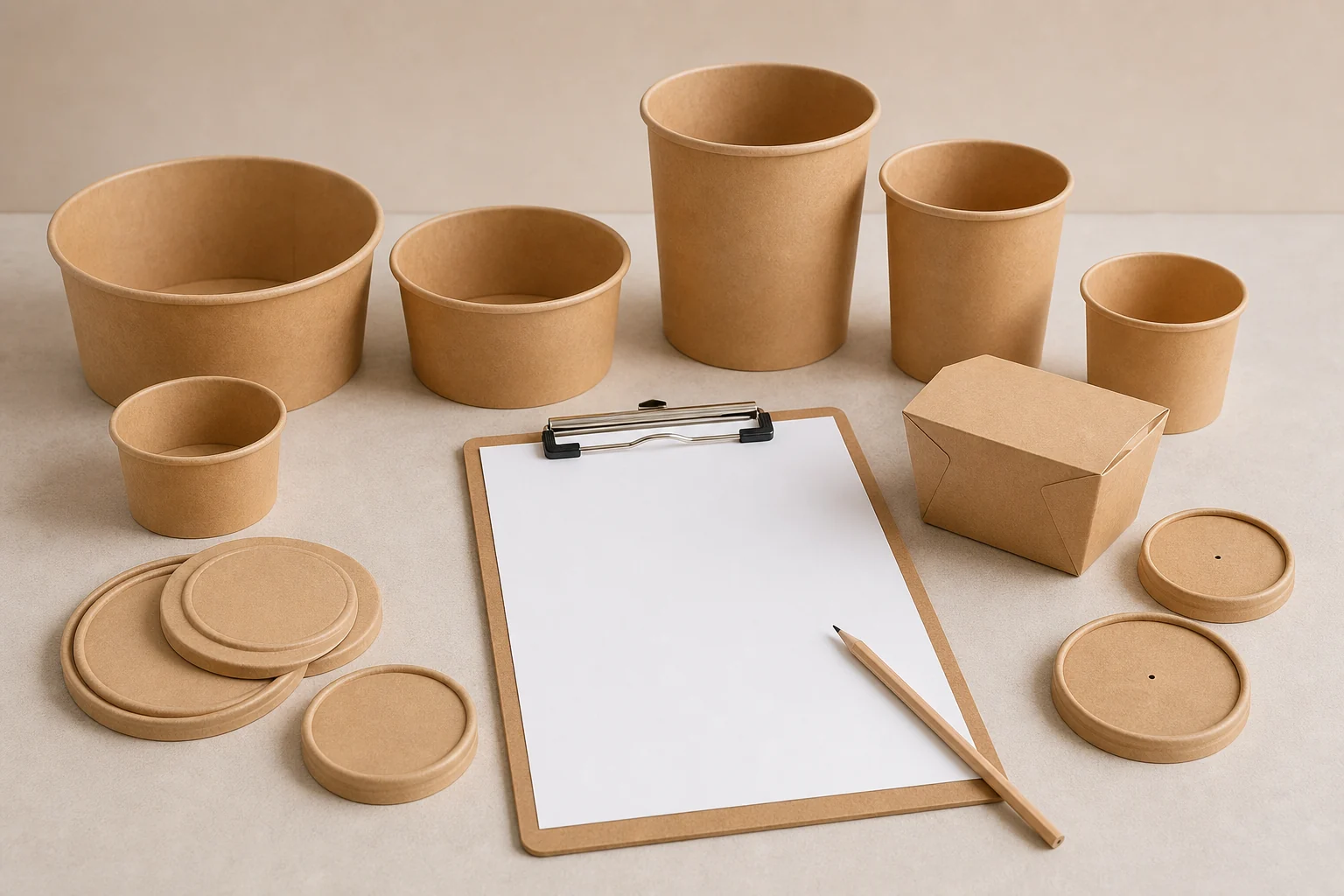
Write a simple trial protocol before beginning. It should identify the exact container and lid SKU, the representative recipe, the filling approach, the closure approach, the dispatch conditions, the route or pickup sequence, and the buyer’s criteria for evaluating the result. Keep photographs and notes associated with the correct test run instead of relying on staff memory.
Repeat the trial across meaningful operating conditions. Compare the selected component with the approved reference only after the business has decided which criteria matter for that menu. If a result is not acceptable, document the variable that will be changed and repeat the relevant checkpoint. Do not extrapolate a result from one recipe or route to the entire menu.
When a takeaway result disappoints, avoid immediately attributing it to the container. The outcome can originate in the packaging choice, but it can also be connected to fill sequence, closure practice, bag loading, holding time, delivery handling or a change in the recipe. A good investigation separates these variables rather than replacing components without a record.
One common problem is a mismatch between the component selected for the menu and the actual packing sequence. Another is treating a lid as interchangeable because it appears similar to a previously used part. A third is comparing a kitchen-side sample with a customer-side experience without recording the route and elapsed handling conditions. Each of these can turn a useful buyer trial into an ambiguous result.
Create a short issue record whenever the team sees a difference from the approved trial. Record the date, menu item, component SKU, lid reference, operator, closure sequence, holding context and route. Photograph the package only as a supporting record, not as a substitute for those operational notes. This makes supplier conversations more specific and allows the buyer to test one changed variable at a time.
If the menu includes separate sauces, toppings or side components, add them to the trial map. A system can appear acceptable with a simplified sample and behave differently once the full customer order is assembled. The relevant standard is not a generic claim about a material; it is the buyer’s documented result under the operation’s intended conditions.
At the end of a trial, assemble a compact decision file. It should identify the accepted container and lid pair, the menu conditions represented, the date of the test, the responsible reviewer, the rollout limits and any condition that would require a retest. The file should also identify the approved purchasing reference so that operations, purchasing and the supplier use the same vocabulary.
Use a controlled change rule. If a supplier reference, closure, recipe, portion architecture, dispatch route or destination market changes, review whether the prior trial still represents the new condition. Some changes may only need documentation; others may require a new representative trial. The decision should be explicit rather than left to informal assumptions.
The first delivered stock is also an opportunity to confirm that the received components match the records used in the trial. Retain one approved reference set where practical, label it clearly, and make it available to the receiving owner. This creates continuity between testing, ordering and daily service.
Once a buyer has a documented trial outcome, the rollout should preserve that decision through purchasing, receiving and service. The release record should link the approved SKU, closure pairing, supplier reference, pack-out information and any artwork version. The receiving team should be able to identify the intended stock without opening every carton.
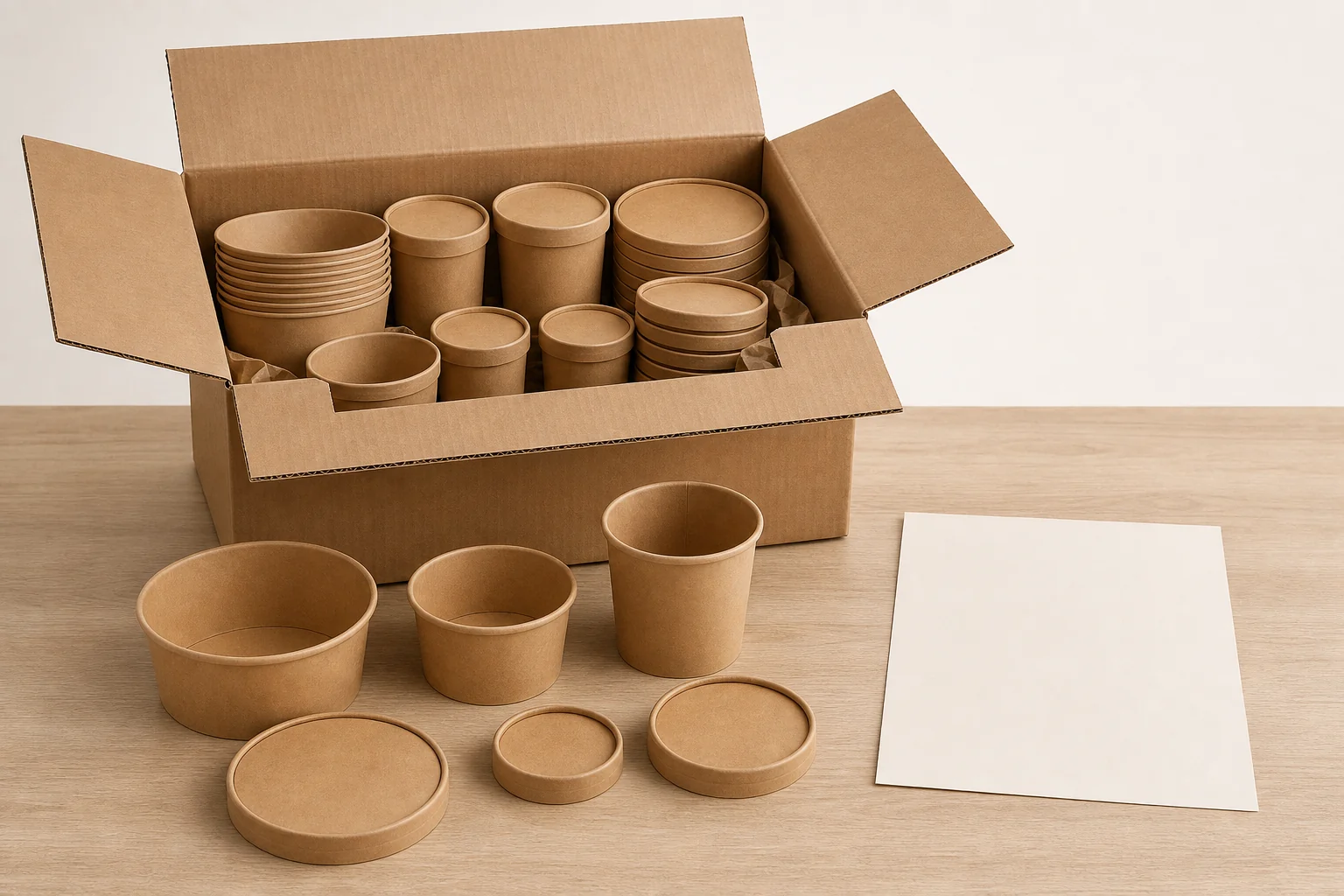
At receiving, compare delivery documents and carton markings with the approved purchase reference. Inspect a team-defined sample against the retained reference for controlled elements such as component identity, visible construction and artwork version. Document visible transit damage or other discrepancies and hold affected stock for supplier discussion before service use.
Store packaging according to the supplier’s instructions and keep distinct versions clearly identified. Train kitchen staff on the same filling and closure sequence used in the approved buyer trial. This does not guarantee an outcome; it helps the operation reproduce the specific conditions it evaluated.
For multi-location operations, provide each site with a short deployment sheet: component reference, approved pairing, storage instruction, receiving contact and discrepancy path. This creates a consistent escalation route when a location sees a difference from its retained reference.
This article supports category planning for noodle and rice takeaway packaging. It does not recommend a specific product, establish food-contact compliance or guarantee control of steam, condensation, leakage, temperature or customer experience.
Purchasing decisions should be based on exact-SKU supplier confirmation, representative buyer trials, applicable local requirements and the actual menu, route and destination. If any material, closure or operational condition changes, return to the relevant review and record the change.
Papacko can help B2B buyers organize a product-range conversation for noodle and rice takeaway programs. Bring the menu brief, representative components and delivery context so the discussion can focus on available options and the documentation needed for your project. Contact Papacko to begin the review.
Start with the actual menu, portion architecture, closure and service workflow. Review candidate formats with the exact ingredients and handling sequence rather than choosing from a category label alone.
No. Evaluate each lid only with the exact intended container SKU and in representative buyer trials.
Document the menu, SKU pairing, closure sequence and route, then assess the packaged order under the business’s own selected criteria. Repeat when meaningful conditions change.
Possibly, but it must be established through a menu-specific trial and exact-SKU documentation rather than assumption.
Compare carton and component references with the approved purchase record, inspect the team’s defined sample and record discrepancies before service use.
No. Confirm the exact product, intended conditions of use and applicable requirements with appropriate documentation and qualified parties.