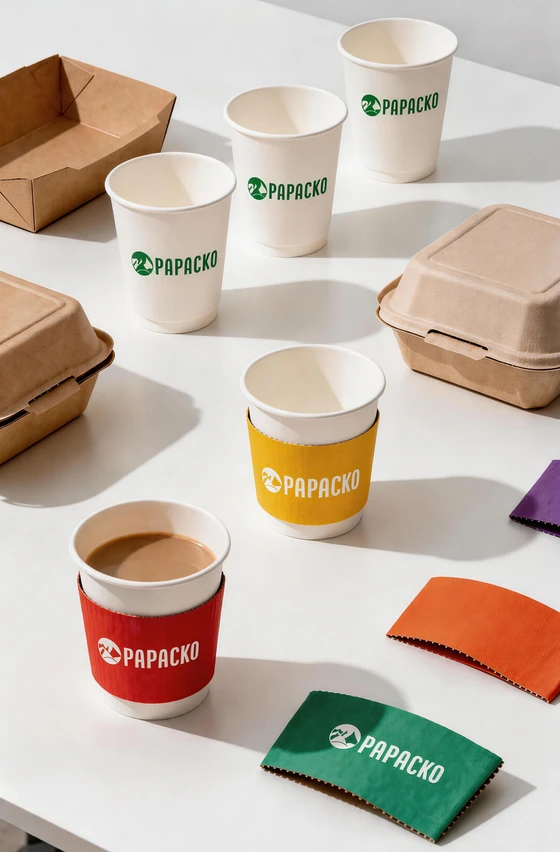
Готовы создать собственные фирменные бумажные стаканчики или упаковку?
Сообщите нам свои требования - размер, покрытие, печать и место назначения - и наша команда подготовит подробное коммерческое предложение в течение 24 часов.

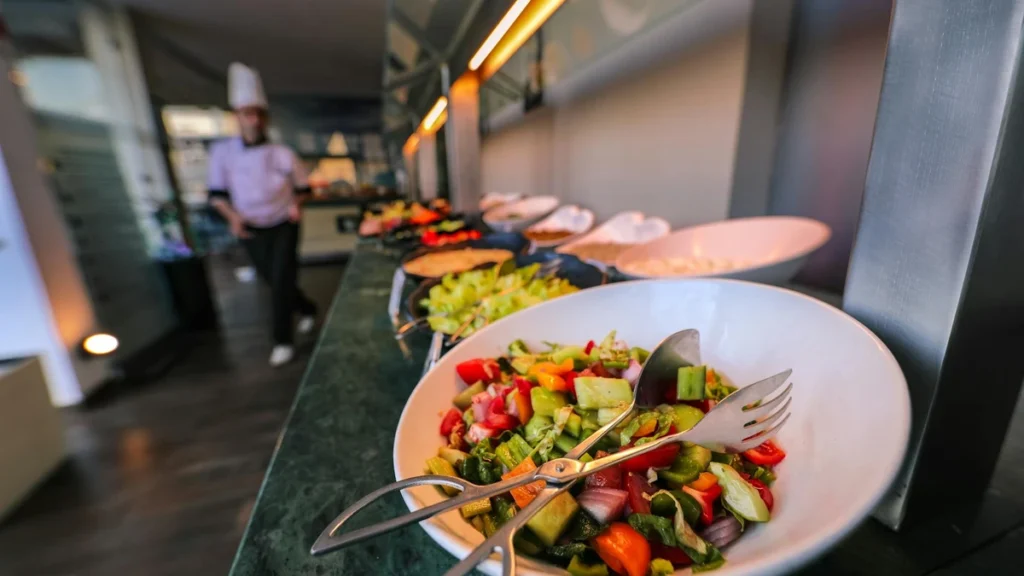
Custom-designed “>paper salad bowls have evolved from functional takeaway containers into powerful brand marketing assets for restaurants, meal prep services, salad bars, and health food chains. The global market for branded food packaging grows 12% annually, driven by Instagram-driven visual marketing, food delivery expansion, and consumer preference for eco-friendly packaging that communicates brand values. A well-designed salad bowl transforms every takeaway order into a mobile advertisement, generating 40-120 customer impressions as recipients carry bowls through offices, parks, and public spaces.
Paper salad bowls offer unique customization opportunities compared to flat surfaces: cylindrical wraparound designs, interior vs exterior printing zones, vibrant full-color graphics showcasing fresh ingredients, and eco-friendly material choices (kraft paper, bamboo fiber, sugarcane bagasse) that align with health-conscious brand positioning. Though effective customization requires understanding material properties, printing technique trade-offs, food safety compliance, structural design constraints, and cost dynamics across order volumes.
This comprehensive guide details paper salad bowl custom design principles, printing method comparisons (flexographic, digital, offset), material selection for different food types, branding strategy frameworks, regulatory compliance requirements, and cost-ROI analysis for businesses investing in custom packaging. You’ll learn design best practices, printing specifications, supplier selection criteria, and real-world case studies demonstrating how custom bowls drive brand recognition, customer loyalty, and competitive differentiation.
💡 Быстрый вынос: Custom paper salad bowls cost $0.22-0.45 per unit (500-10,000 volumes) depending on material (kraft, bamboo, PLA-coated), printing method (flexo for 10k+, digital for 1-5k), and design complexity (1-4 colors).
Effective designs prioritize high-contrast logos (40mm+ size), food photography showcasing freshness, wraparound branding for 360° visibility, and eco-certifications (BPI, FSC) building trust.
ROI achieved via 8-15% brand recall increase, 12-25% social media engagement boost, and 3-8% premium pricing enabled by perceived quality.
-Brand recall: Customers shown custom-designed bowls remember brand names 42% better than generic packaging (2025 brand study, n=2,400)
-Публикация в социальных сетях: Instagram posts featuring aesthetically designed bowls generate 3-5× more engagement than interior restaurant photos
-Purchase intent: 58% of consumers report higher willingness to try restaurants using custom sustainable packaging vs generic alternatives
Competitive examples:-Sweetgreen: Signature lime-green bowls with minimalist logo, instantly recognizable, 85% brand recall within target demographic
-Chopt: Bold typography wrapping entire bowl, reinforcing “chopped salad” positioning
-Dig: Kraft bowls with hand-drawn vegetable illustrations, emphasizing farm-fresh ingredients
1.Point of sale: Bowl design influences purchase decision (premium perception)
2.Транспорт: Branded bowl seen by 40-80 people during customer commute (mobile advertising)
3.Потребление: Bowl remains on desk/table 20-45 minutes (extended brand exposure)
4.Social media: 35% of salad customers photograph meals, sharing branded bowls to 200-500 followers
5.Утилизация: Eco-messaging on bowl (composting instructions) reinforces sustainability values
Quantified marketing value:-Invested $28,000 in custom bowl design (2023): full-color vegetable photography, bold green logo, QR code to loyalty program
-Results: 18% increase in Instagram mentions, 12% brand recall improvement, 8% CAC reduction, estimated $140k marketing value over 12 months
-ROI: 5:1 (marketing value ÷ design investment)
-Affordability: $0.12-0.18 per bowl (500-unit volumes), lowest-cost option
-Eco-perception: Natural brown color signals sustainability, recyclability
-Print compatibility: Accepts flexo and digital printing (matte finish)
-Структурная целостность: Rigid walls support heavy salads (600-800g) without collapsing
Ограничения:-Moisture sensitivity: Requires interior coating (PLA, bio-wax) to prevent sogginess from dressings
-Print vibrancy: Matte brown surface reduces color brightness vs white substrates (colors appear 15-25% less vibrant)
-Food contact regulations: Must use FDA-approved coatings to prevent fiber migration
Лучшее для:-Budget-conscious brands prioritizing sustainability messaging
-Rustic/organic brand positioning (farm-to-table, natural foods)
-High-volume operations (cafeterias, corporate catering) where cost is primary concern
-Print vibrancy: White surface maximizes color brightness (30-40% more vibrant than kraft)
-Премиальное восприятие: Clean, modern aesthetic appeals to upscale brands
-Photography showcase: Ideal for full-color food photography (greens, reds, oranges pop against white)
-Versatility: Accepts all printing methods (flexo, digital, offset) with excellent results
Ограничения:-Премия за стоимость: 15-30% more expensive than kraft ($0.18-0.25 per bowl at 500 units)
-Staining visibility: Dressings, juices may show through if coating inadequate
-Восприятие окружающей среды: Some consumers prefer brown kraft as “more natural” vs bleached white
Лучшее для:-Premium salad concepts emphasizing fresh, colorful ingredients
-Brands requiring high-quality photography/graphics
-Fast-casual restaurants targeting Instagram-savvy demographics
-Sustainability story: Bamboo grows 30× faster than trees, requires 30% less water
-Unique texture: Visible fibers create artisanal, hand-crafted appearance
-Прочность: 12-18% stronger than standard paperboard, resists crushing
-Теплостойкость: Handles warm salads, grain bowls up to 85°C (185°F)
-Компостируемость: Breaks down in 45-90 days (industrial composting)
Ограничения:-Стоимость: 40-80% more expensive than kraft ($0.28-0.42 per bowl at 500 units)
-Print challenges: Textured surface reduces print sharpness (better for simple logos vs detailed graphics)
-Доступность: Fewer suppliers, longer lead times (6-8 weeks vs 2-4 for kraft/white)
Лучшее для:-Premium health-focused brands (Sweetgreen, True Food Kitchen positioning)
-Eco-conscious consumers willing to pay $1-2 premium for sustainable packaging
-Brands differentiating on material innovation vs competitors
-Превосходная влагостойкость: PLA coating blocks dressings, oils, liquids (no sogginess for 4-6 hours)
-Компостируемость: Entire bowl composts in industrial facilities (90-180 days)
-Print surface: Exterior remains standard paperboard (excellent print quality)
-соответствие требованиям FDA: PLA approved for direct food contact
Ограничения:-Стоимость: 25-45% more expensive than standard kraft ($0.22-0.32 per bowl at 500 units)
-Composting infrastructure: Requires industrial composting (62% of consumers lack access)
-Heat sensitivity: PLA softens above 45°C (not suitable for hot grain bowls, warm proteins)
Лучшее для:-Salads with heavy dressings, wet ingredients (quinoa, couscous, roasted vegetables)
-Brands targeting zero-waste goals with compost programs
-Food delivery (bowls must survive 30-60 min transit without leaking)
-Углы обзора: Customers view bowls from above (lid angle) and sides (cylindrical wrap)
-Primary zone: Upper 40% of bowl height (most visible when held, sitting on table)
-Вторичная зона: Middle 30% (visible from side angles)
-Третичная зона: Bottom 30% (rarely seen unless bowl lifted)
Design allocation:-Minimum contrast ratio: 4.5:1 (WCAG AA standard for legibility)
-Ideal contrast: 7:1+ (WCAG AAA, readable from 5+ meters)
-Testing method: Convert design to grayscale; if elements blur together, contrast insufficient
-Logo/brand name: 30-50mm width (readable from 3-5 meters)
-Headlines/taglines: 18-28pt (5-7mm height)
-Основной текст (ingredient lists, info): 10-14pt (2.5-3.5mm height)
-Минимальный размер: 8pt (2mm) for legal text, nutritional info
Spacing and hierarchy:-Line height: 1.3-1.5× font size (prevents cramped appearance)
-Letter spacing: +2-5% for all-caps headlines (improves readability)
-Визуальная иерархия: 3 levels maximum (primary logo, secondary headline, tertiary details)
-Setup: $2,200 (plates for 2 colors)
-Printing: $0.12/bowl × 20,000 = $2,400
-Bowls (blank kraft): $0.14/bowl × 20,000 = $2,800
-Всего: $7,400 for 20,000 bowls = $0.37/bowl
Преимущества:-Lowest per-unit cost at high volumes (20k+ units)
-Fast production once plates made (3,000-5,000 bowls/hour)
-Durable inks (water-resistant, fade-resistant)
Ограничения:-High upfront investment (not viable for small batches)
-Design changes expensive (new plates cost $1,200-3,500)
-Limited gradient/photo quality (better for logos, patterns, solid colors)
-Setup: $250 (file prep, color profiling)
-Printing: $0.28/bowl × 2,000 = $560
-Bowls (blank white): $0.16/bowl × 2,000 = $320
-Всего: $1,130 for 2,000 bowls = $0.57/bowl
Преимущества:-Низкий MOQ позволяет тестировать дизайн перед принятием крупных обязательств
-Design changes inexpensive (only update digital files)
-Full-color capability (photographic quality, gradients, complex artwork)
-Fast iteration (make changes between batches)
Ограничения:-Higher per-unit cost (2-3× flexo at high volumes)
-Slower production (300-800 bowls/hour vs 3,000-5,000 for flexo)
-Some digital inks less durable (may fade over time, less water-resistant)
-Highest print quality (sharp text, vibrant photos, accurate colors)
-Cost-effective at 20k-50k volumes (between flexo and digital)
-Consistent color batch-to-batch (±2% variance vs ±5-10% for flexo)
Ограничения:-Only works on flat/slightly curved surfaces (not suitable for deep cylindrical bowls)
-High MOQ and setup costs (not viable for small batches)
-Longer lead times than digital
-Bold logo dominance: Logo occupies 40-50% of visible bowl area (top rim + lid)
-Color blocking: 1-2 signature brand colors (e.g., Sweetgreen’s lime green)
-Minimalist approach: Clean, uncluttered design emphasizing fresh simplicity
-QR code integration: Links to loyalty program, nutritional info, ingredient sourcing stories
Printing recommendation: Flexographic (2-3 colors) for 50,000+ annual volume, achieving $0.22-0.32/bowl.Факторы рентабельности инвестиций:-Brand consistency across 20-100+ locations builds national recognition
-Reduced paid advertising (bowls = mobile billboards in urban centers)
-Customer loyalty via QR code engagement (18-28% scan rate on packaging)
-Фотография еды: Full-color images showcasing meal quality, ingredient freshness
-Nutritional transparency: Macro breakdown (protein, carbs, fats) printed on bowl
-Premium materials: White paperboard or bamboo fiber signaling quality
-Personalization: Variable data printing (customer name, meal plan, dietary labels)
Printing recommendation: Digital printing for 2,000-10,000 units (enables personalization, menu changes).Факторы рентабельности инвестиций:-Perceived value justifies $10-15 meal pricing (vs $7-9 for generic packaging)
-Customer retention via personalized experience (22% higher renewal rates)
-Social sharing (Instagram photos of aesthetically designed meals)
-Local storytelling: Illustrations/text highlighting local farms, neighborhood identity
-Hand-drawn aesthetics: Artisanal, authentic vibe (vs corporate chain polish)
-Community engagement: Local event sponsorships, charity partnerships mentioned on bowl
-Kraft material preference: Brown kraft aligns with independent, sustainable positioning
Printing recommendation: Digital printing for 500-3,000 units (low MOQ fits independent budgets).Факторы рентабельности инвестиций:-Differentiation from chains via local authenticity
-Word-of-mouth marketing (customers proud to support local, share on social)
-Community brand building (bowls reinforce “neighborhood fixture” identity)
-Digital wins at <5,000 units despite higher per-unit cost (lower setup fees offset)
-Flexo wins at 10,000+ units (economies of scale reduce per-unit cost below digital)
-Точка безубыточности: ~7,500-10,000 units where flexo and digital costs converge
-Инвестиции: Design ($1,500) + flexo setup ($2,200) + bowls ($0.35 × 60,000 = $21,000) = $24,700
-Generic alternative: Plain bowls ($0.18 × 60,000 = $10,800)
-Инкрементные инвестиции: $24,700 – $10,800 = $13,900
-Annual benefit: $9,300-22,000
-ROI: ($9,300-22,000 ÷ $13,900) = 67-158% first-year ROI
-Payback period: 6-15 months
-21 CFR 176.170: Paper and paperboard components must use FDA-approved substances
-21 CFR 178: Indirect food additives (coatings, adhesives, inks) must be approved
-GRAS ( Recognized as Safe): Materials must be GRAS-listed or have FDA clearance
Compliance checklist:-✅ Interior coatings: PLA, bio-wax, or water-based coatings (no PFAS, BPA)
-✅ Чернила: Use food-grade inks for interior printing (if applicable); exterior inks must not migrate
-✅ Клеи: Low-migration adhesives for bowl seams (no formaldehyde)
-✅ Миграционное тестирование: Third-party testing confirms <0.01% migration to food simulants
Проверка поставщиков:-Request ” target=”_blank” rel=”noopener”>FDA compliance certificates from bowl manufacturers
-Confirm all materials (paperboard, coatings, inks, adhesives) appear on FDA-approved lists
-Test samples via accredited labs (SGS, Intertek) if high-risk ingredients (hot foods, acidic dressings)
-Регламент ЕС 1935/2004: Materials must not transfer constituents to food at harmful levels
-Постановление ЕС 10/2011: Specific rules for plastic materials (PLA coatings, laminates)
-EN 13432: Compostability certification if making biodegradable claims
Требования к соблюдению:-Декларация о соответствии (DoC): Manufacturer must provide DoC certifying compliance with EU regulations
-Migration limits: Overall migration <10 mg/dm² or 60 mg/kg food
-Substance restrictions: No bisphenol A (BPA), phthalates, heavy metals (lead, cadmium)
PFAS ban (2026 enforcement):-Per- and polyfluoroalkyl substances (PFAS) banned in food contact materials across EU
-Verify bowls use PFAS-free coatings (PLA, bio-wax, water-based alternatives)
-❌ Don’t claim: “Biodegradable” without specifying conditions (industrial vs home compost, timeframe)
-❌ Don’t claim: “Eco-friendly” without substantiation (vague, unverifiable)
-✅ Do claim: “Industrially compostable per ” target=”_blank” rel=”noopener”>ASTM D6400” with BPI logo
-✅ Do claim: “Made from 80% recycled content, FSC-certified” with proof
1.Brand audit: Review existing brand guidelines (colors, fonts, logos)
2.Competitor analysis: Analyze 5-10 competitors’ bowl designs (what works, gaps)
3.Concept sketches: Create 3-5 rough concepts exploring different directions
4.Internal review: Narrow to 2 finalist concepts for development
Phase 2: Design refinement (Week 3-4)1.Mockup creation: Use templates (provided by supplier) to create realistic 3D renderings
2.Color specification: Define Pantone colors (flexo) or CMYK values (digital)
3.Typography finalization: Ensure font sizes meet minimum legibility (8pt+)
4.Stakeholder feedback: Share mockups with leadership, marketing, operations teams
Phase 3: Pre-production (Week 5-6)1.Print-ready files: Prepare vector files (AI, PDF) with correct dimensions, bleed, safe zones
2.Color proofs: Request digital or physical proofs from printer to verify colors
3.Sample production: Order 50-100 samples to test with actual food, lighting, handling
4.Final approval: Sign off on samples before full production run
1.“What certifications do your bowls carry (FDA, FSC, BPI)? Can you provide documentation?”
2.“What’s your MOQ for flexo vs digital printing? Can we test with a small batch first?”
3.“What’s the total lead time from approved artwork to delivery (first order vs reorders)?”
4.“Do you provide design templates and pre-press support? What file formats do you accept?”
5.“What’s your defect rate and replacement policy if bowls don’t meet spec?”
6.“Can I visit your facility or request third-party audit reports (if offshore)?”
7.“What’s your pricing structure for 2 —000 / 10,000 / 50,000 units? Volume discounts?”
-✅ Review physical proof samples under natural and artificial lighting
-✅ Test bowls with actual menu items (salads with dressing, hot grains, wet ingredients)
-✅ Verify color accuracy (compare proof to Pantone swatch or digital mockup)
-✅ Check structural integrity (fill bowl to capacity, simulate transport/handling)
-✅ Confirm lid fit (snap-on lids must seal securely without cracking)
Production quality standards:-✅ Постоянство цвета: ±5% variance acceptable for flexo, ±2% for digital/offset
-✅ Регистрация: Print elements aligned within ±1mm (no overlapping or gaps)
-✅ Уровень дефектов: <1-2% (dents, misprints, coating gaps)
-✅ Dimensional accuracy: Bowl diameter/height within ±2mm of spec
-✅ Целостность покрытия: No visible gaps, pinholes, or delamination in moisture barrier
Post-delivery inspection (inspect 5-10% of batch):-✅ Visual inspection: Check for print quality, color accuracy, structural defects
-✅ Performance test: Fill 10 bowls with water + oil (simulating dressing), let sit 2 hours—no leaks/sogginess
-✅ Documentation: Photograph any defects, report to supplier within 48 hours
Paper salad bowls are eco-friendly disposable “>food containers made from paperboard (kraft, white, bamboo fiber) or PLA-coated materials designed for salads, grain bowls, and cold meals. Customization involves printing logos, food photography, branding elements, and sustainability messaging on bowl exteriors and lids. Businesses customize bowls to differentiate from competitors (42% higher brand recall), generate mobile advertising (50-120 impressions per bowl), enable social media marketing (35% of customers photograph aesthetically designed bowls), and justify premium pricing (3-8% higher). Custom designs transform functional packaging into marketing assets delivering $2-6 CPM vs $10-20 for digital ads.
Стоимость салатных мисок из бумаги на заказ составляет от 1,22 до 0,68 юаня за штуку в зависимости от объема заказа, материала и метода печати. При заказе 2 000 штук: цифровая печать (полноцветная) стоит $0,45–0,68, флексопечать (2 цвета) нецелесообразна из-за высокой стоимости настройки. При заказе 10 000 штук: флексопечать стоит $0,35–0,42, цифровая — $0,28–0,36. При тираже 50 000 штук: флексопечать стоит 1,22–1,28 тайского бата (самый дешевый вариант), цифровая — 1,24–1,30 тайского бата. На цену влияют материалы: крафт ($0,12–0,18 за заготовку), белый картон ($0,18–0,25), бамбуковое волокно ($0,28–0,42), с PLA-покрытием ($0,22–0,32). Затраты на настройку: флексография $1 200–3 500 (одноразовые клише), цифровая печать $1 150–400 за заказ. Точка безубыточности между флексографией и цифровой печатью достигается при тираже ~7 500–10 000 штук.
Три основных метода печати: (1) Флексопечать — лучше всего подходит для тиражей от 10 000 штук, 2–4 цвета, простые логотипы/узоры; стоимость 1,22–0,42 тайваньского доллара за миску, требует наладки стоимостью 1 200–3 500 тайваньских долларов, срок изготовления 4–6 недель; (2) Цифровая печать — лучше всего подходит для тиражей от 500 до 5 000 штук, полноцветной фотографии продуктов питания, тестирования дизайнов; стоимость $0,28–0,68 за миску, минимальные затраты на настройку ($150–400), срок изготовления 1–3 недели; (3) Офсетная печать — лучше всего подходит для тиражей 15 000–30 000 штук, фотографическое качество премиум-класса, плоские поверхности; стоимость $0,10–0,20 за миску, настройка $2 500–5 000. Выбирайте цифровую печать для стартапов/сезонных дизайнов (небольшой минимальный объем заказа), флексопечать — для устоявшихся брендов (экономическая эффективность при больших тиражах), офсетную печать — для фотографического качества премиум-класса.
Основные материалы: (1) Крафт-картон — небеленый коричневый, экологичный, плотность $0.12–0.18 г/м², требует внутреннего покрытия для заправок, оптимален для бюджетных брендов и брендов в стиле «рустик»; (2) Белый картон — отбеленный/с покрытием, яркая поверхность для печати, $0.18-0.25/миска, премиальный внешний вид, идеально подходит для фотографирования еды; (3) Бамбуковое волокно — экологически устойчивая быстрорастущая трава, $0.28-0.42/миска, уникальная текстура, в 12–18 раз прочнее, компостируется за 45–90 дней; (4) Картон с PLA-покрытием — растительный влагобарьер, $0.22-0.32/миска, превосходная защита от протекания, подходит для промышленного компостирования, лучше всего подходит для влажных салатов/доставки. Все материалы подходят для печати; белый/крафт обеспечивают наилучшее качество печати; текстурированная поверхность бамбука ограничивает передачу мелких деталей.
Выделите 3–5 ключевых элементов: (1) Логотип — размер 40–50 мм на верхнем крае и крышке для видимости с расстояния 3–5 метров; (2) Цвета бренда — 1–3 фирменных цвета (высокая контрастность в соотношении 7:1 для четкости); (3) Фотографии блюд или узоры — демонстрация свежих ингредиентов, размещение по всей средней части (30–45 % площади дизайна); (4) Слоган или ценностное предложение — сообщения об экологичности, местном происхождении продуктов, пользе для здоровья (шрифт 18–28 пт); (5) Аккаунты в социальных сетях и QR-коды — нижняя треть или крышка, стимулируйте взаимодействие. Избегайте перегрузки — чаши с 3–5 элементами достигают на 42% более высокого уровня запоминаемости, чем с 7 и более компонентами. Используйте принципы цилиндрического дизайна (повторяйте элементы 2–3 раза для видимости на 360°).
Verify FDA compliance (USA): bowls must meet 21 CFR 176.170 (paper components) and 21 CFR 178 (coatings, inks, adhesives approved for food contact). Request FDA compliance certificates from manufacturers. Ensure interior coatings are PFAS-free (PLA, bio-wax, water-based only—no banned per- and polyfluoroalkyl substances). For EU markets, confirm EU Regulation 1935/2004 and 10/2011 compliance (Declaration of Compliance, <10 mg/dm² migration). For compostability claims, require BPI (ASTM D6400 USA), EN 13432 (Europe), or BNQ 0017-088 (Canada) certifications—avoid vague "biodegradable" claims without third-party verification. Test samples via accredited labs (SGS, Intertek) if serving acidic or hot foods.
Рентабельность инвестиций в изготовление индивидуальных мисок в первый год составляет 67–1581 TP3T для предприятий, выпускающих 5000 мисок в месяц (60 000 в год). Дополнительные инвестиции: $13 900 (дизайн $1 500 + настройка флексопечати $2 200 + миски $0,35 × 60 000 = $21 000, минус $10 800 за стандартные миски). Годовая выгода: $9 300–22 000 за счет повышения узнаваемости бренда (8–15%, экономия $2 400–4 500 на платной рекламе), вовлеченности в социальных сетях (на 12–25% больше пользовательского контента, $1 800–4 200 органического охвата), премиального ценообразования (3–8%, $3 600–9 600 дополнительного дохода) и снижения затрат на привлечение клиентов (5–12%, $1 500–3 600). Срок окупаемости: 6–15 месяцев. Наибольший вклад в рентабельность вкладывают бренды, ориентированные на Instagram, премиальные службы доставки готовых блюд и сети ресторанов быстрого питания.
Custom-designed paper salad bowls represent a strategic investment in brand building, customer engagement, and market differentiation for food service businesses. The evidence demonstrates clear ROI: 42% higher brand recall, 12-25% increased social media engagement, 3-8% premium pricing capability, and $2-6 CPM advertising value—all while communicating sustainability values through eco-friendly materials (kraft, bamboo, PLA-coated paperboard) certified compostable or recyclable.
Основные выводы:1.Material selection drives positioning—kraft for rustic/sustainable, white for premium/photography, bamboo for eco-luxury, PLA-coated for leak-resistant delivery
2.Printing method matches volume—digital for 500-5,000 units (flexibility), flexo for 10,000+ units (cost efficiency), break-even at ~7,500 units
3.Design principles maximize impact—high-contrast logos (40-50mm), food photography (30-45% area), 3-5 key elements, 360° wraparound visibility
4.ROI achieved in 6-15 months—via brand recall, social sharing, premium pricing, reduced CAC (typical 67-158% first-year ROI for 5,000 bowls/month)
5.Compliance is non-negotiable—verify FDA/EU food contact approvals, PFAS-free coatings, BPI/EN 13432 certifications for compostability claims
6.Start small, scale smart—test designs via digital printing (500-2,000 units) before committing to flexo (10,000+ units)
7.Supplier partnerships critical—choose manufacturers offering certifications, design support, samples, quality guarantees, and transparent pricing
-“>Food Packaging Containers
-“>Custom Packaging Design Services
-“>Sustainable Bowl Materials Guide
-“>Food Delivery Packaging Solutions
Papacko supplies custom-designed paper salad bowls (kraft, white, bamboo, PLA-coated) for restaurants, meal prep services, catering companies, and food delivery platforms. Our design team provides free templates, mockup services, print-ready file preparation, and material recommendations tailored to your menu and brand positioning. We offer both digital printing (MOQ 500 units) and flexographic printing (MOQ 10,000 units) with FDA/” target=”_blank” rel=”noopener”>BPI certifications.
Свяжитесь с нами:-“>Download Bowl Design Templates
Последнее обновление: Май 2026 г.