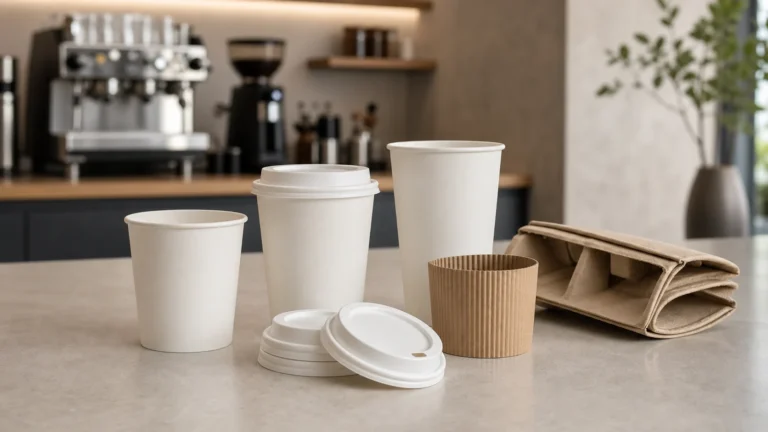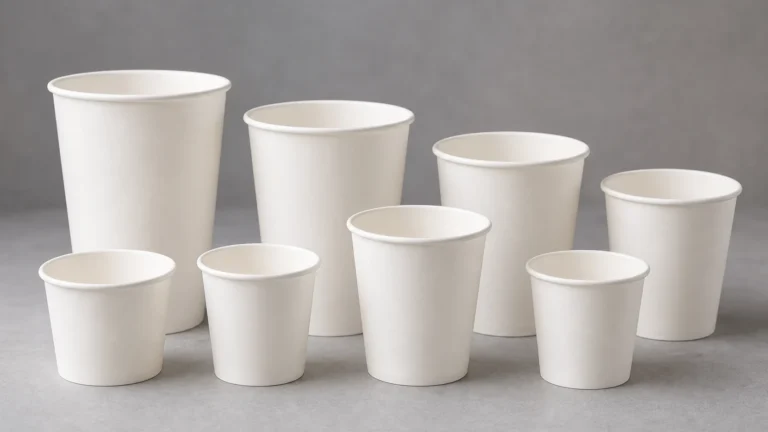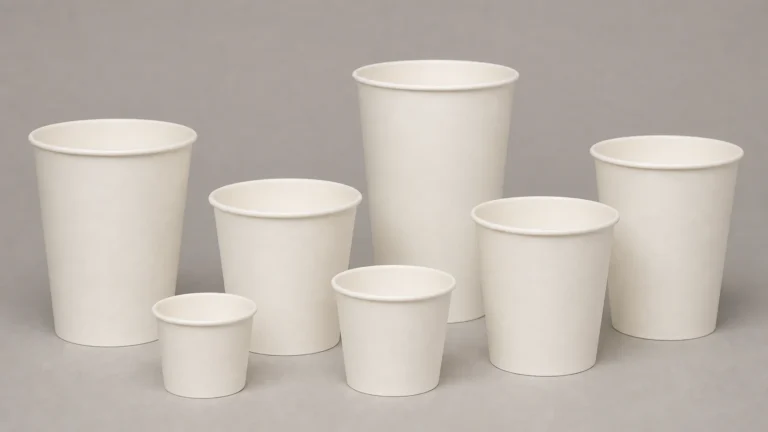
Готовы создать собственные фирменные бумажные стаканчики или упаковку?
Сообщите нам свои требования - размер, покрытие, печать и место назначения - и наша команда подготовит подробное коммерческое предложение в течение 24 часов.

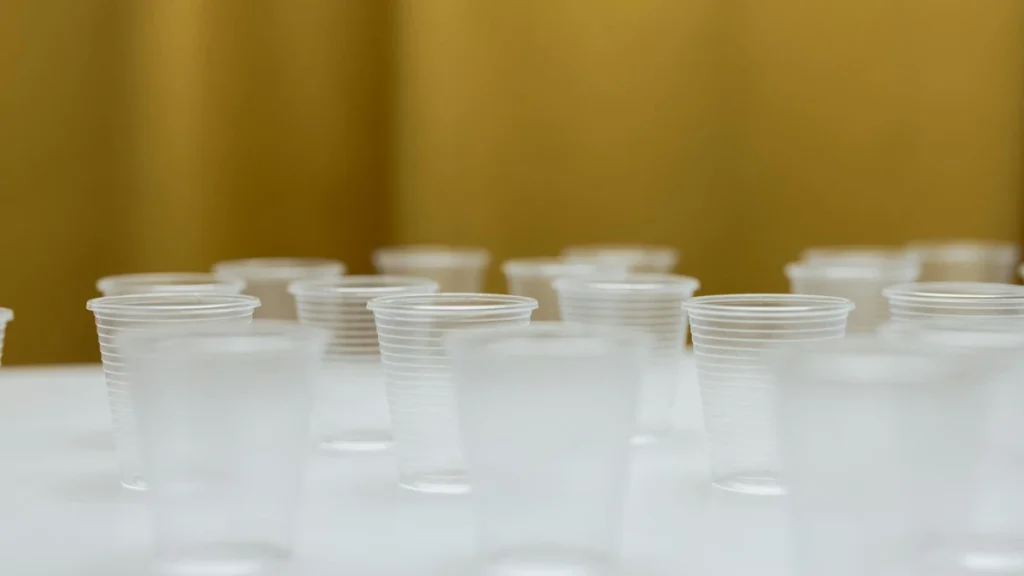
The global shift toward sustainable packaging has placed transparent drink cups under scrutiny. Restaurants, cafés, bubble tea shops, and juice bars face a critical material choice: traditional PET (polyethylene terephthalate) plastic cups or bio-based PLA (polylactic acid) alternatives. This decision impacts environmental footprint, customer perception, regulatory compliance, and bottom-line costs.
Transparent PLA cups have emerged as the top eco-friendly alternative to conventional PET plastics, offering comparable clarity and functionality while boasting compostability and renewable sourcing. The material comparison extends far beyond “plastic vs bioplastic”—encompassing heat resistance, barrier properties, production costs, end-of-life processing, and real-world performance across different beverage applications.
This comprehensive guide provides data-driven analysis comparing transparent PLA cups and PET cups across 12 critical performance dimensions. You’ll learn material composition differences, environmental lifecycle impacts, cost breakdowns for different order volumes, regulatory compliance requirements, and application-specific recommendations for cold beverages, smoothies, bubble tea, and juice service.
1.Fermentation: Corn or sugarcane starches ferment to produce lactic acid
2.Polymerization: Lactic acid molecules link into polylactic acid chains (molecular weight 50,000-200,000)
3.Pellet production: PLA resin forms into pellets for thermoforming or injection molding
4.Формование чашки: Heat-formed into transparent cups via thermoforming at 160-180°C
Key characteristics:-Renewable sourcing: 100% plant-based feedstock vs petroleum-based PET
-Биоразлагаемость: Breaks down into lactic acid → water + CO₂ under composting conditions
-Прозрачность: Crystal PLA achieves 88-92% light transmission (comparable to PET)
-Чувствительность к температуре: Glass transition temperature 55-60°C (lower than PET’s 70-80°C)
1.Polymerization: Ethylene glycol reacts with terephthalic acid at 260-280°C
2.Pellet production: PET resin forms into pellets
3.Sheet extrusion: PET resin is extruded into sheet for thermoforming.
4.Cup thermoforming: Heated PET sheet is formed into cups and trimmed.
Key characteristics:-На нефтяной основе: Non-renewable fossil fuel feedstock
-Non-biodegradable: PET is not designed for composting.
-Прозрачность: 90-93% light transmission (slightly higher than PLA)
-Теплостойкость: Use the finished cup’s rated conditions; standard clear PET cold cups are not a general-purpose choice for hot drinks.
-Возможность вторичной переработки: Widely recyclable (recycling code #1), 29% global recycling rate
-Week 1-2: Surface etching, 5-10% weight loss
-Week 4-6: Hydrolysis begins, polymer chains break down, 30-50% weight loss
-Week 8-12: Fragmentation into smaller pieces, 70-85% weight loss
-Week 16-24: Complete degradation into CO₂, water, and humus
Critical requirements:-Температура: 55-60°C minimum (industrial composting facilities)
-Влажность: 50-60% relative humidity
-Oxygen: Aerobic conditions for microbial activity
-Время: 90-180 days for complete breakdown
Компостирование в домашних условиях: PLA cups do NOT reliably compost in backyard bins (temperatures too low, 30-40°C typical). Only industrial/commercial composting facilities reach required 55-60°C.PET degradation: PET doesn’t biodegrade in any meaningful timeframe. Studies show:-Global infrastructure: Widely available (87% of US communities accept PET #1)
-Recycling rate: 29% globally, 45-55% in Europe, 20-25% in USA
-Процесс: Mechanical recycling (shredding, washing, re-melting) or chemical recycling
-Качество: Food-contact use of rPET depends on the recycling process, material purity and intended conditions of use.
-Загрязнение: PLA contamination in PET recycling streams causes quality issues
PLA recycling:-Global infrastructure: Limited (requires PLA-specific facilities separate from PET)
-Recycling rate: <5% globally (insufficient infrastructure)
-Процесс: Must separate from PET (similar appearance causes contamination issues)
-Качество: Recycled PLA viable but underdeveloped market
-Реальность: Most PLA cups currently end up in landfills despite being “compostable”
Разрыв в инфраструктуре: Only 12% of US commercial composting facilities accept PLA. In Europe, 25-30% of facilities accept bioplastics. Most consumers lack access to proper PLA disposal.-Raw material: PLA resin 30-50% more expensive than PET resin ($2.20-2.80/kg vs $1.50-2.00/kg)
-Production volume: PLA manufacturing less mature, smaller economies of scale
-Tooling: Similar tooling costs for thermoforming/molding
-Цепочка поставок: PET more established suppliers, competitive pricing
-PET status: Permitted but subject to EPR (Extended Producer Responsibility) fees
-PLA status: Bio-based and biodegradable plastics fall within the SUP Directive’s scope; EN 13432 certification does not create a general exemption.
Соединенные Штаты (state/local level):-Калифорния: Requires compostable foodware to meet ASTM D6400 or D6868 standards
-Нью-Йорк: Banned foam, encourages compostable alternatives
-Сиэтл: Single-use food-service items must be approved compostable for onsite use, and recyclable or compostable for takeaway; local acceptance and collection requirements apply.
Канада:-Federal: Canada’s Single-use Plastics Prohibition Regulations cover six specified product categories, including checkout bags and foodservice ware containing specified problematic plastics.
-PLA status: Compostability certification does not provide a blanket exemption from Canada’s Single-use Plastics Prohibition Regulations.
Азиатско-Тихоокеанский регион:-Япония: Promotes bio-based plastics, offers subsidies for PLA adoption
-Австралия: State-level bans on single-use plastics (South Australia, Queensland)
-US food contact: PET formulations must meet applicable requirements, including 21 CFR 177.1630 where relevant, for the intended use.
-EU food contact: Confirm the finished cup’s compliance documentation for its intended use under the applicable food-contact rules, including Regulation (EU) No 10/2011.
-Recycling codes: #1 PET widely recognized in recycling programs
1.Обслуживание с подачей холодных напитков within the finished cup’s specified temperature limits
2.Access to industrial composting (commercial compost pickup or municipal program)
3.Eco-conscious branding (target market values sustainability)
4.Соблюдение нормативных требований (operating in ban-heavy jurisdictions: EU, California, Seattle)
5.Non-carbonated drinks (juices, teas, coffee—not sodas)
Business types:-Specialty coffee shops emphasizing sustainability
-Juice bars with organic/health positioning
-Cafés in eco-conscious neighborhoods (college towns, progressive cities)
-Restaurants with zero-waste initiatives
-Event catering with compost infrastructure
Факторы рентабельности инвестиций:-Customer willingness to pay 3-8% premium for sustainable packaging
-Brand differentiation in competitive markets
-Marketing value of “100% compostable” messaging
1.A PET cup rated for the intended beverage and service conditions
2.Carbonated beverages (sodas, sparkling drinks requiring CO₂ retention)
3.Existing recycling infrastructure (customers have #1 PET recycling access)
4.Cost sensitivity (need lowest per-unit cost, 30-50% savings vs PLA)
5.No compost access (area lacks industrial composting, PLA would landfill anyway)
Business types:-Fast-food chains prioritizing cost efficiency
-Convenience stores selling carbonated fountain drinks
-Bubble tea shops needing maximum clarity for topping visibility
-Food trucks operating in areas without compost programs
-Businesses in regions with established PET recycling (high recycling rates)
Факторы рентабельности инвестиций:-Lower material costs (30-50% savings at volume)
-Established recycling infrastructure (29% global recycling rate vs <5% for PLA)
-Superior carbonation retention (critical for soda quality)
-Temperature tolerance: Match the cup to the beverage; one cold-cup type is not suitable for every drink
-Order 5,000 PLA cups + 5,000 PET cups
-Use PLA for iced coffee/tea, PET for smoothies/bubble tea
-Collect customer feedback via receipts (“How do you rate our eco-friendly cups?”)
-Measure disposal behavior (do customers use compost bins correctly?)
Этап 2 (Months 4-6): Optimize mix-Analyze Phase 1 data: customer preference, disposal accuracy, cost impact
-Adjust ratio based on findings (e.g., 70% PLA / 30% PET if mostly cold drinks)
-Negotiate bulk pricing based on projected annual volumes
-Train staff to follow each cup’s temperature rating and beverage-use instructions
Этап 3 (Months 7-12): Scale and refine-Place annual contract for optimal PLA/PET mix
-Implement clear labeling (cup sleeves indicating “Compost me!” or “Recycle me!”)
-Partner with waste hauler for compost pickup if not already available
-Market sustainability efforts via social media, in-store signage
-✅ Cold drinks (0-15°C) → PLA cups
-✅ Warm drinks → use a cup specifically rated for the serving temperature
-✅ Carbonated drinks → check the cup’s temperature rating and lid compatibility
-✅ Bubble tea with toppings → PET (better clarity)
-✅ All cups: verify customer has correct disposal bin (compost vs recycle)
Labeling system:-PLA cups: Green rim or “Compostable” stamp
-PET cups: Blue rim or “Recyclable #1” stamp
-Color-coded storage bins in back-of-house
-Point-of-sale reminder for baristas
❌ Myth #1: “PLA cups are always better for the environment” ✅ Реальность: Environmental performance depends on production, transport, cup design and actual disposal conditions. If your area has strong PET recycling but no compost, recycled PET may be more sustainable than landfilled PLA.
❌ Myth #2: “PLA cups can go in backyard compost bins” ✅ Реальность: Most home compost bins reach only 30-40°C, far below the 55-60°C required for PLA degradation. PLA needs industrial composting facilities. Telling customers to home-compost PLA causes contamination and disappointment.
❌ Myth #3: “PLA and PET cups look identical, so customers won’t care” ✅ Реальность: While visually similar (88-93% transparency), customer perception differs significantly. Studies show 68% of consumers view compostable packaging more favorably, willing to pay 3-8% premiums. Branding PLA cups as eco-friendly drives loyalty.
❌ Myth #4: “PLA cups cost 2-3× more than PET” ✅ Реальность: At volume (10,000+ units), PLA costs 30-50% more, not 2-3×. For a café serving 500 drinks/day, the difference is $10-15/day ($300-450/month)—sometimes offset by 1-2% price increases or absorbed as marketing expense.
❌ Myth #5: “PET is bad for health because it leaches chemicals” ✅ Реальность: PET food-contact suitability depends on the formulation and intended conditions of use; the material name alone does not guarantee zero migration or a safe temperature range. Concerns about BPA do not apply to PET (BPA is used in polycarbonate plastics, not PET). Food-contact compliance must be established for the finished PLA or PET cup and its intended use.
-Crystallized PLA: Increasing crystallinity can improve stiffness above the glass-transition temperature; finished-product heat resistance must be evaluated separately.
-Влияние на затраты: Heat-resistant PLA 15-25% more expensive than standard PLA
Improved barrier PLA:-PLA-PHA blends: Adding PHA (polyhydroxyalkanoates) reduces oxygen permeability 40-60%
-Nano-coatings: Silica or clay nanoparticles create oxygen barriers comparable to PET
-Приложение: Enables PLA use for carbonated beverages by 2027-2028
-Current state: 29% of PET cups contain recycled content
-2027 projection: 50-60% recycled content in food-grade PET cups
-Carbon impact: rPET reduces emissions 60-70% vs virgin PET (competitive with PLA)
Chemical recycling:-Процесс: Depolymerizing PET into monomers, re-polymerizing into virgin-quality resin
-Временная шкала: Commercial-scale chemical recycling facilities operational 2026-2030
-Воздействие: Could make PET fully circular, closing sustainability gap with PLA
1.Сертификация: “Do cups carry BPI (ASTM D6400) or EN 13432 certification?”
2.Clarity grade: “What’s the light transmission percentage?” (Target: 88%+)
3.Теплостойкость: “What’s the maximum safe beverage temperature?” (Check the rating for the actual cup and beverage)
4.Pricing tiers: “Provide quotes for 5k, 10k, 25k, 50k units” (assess volume discounts)
5.Сроки выполнения: “What’s production time for initial order vs reorders?” (4-6 weeks typical)
6.Minimum orders: “What’s MOQ for custom printing?” (10,000-50,000 common)
7.Пример политики: “Can I receive 50-100 samples before bulk order?” (Always test first)
Красные флажки:-⚠️ No compostability certification (BPI, EN 13432, OK Compost)
-⚠️ Vague “biodegradable” claims without specifying conditions/timeline
-⚠️ Refusing samples or charging excessive sample fees
1.Переработанное содержимое: “What percentage rPET?” (30-50% increasingly common)
2.соответствие требованиям FDA: “Is PET FDA-approved for food contact?” (Verify 21 CFR 177.1630)
3.Ясность: “Light transmission percentage?” (Target: 90%+)
4.Wall thickness: “Available options?” (0.3-0.7mm range for durability/cost balance)
5.Совместимость: “Which lid systems fit?” (Ensure lid availability)
6.Ценообразование по объему: “Quotes for 10k, 50k, 100k units” (PET scales better than PLA)
7.Настройка: “MOQ for printing/branding?”
Preferred attributes:-✅ Uses recycled PET (rPET) content 30%+
-✅ Provides recycling code #1 labeling
-✅ Offers multiple size options (12, 16, 20, 24 oz)
-✅ Clear pricing structure with volume discounts
-✅ Fast reorder turnaround (2-3 weeks)
Прозрачные стаканчики из PLA — это биоразлагаемые контейнеры для напитков, изготовленные из полимолочной кислоты растительного происхождения (получаемой из крахмала кукурузы, сахарного тростника или маниока), тогда как стаканчики из ПЭТ — это пластиковые контейнеры на нефтяной основе, изготовленные из полиэтилентерефталата. Стаканчики из PLA разлагаются в течение 3–6 месяцев в условиях промышленного компостирования (55–60 °C), тогда как ПЭТ сохраняется на свалках более 450 лет, но поддаётся широкой переработке. PLA обеспечивает на 60–70% меньший углеродный след, но стоит на 30–50% дороже и обычно используется для холодных напитков в пределах указанных для готового стаканчика ограничений. Пригодность стаканчиков из ПЭТ зависит от характеристик готового продукта; одних только данных о кислородном барьере недостаточно для обеспечения удержания углекислоты.
Стаканы из PLA на протяжении всего жизненного цикла выделяют на 58–65% меньше выбросов углерода, чем изделия из ПЭТ, и полностью разлагаются в условиях промышленного компостирования в течение 3–6 месяцев. Однако экологическое преимущество зависит от инфраструктуры утилизации: PLA, отправляемый на свалки (из-за отсутствия доступа к компостированию), даёт минимальную выгоду по сравнению с ПЭТ. Если в вашем регионе налажена эффективная система переработки ПЭТ (глобальный показатель — 29%), но количество компостирующих предприятий ограничено (доступ в США — 12%), переработанный ПЭТ может обеспечить сопоставимую экологическую эффективность. PLA превосходит ПЭТ с экологической точки зрения только при наличии надлежащей инфраструктуры промышленного компостирования и правильной утилизации стаканов.
Стандартные прозрачные стаканы из PLA для холодных напитков не следует использовать для горячих напитков. Стаканы из PLA могут размягчаться и деформироваться при использовании в условиях, выходящих за пределы номинальных параметров данного изделия. Это создает риск ожогов и может вызвать жалобы со стороны клиентов. Не следует считать, что стандартные прозрачные стаканы из ПЭТ для холодных напитков подходят для теплых или горячих напитков. Для горячего кофе и чая следует использовать бумажные стаканы с соответствующими номинальными параметрами, имеющие внутреннее покрытие из PLA или ПЭ.
Прозрачные стаканчики из PLA стоят на 30–50% дороже, чем стаканчики из ПЭТ, при сопоставимых объемах. При партии в 10 000 штук (размер 16 унций) стоимость PLA составляет $0,15–0,20 за стаканчик по сравнению с $0,11–0,15 для ПЭТ. При объеме 50 000 штук стоимость PLA составляет $0,12–0,16, тогда как для ПЭТ — $0,08–0,12. Эта надбавка обусловлена более высокой стоимостью сырья ($2,20–2,80 за кг для PLA-смолы против $1,50–2,00 за кг для ПЭТ) и менее развитыми масштабами производства. Для кафе, использующего 8 000 стаканов в месяц, годовая разница в затратах составляет примерно $2 500–3 500, или $0,027 на один напиток — что компенсируется лояльностью клиентов, обусловленной заботой об экологии.
PLA cups work adequately for bubble tea served cold (5-25°C) but PET offers 2-5% better clarity for showcasing toppings like tapioca pearls and fruit. For carbonated beverages, PET is strongly preferred due to superior CO₂ barrier properties. PLA’s oxygen permeability is 10-20× higher than PET, causing carbonated drinks to go flat within 2-4 hours vs 8-12 hours in PET. Choose PET for bubble tea requiring maximum visual appeal or any carbonated drinks. Use PLA for bubble tea only if prioritizing compostability over slight clarity differences and serving non-carbonated versions.
Для надлежащей утилизации стаканчиков из PLA по окончании срока службы требуется промышленное компостирование — они не подвергаются биологическому разложению в домашних компостных ящиках (недостаточная температура) или на свалках (анаэробные условия). Хотя PLA технически подлежит переработке, инфраструктура для переработки PLA крайне ограничена (<5% доступных мощностей по всему миру) и требует отделения от потоков переработки ПЭТ (смешивание PLA с ПЭТ приводит к загрязнению партий для переработки). Большинство муниципалитетов не принимают PLA в рамках уличной системы сбора вторсырья. Лишь 12% коммерческих компостирующих предприятий в США принимают стаканчики из PLA. Прежде чем выбрать PLA, убедитесь, что в вашем регионе доступно промышленное компостирование; в противном случае стаканчики окажутся на свалках, что сведет на нет экологические преимущества.
For transparent PLA cups, verify compostability certifications: BPI Certification (USA, ASTM D6400 standard), EN 13432 (Europe), BNQ ISO 17088 certification (Canada), AS 4736 (Australia), or OK Compost (TÜV Austria). Certification refers to defined test conditions and does not guarantee processing time or acceptance at a particular facility. Avoid cups with vague “biodegradable” or “eco-friendly” claims lacking third-party certification. For PET cups, request food-contact compliance documentation for the intended use (21 CFR 177.1630) and look for recycled content (rPET) percentages of 30-50%. The #1 code identifies PET; confirm that the local program accepts the specific cup.
The choice between transparent PLA cups and PET cups extends beyond simple “plastic vs bioplastic” categorization—requiring nuanced evaluation of beverage applications, disposal infrastructure, customer values, cost tolerance, and regulatory environment. Neither material is universally superior; each excels in specific contexts.
Основные выводы:1.PLA delivers 60-70% lower carbon footprint but only when properly composted—verify industrial composting access before committing
2.Choose PLA for cold beverages (iced coffee, juice, smoothies) served by sustainability-focused brands with compost infrastructure
3.Choose PET for carbonated drinks and bubble tea due to superior CO₂ retention and 2-5% better clarity for topping visibility
4.Hybrid approach optimizes performance and cost—use PLA for 60-70% of cold drinks, PET for compatible cold drinks (30-40%)
5.Future innovations closing gap—heat-resistant PLA (2027-2028) and chemical-recycled PET (2026-2030) will expand application ranges
6.Certification is critical—verify BPI/EN 13432 for PLA compostability, FDA approval for PET food contact safety
-Бумажные стаканчики
-Контейнеры для упаковки пищевых продуктов
-Устойчивые решения для упаковки