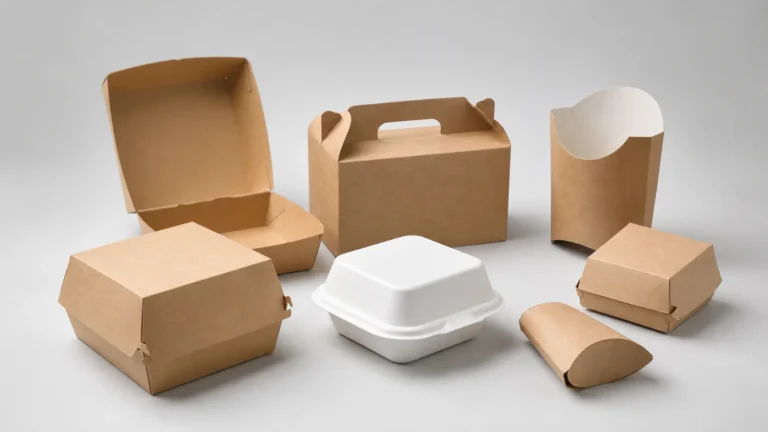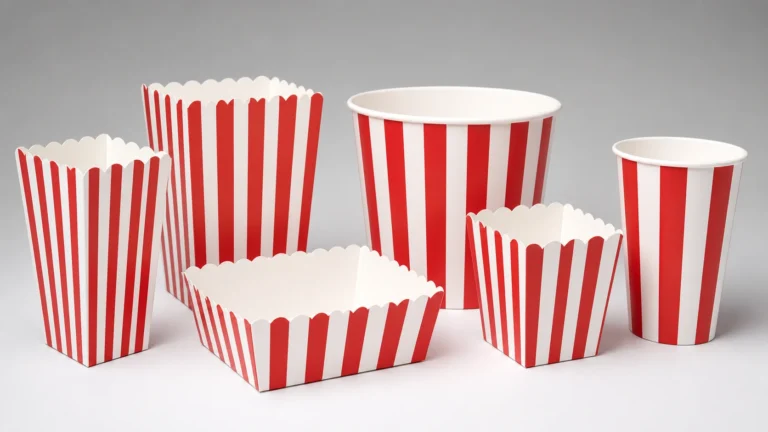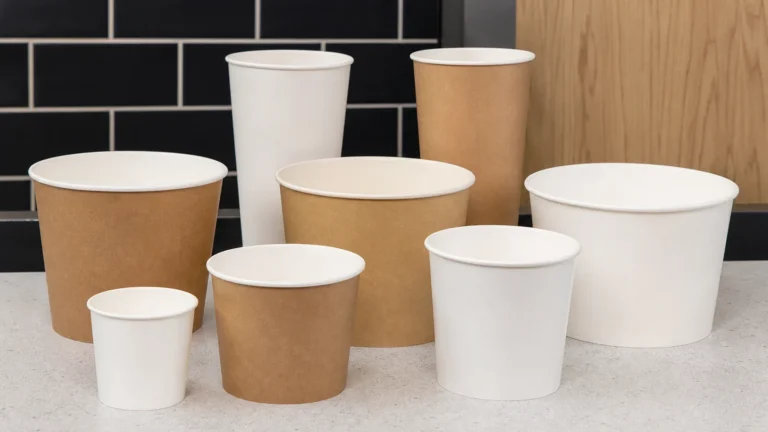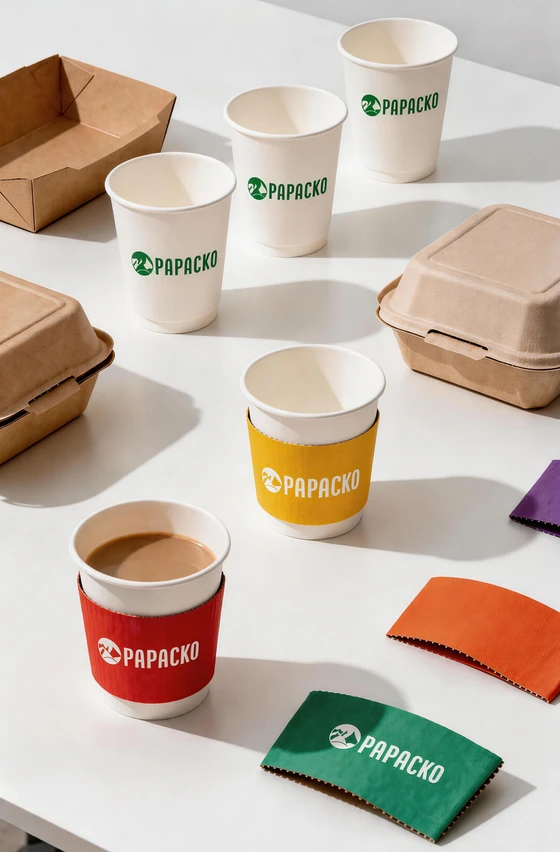
Готовы создать собственные фирменные бумажные стаканчики или упаковку?
Сообщите нам свои требования - размер, покрытие, печать и место назначения - и наша команда подготовит подробное коммерческое предложение в течение 24 часов.

Мировой рынок доставки супов и лапши ежегодно генерирует более 8 миллиардов одноразовых контейнеров, причем традиционные пластиковые и пенопластовые миски составляют 4,2 миллиона тонн отходов, не поддающихся переработке. Поскольку спрос потребителей на экологически безопасные...
The global soup and noodle delivery market generates over 8 billion single-use containers annually, with traditional plastic and foam bowls contributing 4.2 million tons of non-recyclable waste. As consumer demand for sustainable packaging intensifies—62% of food delivery customers actively seek eco-friendly options—restaurants and foodservice operators face mounting pressure to transition from conventional petroleum-based containers to sustainable paper bowl alternatives.
This comprehensive guide examines sustainable paper bowl solutions specifically designed for hot, liquid-heavy applications like soups, ramen, pho, curry, and noodle dishes. You’ll learn material composition comparisons across compostable coatings, structural engineering principles for leak resistance, temperature performance testing methodologies, cost analysis frameworks comparing paper vs plastic/foam, supplier certification requirements, and real-world case studies from Asian noodle restaurants, soup chains, and delivery-focused operations that successfully transitioned to sustainable bowl systems.
💡 Краткий вывод: Effective sustainable paper bowls balance structural integrity (leak-proof for 45-90 minutes, heat tolerance to 220°F), environmental credentials (BPI compostable, plastic-free coatings), cost structure (18-35% premium over foam, offset by customer retention and pricing power), and functional performance—with properly specified solutions delivering zero leakage failures while diverting 75-90% of container waste from landfills.
When evaluating suitable sustainable paper bowls, consider the following:
Conventional soup and noodle packaging creates significant waste challenges:
-Foam bowls (” target=”_blank” rel=”noopener”>polystyrene): Non-recyclable, persist 500+ years in landfills, banned in 100+ municipalities
-Plastic bowls (PP, PS): Recyclable in theory but contaminated with food residue, actual recycling rate <9%
-Wax-coated paper: Not compostable due to petroleum wax, landfill-only disposal
-Plastic-lined paperboard: Multi-material construction prevents recycling and composting
Market shifts: Legislative bans on foam foodservice containers now affect 23 US states and 140+ cities, forcing operational changes regardless of sustainability preferences. Proactive transitions avoid last-minute scrambles when bans take effect.🎯 Отраслевой обзор: Asian fast-casual chains (Sweetgreen, Dig, Just Salad) report that visible sustainability commitments—including compostable bowls—drive 15-22% higher customer loyalty among millennial and Gen Z demographics, translating to 12-18% increase in visit frequency over 12-month periods.
Understanding sustainable paper bowls requires attention to these factors:
Base material options:-Virgin paperboard: Cleanest appearance, consistent quality, highest strength per thickness
-Переработанное содержимое: Lower carbon footprint (30-40% reduction), slightly rougher texture
-Бамбук: Fastest renewable cycle (harvest in 3-5 years vs trees 15-25 years), premium branding appeal
-Багасса: Superior heat tolerance (up to 220°F), utilizes waste material (sustainability story)
Understanding the sustainable paper bowls requires attention to these factors:
Critical function: Coatings create moisture barrier preventing liquid penetration while maintaining compostability-✅ Excellent moisture barrier for broths, oils, sauces
-✅ FDA-approved for direct food contact
-❌ Softens at 185°F+ (unsuitable for very hot ramen at 190-200°F)
-✅ Crystal-clear appearance (premium visual appeal)
-Best for: Moderate-temperature soups (150-180°F), poke bowls, grain bowls
Водная оболочка:-✅ Superior heat tolerance (200°F+, handles boiling broths)
-✅ Excellent grease resistance for oil-based soups (tonkotsu ramen)
-✅ Renewable, water-based chemistry
-❌ Slightly less moisture barrier than PLA (adequate for 45-60 minute holding)
-Best for: Hot ramen, pho, curry, chili
Bio-wax coating:-✅ Natural aesthetic (matte finish appeals to eco-conscious consumers)
-✅ Good for moderate liquid volumes
-❌ Lower heat tolerance (softens at 180°F)
-❌ Less grease-resistant (struggles with oily broths)
-Best for: Warm soups, stews, lower-fat applications
Understanding suitable sustainable paper bowls requires attention to these factors:
Critical design elements:-16 oz bowl holding 450ml liquid: Base area must distribute 450g weight across 65-75 cm²
-Safety factor: Design for 1.5× stated capacity to prevent failure at max fill
-Temperature stress: Paper expands when hot—coating must remain flexible to prevent cracking
Основные моменты, которые следует учитывать:
Industry-standard tests:1. Static leak test (ASTM F2054):-Fill bowl to rated capacity with water at target temperature
-Observe for 60 minutes on absorbent paper
-Pass criteria: Zero moisture penetration through walls or base
2. Dynamic stress test:-Fill bowl to capacity, seal with lid
-Subject to vibration simulating 15-minute delivery transit
-Invert for 30 seconds
-Pass criteria: <1ml leakage, no structural failure
3. Temperature cycling:-Fill with 180°F liquid, hold for 30 minutes
-Cool to 120°F, reheat to 180°F
-Repeat 3 cycles
-Pass criteria: No coating delamination, zero leaks
Real-world performance benchmarks:-Premium sustainable bowls: <0.5% failure rate under normal use
-Mid-tier options: 1-2% failure rate (acceptable for most operations)
-Budget options: 3-5% failure rate (unacceptable—customer complaints, refunds)
Understanding sustainable paper bowls requires attention to these factors:
-185 °F: PLA coating softening point (risk of deformation, reduced barrier)
-200°F: Aqueous coating upper limit (maintains integrity)
-220°F: Bagasse substrate tolerance (superior to pure paperboard)
-250°F: Oven-safe threshold (not applicable to paper bowls—aluminum alternative required)
Understanding the sustainable paper bowls requires attention to these factors:
Single-wall vs double-wall construction:
When evaluating sustainable paper bowls, consider the following:
Per-unit pricing (16 oz bowl, 1,000-unit order):-5000 единиц: скидка 12-18%
-10,000 units: 20-28% discount
-50,000+ units: 30-38% discount
Сравнение годовых затрат (restaurant using 15,000 bowls/year):Understanding suitable sustainable paper bowls requires attention to these factors:
Beyond material costs:Disposal cost differences:-Foam/plastic waste: $95-150 per ton (landfill fees, in many jurisdictions)
-Compostable waste: $55-105 per ton (commercial composting processing)
-Annual savings potential (1,200 kg waste generated by 15,000 bowls): $50-80 reduction
Соблюдение нормативных требований:-Foam ban violation fines: $250-1,000 per incident (varies by jurisdiction)
-Transition costs avoided by proactive adoption vs reactive scramble
-Compliance documentation labor: Minimal with certified compostable products
Marketing and customer acquisition:-Sustainability positioning enables 8-12% price premium on delivery orders
-15,000 orders × $9 average × 10% premium = $13,500 additional annual revenue
-Customer retention: 15-20% higher loyalty among eco-conscious segment (20-35% of customer base)
ROI calculation example:-Incremental material cost: +$1,800/year (PLA bowls vs foam)
-Price premium revenue: +$13,500/year (10% premium on 15,000 orders)
-Disposal savings: +$65/year
-Customer retention value: +$5,400/year (estimated 6 additional retained customers × $900 LTV)
-Net annual benefit: $17,165
-ROI: 854% on $1,800 investment
Основные моменты, которые следует учитывать:
Вызов: Traditional foam bowls non-compliant with municipal ban, needed sustainable alternative handling 195°F tonkotsu broth without leakage or structural failure.Solution implemented:-24 oz bagasse bowl with aqueous coating (220°F heat tolerance)
-Double-wall construction for hand comfort during delivery
-Snap-fit fiber-based lid (maintains temperature, prevents spills)
Результаты:-Zero leakage incidents in 6-month pilot (12,000 bowls served)
-Heat retention: Broth maintained 155°F+ for 35-minute average delivery
-Customer feedback: 92% positive responses to sustainability initiative
-Cost impact: +$0.16/bowl ($0.28 sustainable vs $0.12 foam)
-Price adjustment: +$0.50/bowl (3.5% increase on $14 ramen)
-Net margin improvement: +$0.34/bowl despite higher material cost
Основные выводы: Premium aqueous coating essential for very hot broths—PLA prototypes failed at 195°F serving temperature. Double-wall construction justified cost through elimination of separate sleeve requirement.The key to choosing quality sustainable paper bowls depends on:
Вызов: Budget constraints limited sustainable bowl adoption, needed cost-effective option for moderate-temperature soups (160-175°F).Solution implemented:-16 oz single-wall paper bowl with PLA coating (185°F tolerance)
-Branded corrugated sleeve for thermal comfort (cheaper than double-wall)
-Standard fiber lid
Результаты:-Adequate performance for soup applications below 180°F
-Leakage rate: 1.8% (primarily user error—overfilling beyond capacity line)
-Cost impact: +$0.09/bowl ($0.23 sustainable vs $0.14 foam)
-No price increase (absorbed cost, marketed as value-add)
-Customer acquisition: 18% of new customers cited sustainability in post-purchase survey
Основные выводы: Single-wall + sleeve strategy reduces costs 25-35% vs double-wall while providing adequate performance for moderate-temperature applications. Clear capacity line marking reduces overfill-related leakage.
Основные моменты, которые следует учитывать:
Вызов: Cold application (45-55°F) required excellent moisture barrier for liquid poke marinades and sauces, premium presentation for Instagram appeal.Solution implemented:-20 oz round paper bowl with crystal-clear PLA coating
-Hinged fiber lid (maintains bowl visibility, secure closure)
-Custom printing (full-color branding)
Результаты:-Superior moisture barrier for cold, high-liquid applications
-Visual appeal drives social media sharing (42% of customers photographed bowls)
-Zero leakage issues in 8,000-bowl test period
-Cost impact: +$0.18/bowl ($0.32 premium sustainable vs $0.14 plastic)
-Price premium: +$1.50/bowl justified by premium positioning
-Net margin gain: +$1.32/bowl
Основные выводы: PLA excels in cold applications (no heat tolerance concerns), clear coating showcases colorful ingredients, and premium presentation justifies significant price premiums in delivery-focused, social-media-active segment.Understanding the sustainable paper bowls requires attention to these factors:
-“Biodegradable” claims without BPI or equivalent certification (greenwashing)
-Unable to provide ” target=”_blank” rel=”noopener”>FDA compliance documentation
-Vague material descriptions (“eco-coating” without specific chemistry)
-Certificates that can’t be verified on issuing organization’s website
For durable sustainable paper bowls, focus on:
Testing before commitment:Performance testing protocol (conduct before large orders):1. Испытание на герметичность: Fill 10 bowls with soup at target temperature, hold 60 minutes, inspect for leaks
2. Structural test: Fill 5 bowls, stack 3 high, hold 30 minutes (simulates storage/transport)
3. Temperature test: Fill with 195°F liquid, hold 45 minutes, verify no coating failure
4. Lid fit test: Pair bowls with lids, invert filled bowls, shake gently for spillage check
5. Microwave test (if applicable): Heat for 90 seconds — verify no coating delamination
Documentation requests:-Certification copies with verification numbers
-Паспорта безопасности материалов (MSDS)
-Third-party lab test reports (PFAS testing, compostability validation)
-Quality control procedures and acceptable defect rates
Supplier reliability indicators:-Willingness to provide samples (100-200 units for comprehensive testing)
-Transparent about coating chemistry and material composition
-Published sustainability reports or lifecycle assessments
-Customer references from foodservice operations (not just distributors)
❌ Challenge #1: PLA-coated bowls deform when filled with very hot ramen or pho (190-200°F), causing customer complaints and leakage ✅ Решение: Specify aqueous-coated or PFA-coated bowls for applications exceeding 185°F. Test at actual serving temperatures (not assumed temps)—many operations serve soups hotter than realized. If PLA required for other reasons (clarity, cost), reduce serving temperature to 175-180°F (still hot enough for enjoyment, within PLA tolerance). Temperature guns ($15-25) enable staff verification before serving.
❌ Challenge #2: Compostable bowls sent to landfill due to lack of commercial composting partnerships, negating environmental benefits ✅ Решение: Establish composting infrastructure before transitioning to compostable bowls. Partner with commercial composting facilities accepting post-consumer foodservice waste (search via FindAComposter.com, contact municipal waste management). For areas without access, consider recyclable alternatives (aluminum foil containers, uncoated paperboard for dry applications) or participate in mail-back composting programs (TerraCycle, Compost Now) for small volumes. Compostables in landfills waste investment.
❌ Challenge #3: Higher bowl costs erode margins when customers resist price increases for sustainability ✅ Решение: Implement tiered approach—offer standard option (affordable, compliant) and premium option (superior sustainability, +10-15% price). 45-60% of customers choose premium when framed as choice. Market sustainability transparently: menu boards, website, social media highlighting certifications and environmental impact. Quantify value: “Your order diverted 0.2 lbs of plastic from landfills.” Generate earned media through sustainability announcements (local press, food bloggers). Premium positioning justifies costs without forcing increases on price-sensitive segment.
❌ Challenge #4: Inconsistent bowl quality between batches causes variable leakage rates and customer complaints ✅ Решение: Establish supplier quality agreements specifying acceptable defect rates (<1% leakage failures), require batch testing documentation, and conduct receiving inspections (sample 20 bowls per delivery, perform quick leak tests). Build relationships with 2-3 certified suppliers to enable quick switching if quality degrades. Premium suppliers cost 15-20% more but deliver consistent quality—cheaper than managing complaints — refunds, and reputation damage from failed containers.
Основные моменты, которые следует учитывать:
Phase 1: Assessment and Testing (Weeks 1-4)-Audit current bowl usage (sizes, volumes, temperatures)
-Identify sustainable alternatives from certified suppliers
-Order samples (200-500 units) from 3-5 suppliers
-Conduct performance testing with actual menu items
-Calculate cost differentials and ROI projections
Phase 2: Pilot Program (Weeks 5-10)-Implement sustainable bowls for 25-40% of orders (select subset of menu items)
-Train staff on proper filling (respect capacity lines), storage (moisture-free environment), and handling
-Collect customer feedback (surveys, social media monitoring)
-Track performance metrics (leakage rates, complaints, temperature retention)
-Refine supplier selection based on real-world performance
Phase 3: Full Rollout (Weeks 11-16)-Transition remaining menu items to sustainable bowls
-Update pricing (if applicable) with clear communication of sustainability value
-Launch marketing campaign highlighting environmental commitment
-Establish waste management protocols (composting partnerships, staff training)
-Monitor ongoing performance and customer satisfaction
For durable sustainable paper bowls, focus on:
Key training elements:-Capacity limits: Fill to designated line only (overfilling causes leaks)
-Temperature awareness: Verify soup temperature appropriate for bowl coating (temp gun use)
-Proper lid sealing: Ensure full perimeter contact, audible snap for snap-fit lids
-Storage protocols: Keep bowls in dry environment (humidity degrades paper), use FIFO rotation
-Sustainability messaging: Equip staff to answer customer questions about materials, disposal, certifications
Sustainable paper bowls represent a viable — high-performance alternative to conventional plastic and foam containers for soup and noodle applications. When properly specified—matching coating technology to application temperature, ensuring adequate structural design for liquid loads, and establishing proper composting infrastructure—sustainable bowls deliver zero-leakage performance while diverting 75-90% of container waste from landfills.
Основные выводы:1. Match coating to temperature—aqueous/PFA for very hot applications (190-200°F ramen), PLA for moderate temps (165-185°F soups), test at actual serving temperatures
2. Invest in proper structural design—18-24 point thickness, reinforced base, quality seam construction prevent leakage failures (<0.5% rate achievable)
3. Calculate total cost of ownership—18-35% material premium offset by price premiums (8-12%), customer retention (15-20% higher loyalty), and disposal savings (30-40%)
4. Проверить сертификаты—only trust BPI, EN 13432, or equivalent third-party compostability certifications; avoid vague “biodegradable” claims
5. Establish composting infrastructure first—compostable bowls in landfills waste investment; secure commercial composting partnerships before transitioning
-“>Food Packaging Containers
-“>Решения в области экологичной упаковки»
-“>Compostable Product Guide
Papacko supplies foodservice operations with certified compostable paper bowls engineered for demanding soup and noodle applications—including aqueous-coated options for 200°F+ temperatures, PLA-coated bowls for versatile use, and bagasse bowls combining sustainability with superior heat performance. Our technical team provides application-specific recommendations, performance testing support, and composting infrastructure guidance—ensuring your transition to sustainable bowls delivers both environmental impact and operational reliability.
Свяжитесь с нами: