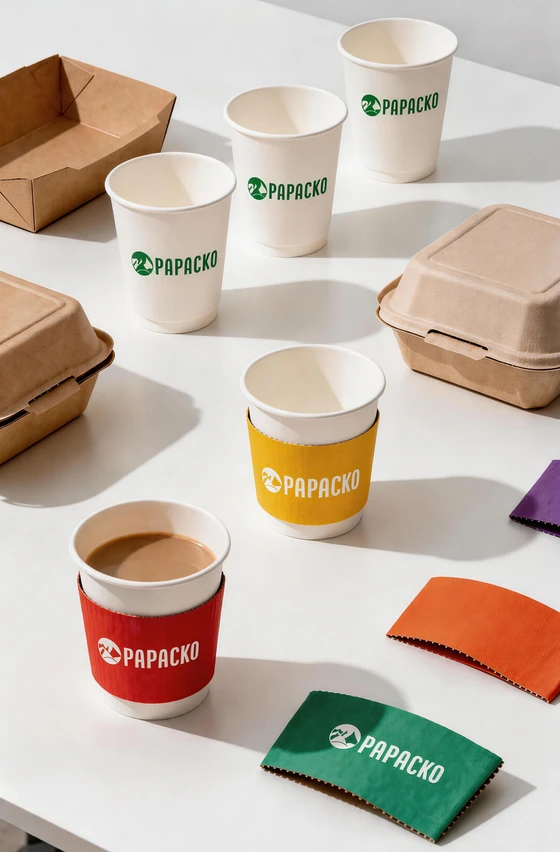
Готовы создать собственные фирменные бумажные стаканчики или упаковку?
Сообщите нам свои требования - размер, покрытие, печать и место назначения - и наша команда подготовит подробное коммерческое предложение в течение 24 часов.
Готовы создать собственные фирменные бумажные стаканчики или упаковку?
Сообщите нам свои требования - размер, покрытие, печать и место назначения - и наша команда подготовит подробное коммерческое предложение в течение 24 часов.
Стаканчики из переработанной бумаги для экологичных ресторанов
В сфере общественного питания ежегодно используется 120 миллиардов одноразовых стаканов, из которых 92 миллиарда оказываются на свалках, несмотря на заявления о возможности их переработки. Рестораны все чаще сталкиваются с давлением со стороны потребителей, заботящихся об окружающей среде — 68%.
Последнее обновление: апрель 2026 года
Время чтения: 9-11 минут
Автор: редакция Papacko
Введение
В сфере общественного питания ежегодно расходуется 120 миллиардов одноразовых стаканов, причем 92 миллиарда из них попадают на свалки, несмотря на заявления о возможности их переработки. Рестораны все чаще сталкиваются с давлением со стороны экологически сознательных потребителей: 68% посетителей активно ищут экологичную упаковку, а 43% избегают заведений, использующих неперерабатываемые контейнеры. Тем не менее, ориентироваться в технических характеристиках стаканов из переработанной бумаги, понимать подлинность сертификатов и рассчитывать реальное воздействие на окружающую среду по-прежнему сложно для операторов, которые сталкиваются с надбавками к стоимости в размере 15–30% без четкого представления о возврате инвестиций.
Это исчерпывающее руководство разъясняет, как правильно выбирать стаканчики из переработанной бумаги для ресторанов, стремящихся к подлинной экологической устойчивости: как понимать процент содержания вторичного сырья (PCR) и его влияние на эксплуатационные характеристики стаканчиков, как ориентироваться в процессах сертификации (FSC, BPI, ” target=”_blank” rel=”noopener”>ASTM D6400 и др.), анализ реальных примеров из практики ресторанов, демонстрирующих стратегии внедрения, расчет соотношения затрат и выгод, включая сокращение выбросов углерода и маркетинговую ценность, решение технических задач, таких как прочность и совместимость покрытий, а также формирование аутентичных нарративов об экологической устойчивости, которые найдут отклик у экологически сознательных клиентов.
💡 Краткий вывод: Для производства экологически устойчивых бумажных стаканов из вторичного сырья требуется 30–100% переработанного потребительского сырья (PCR), сертификаты цепочки поставок FSC или SFI, подтверждающие экологически устойчивое происхождение сырья, сертификаты компостируемости (BPI, ASTM D6400) для надлежащей утилизации по окончании срока службы, испытания эксплуатационных характеристик, гарантирующие функциональность, эквивалентную стаканам из первичного сырья, а также надбавку к стоимости в размере 15–30% ($0,09–0,14 за стакан по сравнению с $0,07–0,11 за стакан из первичного сырья), что компенсируется 25–40% приростом предпочтений со стороны потребителей и сокращением углеродного следа на 35–55%.
Что нужно знать о доле вторичного сырья в бумажных стаканчиках
Содержание вторичного сырья, полученного из бытовых отходов, и из промышленных отходов
Чтобы разобраться в различных видах стаканов из переработанной бумаги, необходимо учитывать следующие факторы:
Определение типов вторичного сырья:
Тип материала
Определение
Экологическая ценность
Верификация
Влияние на стоимость
Вторичное сырье, полученное из отходов потребления (PCR)
Отходы, собранные после использования потребителями (офисная бумага, газеты)
Высокий (сокращает объем отходов, поступающих на полигоны)
Сертифицировано независимой организацией
+15-30% против нерегенерированного
Постиндустриальный переработанный материал (PIR)
Производственный лом, который никогда не попадает к потребителям
Нижний уровень (внутреннее повторное использование)
Самосертифицированный
+5-12% против «Virgin»
Первичное волокно
Новая древесная целлюлоза, без добавления вторичного сырья
Базовый уровень (требуется лесоводство)
FSC/SFI — за устойчивое развитие
Базовая стоимость
Почему ПЦР имеет большее значение: Содержание вторичного сырья, полученного из потребительских отходов, свидетельствует о реальном сокращении объема отходов, поступающих на свалки, и об участии потребителей в переработке отходов, что делает его «золотым стандартом» для заявлений об экологической устойчивости. Содержание вторичного сырья, полученного из промышленных отходов, хотя и превосходит производство исключительно из первичного сырья, представляет собой просто повторное использование производственных отходов, которые в любом случае зачастую перерабатывались бы внутри предприятия.
Процентные стандарты для ПЦР и их характеристики
При выборе различных стаканов из переработанной бумаги следует учитывать следующие факторы:
Типичные показатели ПЦР в стаканчиках, используемых в сфере общественного питания:
Содержание ПЦР
Сила против Девственницы
Термостойкость
Совместимость покрытий
Лучшие приложения
Ценовая надбавка
10-30% ПЦР
Эквивалент модели 95-98%
Превосходно
Все покрытия подходят
Горячие и холодные напитки
+5-10%
30-50% ПЦР
Эквивалент модели 90-95%
Очень хорошо
Большинство покрытий эффективны
Холодные напитки, горячий кофе
+10-18%
50-80% ПЦР
Эквивалент модели 85-92%
Хорошо (требуется тестирование)
Предпочтительны водные покрытия
В первую очередь — холодные напитки
+18-25%
80-100% ПЦР
Эквивалент модели 75-88%
Умеренная (двойная чашка для горячих напитков)
Ограниченные возможности нанесения покрытий
Демонстрационные проекты, только с охлаждением
+25-35%
Технические аспекты:
-Вторичные волокна имеют меньшую длину (они разрываются в процессе варки целлюлозы/обработки), что снижает прочность на разрыв на 5–25%
-Для обеспечения более высокого содержания ПКР требуется картон большей толщины (280–320 г/м² по сравнению с 250–280 г/м² у картона из первичного сырья), чтобы сохранить жесткость
-Термостойкость снижается с увеличением процента содержания ПКР — для чашек 100% из ПКР при использовании горячих напитков температурой выше 180°F (82°C) может потребоваться использование двойной чашки
-Адгезия покрытия на картоне с высоким содержанием ПКР может быть неравномерной (водные покрытия демонстрируют лучшие результаты, чем полиэтиленовые ламинаты)
Рекомендации по выбору оптимального диапазона: Модель 30-50% PCR сочетает в себе значимый вклад в обеспечение устойчивого развития с эксплуатационными характеристиками, сопоставимыми с характеристиками стаканов из первичного сырья, приемлемой надбавкой к стоимости (+10-18%) и совместимостью со всеми стандартными покрытиями и видами напитков.
Обзор сертификации и проверка
Сертификаты в области лесного хозяйства и поставок
Чтобы разобраться в стандартных стаканчиках из переработанной бумаги, необходимо учитывать следующие факторы:
FSC (” target=”_blank” rel=”noopener”>Совет по рациональному лесопользованию):
Уровень сертификации
Что он проверяет
Требования к аудиту
Права на использование этикеток
Стоимость
FSC 100%
Вся целлюлоза получена из лесов, сертифицированных FSC
Сочетание материалов, сертифицированных по стандарту FSC, переработанных материалов и материалов из контролируемых источников
Ежегодный независимый аудит
“Логотип ”FSC Mix»
То же, что и выше
Переработанный FSC
100% с долей переработанного сырья (PCR или PIR)
Ежегодный независимый аудит
“Логотип ”FSC Recycled»
То же, что и выше
Требование к цепочке ответственности: Каждый этап — от леса до готового стаканчика — должен быть сертифицирован по стандарту FSC и подлежать отслеживанию. Ресторанам не требуется сертификация для закупки стаканчиков с маркировкой FSC, однако поставщики должны иметь сертификат цепочки поставок (CoC), чтобы иметь право напечатывать логотипы FSC.Признание со стороны потребителей: 73% экологически сознательных потребителей узнают логотип FSC (самый высокий уровень узнаваемости среди всех систем лесной сертификации), что делает его эффективным маркетинговым инструментом.SFI (Инициатива по устойчивому лесопользованию):
Аспект
Подробности
Географический фокус
Прежде всего леса Северной Америки
Стандарты
Рациональное лесопользование, лесовосстановление, охрана дикой природы
Признание
41%: осведомленность потребителей (ниже, чем у FSC)
FSC и SFI для ресторанов: Сертификат FSC пользуется более высокой узнаваемостью среди потребителей на международном уровне и предусматривает более строгие социальные и экологические стандарты, что делает его предпочтительным выбором для коммуникации в области устойчивого развития, ориентированной на потребителей. Сертификат SFI не уступает FSC с экологической точки зрения, но менее известен и лучше подходит для B2B-контекста.
Сертификаты на компостируемость и биологическую разлагаемость
При оценке стаканчиков из переработанной бумаги следует учитывать следующее:
ASTM D6400 (компостируемые пластики) и ASTM D6868 (компостируемые покрытия на бумаге)
Требования
Биоразложение 90% в течение 180 дней на промышленном компостирующем предприятии (140–160 °F)
Тестирование
Лабораторные испытания, проводимые сторонними организациями (стоимость составляет $3 000–8 000 за единицу продукции)
Сертификация
Ежегодное продление, в зависимости от конкретного продукта (каждый размер чашки/дизайн сертифицируется отдельно)
Этикетка
На упаковке разрешено размещать логотип «BPI Certified Compostable»
Стоимость для поставщика
$ 5 000–12 000 вначале + $ 2 000–5 000 ежегодно за каждую линейку продукции
Критическое различие: ” target=”_blank” rel=”noopener”>Для получения сертификата BPI необходимо промышленные компостирующие установки—стаканчики НЕ поддаются компостированию ни в домашних компостерах, ни на свалках. Рестораны должны сотрудничать с коммерческими компаниями, занимающимися компостированием, либо четко разъяснять, что их продукция “подходит для промышленного компостирования”, чтобы избежать обвинений в «гринвошинге».Другие сертификаты, подтверждающие возможность компостирования:
Сертификация
Выдающий орган
Географическое распознавание
Стандартный
Ценность ресторана
TÜV Austria (OK Compost)
TÜV Austria
Европа, международные
EN 13432
Высокий уровень для операций в ЕС
CMA (Альянс производителей компоста)
Отраслевая ассоциация по компостированию
Северная Америка
ASTM D6400, D6868
Умеренный (ориентированный на отрасль)
Cedar Grove одобрено
Компостирование в Сидар-Гроув
Тихоокеанский Северо-Запад США
Внутренние стандарты
Максимальная температура для района Сиэтла/Портленда
Критерии выбора ресторана: Выберите сертификацию BPI для обеспечения максимальной узнаваемости в Северной Америке, сертификацию TÜV Austria для европейских рынков или местные сертификаты (Cedar Grove), если ваша деятельность осуществляется в конкретных муниципалитетах, где действуют обязательные требования по коммерческому компостированию.
Сертификация в области углеродного следа и анализа жизненного цикла (LCA)
Чтобы разобраться в стандартных стаканчиках из переработанной бумаги, необходимо учитывать следующие факторы:
Сертификация Carbon Trust:
-Измеряет выбросы углерода на протяжении всего жизненного цикла (сырье → производство → транспортировка → утилизация)
-Выдача маркировок “Carbon Measured” или “Carbon Reduced”
-Типичный углеродный след бумажного стаканчика: 14–22 г CO₂e на стаканчик (первичное волокно) по сравнению с 8–14 г CO₂e (50% PCR)
-Стоимость: $8 000–25 000 за проведение оценки полного жизненного цикла и сертификацию
ISO 14040/14044. Оценка жизненного цикла:
-Комплексный анализ воздействия на окружающую среду (не только выбросы углерода, но и потребление воды, энергии, образование отходов)
-Это не сертификация в прямом смысле слова, но оценка жизненного цикла (LCA) в соответствии со стандартами ISO позволяет получить достоверные данные об экологической устойчивости
-Стоимость: $15 000–50 000 за независимое исследование LCA
-Используется для подготовки отчетов об устойчивом развитии, содействия в получении сертификации B Corp, обоснования маркетинговых заявлений
Примеры из практики ресторанного бизнеса и стратегии внедрения
Пример из практики № 1: Независимое кафе (один филиал)
При выборе стандартных стаканчиков из переработанной бумаги следует учитывать следующие факторы:
Общая информация:
-Городская кофейня, специализирующаяся на кофе, 150 напитков в день (55 000 чашек в год)
-Клиентская база, ориентированная на принципы устойчивого развития (73% представителей поколений миллениалов и Z)
-Ранее использовались стаканчики из первичного волокна ($0.09/стаканчик)
Реализация:
-Перешли на ПЦР-пробирки 30% с сертификатом FSC Mix ($0.11 за пробирку, +22% к стоимости)
-Поставляется через регионального поставщика (минимальный объем заказа — 10 000 единиц, запас на 2 месяца)
-Добавлена сертифицированная BPI PLA-подкладка, обеспечивающая компостируемость (+$0,02 за стакан)
-Установлено партнерство с местной компанией, предоставляющей услуги по коммерческому компостированию (вывоз $85 раз в месяц)
Результаты (анализ за 12 месяцев):
-Влияние на затраты: +$1 100 в год на расходы на стаканчики, +$1 020 в год на услуги по компостированию = $2, 120 — общее годовое увеличение
-Влияние на доходы: рост показателей обратной связи от клиентов на 18%, связанный с вопросами устойчивого развития, увеличение частоты повторных покупок на 12% (что частично объясняется позиционированием в сфере устойчивого развития)
-Рентабельность инвестиций в маркетинг: Включение в местный справочник по вопросам устойчивого развития, освещение в СМИ, рекламная стоимость которого оценивается в $3,500
-Сокращение выбросов углерода: сокращение выбросов на 2,4 метрических тонн CO₂e по сравнению с использованием одноразовых стаканчиков из первичного сырья (подтверждено данными оценки жизненного цикла (LCA), предоставленными поставщиком)
Основные выводы:
-Клиенты готовы оплачивать “экологический сбор” в размере 5–10 центов, если им объясняют важность экологической устойчивости с помощью информационных табличек
-Партнерство в сфере компостирования имеет решающее значение — отправка перерабатываемых стаканчиков на свалку подрывает всю инициативу
-Логотип FSC на стаканчиках узнают 68% покупателей (по данным неофициального опроса), что подтверждает целесообразность инвестиций в сертификацию
Пример из практики № 2: Региональная сеть ресторанов формата «fast-casual» (15 заведений)
Основные моменты, которые следует учитывать:
Общая информация:
-Бренд ресторанов быстрого питания в стиле «fast-casual», ориентированный на здоровое питание, — 2,2 млн стаканов в год по всей сети
-Цели компании в области устойчивого развития: сокращение выбросов 50% к 2030 году
-Ранее использовались одноразовые стаканчики с полиэтиленовой прокладкой ($0.08 за штуку — оптовая цена)
Реализация:
-Провели переговоры с национальным поставщиком о закупке ПЦР-стаканчиков 50%, имеющих сертификат FSC Recycled ($0.10/стаканчик, объем заказа — 2 миллиона штук)
-Указанное водное покрытие (на водной основе, совместимое с инфраструктурой переработки отходов) вместо полиэтилена
-Внедрена система централизованных заказов (корпоративные оптовые закупки, распределение по отделениям)
-Запущена маркетинговая кампания “Sustainability Story”, посвящённая использованию переработанных материалов
Результаты (анализ за 18 месяцев):
-Влияние на затраты: +$44 000 в год на расходы на стаканчики (+2,5% бюджета на упаковку)
-Влияние бренда: 28% — рост показателей восприятия бренда как “экологически ответственного”
-Конкурентное преимущество: Привлек контракты на кейтеринг в сегменте B2B от 4 корпораций, предъявляющих требования в области устойчивого развития (добавлено $180 000 годовой выручки)
-Сокращение выбросов углерода: ежегодное сокращение выбросов на 38,5 метрических тонн CO₂e (что эквивалентно снятию с дорог 8,4 автомобилей)
Основные выводы:
-Централизованные закупки имеют решающее значение для управления затратами — децентрализованные закупки привели бы к увеличению надбавки до +35–45%
-Показатели фактической приемлемости к переработке у стаканов с водным покрытием превосходили показатели стаканов из вторичного сырья с полиэтиленовым покрытием (коэффициент приемлемости на предприятиях: 68% против 22% по данным аудита отходов)
-Рынок корпоративного кейтеринга все чаще требует подтвержденных данных об экологической устойчивости — сертификаты становятся факторами, способствующими росту выручки
Пример из практики № 3: Система университетского питания (по всему кампусу)
При оценке различных стаканов из переработанной бумаги следует учитывать следующее:
Общая информация:
-Крупный университет с 12 столовыми, 4,8 млн стаканов в год
-Давление со стороны студенческого самоуправления в поддержку инициативы по созданию кампуса без отходов
-Ранее использовались различные поставщики (чашки из первичного сырья, нестабильные источники поставок)
Реализация:
-Стандартизация на использование ПЦР-стаканчиков 80% с сертификатом компостируемости BPI на всех объектах ($0.13/стаканчик)
-Построенный на территории кампуса компостирующий комплекс, перерабатывающий 450 тонн органических отходов в год (включая стаканчики)
-Обязали всех поставщиков питания на территории кампуса использовать одинаковые сертифицированные стаканы (соблюдение условий контракта)
-Внедрение образовательных элементов по вопросам устойчивого развития в процесс посещения ресторана (информационные таблички, мероприятия)
Результаты (Анализ за 24 месяца):
-Влияние на затраты: +$240 000 в год на расходы, связанные с использованием контейнеров, что частично компенсируется экономией в размере $95 000 в год на сборах за размещение отходов на полигоне (компостирование позволяет сократить объем отходов)
-Переработка отходов: 67% использованных стаканчиков успешно переработано в компост (33% — загрязненные/утилизированные ненадлежащим образом)
-Влияние на образование: 82% студентов знают о программе по использованию компостируемых стаканов (опрос на территории кампуса)
-Значение аккредитации: Способствовал получению рейтинга устойчивого развития STARS Gold (преимущество в сфере маркетинга при подборе персонала)
Основные выводы:
-Достижение высокого содержания органических отходов возможно при надлежащем управлении инфраструктурой утилизации отходов (компостирование на территории кампуса)
-Проблема загрязнения (стаканчики в мусорных баках, пищевые отходы в контейнерах для вторичной переработки) по-прежнему остается актуальной даже при проведении просветительской работы — здесь решающую роль играют информационные таблички и конструкция мусорных баков
-Институциональные инвесторы могут покрывать более высокие надбавки за экологическую устойчивость, если это соответствует их миссии и ценностям
Анализ затрат и выгод и расчет рентабельности инвестиций
Сравнение прямых затрат
При оценке различных стаканов из переработанной бумаги следует учитывать следующее:
Цена на стаканчики из первичного сырья и из вторичного сырья (стаканы объемом 12 унций, заказ на 50 000 штук):
Тип чашки
Содержание ПЦР
Сертификация
Стоимость единицы продукции
Годовая стоимость (200 тыс. стаканов)
«Премиум» против «Виргин»
Стандартный девственный
0%
Нет
$0.08
$16,000
Базовый уровень
Virgin FSC
0%
Смесь FSC
$0.09
$18,000
+12.5%
Низкий уровень ПЦР
30%
Переработанный FSC
$0.10
$20,000
+25%
Средняя ПЦР
50%
FSC Recycled + BPI
$0.12
$24,000
+50%
Высокая ПЦР
80%
FSC Recycled + BPI
$0.14
$28,000
+75%
Факторы, влияющие на себестоимость стаканов из вторичного сырья:
-Источник данных по ПЦР: +$0,01–0,03 на каждые 10% увеличения показателя ПЦР
-Соответствие требованиям сертификации: +$0,005–0,015/чашка (амортизированные затраты на сертификацию)
-Органические СМИ: Инициативы в области устойчивого развития привлекают в 3–5 раз больше внимания со стороны СМИ, чем традиционные рекламные акции (оценочная стоимость составляет $2,000–15,000 в зависимости от рынка)
-Участие в социальных сетях: Посты об экологичной упаковке демонстрируют на 35–60% более высокий уровень вовлеченности по сравнению со стандартным контентом
-Списки в каталоге сертификатов: Каталоги FSC/BPI привлекают 50–200 посетителей на сайт ежемесячно (целевая аудитория, заинтересованная в вопросах устойчивого развития)
-Возможности в сфере B2B: В сфере корпоративного кейтеринга и при заключении контрактов на организацию мероприятий всё чаще требуются сертификаты, подтверждающие соблюдение принципов устойчивого развития
Показатель сокращения углеродного следа
Чтобы разобраться в вопросе переработанных стаканчиков, необходимо учитывать следующие факторы:
Сравнение выбросов углерода на протяжении жизненного цикла (на 1 000 чашек):
Тип чашки
Производственные выбросы
Транспорт
Конец жизни
Общий углеродный след
«Редукция» против «Виргин»
Первичное волокно
14,2 кг CO₂e
2,8 кг CO₂e
1,5 кг CO₂e
18,5 кг CO₂e
Базовый уровень
30% ПЦР
12,1 кг CO₂e
2,8 кг CO₂e
1,3 кг CO₂e
16,2 кг CO₂e
-12.4%
50% ПЦР
10,6 кг CO₂e
2,8 кг CO₂e
1,1 кг CO₂e
14,5 кг CO₂e
-21.6%
80% ПЦР
8,8 кг CO₂e
2,8 кг CO₂e
0,9 кг CO₂e
12,5 кг CO₂e
-32.4%
100% ПЦР, компостированный
7,5 кг CO₂e
2,8 кг CO₂e
-0,5 кг CO₂e*
9,8 кг CO₂e
-47.0%
*В некоторых моделях оценки жизненного цикла (LCA) процесс компостирования позволяет получить квоты на компенсацию выбросов метанаМонетизация сокращения выбросов углерода:
-На добровольных рынках углеродных квот стоимость компенсационных квот составляет $5–15 за метрическую тонну CO₂e
-Ресторан, использующий 200 000 стаканов в год, перешел с первичного сырья на 50% PCR = сокращение на 0,8 метрических тонн
-Стоимость углеродных квот: $4-12 в год (незначительное финансовое воздействие)
-Реальная стоимость: Маркетинговая концепция, корпоративная отчетность по вопросам устойчивого развития, соответствие научно обоснованным целям
Технические проблемы и их решения
Вопросы прочности и долговечности
При выборе различных стаканов из переработанной бумаги обратите внимание на следующее:
Требования к тестированию производительности:
Тип теста
Стандартный
Базовая линия Virgin
Требования к использованию переработанных стаканчиков
Последствия сбоя
Жесткость боковых стенок
TAPPI T489
45–55 единиц
≥40 единиц (мин.)
Чашка деформируется при сжатии
Прогиб дна
Внутреннее тестирование поставщика
<3 мм при 16 унций жидкости
<5 мм — допустимо
Утечки, нестабильность на поверхностях
Термостойкость
Заполнить жидкостью температурой 195°F, 10 мин
Отсутствие отслоения
Отсутствие отслоения
Покрытие отслаивается, протекает
Холодная конденсация
35°F в жидком состоянии, 30 мин
Минимальная внешняя влажность
Сопоставимый
Чашка кажется влажной, недовольство клиентов
Компенсация снижения прочности волокон:
1.Увеличить плотность бумаги: 280–300 г/м² для 50% PCR по сравнению с 250–270 г/м² для первичного материала (сохраняет жесткость)
2.Улучшенное покрытие: Нанесение более плотного водного покрытия (12–18 г/м² по сравнению с 8–12 г/м²)
3.Изменения в конструкции: Усиленный радиус дна, оптимизированная коническая форма чашки для обеспечения прочности
4.Контроль качества: 100% — визуальный осмотр + статистическая выборка (в отличие от метода, основанного исключительно на выборке, применяемого для первичного сырья)
Проблемы, связанные с нанесением покрытий и облицовкой
При выборе обычных стаканчиков из переработанной бумаги следует учитывать следующие факторы:
Совместимость покрытия с переработанными волокнами:
Тип покрытия
Характеристики волокна «Virgin Fiber»
Характеристики волокон PCR
Пригодность стаканов из вторичного сырья
PE (” target=”_blank” rel=”noopener”>полиэтиленовая) облицовка
Отличная адгезия, термосварка
Хорошо (риск отслоения 10–15%)
Умеренный — препятствует переработке
Биопластик на основе PLA (” target=”_blank” rel=”noopener”>полимолочной кислоты)
Очень хорошо
Хорошо (чувствительность к влаге)
Хорошо — подходит для компостирования, но принимается лишь некоторыми предприятиями
Водный (дисперсия на водной основе)
Хорошо
Отлично (лучшее впитывание)
Лучший вариант — подходит для вторичной переработки и компостирования
Восковое покрытие
Умеренный (ограниченное нагревание)
Хорошо
Плохо — только холодные напитки, просроченные
Рекомендации по нанесению покрытия на стаканчики из вторичного сырья: Водные покрытия демонстрируют наилучшие характеристики на картоне PCR благодаря лучшему впитыванию в переработанные волокна, сохраняют возможность вторичной переработки в большинстве систем и соответствуют требованиям сертификации по компостируемости. Если приоритетом является возможность вторичной переработки, следует избегать полиэтиленовых прослоек — они делают стаканчики непригодными для вторичной переработки в 78% муниципальных программ.
Проблемы, связанные с инфраструктурой, выходящей из эксплуатации
Подходит для компостирования (только промышленное)
Компостирующие установки модели 35-45% принимают посуду из сферы общественного питания
Непонимание со стороны покупателей (выглядит как пластик)
Критический взгляд: Заявления о том, что продукты “подлежат вторичной переработке” и “подходят для компостирования”, не имеют никакого смысла без соответствующей местной инфраструктуры. Рестораны должны:
1.Убедитесь, что местные предприятия по переработке отходов или компостированию принимают стаканчики данного типа
2.Разъясните покупателям, как правильно утилизировать отходы (компостируемые ≠ пригодные для вторичной переработки ≠ мусор)
3.Обеспечить надлежащую инфраструктуру мусорных контейнеров (с цветовой маркировкой и четкими указателями)
4.Измерить долю отходов, направляемых на переработку (отслеживать фактические объемы переработки/компостирования по сравнению с объемом отходов, отправляемых на свалку)
Передовой опыт: Перед переходом на новую систему следует проконсультироваться со службой по управлению отходами, чтобы убедиться в совместимости стаканов. Аудит отходов, проводимый каждые 6–12 месяцев, позволяет оценить фактическую эффективность сортировки отходов.
Создание убедительных сообщений об устойчивом развитии
Использование логотипа сертификации и заявления
Соблюдение законодательства в отношении заявлений об экологичности:
Тип заявления
Требуется подтверждение
Нормативно-правовой риск
Влияние на доверие клиентов
“Пригодный для вторичной переработки”
Должно приниматься 60%+ предприятиями по переработке отходов, обслуживающими клиентов (Зеленые руководства Федеральной торговой комиссии)
Высокий, если не подтвержден
Низкий (частое употребление, скептицизм)
“Изготовлено с использованием переработанных материалов”
Необходимо указать процентное соотношение (например, “30% PCR”)
Умеренный (может ввести в заблуждение, если формулировка неясна)
Средне-высокий, если указано конкретно
“Поддающийся компостированию”
Необходимо указать условия (“подходящие для коммерческого компостирования”)
Высокий уровень, если это означает домашний компост
Средний (значение ограничений доступа к объекту)
Логотипы с сертификатом (FSC, BPI)
Необходимо иметь действующий сертификат + цепочку отслеживания происхождения
Низкий (подтверждено третьей стороной)
Высокий (достоверная проверка)
Соблюдение требований «Зеленых руководств» Федеральной торговой комиссии (FTC):
-Заявления должны быть конкретными, а не расплывчатыми (“30% — содержание вторичного сырья из отходов потребления”, а не “экологически безопасный”)
-Требуемые характеристики (“подходит для компостирования в промышленных условиях, которые могут быть недоступны в вашем регионе”)
-Сертификаты должны быть действующими и относиться конкретно к данному продукту (не размещайте логотип FSC, если срок действия сертификата истек)
Рассказывание историй и информирование клиентов
Эффективные коммуникации в области устойчивого развития:
Подход к обмену сообщениями
Пример
Отзывы клиентов
Оценка подлинности
Неявное «гринвошинг»
“Наши экологичные стаканчики помогают спасти планету!”
Скептицизм, закатывание глаз
Низкий (подрывает доверие)
Технический текст с большим количеством жаргонизмов
“Сертифицировано по стандарту FSC CoC, соответствует стандарту ASTM D6400, содержание вторичного сырья (PCR) — 50%”
Растерянность, отстраненность
Средний (точный, но недоступный)
Рассказ, ориентированный на преимущества
“Этот стакан изготовлен из переработанной бумаги 50% — это эквивалентно спасению 0,003 дерева на каждый стакан. Если вы выбросите его в наш зелёный контейнер для компостирования, он разложится за 90 дней, а не будет годами лежать на свалках”.”
Вовлеченность, признательность
Высокий (конкретный, понятный, реализуемый)
Открытость в отношении ограничений
“Наши стаканчики подлежат компостированию в промышленных условиях (но не в домашних) и требуют специальных установок. Мы сотрудничаем с компанией GreenCycle, чтобы обеспечить надлежащее компостирование — просто используйте наши зеленые контейнеры!”
Доверие, уважение
Наивысший (честный, ориентированный на решение проблем)
Методы обучения в магазине:
-Чашки для чашек: Напечатать информацию об экологичности и инструкции по утилизации непосредственно на рукавах (охват клиентов 100%)
-Указатели на мусорных контейнерах: Наглядные инструкции, показывающие, какие предметы следует выбрасывать в компост, на переработку или в мусор (снижение уровня загрязнения 25-40%)
-Настольные рекламные щиты/плакаты: Расскажите о сертификатах, объясните их значение простым языком
-Цифровые табло с меню: Поочередно отображать факты об экологической устойчивости в различных пунктах меню
-Обучение персонала: По запросу бариста могут кратко объяснить, в чем заключается экологичность чашки (35% клиентов задают такие вопросы)
Выбор поставщиков и закупки
Поставщики переработанных стаканчиков, соответствующие требованиям
Критерии оценки поставщиков:
Фактор
Минимальные требования
Метод проверки
Предупредительные признаки, ведущие к дисквалификации
Срок действия сертификата
Действующий кодекс поведения FSC, BPI (при заявлении о компостируемости)
Запросить копии сертификатов + проверить их у органа, выдавшего сертификаты
Просроченные сертификаты, сертификаты на различные продукты
Проверка содержания методом ПЦР
Проверено независимой стороной (не самосертифицировано)
Протоколы лабораторных испытаний с результатами анализа волокон
“Мы используем материалы из вторичного сырья” без указания процента или подтверждающих данных
Производственная мощность
Выполнить план по ресторану 80%+
Отчеты о производственных мощностях
Невозможно обеспечить стабильные объемы поставок
Качество образцов
Пройти испытания на термостойкость, герметичность и ударопрочность с использованием настоящих напитков
Пример протокола тестирования перед принятием обязательств:
1. Закажите 500–1 000 пробоотборных стаканчиков (оплатите пробы — бесплатные пробы зачастую не являются репрезентативными)
2. Испытания с реальными напитками: горячий кофе (195°F), холодные напитки (35°F), кислые напитки (апельсиновый сок)
3. Проведите проверку на герметичность (заполните, подождите 30 минут, проверьте на наличие утечек в нижней части или по швам)
4. Испытание на падение (заполнить, уронить с высоты пояса на твёрдый пол, проверить на наличие повреждений конструкции)
5. Тестирование удобства использования персоналом (бариста работают с образцами во время обслуживания и делятся своими отзывами)
6. Тест на восприятие потребителями (предоставить образцы 20–50 покупателям, собрать отзывы о тактильных ощущениях и качестве)
Принимайте решение о крупных заказах только после успешного 2–4-недельного испытательного периода образцов в реальных эксплуатационных условиях.
Нормативно-правовая среда и будущие тенденции
Региональные требования в области устойчивого развития
Страны и регионы, в которых действуют нормы по упаковке (по состоянию на 2026 год):
Местоположение
Регулирование
Требования к содержанию вторичного сырья
Требования к компостируемости
Срок выполнения требований
Калифорния
Законопроект № 54 (Расширенная ответственность производителя)
25% ПЦР к 2028 году, 50% к 2032 году
20% — подходит для компостирования/переработки
2028–2032 гг. (поэтапно)
Нью-Йорк
Местный закон № 142
Не указано
Для заключения городских контрактов требуется сертификат о компостируемости
2027
ЕС (Директива 2019/904)
Директива по одноразовым пластмассам
25% PCR для тары для напитков
Для бумаги не подходит (предназначено для пластика)
2025 (принят)
Сиэтл
Постановление о требованиях к компостируемым отходам
Нет
Вся посуда для общественного питания должна подходить для компостирования или переработки
2024 (принят)
Канада (федеральный уровень)
Запрет на использование одноразовых пластиковых изделий
Не применимо к бумажной версии
Содействует внедрению компостируемых альтернатив
2023-2025
Стратегия обеспечения соответствия требованиям:
-Сети ресторанов с несколькими заведениями должны применять самые строгие стандарты во всех своих заведениях (например, 50% PCR, BPI-сертифицированные компостируемые материалы), чтобы избежать необходимости учитывать специфические требования к стаканам в каждом отдельном заведении
-Следует ожидать ужесточения нормативных требований — согласно прогнозам на 2030 год, в 15–20 штатах США будут введены минимальные показатели PCR на уровне 40–60% и расширена система расширенной ответственности производителей
Новые технологии и инновации
Технологии производства переработанных стаканов нового поколения:
Инновации
Статус
Преимущества в области устойчивого развития
Доступность на рынке
Влияние на стоимость
Стаканчики, изготовленные исключительно из волокна (без покрытия)
Пилотное тестирование
100% — пригодный для вторичной переработки/компостирования, без примеси других материалов
Этап научно-исследовательских и опытно-конструкторских работ
Избавляет от необходимости нанесения покрытия
2028-2030
Покрытия на основе водорослей
Ограниченное коммерческое использование
Возобновляемый, морской, биоразлагаемый
Нишевые поставщики
+35-50% в настоящее время
Цифровые водяные знаки для сортировки
Раннее внедрение
Повышает узнаваемость предприятий по переработке отходов (инициатива «HolyGrail 2.0»)
2026-2027
<+1%
Партнерства в области апсайклинга (использованные стаканчики → новые изделия)
Пилотные программы
Системы с замкнутым контуром
Выбрать рынки
От нейтрального до +5%
Точка зрения ресторана: Следить за инновациями, но отдавать предпочтение проверенным сертификатам (FSC, BPI) и имеющейся инфраструктуре (компостирование, предприятия по переработке отходов) перед экспериментальными технологиями с ограниченными возможностями масштабирования.
Распространенные ошибки при внедрении переработанных стаканчиков
❌ Ошибка #1: Предполагать, что “пригодные для переработки” стаканчики действительно будут переработаны, не проверив, принимают ли их местные предприятия, и не обеспечив наличие соответствующих контейнеров
✅ Правильный подход: Свяжитесь с муниципальным оператором по утилизации отходов, чтобы уточнить, принимаются ли стаканчики данного типа. Проведите аудит отходов через 30 дней после внедрения, чтобы оценить фактические показатели переработки. Обеспечьте наличие контейнеров с четкими надписями и наглядными инструкциями. При использовании стаканчиков с водным покрытием и наличии надлежащей инфраструктуры можно достичь показателя переработки 65-78%.
❌ Ошибка #2: Платим надбавку за компостируемые стаканчики, но отправляем их на свалки (где они не разлагаются), поскольку не заключен договор с компанией, занимающейся компостированием
✅ Правильный подход: Переходите на компостируемые стаканчики только в том случае, если имеется возможность коммерческого компостирования (сначала заключите договор с поставщиком услуг, а уже потом меняйте стаканчики). В противном случае используйте перерабатываемые стаканчики с водными покрытиями — платить за компостируемость при отсутствии соответствующей инфраструктуры — это «гринвошинг» и пустая трата денег.
❌ Ошибка #3: Выбор ПЦР-пробирок 80-100% без проверки их рабочих характеристик, при этом хорошо известны жалобы клиентов на целостность пробирок
✅ Правильный подход: Начните с использования ПКР 30-50%, которая, как доказано, обеспечивает характеристики, эквивалентные характеристикам новых стаканчиков. Проводите испытания образцов с реальными напитками в течение 2–4 недель. Увеличивайте процент ПКР только в том случае, если эксплуатационные испытания подтвердят отсутствие ухудшения качества. Высокий уровень ПКР не способствует экологической устойчивости, если клиенты используют два стаканчика или подают жалобы.
❌ Ошибка #4: Использование расплывчатых маркетинговых формулировок типа “экологически чистый” без конкретных заявлений или сертификатов, что вызывает скептицизм в отношении «гринвошинга»
✅ Правильный подход: Укажите точный процент содержания вторичного сырья, разместите логотипы сертификатов (FSC, BPI), разъясните инструкции по утилизации. Используйте чёткие формулировки: “30%: содержание вторичного сырья позволяет спасти 0,003 дерева на каждый стаканчик — утилизируйте в зелёных контейнерах для компостирования”. Конкретность укрепляет доверие, тогда как расплывчатые заявления вызывают скептицизм.
❌ Ошибка #5: Переход на стаканы из вторичного сырья, чтобы “создать впечатление экологичности”, без оценки фактического воздействия на окружающую среду и отслеживания показателей переработки отходов
✅ Правильный подход: Перед переходом на новую систему необходимо провести исходный аудит отходов, а через 3–6 месяцев — повторить его. Показатели: доля отходов, направленных на переработку или компостирование; доля загрязненных отходов; отзывы клиентов. Установить целевые показатели (например, переработка 60% к первому году). Устойчивое развитие требует измерения результатов, а не просто замены материалов.
1. Что такое стаканчики из переработанной бумаги и чем они отличаются от обычных стаканчиков?
Стаканы из переработанной бумаги — это тара для напитков, изготовленная с использованием 30-100% переработанного после потребления (PCR) сырья — макулатуры, собранной после использования потребителями и переработанной в новый картон. Они отличаются от стаканов из первичного сырья тем, что в их составе используются переработанные волокна вместо 100% новой древесной целлюлозы, что позволяет сократить объем отходов, поступающих на свалки, и снизить нагрузку на лесные ресурсы. В типичных стаканчиках из вторичного сырья используется 30–50% содержания PCR (сбалансированные эксплуатационные характеристики и экологичность); сертификаты FSC Recycled или FSC Mix подтверждают происхождение сырья, а водные или PLA-покрытия обеспечивают устойчивость к воздействию жидкостей. При правильной конструкции их эксплуатационные характеристики на 90–95% соответствуют характеристикам стаканов из первичного сырья, при этом небольшие уступки в прочности компенсируются более толстым картоном (280–300 GSM против 250–270 GSM).
2. На какие сертификаты следует обратить внимание при покупке стаканчиков из переработанной бумаги?
Обязательные сертификаты: (1) FSC Recycled (100% — доля вторичного сырья из проверенных источников, высший уровень сертификации в области лесопользования) или FSC Mix (сочетание вторичного сырья и экологически устойчивой первичной древесины), (2) ” target=”_blank” rel=”noopener”>сертификат BPI Certified Compostable (подтверждает соответствие стандартам ASTM D6400/D6868, разлагается за 180 дней при промышленном компостировании), (3) Процент переработанного сырья, подтвержденный независимыми испытаниями (30–100% PCR, а не заявлениями о самосертификации). Необязательно, но ценно: оценка жизненного цикла по стандарту ISO 14040, сертификация Carbon Trust, региональные стандарты (TÜV Austria OK Compost для ЕС). Следует избегать поставщиков, заявляющих о “экологичности” без конкретных сертификатов — 73% потребителей знают о сертификате FSC, что делает его наиболее ценным маркетинговым сертификатом.
3. Насколько дороже стоят стаканчики из переработанной бумаги по сравнению со стандартными стаканчиками?
Стаканы из вторичного сырья стоят на 15–30% дороже, чем стаканы из первичного сырья: стандартные стаканы из первичного сырья — $0,08 за штуку (при заказе 50 000 штук), стаканы 30% из переработанного сырья (PCR) с сертификатом FSC Recycled — $0,10 за штуку (+25%), стаканчики из переработанного материала (PCR) с маркировкой BPI «подходит для компостирования» — $0,12 за штуку (+50%), стаканчики из переработанного материала (PCR) — $0,14 за штуку (+75%). К факторам, влияющим на себестоимость, относятся закупка вторичного сырья (PCR) ($0,01–0,03 на каждое увеличение на 10%), использование более толстого картона для компенсации прочности ($0,008–0,015), компостируемые покрытия ($0,015–0,025) и амортизированные сборы за сертификацию ($0,005–0,015). Для ресторана, использующего 200 000 стаканов в год, переход на стаканы 50% из вторичного сырья увеличивает затраты на $8 000 в год, но приводит к росту числа постоянных клиентов на 10–15% и повышению восприятия бренда на 18–28% среди сегментов, ориентированных на экологическую устойчивость.
4. Действительно ли бумажные стаканчики из вторичного сырья более экологичны?
Да, при правильном выборе сырья и утилизации: стаканчики из переработанного материала 50% позволяют сократить углеродный след на 21,6% по сравнению со стаканчиками из первичного сырья (14,5 кг против 18,5 кг CO₂e на 1 000 стаканчиков), отводят бытовые отходы от свалок (30–50% PCR = 4–7 грамм отходов на стакан) и снижают нагрузку на лесное хозяйство, если речь идет о переработанных стаканах с сертификатом FSC.Однако экологическая выгода зависит от способа утилизации: стаканчики, отправленные на свалки, дают минимальную выгоду по сравнению со стаканчиками из первичного сырья; переработка позволяет утилизировать материал, но требует готовности перерабатывающих предприятий (65–78% для стаканчиков с водным покрытием); коммерческое компостирование обеспечивает наилучший результат (разлагаются за 90–180 дней). Оценки жизненного цикла показывают снижение общего воздействия на окружающую среду на 35–55% в случае правильного компостирования или переработки стаканчиков из вторичного сырья по сравнению с стаканчиками из первичного сырья, отправленными на свалку.
5. Можно ли после использования переработать бумажные стаканчики из вторичного сырья или отправить их на компостирование?
Зависит от типа покрытия и местной инфраструктуры: (1) Стаканчики из вторичного сырья с водным покрытием подлежат переработке на 65–78% предприятий и подходят для коммерческого компостирования в рамках большинства программ; (2) стаканчики с PLA-покрытием подходят для коммерческого компостирования (сертифицированы BPI), но принимаются только 35–45% компостирующих предприятий и НЕ подлежат переработке; (3) Стаканы с полиэтиленовым (PE) покрытием теоретически подлежат вторичной переработке, но принимаются лишь 18–25% предприятий из-за сложностей с сортировкой. Важно: термин “поддающийся компостированию” означает коммерческие компостирующие предприятия (140–160°F), а НЕ домашнее компостирование или свалки. Перед переходом на другой тип стаканов убедитесь, что местная компания по утилизации отходов принимает конкретный тип стаканов — наличие надлежащей инфраструктуры является обязательным условием для получения экологической выгоды.
6. Не уступают ли стаканчики из переработанной бумаги по своим характеристикам стаканчикам из первичного волокна?
При правильном проектировании ПЦР-стаканчики 30-50% демонстрируют характеристики, сопоставимые с показателями стаканчиков из первичного сырья 90-95%: незначительное снижение прочности волокон компенсируется более толстым картоном (280–300 г/м² по сравнению с 250–270 г/м²), термостойкость соответствует качественным водным покрытиям, герметичность сопоставима при усиленной конструкции дна, а жесткость сохраняется за счет оптимизированной конструкции стаканчика. Стаканы из вторичного сырья 80-100% демонстрируют характеристики, соответствующие стаканам из первичного сырья 75-88% — для горячих напитков с температурой выше 180°F может потребоваться использование двойного стакана, а показатель отказов выше (2–3% против <0,5%). Рекомендация: перед принятием решения тестируйте образцы с реальными напитками в течение 2–4 недель — эксплуатационная проверка более надежна, чем заявления поставщика. Стаканчики 30-50% из вторичного сырья (PCR) представляют собой оптимальный вариант с точки зрения баланса между эксплуатационными характеристиками и экологичностью.
7. Как продвигать бумажные стаканчики из вторичного сырья среди покупателей, не прибегая к «гринвошингу»?
Для достоверного информирования об экологической устойчивости необходимо: (1) конкретные утверждения, а не расплывчатые формулировки (“содержит 50% переработанного сырья из бытовых отходов”, а не “экологичные стаканчики”); (2) размещение логотипов сертификатов (FSC Recycled, BPI Compostable с пояснениями); (3) прозрачные инструкции по утилизации (“подходит для промышленного компостирования — выбрасывайте в зеленые контейнеры”, а не “лучше для окружающей среды”); (4) честное признание ограничений (“компостируется в специальных установках, которые доступны не везде — мы сотрудничаем с GreenCycle”); (5) Количественное выражение воздействия (“этот стаканчик спасает 0,003 дерева и сокращает выбросы углерода на 22% по сравнению с первичным сырьем”). “Зелёные руководства” Федеральной торговой комиссии (FTC) требуют обоснованности и ясности — избегайте безоговорочных заявлений о «возможности вторичной переработки». Печатайте информацию об экологичности на рукавах, обучайте персонал объяснять сертификаты, проводите аудиты отходов с измерением фактических показателей переработки (а не только замены материалов). Прозрачность укрепляет доверие, тогда как расплывчатые заявления вызывают скептицизм.
Заключение
Переход на использование стаканчиков из переработанной бумаги является одной из наиболее эффективных мер в области устойчивого развития, которые могут реализовать рестораны: это позволяет ежегодно предотвращать попадание тысяч фунтов бытовых отходов на свалки, сократить углеродный след на 20–50% и оправдать растущие ожидания потребителей в отношении экологической ответственности. Для достижения успеха необходимо выйти за рамки поверхностных заявлений об “экологичности” и перейти к подтверждённым сертификатам, продуктам, прошедшим испытания на эксплуатационные характеристики, а также к надлежащей инфраструктуре утилизации отходов.
Основные выводы:
1.30-50% PCR — это идеальный вариант—сочетает значительное положительное воздействие на окружающую среду с эксплуатационными характеристиками, сопоставимыми с материалами из первичного сырья, и приемлемой надбавкой к стоимости 10-18%
2.Сертификаты укрепляют доверие— Сертификат FSC Recycled (73% — знак распознавания для потребителей), сертификат BPI Compostable (поддающиеся проверке стандарты), независимая проверка содержания переработанного сырья (PCR)
3.Инфраструктура определяет фактическое воздействие—для компостируемых стаканов требуется заключение партнерских соглашений с предприятиями по промышленному компостированию, а для перерабатываемых стаканов — подтверждение готовности предприятий, имеющих сертификат 65%+, принять такую продукцию
4.Тестирование производительности — обязательное условие—проведите пробную подачу 500–1 000 чашек с реальными напитками в течение 2–4 недель перед заключением крупных контрактов
5.Открытое общение укрепляет доверие—конкретные заявления (“ПЦР-метод 50% позволяет сэкономить 0,003 дерева на стакан”), инструкции по утилизации, честные ограничения в противовес расплывчатому «гринвошингу»
Связанные ресурсы
-“>Бумажные стаканчики
-“>Руководство по сертификации в области устойчивого развития
-“>Партнерства в сфере коммерческого компостирования
Готовы заказать сертифицированные стаканчики из переработанной бумаги?
Компания Papacko поставляет ресторанам стаканчики из переработанной бумаги с сертификатом FSC (содержание PCR: 30-100%), компостируемые стаканчики, соответствующие стандарту BPI, а также полный пакет документации по экологической устойчивости для обеспечения соответствия маркетинговым требованиям. Наша команда по вопросам устойчивого развития предоставляет рекомендации по сертификации, протоколы испытаний эксплуатационных характеристик, консультации по инфраструктуре утилизации отходов, а также услуги по индивидуальному брендингу на проверенных переработанных материалах — тем самым гарантируя, что ваши экологические обязательства приведут к ощутимому результату.
Papacko Content Team - Мы создаем практические руководства по упаковке продуктов питания и напитков для B2B. Темы включают выбор бумажных стаканчиков и чашек, покрытия на основе ПЭ/ПЛА/воды, соответствие требованиям к контакту с пищевыми продуктами, печать, контроль качества и готовые к экспорту рабочие процессы, чтобы кафе, рестораны, дистрибьюторы и OEM-партнеры могли масштабировать свою деятельность, обеспечивая надежные поставки.