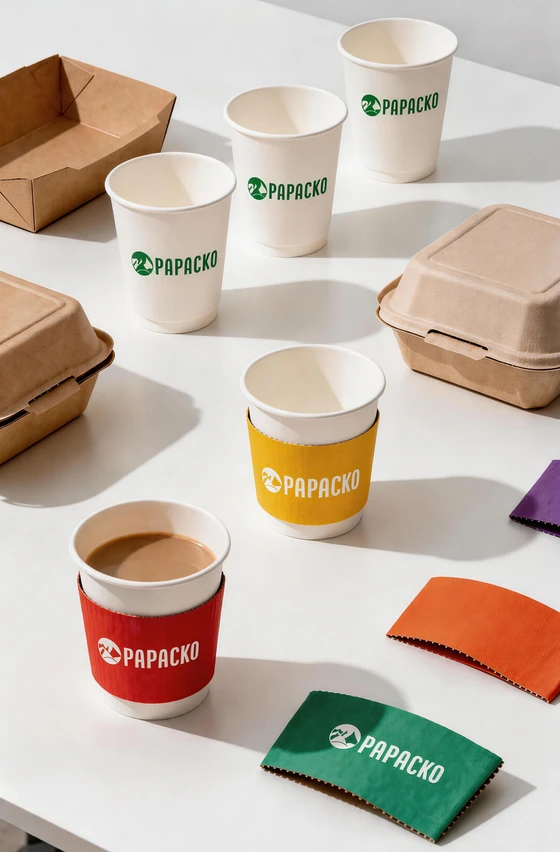
Готовы создать собственные фирменные бумажные стаканчики или упаковку?
Сообщите нам свои требования - размер, покрытие, печать и место назначения - и наша команда подготовит подробное коммерческое предложение в течение 24 часов.


Мировой рынок бумажных стаканов находится на критическом переломном этапе в преддверии 2027 года: по прогнозам, его объем достигнет $14,8 млрд, что представляет собой рост на 8,2% по сравнению с 2026 годом, когда он составлял $13,7 млрд. Этот рост обусловлен совокупностью нескольких факторов: ускорением введения запретов на одноразовый пластик в 87 странах, быстрым восстановлением сектора общественного питания после пандемии, достигшим 112% от уровня 2019 года, а также прорывами в области материаловедения, позволившими создать полностью биоразлагаемые барьерные покрытия, по своим характеристикам не уступающие материалам на нефтяной основе.
В этом всеобъемлющем прогнозе рынка анализируются перспективы на 2027 год по шести ключевым направлениям: динамика региональных рынков, причем на долю Азиатско-Тихоокеанского региона приходится 42% мирового рынка; показатели сегментов, где стаканчики для горячих напитков сохраняют доминирующее положение в категории с долей 58%; тенденции в области инноваций в материалах, в частности стаканчики с PLA-покрытием, демонстрирующие рост со среднегодовым темпом роста (CAGR) 22%, нормативные требования в области устойчивого развития, меняющие стандарты закупок; изменения в конкурентной среде на фоне ускорения консолидации; а также динамику ценообразования, на которую влияют волатильность цен на целлюлозу и политика введения углеродного налога.
💡 Краткий вывод: В 2027 году рынок бумажных стаканчиков вырастет на 8,21 TP3T до 1 TP4T 14,8 млрд благодаря введению запрета на пластик в 87 странах, расширению сферы общественного питания на развивающихся рынках (+121 TP3T в Индии и Юго-Восточной Азии), а также внедрение биопокрытий, объем производства которых достигнет 28%.
К ключевым тенденциям относятся премиализация (рост продаж “стаканов с двойными стенками» на 15%), каналы прямых продаж потребителям (рост электронной коммерции на 34%) и регионализация цепочки поставок, позволяющая сократить зависимость от импорта на 18–25% на основных рынках.
Чтобы правильно оценить прогноз рынка бумажных стаканчиков, необходимо учитывать следующие факторы:
Рыночная оценка на 2027 год:-Объём мирового рынка: $ 14,8 млрд (по сравнению с $13,7 млрд в 2026 году)
-Общий объем потребления: 264 миллиарда чашек (по сравнению с 248 млрд в 2026 году)
-Рост по сравнению с предыдущим годом: 8.2% (с ускорением с 7,41 TP3T в 2025–2026 годах)
-Пятилетний среднегодовой темп роста (2023–2027 гг.): 7.8%
Факторы ускорения роста:-Сфера действия запрета на использование пластика расширяется с 72 стран (2025 г.) до 87 стран (2027)
-Объем транзакций в сфере общественного питания превысил допандемийный уровень на 12%
-Рост потребления кофе на развивающихся рынках: Индия +18%, Индонезия +14%, Вьетнам +21%
-Расширение сети ресторанов быстрого обслуживания: 47 000 новых точек (нетто) по всему миру (2026–2027 гг.)
Степень зрелости рынка по регионам:Чтобы правильно оценить прогноз рынка бумажных стаканчиков, необходимо учитывать следующие факторы:
Структура потребления по единицам в 2027 году:-Стаканы для горячих напитков (8–20 унций): 153 миллиарда единиц (акция 58%)
-Стаканы для холодных напитков (12–32 унций): 91 миллиард единиц (акция 34%)
-Специальные стаканы/стаканы для проб (<6 унций): 20 миллиардов единиц (акция 8%)
Потребление на душу населения (количество стаканов в год на человека):-Зрелые рынки (США/Великобритания): Рост за счет премиализации (переход на упаковки объемом 16–20 унций +12%), кофейная культура «третьей волны», программы по предоставлению кофе на рабочем месте, заменяющие приготовление кофе дома
-Развивающиеся рынки (Китай/Индия): Урбанизация (450 млн человек в городах к 2027 году), рост популярности кофе среди миллениалов (потребление в возрастной группе 18–35 лет +25%), расширение западных сетей быстрого питания (Starbucks и Costa Coffee откроют 3 200 новых заведений в Азии в 2026–2027 годах)

Чтобы правильно оценить прогноз рынка стандартных бумажных стаканчиков, необходимо учитывать следующие факторы:
Динамика рынка в 2027 году:-Объем рынка: $6,2 млрд (+12,41 TP3T по сравнению с предыдущим годом)
-Потребление на единицу: 112 миллиардов чашек (+14,81 TP3T в годовом исчислении)
-Доля на мировом рынке: 42% (по сравнению с 39% в 2025 году)
Разбивка по странам:-85 000 новых кофеен открытие в 2025–2027 годах (расширение сетей Luckin Coffee, Manner Coffee и Cotti Coffee)
-Охват городов 2-го и 3-го уровней: 67% новых кофеен в городах с населением менее 5 млн человек (по сравнению с 42% в 2023 году)
-Кофе из мини-маркета: Сети «7-Eleven» и «FamilyMart» открывают кофейные бары в 12 000 своих магазинах
-Инновации в области бумажных стаканов: Стаканы с двойными стенками, украшенные китайским искусством/каллиграфией, растут 32% (тенденция к премиализации)
Динамика рынка Индии:-Бум сетей быстрого питания: «Café Coffee Day», «Third Wave Coffee» и «Blue Tokai» откроют 1 800 новых заведений (2026–2027 гг.)
-Потребление среди молодежи: Возрастная группа 18–30 лет, на долю которой приходится 62% посетителей кофеен (в то время как потребление чая сокращается на -8%)
-Влияние урбанизации: В городах 1-го уровня уровень проникновения кофе TP3T достигает 451 (по сравнению со 121 TP3T в городах 3-го уровня и выше)
-Изменение нормативной базы: В 8 штатах введены запреты на использование одноразовых пластиковых стаканов, при этом бумажные стаканы предпочитаются пластиковым
Для понимания различных прогнозов по рынку бумажных стаканчиков необходимо учитывать следующие факторы:
Динамика рынка в 2027 году:-Объем рынка: $4,1 млрд (+5,21 TP3T в годовом исчислении)
-Потребление на единицу: 68 миллиардов чашек (+3,81 TP3T в годовом исчислении)
-Доля на мировом рынке: 28% (по сравнению с 31% в 2023 году)
Особенности рынка США:-Расширение ассортимента холодных напитков: Потребление холодного кофе растет на 9% в год, что стимулирует переход на более крупные размеры стаканов (объем продаж холодного кофе премиум-класса в стаканах объемом 20–24 унций вырос на 15%)
-Программы по организации кофе на рабочем месте: В офисах компаний устанавливаются кофейные бары премиум-класса (вместо кофемашин, работающих с капсулами K-cup), что способствует росту спроса на горячий кофе в стаканах объемом 8–12 унций на 71 TP3T
-Требования в области устойчивого развития: 23 штата/города, в которых введены запреты на использование пластиковых дощечек для серфинга (SUP) или сборы за них (по сравнению с 18 в 2025 году), что способствует более быстрому внедрению бумажных стаканчиков на рынках, где это еще не произошло
-Прямые продажи потребителям: Кофейные наборы по подписке и розничная продажа через интернет-магазины фирменных наборов чашек +34%
Особенности канадского рынка:-Объем рынка: $0.6B (+4,91 TP3T в годовом исчислении)
-Переход сети Tim Hortons на крышки из волокнистого материала во всех заведениях (завершится во 2-м квартале 2027 года) стимулирует переработку дизайна совместимых бумажных стаканов
-Запреты на использование пластика, введенные на уровне провинций в Британской Колумбии, Острове Принца Эдуарда и Ньюфаундленде, распространяются на Онтарио и Квебек (внедрение в 2027–2028 годах)
При составлении прогноза рынка различных бумажных стаканов следует обратить внимание на следующее:
Динамика рынка в 2027 году:-Объем рынка: $ 3,8 млрд (+6,81 TP3T в годовом исчислении)
-Потребление на единицу: 62 миллиарда чашек (+5,41 TP3T по сравнению с предыдущим годом)
-Доля на мировом рынке: 26%
Показатели на уровне стран:-Регламент ЕС об отходах упаковки (PPWR): Целевые показатели на 2027 год, предусматривающие внедрение систем многоразовых стаканов 20% в ресторанах быстрого обслуживания, стимулируют реализацию двунаправленных стратегий (бумажные стаканы для заказов на вынос, керамические/многоразовые стаканы для посетителей, обедающих в зале)
-Расширенная ответственность производителя: В 18 странах ЕС введены сборы в рамках системы расширенной ответственности производителя (EPR) на бумажные стаканчики ($0,02–0,08 за стаканчик); эти затраты перекладываются на потребителей, что приводит к снижению спроса на 3–5% в ценочувствительных сегментах
-Сертификация на компостируемость: Объем контейнеров, сертифицированных по стандарту EN13432, увеличивается с 22% (2025 г.) до 31% (2027 г.) по мере расширения муниципалитетами инфраструктуры промышленного компостирования
Особенности рынка Великобритании:-Latte levy debates: Proposed 25p charge on disposable cups (similar to plastic bag levy) under consultation—if implemented in 2028, projected 18-22% demand reduction
-Coffee shop competition: Pret, Costa, Greggs offering 50p discounts for reusable cups, but paper cup volumes still growing +5% (reusable adoption plateauing at 8-12% of transactions)
For various paper cups market forecast, focus on:
2027 segment performance:-Segment value: $8.6 billion (58% of total market)
-Потребление на единицу: 153 billion cups (+6.2% YoY)
-Average selling price: $0.056 per cup (+2.8% vs 2026)
Size distribution trends:-Однослойные стаканы: 58% volume share, growing +3.2% (value segment, fast-casual dining)
-Чашки с двойными стенками: 34% volume share, growing +12.8% (premium segment, eliminating sleeve need)
-Чашки с волнистыми стенками: 8% volume share, growing +18.4% (differentiation, thermal performance, Instagram appeal)
Price segmentation:-Bio-coating adoption: PLA/aqueous coatings replacing PE lining in 28% of hot cups (up from 19% in 2025), driven by compostability certifications
-Heat tolerance improvements: New barrier technologies enabling 95°C liquid retention without warping (vs 85°C standard in legacy cups)
-Branding surface area: 40% increase in printable zones via improved coating adhesion for digital/flexo printing
The key to choosing cups market forecast depends on:
2027 segment performance:-Segment value: $5.4 billion (37% of total market)
-Потребление на единицу: 91 billion cups (+11.2% YoY)
-Average selling price: $0,059 за чашку (+3.4% vs 2026)
Факторы роста:-Iced coffee boom: Cold brew, iced lattes, frappés growing 14% annually (vs hot coffee +3%)
-Smoothie/juice bars: 8,200 new locations globally (2026-2027), primarily using 20-32 oz cold cups
-Bubble tea expansion: 14,000 new stores in Asia-Pacific, 2,400 in North America driving large-format cup demand
-Plastic straw bans: Paper straws requiring compatible paper cups (cross-material alignment)
Size distribution trends:-Влагостойкость: Cold cups requiring superior barrier coatings to prevent condensation breakdown (PLA double-coating standard by 2027)
-Ice retention: Double-wall cold cups growing 42% (thermal insulation prevents sweating, eliminates need for separate sleeve/napkin)
-Совместимость крышки: Shift to fiber-based lids (vs plastic dome lids) driving cup rim redesigns for secure sealing
Regional preferences: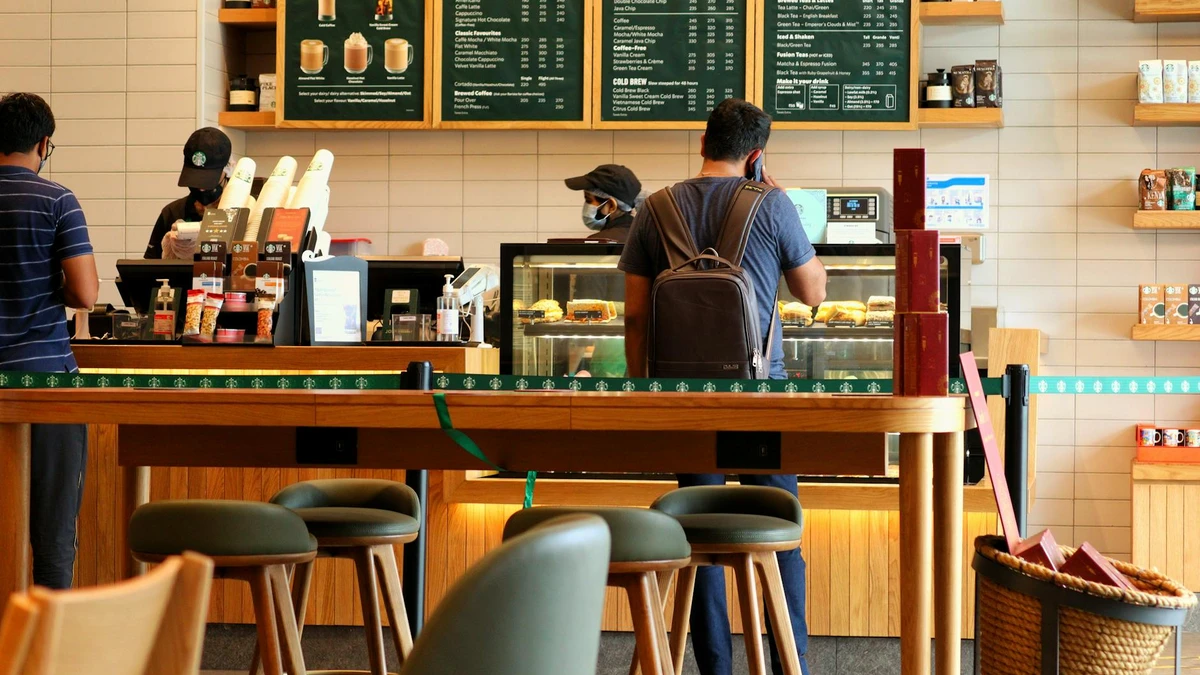
When evaluating standard paper cups market forecast, consider the following:
2027 coating landscape:-2027 price parity: PLA-coated cups reaching $0.048 per unit (vs $0.046 for PE-coated), making sustainable option economically viable at scale
-Performance improvements: New PLA formulations withstand 92°C liquids for 60+ minutes (vs 85°C / 30 minutes in 2023 versions)
-Composting infrastructure: 1,240 industrial composting facilities globally accepting PLA-coated cups (up from 890 in 2025), reducing “greenwashing” concerns
-Certification standards: 67% of PLA cups now carry third-party certifications (BPI, TÜV Austria, DIN CERTCO) vs 42% in 2024
Aqueous coating advantages:-Возможность вторичной переработки: Compatible with standard paper recycling streams (vs PE/PLA requiring separation)
-Углеродный след: 34% lower lifecycle emissions than PE-coated equivalents
-Regulatory favor: EU PPWR explicitly favoring recyclable over compostable packaging (driving aqueous adoption in European market)
Траектория расходов:-Coating equipment upgrades: $840M invested globally (2025-2027) to retrofit production lines for aqueous/PLA application
-R&D spending: Paper cup manufacturers allocating 4-7% of revenue to barrier coating development (vs 2-3% historically)
For standard paper cups market forecast, focus on:
2027 fiber composition:-Первичное волокно: 68% (FSC/PEFC certified: 82% of virgin fiber)
-Recycled fiber: 32% (post-consumer: 18%, post-industrial: 14%)
Certification trends:-Performance limitations: Recycled fiber cups have 12-18% lower burst strength (limiting use to cold beverages or double-wall constructions)
-Cost competitiveness: Recycled fiber costs $920-1,040 per metric ton (vs virgin fiber $880-960), driven by collection/sorting infrastructure costs
-Availability constraints: Only 34% of paper cups entering recycling streams due to contamination (food residue), coating incompatibility, lack of collection programs
Circular economy initiatives:-Cup-to-cup recycling pilots: Starbucks, Huhtamaki, WestRock partnering on closed-loop systems in Seattle, London, Singapore (processing 2.4M cups monthly)
-Программы возврата: 140 QSR chains implementing in-store cup recycling bins (vs 68 in 2024)
-Fiber-to-fiber technology: NextGen Consortium developing enzymatic coating removal enabling 94% fiber recovery (vs 62% with current mechanical pulping)
When evaluating various paper cups market forecast, consider the following:
2027 regulatory environment:-India national SUP ban: Full enforcement in 28 states (vs 18 in 2025), driving paper cup consumption +22% year-over-year
-California SB 54: Phased reduction requiring 25% reduction in SUP packaging by 2027—exemption for certified compostable paper cups driving PLA adoption
-EU PPWR implementation: Mandatory 20% reusable cup systems in QSRs with 500+ daily customers, affecting 14,000 locations but exempting takeaway (paper cups benefit)
-China city-level bans: Beijing, Shanghai, Shenzhen enforcing plastic cup bans in government buildings, schools (22M cups shifted to paper monthly)
Compliance cost impact:When evaluating standard paper cups market forecast, consider the following:
2027 EPR landscape:-18 countries implementing EPR for paper cups (vs 12 in 2025)
-Total EPR fees collected: $340M globally (2027 projected)
-Fee structure: $0.02-0.08 per cup (average: $0.044)
Fee allocation and impact:-Fee pass-through: 78% of EPR costs passed to end consumers (vs absorbed by manufacturers/retailers)
-Demand elasticity: For every $0.01 increase in cup cost, consumption decreases 1.2-1.8% in price-sensitive segments (convenience stores, gas stations)
-Premium segment insulation: Specialty coffee shops experiencing only 0.3-0.6% demand reduction (customers willing to pay for sustainability)
Producer compliance strategies:-Collective schemes: 84% of manufacturers joining industry-wide EPR organizations (vs individual compliance)
-Eco-modulation: Cups with >50% recycled content or certified compostable receiving 15-30% EPR fee reductions
-Investment in R&D: EPR revenues funding $120M in recycling technology development (2026-2027)
Understanding available paper cups market forecast requires attention to these factors:
2027 market share by manufacturer:-M&A activity: 14 acquisitions in paper cup sector (2025-2027), totaling $2.8B in transaction value
-Top-10 concentration: Combined market share increasing from 78% (2024) to 80.2% (2027)
-Regional champions: Local manufacturers in India, Southeast Asia, Latin America growing faster than multinationals (+14% vs +7%) due to supply chain proximity, lower costs
For the paper cups market forecast, focus on:
Competitive strategies by segment:-Backward integration: 6 major manufacturers acquiring pulp mills/coating suppliers (2025-2027) to secure material supply and reduce costs
-Forward integration: Huhtamaki, Graphic Packaging launching direct-to-consumer brands selling custom cups to small cafés via e-commerce (+$180M revenue 2027)
When evaluating the paper cups market forecast, consider the following:
2027 pulp pricing:-Bleached hardwood kraft pulp (BHKP): $960/metric ton (average, +4.2% vs 2026)
-Bleached softwood kraft pulp (BSWK): $1,120/metric ton (average, +3.8% vs 2026)
-Переработанная целлюлоза: $840/metric ton (average, +6.4% vs 2026)
Cost composition breakdown (12 oz single-wall cup):-Natural gas prices affecting drying/forming processes: +$0.0026 per cup (2026-2027)
-Electricity for automated production lines: +$0.0006 per cup
-Manufacturers in low-energy-cost regions (Middle East, parts of Asia) gaining 8-12% cost advantage
Carbon pricing influence:-EU Carbon Border Adjustment Mechanism (CBAM): Adding $0.003-0.008 per cup for imports from non-EU countries (based on embedded carbon)
-Voluntary carbon offsets: Premium brands purchasing offsets at $0.002-0.004 per cup to achieve carbon neutrality claims
The key to choosing common paper cups market forecast depends on:
Average selling prices by segment (2027):-Deflationary pressure: Improved manufacturing efficiency (automation) reducing production costs -2.4% annually
-Inflationary pressure: Labor costs (+5.4%), energy costs (+8.2%), regulatory compliance (+3-6%) driving prices upward
-Premiumization opportunity: Customers willing to pay 15-25% premium for sustainable certifications, custom branding, superior thermal performance
Volume discount structures:When evaluating available paper cups market forecast, consider the following:
2027 channel distribution:-Amazon Business: Paper cup sales +38% (2026-2027), driven by small café/restaurant procurement
-Alibaba/1688.com: China’s B2B platforms selling 2.8B cups annually to domestic buyers
-Manufacturer direct sites: Huhtamaki, Vegware, Lollicup reporting $180M combined e-commerce revenue (vs $98M in 2025)
Direct-to-consumer trends:-Custom design tools: Online configurators allowing customers to design cups with logos, colors, text (MOQs as low as 500 units)
-Subscription models: Monthly cup delivery services for home coffee enthusiasts (+68% subscriber growth 2026-2027)
-Sample packs: $12-28 variety packs (50-100 cups, mixed sizes) for testing/events generating $42M sales (2027)
Digital marketing impact:-SEO/content marketing: Paper cup manufacturers investing $8-15M annually in educational content, recipe blogs, sustainability guides
-Social media: Instagram/Pinterest driving visual cup designs—ripple-wall cups with aesthetic patterns growing 18% due to “Instagrammable” appeal
Understanding cups market forecast requires attention to these factors:
Procurement decision factors (ranked by importance):-Multi-unit chains: 78% using centralized purchasing (vs 64% in 2023), driving larger order volumes and manufacturer consolidation
-Group purchasing organizations (GPOs): 340 GPOs representing 42,000 independent cafés/restaurants negotiating bulk pricing (12-18% cost savings)
Inventory management shifts:-Just-in-time delivery: 34% of QSRs requesting weekly/bi-weekly deliveries (vs monthly) to reduce storage costs
-Consignment inventory: Some manufacturers offering on-site storage with pay-as-used models (eliminating upfront capital for small operators)
For cups market forecast, focus on:
2028-2030 market projections:-Азиатско-Тихоокеанский регион: Maintaining 11-13% annual growth through 2030 (urbanization, coffee culture expansion)
-Зрелые рынки: Stabilizing at 4-6% growth (replacement demand, premiumization, sustainability transitions)
-Regulatory acceleration: 110+ countries implementing plastic bans by 2030 (vs 87 in 2027)
-Инновации в области материалов: Fully recyclable, high-barrier coatings achieving commercial scale by 2029
The key to choosing different paper cups market forecast depends on:
2027-2030 innovation priorities:-Cup-to-cup recycling: Target 25% of cups entering closed-loop systems by 2030 (vs 8% in 2027)
-Deposit-return schemes: Pilots expanding in 12 cities globally, achieving 68% return rates (vs 12% in curbside recycling)
-Blockchain traceability: QR codes on cups linking to fiber source, carbon footprint, recycling instructions
Manufacturing efficiency gains:-Скорость производства: Next-gen machines producing 450 cups/minute (vs 380 in 2027), reducing labor costs per unit -8%
-Material waste reduction: Improved die-cutting reducing scrap from 6.2% to 3.8%
-Energy efficiency: LED curing, optimized drying reducing energy consumption per cup -12%
The 2027 paper cups market forecast reveals a dynamic industry at the intersection of sustainability transformation, regulatory acceleration, and emerging market growth. The $14.8 billion global market will expand 8.2% year-over-year, driven by Asia-Pacific’s explosive 12.4% growth as coffee culture penetrates China’s tier-2/3 cities and India’s organized foodservice sector matures.
Основные выводы:1.Regional divergence—Asia-Pacific (42% market share) growing 2.4x faster than mature markets, with China and India representing $4.5B combined opportunity
2.Material innovation reaching inflection point—PLA-coated cups achieving near price parity ($0.048 vs $0.046 for PE), accelerating sustainable coating adoption to 34% market share by 2027
3.Premiumization driving value growth—Double-wall and ripple-wall segments growing 12-18% annually as consumers prioritize thermal performance and Instagram aesthetics over commodity cups
4.Regulatory enforcement intensifying—87 countries implementing plastic bans (vs 72 in 2025), with EPR schemes adding $0.02-0.08 per cup in 18 countries, reshaping cost structures
5.E-commerce disruption—Online B2B channels growing 34% enabling small cafés to access custom branding at lower MOQs (500-1,000 units vs 10,000+ traditional)
The paper cups market through 2030 will reward manufacturers investing in bio-coating R&D, regional production capacity in high-growth Asia markets, and direct-to-customer digital channels. Operators prioritizing sustainability certifications and supply chain transparency will command premium pricing as corporate ESG commitments and consumer environmental consciousness reshape procurement decisions.
-“>Бумажные стаканчики
-“>Решения в области экологичной упаковки»
-“>Foodservice Packaging Trends
Papacko supplies foodservice operators, distributors, and retailers with paper cups aligned to 2027 market trends—offering PLA-coated compostable options, custom digital printing for emerging brands, and volume pricing for growing chains. Our market intelligence team provides quarterly forecasts and procurement strategy guidance to navigate regulatory changes, material innovations, and regional growth opportunities.
Свяжитесь с нами:Последнее обновление: апрель 2026 года