Готовы создать собственные фирменные бумажные стаканчики или упаковку?
Сообщите нам свои требования - размер, покрытие, печать и место назначения - и наша команда подготовит подробное коммерческое предложение в течение 24 часов.

Последнее обновление: август 2026 года
Время чтения: 8-10 минут
Автор: редакция Papacko
В зимние месяцы наблюдается резкий рост числа заказов на доставку горячей еды (35-45%), причем наибольший рост приходится на категории супов и «утешительных» блюд. Однако многие предприятия общественного питания сталкиваются с проблемами, связанными с упаковкой, которая не сохраняет температуру, протекает во время транспортировки или приводит к образованию конденсата, ухудшающего качество продуктов.
В этом исчерпывающем руководстве рассматриваются решения по упаковке продуктов питания в зимний период, специально разработанные для горячих супов, рагу и готовых блюд. Вы узнаете о стратегиях выбора материалов для обеспечения оптимальной теплоизоляции, методах герметизации, предотвращающих проливание, конструкциях тары, минимизирующих потери тепла, а также об экономически эффективных подходах к соблюдению стандартов безопасности пищевых продуктов при доставке в холодную погоду.
💡 Краткий вывод: Для эффективной упаковки продуктов в зимний период необходимы многослойная изоляция (контейнеры с двойными стенками или из пенопласта), надежные системы герметизации крышек, влагостойкие материалы и надлежащая вентиляция для предотвращения образования конденсата — при этом в течение 30–45 минут во время доставки температура должна поддерживаться на уровне выше 60 °C (140 °F).
Условия доставки в зимний период создают особые сложности:
-Перепад температур окружающей среды: Разница между температурой пищи в помещении (70–80 °C) и температурой наружного воздуха (от –5 °C до 10 °C) создает температурный градиент 60–85 °C
-Ускоренная теплопотери: В холодных условиях тепло отводится в 2–3 раза быстрее, чем летом
-Риск образования конденсата: Перепады температуры приводят к накоплению влаги внутри контейнеров, из-за чего продукты становятся размокшими
-Хрупкость материала: Некоторые виды пластика становятся хрупкими при температуре ниже 0 °C, что повышает риск поломки
Данные по отрасли: Исследование рынка доставки еды, проведённое в 2025 году, показало, что 42% жалоб клиентов в зимние месяцы были связаны с тем, что еда по прибытии была холодной, в то время как летом таких жалоб было всего 18% — что подчеркивает чрезвычайную важность решений в области термоупаковки.
🎯 Отраслевой обзор: В ресторанах, использующих стандартные однослойные контейнеры, во время 20-минутных зимних доставок температура блюд снижается в среднем на 25–30 °C, в результате чего температура пищи опускается ниже безопасного уровня для подачи (60 °C).
Усовершенствованная термоизолированная упаковка позволяет снизить потери температуры до 8–12 °C за тот же период.
Основные факторы выбора:
1.Срок доставки: <15 минут = допускается использование однослойных труб; 15–30 минут = рекомендуется использовать двухслойные трубы; 30+ минут = требуется использование труб из пенопласта или с улучшенной теплоизоляцией
2.Тип продуктов питания: Для блюд с большим содержанием жидкости (супов) требуется герметичная упаковка; для рагу с кусочками ингредиентов достаточно менее тщательной герметизации
3.Цели в области устойчивого развития: Пенопласт демонстрирует наилучшие характеристики, но вызывает опасения с точки зрения экологии; формованное волокно представляет собой экологичную альтернативу, обеспечивающую 85–90% от характеристик пенопласта
4.Потребности в повторном нагреве: Алюминий и некоторые виды пластмасс (CPET) допускают подогрев в духовке или микроволновой печи
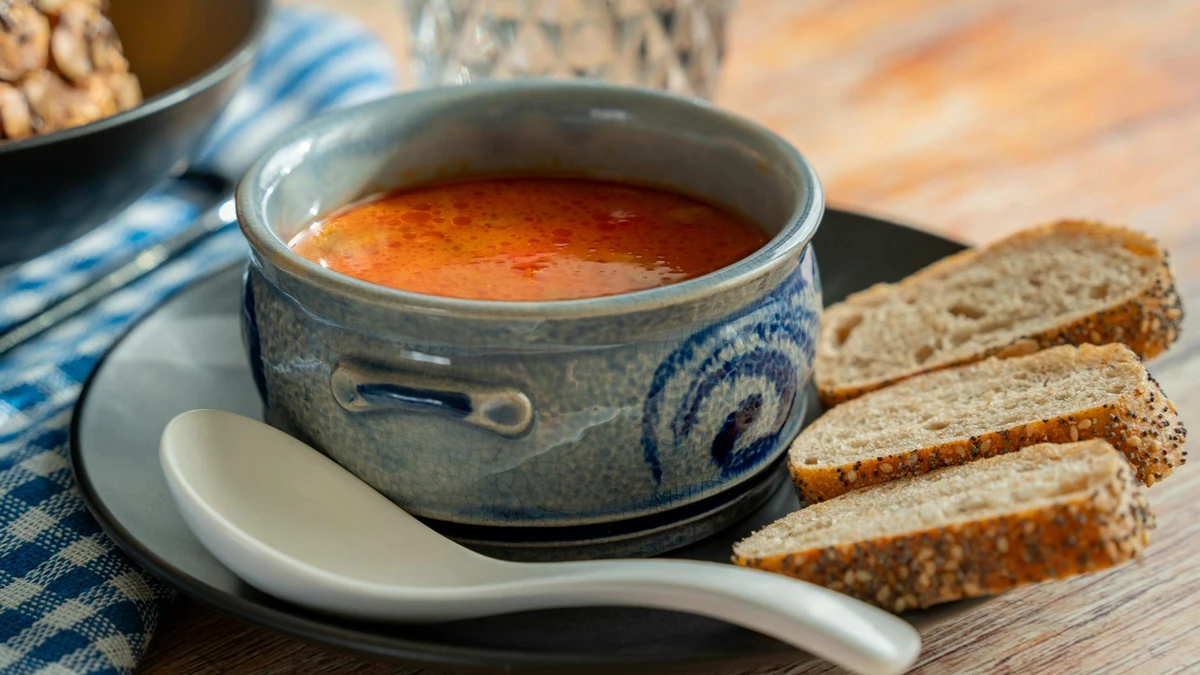
Структура полотна: Два слоя картона с воздушным зазором (3–5 мм) для теплоизоляции
Технические характеристики:
-Сохранение тепла: 75–82% через 30 минут
-Снижение температуры: 12–18 °C за 30 минут доставки
-Влагостойкость: покрытие из полиэтилена (PE) или полилактида (PLA) предотвращает размокание дна
-Стоимость: $0,35–0,65 за контейнер (12–24 унций)
Преимущества:
-Оптимальное соотношение цены и качества для большинства операций
-Доступны варианты, пригодные для компостирования (версии с PLA-вкладышем)
-Конструкция, позволяющая штабелировать изделия, экономит место при хранении
-Возможна индивидуальная печать для брендинга
Ограничения:
-Требуется надлежащая герметичность крышки для предотвращения утечки тепла
-Не подходит для очень длительных сроков доставки (45+ минут)
-Воздушный зазор может сжаться, если груз укладывается слишком плотно
Лучшее для: Суповые лавки, рестораны азиатской лапши, службы доставки «домашней еды» с сроком доставки 15–30 минут.
Структура полотна: Структура пенопласта с закрытыми порами удерживает воздух, обеспечивая превосходную теплоизоляцию
Технические характеристики:
-Сохранение тепла: 85–92% через 30 минут
-Снижение температуры: 6–10 °C за 30 минут доставки
-Влагостойкость: изначально водостойкий
-Стоимость: $0,45–0,85 за контейнер (12–24 унций)
Преимущества:
-Лучшие в своём классе тепловые характеристики
-Превосходная герметичность благодаря крышкам с защелкивающимся креплением
-Низкий вес снижает расходы на доставку
-Защищает продукты во время транспортировки
Ограничения:
-Экологические проблемы (во многих регионах такие отходы трудно поддаются переработке)
-Запрещено в некоторых городах/регионах (ознакомьтесь с местными нормами)
-Занимает больше места при хранении, чем вложенный картон
-Ограниченные возможности индивидуальной печати
Лучшее для: Услуги доставки премиум-класса, кейтеринг, доставка питания в больницы и медицинские учреждения, доставка на дальние расстояния (30–60+ минут).
Критерии отбора:
Для жидких супов: Пленка с термосваркой или крышки с винтовой закруткой обеспечивают наилучшую защиту от утечек. Целостность уплотнения следует ставить выше вентиляции.
Для рагу и блюд с крупными кусочками: Крышки с фиксацией с помощью выступов или защелкиванием обеспечивают баланс между защитой от утечек и простотой открывания. Допускается некоторое выделение газов.
Для блюд из лапши: Крышки с отверстиями для выпуска пара необходимы, чтобы лапша не размокла из-за конденсата пара.
Дилемма конденсации: Герметичные контейнеры сохраняют тепло, но задерживают пар, из-за чего еда становится размокшей. Контейнеры с вентиляционными отверстиями предотвращают размокание, но быстрее теряют тепло.
Решения:
1.Впитывающие влагу вкладыши: Поместите в крышку полоски впитывающей бумаги для сбора конденсата (добавляется $0,02–0,04 на каждую тару)
2.Конструкция с двумя вентиляционными отверстиями: Небольшие вентиляционные отверстия (2–3 мм) обеспечивают отвод избыточного пара, сохраняя при этом большую часть тепла (снижение температуры составляет всего 3–5 °C по сравнению с полностью герметичным вариантом)
3.Отсроченный сброс давления: Упаковка опечатана; приложить инструкции для покупателя по сбросу давления по прибытии
4.Модульная конструкция: Отделите соус/бульон от твердых ингредиентов, чтобы избежать размокания
Тестовые данные: Контейнеры с крышками с двойной вентиляцией сохранили 78% тепла через 30 минут, при этом количество жалоб на размокание продуктов сократилось на 65% по сравнению с полностью герметичными контейнерами.
Отношение объёма к площади поверхности: Меньшая площадь поверхности по отношению к объему снижает теплопотери.
Принципы проектирования:
-Контейнеры большей глубины (высота > диаметр) теряют тепло медленнее, чем неглубокие широкие емкости
-Округлые формы имеют меньшую площадь поверхности, чем острые углы при одинаковом объеме
-Меньшие порции лучше сохраняют тепло, чем большие общие ёмкости (разделите заказ объёмом 32 унции на 2 порции по 16 унций, а не на одну порцию объёмом 32 унции)
Площадь соприкосновения крышки: Убедитесь, что край крышки выступает за край ёмкости как минимум на 8–12 мм для обеспечения надёжной герметичности. Недостаточный выступ (4–6 мм) увеличивает потери тепла на 15–20%.
Назначение: Разделить горячие и холодные компоненты, не допускать смешивания текстур
Параметры настройки:
1.2-секционный (соотношение 70/30): Основное блюдо горячего приготовления + салат на гарнир или холодные закуски
2.3 отделения (50/25/25): Основное блюдо + два гарнира (соусы подаются отдельно)
3.Чаша + отсек для крышки: Суп внизу, крекеры/гарнир — в углублении крышки
Тепловые преимущества:
-Обеспечивает отделение термочувствительных продуктов (салата, гарниров) от горячих блюд
-Предотвращает перекрестное загрязнение соуса, которое приводит к размыванию вкуса
-Позволяет использовать различные стратегии подогрева (подогрев основного блюда, сохранение гарниров в холодном состоянии)
Учет затрат: Многоотсековые контейнеры стоят на 25–40% дороже, чем одноотсековые аналоги, но позволяют сократить потребность в отдельной упаковке (чистое влияние на стоимость: +10–15% при использовании двухсекционного контейнера по сравнению с покупкой двух отдельных контейнеров).
Безопасные температуры хранения продуктов питания:
-Горячие блюда: Температура должна поддерживаться на уровне выше 60 °C (140 °F) для предотвращения размножения бактерий
-Опасная зона: 5–60 °C (41–140 °F) способствуют быстрому размножению бактерий
-Целевой показатель по поставкам: Поддерживать температуру выше 65 °C у двери заказчика с учётом задержки при подаче блюд
Зависимость «время-температура»:
Соблюдение нормативных требований: Многие органы здравоохранения предписывают, чтобы температура продуктов поддерживалась выше 60 °C или ниже 5 °C. Если время доставки превышает допустимые температурные диапазоны, может потребоваться использование термосумок, термоящиков с подогревом или ограничение времени обслуживания.
Протокол испытаний на сохранение температуры:
1.Наполните контейнер продуктом, имеющим температуру подачи (75–80 °C)
2.Запечатайте с крышкой так, как это получают покупатели
3.Хранить при комнатной температуре в зимний период (0–10 °C)
4.Измеряйте внутреннюю температуру через 10, 20, 30 и 40 минут
5.Повторите тест 5 раз, вычислите среднее значение результатов
Критерии приемлемости:
-Время выдержки 30 минут: ≥65 °C (минимально допустимое значение)
-30-минутное удержание температуры: ≥70 °C (хорошие показатели)
-30-минутное удержание температуры: ≥72 °C (отличные показатели)
Полевые испытания: Проводите реальные испытания доставки в самые холодные дни. Лабораторные условия не учитывают многократное открывание дверей, обогрев автомобиля и задержки, связанные с действиями клиентов.
Соображения окупаемости инвестиций:
Снижение количества жалоб: В ходе пилотного исследования переход с однослойной упаковки на двухслойную позволил сократить количество жалоб на “холодную еду” на 58%, что привело к снижению затрат на возмещение средств на $180 в месяц при объеме заказов в 500 штук.
Повторные заказы: У клиентов, получивших продукты с надлежащим поддержанием температуры, показатель повторных заказов в течение 30 дней оказался на 23% выше, чем у тех, у кого возникли проблемы с температурным режимом.
Экономия труда: Улучшение упаковки сокращает время, затрачиваемое на обработку звонков с жалобами и оформление возмещений (по оценкам, 2–4 часа в неделю при объеме 500 заказов = $120–240 в месяц при производительности $15 в час).
Подход, ориентированный на зимний период:
-Переходите на использование термоконтейнеров только в холодное время года (ноябрь–март в умеренном климате)
-Закажите запас на 4–6 месяцев до наступления зимы, чтобы зафиксировать цену
-Сообщите клиентам об обновлении (“Теперь мы используем зимнюю термоизолированную упаковку”)
Летний переходный период:
-Вернуться к использованию более лёгких однослойных контейнеров (май–сентябрь)
-Снижает затраты на упаковку на 30–40% в теплое время года
-Направить сэкономленные средства на другие операционные нужды или на повышение ценовой конкурентоспособности
Гибридный инвентарь:
-На складе имеются контейнеры 60% зимнего типа и 40% стандартного типа в переходные сезоны (октябрь, апрель)
-Используйте упаковку премиум-класса для дорогостоящих заказов, а стандартную — для клиентов, ориентированных на экономию
-Следите за прогнозами погоды, чтобы корректировать коэффициенты использования
Компромиссы в плане производительности:
-Экологичные материалы в большинстве случаев удерживают на 5–15% меньше тепла, чем пенопласт
-Компенсировать следующим образом:
– Начиная с более высоких температур продуктов (+5 °C)
– Сокращение радиуса доставки для уменьшения времени в пути
– Использование термосумок для доставки в качестве дополнительной защиты
– Разъяснение клиентам сути незначительных различий в температуре
Восприятие клиентами: 68% опрошенных клиентов готовы согласиться на незначительное снижение температуры в обмен на экологичную упаковку, но только при условии четкого информирования об этом (“экологичная упаковка, возможны незначительные отклонения температуры”).
❌ Ошибка #1: Использование одной и той же упаковки круглый год без учета зимних условий
✅ Правильный подход: В холодное время года (ноябрь–март) рекомендуется перейти на использование термоизолированных контейнеров. Результаты температурных испытаний показывают, что зимой одностенные контейнеры теряют 25–30 °C за 20 минут, тогда как летом — 12–15 °C. Для обеспечения безопасности и качества продуктов рекомендуется перейти на использование двухстенных контейнеров или контейнеров из пенопласта.
❌ Ошибка #2: Приоритет отдается минимальной стоимости контейнера без учета затрат, связанных с жалобами и возмещением средств
✅ Правильный подход: Рассчитайте общие затраты с учетом возмещений и потери клиентов. Пример: экономия в размере $0,20 за контейнер за счет использования более дешевой упаковки при уровне жалоб 15% обходится дороже, чем дополнительные затраты в размере $0,40 на качественную упаковку с уровнем жалоб 3%. При принятии решений об упаковке учитывайте пожизненную ценность клиента.
❌ Ошибка #3: Полностью герметичные контейнеры, обеспечивающие максимальное сохранение тепла, что приводит к размоканию продуктов из-за образования конденсата
✅ Правильный подход: Используйте крышки с двойной вентиляцией, которые выпускают избыточный пар, сохраняя при этом тепло, или добавьте вкладыши, поглощающие влагу. Испытания показывают, что крышки с вентиляцией снижают количество жалоб на размоченность на 65%, при этом снижая сохранение температуры лишь на 3–5 °C — это приемлемый компромисс для улучшения качества продуктов.
❌ Ошибка #4: Заказ одного большого контейнера для семейных заказов вместо нескольких небольших порций
✅ Правильный подход: Разделите большие порции на 2–3 меньших контейнера. Согласно законам физики, меньшие объёмы лучше сохраняют тепло (большее соотношение объёма к площади поверхности), а отдельные порции при необходимости разогреваются более равномерно. Два контейнера объёмом 16 унций сохраняют тепло на 12–18% лучше, чем один контейнер объёмом 32 унции, в течение 30 минут.
Под зимней упаковкой для пищевых продуктов понимаются специальные термоизолированные контейнеры, предназначенные для поддержания температуры горячих блюд во время доставки и обслуживания на вынос в холодную погоду. В их производстве используются такие материалы, как двухслойный картон, пенополистирол или формованное волокно с воздушной прослойкой, которые замедляют потерю тепла при низких температурах окружающей среды. Эффективная зимняя упаковка позволяет поддерживать температуру блюд выше 60 °C (140 °F) в течение 30–45 минут, предотвращая рост бактерий и обеспечивая удовлетворённость клиентов, которые получают должным образом подогретые блюда.
Пенополистирол (EPS) демонстрирует наилучшие показатели: сохранение температуры на уровне 85–92% через 30 минут, благодаря чему продукты остаются на 6–10 °C теплее, чем при использовании других вариантов. Двухслойный картон представляет собой экономичную альтернативу с показателями сохранения температуры 75–82%. Формованное волокно (багасса) представляет собой экологичное решение с показателем сохранения температуры 78–85%. При очень длительной доставке (45+ минут) наилучшее сохранение температуры обеспечивают пенопластовые контейнеры с внешними термосумками. Выбор материала зависит от времени доставки, бюджета и приоритетов в области экологической устойчивости.
Используйте тару с надлежащими механизмами герметизации: крышки из термосвариваемой пленки обеспечивают защиту от протекания на уровне 98–99% (оптимально для жидких супов), крышки с винтовой закруткой — 95–98%, а крышки с фиксаторами — 90–95%. Убедитесь, что край крышки выступает за край контейнера как минимум на 8–12 мм. Наполняйте контейнеры на 80–85% от объёма, оставляя свободное пространство для расширения содержимого. Перед полномасштабным внедрением протестируйте упаковку с реальными супами — проведите испытания на встряхивание и наклон, чтобы убедиться в целостности герметизации в условиях транспортировки.
Утеплённая упаковка зимнего типа стоит на 40–120% дороже стандартных однослойных контейнеров. Стоимость однослойной упаковки составляет $0,15–0,25 за единицу; двухслойной — $0,35–0,65; пенопласта — $0,45–0,85. С другой стороны, усовершенствованная упаковка сокращает количество жалоб на холодные блюда на 58% и расходы на возмещение примерно на $180 в месяц для предприятий, обрабатывающих 500 заказов. Более высокие затраты на упаковку, как правило, компенсируются сокращением жалоб, уменьшением количества возмещений и повышением лояльности клиентов, что позволяет достичь положительной рентабельности инвестиций в течение 3–4 месяцев.
Используйте контейнеры из двухслойного картона или формованного волокна (теплоудерживающая способность 78-85%), начинайте доставку при более высокой температуре блюд (80–85 °C вместо 75 °C), сократите радиус доставки, чтобы время транспортировки не превышало 25 минут, используйте термоизолированные сумки для доставки в качестве дополнительной защиты и оптимизируйте форму контейнеров (более глубокие контейнеры с меньшей площадью поверхности теряют тепло медленнее). Сочетание этих стратегий позволяет достичь показателей, сопоставимых с показателями пенопласта, при использовании более экологичных материалов.
Да. Для жидких супов требуется повышенная защита от протекания (термозапаянные или винтовые крышки, эффективность уплотнения 98%+), и для них можно использовать полностью герметичные контейнеры, поскольку проблема размокания не актуальна. Твёрдые блюда и блюда из лапши требуют вентиляции для предотвращения размокания из-за конденсата — используйте крышки с двойными вентиляционными отверстиями или вкладыши, поглощающие влагу. Для супов лучше подходят глубокие цилиндрические контейнеры (лучшее соотношение объёма к площади поверхности), а блюда с крупными кусочками хорошо хранятся в контейнерах с отделениями, разделяющих компоненты с разным уровнем влажности.
Согласно нормам безопасности пищевых продуктов, температура горячих блюд должна оставаться выше 60 °C (140 °F). Стремитесь поддерживать температуру на уровне 65 °C к моменту доставки к двери клиента, чтобы учесть возможные задержки при подаче. Для доставки в течение 15–25 минут достаточно двухслойной упаковки, обеспечивающей сохранение тепла на уровне 75–82%. Для доставки в течение 25–40 минут требуется пенопласт или высококачественная теплоизоляция (сохранение температуры 85–92%). При сроках доставки свыше 40 минут используйте пенопластовые контейнеры в сочетании с внешними термосумками. Проведите тестирование температуры с учетом конкретных блюд вашего меню и маршрутов доставки, чтобы убедиться, что упаковка соответствует требованиям безопасности.
Упаковка продуктов питания в зимний период требует стратегического подбора материалов, применения надлежащих систем герметизации и оптимизации тепловых характеристик, чтобы обеспечить безопасность продуктов и удовлетворенность клиентов при доставке в холодную погоду. Разница в эксплуатационных характеристиках между стандартной упаковкой и упаковкой зимнего типа напрямую влияет на количество жалоб, расходы на возмещение средств и удержание клиентов.
Основные выводы:
1.Сезонное обновление упаковки—В зимние месяцы (ноябрь–март) контейнеры с двойными стенками или из пенопласта снижают потери тепла на 40–60% по сравнению с одностенными
2.Согласовать объем изоляции со сроками поставки—Для маршрутов продолжительностью 15–25 минут требуется двойная стенка (уровень удержания 75–82%); для маршрутов продолжительностью 25–40 минут требуется пенопласт (уровень удержания 85–92%)
3.Герметизация и вентиляция баланса—для жидких супов нужны герметичные крышки; для твердых блюд лучше использовать крышки с вентиляционными отверстиями, чтобы они не размокали
4.Рассчитать общую стоимость—учитывайте затраты, связанные с reklamacjami и возмещением средств, при принятии решений об упаковке; высококачественная упаковка окупается в течение 3–4 месяцев
5.Проведите тестирование перед развертыванием—проводить испытания на сохранение температуры с использованием реальных блюд из меню в условиях реальной доставки
-Контейнеры для упаковки пищевых продуктов
-Решения для упаковки при доставке
Компания Papacko поставляет ресторанам и службам доставки еды термоизолированные контейнеры для зимнего периода, в том числе из двухслойного картона, прессованного волокна и пенопласта. Наши специалисты по упаковке оказывают поддержку в проведении температурных испытаний, разработке индивидуальных размеров и планировании сезонных запасов, что гарантирует доставку горячей еды при надлежащей температуре в течение всего холодного периода.
Свяжитесь с нами:
Последнее обновление: август 2026 года